Published: December 30, 2020 • Updated: March 18, 2026
You glance up at your ceiling and notice a crack. It may have always been there, or you may have spotted it for the first time. Either way, a familiar question follows: Is this something to worry about, or is it just the house showing its age?
The truth is, there is no one-size-fits-all answer. A lot of ceiling cracks are completely normal, things like house settling, temperature swings, or drywall doing what drywall does. Others are telling you that something bigger is going on beneath the surface, whether it is a moisture problem or a structural issue that should not be ignored.
This guide covers everything homeowners need to know about ceiling cracks: what the different types look like, what causes them, when they are cause for concern, and what to do about them.
Are Ceiling Cracks Normal?
In many cases, yes. Houses move. Wood framing expands and contracts with changes in temperature and humidity throughout the year. Drywall joints shift slightly as foundations settle over time. This normal movement often produces small, thin cracks in ceilings, especially in older homes or those built on clay-heavy soils, such as much of Northern Virginia.
That said, not all ceiling cracks are harmless. Whether a crack is cosmetic or a structural concern usually depends on its width, location, shape, and whether it grows over time.
Learning to read these differences is the first step in knowing whether to monitor, repair, or call a professional.
Types of Ceiling Cracks
Ceiling cracks come in several distinct forms, and each type communicates something different about what may be happening in your home. Here are the most common types homeowners encounter:
1. Hairline Cracks
Hairline cracks in ceilings are thin, shallow cracks — often no wider than a piece of paper. They typically appear at drywall seams or joints and are among the most common and least serious cracks in the ceiling you will encounter.
In most cases, hairline cracks in a ceiling result from normal drywall expansion and contraction, insufficient joint compound applied during finishing, or minor house settling over time. They are generally cosmetic and do not indicate structural problems.
2. Spiderweb Cracks
Spiderweb cracks, also called crazing cracks, spread outward from a central point in a pattern that resembles a spider’s web. These ceiling cracks in drywall or plaster are usually caused by the paint or finish coat cracking as it dries and ages.
Plaster cracks in this type of ceiling are especially common in older homes. While they can look alarming, spiderweb cracks are typically cosmetic and do not point to deeper structural concerns.
3. Straight Cracks Along Seams
Long, straight cracks that run along ceiling seams at the joints where two drywall panels meet are among the most common types of ceiling cracks in newer construction. These often appear at tape joints when the drywall tape separates or when insufficient compound was applied during installation.
While they are frequently cosmetic, a straight seam crack that continues to grow over time warrants a closer look.
4. Diagonal Ceiling Cracks
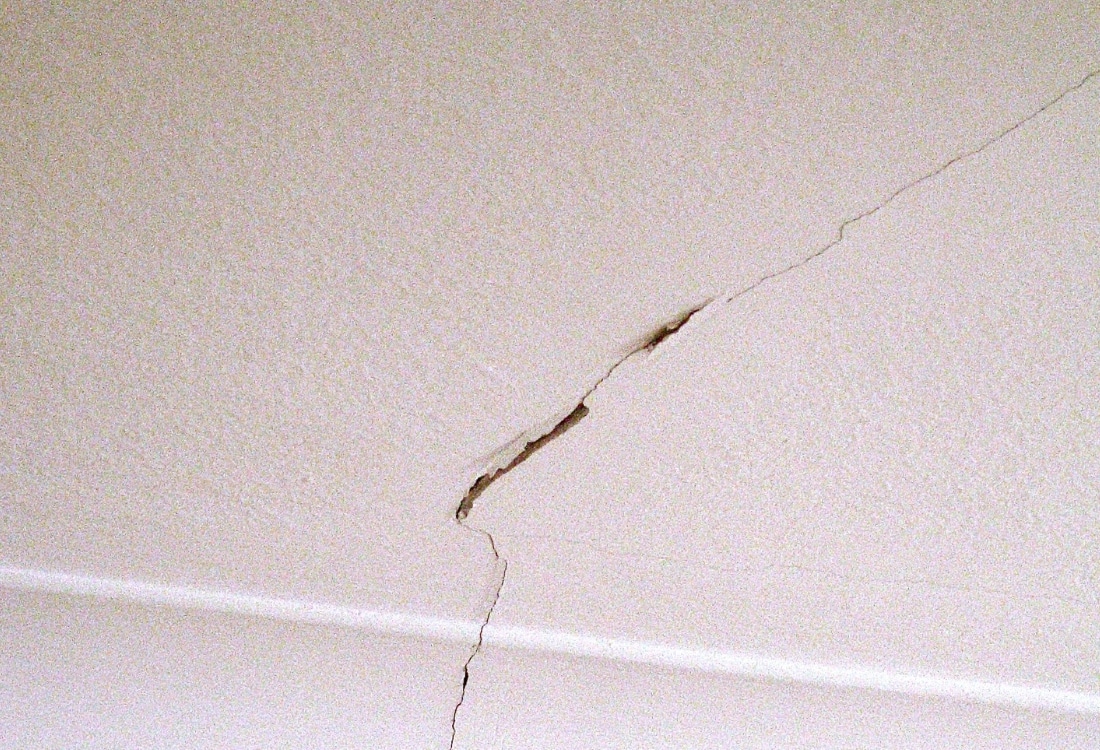
A diagonal crack in a ceiling, particularly one that runs from a room corner toward the center or continues down the wall. That pattern usually indicates structural movement, often caused by uneven foundation settlement, in which one part of the foundation shifts more than the rest of the house.
These cracks deserve professional evaluation, especially if they are wider than a hairline or appear to be growing.
5. Cracks Where the Wall Meets the Ceiling
A crack running along the line where the ceiling meets the wall, sometimes described as the ceiling separating from the wall, can indicate several things. Seasonal movement in wood framing, truss uplift in certain roof structures, or, in more serious cases, foundation movement.
If this crack is accompanied by other symptoms such as sticking doors, sloping floors, or cracks appearing elsewhere in the home, it is worth having a foundation specialist take a look.
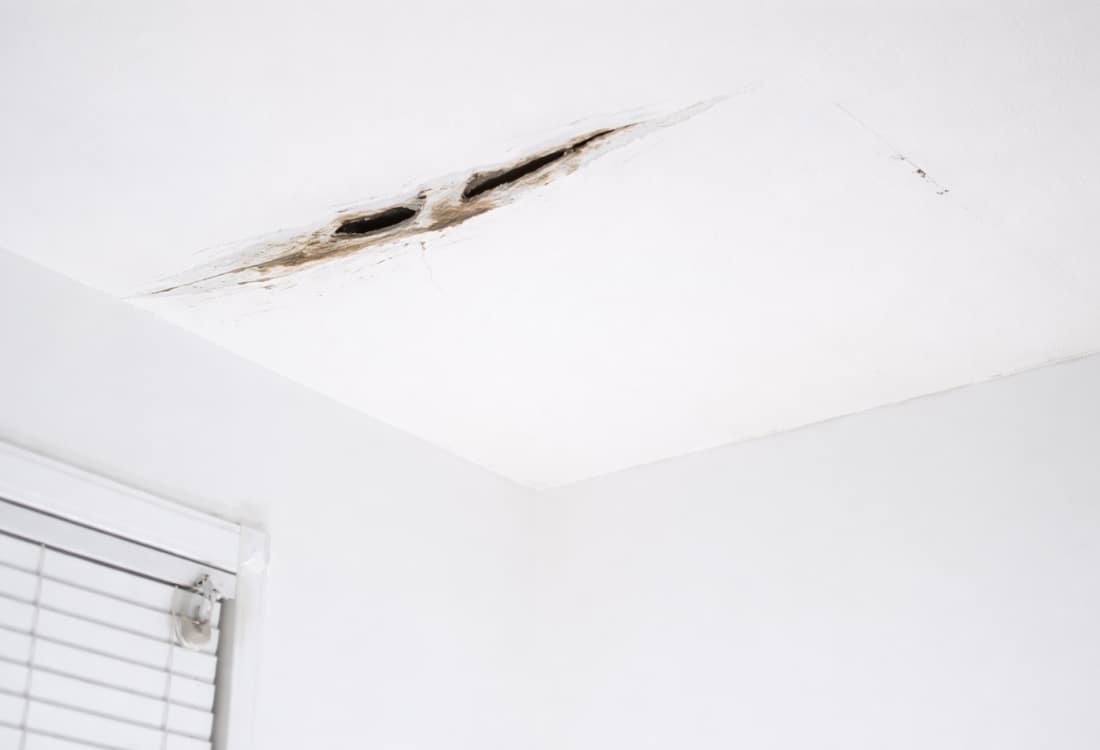
6. Bowed or Sagging Ceiling Cracks
A bowed ceiling crack, one that accompanies visible sagging or a ceiling that appears to bulge downward, is the most serious type on this list. A sagging, cracked ceiling almost always points to significant water damage, a structural failure in the ceiling joists or roof framing, or long-term moisture infiltration that has weakened the drywall or plaster.
This situation calls for immediate professional attention. Do not ignore sagging cracks in the ceiling.
7. Multiple Cracks Across the Ceiling
One crack by itself does not always mean something is wrong. It gets concerning when cracks start popping up in different areas of the ceiling, especially if they are growing or forming a recognizable pattern. If you are seeing that along with other issues around the house, do not wait for it to get worse. That is the kind of thing a professional should evaluate.
When to Worry About Ceiling Cracks
This is the question most homeowners are really asking. Here is a straightforward guide to help you decide when a ceiling crack is cause for concern and when it is not.
Ceiling Cracks That Are Usually Not Serious:
- Very thin hairline ceiling cracks with no width or depth.
- Cracks that appear only at drywall seams and joints.
- Spiderweb cracks in old paint or plaster.
- Small cracks that have not changed in size over months or years.
- Cracks that appear only in a single, isolated location with no other symptoms.
Ceiling Cracks That Warrant Professional Evaluation:
- Cracks wider than approximately 1/4 inch (about the width of a pencil).
- Cracks that are visibly growing wider or longer over time mark the ends with a pencil and date them to track their growth.
- Diagonal cracks that run from the ceiling corners toward the center of the room.
- Cracks that run from the ceiling down the wall.
- Any crack accompanied by ceiling sagging or bowing.
- Cracks at the junction where walls meet the ceiling, especially if the gap is widening.
- Ceiling cracks that appear alongside other symptoms: Windows and doors that jam or won’t shut right, sloping or uneven floors, and cracks appearing in multiple areas of the home at the same time.
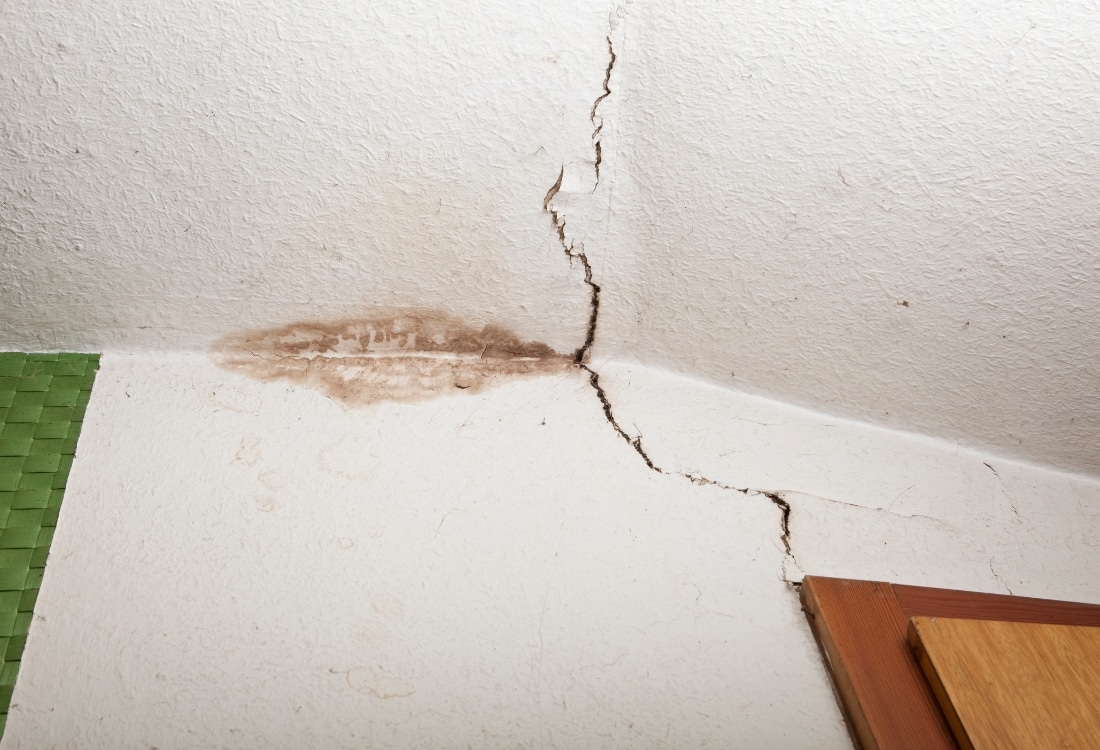
- Cracks with visible water staining, discoloration, or active moisture.
One practical method: if you notice a crack in the ceiling, mark both ends with a pencil and write the date. Check it again in 30 and 60 days. A crack that grows is telling you something is actively changing in your home.
What Causes Ceiling Cracks
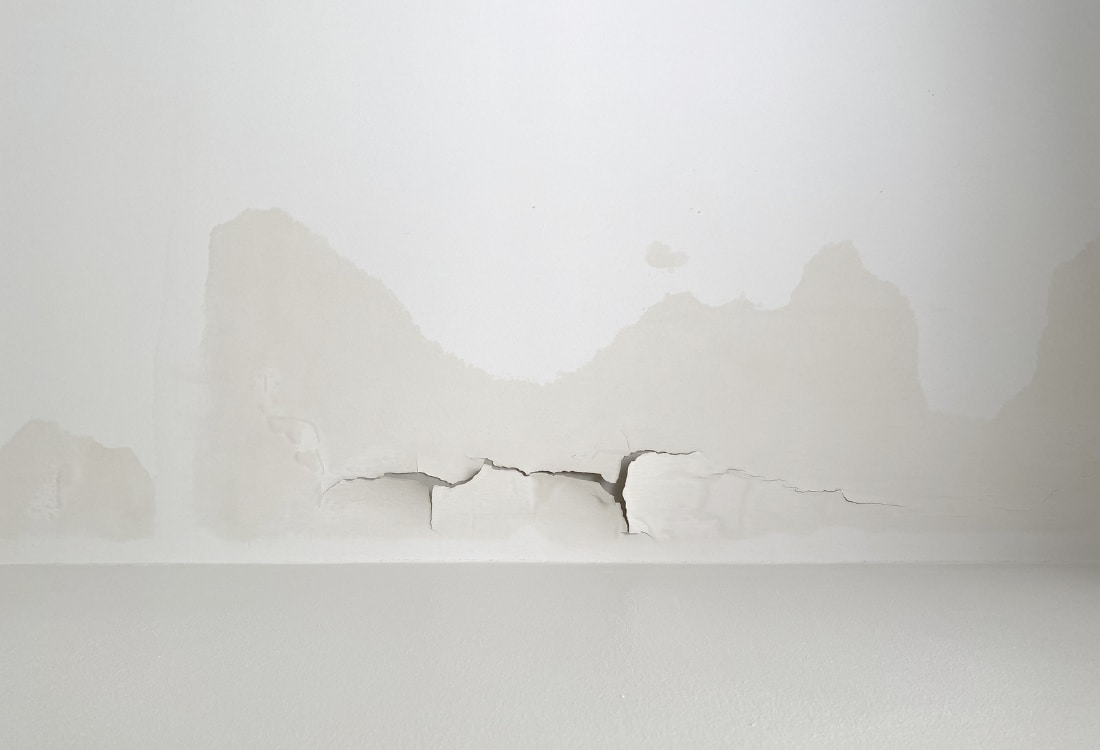
Why is your ceiling showing cracks? The most common causes fall into two broad categories: normal building movement and structural or moisture problems.
Normal Causes (Usually Cosmetic)
- House settling. Normal house settling over time, cracks in the ceiling are a common result of a house settling in its early years, as foundations gradually compact into the soil beneath them.
- Seasonal soil movement. Virginia’s clay-heavy soils expand when wet and contract when dry. This repeated seasonal movement can stress foundations and framing, leading to hairline cracks or their worsening over time.
- Temperature and humidity changes. Wood framing and drywall expand and contract with changes in temperature and indoor humidity, often producing minor cracking at joints and seams.
- Aging paint or plaster. Ceiling paint cracking or crazing as it ages is a surface-level issue with no structural implications.
- Drywall installation issues. Improperly taped drywall joints or insufficient compound during construction can cause seam cracks to appear even in newer homes.
More Serious Causes (Need Professional Attention)
- Moisture and water damage. Water leaking from a roof, plumbing pipe, or HVAC unit above the ceiling can soften drywall and weaken structural components over time, eventually leading to visible cracking, often accompanied by staining or discoloration.
- Structural framing issues. The load-bearing components of your ceiling, joists, and roof trusses can crack, sag, or fail under excessive weight, age, or moisture exposure. A cracked floor joist above can produce visible ceiling symptoms below.
- Foundation movement. When a foundation settles unevenly, stress is transferred through the framing, which can cause diagonal or widespread cracking in the ceiling throughout the home.
- Excessive weight on upper floors. Exceeding support capacity, such as heavy furniture, flooring, or fixtures on upper floors, particularly in multi-story homes, can stress the ceiling structure beneath and contribute to cracking over time.
Do Ceiling Cracks Mean Foundation Problems?
This is one of the most common questions homeowners ask, and the honest answer is: sometimes yes, sometimes no.
Most cracks in the ceiling are not foundation-related. Hairline ceiling cracks, spiderweb cracks, and cracks at drywall seams are almost always cosmetic and are often the result of normal settling, aging materials, or moisture fluctuation.
However, these specific ceiling crack signs are more likely to indicate a foundation issue:
- Diagonal cracks running from the ceiling corners toward the center of the room.
- A crack along the ceiling and wall junction that keeps getting bigger over time.
- Cracks in the ceiling appear at the same time as sticking doors, sloping floors, or cracks in exterior masonry.
- Multiple new cracks are appearing across different rooms in a short period of time.
If you are seeing ceiling cracks combined with any of these other symptoms, a professional foundation evaluation is the most reliable way to understand what is actually happening beneath your home.
When to Call a Professional About Your Ceiling Cracks
Trust your instincts as a homeowner. If a crack does not look right to you, or if it has appeared suddenly after a storm, a plumbing event, or a period of significant rainfall, it is worth having someone with experience take a look.
If any of the warning signs above apply to your situation, do not wait. Cracks in the ceiling caused by structural or foundation issues will not be fixed by patching the surface; the crack will return, often wider, until the underlying issue is properly addressed.
A foundation specialist can assess whether your ceiling cracks are cosmetic or structural and explain exactly what needs to be done. If foundation involvement is suspected, an on-site evaluation is the most reliable way to get a clear picture.
Get Help with Your Ceiling Cracks
If you have ceiling cracks that concern you, especially if they are accompanied by other symptoms such as sticking doors, uneven floors, or cracks elsewhere in your home, LUX Foundation Solutions is here to help.
We provide free on-site foundation evaluations for homeowners across Northern Virginia, the Shenandoah Valley, North Central Virginia, and West Virginia. Our team will assess your home, explain our findings, and give you a clear picture of whether a foundation issue is involved and what repairs are needed.
Contact us to schedule your free evaluation today.