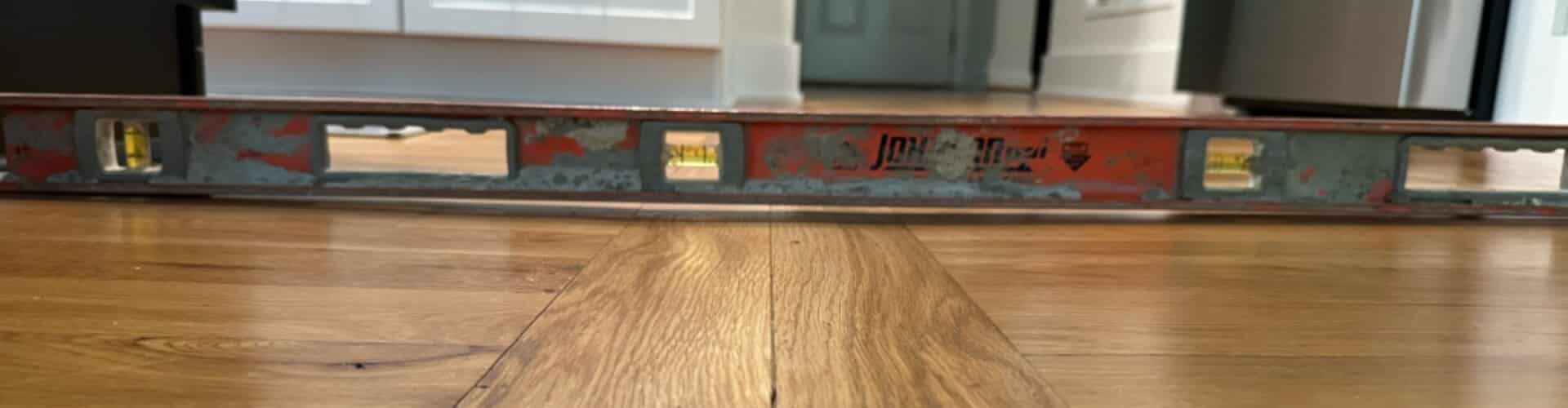
Gap Between Floor And Wall

A gap between the floor and wall in your Northern Virginia home is rarely cosmetic. It is usually a symptom of foundation movement, soil shifting beneath the structure, floor joists weakening, or walls pulling away from the floor system over time.

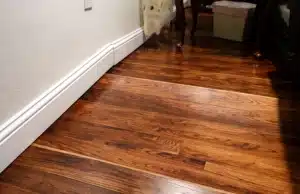
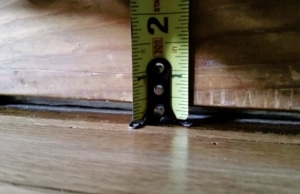
A gap between floor and wall, a clear sign of foundation problems that need a gap between floor and wall repair in Northern VA

By Bridget Stieb, Director of Marketing at LUX Foundation Solutions

What Does a Gap Between the Floor and Wall Mean?

If you’ve spotted a gap between the floor and wall in your home, it may indicate foundation movement. The soil beneath Northern Virginia homes expands and contracts with seasonal moisture changes, causing the foundation to shift or settle over time. This movement transfers upward into the structure, separating floors from walls.

Many homeowners dealing with floor gaps assume the answer is to fill gaps with caulk, cover them with quarter-round molding, or use foam or dust-blocking strips along the baseboard. While these can temporarily hide the gap, they do nothing to address the underlying cause. Larger gaps will often reappear, putting you at risk of missing a leading structural problem.

At LUX Foundation Solutions, we’ve inspected and repaired hundreds of homes with floor-wall gaps across this region. These gaps are rarely cosmetic; they are structural signals. The earlier they’re addressed, the less expensive the repair becomes. 

We offer free assessments across Northern Virginia, the Shenandoah Valley, North Central Virginia, and West Virginia.

Signs of a Gap between the Floor and Wall

A gap between the floor and wall rarely appears alone. If you are seeing any of the following alongside it, the problem is more likely structural than cosmetic:

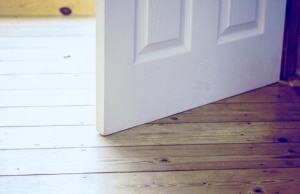
  • Doors or windows that stick or no longer open and close properly.
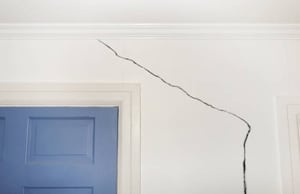
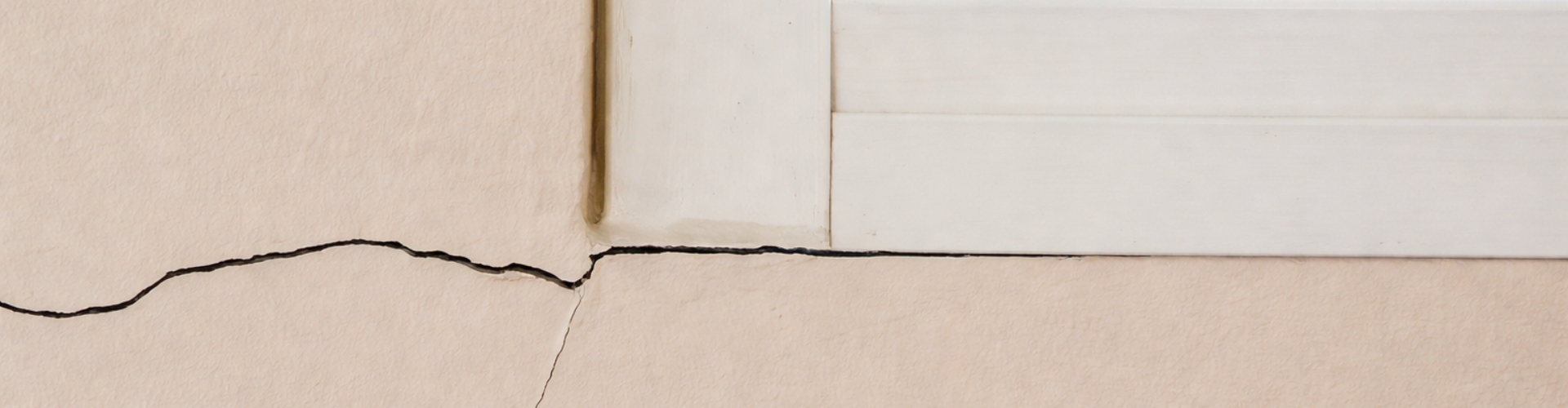
  • Cracks in walls or ceilings, especially diagonal cracks running from corners.
  • Floors that feel uneven, bouncy, or slope toward one side of the room.
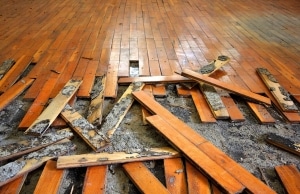
  • Separation of floor tiles or hardwood planks, pulling apart at the seams.
  • Baseboards pulling away from the wall or lifting off the floor, creating gaps.
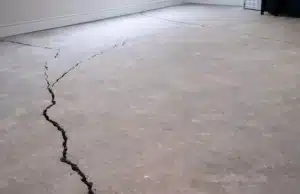
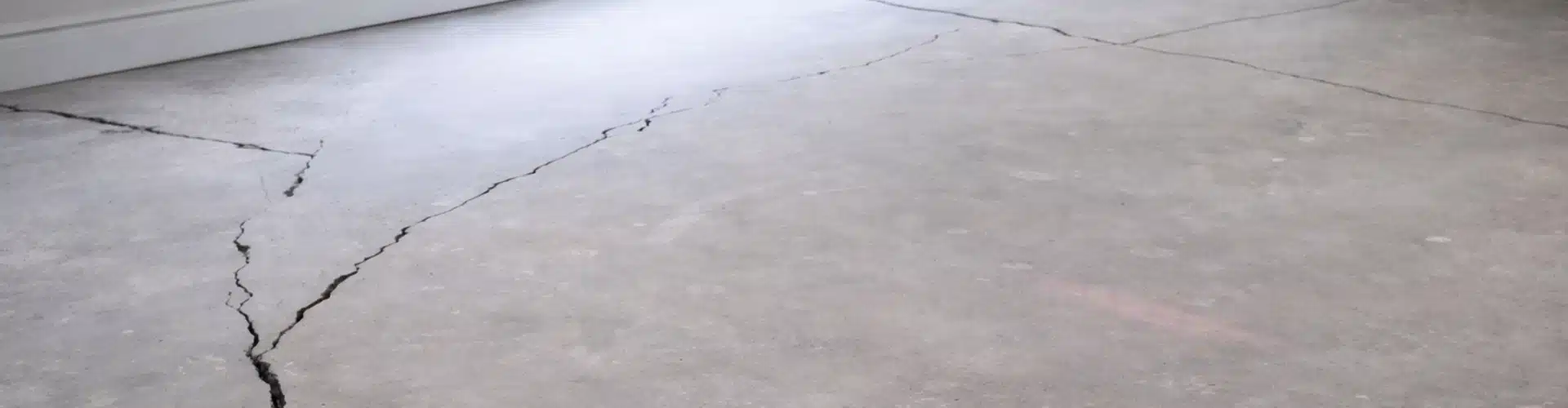
  • Visible cracks in the concrete slab foundation.

If your floor is separating from the wall or you are seeing more than one of these signs together, schedule a

What Causes a Gap Between the Floor and Wall?

Multiple factors can create or worsen a floor-wall gap. Understanding the root cause matters because the repair solution depends on it, and applying the wrong fix to the wrong cause wastes money without solving the problem. Here are the eight most common causes we diagnose in our service area.

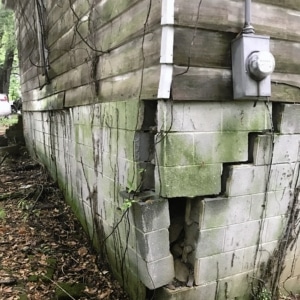
A damaged foundation wall with a huge crack, a potential cause of the gap between floor and wall in Brambleton, VA

Sinking or Damaged Foundation 

A sinking or damaged foundation is one of the most recognizable causes of floor-wall gaps. When the foundation sinks unevenly, it pulls away from the walls above, opening gaps at the floor line. 

In our experience inspecting Northern Virginia homes, these gaps often appear first near door frames and corners, then spread along interior walls. Soil erosion, poor compaction, and foundation aging are the most common drivers.


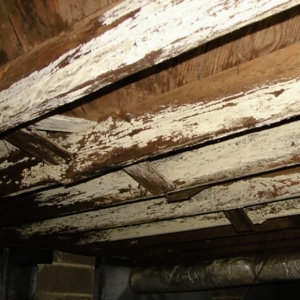
A rotting wood in crawl space joists, a damaged floor joists are root cause of gap between floor and wall in Martinsburg, WV

Rotting or Damaged Floor Joists 

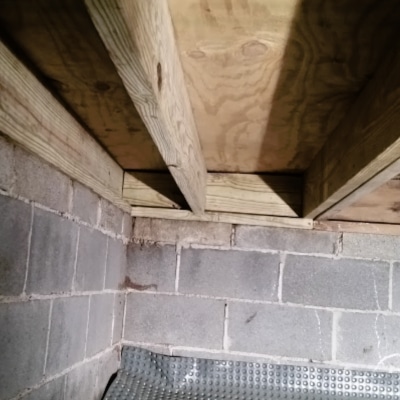
Floor joists are the horizontal wooden beams supporting your floor from below. In most pre-1980 construction homes, these joists in the crawl space are exposed to ground moisture without proper encapsulation. 

Over time, moisture causes wood rot and structural weakening. The floor then sags and pulls away from the wall framing. Unlike settlement gaps, joist-related gaps are accompanied by soft, springy, or bouncy floors, especially in kitchens and bathrooms.


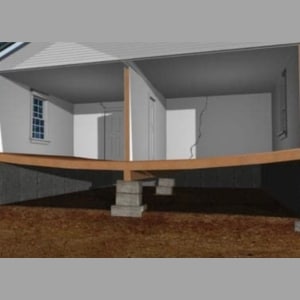
A sloping crawl space floor, indicating that improper crawl space support may cause gap between floor and wall in Winchester, VA

Improper Crawl Space Support 

Crawl space support columns and beams keep the floors level from below. When those supports deteriorate from wood rot, pest damage, or inadequate original installation, the floor above begins to sag at the perimeter where it meets the exterior walls. 

In Northern Virginia, homes with older, unencapsulated crawl spaces are particularly vulnerable because the region’s high summer humidity accelerates wood deterioration in unprotected crawl spaces.

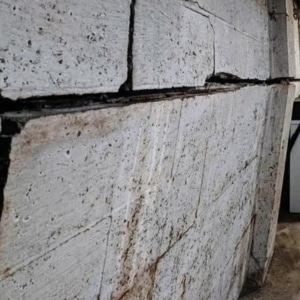
A bowing wall with visible crack, indicating wall bowing as the cause of gap between floor and wall in Reston, VA

Bowing Walls 

When foundation walls bow inward under lateral soil and hydrostatic pressures, they shift away from the floor system above. The resulting gap tends to be wider at the top than the bottom, and horizontal cracking on the wall face typically accompanies it. 

This is most common in foundation walls in Northern Virginia homes built near slopes or in areas with persistently high groundwater levels.

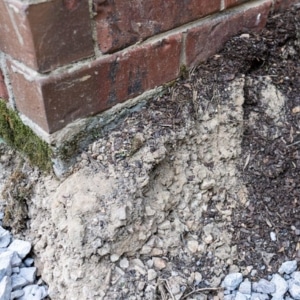
Erosion of soil near the foundation, showing soil movements as a primary cause of gap between floor and wall in Berkeley, WV

Soil Movements

Soil can expand or contract with changes in moisture content, causing foundation movement that can separate walls from floors. As the foundation shifts, the floor-wall junction opens gradually, often at multiple locations simultaneously. 

Northern Virginia’s clay-heavy soils are particularly prone to this. They move more dramatically with seasonal moisture changes than sandy or loam soils, making soil movement a primary driver of floor-wall gaps in this region.

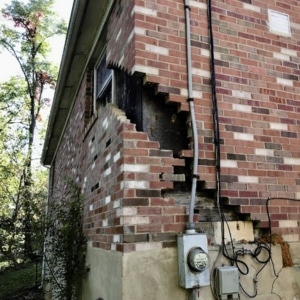
A foundation wall with damaged crack, showing foundation settlement as cause of gap between floor and wall in Southbridge, VA

Foundation Settlement

The soil beneath a home compresses or shifts over time, causing the foundation to settle unevenly. In Northern Virginia, poorly compacted fill soil and reactive clay beneath older homes accelerate this process. 

As the foundation settles unevenly, it pulls away from the walls above. In our inspections, settlement gaps that go unaddressed for more than one season almost always show measurable widening by the time a professional assesses them.

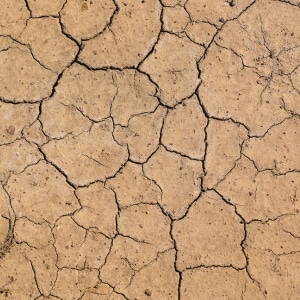
A soil cracking, highlighting soil moisture change as a potential cause of the gap between floor and wall in Clear Brook, VA

Soil Moisture Changes

Excessively dry soil shrinks and creates voids beneath the foundation, while overly wet soil expands and pushes against foundation walls. Poor drainage, improper grading, erosion, and shifts in the local water table all contribute. 

Northern Virginia’s seasonal swing between wet winters and dry summers makes soil moisture a particularly active force on foundations, creating conditions that accelerate floor-wall separation in homes without proper drainage systems.

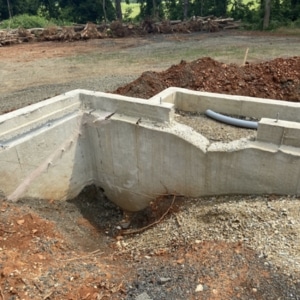
A foundation construction with signs of poor construction practices, which can cause of gap between floor and wall in Linden, VA

Poor Construction

When a foundation is poorly constructed, it may lack necessary reinforcement, use subpar materials, or have improperly installed components. Over time, these deficiencies manifest as structural problems, including floor-wall separation. 

Homes built during periods of rapid development, or with inadequate permits and inspections, are more likely to show these problems earlier than homes built to current code standards.

Our Solution for the Gap Between the Floor and Wall

LUX Foundation Solutions offers four proven repair methods for floor-wall gaps. The right solution depends entirely on the root cause, which is why our free on-site inspection is the essential first step. Every repair we perform is designed to address the underlying cause, not just close gaps at the surface.

I have a gap between the floor and wall due to sagging. What repair is needed?

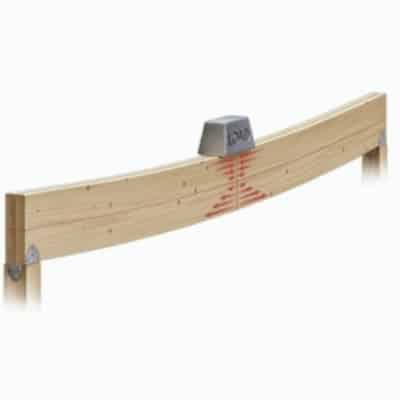
When a sagging floor causes a floor-wall gap, our team first assesses whether the main beam or the floor joists are the source of the failure. If the main beam is the primary driver, we recommend main beam replacement

The main beam carries the weight of the entire floor system, and when it weakens or deteriorates, the floor sags unevenly and pulls away from the walls above. Replacing it restores the structural integrity of the floor system and closes the gap at its source.

I noticed a gap between the floor and wall of my house. Is this a foundation problem? How can I solve this?

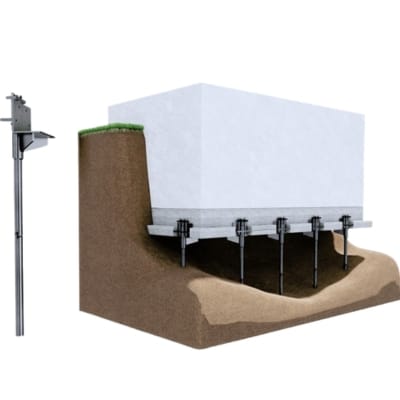
When a floor-wall gap is caused by foundation movement, we recommend push piers. Push piers are steel tubes that our team drives deep into stable soil beneath the unstable layers, causing the foundation to shift. 

They transfer the weight of the structure to solid ground, stabilizing the foundation and, in many cases, allowing it to be lifted back toward its original position. This addresses the root cause of the gap rather than patching the surface.

What repairs are required for a house with a gap between the floor and wall caused by damaged floor joists?

When damaged floor joists are the cause, we recommend sistering floor joists. Our team attaches new joists alongside the existing weakened ones, restoring the load-bearing capacity of the floor system. 

Before sistering, we assess the full extent of the joist damage and inspect the crawl space for moisture conditions that may have caused the deterioration. Addressing the moisture source is part of the repair process, not an afterthought.

Can the gap between the floor and wall be fixed without disrupting the rest of the house?

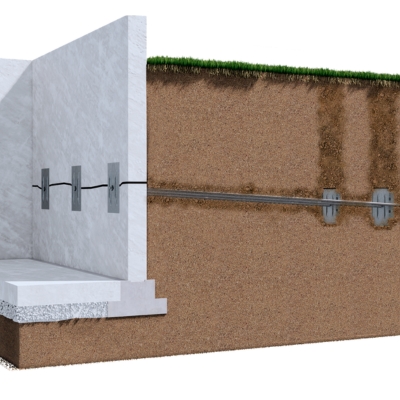
When bowing or leaning foundation walls are causing the gap, we recommend wall anchors. Our team installs a metal plate and rod system through the foundation wall, securing it to stable soil on the exterior. Wall anchors stop further wall movement and, in many cases, allow gradual straightening over time.

Choose LUX Foundation Solutions for Permanent Floor-Wall Gap Repair

A gap between your floor and wall is a message from your home’s structure: something has moved, weakened, or shifted. That message deserves a real answer, not caulk, not trim, not waiting and hoping it stops.

At LUX Foundation Solutions, we’ve been diagnosing and repairing floor-wall gaps across Northern Virginia, the Shenandoah Valley, North Central Virginia, and West Virginia for nearly two decades. We know the soil conditions, the home construction patterns, and the foundation repair methods that work in this region. Every inspection is free. Every estimate is written honestly. Every repair is backed by a warranty.

Don’t wait for a small gap to become a large structural problem. Call 540-508-8587 or fill out our online estimate request form on our website to schedule a free, on-site foundation assessment today.

Request a free Estimate

About the Author

Author picture

Bridget is the Director of Marketing at Lux Foundation Solutions, bringing firsthand knowledge of the foundation repair, basement waterproofing, crawl space repair, concrete repair, and seawall needs of homeowners across Northern Virginia, the Shenandoah Valley, North Central Virginia, West Virginia, and Florida. With a deep understanding of local homeowner concerns in both regions, she is committed to delivering clear, trustworthy content that helps families protect their homes. When she is not working on a marketing strategy, Bridget enjoys spending time with her family, friends and being outdoors.

FAQ's

How serious is the gap between the floor and the wall?

A gap between the floor and wall can range from minor seasonal movement to a serious structural problem:

  • Minor: A gap under a quarter inch in one location with no other symptoms. May be cosmetic, but still warrants a professional assessment to confirm.
  • Moderate: A gap between a quarter inch and half an inch wide, appearing in multiple locations or alongside sticking doors and wall cracks. Suggests an active foundation movement that will not self-correct.
  • Serious: A gap wider than half an inch, including a 2-inch gap between the floor and wall, or any gap that has visibly grown over time. Requires professional assessment as soon as possible.

In our experience, most Northern Virginia homeowners who contact us have been watching the gap for months before they call. By that point, it has usually already grown. Get a professional foundation assessment as soon as possible.

What does a 2-inch gap between the floor and wall mean?

A 2-inch gap between the floor and wall is a serious structural warning sign. A gap that size indicates significant foundation movement, severe floor joist deterioration, or major wall displacement that has been developing for an extended period. It does not appear overnight. By the time a gap reaches 2 inches, the underlying cause has typically been progressing for months or longer and requires immediate professional evaluation.

How do I know if my floor is separating due to a foundation problem?

The clearest indicators are gaps appearing in multiple locations, gaps that are growing over time, and accompanying symptoms such as sticking doors, sloping floors, diagonal wall cracks, or bowing walls. A single small gap with no other symptoms may not be foundation-related. Multiple symptoms appearing together almost always point to a structural cause that needs professional evaluation.

Can a gap between the floor and wall get worse over time?

Yes. The underlying causes, foundation settlement, soil movement, joist deterioration, and wall bowing are progressive. They do not stabilize on their own. A gap that is half an inch today will typically be wider in six months if the root cause is not addressed. Early intervention is significantly less expensive than repair after extended structural movement.
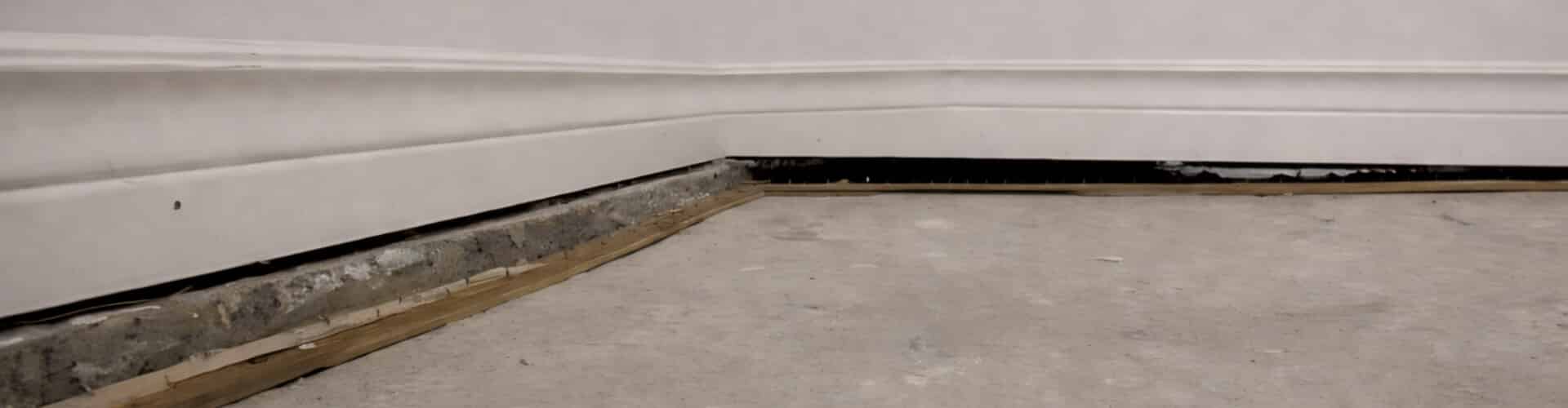

When should I call a foundation professional about a gap between the floor and wall?

As soon as you notice it. Even if the gap turns out to be minor, a professional assessment will confirm whether it is cosmetic or structural and give you a baseline to monitor against. If the gap is wider than a quarter inch, has grown since you first noticed it, or is accompanied by any other symptoms, do not wait. Contact LUX Foundation Solutions for a free on-site assessment.

Related Signs

Thank you! Your form has been successfully submitted. You may receive service-related text messages from Lux Foundation Solutions, including appointment updates, reminders, and one-time verification codes if needed. Message frequency may vary. Msg & data rates may apply. Reply HELP for help. Reply STOP to opt out.

Examples of messages you may receive:

Lux Foundation Solutions: Your appointment has been scheduled. You will receive service-related updates as needed.

Lux Foundation Solutions: Reminder — your scheduled service is approaching. Reply STOP to opt out.

Lux Foundation Solutions: Your verification code is 739214. This code expires in 10 minutes.