Crawl Space Wood Rot

Crawl space wood rot is one of the most damaging and least visible problems a Northern Virginia homeowner can face. By the time the floors feel soft or the odors become noticeable, the decay beneath the home has usually been spreading through the framing for months.

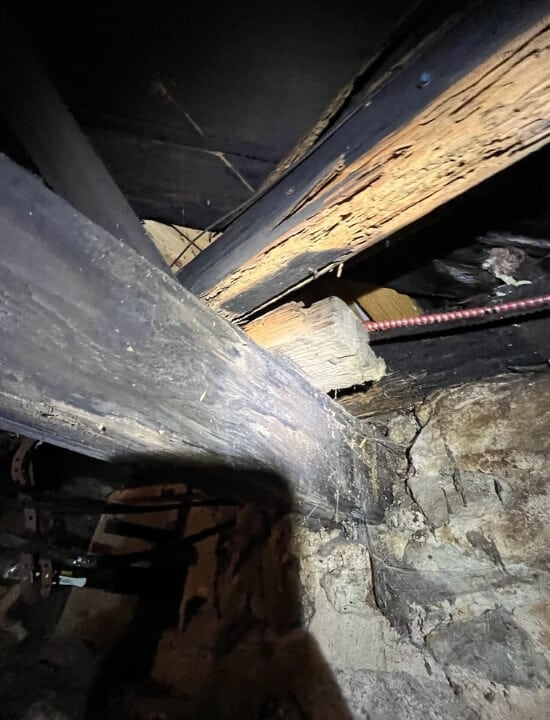
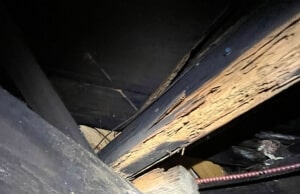
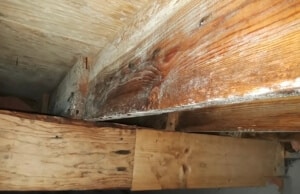
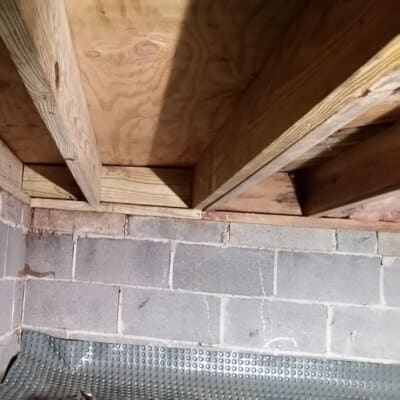
Severe decaying of the beam and joist, a sign of a crawl space problem that needs crawl space wood rot repair in Northern VA.

What is Crawl Space Wood Rot?

Crawl space wood rot happens when floor joists, beams, and other wooden framing beneath your home breaks down caused by prolonged moisture exposure beneath your home. When wood stays damp long enough, fungi begin breaking down the fibers from the inside out, weakening the structural support your floors depend on.

In Northern Virginia, crawl spaces are particularly vulnerable to wood rot due to the region’s clay-rich soil, high summer humidity, and seasonal freeze-thaw cycles. Clay soil retains moisture longer than most soil types, keeping the ground beneath your crawl space damp well after rain stops. At LUX Foundation Solutions, our team has inspected many crawl spaces across Northern Virginia and found that persistent ground moisture is the most common driver of wood rot in the region.

Signs of Wood Rot in Crawl Space

Crawl space wood rot usually shows warning signs before serious damage happens. If you notice any of the issues below, they may indicate active rotting and trapped moisture under your home.

  • Floor joists or beams that feel soft or spongy underfoot are a clear sign that wood fibers have broken down due to prolonged moisture exposure. 
  • Dark or discolored wood along the framing indicates long-term dampness that weakens the joists or beams.
  • Musty odors rising from the crawl space into your living area signal that fungi and decay are actively breaking down wood beneath.
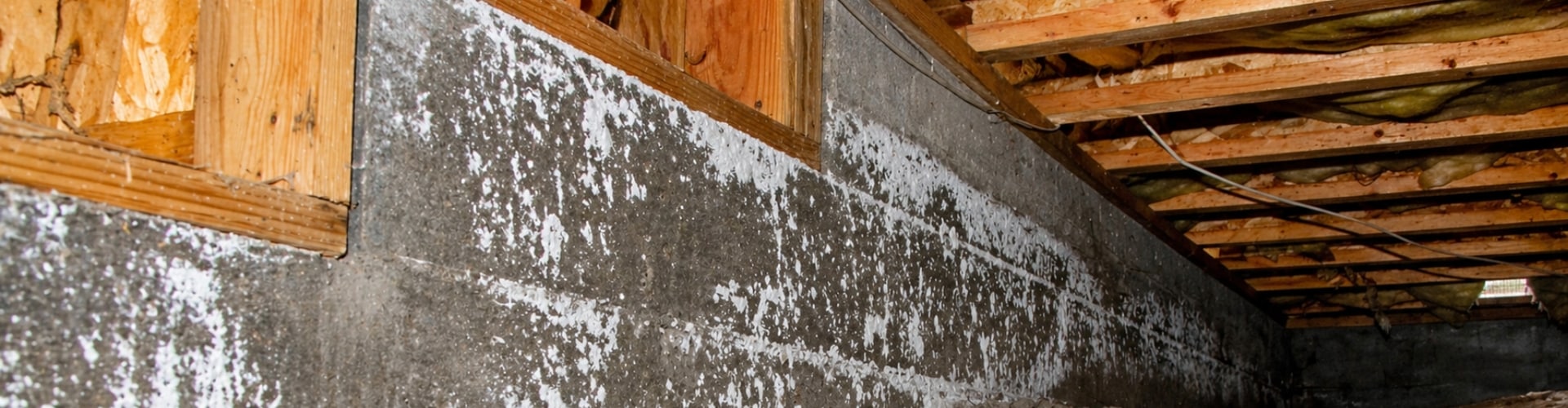
  • Visible mold growth, fungus patches, or early surface decay on joists and beams.
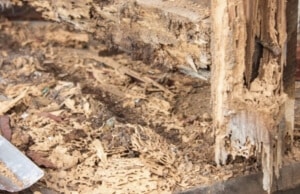
  • Crumbling or flaking wood fibers along the edges of joists or beams indicate advanced decay.
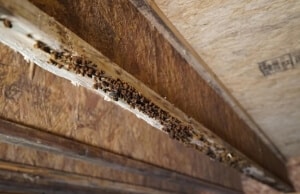
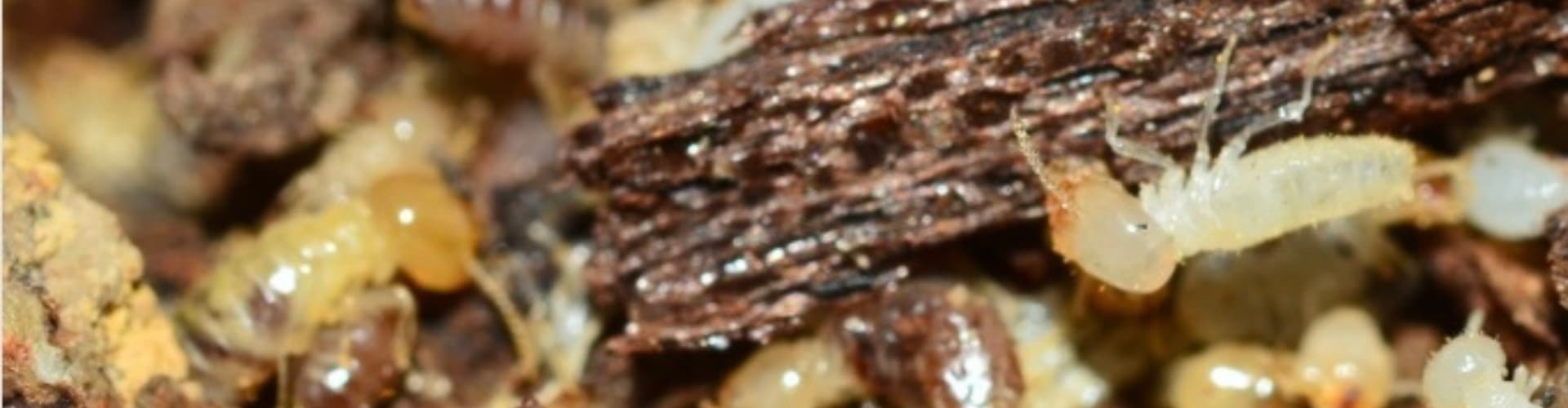
  • A sudden increase in termite or wood-boring insect activity around the crawl space framing often accompanies moisture.

If any of these signs are present in your crawl space, a free crawl space inspection can confirm whether wood rot is active and how far the damage has spread.

What Causes Crawl Space Wood Rot?

Wood rot in crawl spaces does not develop overnight. It builds up when moisture seeps into the wood framing and remains long enough for fungal decay to develop. These are the most common causes our crews identify in Northern Virginia homes.

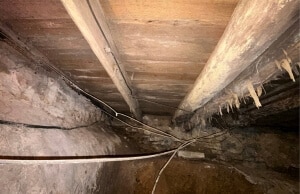
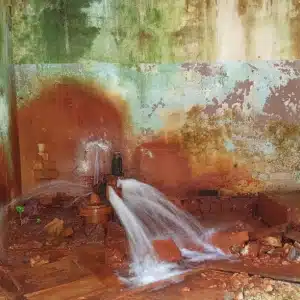
Leaking plumbing pipe inside crawl space saturating floor joists and causing wood rot Clear Brook, VA, from prolonged moisture.

Plumbing Issues

Crawlspaces usually have plumbing lines that can leak, burst, or clog. Even small, unnoticed leaks can saturate joists and beams, keeping the wood damp for long periods. Constant moisture exposure creates the right conditions for fungi and wood rot, which can eventually damage floor joists and lead to serious structural problems if not repaired.

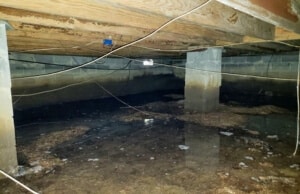
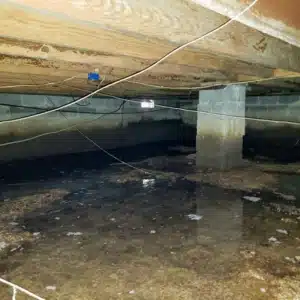
Wet crawl space with standing water on dirt floor showing excess moisture conditions that cause wood rot in Bristow, VA.

Excess Moisture or Humidity

During the summer, humidity levels in Northern Virginia often rise above 80 percent. When that humid air gets trapped beneath your home, the wood framing starts absorbing the moisture. Over repeated seasons, this moisture accumulation breaks down the cellular structure of joists and beams, creating conditions where wood rot in crawl spaces can take hold and spread.

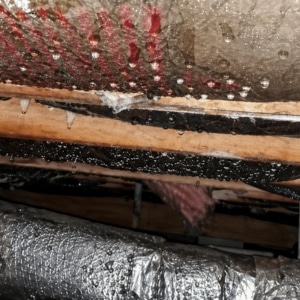
Condensation forming on ductwork and pipe causing wood rot decay conditions in Brambleton, VA.

Condensation

During Northern Virginia’s warm months,humid air can create condensation when it touches cooler surfaces inside the crawl space. This moisture settles on wooden beams and floor joists, keeping them damp and vulnerable to fungal growth. If the moisture problem is not fixed, ongoing condensation can lead to wet rot, dry rot, and long-term structural damage in the crawl space.

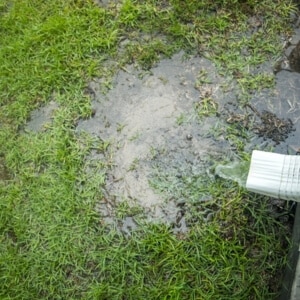
Downspout draining water beside the foundation, causing saturated soil that can lead to crawl space wood rotting in Berkeley, WV.

Poor Drainage

Heavy clay soil throughout much of the Northern Virginia Piedmont region does not drain well after rainfall. Groundwater accumulates near the foundation, raising moisture levels in the crawl space. When that saturated soil pushes humidity into the wood framing season after season, crawl space wood rot develops and accelerates faster than it would in areas with sandy or well-draining soil.

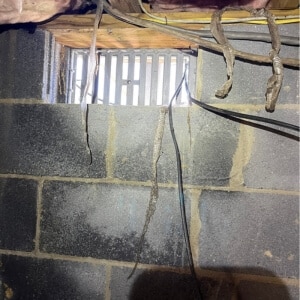
Open crawl space vent allowing outdoor humidity to enter, causes of crawl space wood rotting in Berryville, VA.

Open Vents

Many older Northern Virginia homes were built with open crawl-space vents to improve airflow beneath the house. During warm, humid months, these vents do the opposite of what was intended. They pull moist outdoor air into the crawl space, where it condenses on joists and beams. Over time, repeated moisture exposure can cause crawl space wood rot, weakening the wood framing and creating conditions where fungi can grow.

Addressing these underlying causes of moisture problems is the best way to stop crawl space wood rot before it spreads to the structural framing. Schedule a free estimate with LUX Foundation Solutions, so we can identify the cause of the problem and recommend the best solution for your home.

Our Proven Crawl Space Wood Rot Solutions

Repairing crawl space wood rot requires fixing both the damaged wood and the moisture source driving the decay. LUX Foundation Solutions offers five repair and moisture-control solutions based on how severe the damage is and the underlying cause in your home.

Floor Joist Sistering 

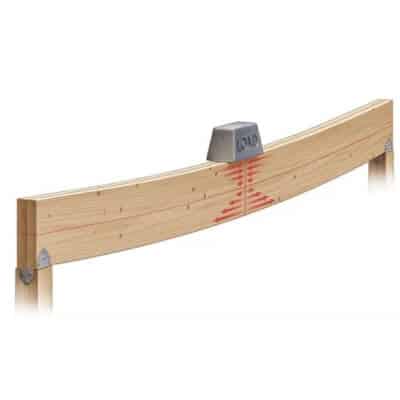
Replacing an entire floor joist is not always necessary when rot has not fully compromised the wood. Floor joist sistering strengthens damaged joists by attaching new treated lumber alongside the weakened section, restoring load-bearing strength without a full removal. 

This solution works best when joists have soft spots, minor rot, or termite damage that has not spread yet to the surrounding framing. It is one of the most effective ways to stabilize a floor system without the disruption and cost of tearing out the entire structure beneath your home.

Main Beam Replacement 

When the main support beam beneath your crawl space has deteriorated due to wood rot beyond repair, sistering alone is not enough. A fully rotted main beam can no longer safely carry the load of your home, and the longer it goes unaddressed, the more the surrounding framing is affected. 

Main beam replacement removes the damaged beam entirely and installs new treated lumber that is more resistant to moisture and rot. If the beam shows severe rot throughout its length, the floor above is sagging, or the damage is too extensive for reinforcement alone, replacing the beam is usually the best solution.

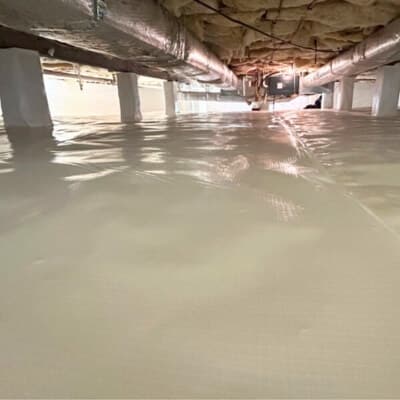
Crawl Space Encapsulation 

Most crawl space wood rot starts with a moisture problem that was never properly sealed out. If groundwater, soil, humidity, or outdoor air is the source of the moisture causing decay beneath your home, encapsulation addresses it at the entry point. 

A heavy-duty vapor barrier is installed on the crawl space floor and walls, to help block groundwater and soil moisture from reaching the wood framing above. Homes with exposed dirt floors, persistent condensation on joists and beams, or confirmed seasonal humidity as the source of ongoing wood rot are the homes that benefit most from encapsulation.

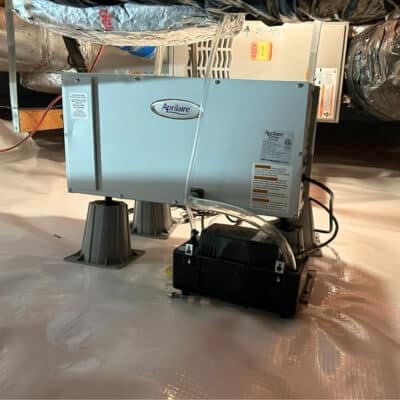
Crawl Space Dehumidifier 

Even after sealing moisture entry points, trapped humidity in the crawl space can still cause wood rot and mold growth. Installing a crawl space dehumidifier helps remove excess moisture from the air and keeps humidity levels low enough to help prevent fungal growth and damp where fungi cannot survive and wood stays dry. 

This solution works best when combined with encapsulation especially in homes with consistently high humidity, musty odors are present in the living space, or where mold and decay keep returning despite other repairs.

Proper Vent and Door Closures 

Open crawl space vents and gaps around access doors are one of the most common reasons moisture control efforts fail in Northern Virginia homes. When humid outdoor air freely flows into the crawl space during warm months, it condenses on cooler wood surfaces and keeps the framing damp enough for rot to develop. 

Sealing vents and installing properly fitted door closures cuts off that moisture pathway before it reaches the joists and beams. This solution is the right starting point when warm-season condensation is identified as the primary driver of wood rot beneath your home.

Schedule Your Free Crawl Space Repair Estimate Today

Crawl space wood rot does not stop spreading on its own. Every season it goes unaddressed, the decay moves further into the surrounding joists and beams until the damage reaches the main structural support beneath your home.

LUX Foundation Solutions has helped homeowners across Northern Virginia, the Shenandoah Valley, North Central Virginia, and West Virginia identify and repair crawl space wood rot before it reaches the point of major structural failure. Our crawl space repair crews assess both the damaged framing and the moisture conditions driving the decay so you get a repair plan specific to your home, not a one size fits all solution.

Call us today at 540-508-8587 or fill out our online form to schedule a free crawl space estimate and find out exactly what is happening beneath your home.

Request a free Estimate

Crawl Space Wood Rot FAQs

What is the difference between wet rot and dry rot in a crawl space?

Wet rot and dry rot are different types of crawl space wood rot caused by different fungi and moisture conditions.Wet rot occurs when wood stays consistently damp, causing it to soften, darken, and lose structural strength. Dry rot is more aggressive, spreading through wood even after the moisture source is removed and producing a crumbly, cube-like decay pattern. 

Both types weaken floor joists and beams. In Northern Virginia crawl spaces, wet rot is more common during humid summers, while dry rot tends to appear in homes where moisture problems have gone unaddressed for multiple seasons.

How to prevent crawl space wood rot?

Crawl space wood rot can be prevented by reducing moisture and controlling humidity. Seal plumbing leaks, improve drainage, and keep groundwater away from the foundation. 

Encapsulation and vapor barriers help keep moisture out, while a dehumidifier helps maintain lower humidity levels. Regular crawl space inspections catch early signs before damage spreads.

How do you treat crawl space wood rot?

To treat crawl space wood rot properly, you need to repair the damaged wood and fix the moisture problem causing it. Surface-level decay on joists is repaired by sistering, in which new treated lumber is secured alongside the damaged section to restore strength. 

Severely rotted main beams require full replacement. Encapsulation, dehumidification, and vent sealing are then applied to control the moisture driving the decay. Without addressing the moisture source, crawl space wood rot treatment alone will not prevent the damage.

Is crawl space wood rot dangerous?

Crawl space wood rot is dangerous because it silently weakens the structural framing that supports your entire floor system. As joists and beams lose strength, floors above begin to soften, sag, or feel bouncy underfoot. 

In advanced cases, a compromised main beam can no longer carry the load of the home safely. Beyond structural risk, active wood rot creates conditions that allow mold to spread into living spaces above, affecting indoor air quality. Addressing rotted wood early helps keep your home safe and prevents much more expensive repairs.

How do you fix rotted crawl space joists?

At LUX Foundation Solutions, rotted crawl space joists are repaired by reinforcing or replacing the weakened wood. Most joists are fixed through sistering, where new treated lumber is attached next to the damaged section. Severely deteriorated joists may require full replacement. 

Moisture control is also needed to keep the repair from breaking down again. Our team can inspect the damage and determine the safest long-term solution.

How much does crawl space wood rot repair cost?

Crawl space wood-rot repair costs in Northern Virginia depends on how severe the damage is, how many joists or beams are affected, and what moisture control solutions are needed along with the structural repairs. Minor joist sistering is significantly more affordable than full main beam replacement combined with encapsulation and dehumidification. 


The most accurate way to understand the cost of your repair is through a professional assessment. LUX Foundation Solutions offers free crawl space estimates so Northern Virginia homeowners know exactly what they are dealing with before committing to any repair.

Related Signs

Thank you! Your form has been successfully submitted. You may receive service-related text messages from Lux Foundation Solutions, including appointment updates, reminders, and one-time verification codes if needed. Message frequency may vary. Msg & data rates may apply. Reply HELP for help. Reply STOP to opt out.

Examples of messages you may receive:

Lux Foundation Solutions: Your appointment has been scheduled. You will receive service-related updates as needed.

Lux Foundation Solutions: Reminder — your scheduled service is approaching. Reply STOP to opt out.

Lux Foundation Solutions: Your verification code is 739214. This code expires in 10 minutes.