
Finding crawl space pests is often a sign of excess moisture beneath your home. Mud tubes, droppings, gnaw marks, and damaged wood can indicate an active infestation. Learn what these signs mean, what attracts pests to your crawl space, and which repairs permanently address the conditions driving them.

Crawl space pests are rodents, termites, carpenter ants, cockroaches, spiders, and other insects that invade the dark, damp area beneath your home. Although crawl space pests may seem like a minor problem, their presence alongside termites, rodents, and other critters often points to favorable conditions created by excess moisture, poor ventilation, or structural damage that make the area beneath your home more attractive to infestations. Left untreated, these pests can damage wood, contaminate insulation, affect indoor air quality, and weaken your home’s structural components.
In Northern Virginia, where clay-heavy expansive soil holds moisture against crawl space foundations through multiple wet seasons, seasonal humidity and heavy rainfall significantly increase the likelihood of crawl space pest activity.
LUX Foundation Solutions consistently finds during crawl space inspections across the region that recurring pest problems are directly linked to elevated moisture levels and compromised structural wood that has been deteriorating well before the pests were first discovered.
Crawl space pests often leave warning signs before they become visible inside your home. Early detection of these signs can help prevent structural damage, poor indoor air quality, and larger infestations. If you notice any of the following signs, it is time to inspect your crawl space.
If you are seeing more than one of these signs, the pest activity in your crawl space has likely been present longer than the visible damage suggests. Acting early is the most reliable form of pest prevention before the moisture conditions driving it cause further structural deterioration.
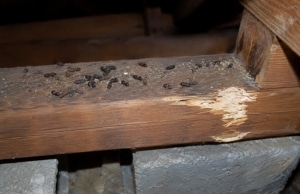
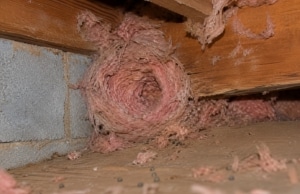
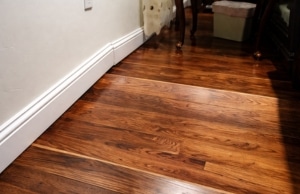
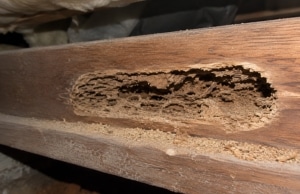

Crawl space pests are attracted to environments that provide moisture, shelter, food, and easy access. Understanding why many pests invade your crawl space helps identify the underlying conditions that allow infestations to develop and return. Here are the six most common reasons homeowners experience crawl space pest problems.
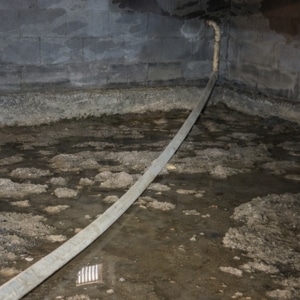
When excessive moisture builds beneath your home, it creates the damp, humid conditions that pests need to survive and breed. Termites, carpenter ants, cockroaches, and rodents are all drawn to consistently wet environments where wood is softening and organic material is breaking down.
In Northern Virginia, where clay-heavy soil holds ground moisture through multiple wet seasons, moisture accumulation is the most common driver of persistent pest activity beneath homes in the region.
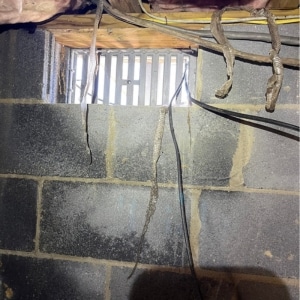
Open crawl space vents do two things that attract pests: they raise moisture levels by introducing warm humid outdoor air, and they create potential entry points that rodents and insects use to access the crawl space from outside.
In Northern Virginia, where summer outdoor humidity regularly exceeds 60 percent, open vents make crawl space conditions measurably more hospitable to pests during the warmest and most humid months of the year.
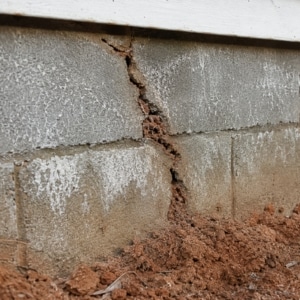
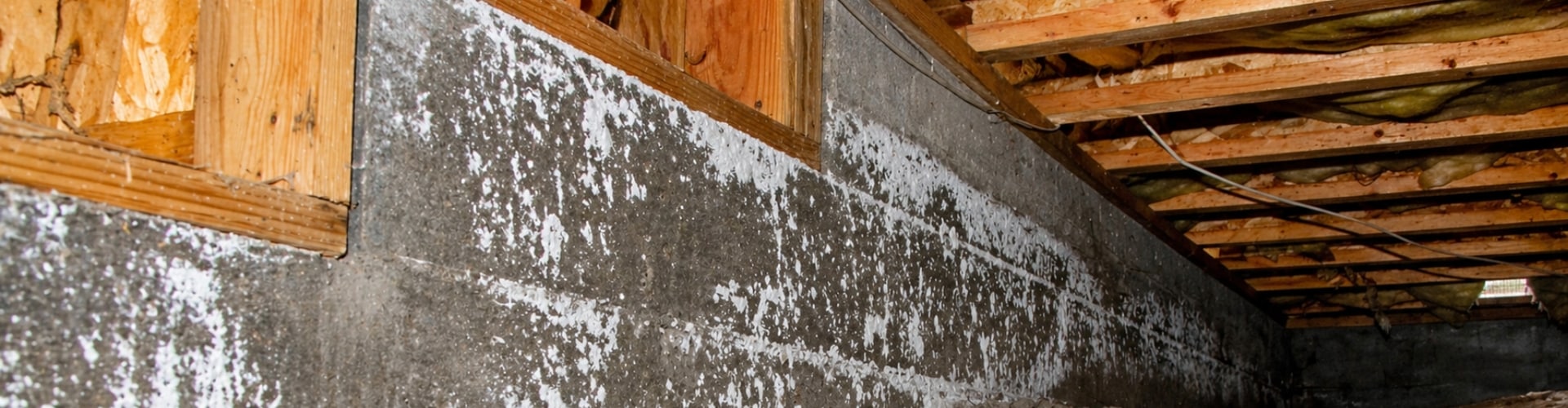
Cracks in your crawl space foundation walls are among the most common entry points for rodents, insects, and termites into the space beneath your home. Even hairline cracks wide enough to allow moisture seepage are wide enough for insects to enter and establish colonies. Once inside, pests find the dark damp undisturbed environment they need to thrive. The older the home, the more entry points tend to exist as concrete and mortar deteriorate over time.
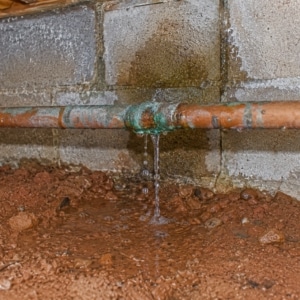
When surface water collects around your foundation due to inadequate drainage or when plumbing lines develop slow leaks, persistent moisture beneath your home never fully dries between rainfall events. That sustained dampness softens wood, raises humidity, and creates the conditions termites, carpenter ants, and rodents find most hospitable.
Plumbing-related moisture is particularly problematic because it introduces water consistently regardless of seasonal rainfall patterns outside.
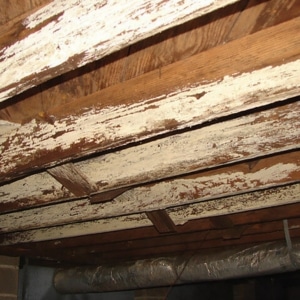
Wood rot in your crawl space floor joists or beams creates potential food sources for wood-destroying pests. Termites and carpenter ants actively seek out moist wood that has already softened from moisture exposure because it is easier to eat wood that has deteriorated than structurally sound dry wood.
In Northern Virginia, where seasonal humidity keeps crawl space wood consistently damp through summer months, wood rot and pest activity frequently develop together beneath homes.
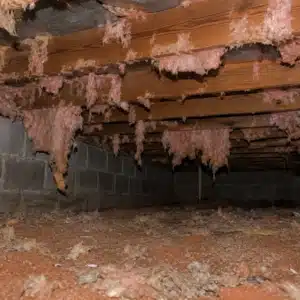
When crawl space insulation is damaged, compressed, or missing entirely, it exposes temperature differentials that make the crawl space more hospitable than the outside environment during extreme weather. Damaged insulation also provides rodents with ready nesting material they shred and compact into living spaces beneath your floors.
Without proper insulation, the crawl space environment becomes significantly more attractive to pests seeking shelter from temperature extremes above ground.
Regardless of the cause, it’s important to address foundation cracks as soon as they appear. Ignoring the problem can lead to further damage and a more costly repair process. LUX Foundation Solutions offers a range of solutions to address foundation cracks and crawl space issues, including encapsulation, waterproofing, and foundation repair.
Treating the pests without addressing what attracted them means they return. The moisture conditions, entry points, and environmental factors drawing pests beneath your home have to be corrected permanently for any pest control treatment to hold. Here are the four solutions our team recommends after identifying the exact crawl space conditions driving pest activity during your free on-site assessment.
Pests establish themselves in crawl spaces because the environment beneath your home gives them what the outside cannot: consistent moisture, warmth, and undisturbed dark space. Our crawl space encapsulation seals the crawl space floor and walls with a heavy-duty vapor barrier, eliminating the ground moisture that sustains the damp conditions rodents, termites, and insects need to survive beneath your home.
By removing the moisture source rather than treating the pests it attracts, encapsulation makes the crawl space environment permanently inhospitable to pest infestations that keep returning after surface-level treatments alone.
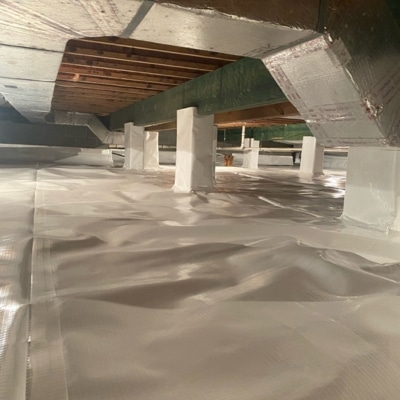
Damaged or missing crawl space insulation does two things that invite unwanted guests: it creates temperature differentials that make the crawl space more comfortable than the outside environment during extreme weather, and it provides rodents with the shredded nesting material they need to establish living spaces beneath your floors.
Our crawl space insulation removes deteriorated material and replaces it with rigid foam board insulation, a waterproof closed-cell panel that rodents cannot shred into nesting material and that moisture cannot compress or saturate over time. This eliminates both the nesting source and the temperature conditions that have been making the space beneath your home more attractive to pests than the environment outside.

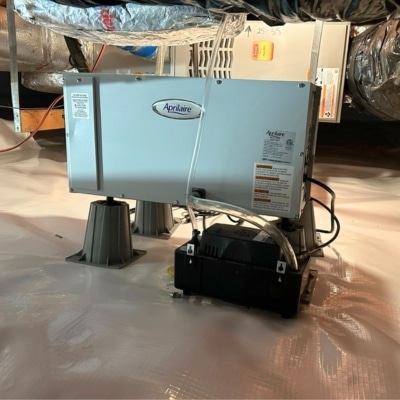
Even after encapsulation is in place, residual humidity in a sealed crawl space can remain high enough to sustain pest activity if the moisture load from the surrounding soil is significant. Our crawl space dehumidifier installation maintains humidity consistently below 55 percent year-round, the threshold below which most crawl space pests cannot survive comfortably.
By actively controlling the air moisture that encapsulation alone cannot always eliminate, a properly sized dehumidifier removes the final environmental condition that allows termites, carpenter ants, and rodents to persist beneath your Northern Virginia home between wet seasons.
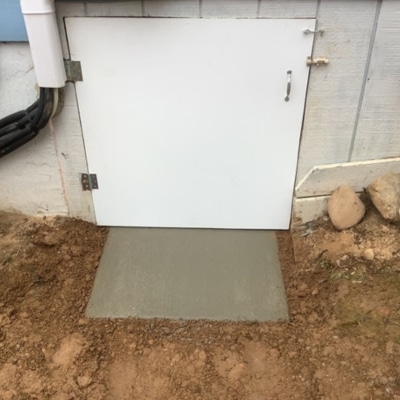
Open crawl space vents and gaps around crawl space access doors are two of the most direct entry points pests use to access the space beneath your home. Every unsealed opening is an invitation for rodents, insects, and termites to enter from outside.
Our crawl space vent and door closure fills each vent opening with high-density foam inserts sealed with professional-grade flexible sealant, creating a properly sealed airtight barrier pests cannot penetrate. We also replace old access doors with insulated PVC panels backed by rigid foam, helping close off common entry points used by rodents and insects. Sealing both entry points removes two of the primary access routes driving crawl space pest activity beneath your home and protects your home’s structural integrity from further pest-related damage.
Crawl space pests do not pause while you decide what to do. Every season an active infestation goes unaddressed, termites consume more structural wood, rodents shred more insulation, and the moisture conditions driving the activity continue deteriorating the crawl space environment beneath your home.
The right fix is not pest treatment alone. The long-term solution is to fix the moisture problem, seal off entry points, and correct the crawl space conditions that allowed pests to get inside and stay there. That is exactly what LUX Foundation Solutions assesses during a free on-site inspection.
We offer crawl space encapsulation and repair services across Northern Virginia, the Shenandoah Valley, North Central Virginia, and West Virginia. Call us at 540-508-8982 or fill out the online form to schedule your free estimate today.
Common crawl space pests are attracted primarily by moisture, warmth, and access. What begins as a few spiders or insects finding their way through an open vent can become a full infestation once the moisture conditions beneath your home give them reason to stay. Open vents, foundation cracks, and gaps around pipes give them direct entry. Eliminating the moisture source and sealing potential entry points removes what attracts them in the first place.
Yes, crawl space pests can cause serious structural damage, particularly termites and carpenter ants, which consume wood from the inside out. Floor joists, main beams, and subflooring are all vulnerable once an active colony establishes beneath your home. Rodents can make the problem worse by tearing up insulation and chewing on electrical wiring. The longer pest activity goes unaddressed, the more extensive and costly the structural repairs become.
Getting pests out of your crawl space permanently requires addressing the moisture and structural conditions attracting them, not just treating the infestation. Pest treatments alone will not hold if the crawl space remains damp, poorly insulated, or accessible through open vents and foundation cracks. Crawl space encapsulation, dehumidifier installation, insulation replacement, and vent closure remove the conditions that bring pests back after every treatment.
Moisture control prevents common crawl space pests by eliminating the damp conditions that make the space beneath your home hospitable to them. Termites, carpenter ants, and rodents all require consistently wet environments to survive and breed. Crawl space encapsulation seals ground moisture at the source while a dehumidifier reduces humidity levels below 55 percent year-round, making the environment beneath your home inhospitable to pest activity.
Termites in your crawl space are most reliably identified by mud tubes, which are pencil-width tunnels termites build along foundation walls or floor joists to travel between soil and wood without exposure to open air. Hollow or softened wood that sounds empty when tapped, discarded wings near foundation vents, and small piles of frass near structural wood are additional indicators of active termite presence beneath your home.
Yes, crawl space encapsulation significantly reduces crawl space pest activity by eliminating the ground moisture that sustains the damp conditions most pests require. By sealing the crawl space floor and walls with a heavy-duty vapor barrier, encapsulation removes the primary environmental condition that draws rodents, termites, and insects beneath your home. Combined with vent closure and a dehumidifier, encapsulation makes the environment consistently crawl space pest free year-round.
Thank you! Your form has been successfully submitted. You may receive service-related text messages from Lux Foundation Solutions, including appointment updates, reminders, and one-time verification codes if needed. Message frequency may vary. Msg & data rates may apply. Reply HELP for help. Reply STOP to opt out.
Examples of messages you may receive:
• Lux Foundation Solutions: Your appointment has been scheduled. You will receive service-related updates as needed.
• Lux Foundation Solutions: Reminder — your scheduled service is approaching. Reply STOP to opt out.
• Lux Foundation Solutions: Your verification code is 739214. This code expires in 10 minutes.