Damp Crawl Space
A damp crawl space is more than a minor moisture issue. Persistent moisture beneath your home can affect air quality, structural components, and overall comfort. Identifying the warning signs early helps prevent long-term damage and ensures that the underlying moisture is properly evaluated before conditions worsen.
What is a Damp Crawl Space and Why Should It Not Be Ignored?
A damp crawl space occurs when moisture levels have built up to the point that the space beneath your home remains consistently wet, humid, or prone to condensation rather than dry and stable. It does not always mean standing water is present. In many cases, the floor looks dry while humidity is quietly damaging the wood framing, insulation, and subflooring above.
It happens because water has found a path into the space, whether through the soil below, the foundation walls, poor exterior drainage, or humid air moving in from outside.
LUX Foundation Solutions has inspected crawl spaces across Northern Virginia, the Shenandoah Valley, and North Central Virginia, and homes sitting on clay-heavy expansive soil that holds ground moisture through every wet season rarely have just one moisture source driving the problem.
Common Signs of a Damp Crawl Space
Moisture beneath your home doesn’t always appear as standing water. A damp crawl space may show subtle warning signs before more serious damage develops. Recognizing these early indicators can help prevent long-term structural deterioration.
If you’ve noticed any of the following conditions, your crawl space may be experiencing excess moisture:
- Visible moisture or damp soil in the crawl space.
- Persistent musty or earthy odors inside the home.
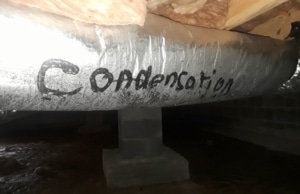
- High humidity levels and condensation on surfaces.
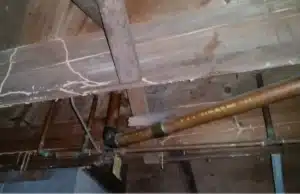
- Corrosion on metal fixtures or pipes.
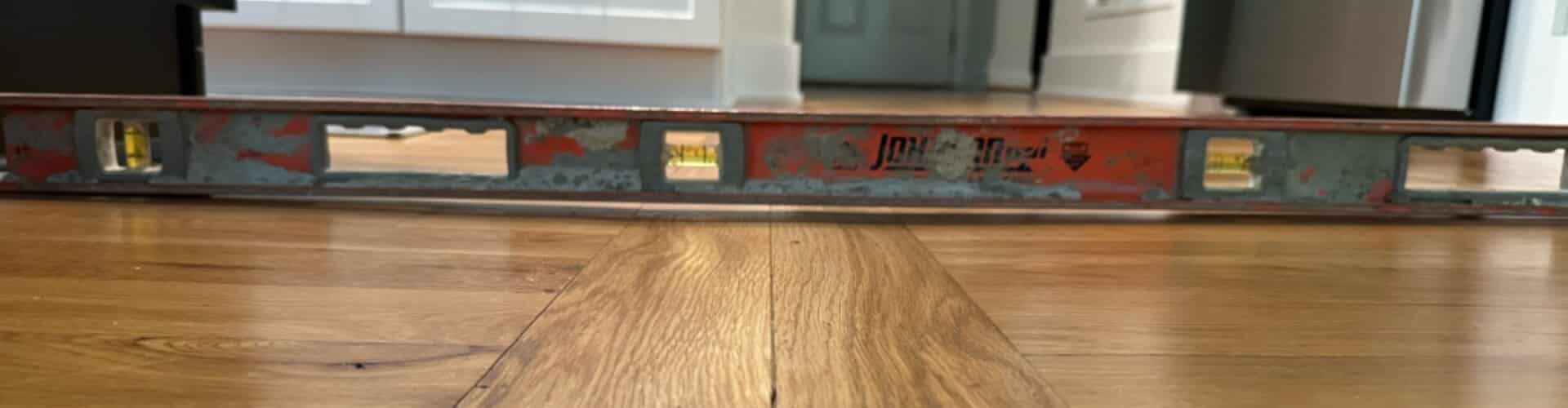
- Warping, buckling, or soft spots in the flooring above.
- Pest infestations attracted by moisture.
These signs indicate an unhealthy crawl space environment that should not be ignored, as they can lead to severe structural damage and health issues if left unattended.

Standing Water

Musty Smells

Condensation

Corrosion on Pipes

Warping Wood

Pest Infestation
What Causes a Damp Crawl Space?
A damp crawl space usually develops due to ongoing moisture exposure beneath the home. While a full inspection is needed to confirm the source, these are some common contributing factors in Northern Virginia homes.
Soil Moisture and Rising Groundwater
Naturally high soil moisture can increase humidity in the dirt-floor spaces. When the surrounding soil becomes saturated, water vapor rises into the crawl space, creating persistent damp conditions. Without proper moisture control, this elevated humidity can gradually affect insulation, wood framing, and overall indoor air quality.
Open Crawl Space Vents
In humid climates, open crawl space vents can allow moist outside air to enter and condense on cooler surfaces. This trapped humidity may gradually increase moisture levels beneath the home, contributing to ongoing dampness and poor indoor air quality.
Heavy Rainfall
Extended or intense storms can increase ground saturation around your home, allowing moisture to enter the crawlspace through vulnerable areas. If dampness appears primarily after heavy rainfall, surface drainage may be contributing.
Exterior Drainage Problems
Improper grading, short downspouts, or clogged drainage may allow rainwater to collect around the foundation. When runoff is not safely directed away from the structure, it can seep into the soil surrounding the crawl space. This repeated exposure gradually increases moisture levels beneath the home and contributes to damp conditions
Plumbing Leaks
Small plumbing leaks or condensation from HVAC components within the crawl space can introduce continuous moisture into the area. Even minor leaks can cause elevated humidity if left undetected, contributing to damp conditions beneath the home.
Poor Vapor Barrier Installation
A vapor barrier that is torn, improperly sealed, or deteriorated may allow ground moisture to rise into the crawl space. Over time, compromised protection can contribute to ongoing dampness and increased humidity beneath the home.
Want a deeper breakdown of these causes and how the issue is addressed? Read our full blog on what causes water in a crawl space.
Our Proven Damp Crawl Space Solutions
Most damp crawl spaces have more than one moisture source working beneath your home at the same time, which is why treating only one entry point often fails to stop the dampness from returning. Our team identifies every contributing factor during your free on-site assessment before recommending anything.
Here are the five solutions we use to permanently control moisture in damp crawl spaces across Northern Virginia and surrounding regions.
Downspout Extension
Roof runoff discharging too close to your foundation is one of the most overlooked contributors to a damp crawl space. When downspouts release water directly against your home, they saturate the soil around your crawl space walls and raise moisture levels beneath your floor.
Our downspout extension installation carries that runoff to a safe discharge point far enough from your foundation that the soil immediately surrounding your crawl space stays dry even during Northern Virginia’s heaviest summer storms. This is the solution when crawl space dampness worsens most noticeably after rainfall and concentrates near exterior walls below roof drainage points.
Landscape French Drain
When surface water and groundwater collect around your crawl space foundation faster than the soil can absorb them, redirecting that water before it reaches your crawl space walls is the most direct fix available.
Our landscape French drain installation places a perforated pipe in a gravel-filled trench around the perimeter of your home, intercepting groundwater and surface runoff before they saturate the soil against your crawl space foundation and raise moisture levels below. This solution works best when your crawl space dampness is driven by water consistently collecting around the exterior of your home rather than rising from the ground beneath it.
Crawl Space Drainage System
When groundwater is actively entering your crawl space through the foundation walls or floor and pooling beneath your home, our crawl space drainage system intercepts that water at the point of entry and channels it away before it raises humidity levels and damages the wood framing and insulation above.
We install a perimeter drainage channel along the base of your crawl space walls that collects water as it enters and directs it to a discharge point away from your foundation. This solution addresses active water entry rather than ambient humidity and works best when visible moisture or pooling is confirmed in the crawl space during inspection.
Crawl Space Encapsulation
Ground moisture evaporating upward through bare crawl-space soil is the most consistent driver of persistent damp crawl-space conditions in Northern Virginia homes. Our crawl space encapsulation seals the crawl space floor and walls with a heavy-duty vapor barrier, cutting off that ground moisture before it enters the air beneath your home and begins working its way into the wood framing and insulation above.
By removing the moisture source at ground level, encapsulation eliminates the conditions that sustain damp crawl space problems, rather than managing symptoms after they appear. This is the solution when ground moisture and elevated humidity are confirmed as the primary drivers during your on-site assessment.
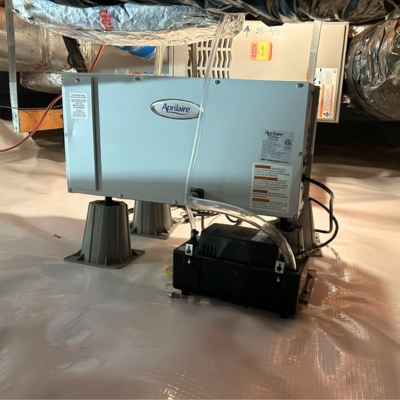
Crawl Space Dehumidifier
Even after encapsulation and drainage corrections are in place, some crawl spaces continue to show elevated humidity due to air exchange and residual ground evaporation. Our crawl space dehumidifier installation maintains humidity consistently below 55 percent year-round, the threshold below which mold cannot grow, and wood framing cannot absorb damaging levels of moisture.
We size each unit specifically to your crawl space square footage and seasonal moisture load rather than installing a generic unit that cycles without fully controlling the problem. This solution works best alongside encapsulation for complete moisture control in Northern Virginia crawl spaces where seasonal humidity regularly exceeds safe levels during summer months.
Schedule Your Free Damp Crawl Space Repair Estimate Today!
If you’re noticing persistent moisture or other signs of damp crawl space beneath your home, it’s important to identify the source before the problem worsens.
LUX Foundation Solutions provides crawlspace repair services throughout Northern Virginia, Shenandoah Valley, North Central Virginia, West Virginia, and the surrounding area. Our team assesses the crawl space condition, determines the moisture source, and recommends the most appropriate long-term solution based on your home’s condition.
Get peace of mind and a dry, healthy, energy-efficient home.
Call us at 540-508-8587 or complete our online form to schedule your free crawlspace estimate today.
Request a free Estimate
Damp Crawl Space FAQs
No, while minor seasonal humidity can occur, persistent dampness is not normal. Ongoing moisture usually indicates drainage issues, groundwater pressure, ventilation problems, or plumbing leaks. If moisture levels are high, they should be evaluated to prevent structural deterioration and indoor air quality concerns.
A crawl space may remain damp due to poor exterior drainage, high groundwater levels, open vents, plumbing leaks, or insufficient vapor barriers. Identifying the specific moisture source is essential before selecting a long-term solution.
Yes. Moisture beneath the home can increase indoor humidity, contribute to mold growth, and weaken structural wood components. Over time, this may impact flooring stability and overall air quality inside the living space.
Not always. The appropriate solution depends on the cause of moisture. Some cases require drainage corrections, while others may benefit from sealing and humidity control measures. A proper evaluation determines which approach is necessary.
If you notice persistent moisture, musty odors, visible mold, standing water, or soft flooring above the crawl space, a professional inspection is recommended. Early evaluation helps prevent more extensive structural or moisture-related damage.