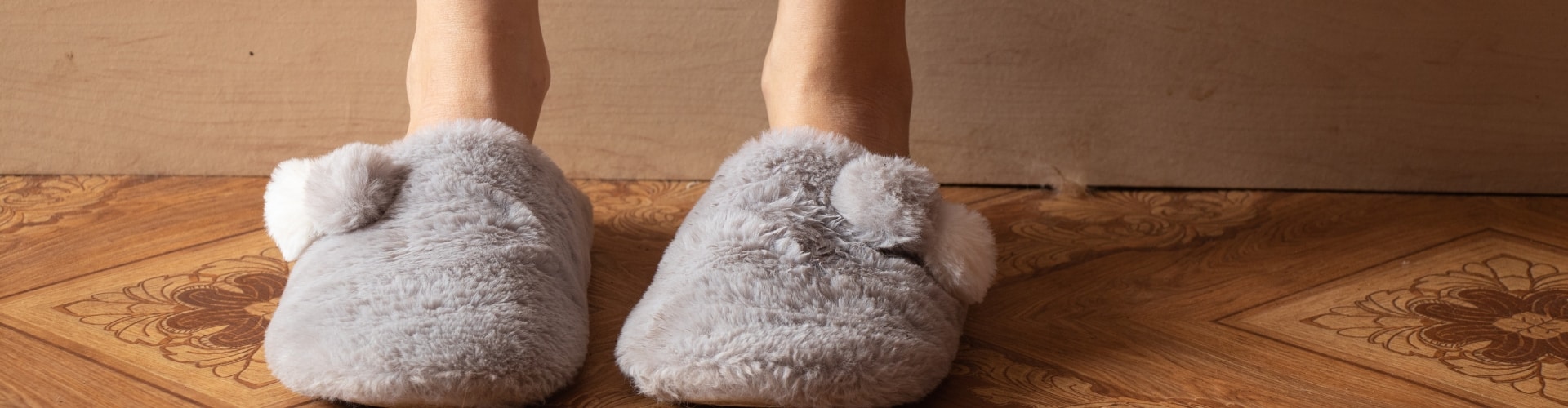

If you have noticed a musty smell in your crawl space rising into your living area, it’s not just an odor problem. A musty smell from the crawl space is one of the most common moisture issues Northern Virginia homeowners bring to our team during inspections, and the source always needs to be addressed.
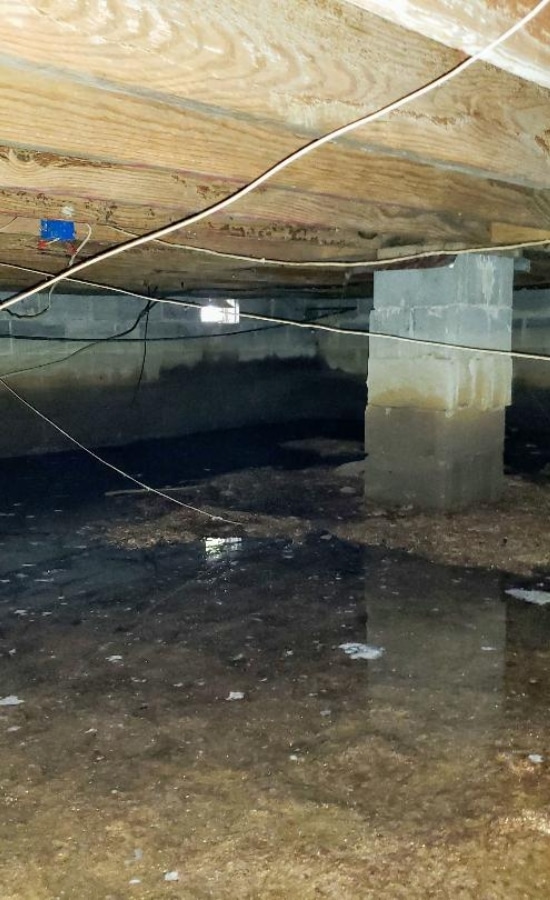
A musty smell in your crawl space is not an odor problem. It is a moisture or mold problem that happens to produce an odor. Because of the stack effect, air from your crawl space rises continuously into your living space, meaning the smell you notice in your kitchen or bedroom is coming directly from the conditions below your feet. Up to 50 percent of the air on your first floor moves up from the crawl space.
Northern Virginia clay soil holds groundwater long after heavy rains, and seasonal humidity regularly pushes past 60 percent beneath homes in the region. That combination means a musty smell from the crawl space builds faster here than in drier climates and does not fade on its own.
LUX Foundation Solutions inspects and eliminates musty crawl space odors across Northern Virginia, the Shenandoah Valley, North Central Virginia, and West Virginia. Call to schedule a free on-site assessment now to learn more.
If you’re experiencing a musty smell or any of the following signs are present in your home, chances are you have crawl space problems. Look out for these common signs:
If you have noticed any of these signs, contact LUX Foundation Solutions today for a free crawl space inspection before the problem worsens.



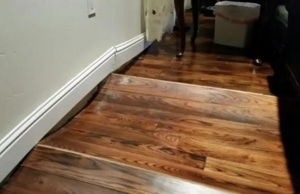
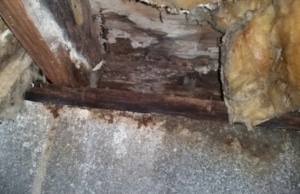
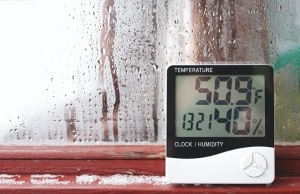
A musty smell in your crawl space develops when moisture, mold, or stagnant air takes hold beneath your home. In Northern Virginia, where seasonal humidity regularly exceeds 60 percent, these conditions develop more quickly and persist longer than in drier regions.
Here are the four most common causes our team identifies during crawl space inspections:

High humidity is the most common cause of a musty smell in crawl spaces. When moisture levels rise above 60 percent, condensation forms on cold surfaces like pipes, wood joists, and insulation, creating the damp, stale air conditions that produce a persistent musty odor.
In Northern Virginia, clay-heavy soil retains groundwater long after rain events, keeping crawl space humidity elevated well beyond what standard ventilation can manage.
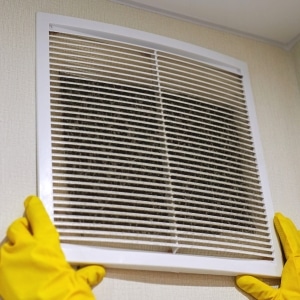
A poorly ventilated crawl space traps humid air with nowhere to go, cutting off any fresh air circulation beneath your home. Over time, this stagnant air leads to moisture buildup and mold particles spreading throughout the space, producing a heavy musty odor that rises into your living space through the stack effect.
In Northern Virginia, older homes built with open foundation vents draw in warm, humid summer air that raises crawl space moisture levels above the threshold where mold and musty odors develop.
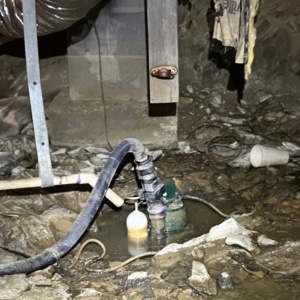
A leaking pipe or fitting in or above your crawl space introduces a constant source of moisture directly onto your soil, insulation, and structural wood. Even a slow drip is enough to keep crawl space humidity elevated and mold actively growing, producing a persistent musty smell that worsens over time.
If the musty smell in your crawl space appeared suddenly or intensified quickly, a plumbing leak is one of the first things a professional inspection checks for.
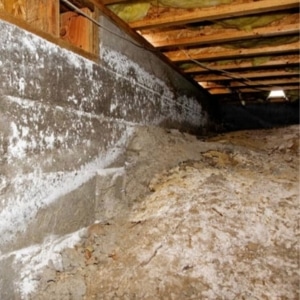
Mold is the direct source of the musty, earthy smell most homeowners notice rising from their crawl space. When humidity stays above 60 percent, mold colonies establish on porous materials like wood floor joists, subfloor panels, and insulation within days, releasing Microbial Volatile Organic Compounds that travel upward through the stack effect into your living space.
During free on-site inspections in Northern Virginia, LUX experts find surface mold and active mold colonies in crawl spaces every season.
For a full breakdown of every type of crawl space odor and what it takes to remove musty smells at the source, visit our complete guide on crawl space odor causes.
A musty smell in your crawl space has a specific source. The right fix depends on what our team finds during the free on-site assessment. LUX Foundation Solutions offers six proven solutions for Northern Virginia homeowners to use individually or in combination, depending on the cause.
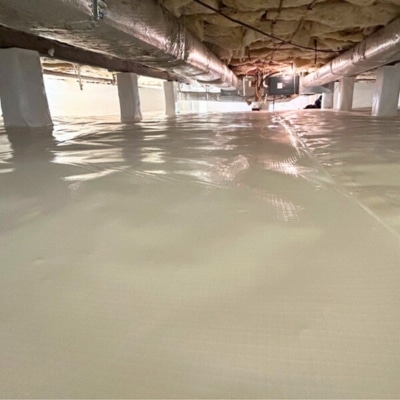
If ground moisture evaporating up through bare crawl-space soil is causing the musty smell in your crawl space, encapsulation is the most comprehensive fix available. We seal the crawl space floor and walls with a heavy-duty vapor barrier, preventing ground moisture from entering the air beneath your home.
By removing the moisture source entirely, encapsulation eliminates the conditions mold and musty odors need to develop rather than treating the symptoms after they appear. This solution is recommended when ground moisture and high humidity are confirmed as the primary source of the musty smell during the inspection.
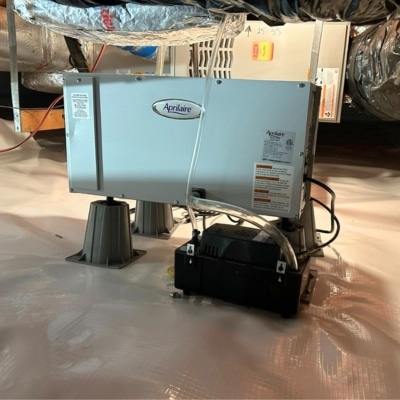
Even after encapsulation, some moisture can still enter your crawl space through air exchange and ground evaporation. We install a crawl space dehumidifier sized specifically for your space to maintain humidity below 55 percent year-round, the level where mold cannot grow, and musty odors cannot develop.
In Northern Virginia, where seasonal humidity regularly exceeds 60 percent during summer months, a professionally sized and installed dehumidifier is what keeps the crawl space dry during the conditions that most commonly drive musty-smell problems in this region. We often recommend this in combination with encapsulation for complete moisture control.
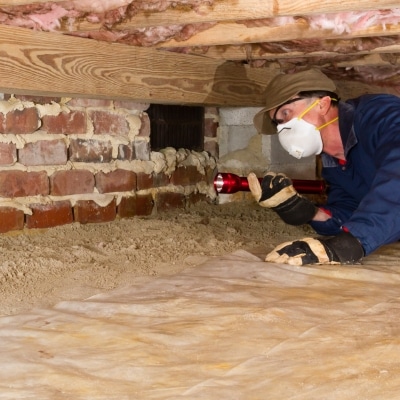
If the musty smell in your crawl space is coming from active mold colonies on your floor joists, subfloor panels, or insulation, we address the mold before any other repair begins. Encapsulating or insulating over active mold traps the problem rather than solving it, and the musty odor will return.
Our crawl space mold removal process eliminates active colonies at the source and treats surfaces to prevent regrowth, preparing the crawl space for the moisture control solutions that stop mold from coming back. This solution is recommended whenever visible mold growth is confirmed during the inspection.
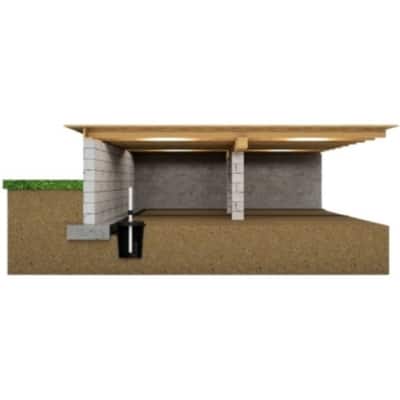
When groundwater enters your crawl space through the soil or foundation, keeping the ground consistently wet, our drainage system addresses the water before it raises humidity and creates musty odor conditions beneath your home.
We install a perimeter drainage channel to collect groundwater before it spreads through the crawl space, helping reduce the moisture that can lead to mold and musty odors. In Northern Virginia, where clay-heavy soil holds water against foundations long after rain stops, drainage is often the first step we recommend in the complete crawl space moisture control system.
If your existing crawl space insulation is wet, torn, or sagging from moisture exposure, it is likely one of the direct sources of the musty smell you are noticing indoors. Damaged insulation traps moisture against your wood surfaces, creating a breeding ground for mold.
We remove all damaged insulation, eliminating the active odor source, and install new insulation, correctly fitted to the crawl space, to reduce the temperature and moisture conditions that cause condensation on floor joists and subfloor panels. This solution is recommended when inspection confirms damaged insulation is contributing to the musty smell in the crawl space.

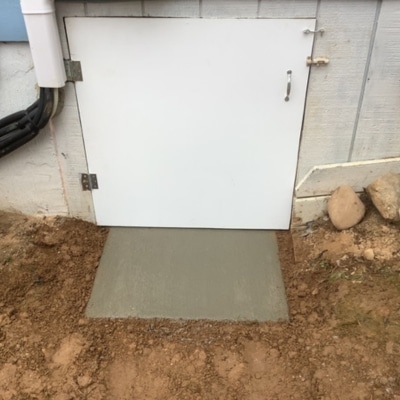
Open crawl space vents and unsealed access doors are among the most overlooked reasons a musty smell in your crawl space keeps coming back. Every summer, warm, humid outdoor air moves freely through those openings, raising moisture levels beneath your home to the point that mold grows and odors develop.
We seal crawl space vents and doors to keep outside air from getting in, stabilize humidity beneath your home, and prevent the conditions that cause your musty crawl space smell to return season after season. This solution works best as part of your complete encapsulation system rather than as a standalone fix.
A musty smell in your crawl space is not something that resolves on its own. The longer the source goes unaddressed, the harder it becomes to eliminate odors permanently and the more it affects your indoor air quality, your family’s health, and the structural integrity of your home.
LUX Foundation Solutions has been helping homeowners eliminate musty crawl space odors across Northern Virginia, the Shenandoah Valley, North Central Virginia, and West Virginia. Our team will assess your crawl space, identify the exact source of the musty smell, and recommend the right solution for your home.
Call 540-616-3900 or fill out our online form to schedule a free crawl space assessment today.
No. A musty smell in your crawl space is not normal and should not be ignored. Some minor odors can develop temporarily during seasonal humidity changes, but a persistent musty crawl space smell that does not go away on its own signals an active moisture or mold problem beneath your home.
Normal crawl spaces that are properly sealed, ventilated, and maintained do not produce a musty smell. If the odor keeps returning, running an air purifier will not fix it; the source needs to be identified and professionally addressed before it worsens.
Not always, but mold is the most common cause. A musty crawl space smell can also come from excess moisture, stagnant, humid air, wet insulation, or decaying organic material, all of which create conditions where mold is likely to be developing, even if it is not yet visible.
In most crawl space inspections our team conducts across Northern Virginia, a persistent musty smell is accompanied by at least early-stage mold growth on wood surfaces. Whether or not mold is confirmed, the conditions producing the smell require professional attention.
Yes. A musty smell in your crawl space signals conditions that are genuinely dangerous to your family’s health and your home’s structure. Mold releases airborne spores that cause respiratory problems, allergies, and worsening asthma.
Sewage gases and VOCs released from decaying organic material can become harmful with long-term exposure. Persistent moisture also causes structural wood decay that weakens your floor system over time. If the musty smell in your crawl space keeps coming back, a professional assessment is the most important first step.
The only permanent way to tackle musty smells in a crawl space is to fix the source of the moisture or mold, not mask it. Treating the odor without addressing the underlying moisture or mold will not produce lasting results.
Depending on what a professional inspection finds, the solution may involve crawl space encapsulation, a drainage system, mold removal, or removal of damaged insulation and debris. LUX Foundation Solutions offers a free on-site assessment to identify the specific cause and recommend the right fix.
Yes. A musty smell in your crawl space is almost always a sign of an active moisture or mold problem that will not resolve on its own. Minor musty odors from normal humidity fluctuations are temporary.
A persistent musty crawl space smell that keeps returning after airing out the home, worsens after rain, or is accompanied by allergy symptoms or sagging floors signals a serious underlying problem that requires expert assessment. Do not wait for visible damage before acting. Getting professional help early is far less costly than addressing structural damage later.
A musty crawl space smell indicates airborne mold spores, VOCs, and moisture-related contaminants are rising into your living space through the stack effect. Prolonged exposure to these conditions has been linked to respiratory irritation, allergy symptoms, asthma flare-ups, headaches, fatigue, and other ongoing health issues. Children, elderly family members, and anyone with weakened immune systems are usually the most affected.
In Northern Virginia, where crawl space humidity regularly exceeds 60 percent during summer months, these health risks are more persistent than in drier regions. Contact LUX Foundation Solutions for a free crawl space assessment if you notice a recurring musty smell indoors.
Thank you! Your form has been successfully submitted. You may receive service-related text messages from Lux Foundation Solutions, including appointment updates, reminders, and one-time verification codes if needed. Message frequency may vary. Msg & data rates may apply. Reply HELP for help. Reply STOP to opt out.
Examples of messages you may receive:
• Lux Foundation Solutions: Your appointment has been scheduled. You will receive service-related updates as needed.
• Lux Foundation Solutions: Reminder — your scheduled service is approaching. Reply STOP to opt out.
• Lux Foundation Solutions: Your verification code is 739214. This code expires in 10 minutes.