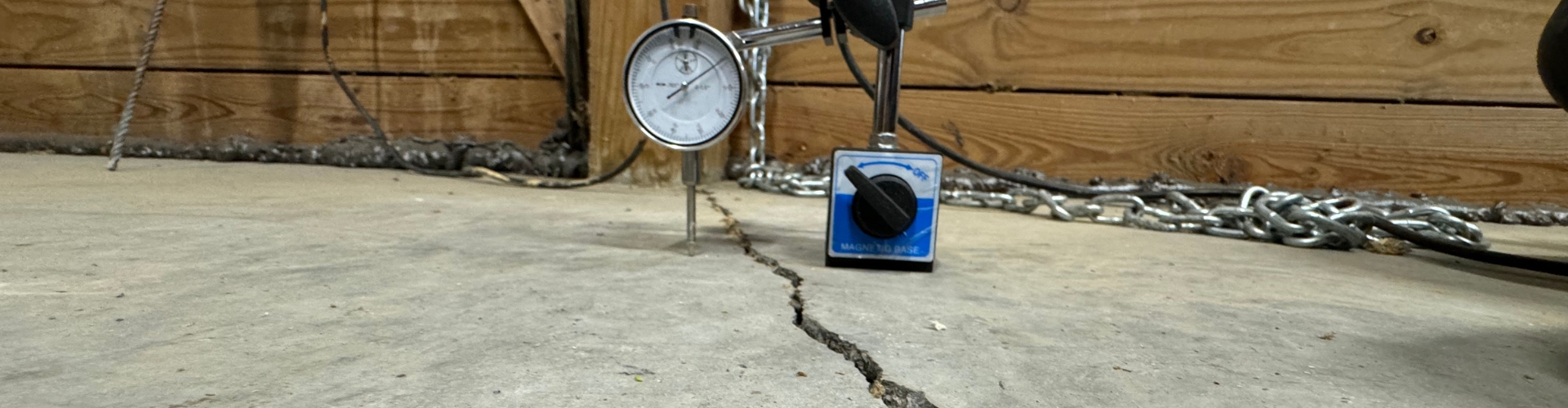
Cracked Driveways
A cracked driveway is often the first sign of a deeper concrete problem. Whether you’re dealing with a hairline crack or a sinking slab, this guide helps Northern Virginia homeowners understand what’s causing the damage and how to address it.
What is a Cracked Driveway?
A cracked driveway is a concrete or paved driveway surface that has developed visible cracks, splits, or breaks due to stress, age, or underlying ground movement. In Northern Virginia, driveways are particularly vulnerable because of the region’s clay-heavy soil, which expands when wet and contracts when dry, creating constant movement beneath the concrete surface. Combined with harsh winter freeze-thaw cycles, this puts significant stress on concrete year after year.
Not every crack means your driveway is failing, but none should be ignored. At LUX Foundation Solutions, our team has inspected and repaired hundreds of driveways across Northern Virginia. We know how local soil and environmental factors affect concrete differently here, and we use that experience to recommend the right repair the first time.
Signs of Cracked Concrete Problems in Driveways
Cracks in your driveway may indicate a problem beneath the surface. Recognizing these signs early can help prevent structural issues and costly repairs. Here are the most common signs Northern Virginia homeowners should watch for:
Here are the most common signs of driveway problems Northern Virginia homeowners should watch for:
- Visible surface cracks: Hairline cracks are common in aging concrete, but they widen over time if left unsealed, and moisture gets in.
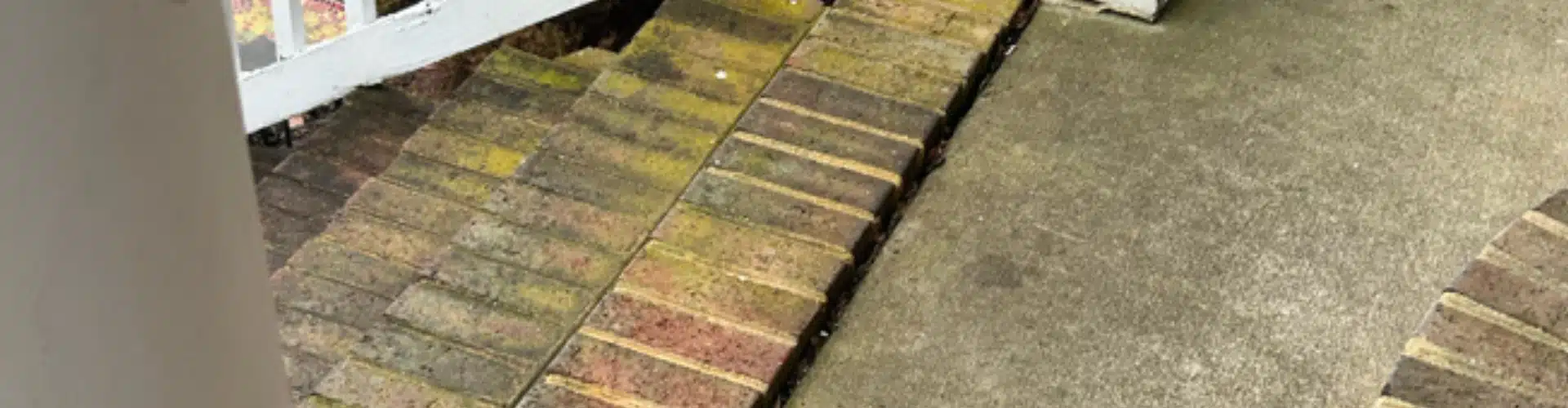
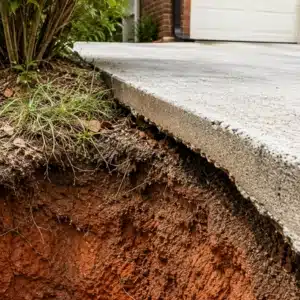
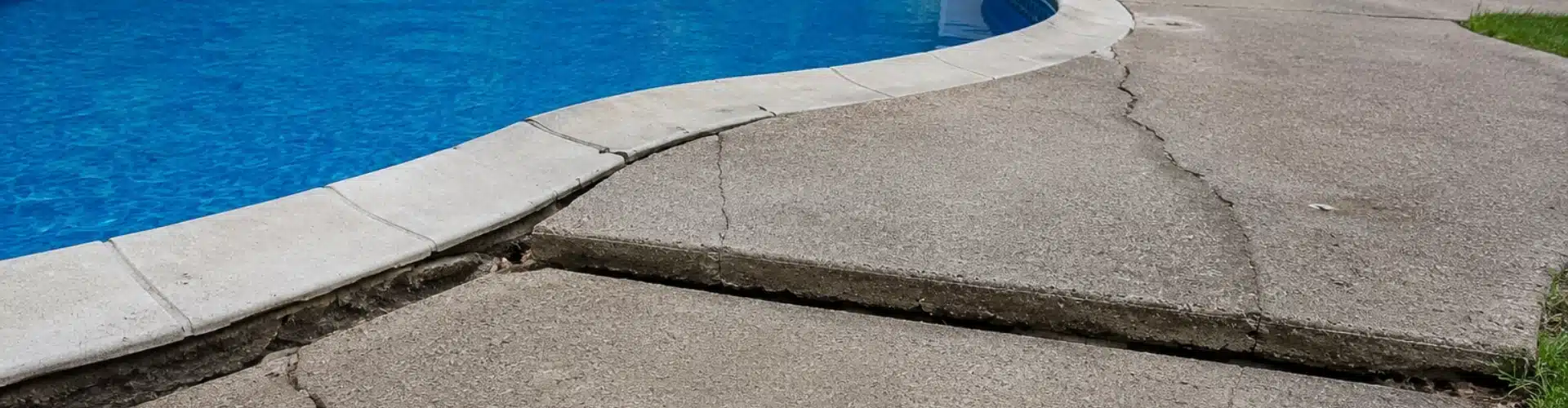
- Uneven or sunken slabs: This is a sign of soil movement or voids forming beneath the concrete and should not be ignored.
- Potholes forming: Indicates the concrete has weakened significantly, and the base layer beneath is starting to break down.
- Water pooling around cracks: Standing water accelerates erosion underneath the slab and deepens existing damage faster than most homeowners expect.
- Widening or deepening cracks: Significant cracks that grow wider or deeper over time are a clear sign that the underlying cause has not been addressed. .
- Surface flaking or spalling: Often triggered by freeze-thaw cycles, this is one of the most common driveway problems we see across Northern Virginia winters.
If your driveway shows any of these signs, contact LUX Foundation Solutions for a professional evaluation before further damage spreads.

Visible Cracks in the Driveway or Parking Lot Surface

Uneven Surfaces or Sinking Areas

Potholes Forming on the Concrete

Water Pooling Around Cracks

Widening or Deepening Cracks Over Time

Spalling or Flaking Concrete
What Causes Cracks in Concrete Driveways?
Understanding what causes a cracked concrete driveway is the first step toward finding the right repair. In Northern Virginia, a combination of clay soil, harsh winters, and heavy use puts concrete driveways under constant stress. Here are the six most common causes our team sees across the region:
Soil Instability
Clay-heavy soil is common across Northern Virginia and is one of the leading causes of concrete driveway cracking. It expands when wet and shrinks when dry, creating constant movement beneath the concrete. Over time, this shifting soil puts uneven pressure on the slab, causing it to crack, settle, or sink in certain areas.
Tree Roots
Trees planted close to driveways can cause serious damage as their roots grow outward and push against or under the concrete. The pressure from growing roots lifts and breaks the slab from below. If you’re seeing large cracks near trees or raised sections of concrete, root intrusion is most likely what’s behind it.
Weather Conditions
Northern Virginia winters are tough on concrete. When water gets into small cracks and freezes, it expands, widening the cracks. This freeze-thaw cycle repeats every winter and slowly weakens the slab over time. Summer heat also dries out and shrinks the concrete, putting even more stress on a surface to an already compromised surface.
Poor Installation
Concrete driveways that were not properly mixed, poured, or cured during installation are far more likely to crack early. Signs of poor installation include cracks appearing within the first year, uneven slab thickness, or sections that crumble rather than crack cleanly. No repair will last long if the original work was substandard.
Heavy Loads
Concrete driveways are built to handle everyday passenger vehicles, but repeated exposure to heavy vehicle traffic from trucks, RVs, or equipment puts excessive stress on both the slab and the soil beneath it. Over time, this added weight compresses the base layer, leading to cracks, depressions, and sections that begin to sink.
Poor Drainage
When water has nowhere to go, it collects around and beneath your driveway. That constant moisture softens the soil underneath and weakens its ability to hold up the concrete above it. In Northern Virginia, where clay soil already retains water, poor drainage worsen the problem, and speeds up cracking, sinking, and surface wear.
Our Cracked Driveway Repair Solutions
Not every cracked driveway needs the same fix. At LUX Foundation Solutions, we assess the damage first before recommending any repair. After inspecting hundreds of driveways across Northern Virginia, we have found that most driveway problems fall into one of two categories, each with a solution designed to protect the structural integrity of your driveway, not just the surface damage.
Concrete Lifting (Polyurethane Foam Injection)
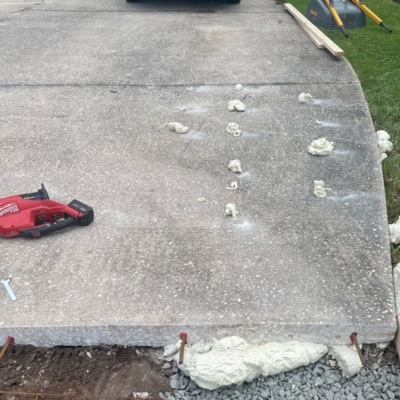
In most cases, you do not need to tear out your entire driveway to fix cracks in concrete driveway sections that have sunken or shifted. If your driveway has sunken slabs, uneven sections, or severe cracks caused by voids forming beneath the concrete, concrete driveway lifting with polyurethane foam injection can restore it without the mess or cost of a full replacement.
We inject high-density foam beneath the affected slab, which expands to fill the void, stabilize the soil, and lift the concrete back to level. This is the right fix for driveways with sections that have sunk, trip hazards, or slabs that have shifted due to minor settlement beneath the surface.
Concrete Caulking
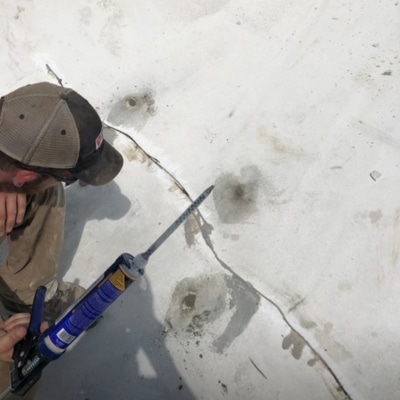
If your driveway has surface cracks but is otherwise structurally sound, you likely do not need an extensive repair. Our concrete caulking is a straightforward, affordable solution for sealing existing cracks before water gets in and worsens them.
In Northern Virginia, unsealed cracks allow water to freeze inside the concrete every winter, forcing the damage wider season after season. Caulking stops that cycle early. This solution works best for driveways with early-stage cracking, newly constructed driveways showing minor shrinkage cracks, or surfaces where the damage is cosmetic rather than structural.
Downspout Extension
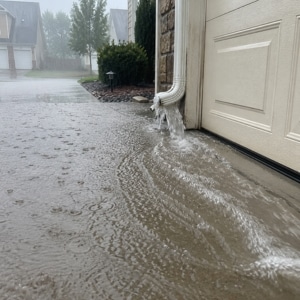
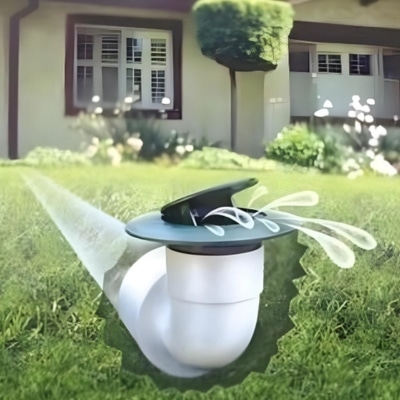
That stream of water flowing across the driveway surface from a downspout discharge point is one of the most common and overlooked causes of driveway cracking we find during inspections across Northern Virginia. When gutters release water too close to the driveway, it travels beneath the slab, softens the soil underneath, and removes the ground support the concrete depends on, accelerating cracking from below.
Installing a downspout extension moves that discharge point far enough from the driveway that the water never reaches the soil beneath it. This solution is the right call when cracking is concentrated along the driveway edge closest to the house.
Ready to Fix Your Cracked Driveway? Contact LUX Foundation Solutions Today
A cracked driveway does not have to mean an expensive replacement or months of contractor delays. At LUX Foundation Solutions, our foundation repair specialists have spent years helping Northern Virginia homeowners identify the real cause of their driveway damage and fix it the right way the first time.
Whether you need a simple crack seal or a full concrete lifting solution, our concrete driveway contractor will assess your driveway and recommend the right concrete repair services to address the root cause, not just the surface damage.
Call us today at 540-508-8587 or fill out our online form to schedule a free concrete estimate. We proudly serve Northern Virginia, Shenandoah Valley, North Central Virginia, and West Virginia.
Request a free Estimate
Cracked Driveway FAQs
A badly cracked driveway can be repaired in most cases without a full replacement. Solutions like polyurethane foam injection can lift sunken slabs, fill voids beneath the concrete, and stabilize the surface for long-term durability. Full replacement is considered only when the concrete has deteriorated to the point that no repair would hold.
At LUX Foundation Solutions, we assess the damage first and recommend the most cost-effective solution for your specific situation.
A cracked driveway does not always mean underlying foundation issues, but it can be an early warning sign of soil movement or ground instability beneath the slab. In Northern Virginia, clay soil that shifts with moisture and freeze-thaw cycles can affect both your driveway and your home’s foundation at the same time. If your driveway cracks are widening, sinking, or spreading, a professional assessment is the only way to rule out deeper structural concerns.
Cracks in your driveway are not always a cause for immediate concern, but they should never be ignored. Hairline surface cracks are a normal part of concrete aging, but cracks that are widening, deepening, or accompanied by uneven or sinking slabs indicate a more serious underlying problem. The sooner a professional evaluates the damage, the less likely it is to turn into a costly repair down the road.
Concrete cracks in driveways are normal, especially in Northern Virginia, the ground freezes and thaws every winter and puts constant stress on the surface. Concrete naturally expands and contracts as temperatures change, and small shrinkage cracks can form even in newer driveways. However, cracks that grow wider over time, cause uneven slabs, or allow water to pool underneath are no longer normal and should be evaluated by a professional before the damage spreads.
Cracked driveway repair costs in Northern Virginia vary depending on the severity, size, and underlying cause of the damage. Taking preventive measures early, like sealing cracks in your concrete driveway before they grow, is significantly more affordable than concrete lifting or larger structural repairs.
The best way to get an accurate number is through a professional assessment. LUX Foundation Solutions offers free estimates so Northern Virginia homeowners know exactly what they are dealing with before committing to any repair.