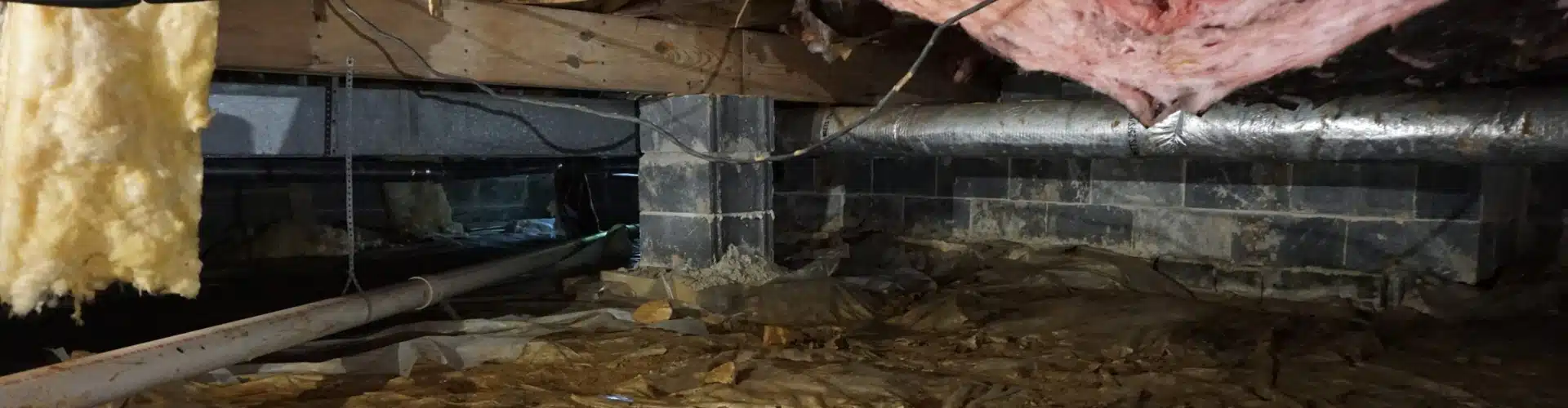
Sagging Floor Above Crawl Space

A sagging floor above a crawl space often develops when moisture, humidity, or weakened supports affect the structure below. Over time, floor joists and beams can lose strength, causing floors to dip, slope, or feel uneven throughout the home.

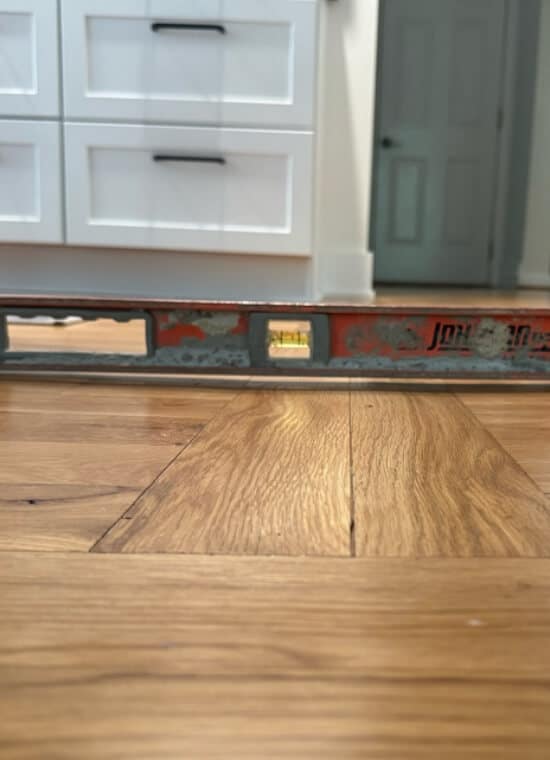
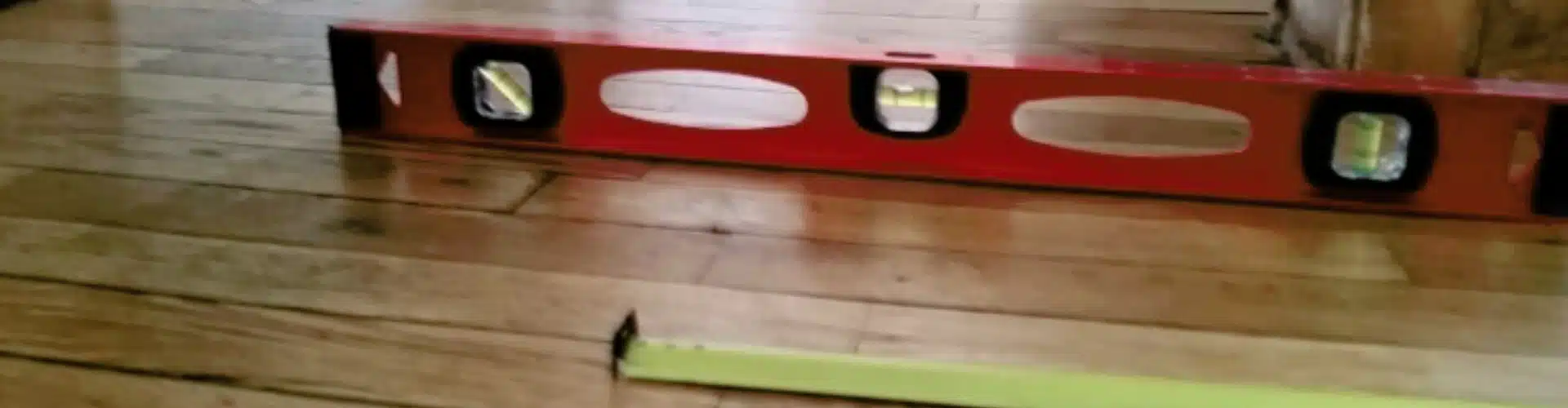
A level tool showing an uneven kitchen floor, a sign of a problem that needs floor sagging above crawl space repair in Northern VA.

Why Does a Floor Sag Above a Crawl Space?

A sagging floor above a crawl space almost always starts below what you can see. Your floor relies on joists, beams, and piers underneath to stay level, and once any of those lose strength or shift position, the floor above has nowhere to rest evenly. 

In Northern Virginia, clay-heavy soil that expands and contracts with moisture is a common contributor, since it can shift piers and footings out of position even when the framing itself is still sound. 

During crawl space evaluations across the region, LUX consistently finds that the visible sag upstairs is usually the last sign to appear, not the first, with moisture damage or support movement already underway below for some time before a floor ever starts to dip.

Signs of Sagging Floor Above Crawl Space

A sagging floor above a crawl space often shows warning signs inside the home before the crawlspace itself is ever inspected. These changes usually develop gradually, which is why many homeowners don’t connect them to crawlspace conditions right away.

You may be dealing with crawlspace–related floor sagging if you notice:

  • Floors that feel uneven, sloped, or dip in certain areas, often noticeable when a rolling object drifts toward one side of a room.
  • Cracks forming in walls or ceilings near doors, windows, or corners, where shifted framing has stressed the drywall above it.
  • Doors or windows that begin sticking or no longer close properly, a sign the frames have gone out of square.
  • Increased squeaking, creaking, or movement when walking, indicating the joists or subfloor have loosened beneath you.
  • Gaps appear between the floor and baseboards or trim, where the floor has dropped slightly away from the wall.
  • Higher indoor humidity levels or musty odors in the home, often the first sign moisture is affecting the framing below.

When these signs appear together, they often point to weakened support beneath the floor system. A sagging floor above a crawl space is rarely a surface-level issue and typically reflects moisture, support, or soil-related problems below the home.

If these conditions continue to worsen, having the crawl space evaluated can help identify what’s causing the floor movement and whether the issue is stable or progressing.

What Causes Sagging Floors Above Crawl Space?

A sagging floor above a crawl space usually isn’t caused by one single issue. In most homes, it’s the result of moisture, support problems, or soil conditions that slowly weaken the structure beneath the floor system.

Soil settlement with visible ground erosion under floor joists, causing sagging floor above crawl space in Clear Brook, VA.

Soil Settlement Beneath Crawl Space Supports

When the soil beneath crawlspace piers or footings shifts, compresses, or erodes, the supports above can settle unevenly. As those supports move, the floor system loses level support, causing the floors above the crawlspace to sag.

Soil movement can be influenced by drainage issues, erosion, or changes in moisture levels around the foundation.

Severe moisture damage and water stains floor joists and beams, causing sagging floor above crawl space in Berryville, VA.

Moisture Damage in the Crawl Space

Excess moisture is one of the most common causes of sagging floors above crawl spaces. When humidity stays high or water enters the space, wooden floor joists and beams can absorb moisture over time. This leads to warping, softening, or gradual deterioration that reduces their ability to support the floor above.

Common moisture sources include poor drainage, plumbing leaks, high humidity, or inadequate vapor barriers.

Crumbling brick pier and failing support wooden crawl space beam causing sagging floors above crawl space in Southbridge, VA.

Inadequate or Failing Floor Support

Crawlspace floors rely on properly sized and supported joists, beams, and piers. If supports are undersized, spaced too far apart, or have weakened with age, the floor system may begin to deflect. This often shows up as bounce, dips, or sagging in specific areas of the home.

Older homes and homes with long, unsupported spans are especially vulnerable.

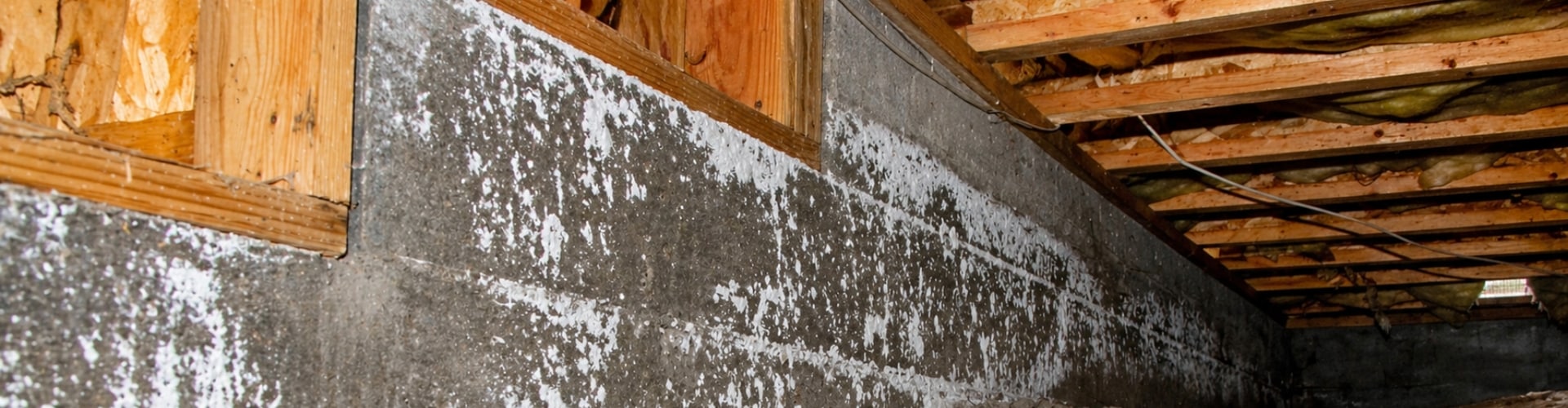
Crawl space foundation wall with moisture due to open vent and poor ventilation, causing sagging floors above crawl space in Manassas, VA

Open Crawl Space Vents 

Open crawl space vents let warm, humid outside air into the space beneath your home, especially during Northern Virginia’s warmer months. Through the stack effect, that moist air rises and condenses on cooler joists and beams rather than drying the crawl space out. Over time, this repeated moisture exposure weakens wood framing and contributes to sagging floors above the crawl space.

A heavy cabinet with its legs pressing heavily into the floor, causing sagging floor above crawl space in Gainesville, VA.

Excessive Weight from Heavy Furniture or Appliances

Placing heavy furniture or appliances in concentrated areas of the home without proper weight distribution can strain the floor structure. The weight may exceed the load-bearing capacity of the subfloor and support structure, leading to structural damage and floor deformation.

Plumbing leak in crawl space with water flowing, causing subfloor saturation and causing sagging floors above crawl space in Linden, VA.

Plumbing Leaks or Saturated Subfloor Areas

Leaking pipes in the crawlspace can slowly saturate subflooring, joists, and beams. Even small leaks can weaken wood over time, especially when combined with high humidity. Floors above leak-prone areas may sag or feel soft long before visible damage is noticed.

At LUX Foundation Solutions, we use state-of-the-art techniques and technology to repair and stabilize floor sagging in your home. We provide a free estimate and consultation to help you make an informed decision about which solution is right for your home.

Our Proven Sagging Floor Repair Solutions

When a sagging floor above a crawl space develops, the solution depends on what’s happening beneath the floor system. A proper repair focuses on correcting the underlying crawlspace condition rather than masking the surface issue. 

Below are the most effective solutions our LUX experts use to restore stability and long-term support.

Crawl Space Support Posts 

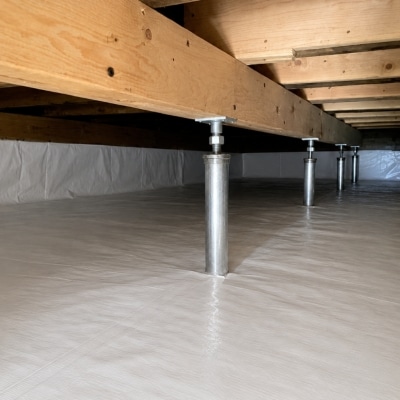
When the soil beneath your crawl space piers has shifted, compressed, or eroded, or the existing supports were never sized correctly for the span above them, your floor loses the level support it depends on. Our crawl space support posts are adjustable steel posts installed on properly sized footings beneath your weakened joists and beams, restoring consistent support across the full span rather than relying on aging or undersized posts to hold the load.

This is the solution when soil settlement or inadequate support spacing is confirmed as the cause during your crawl space evaluation, and your floor system needs new load-bearing points rather than repair to the wood itself.

Sistering Floor Joist Repair

Moisture-weakened joists lose their ability to carry the floor above them, even when the rest of your crawl space structure is otherwise sound. Our team addresses this with sistering floor joist repair, installing a new joist directly alongside each damaged one to restore strength without removing the original framing.

Sistering works best when the joists themselves have softened or warped from prolonged moisture exposure but haven’t failed structurally, giving your floor renewed support while keeping the original framing intact. This is our solution when crawl space assessment points to joist-level deterioration rather than a failing support post or beam.

Crawl Space Main Beam Replacement 

A damaged or undersized main beam affects everything resting on it, which is why a sagging floor tied to beam failure tends to span a wider area than joist damage alone. Our main beam replacement temporarily supports your structure, removes the compromised beam, and installs a properly sized replacement engineered to carry the load correctly.

We recommend this when long-term moisture exposure or settlement has compromised the beam itself, not just the joists resting on it, and your evaluation confirms the beam can no longer be reinforced rather than replaced.

Crawl Space Encapsulation 

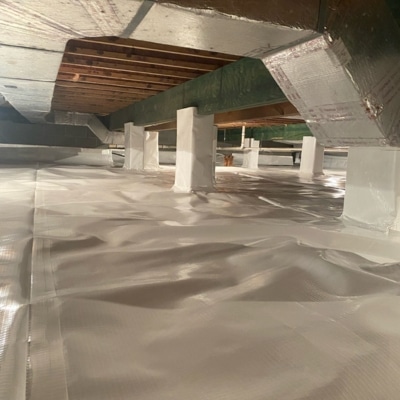
Excess humidity and warm, moist air moving through the stack effect keep your crawl space wood in a constant state of moisture exposure, even after individual leaks or drainage issues are fixed. Our crawl space encapsulation seals your crawl space floor and walls with a heavy-duty liner, cutting off ground moisture and outside humid air before either can reach your joists and beams.

We recommend this  solution when crawl space evaluation identifies ongoing moisture or ventilation issues as the underlying driver, since encapsulation addresses the source rather than treating individual symptoms as they appear.

Crawl Space Dehumidifier 

Even a properly encapsulated crawl space can hold enough residual humidity to keep wood framing at risk if that moisture isn’t actively pulled from the air. Sealing alone slows moisture entry, but it doesn’t remove what’s already trapped inside once the space is closed up. 

Our crawl space dehumidifier maintains consistent humidity levels well below the threshold where wood begins absorbing moisture, running continuously to protect your joists and beams long after encapsulation or drainage corrections are in place.

This works best when paired with encapsulation and proper sealing, and it’s our recommendation whenever an evaluation shows humidity control is still needed to finish stabilizing the conditions beneath your home.

LUX Foundation Solutions Can Help Resolve Your Crawl Space Problems Now

Don’t let a sagging floor above a crawl space wreak havoc on your home’s structural integrity. Take action to resolve these problems. 

LUX Foundation Solutions offers professional crawl space repair to protect your home in Northern VA, North Central Virginia, the Shenandoah Valley, or West Virginia. Our team will evaluate your situation and provide effective strategies to resolve these issues.

Contact us now at 540-508-8587 or complete our online estimate request form to book your free on-site estimate and receive professional guidance for an effective solution.

Request a free Estimate

Sagging Floor Above Crawl Space FAQs

Are sagging floors above a crawl space a serious problem?

Yes, they can be a serious problem. This issue may indicate an underlying problem with your home’s foundation, such as rotting or damaged floor joists. It’s important to address this issue promptly to prevent further damage to your home. 

A professional crawl space evaluation helps determine whether the condition is stable or continuing to worsen.

How do I know if my sagging floor is coming from the crawl space?

If your floor feels uneven, bouncy, or sloped and the affected area sits above a crawl space, the cause is often below the floor system. In Northern Virginia, common signs include sticking doors, cracks near floor lines, or visible sagging in the crawlspace joists. 

A professional crawl space evaluation can confirm whether moisture or support issues are contributing to the problem.

How can I prevent or minimize floor sagging in my home's crawl space?

Preventing a sagging floor above a crawl space usually starts with controlling moisture and maintaining proper structural support. This may include managing crawlspace humidity, improving drainage, addressing leaks, and reinforcing floor joists or beams when needed. 

In Northern Virginia homes, regular crawl space checks are especially important due to seasonal moisture changes.

How can I fix a sagging floor above a crawl space?

Fixing a sagging floor above a crawl space starts with identifying what’s failing below the floor system, such as weakened joists, moisture damage, or inadequate support. A professional crawl space evaluation helps determine whether reinforcement, moisture control, or structural stabilization is needed before any corrective work is considered.

Related Signs

Thank you! Your form has been successfully submitted. You may receive service-related text messages from Lux Foundation Solutions, including appointment updates, reminders, and one-time verification codes if needed. Message frequency may vary. Msg & data rates may apply. Reply HELP for help. Reply STOP to opt out.

Examples of messages you may receive:

Lux Foundation Solutions: Your appointment has been scheduled. You will receive service-related updates as needed.

Lux Foundation Solutions: Reminder — your scheduled service is approaching. Reply STOP to opt out.

Lux Foundation Solutions: Your verification code is 739214. This code expires in 10 minutes.