Water Stains on Basement Walls and Floor

Water stains on basement walls and floor are rarely just cosmetic. They signal an underlying moisture problem that worsens without the right fix. LUX Foundation Solutions identifies the cause and provides lasting solutions across Northern Virginia, West Virginia, and the Shenandoah Valley.

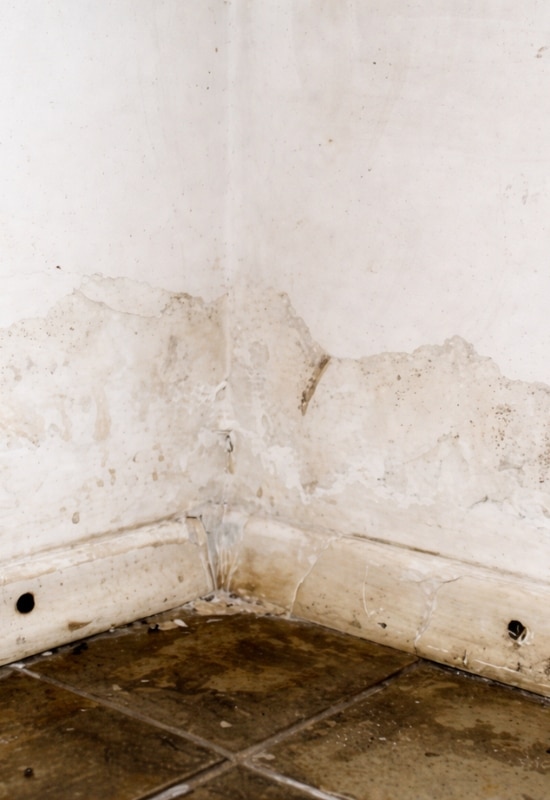
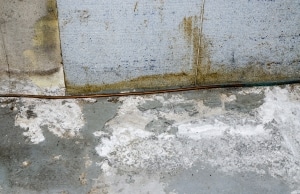
White efflorescence and brown water stains on basement concrete walls and floor corner in Alexandria, VA, showing moisture damage.

What Are Water Stains on Basement Walls and Floors?

Water stains on basement walls and floor are a clear sign of excess moisture or water damage affecting your foundation. They typically appear as brownish, yellowish, or white discolorations on concrete surfaces. 

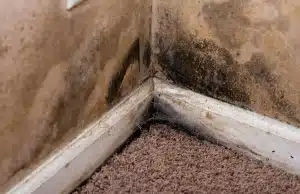
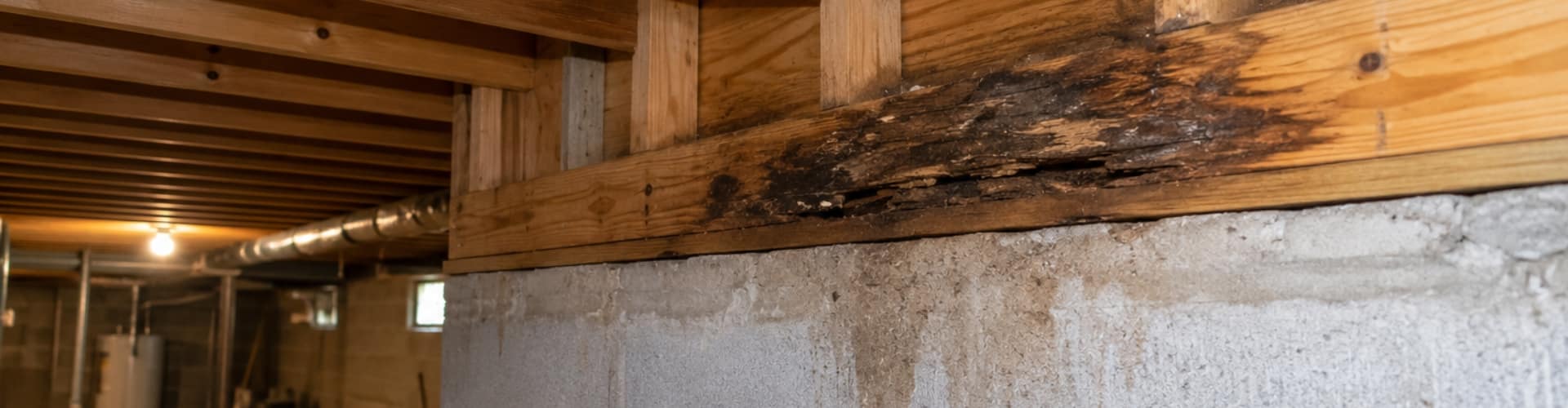
White chalky deposits known as efflorescence form when water carries minerals through the concrete and leaves them on the surface as it evaporates. Dark brown or black staining often indicates mold or mildew from prolonged moisture exposure.

In Northern Virginia, the Shenandoah Valley, North Central Virginia, and West Virginia, the color and pattern of a stain can help identify the moisture source, which is why LUX specialists document every stain during the initial basement assessment before recommending a repair approach.

Signs of Water Stains on Basement Walls and Floor

Other visible signs of moisture damage often accompany water stains on your basement walls and floor. If you notice any of the following in your basement, contact LUX for a free assessment before the underlying problem worsens.

  • Dampness or wet spots on the basement walls or floor.
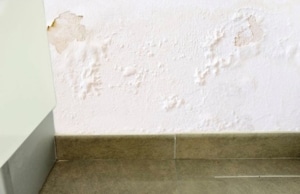
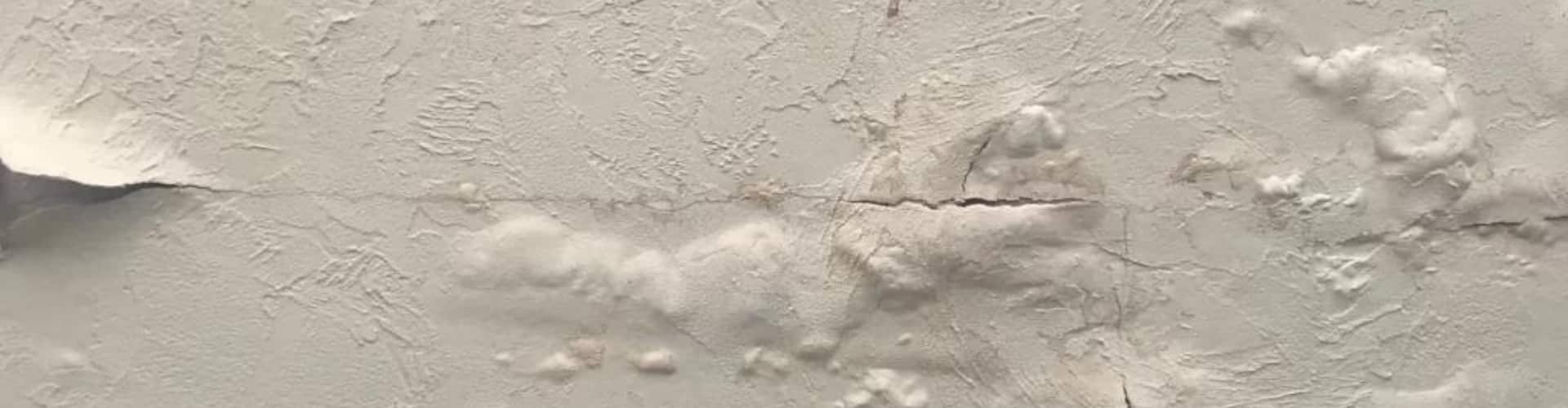
  • Peeling paint or bubbling wallpaper in the basement.
  • A musty odor or visible mold growth.
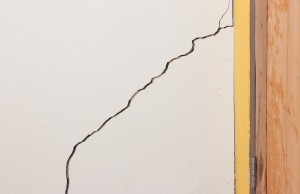
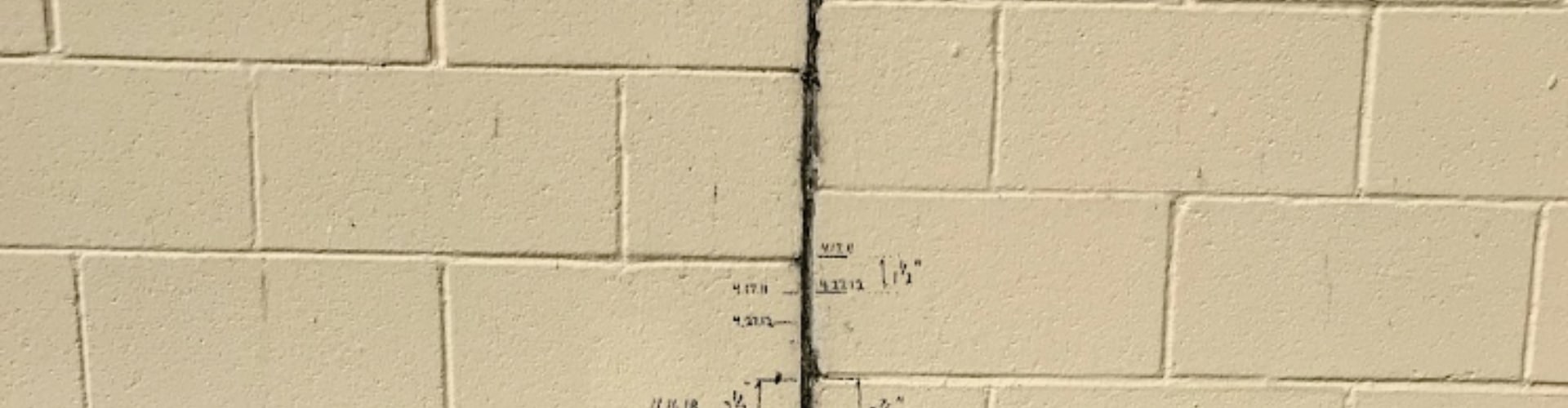
  • Cracks in the walls or floor.
  • Efflorescence or white chalky deposits on concrete surfaces.
  • Standing water or pooling water near the base of walls.

What Causes Water Stains on Basement Floor and Walls?

A single factor rarely causes water stains on the basement walls and floor. Here are the most common causes our team identifies during basement assessments across Northern Virginia, West Virginia, and the Shenandoah Valley:

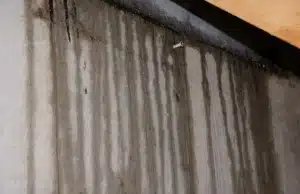
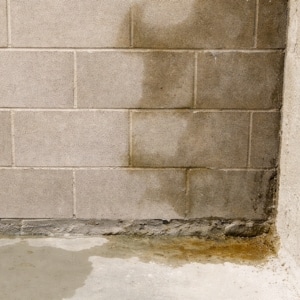
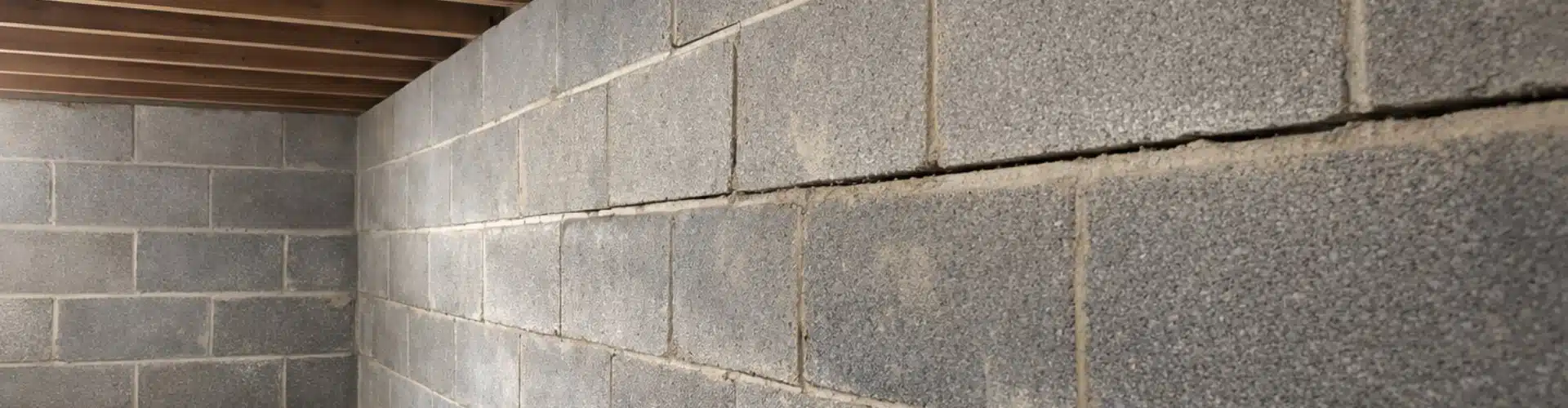
Moisture seeping through cinder block wall, showing water leakage that causes brown water stains in basement walls in Front Royal, VA.

Water Leakage

Water can enter basements through foundation cracks, deteriorated seals, or gaps around pipes, leaving brown or dark water marks on concrete walls and floors. Poor waterproofing, clogged gutters, and groundwater are common entry points. In Northern Virginia, clay soil expansion and freeze-thaw cycles put consistent pressure on foundation walls, making water leakage one of the most common causes of water stains on basement concrete walls.


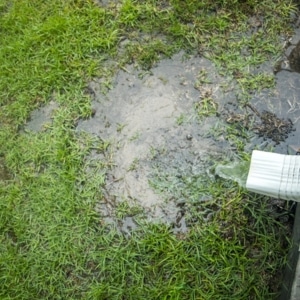
Pooling water and standing water in yard near foundation showing poor drainage that causes basement water stains in Strasburg, VA.

Poor Drainage

When water has nowhere to go, it collects near the foundation and seeps through, leaving wet spots and damp patches on basement concrete floors and walls. Pooling water and standing water near the foundation are warning signs that your drainage system is failing. Virginia’s clay-heavy soils retain water rather than absorbing it, making it crucial to redirect water away from the foundation to prevent water stains on basement walls and floors.

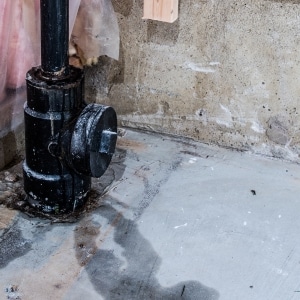
Leaking basement pipe with water pooling on concrete floor causing moisture damage and water stains in Berryville, VA.

Plumbing Issues

Leaking pipes, overflowing drains, or burst plumbing allow water to seep into basement walls and floors, leaving brown or rust-colored water stains on concrete surfaces, especially when water carries minerals or rust deposits. Unlike external water sources, plumbing leaks often go unnoticed until water stains appear on basement concrete floors or walls.


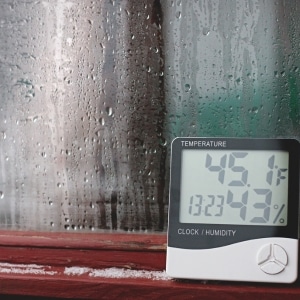
Humidity meter reading 43 percent, indicating high humidity that causes water stains on basement wall in Stephens City, VA.

High Humidity Levels

High humidity causes condensation to form on basement, leaving watermarks and damp spots on surfaces, even without any visible leaks. Basements are naturally more humid than other areas of the home, and poor ventilation makes the problem worse over time.

Virginia’s humid summers significantly increase basement moisture levels, causing water stains on concrete walls and floors that are often mistaken for active leaks

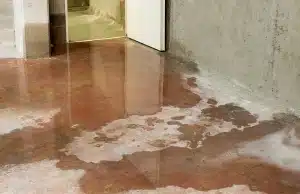
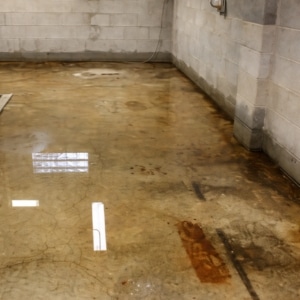
Flooded basement floor with standing water that causes brown water stains on concrete in Winchester, VA.

Flooding

Basement flooding from heavy rain, melting snow, or plumbing failures leaves lasting water stains on concrete floors and walls long after the water recedes. The lingering moisture promotes mold growth and dark staining that deepens over time if the source is not addressed. Northern Virginia experiences heavy seasonal rainfall that regularly overwhelms drainage systems, leading to post-flood water stains on basement concrete floors and walls.


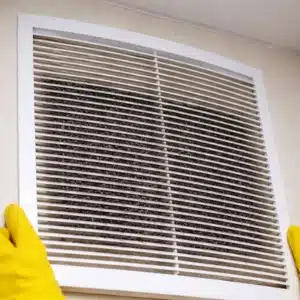
Dirty, clogged basement ventilation vent causing poor airflow and trapped moisture that leads to water stains in White Post, VA.

Poor Ventilation

Without proper airflow, moisture gets trapped in the area and settles on concrete surfaces, causing water stains on basement walls and floors that gradually appear over time. Condensation from trapped humid air leaves damp spots and dark spots, often in corners and along the base of walls. Older homes across Virginia often have inadequate basement ventilation, leading to recurring water staining from condensation.

Addressing water stains requires identifying and resolving the underlying cause. Consult with professionals to accurately diagnose the issue and implement the appropriate basement waterproofing solutions.

Our Water Stains on Basement Walls and Floor Solutions

How do you get water stains out of a basement floor?

Cleaning water stains without fixing the moisture source means they will return. When stains come from active seepage through foundation walls or floors, basement waterproofing addresses the source directly. 

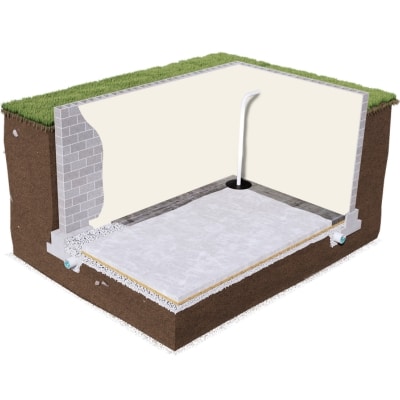
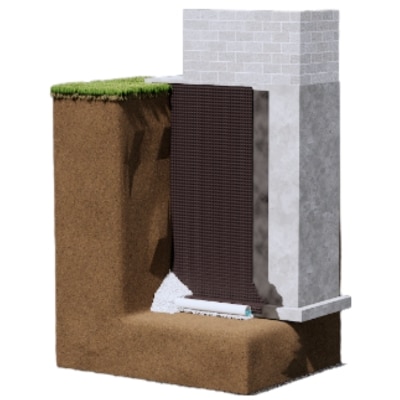
LUX installs interior waterproofing systems, such as drainage and sump pumps that intercept water before it reaches your floor and walls, and exterior waterproofing systems that prevent water from reaching the foundation. Our expert team assesses your specific situation and recommends the most comprehensive approach to protect your home.

What might cause a water leak on the basement walls and floors that could lead to water stains?

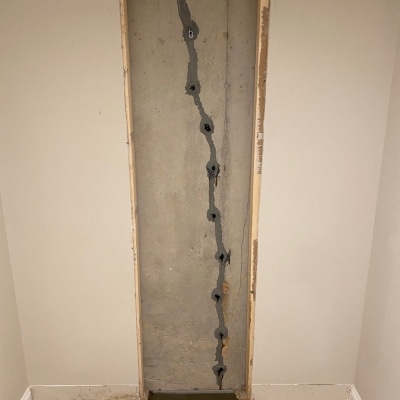
Foundation cracks are one of the most common causes of water stains on basement walls. When water finds a path through a crack, it leaves mineral deposits and staining that will return until the crack is properly sealed. LUX uses epoxy and urethane injection to fill and seal cracks, creating a watertight barrier that stops water from reaching the source of the staining.

How can I prevent water seepage in my basement to avoid water stains on the basement floor and walls?

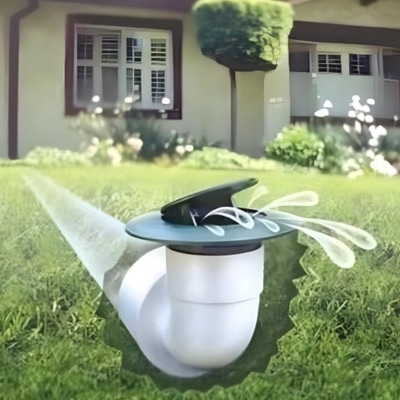
If your water stains appear during or after rain events, the cause is often water pooling near the foundation due to inadequate downspout drainage. LUX installs downspout extensions that carry roof runoff away from your home’s foundation, reducing the volume of water that reaches your basement walls and floors. This is one of the most cost-effective preventive solutions for water stain recurrence.

Get A Free Estimate Today for Your Basement Waterproofing Needs in Northern Virginia

Water stains on basement walls and floor are a clear sign that something needs attention. Without the right fix, the underlying moisture problem can lead to long-term damage and costly foundation repairs.

Whether or not there is a root cause, the problem will not fix itself and will worsen over time if left unaddressed. LUX Foundation Solutions identifies the root cause during a free on-site assessment and provides the right waterproofing solution for your specific situation. 

Contact us at 540-508-8587 or fill out the free estimate form. We serve homeowners across Northern Virginia, West Virginia, North Central Virginia, and the Shenandoah Valley, helping keep basements dry and protected year-round.

Request a free Estimate

Water Stains on Basement Walls and Floor FAQs

Are water stains on basement walls and floor a problem?

Yes. Water stains indicate active or past moisture intrusion that can lead to mold growth, structural damage to wooden support systems, and deterioration of concrete over time. The stains themselves are not the problem; they are a symptom of an underlying water issue that will worsen if left unaddressed. Contact LUX for a free assessment to identify the cause before the damage escalates.

Can we delay addressing the water stains on our basement floor and walls?

It is not recommended. Water stains indicate an active moisture problem, and ignoring them can lead to long-term damage. What starts as a cosmetic stain can progress to mold growth, rot in floor joists, and structural damage to the foundation. Addressing the cause early is significantly less costly than repairing damage from prolonged moisture exposure.

Can I fix the problem of water stains on my basement walls and floor myself?

Cleaning or painting over water stains does not address the underlying moisture source; the stains will return. Effective repair requires identifying and fixing the root cause, whether that is a foundation crack, drainage failure, plumbing leak, or high humidity. These repairs typically require professional tools and expertise. LUX offers a free assessment to determine the right solution for your specific situation.

Why do I have water stains on my basement walls?

Water stains on basement walls are most commonly caused by water seeping through foundation cracks, condensation from high humidity, or water infiltrating through porous concrete from outside. In Northern Virginia and West Virginia homes, seasonal rainfall, clay soil expansion, and freeze-thaw cycles are frequent contributors. An expert can identify the specific cause during a free crawl space and basement assessment.

Are water stains on basement walls serious?

They can be. Minor staining from condensation is less urgent than staining caused by active foundation seepage or flooding. The color and pattern of the stain can indicate severity. White or light mineral deposits suggest occasional moisture, while dark or black staining often indicates mold or significant water intrusion. When in doubt, a professional assessment is the fastest way to determine whether the issue is cosmetic or structural.

How do I prevent water stains from returning to my basement walls?

Preventing recurrence requires fixing the root cause. Depending on the source, this may involve sealing foundation cracks, installing an interior drainage system, improving exterior grading, extending downspouts away from the foundation, or installing a dehumidifier for humidity-driven staining. LUX assesses the specific cause of your home’s issue and recommends the right long-term solution, not just a surface fix.

Related Signs

Thank you! Your form has been successfully submitted. You may receive service-related text messages from Lux Foundation Solutions, including appointment updates, reminders, and one-time verification codes if needed. Message frequency may vary. Msg & data rates may apply. Reply HELP for help. Reply STOP to opt out.

Examples of messages you may receive:

Lux Foundation Solutions: Your appointment has been scheduled. You will receive service-related updates as needed.

Lux Foundation Solutions: Reminder — your scheduled service is approaching. Reply STOP to opt out.

Lux Foundation Solutions: Your verification code is 739214. This code expires in 10 minutes.