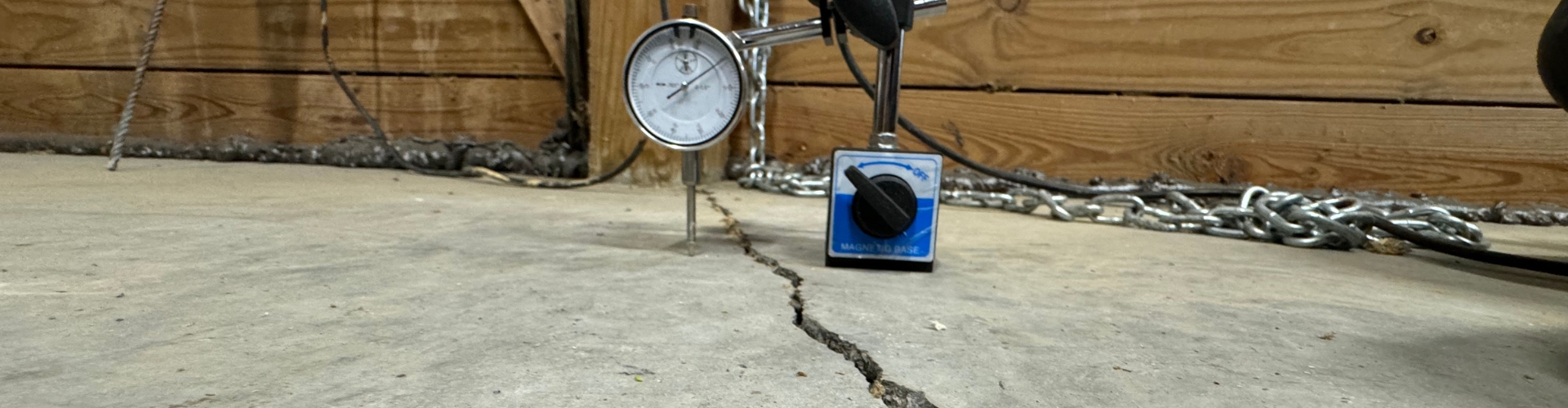
Uneven Sidewalks
An uneven sidewalk is one of the most common trip hazards on a Northern Virginia property. What looks like a minor concrete shift at the surface is usually a sign that the soil beneath has been moving, and it will keep moving until the underlying cause is addressed.
What is an Uneven Sidewalk?
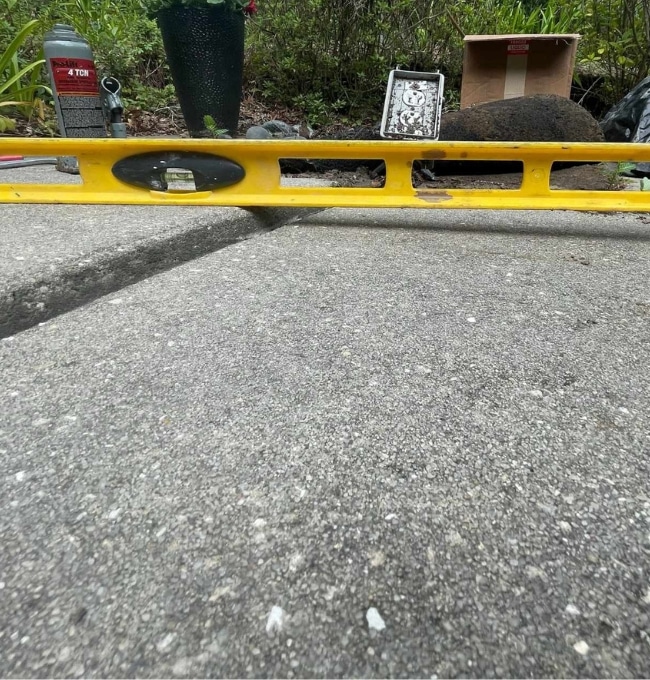
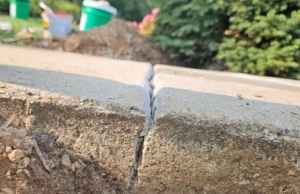
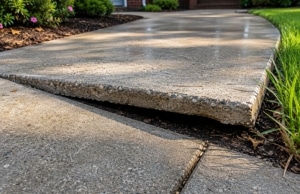
An uneven sidewalk develops when one or more slabs shift out of alignment, leaving raised edges or sunken sections that become a sidewalk trip hazard for anyone walking across your property. The concrete itself has not failed. What sits beneath it has changed.
Several conditions common in Northern Virginia can increase the likelihood of sidewalk movement. Clay-heavy soil expands after every rainstorm and contracts during dry stretches; tree root growth in older Northern VA neighborhoods pushes aggressively beneath slabs; and winter freeze-thaw cycles repeatedly lift concrete from below each season.
When our team assesses an uneven concrete sidewalk across the region, finding two or three of these conditions active at the same time beneath one property is more common than finding just one.
Signs of an Uneven Concrete Sidewalk
Most uneven sidewalks give a warning before they become a serious problem. Based on what Northern Virginia homeowners tell our team during assessments and what we observe during repairs across the region, these are the signs that come up most consistently:
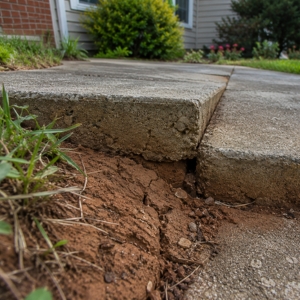
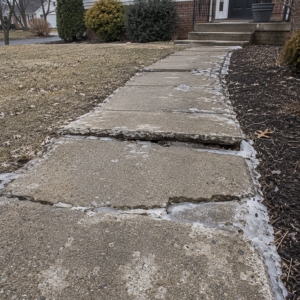
- A raised edge between two sidewalk slabs that catches your toe when walking creates an immediate trip hazard and signals that the slab has shifted.
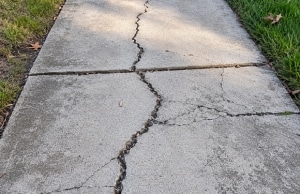
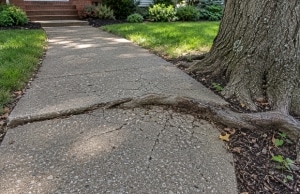
- Sidewalk cracks running along or across a slab indicate the concrete is under stress from soil movement or tree root pressure beneath the surface.
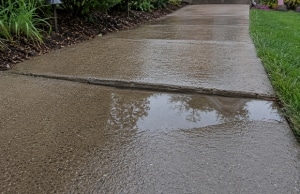
- Pooling water on the sidewalk surface after rain points to a depression where a slab has settled lower than the surrounding sections.
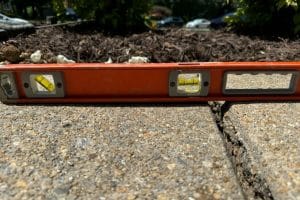
- Visible gaps between sidewalk sections or between the sidewalk and adjacent structures, like steps or curbs, show that sections have moved in different directions.
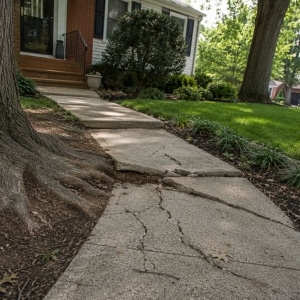
- Tree roots visibly push upward through or alongside the concrete signal that root growth beneath the slab.
- A slab that feels unstable or rocks slightly underfoot means the soil beneath it has eroded or shifted, leaving a void under the concrete surface.
These signs do not resolve on their own. In Northern Virginia, the same soil conditions and seasonal cycles that caused the shifting will continue working against your sidewalk until the underlying cause is addressed and repaired.

Noticeable Uneven Surfaces

Sidewalk Cracks

Pooling Water

Visible Gaps Between Sections

Tree Roots Pushing Through

Unstable Rocking Slab
What Causes Uneven Sidewalks?
A sidewalk does not shift without a reason. In Northern Virginia, the conditions beneath concrete surfaces change with every season, and our team consistently finds the same five causes behind most of the uneven sidewalks we assess across the region. Knowing which one is driving the problem on your property is what determines the right repair:
Soil Settlement
Clay-heavy soil in Northern Virginia absorbs moisture after every rainstorm and shrinks during dry stretches. That constant movement does not affect every section of your sidewalk equally. When the soil beneath one slab settles more than the slab beside it, the difference often shows up as a drop or tilt where the sections meet. It creates an uneven sidewalk hazard that gets more noticeable each season.
Soil Erosion
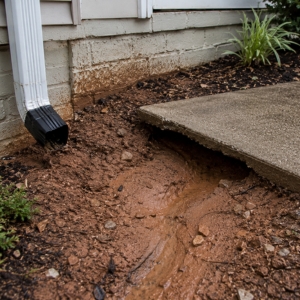
Water moving across your property after heavy rain carries soil with it, and when it flows consistently beneath your sidewalk slabs, it gradually removes the base, keeping your concrete level. In Northern Virginia, poor drainage and heavy rainfall can wash away soil near downspouts and low areas. Once enough soil washes away from beneath a slab, you are left with a sunken sidewalk section that only gets lower over time.
Tree Roots
The root systems of mature trees extend much further underground than most homeowners expect. In older Northern Virginia neighborhoods, those roots often grow directly beneath sidewalk slabs. As tree roots grow, it pushes upward against the concrete from below, creating a heaved sidewalk section where one slab lifts while the adjacent one stays in place, and the raised edge worsens every season.
Improper Installation
A sidewalk that shifts quickly or has been uneven since it was first poured often traces back to how the base beneath it was prepared. Poor soil compaction, an inadequate gravel base, or a concrete mix not suited for Northern Virginia’s freeze-thaw conditions results in an uneven concrete sidewalk from the start. The weakness beneath was always there, waiting for the first wet winter and spring to reveal it.
Freeze-Thaw Cycles
Many sidewalk problems in Northern Virginia start during the winter, long before homeowners notice anything has changed. Water runoff seeps into the small gaps between slabs, freezes overnight, then expands and melts the next day. Over time, this freeze-thaw cycle can widen gaps, lift slab edges, and leave sections of the sidewalk uneven until a hairline separation becomes a sidewalk trip hazard by spring time.
Our Uneven Sidewalk Repair Solutions
When it comes to uneven sidewalks and walkways, LUX Foundation Solutions offers a range of expert repair methods tailored to your specific needs.
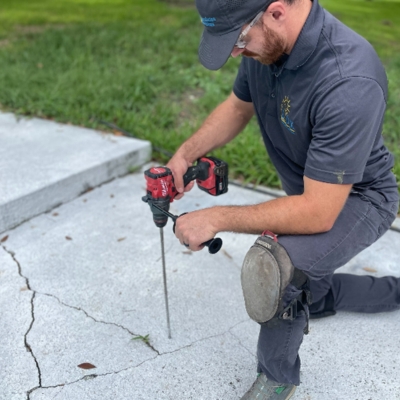
Concrete Lifting (Polyurethane Foam Injection)
A shifted sidewalk slab does not always mean the concrete needs to come out. When the slab itself is still sound, and the unevenness comes from what has changed beneath it, lifting a concrete sidewalk back into alignment is possible without the cost and disruption of complete replacement.
The repair involves injecting high-density polyurethane foam beneath the slab through small drilled holes. As the foam expands, it fills empty spaces, stabilizes the soil, and lifts the settled section with minimal disruption to your property. This approach works well when the sidewalk has settled, the concrete is still structurally sound, and a full replacement is not necessary.
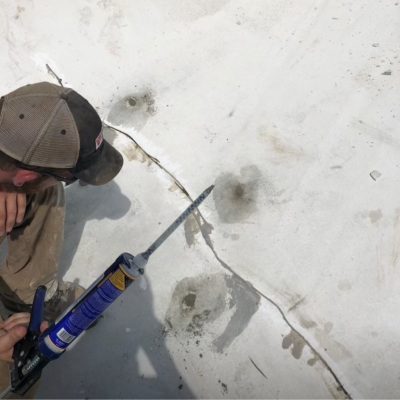
Concrete Caulking
The gaps between your sidewalk sections and cracks along the surface are not just cosmetic. Every opening is an entry point for water that works its way beneath the concrete with each rain and freeze, loosening the soil base and widening the damage over time.
Sealing those gaps and cracks with a flexible concrete caulk prevents further deterioration before a minor surface opening becomes a shifted or sunken slab. The sealant moves with the concrete through Northern Virginia’s freeze-thaw cycles without cracking or separating. This repair works best when gaps or cracks are present, but the slabs have not shifted significantly, or as a finishing step after concrete leveling to protect the repair long term.
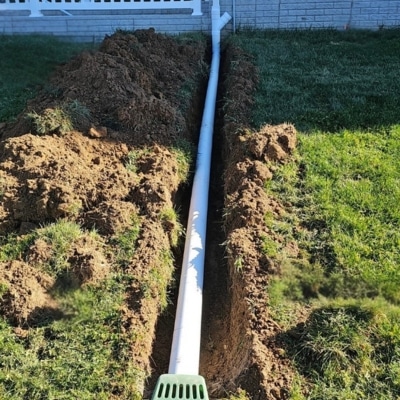
Downspout Extension
If water from your gutters consistently lands near your sidewalk, it quietly washes away the soil your concrete depends on for support. Every heavy rain moves a little more of that base material out from beneath the slab, and the unevenness you see at the surface is the result of that gradual loss.
Installing a downspout extension redirects roof runoff away from the sidewalk area before it reaches the soil beneath your concrete. Repairing the surface without addressing this water source will result in the same erosion undermining the repair within a few seasons. This solution is the right starting point when the downspout discharge is close to the affected area.
Schedule a Free Concrete Assessment with LUX Foundation Solutions
An uneven sidewalk on your Northern Virginia property is a trip hazard for every person who walks to your front door. Beyond the safety concerns, soil movement beneath the concrete does not stop on its own. Every season that passes without a repair, the gap between sections widens, and the cost to fix it grows.
Our concrete specialists assess the condition of your sidewalk and the soil conditions beneath it to identify exactly what is causing the unevenness before recommending any repair.
Call us at 540-508-8587or fill out our online form to schedule a free, no-obligation estimate. We proudly serve concrete repair services in Northern Virginia, Shenandoah Valley, North Central Virginia, West Virginia, and the surrounding areas in Virginia.
Request a free Estimate
Uneven Sidewalk FAQs
The first step for an uneven sidewalk is a professional assessment to identify the cause of the concrete shift. Surface fixes applied without understanding the underlying cause rarely hold because the same soil movement or erosion continues beneath the repair.
At LUX Foundation Solutions, we address uneven sidewalks by assessing the concrete and the soil beneath it first, then recommending the repair that addresses the actual cause.
Preventing an uneven sidewalk starts with addressing the issues that cause the concrete to shift. In Northern Virginia, that means managing water drainage around the sidewalk area, keeping tree root growth in check before it reaches the slab, and sealing surface gaps before water seeps beneath the concrete through freeze-thaw cycles.
A professional inspection every few years catches early movement and soil changes before they turn into a visible trip hazard that requires a more involved repair.
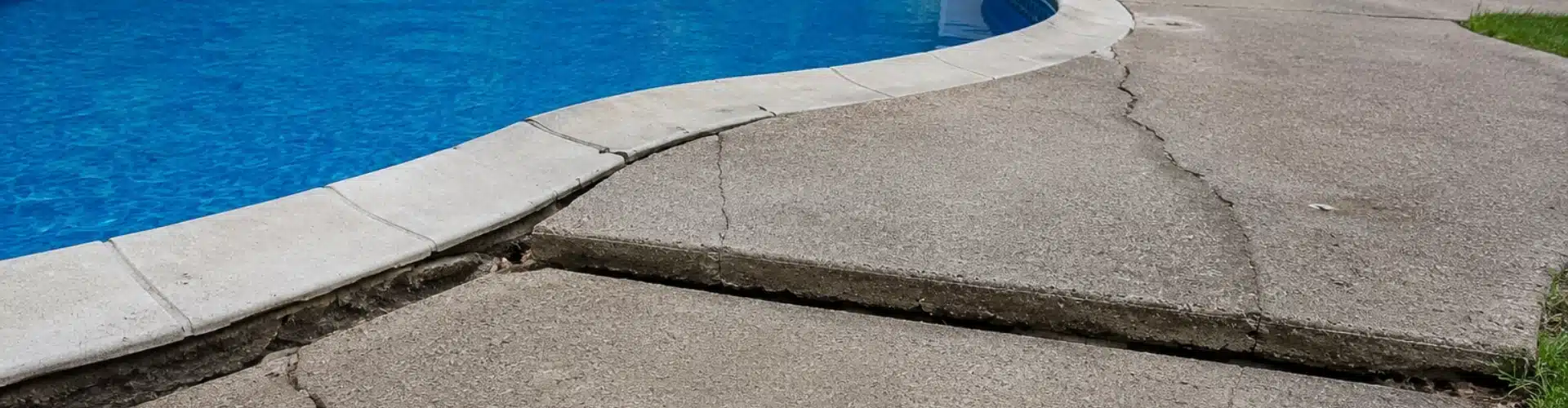
Yes, an uneven sidewalk is a safety hazard and a liability risk for Northern Virginia homeowners. A raised edge of even half an inch is enough to cause a serious fall, particularly for older adults and young children. A homeowner whose guest trips on an uneven sidewalk can face legal liability for the injury.
Addressing the problem before an accident occurs is the most direct way of ensuring safety on your property and avoiding the legal and financial consequences of a preventable fall.
Leveling an uneven concrete sidewalk is professionally done using polyurethane foam injection. Small holes are drilled through the slab, foam is injected beneath it, and the foam expands to fill empty spaces and raise the slab back toward level. The sidewalk is usable again the same day.
DIY leveling products address the surface only and do not stabilize soil movement, which causes the unevenness.
Yes, uneven sidewalks can be repaired without replacement when the concrete slab is structurally sound. Concrete lifting using polyurethane foam injection raises shifted slabs back toward level by filling voids and stabilizing the soil beneath without removing the existing concrete.
Replacement is only necessary when the slab has cracked severely or deteriorated beyond repair. A professional assessment determines which approach is appropriate.
Uneven sidewalk repair costs in Northern Virginia depend on the cause, the number of affected slabs, and the required solution. Concrete caulking for minor gaps is the most affordable option. Concrete sidewalk lifting for shifted slabs sits in the mid-range. Adding a downspout extension to address drainage prevents the same erosion from returning.
LUX Foundation Solutions offers free on-site estimates so Northern Virginia homeowners know the cost before committing to any work.