Cracked Garage Floor
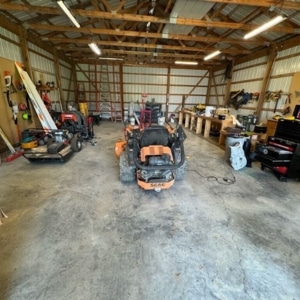
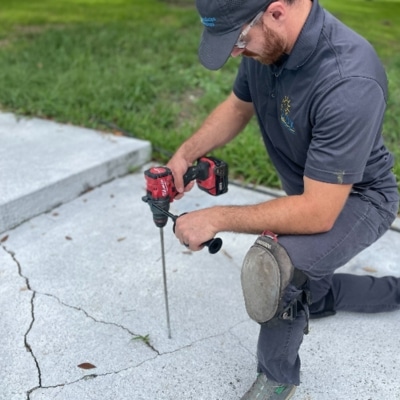
Have you noticed cracks appearing in your garage floor? These cracks may seem minor at first, but they can be early signs of underlying concrete issues that should not be ignored. Identifying and addressing these problems promptly is crucial to preventing further damage to your garage floor and maintaining the structural integrity of your property.
Written By Bridget Stieb, Director of Marketing at LUX Foundation Solutions • Reviewed by LUX’s foundation repair specialists serving Northern Virginia & Florida
Is Your Garage Floor Cracking in Northern Virginia?
A cracked garage floor is one of the most common structural concerns our team encounters during inspections of Northern Virginia homes. What may appear as a minor surface issue is often an early warning sign of a deeper problem developing beneath the slab.
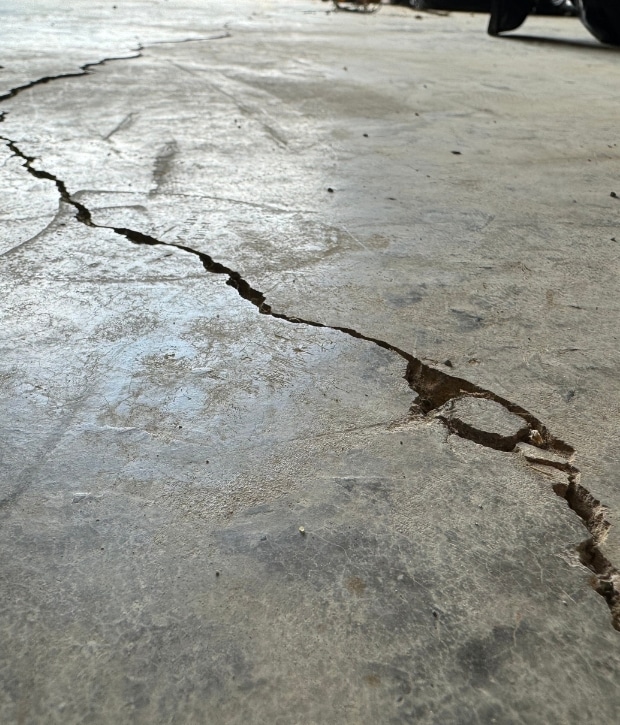
Whether you are seeing hairline fractures or large cracks in garage floor sections, the underlying cause determines the right solution. The longer cracks in the garage floor surfaces go unaddressed, the more they worsen, spreading and widening, leading to uneven surfaces, moisture intrusion, and costly serious structural problems over time.
LUX Foundation Solutions offers comprehensive garage floor crack repairs across Northern Virginia. With over 50 years of combined experience, our team will evaluate your specific garage floor conditions and recommend the right solution for your home.
Signs of a Cracked Garage Floor Problem
A cracked garage floor can go unnoticed for a long time because concrete floor surfaces are not always closely inspected. If your garage floor is cracking or showing any of the following signs, do not wait for the problem to worsen:
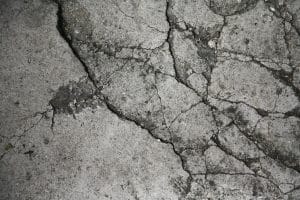
- Visible cracks or map cracking running through the concrete slab
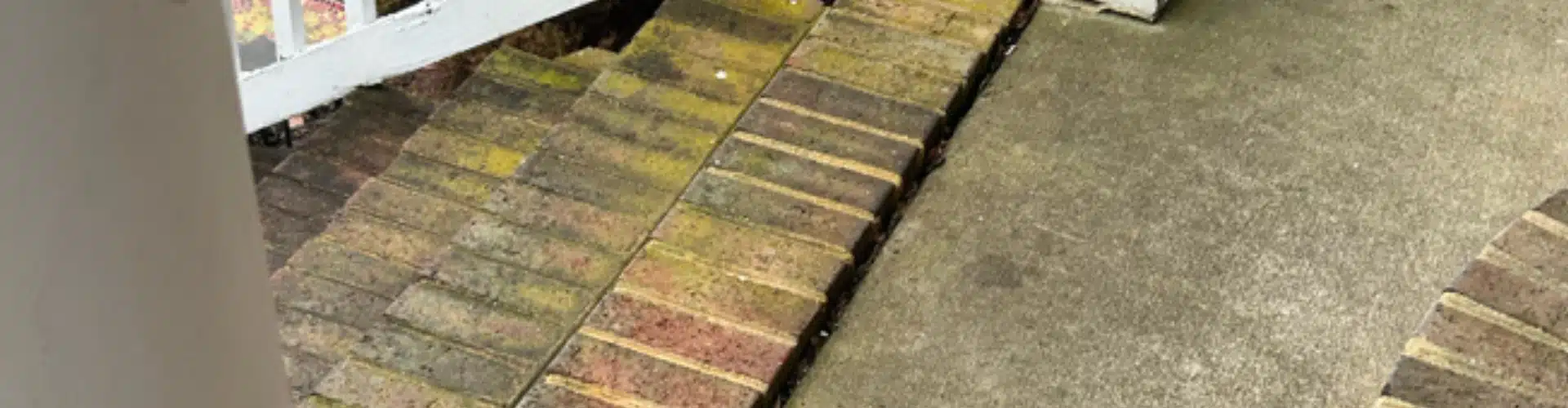
- Garage floor cracked and uneven sections
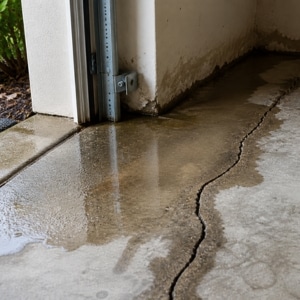
- Moisture seeping through the cracks
- Increased dust and debris on the garage floor
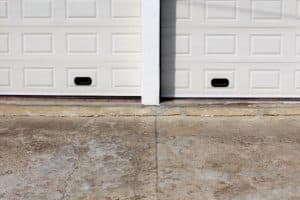
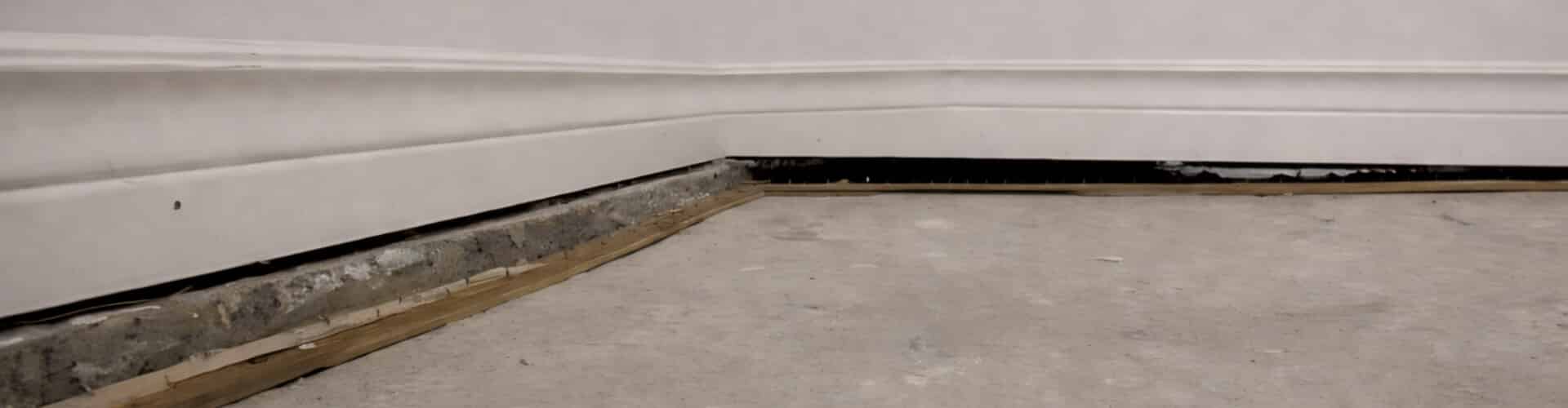
- Difficulty opening or closing garage doors due to floor settlement
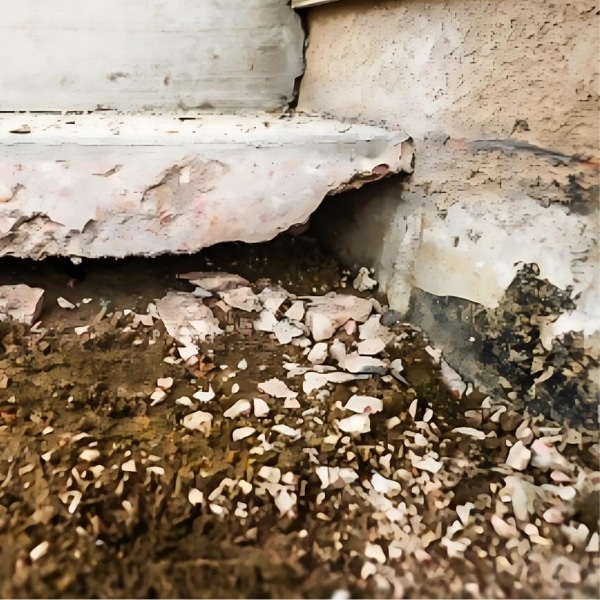
- Spalling or flaking around cracks indicates deteriorating concrete quality.
If you have noticed any of these signs, schedule a free estimate with LUX Foundation Solutions today for a comprehensive garage floor inspection and a solution tailored to your specific home.

Visible cracks running through the concrete slab

Uneven or sunken sections of the garage floor

Moisture seeping through the cracks

Increased dust and debris on the garage floor

Difficulty opening or closing garage doors due to floor settlement

Spalling or Flaking Concrete
What Causes Your Garage Floor to Crack
Understanding why your garage floor is cracking is the first step toward the right repair. In Northern Virginia, several factors make garage floor cracking more common and severe than in other regions. Here are the four most common causes our team identifies during inspections:
Soil Movement
Poorly compacted soil or improper installation beneath your concrete slab can lead to uneven support over time. As the soil beneath the slab shifts and settles, voids form, causing your garage floor to crack, causing your garage floor to crack and uneven conditions to develop under the weight of vehicles and daily use on the surface above.
Heavy Vehicle Stress
The repeated heavy loads of trucks and SUVs, and heavy equipment places significant daily stress on your garage concrete slab. Over time, this pressure causes large cracks in garage floor surfaces to form and widen, particularly near entry points where vehicle loading and concentrated impact occur most frequently throughout the year.
Moisture and Expansive Clay Soil
Northern Virginia sits on clay-heavy soil that expands when wet and contracts when dry. This constant cycle of expansion and contraction, driven by temperature fluctuations and seasonal rainfall, exerts upward pressure on your concrete slab. Poor drainage around the foundation allows excessive moisture to accumulate, keeping soil wet for long periods after rain events
Freeze-Thaw Cycles
Water intrusion into existing cracks in garage floor surfaces freezes in winter and expands, widening those cracks from the inside out. Northern Virginia seasonal freeze-thaw cycles repeat this damaging process multiple times each winter, gradually turning minor surface fractures into serious cracks that spread across the entire floor.
LUX Foundation Solutions offers free on-site inspections to identify the specific cause of your cracked garage floor and recommend the most effective garage floor crack repair solution for your home.
LUX's Proven Solution for Cracked Garage Floors
When your garage floor is cracking, the right solution depends on the cause. LUX Foundation Solutions offers two proven repair methods specifically designed to address the most common garage floor conditions in Northern Virginia homes.
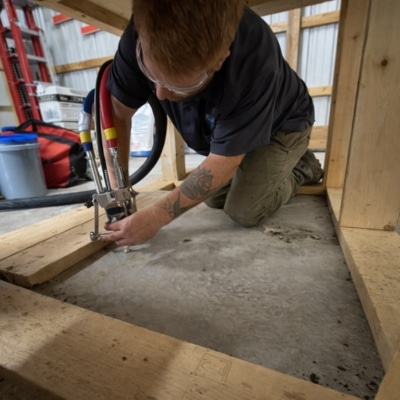
We address cracked and sinking garage floors with concrete lifting using polyurethane foam injection. Our team evaluates the situation to determine the best approach for your specific floor conditions. This garage concrete leveling method involves injecting high-density foam beneath the slab to lift and level it, restoring your garage floor stability quickly and without extensive demolition or disruption.
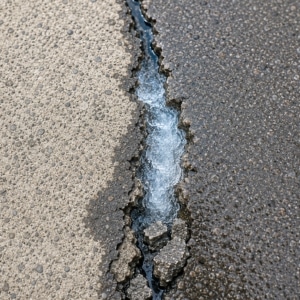
For small cracks in garage floor surfaces, we recommend concrete caulking with Polyflex. This high-performance silicone-based sealant fills cracks, prevents moisture from seeping in, and stops debris buildup before it worsens the damage. The flexible seal adapts to minor concrete movement, making it a reliable solution for fixing cracks in the garage floor and protecting it from further damage.
Fix Garage Floor Cracks with LUX Foundation Solutions
A cracked garage floor does not fix itself. The longer concrete cracks in garage floor surfaces go unaddressed, the more they spread, widen, and develop into costly structural problems that are far more expensive to repair.
LUX Foundation Solutions is your trusted local expert for garage floor crack repair across Northern Virginia, the Shenandoah Valley, North Central Virginia, West Virginia, and surrounding areas. Whether you are dealing with a garage floor that is cracked and uneven from soil settlement or with concrete surface cracks from moisture and freeze-thaw damage, our team will assess your specific conditions and recommend the right solution for your home.
Looking for garage floor leveling near me? Call 540-508-8587 or fill out our online estimate form to schedule a free on-site assessment today.
Request a free Estimate
About the Author

Bridget Stieb
Bridget is the Director of Marketing at Lux Foundation Solutions, bringing firsthand knowledge of the foundation repair, basement waterproofing, crawl space repair, concrete repair, and seawall needs of homeowners across Northern Virginia, the Shenandoah Valley, North Central Virginia, West Virginia, and Florida. She works closely with structural repair specialists to translate real-world inspection and repair data into homeowner guidance on foundation, basement, crawl space, and concrete issues. With a deep understanding of local homeowner concerns in both regions, she is committed to delivering clear, trustworthy content that helps families protect their homes. When she is not working on a marketing strategy, Bridget enjoys spending time with her family, friends and being outdoors.
FAQ’s About Cracked Garage Floors
Some cracks in the garage floor concrete are a normal part of the initial curing and settling process. Hairline fractures that appear shortly after a garage floor is poured are considered non structural cracks and typically do not require immediate repair.
However, cracks wider than a quarter inch that grow over time, accompanied by uneven or sinking sections, or that allow moisture to seep through, are not normal and signal an active structural problem that requires professional assessment.
DIY kits from hardware stores can temporarily help cover small surface cracks, but do not address the root cause. A cracked garage floor is often a symptom of soil settlement, moisture intrusion, or structural stress beneath the slab, meaning surface repairs alone will not prevent cracks from returning. In some cases the slab may have failed structurally and requires professional evaluation.
LUX Foundation Solutions identifies the underlying cause first and applies the appropriate repair method to fix garage floor cracks permanently.
Are cracks in garage floor surfaces always a cause for concern? Normal cracks in garage floor concrete are small hairline fractures from initial settling. These are common and typically stable.
You should act immediately when cracks are widening, deepening, multiplying, or accompanied by uneven sections, moisture seeping through, or difficulty opening your garage door. These signs indicate an active structural problem that requires immediate attention before it worsens
Not all garage floor cracks are equally serious. Hairline cracks from the normal concrete curing process are common and may not require immediate action. However, cracks wider than a quarter inch, growing over time, accompanied by sinking or uneven sections, or allowing moisture to seep through, signal a deeper problem.
A free on-site assessment from LUX Foundation Solutions is the most reliable way to determine the severity and the right fix.
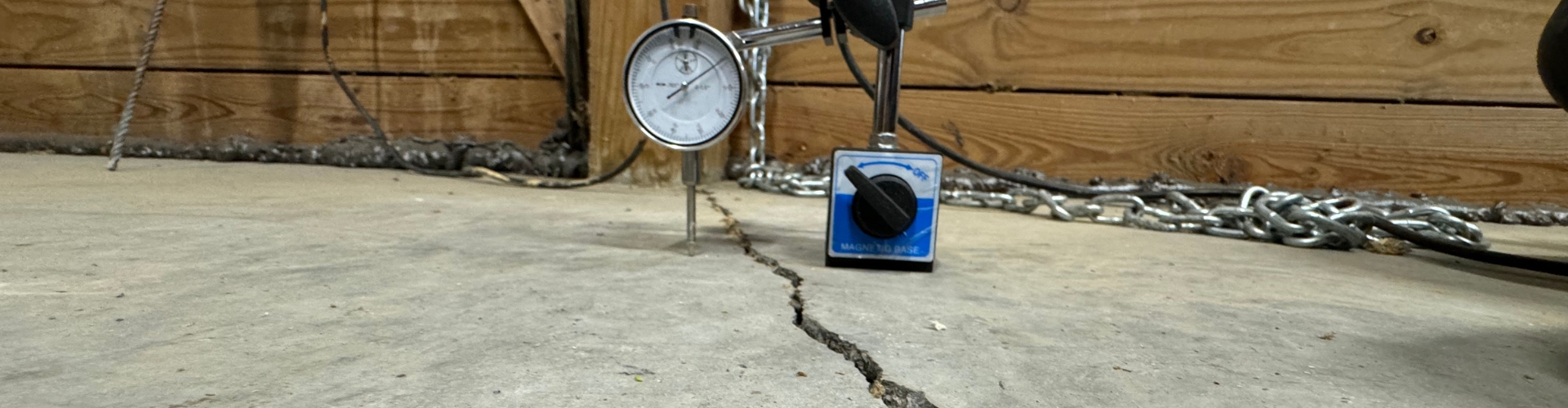
Ignoring a cracked garage floor can let small problems become expensive ones. Unaddressed cracks widen and deepen over time. Here is what that leads to:
- Moisture intrusion: Water seeps through widening cracks, accelerating concrete deterioration and creating conditions for mold growth beneath the slab.
- Structural instability: Soil settlement beneath a cracked and uneven garage floor can compromise surrounding foundation walls over time.
- Safety hazards: An uneven or sinking floor creates tripping risks and instability for your family and vehicles
- Escalating repair costs: Small cracks that go unaddressed can become major structural problems, requiring costly repairs.
Addressing garage floor cracks early is far more cost-effective than waiting for extensive structural damage to develop.