Written By Bridget Stieb, Director of Marketing at LUX Foundation Solutions • Reviewed by LUX’s foundation repair specialists serving Northern Virginia & Florida
A sticking door can be frustrating, especially when you’ve already adjusted or repaired it, and the problem comes back. While some doors only need a simple adjustment, a recurring problem may indicate that movement elsewhere in the home is affecting the door.
If you need to fix a sticking door that keeps sticking after repair, look beyond the immediate problem. Several factors can affect how the door works, including the frame, hardware, moisture, and movement in the home’s supporting structure.
Identifying what is causing the door to become misaligned again is important for finding a lasting solution.
Key Takeaways
- A door that keeps sticking after repair may have an underlying structural problem rather than a simple door or hardware issue.
- Foundation settlement, crawl space movement, and weakened floor support can affect door alignment and cause the problem to return.
- Repeatedly fixing a sticking door may only address the symptom while structural movement continues.
- Several foundation-level solutions exist, and which one applies depends on what’s actually causing the movement.
- Moisture-related foundation or crawl space problems may also need to be addressed when they contribute to recurring movement or door alignment issues.
- If basic door repairs haven’t provided a lasting result, evaluating the foundation and supporting structure can help identify the right repair.
Why a Fixed Door Might Start Sticking Again
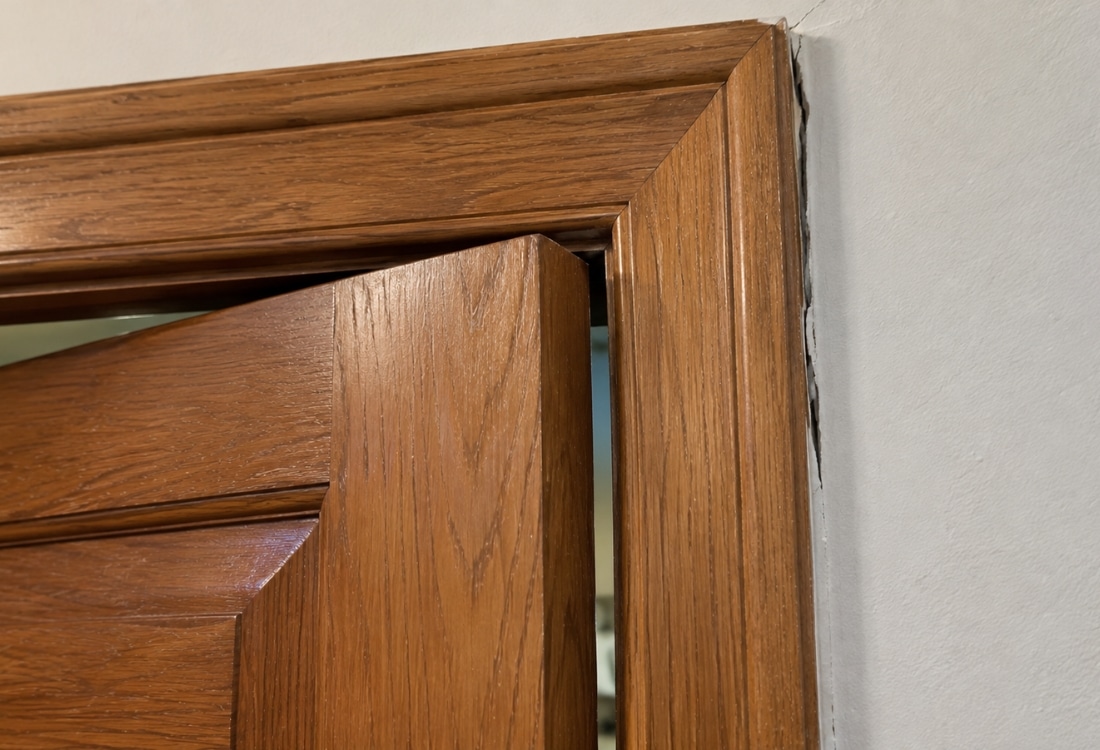
If you have already fixed common door-related problems, such as alignment, hinges, hardware, or minor frame adjustments, but the door keeps sticking, the problem may not be with the door itself. A few underlying reasons are worth ruling out:
- The frame itself may be shifting, not just the door, from wall pressure, a shifting floor system, or beam movement.
- Foundation settlement can continue after the first signs appear, not always a one-time event.
- The repair may not have closed the actual gap if the frame had already shifted more than a standard adjustment accounts for.
- The repair addressed the symptom, not the structure causing it.
If a door needs fixing more than once, that’s usually the clearest sign the repair addressed the symptom rather than the cause.
When a Sticking Door Points to Something Bigger
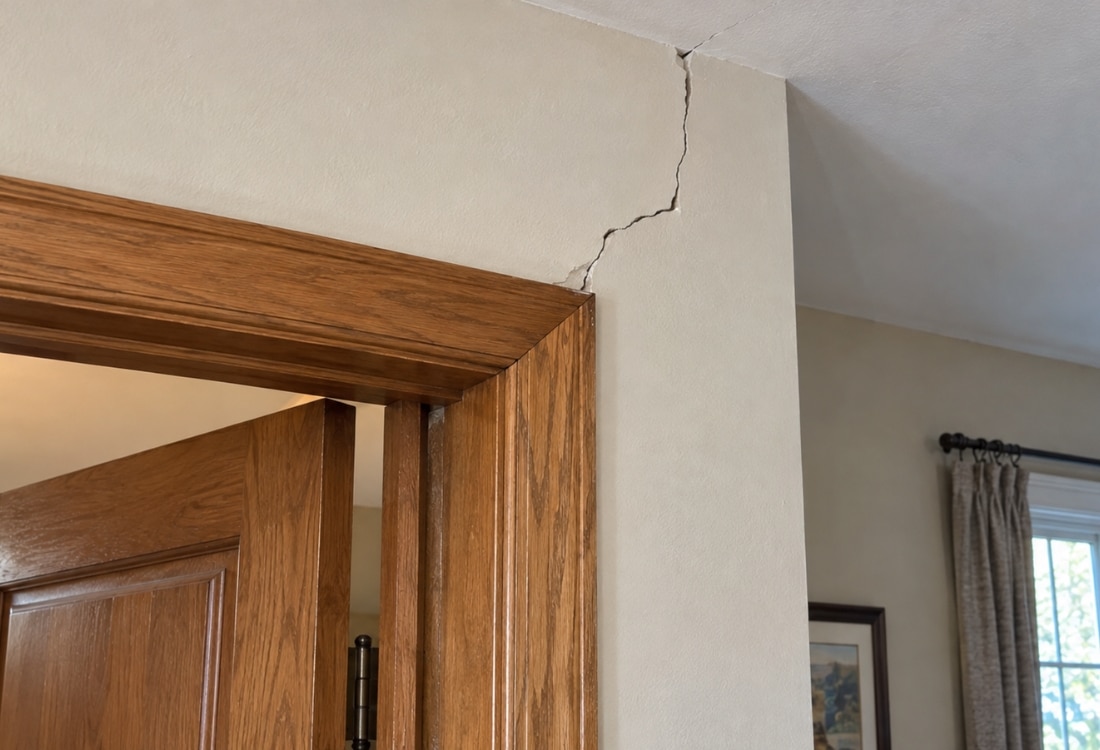
A single door sticking once isn’t usually cause for concern. But certain patterns make it worth a closer look, especially when the door has already been repaired and the problem came back.
- More than one door is affected. One sticking door can be isolated, but several doors sticking on the same side or floor of the house is a stronger sign the structure itself is affected.
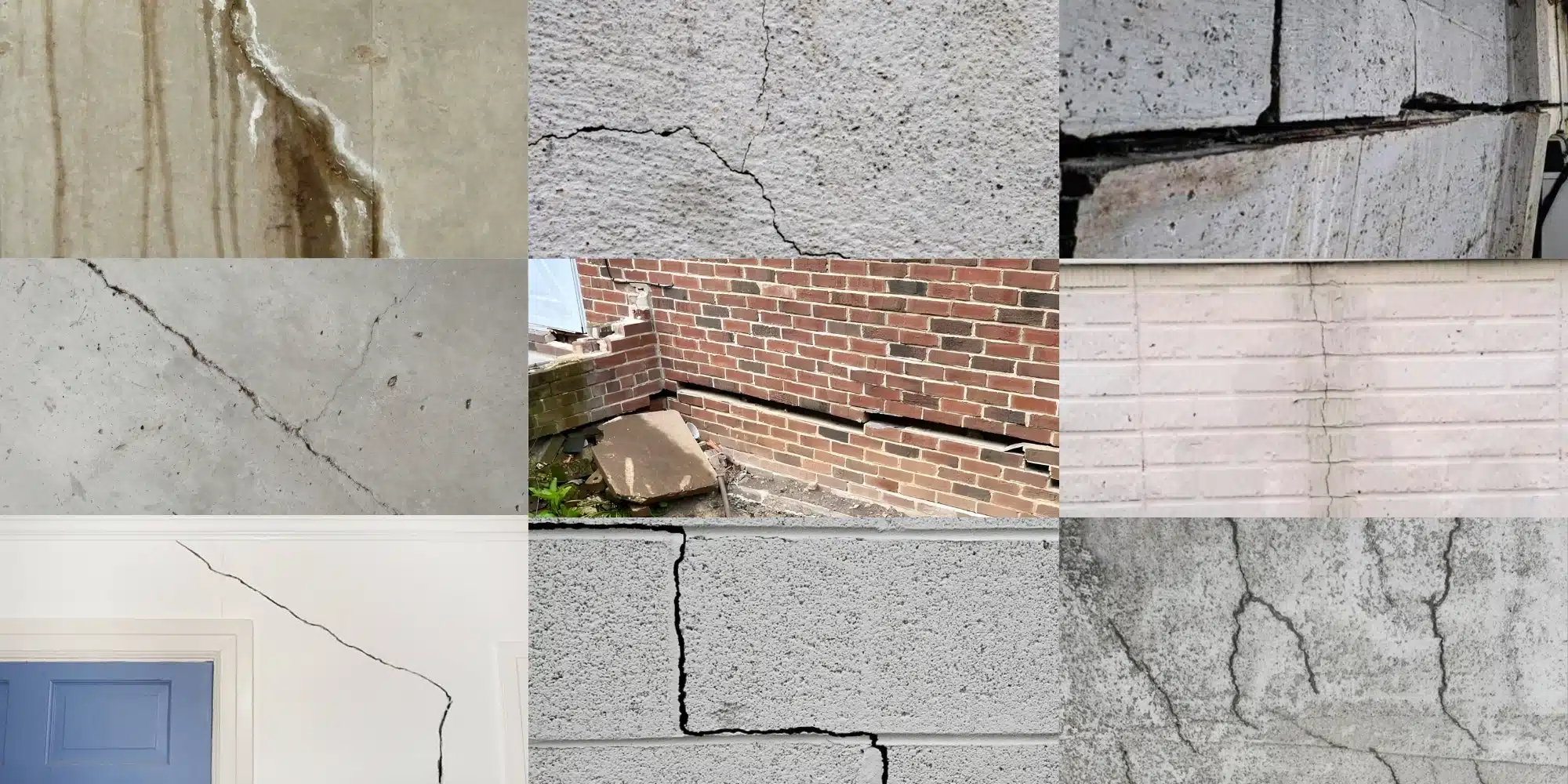
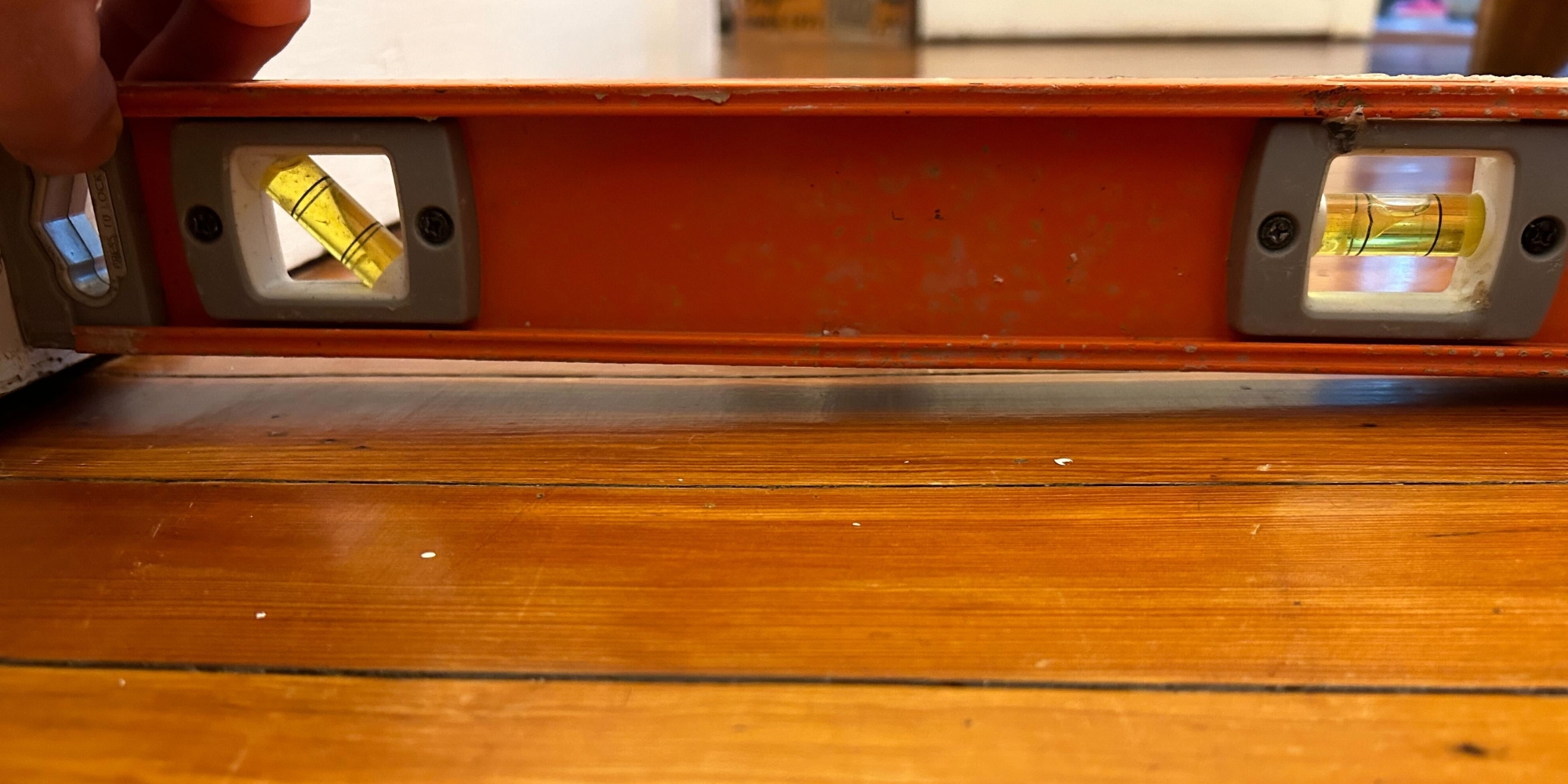
- It’s happening alongside other changes in the home. Cracks in nearby drywall, uneven floors, or gaps around window frames often point to the same underlying movement.
- The sticking has gotten worse since the last repair. A door that’s harder to close now than before suggests ongoing movement, not just a repair that wore off.
If any of these apply, the door itself usually isn’t the real problem to solve.
Foundation Solutions to Fix a Sticking Door
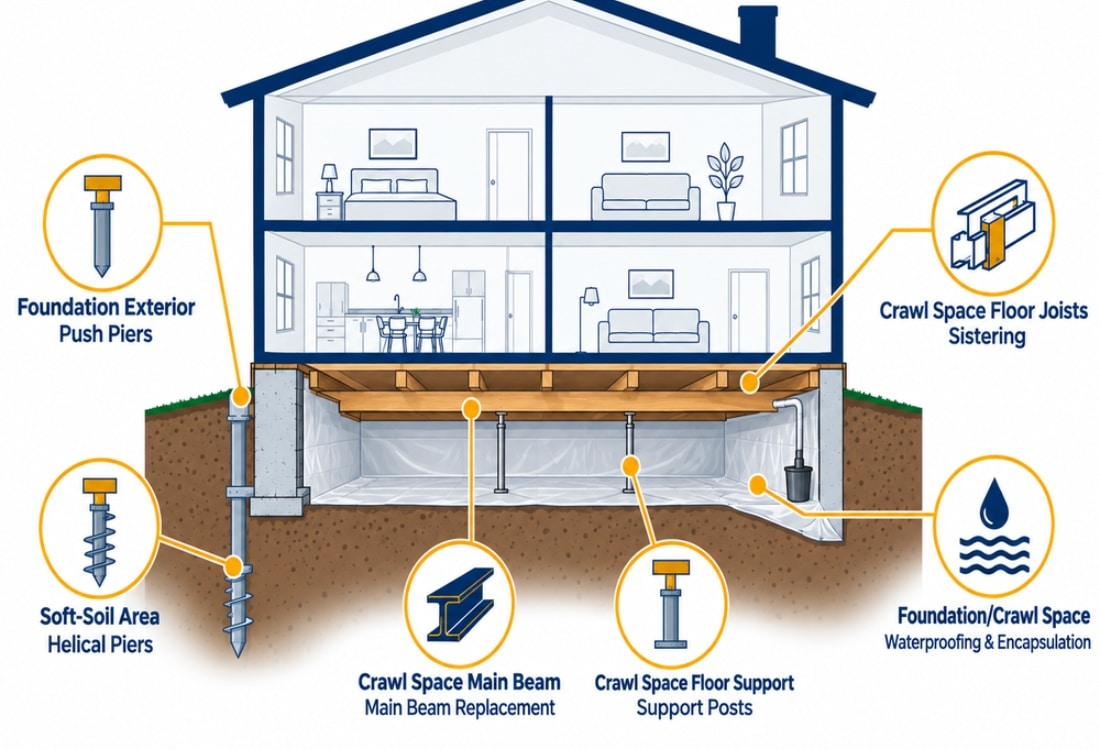
If you have already tried to fix a sticking door by correcting its alignment, hinges, hardware, or frame, but the problem keeps returning, the underlying structure may be causing the alignment to change. Foundation or crawl space movement can affect the framing and floor system around a door opening, causing a door that was previously repaired to start rubbing or binding again.
The right solution depends on where the movement is occurring and what is causing it.
1. Push Piers Installation
Foundation settlement is a common reason a previously repaired door starts sticking again. As the ground beneath a section of the foundation settles, the structure above it can shift just enough to throw the door frame out of alignment, even if the door itself was adjusted the first time correctly.
Push piers address this by stabilizing the affected foundation at the source. Instead of repeatedly adjusting a door that keeps going out of alignment, this approach corrects the movement causing it.
2. Helical Piers Installation
When the soil beneath the foundation doesn’t provide enough natural support, even a foundation that hasn’t visibly settled can begin to shift under the structure’s own weight. Over time, that movement can affect the framing above, including nearby door frames, which may cause the door to stick again even after it has been adjusted.
Helical piers provide the support the soil isn’t giving on its own, stabilizing the foundation where it’s lacking rather than letting the door keep absorbing the movement.
3. Crawl Space Main Beam Replacement
A crawl space main beam supports portions of the floor system above it. If the beam is damaged, deteriorated, or no longer providing adequate support, the floor system can move or deflect. That movement can affect the framing above the crawl space and shift a door’s alignment.
Replacing a compromised main beam restores proper support to that section of the floor, addressing the actual source of the movement instead of the door reacting to it.
4. Sistering Floor Joists Repair
Floor joists that have weakened, whether from age, moisture, or damage, can no longer fully support the floor above them. That loss of support shows up as movement in the floor system, which can transfer to nearby door frames and cause the same misalignment to return.
Sistering reinforces the affected joists by attaching new lumber alongside them, restoring the floor’s support without removing the original structure and addressing the movement at its source rather than the door showing the symptom.
5. Crawl Space Support Posts
When the floor system beneath a door doesn’t have adequate support, it can flex or shift over time, and that movement transfers directly to the framing above it. A door near an affected section of floor can become misaligned again even after a proper repair.
Crawl space support posts add structural support beneath the floor system in the affected area, reducing the movement that causes the door to stick.
6. Moisture-Related Repairs
Moisture doesn’t just affect the door; it can also affect the ground and structure supporting it. Excess water around the foundation can shift the surrounding soil, while moisture in a crawl space can weaken the wood components holding up the floor system. Either can contribute to the ongoing movement that keeps pulling a door out of alignment.
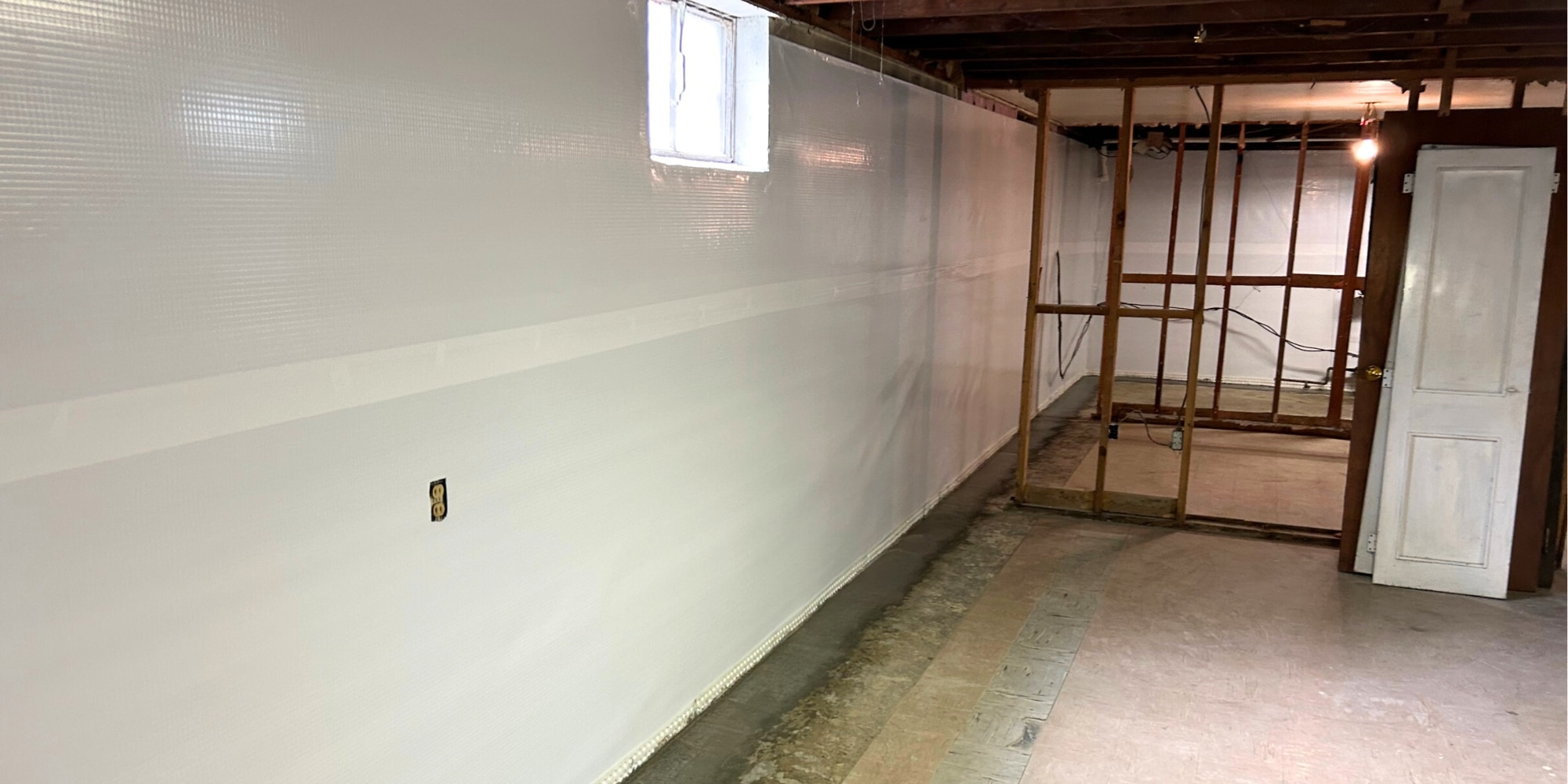
Basement waterproofing and foundation crack repair help control water intrusion around the foundation, while crawl space encapsulation and waterproofing manage moisture beneath the home, addressing the conditions that keep causing the movement, rather than repeating the same door adjustment.
Should You Fix the Sticking Door or the Underlying Problem?
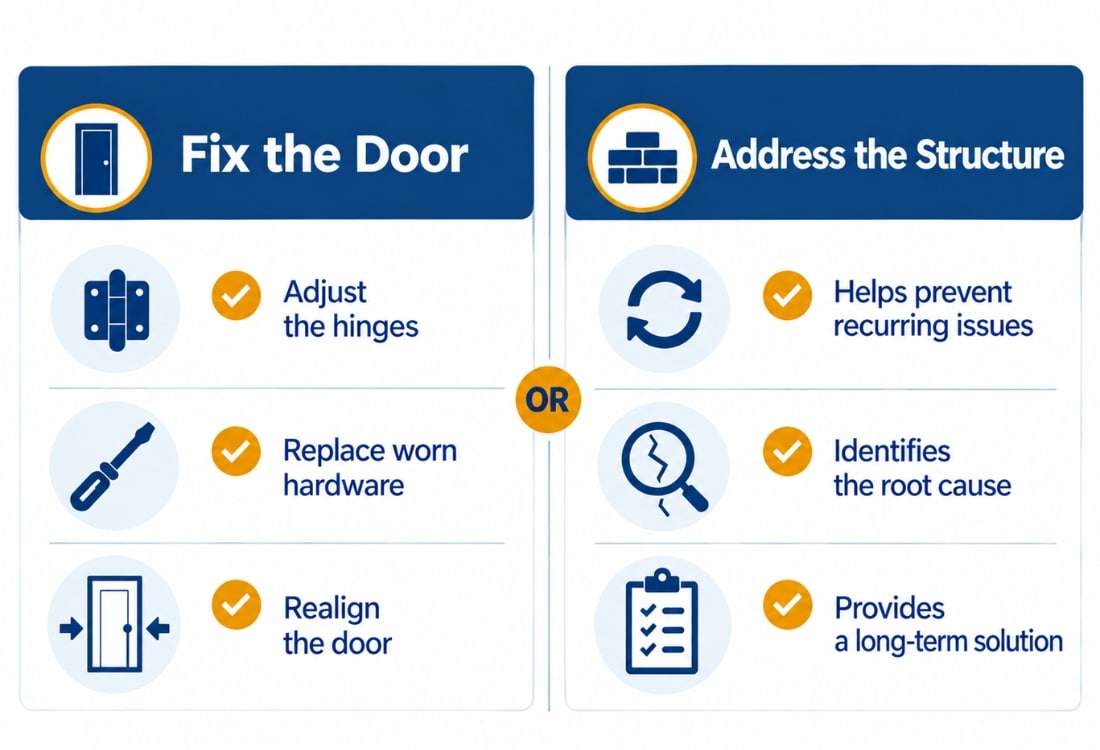
Whether you should fix a sticking door again depends on why the problem keeps returning.
- Fix the door if the problem comes from the door, frame, hinges, or hardware.
- Address the underlying problem if it’s already been repaired but keeps becoming misaligned, often tied to foundation movement, crawl space support, or moisture.
- Look for a lasting repair if repeated adjustments haven’t stopped the door from becoming misaligned again.
If basic door repairs have not provided a lasting solution, evaluating the foundation and supporting structure can help determine where the repair is needed.
Get Help When Your Door Keeps Sticking
If you have tried to fix a sticking door and the problem keeps returning, the issue may be coming from the foundation, crawl space, or another part of the home’s supporting structure. Repeated repairs may not provide a lasting solution if the underlying movement or moisture problem remains.
LUX Foundation Solutions provides foundation repair services throughout Northern Virginia and surrounding areas. Our team can evaluate whether foundation settlement, inadequate crawl space support, or moisture-related conditions contribute to the recurring door problem and recommend the right repair.
Don’t keep fixing the same door without addressing the underlying problem. Contact us today to schedule a free evaluation and find the right repair for your home.
About the Author

Frequently Asked Questions
Why does my door keep sticking after I fix it?
A door can keep sticking after repair if the underlying cause isn’t addressed. Foundation settlement, crawl space movement, structural movement, or moisture-related changes can affect the door’s alignment and cause the problem to return.
Can foundation problems cause a door to stick repeatedly?
Yes. Foundation settlement or movement can affect the framing around a door opening and cause the door to become misaligned. If the underlying movement continues, the door can keep sticking even after adjustment or repair.
What foundation repair can fix a sticking door?
The right solution depends on what’s causing the structural movement, and a professional evaluation is the most reliable way to determine what applies to your home.
Can crawl space problems make a door stick?
Yes. Excess moisture can cause wood components to expand and contract, changing a door’s fit and alignment. If moisture affects the foundation or crawl space, you may need waterproofing, encapsulation, or other moisture-control measures.
Can moisture cause a door to stick again after repair?
Yes. Excess moisture can cause wood components to expand and contract, changing the fit and alignment of a door. If moisture is affecting the foundation or crawl space, waterproofing, encapsulation, or other moisture-control measures may be needed.
Should I keep fixing a door if it keeps sticking?
If basic repairs have already corrected the door, frame, hinge screws, door stop, and hardware but the problem keeps returning, repeatedly fixing the door may not solve the underlying issue. A foundation or crawl space evaluation can help determine whether structural movement or moisture is contributing to the problem.