Musty Smell in Basement

Basements often experience dampness, cracks, and waterproofing issues, leading to severe moisture problems. These damp conditions lead to mold, an awful odor, and pose significant health concerns. If you’re worried about potential water damage, a musty smell is an obvious sign that there’s a problem.

Written By Bridget Stieb, Director of Marketing at LUX Foundation Solutions
Reviewed by LUX’s foundation repair specialists serving Northern Virginia & Florida

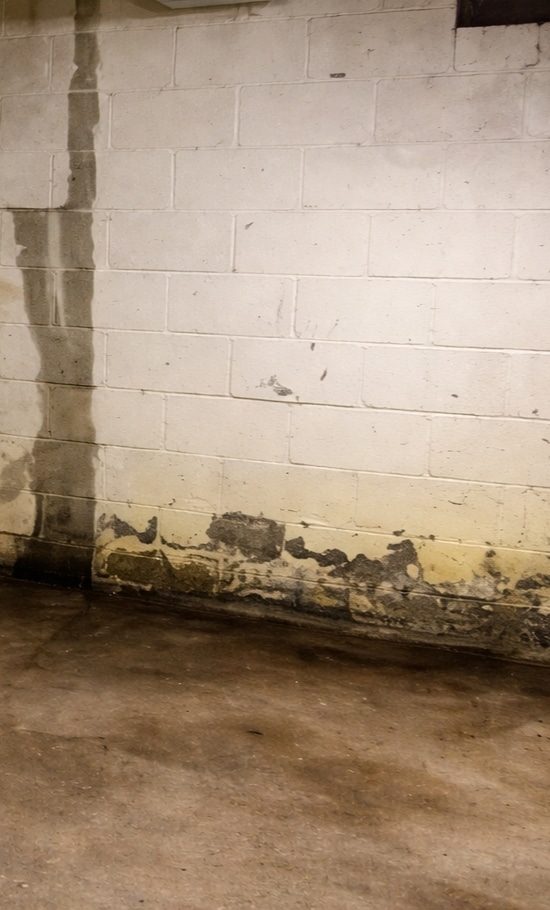
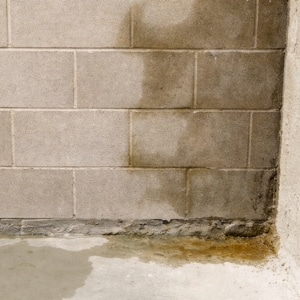
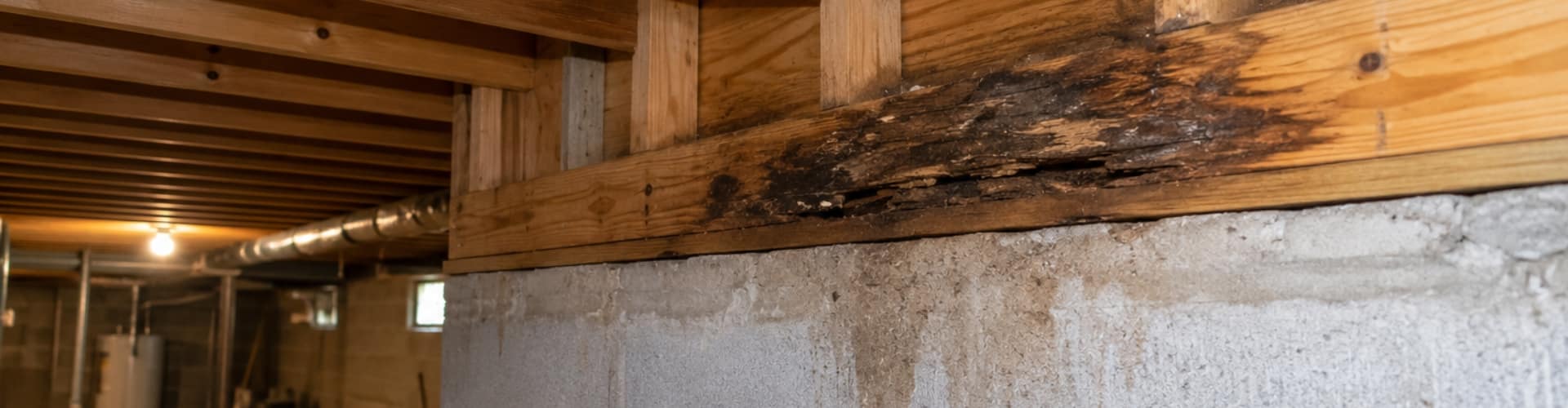
Basement wall with black mold growth, water staining, and efflorescence from moisture causing musty smell in Winchester, VA.

What Does a Musty Smell in Your Basement Mean?

A musty smell in your basement signals that moisture is present, even when the space looks completely dry. That earthy, stale odor comes from mold spores, mildew, or stagnant air settling in poorly ventilated or hidden, damp areas.

Not every musty smell is a serious problem. A light odor that goes away after opening windows is usually nothing to worry about. But if the smell sticks around, gets stronger after rain, or is stronger in certain areas of the basement, it usually means there is an ongoing moisture problem that needs attention.

A basement that smells musty but looks dry is one of the most common concerns LUX inspectors see across Northern Virginia. Mold spores embedded in drywall, wood framing, or concrete continue releasing odors long after surface moisture is gone, and clay-heavy soils in this region hold moisture longer than most.

Signs of a Musty Smell in Basement

If you have noticed a musty smell in your basement, watch for these signs that the problem may be affecting other parts of your home: 

  • A persistent, unpleasant, earthy, or damp basement smell that does not go away even after airing out the space. 
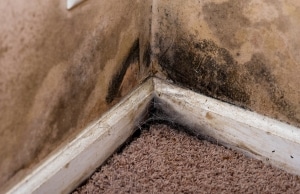
  • Dark spots, fuzzy growth, or discoloration on walls, floors, or stored items indicate visible mold or mildew. 
  • Yellowish or brownish water stain on basement walls or floors from past or ongoing moisture intrusion.
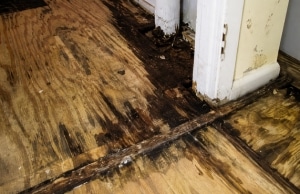
  • Buckling floors, peeling paint, or damaged wood caused by prolonged moisture exposure.
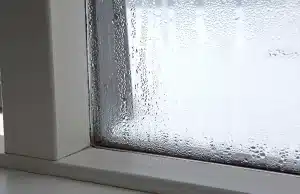
  • Moisture droplets forming on cold basement walls, floors, or windows signal a high humidity. 
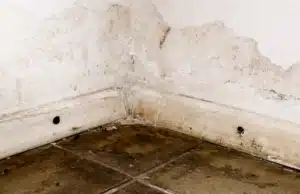
  • Efflorescence or white chalky residue appearing on the basement walls and floor indicates water is moving through the concrete. 

Recognizing these signs early gives you the best chance of addressing the problem before it worsens. Each sign points to an underlying cause, and knowing the cause determines the right fix.

What Causes a Musty Smell in the Basement?

A musty smell in a basement almost always points to excess moisture or humidity feeding mold and mildew growth. Here are the most common causes found in homes across Northern Virginia and surrounding regions. 

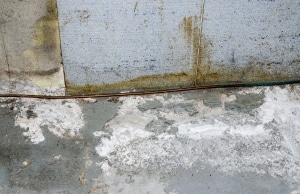
Water seeping through basement foundation wall crack causing dampness and musty smell in White Post, VA.

Moisture Seepage

Basements are naturally damp and cool, making them ideal breeding grounds for mold and mildew. Water leakage or seepage promotes mold growth, releasing volatile organic compounds that produce a musty odor. This can occur due to foundation cracks, poor drainage, or high groundwater levels. Northern Virginia’s 40-45 inch annual rainfall and clay-heavy soil make this the most common cause in the region.

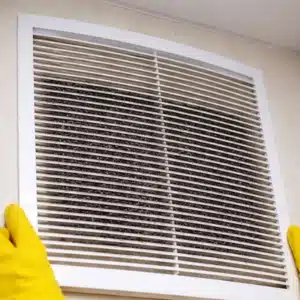
Heavily clogged basement air vent blocked with dust and debris, causing musty smell in basement in Charles Town, WV.

Poor Ventilation

Poor air circulation in your basement can trap moisture and prevent fresh air from entering, allowing mold and mildew to thrive. With limited or no windows, improper ventilation systems, or blocked air vents, these musty odors remain trapped. Older Northern Virginia homes built before 1990 often have inadequate basement ventilation by modern standards, making them vulnerable when summertime outdoor dew points rise, and warm, moist air enters the basement.

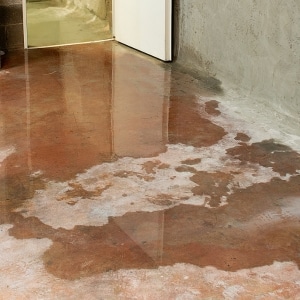
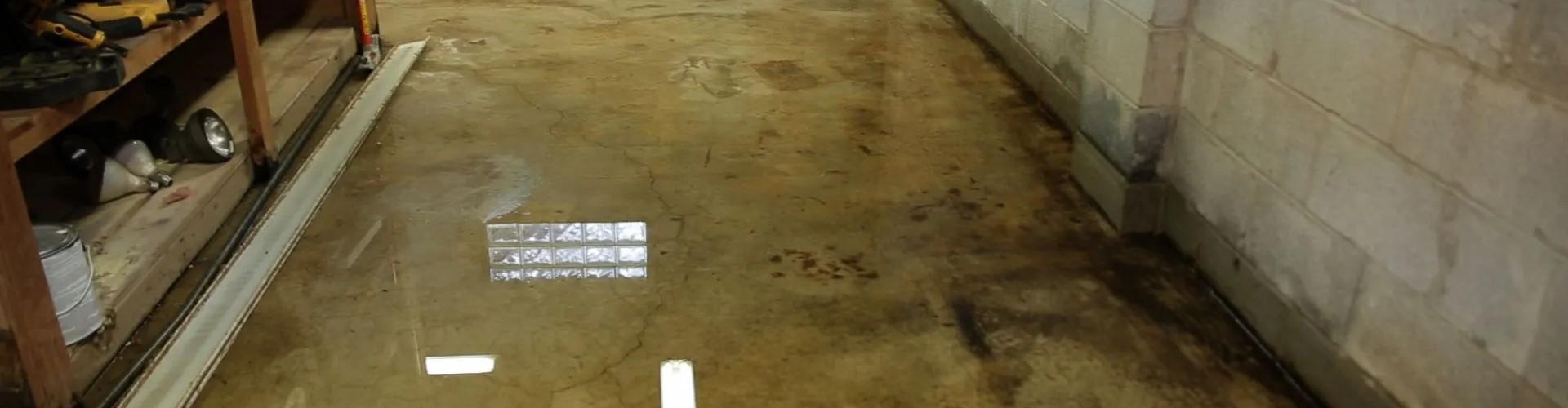
Basement with standing water pooling across concrete floor from water intrusion causing musty smell in basement in Stephens City, VA.

Water Damage

Water from leaking pipes or flooding can seep into materials such as wood, drywall, and carpet. When these materials stay wet, mold can start to grow and create a strong musty smell as the materials begin to break down. Foundation cracks from seasonal freeze-thaw cycles are a leading water entry point across the Shenandoah Valley, especially in homes with poor drainage systems that allow water to accumulate against the foundation.

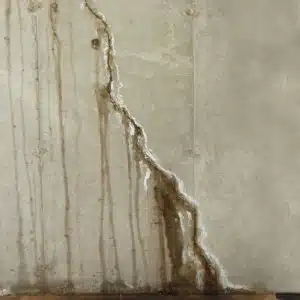
Large diagonal foundation wall crack with rust stain and moisture seepage causing structural musty smell in basement in Bristow, VA.

Structural Issues

Foundation cracks allow moisture to seep in, driving high humidity and damp conditions that lead to mold growth and unpleasant odors. Hidden spaces created by structural damage also trap stagnant air and odors that thorough cleaning alone cannot remove. Clay-heavy soil expansion and contraction in Northern Virginia accelerate foundation cracking, particularly in homes built in failed slopes, where water consistently flows toward the foundation rather than away from it.

Our Solutions for Musty Smell in Basement

The right solution depends on what is causing the musty smell in your basement. Here are the most effective options LUX uses to permanently eliminate moisture and odor.

How do I get rid of a musty basement smell?

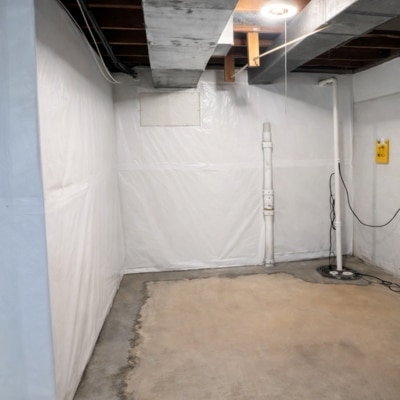
A persistent musty smell almost always traces back to water seeping through the foundation. Our interior basement waterproofing system applies a waterproof membrane and sealant to the interior walls, blocking moisture from entering and preventing the damp conditions that cause mold growth and musty odors. LUX tailors each installation to the specific moisture entry points identified during our free on-site assessment.

Will a dehumidifier get rid of musty smells in basement?

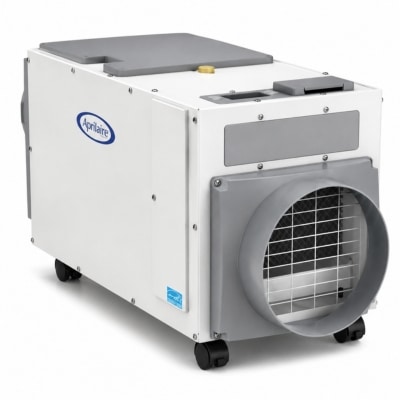
Excess humidity above 50 percent feeds mold and mildew growth, the primary source of musty basement odors. Our basement dehumidifier installation pulls moisture directly from the air, dropping humidity to a safe level and eliminating the conditions mold needs to survive. For Northern Virginia homes with consistently high seasonal humidity, LUX sizes each unit to the exact square footage of your basement.

I notice dampness in my basement after rain. What should I do to prevent a musty smell?

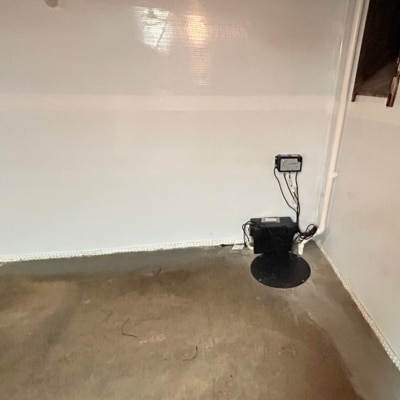
A rain-triggered musty smell means water is entering your basement during storm events. Our sump pump installation places an automatic pump at the lowest point of your basement that activates when water reaches a set level and discharges it safely away from your foundation. LUX installs battery backup units, so your basement stays protected even during power outages caused by heavy storms in Northern Virginia.  

Why does my basement smell musty in one specific area?

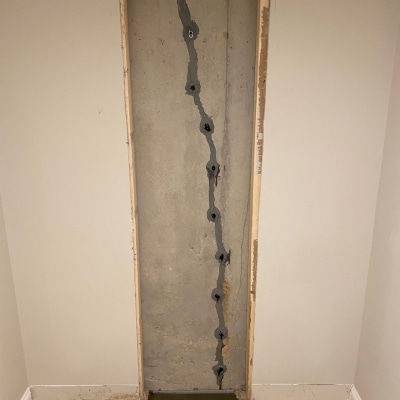
A musty-smelling basement, concentrated in one spot, usually means moisture is entering through a nearby foundation wall crack. Our crack repair service seals foundation wall cracks with a flexible polyurethane injection that expands to fill the void, cutting off the moisture entry point that feeds mold growth and eliminating the source of the odor.  

If you notice a musty odor, address it right away to prevent it from worsening. If you are unsure which solution is right for your basement, LUX Foundation Solutions provides a free on-site assessment to identify the source and recommend the right fix.

Get a Permanent Fix for Your Musty Basement Smell

A musty smell does not go away on its own. In our experience inspecting homes across Northern Virginia, the odor always traces back to a moisture source, and the longer it goes unaddressed, the more damage it causes to the materials that hold it.

LUX Foundation Solutions provides free on-site assessments to identify exactly where the moisture is entering your basement and what professional waterproofing or repair solution is needed to stop it permanently. No guesswork, no generic solutions, every assessment is specific to your home’s conditions.

We serve homeowners across Northern Virginia, Shenandoah Valley, North Central Virginia, and West Virginia.

Call 540-508-8982 or fill out our online form to schedule your free assessment today.

Request a free Estimate

About the Author

Bridget Stieb

Bridget Stieb

Bridget is the Director of Marketing at Lux Foundation Solutions, bringing firsthand knowledge of the foundation repair, basement waterproofing, crawl space repair, concrete repair, and seawall needs of homeowners across Northern Virginia, the Shenandoah Valley, North Central Virginia, West Virginia, and Florida. She works closely with structural repair specialists to translate real-world inspection and repair data into homeowner guidance on foundation, basement, crawl space, and concrete issues. With a deep understanding of local homeowner concerns in both regions, she is committed to delivering clear, trustworthy content that helps families protect their homes. When she is not working on a marketing strategy, Bridget enjoys spending time with her family, friends and being outdoors.

Musty Smell in Basement FAQ’s

Why does my house smell musty all of a sudden?

A sudden musty smell usually means a new moisture source has developed. Common triggers include a recent heavy rainfall that exposed a foundation crack, a burst or leaking pipe behind a wall, or a shift in seasonal humidity that pushed moisture levels above 50 percent. If the smell appears suddenly and does not clear within 24 hours, even with an air purifier running, the source needs to be identified before mold begins to develop.

Why does my basement smell musty even though it is dry?

A visually dry basement can still smell musty because moisture does not need to be visible to cause odors. Mold spores embedded in drywall, wood framing, or concrete continue to release odors long after surface moisture has dried. Poor ventilation traps stale air, and humidity above 50 percent feeds mold growth even without standing water. The source is often hidden behind stored items such as cardboard boxes, within wall cavities, or within porous building materials.

What causes a musty smell in the basement after rain?

A rain-triggered musty smell means water is entering your basement during storm events through foundation cracks, window wells, or poor drainage around the foundation perimeter. As rainwater saturates the surrounding soil, it creates moisture buildup and hydrostatic pressure against your foundation walls and floor, forcing moisture through any available openings.

Homes in Northern Virginia with clay-heavy soil are especially prone to this because clay retains water longer than sandy soil, keeping pressure against the foundation elevated for days after rainfall.

Is a musty basement smell dangerous?

A persistent musty smell indicates the presence of mold, which can pose health risks. Mold releases tiny spores and volatile organic compounds into the indoor air that circulate through your home via the HVAC system. 

Prolonged exposure can cause breathing problems, allergy symptoms, and make conditions like asthma worse, especially for children, adults, and people with respiratory issues. If the musty smell lasts more than a few days, it’s a good idea to have the basement professionally inspected.
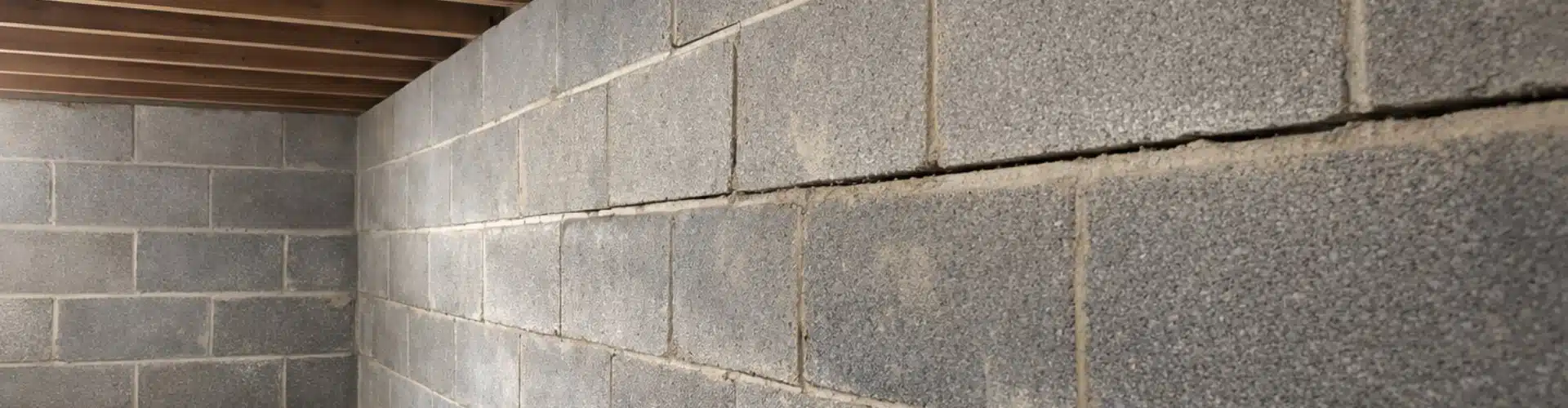

How do I get rid of the musty smell in the basement permanently?

Permanently eliminating a musty basement smell requires addressing the moisture source rather than masking the odor. Temporary fixes like sprays or sprinkling baking soda will not stop the smell from returning if water is still entering the basement.

The permanent solution depends on the cause: interior basement waterproofing for seepage through walls, a sump pump for rain-triggered flooding, crack repair for localized moisture entry, or a dehumidifier for humidity-driven mold in a structurally dry basement. For a step-by-step guide on reducing musty odors, see our complete guide: How to Get Rid of Musty Smell in Basement: 10 Proven Steps.

Related Signs

Thank you! Your form has been successfully submitted. You may receive service-related text messages from Lux Foundation Solutions, including appointment updates, reminders, and one-time verification codes if needed. Message frequency may vary. Msg & data rates may apply. Reply HELP for help. Reply STOP to opt out.

Examples of messages you may receive:

Lux Foundation Solutions: Your appointment has been scheduled. You will receive service-related updates as needed.

Lux Foundation Solutions: Reminder — your scheduled service is approaching. Reply STOP to opt out.

Lux Foundation Solutions: Your verification code is 739214. This code expires in 10 minutes.