Uneven Basement Floor
An uneven basement floor is one of the clearest signs that the ground beneath your home has started to shift. In Northern Virginia, seasonal expansion and contraction of clay-heavy soil can place stress on the foundation and contribute to uneven basement floor.
What Does an Uneven Basement Floor Mean for Your Foundation?
An uneven basement floor rarely points to a problem with the concrete itself. The issue is almost always in the soil beneath it. As the ground shifts, settles, or loses its ability to support the weight above, the foundation moves with it, and the floor above reflects that movement.
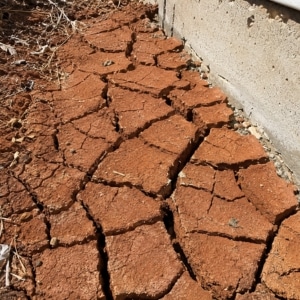
Clay-heavy soil is the most consistent driver of this process. As clay soil absorbs moisture and then dries out, it expands and contracts, placing repeated stress on basement floors. In most of the homes our team inspects across Northern Virginia, an uneven basement floor is one of the first signs of foundation movement, often appearing before wall cracks or sticking doors.
If your basement floor has developed a noticeable slope or dip, that is early evidence of foundation settlement, not just a floor problem.
Warning Signs Your Basement Floor Is Uneven
A basement floor that has started to shift does not stay quiet for long. The signs show up in places you use every day, and once you know what to look for, they are hard to miss. Here are the warning signs that indicate your basement floor may have a foundation problem:
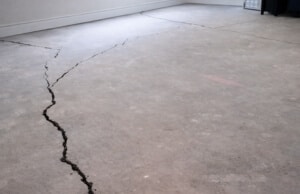
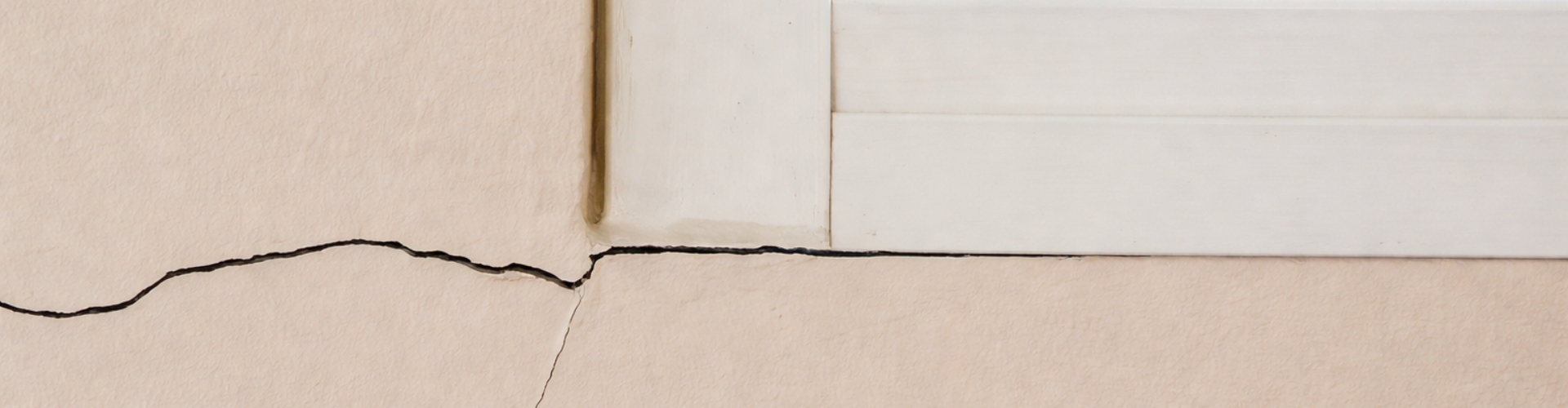
- Cracks running across the basement floor slab indicate the foundation beneath is under stress and moving unevenly.
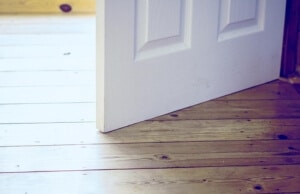
- Doors and windows throughout your home that stick or are difficult to open and close.
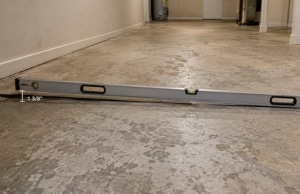
- A noticeable slope or tilt across your basement floor that was not there before.
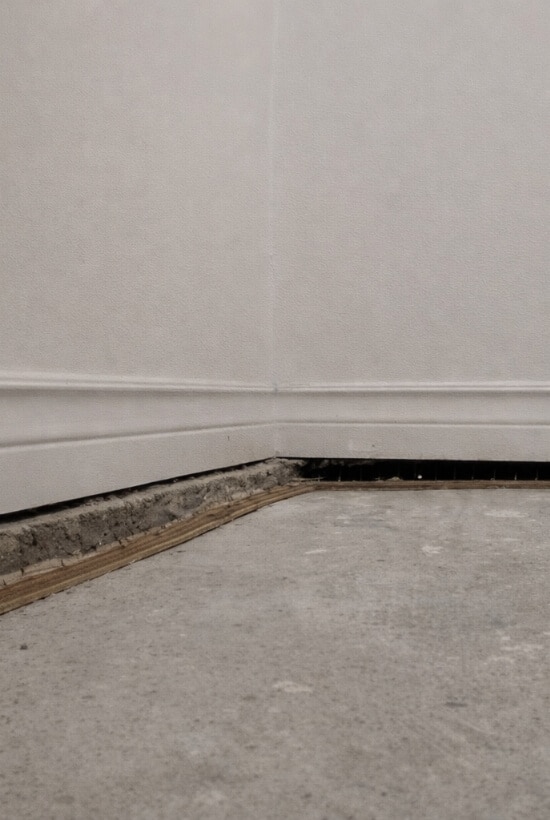
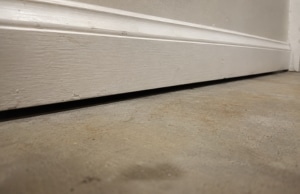
- Gaps forming between the basement floor and the baseboards signal the floor has dropped from its original position.
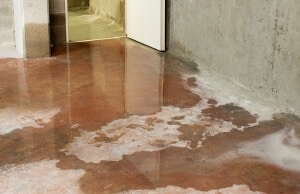
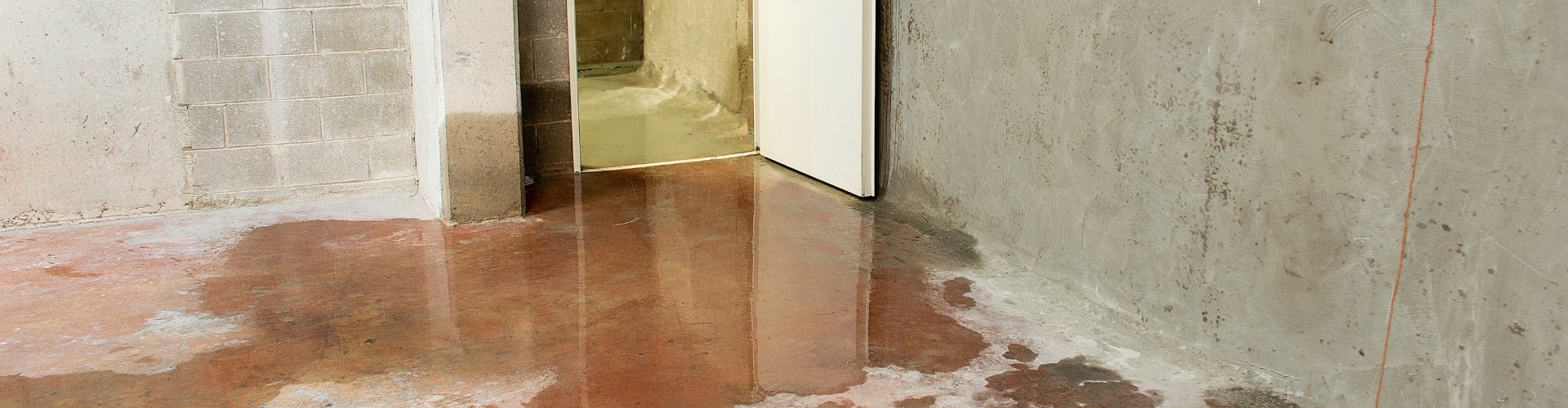
- Water pooling in low spots on the basement floor means sections of the slab have settled unevenly beneath.
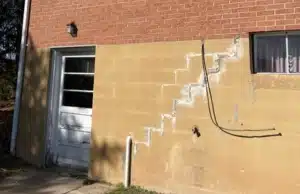
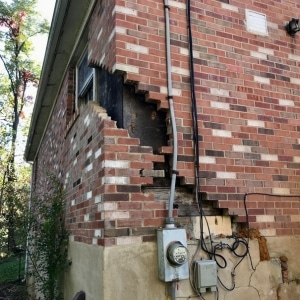
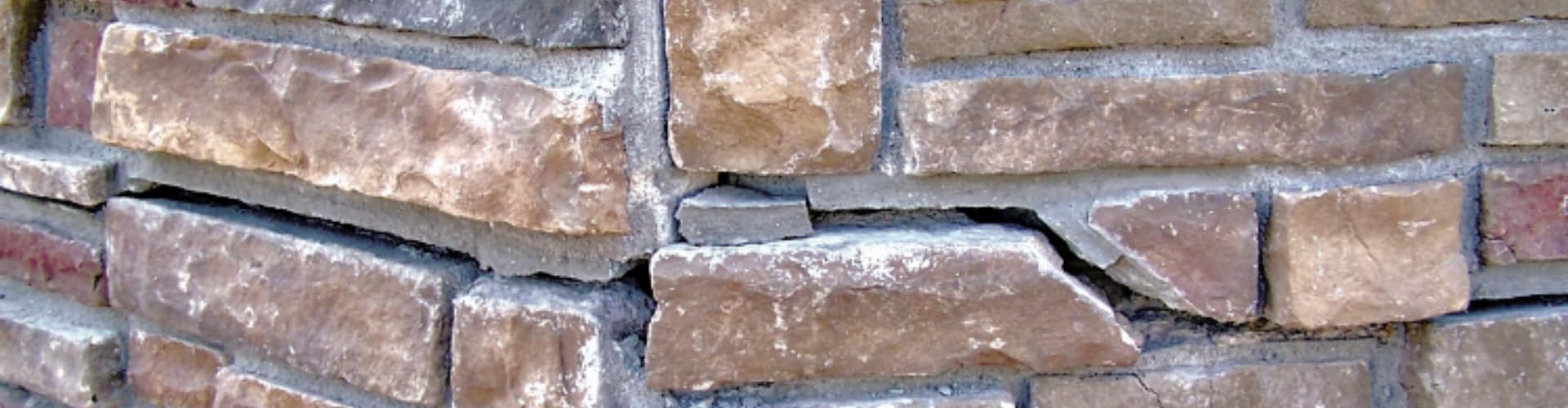
- Stair-step cracks in brick or block foundation walls near the corners indicate one section of the foundation is settling faster than another.
If any of these signs are present in your basement, the foundation beneath your home needs a professional assessment before the movement progresses further.

Floor Cracks

Doors/Windows Sticking

Sloping Floor

Gaps Between Floor and Baseboards

Water Pooling/Seepage

Stair-Step Cracks in Foundation Walls
What Causes Uneven Basement Floors?
If your basement floor has started shifting, the problem begins with the ground beneath your foundation. Our team has assessed Northern Virginia foundations enough to know that the same floor symptom can come from several very different sources beneath the slab.
Here are the most common foundation-related reasons for uneven basement floors:
Expansive Clay Soil
Northern Virginia sits on some of the most clay-heavy soil. Clay absorbs moisture, swells, then dries and shrinks, repeatedly pushing against and pulling away from your foundation throughout every season. Over years of this cycle, the foundation shifts unevenly, and the basement floor above begins to reflect that movement in ways that are impossible to ignore.
Poor Soil Compaction
When the soil beneath a foundation improperly compacted during construction, it can continue settling under the weight of the structure for years. In Northern Virginia clay-rich terrain, this is a common finding during foundation assessments. The uneven compression causes the foundation to settle at different rates, producing a basement floor that tilts or develops low spots.
Soil Erosion from Poor Drainage
When water consistently collects around the foundation instead of draining away, it erodes the soil supporting the foundation from below. Northern Virginia’s clay soil holds water against the foundation longer than most soil types, making poor drainage a year-round threat. As soil washes away unevenly beneath different sections, the foundation drops at different rates, and the basement floor shifts with it.
Freeze-Thaw Cycles
Northern Virginia winters cause soil beneath the foundation to freeze, expand, thaw, and contract repeatedly each season. This movement is rarely uniform across the entire foundation. Over multiple winters, the uneven expansion and contraction cause differential settlement, which shows up as a sloping or uneven basement floor.
Foundation Soil Settlement and Shifting
Even well-built foundations settle over time as soil beneath them compresses under decades of load. In Northern Virginia, clay-heavy ground responds to every wet and dry season, and that settlement rarely happens evenly. When one section of the basement floor drops faster than another, the floor tilts or develops visible unevenness that worsens without professional intervention.
The right solution for your home depends entirely on which cause is driving the movement beneath your foundation, which is why a professional assessment is the necessary first step before any repair begins.
Our Proven Uneven Basement Floor Solution
Uneven basement floors require different repairs depending on what’s happening beneath the slab. At LUX Foundation Solutions we evaluate soil conditions, moisture, and structural movement first, then recommend a solution that restores stability and protects your home long-term.
Slab Piers
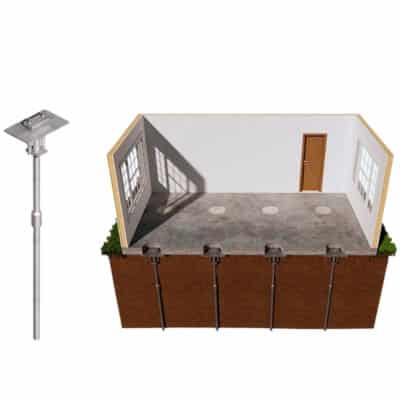
A basement floor that keeps shifting despite previous repairs is usually telling you the soil beneath the foundation has lost its ability to hold the load above it. Slab piers are steel supports driven through the basement floor slab and into stable soil or bedrock far below the problem zone. Once in place, they transfer the weight of the foundation away from the failing soil and stabilize the floor against further movement.
This solution works best when the basement floor has dropped significantly, when settlement is ongoing, or when soil conditions beneath the foundation are confirmed as unstable during the assessment.
Polyurethane Foam Injection
Not every uneven basement floor requires extensive foundation repair. If moderate settlement is caused by voids beneath the slab, concrete lifting with polyurethane foam injection can often stabilize the floor with minimal disruption to the home.
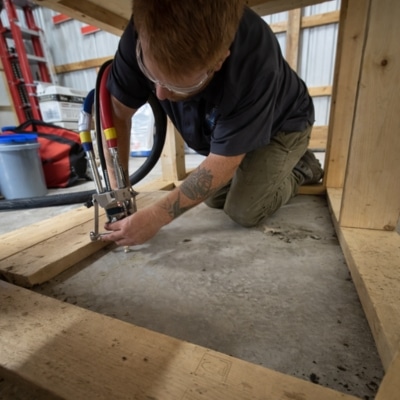
High-density foam is injected beneath the slab through small holes, where it expands to fill voids, strengthen weak soil, and help raise settled sections of the floor.
This repair is often recommended when a basement floor has settled moderately, voids are found beneath the slab, or a less invasive repair option is appropriate.
Schedule a Free Foundation Assessment with LUX Foundation Solutions
An uneven basement floor does not fix itself, and the foundation movement driving it does not stop without intervention. Every season, it goes unaddressed, and the soil beneath your home shifts further, making the repairs more involved.
At LUX Foundation Solutions, our team assesses the actual cause of the movement beneath your basement floor before recommending any repair. You’ll get a written estimate specific to your home, not a one-size-fits-all solution.
Call us at 540-508-8587 or fill out our online form to schedule a free foundation assessment. We serve Northern Virginia, Shenandoah Valley, North Central Virginia, and West Virginia. View our foundation repair services to see what we offer.
Request a free Estimate
Uneven Basement Floor FAQs
An uneven basement floor is almost always caused by foundation movement beneath the slab rather than a problem with the concrete itself. In Northern Virginia, expansive clay soil expands when wet and shrinks when dry, creating a cycle of ground movement that shifts the foundation unevenly over time. Poor soil compaction, soil erosion from drainage problems, and freeze-thaw cycles are the most common drivers our team finds during foundation assessments across the region.
Yes, an uneven basement floor is often an early sign of foundation movement beneath a home. When the ground beneath the foundation shifts or loses its load-bearing capacity unevenly, the basement floor is often one of the first areas where the effects become visible.
Other signs of foundation involvement include sticking doors and windows throughout the home, gaps between the floor and baseboards, and stair-step cracks in foundation walls near the basement corners.
Before repairing an uneven basement floor, it is important to determine what is causing the foundation movement. Surface-level fixes like self-leveling compounds mask the problem without addressing the cause, allowing foundation movement to continue beneath.
At LUX Foundation Solutions, we evaluate the soil and foundation first, then recommend the most appropriate repair. Depending on what we find, that may include slab piers for significant settlement or polyurethane foam injection to fill voids beneath the slab and stabilize moderate movement.
Yes, an uneven basement floor caused by foundation movement will affect the rest of the home if left unchecked. As the foundation shifts, that movement transfers upward through the structural frame.
Doors and windows begin to stick, gaps open between walls and ceilings, and stair-step cracks appear in exterior brick or block. An uneven basement floor is often one of the first signs of foundation movement. Fixing foundation movement early can help prevent more extensive and costly repairs later.
The cost to fix an uneven basement floor in Northern Virginia varies depending on the cause, the extent of settlement, and which repair solution is needed. Polyurethane foam injection for moderate settlement is significantly more affordable than slab pier installation for significant or ongoing foundation movement.
LUX Foundation Solutions offers free on-site estimates so Northern Virginia homeowners know exactly what their specific repair will cost before committing to any work.
If foundation movement is causing an uneven basement floor, the problem should not be ignored. Foundation settlement does not stop on its own. Every season, the ground shifts further, the floor drops more, and the structural consequences spread upward through the home. Addressing foundation movement early is significantly less costly and disruptive than waiting until the damage reaches the framing above.