Water Leak in Crawl Space
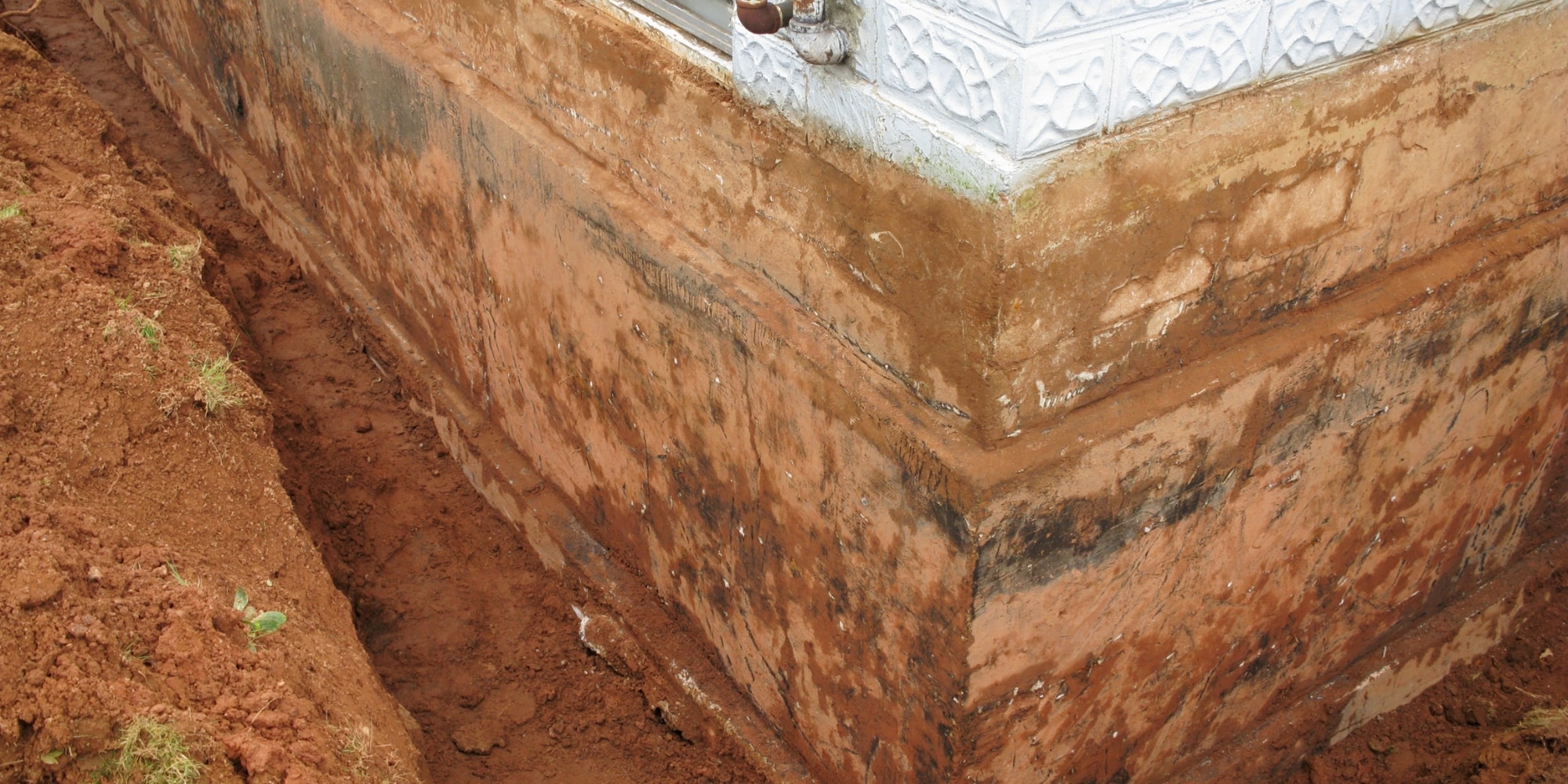
A water leak in crawl space areas often results from broken or aging plumbing lines beneath your home. Unlike surface runoff, a water leak under a house’s crawl space conditions creates a steady soil saturation that can weaken supports and increase humidity. Identifying pipe-related leaks early helps prevent damage.
How a Water Leak in a Crawl Space Causes Ongoing Moisture Problems
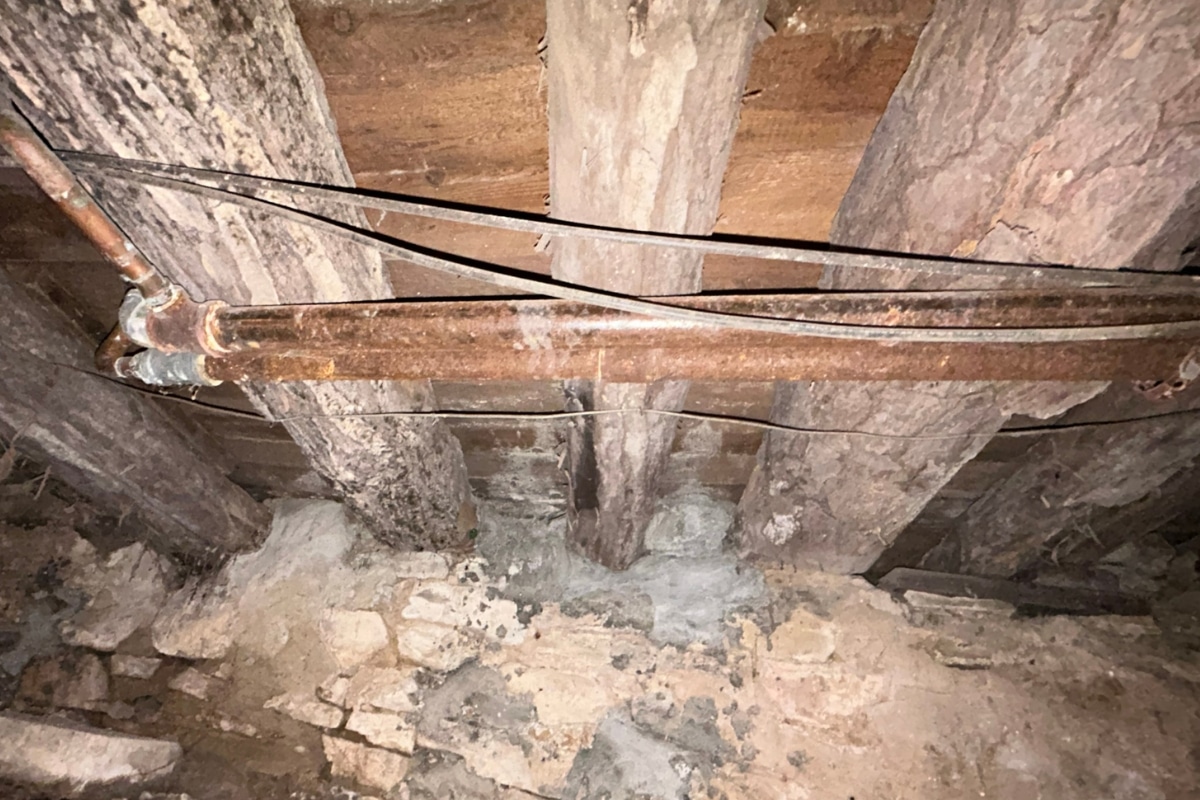
A water leak in crawl space conditions often begins with a broken or leaking plumbing line beneath the home. When supply or drain pipes crack, corrode, or loosen at connections, water slowly escapes into the surrounding soil.
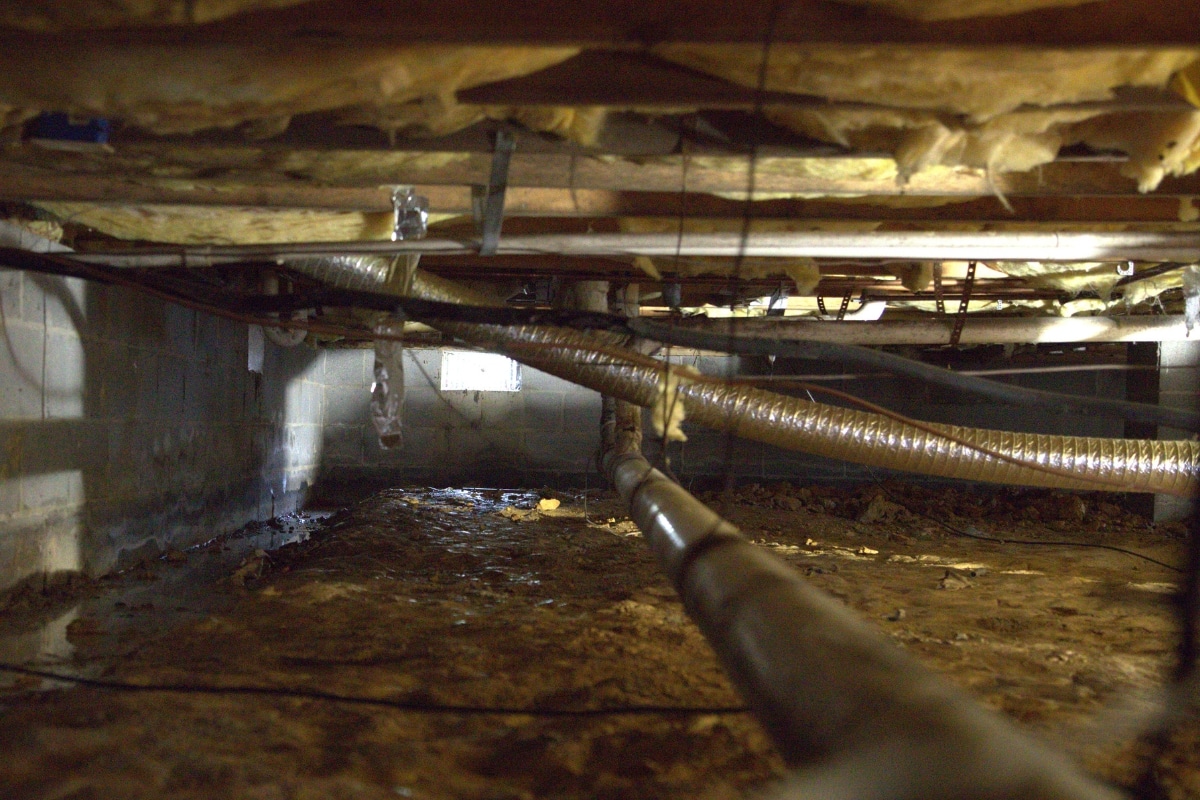
Unlike surface runoff, these plumbing-related leaks introduce steady, localized saturation directly under the structure. Over time, this constant moisture can weaken soil support, raise humidity levels, and affect floor framing above, often creating conditions similar to a damp crawl space.
Because plumbing leaks are continuous rather than seasonal, early identification is critical to prevent long-term structural stress and crawl space damage.
What Causes a Water Leak in Crawl Space Plumbing Lines?
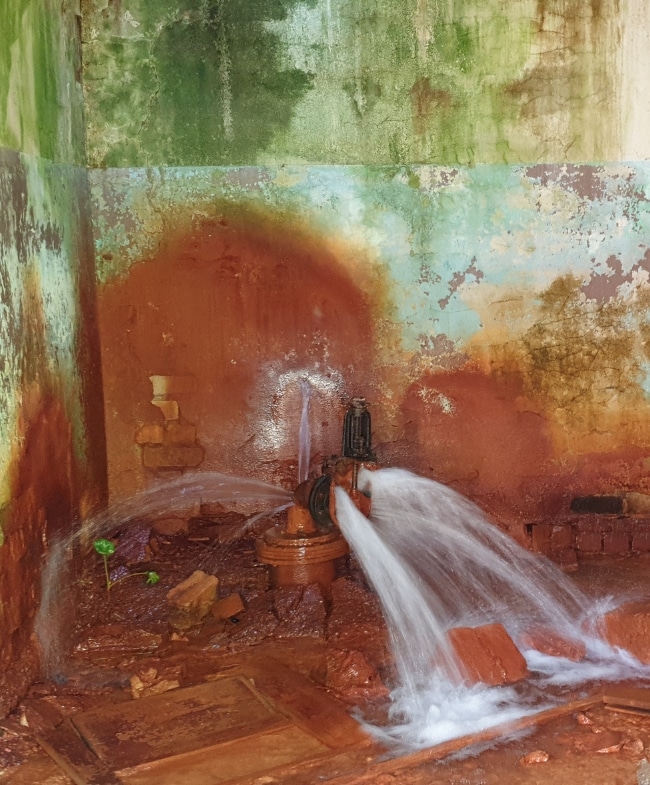
Water leaks in crawl spaces usually originate from plumbing system failures rather than exterior moisture conditions. Because pipes are often hidden beneath the home, small issues can go unnoticed until moisture begins to affect surrounding materials.
The following plumbing-related problems are the most common sources of crawl space water leaks.
Aging or Corroded Pipes
Older plumbing lines beneath a home can deteriorate over time due to corrosion, mineral buildup, or material fatigue. As pipes weaken, small cracks may form, allowing water to slowly seep into the crawl space soil. This gradual failure is one of the most common plumbing-related causes of water leaks in crawl spaces.
Faulty Plumbing Connections
Improperly sealed joints or loose plumbing fittings can allow water to leak at connection points. Even minor separation at couplings can release consistent moisture beneath the home. Because these leaks are often hidden from view, they may continue unnoticed until crawl space humidity and soil saturation increase significantly.
Frozen or Burst Pipes
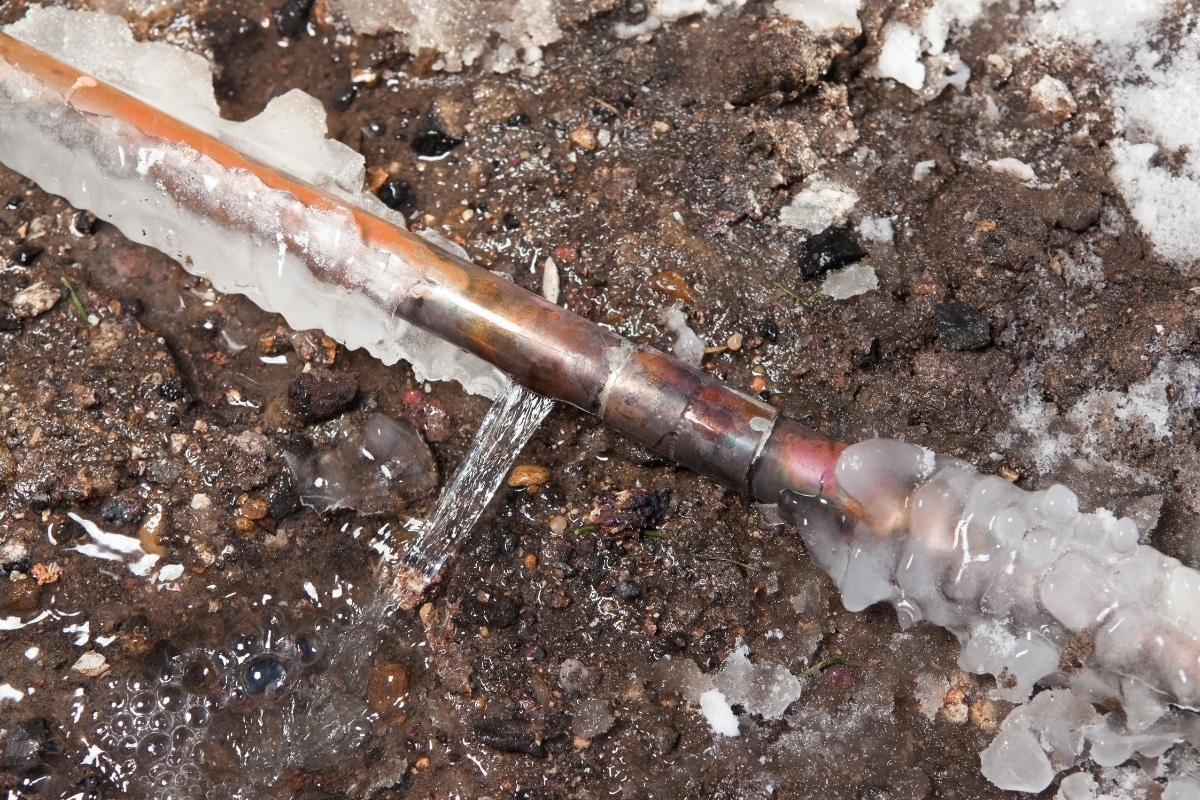
In colder conditions, exposed crawl space pipes may freeze if not properly insulated. When water expands inside frozen pipes, it can cause sudden ruptures. A burst plumbing line releases large volumes of water quickly, leading to immediate soil saturation and structural moisture problems beneath the home.
Poor Installation or Pipe Stress
Improper pipe installation, shifting soil, or structural movement can place stress on plumbing lines beneath the foundation. Over time, this pressure may cause cracks or separation at fittings. When plumbing lines fail under stress, they can cause localized water leaks in the house’s crawl spaces.
Plumbing failures are only one possible reason moisture may develop beneath a home. For a complete overview of all contributing factors, read our guide on what causes water in crawl space.
Effective Solutions for Plumbing Water Leaks in Crawl Spaces
After a plumber repairs the source of a water leak in a crawl space, moisture and structural concerns may still remain beneath the home. Here are the solutions LUX Foundation Solutions provides to restore healthy crawl space conditions, control humidity, and address damage caused by prolonged plumbing leaks.
Crawl Space Drainage
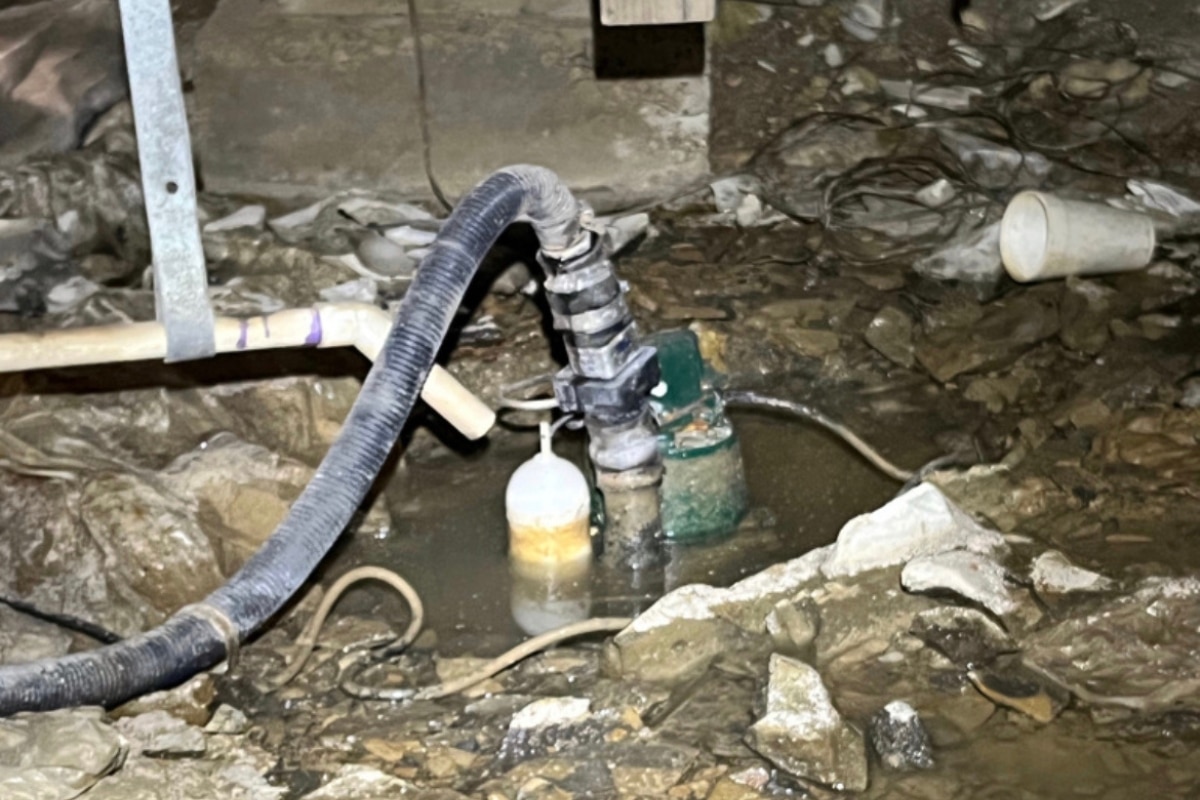
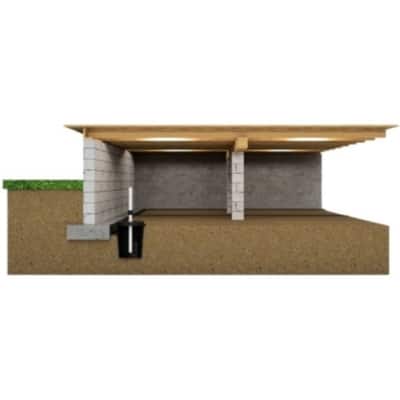
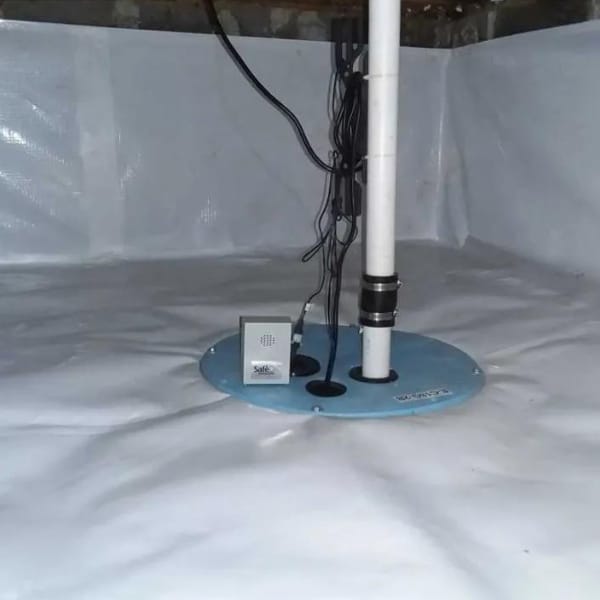
If the plumbing leak caused standing water or soil saturation, a crawl space drainage system may be recommended to remove excess moisture. Proper drainage channels water toward a controlled discharge point, preventing prolonged damp conditions and helping protect foundation components from long-term structural impact.
Crawl Space Waterproofing
After plumbing repairs are completed, crawl space waterproofing helps manage the remaining moisture that may continue affecting structural materials. Sealing vulnerable surfaces and improving water control reduces lingering dampness and supports drying conditions.
Install a Dehumidification System
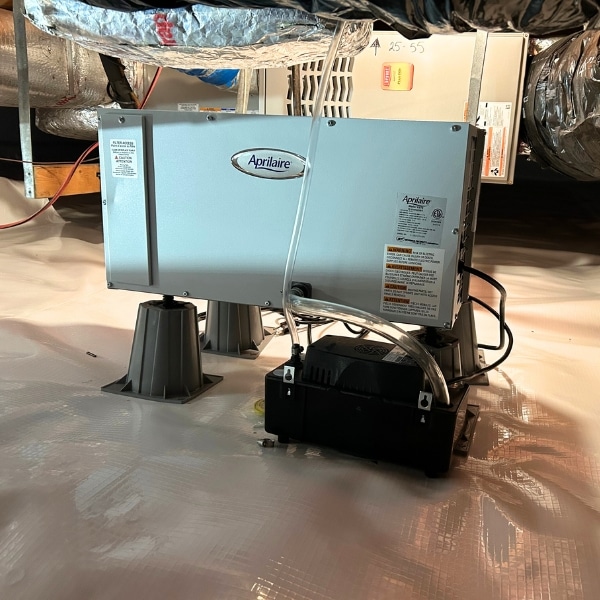
Following a plumbing leak, excess humidity often remains trapped beneath the home even after standing water is removed. Dehumidification systems help regulate moisture levels in the air, reducing mold risk and protecting insulation and wooden supports. Maintaining balanced humidity encourages faster drying and supports a healthier crawl space environment long-term.
Crawl Space Encapsulation
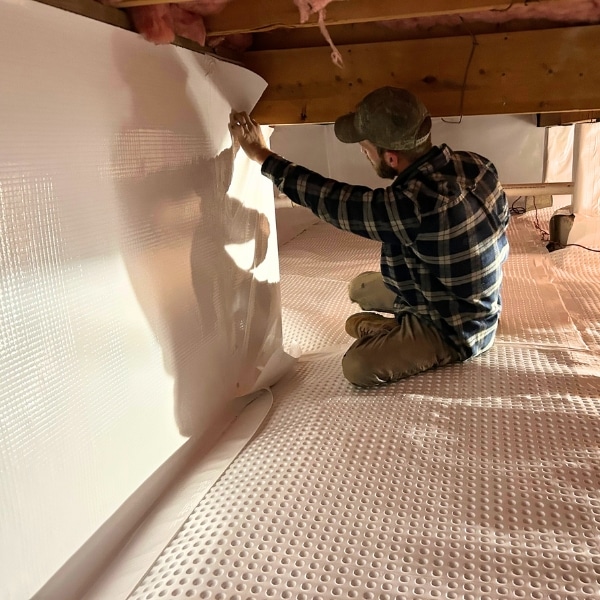
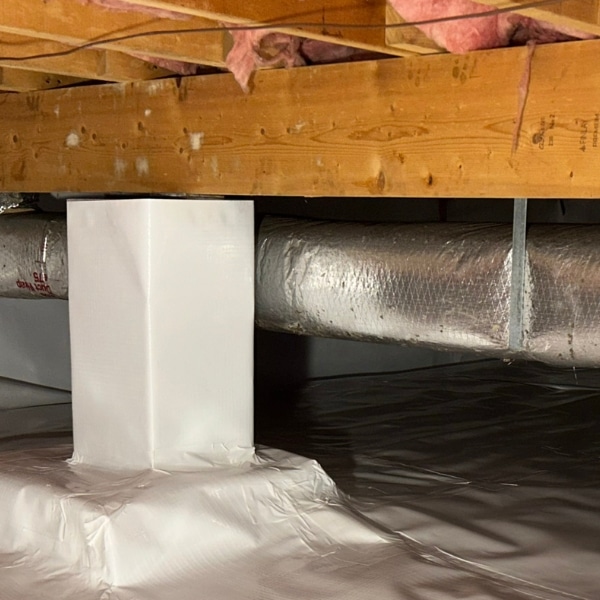
Encapsulation seals exposed crawl space soil with a reinforced vapor barrier to limit moisture migration. After a water leak in crawl space areas, this added layer of protection helps control humidity levels, safeguard wooden framing, and create a more stable environment beneath the home’s foundation.
Sistering Floor Joists Repair
When plumbing leaks weaken wooden framing, reinforcing floor joists helps restore strength and stability beneath the home. Addressing compromised framing helps restore stability after moisture exposure rather than correcting the original leak source. Evaluation determines whether reinforcement is necessary once affected materials have been properly assessed and dried.
Crawl Space Main Beam Replacement
In severe cases where prolonged leaks compromise major structural supports, replacing damaged main beams helps restore stability and safety. Structural replacement addresses deterioration caused by extended moisture exposure and reinforces the home’s foundation system. This solution ensures long-term structural performance following significant crawl-space damage caused by plumbing leaks.
Concerned About a Water Leak in Your Crawl Space?
If a plumbing issue has caused moisture beneath your home, don’t ignore the structural impact. After a plumbing leak is repaired, a professional crawl space evaluation helps determine how long moisture has been present and what steps may be needed to restore healthy conditions.
Schedule a free professional crawl space evaluation today to determine whether moisture solutions are needed to fully protect your home.
Request a free Estimate
FAQs About Water Leaks in Crawl Spaces
Plumbing-related leaks typically occur even when there has been no recent rainfall. Signs may include continuously damp soil, increased water bills, or visible dripping from supply or drain lines. A licensed plumber should confirm the leak source before crawl space conditions are evaluated.
If water is actively flowing or pooling rapidly, it should be addressed immediately. Persistent moisture can quickly impact structural components and indoor air quality. Prompt pipe repair to control moisture helps prevent long-term damage beneath the home.
After a plumbing leak is repaired, encapsulation may help stabilize crawl space conditions by limiting ongoing moisture exposure. Creating a controlled environment helps manage humidity levels while previously affected materials dry. Whether encapsulation is appropriate depends on how long moisture has been present and the overall condition of the crawl space.
If you suspect a plumbing leak, contact a licensed plumber to locate and repair the source first. After repairs are completed, a crawl space evaluation can determine whether moisture damage or humidity issues remain and what steps may help restore healthy conditions beneath the home.