
An unlevel floor is rarely just a cosmetic problem. It is one of the earliest visible signs that something is shifting beneath your home, and in most cases, that something is the foundation. If the problem is not fixed, the movement beneath your home can continue to cause foundation damage, wall cracks, sticking doors, and other underlying structural issues over time.
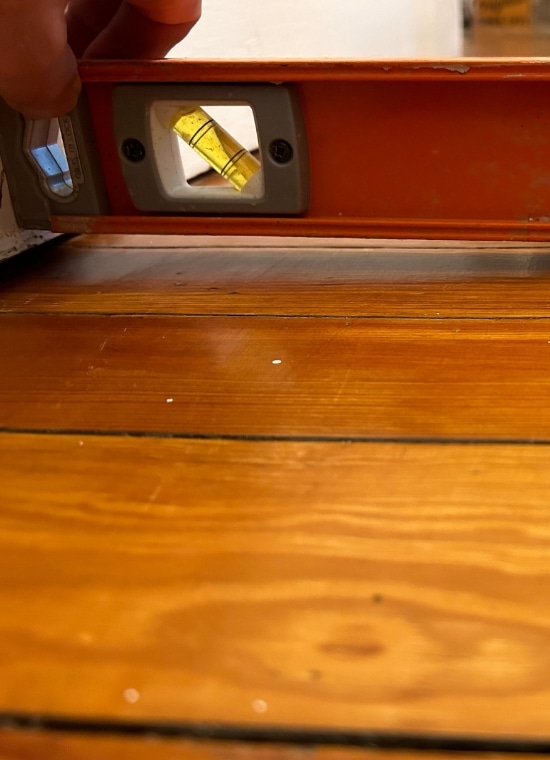
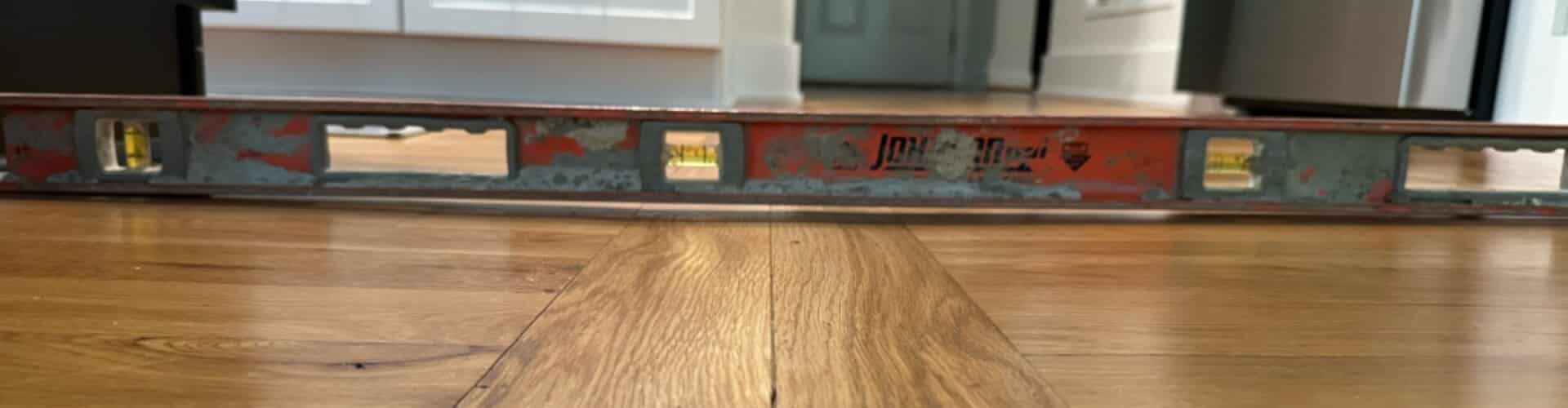
If your floor has started to slope, dip, or feel off-balance, it is not always a flooring issue. In a Northern Virginia home, an unlevel floor usually means the foundation beneath it has shifted or settled unevenly. The floor itself is not the problem; it is showing you that the support below it has moved.
Foundation settlement in Northern Virginia occurs gradually, driven by the region’s clay-heavy soil, which expands during wet seasons and contracts during dry ones. That cycle puts repeated stress on your foundation year after year until the movement shows up in the floors above.
LUX Foundation Solutions has inspected and repaired unlevel floors across Northern Virginia, the Shenandoah Valley, North Central Virginia and West Virginia. In most cases, the foundation settlement issues that drove the problem had been building long before the floor gave way.
An unlevel floor usually doesn’t happen by itself. When a foundation settles, you’ll often notice several signs around your home at once. Here’s what to watch for:
If you see more than one of these signs, your foundation problem may be past the early stage. From here, it is important to schedule a free on-site assessment to find out how serious it is and what can be done to fix it.
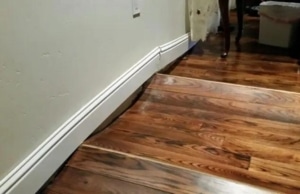
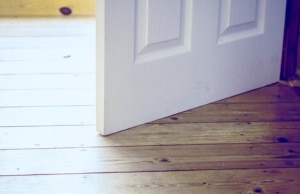
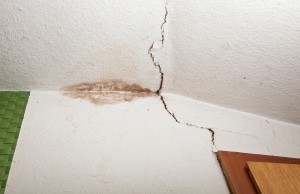
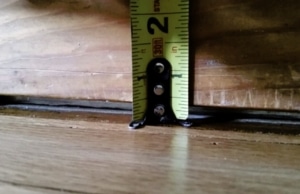
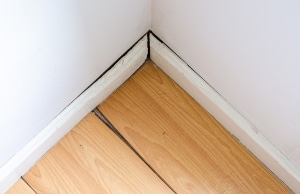
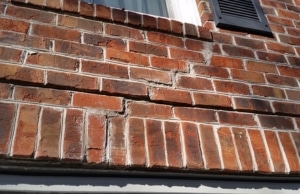
An unlevel floor caused by foundation problems does not happen overnight. Several factors contribute to this problem, and each works gradually beneath your home, often for years before the floor shows it. Here are the six most common foundation-related causes found in homes across Northern Virginia and surrounding regions.
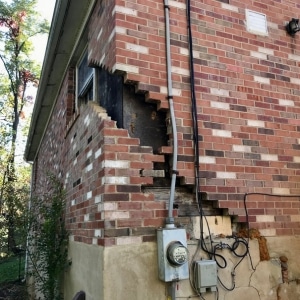
When the soil supporting your foundation shifts or compresses unevenly, different sections of the foundation sink at different rates. That differential settlement creates a sloping or unlevel floor above. Because the sinking is uneven, you may notice the floor slopes more in one room or one corner of your home than elsewhere.
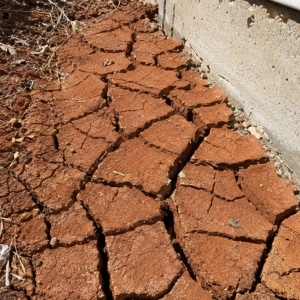
Northern Virginia sits on clay-heavy expansive soil that swells when it absorbs moisture and shrinks as it dries out. That seasonal expansion and contraction cycle creates stress on your foundation walls and footing. As the soil shifts over time, the foundation can settle or move with it. When that happens, the floors above may become unlevel or develop a noticeable slope.
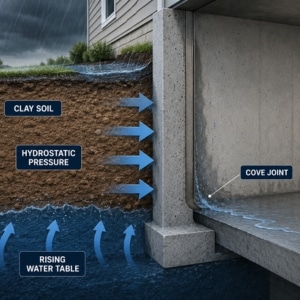
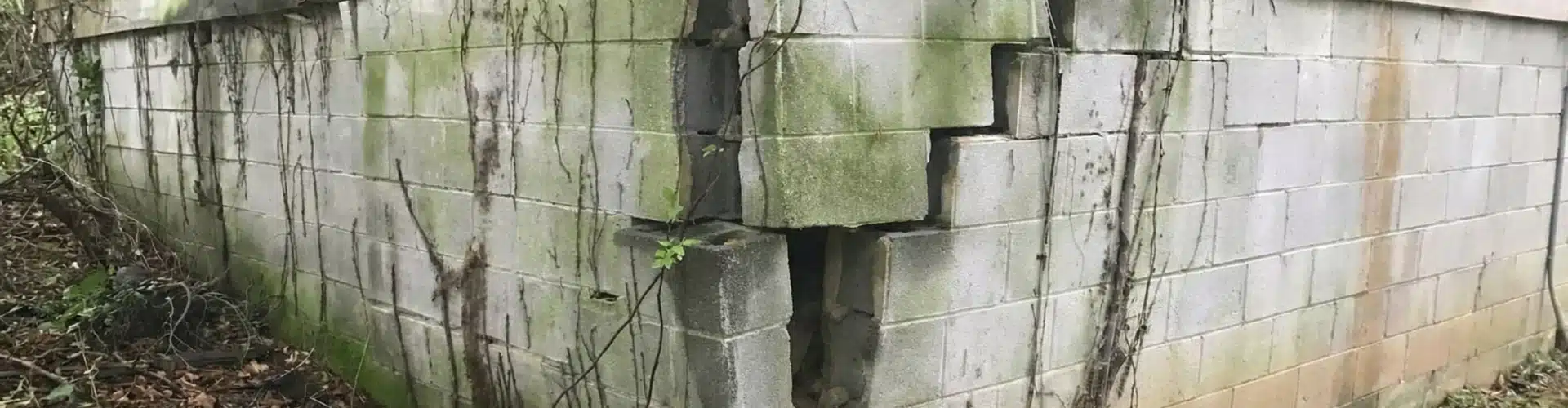
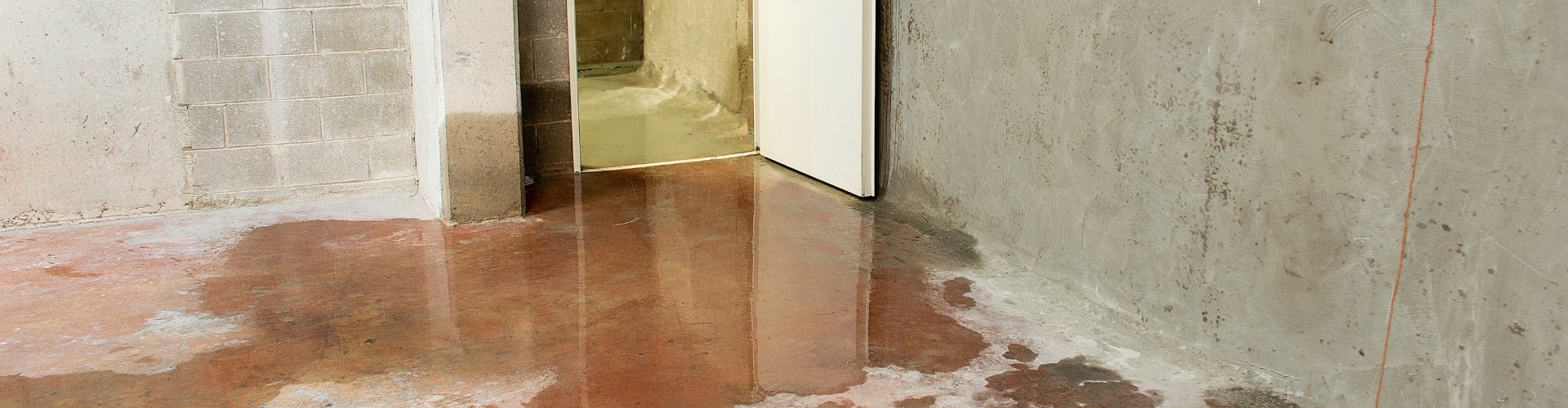
When groundwater builds up against your foundation walls after heavy rain or snowmelt, the pressure pushes outward. Over time, hydrostatic pressure can push foundation walls inward or cause the footing to shift. As the foundation moves, the floor above can become uneven or begin to slope. In Northern Virginia, where excessive rainfall and clay soil combine, this cause is more persistent than in drier regions.
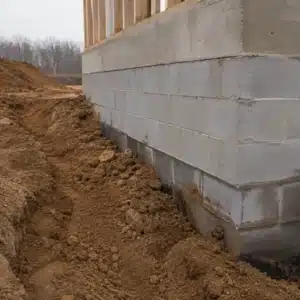
If the soil beneath your home was not properly compacted during original construction, it can continue to settle unevenly for years after the home is built. Unlike natural soil that has compacted over decades, fill soil that was rushed or poorly prepared can create voids and soft spots beneath the foundation. As those areas compress further under the weight of the home, the foundation drops unevenly, and the floors above reflect that movement.
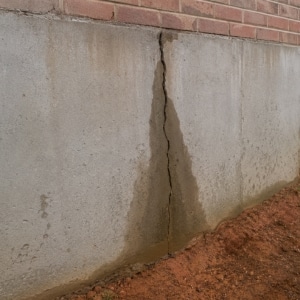
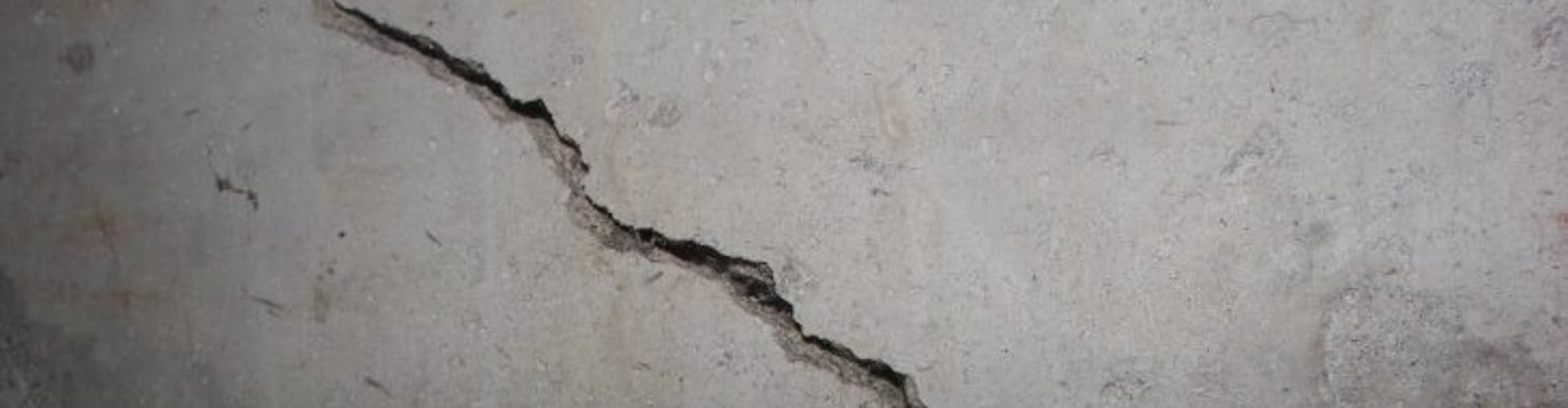
Cracks in your foundation walls or floor are both a sign and a driver of unlevel floors. Once a foundation crack forms, the structural integrity of that section weakens, making it more vulnerable to structural failure and further movement. Water can seep through the crack, increasing pressure on the surrounding soil. As that part of the foundation shifts differently from the rest of the structure, the floor above may become uneven or start to slope.
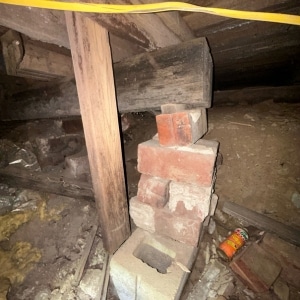
Some older Northern Virginia homes were built with wooden posts or columns in the crawl space to support the floor structure above. Unlike steel or concrete supports, wood is vulnerable to moisture, rot, and compression over time. As wooden columns weaken or shift, they can no longer support the floor evenly. This often causes certain areas of the floor to sink, and the problem may become more noticeable after each wet season.
Each of these causes requires a different repair approach, and in many cases more than one is contributing to the unlevel floor you are experiencing. The right solution depends entirely on which cause our team identifies during your free on-site assessment.
An unlevel floor caused by foundation settlement cannot be fixed by leveling the floor surface alone. The foundation movement driving it has to be stabilized first, or the floor will continue to shift. Based on what we find during your free on-site assessment, here are the solutions our team recommends.
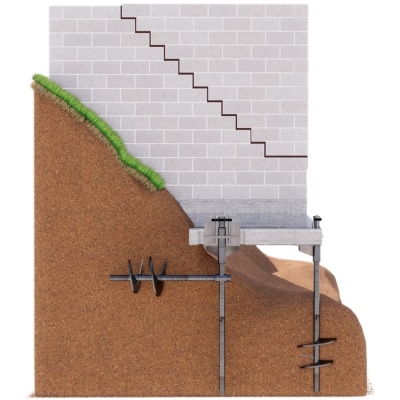
When foundation settlement has caused your floors to slope across a wider area of your home, push piers provide the deep foundation support needed to stabilize and lift the settled sections back toward level.
We drive steel piers through the foundation footing into stable soil far below the zone of soil movement, transferring the weight of your home to ground that will not shift. In Northern Virginia, where expansive clay soil near the surface often causes unlevel floors, push piers extend entirely past that unstable layer.
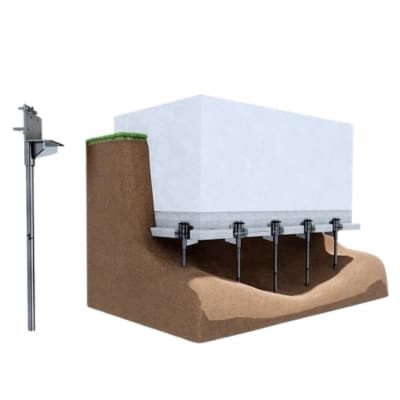
When your unlevel floor is caused by a concrete slab foundation that has settled unevenly beneath your home, our slab pier installation addresses the movement at its source. We drive steel piers through the slab into stable load-bearing soil below the problem zone, restoring support to the settled section and stopping further movement.
Surface-level floor repairs only hide the problem, but our slab pier installation directly addresses the foundation settlement causing your unlevel floor. We recommend this when the unlevel floor is concentrated in a specific area of a slab-foundation home, and the soil beneath has shifted or settled unevenly.
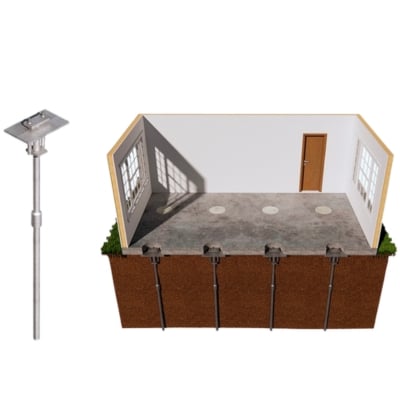
When your unlevel floor is caused by foundation settlement in a lighter structure, an addition, or an area with limited access for equipment, helical piers provide the same deep foundation stabilization as push piers with a less disruptive installation process.
We screw helical steel shafts into stable load-bearing soil beneath the foundation, providing immediate resistance against further settlement and restoring support to the unlevel section of your floor. This solution is recommended when the affected area has restricted access or when the structure above requires a lower-load pier system than push piers provide.
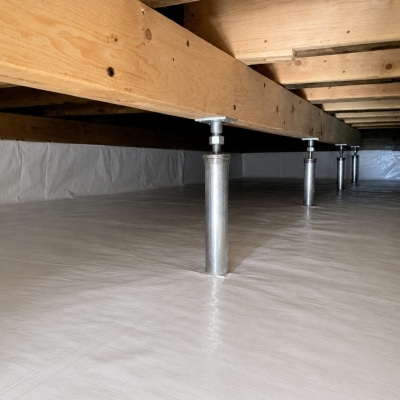
When deteriorating wood support columns in your crawl space are causing an unlevel floor above, replacing them with properly engineered steel support posts restores the floor support that the original wood columns can no longer provide.
Our crawl space support post installation places adjustable steel posts on solid concrete footer pads at the correct spacing and height to bring your floor back toward level and prevent further dropping. This solution is recommended when the unlevel floor is localized to specific areas directly above a crawl space with failed or deteriorated wood support columns.
An unlevel floor is one of the few foundation warning signs that gives you time to act before the damage becomes serious. Unlike a sudden crack or a flooded basement, floor settlement builds up gradually. Unlevel floors left unaddressed can become safety hazards and reduce your home’s property value over time.
If your floor has started to slope or feel off-balance, do not wait for the doors to stick or the walls to crack before calling. LUX Foundation Solutions offers free on-site assessments for foundation repairs across Northern Virginia, Shenandoah Valley, North Central Virginia, and West Virginia. Call us at 540-508-8982 or fill out our online form to schedule yours today.
Not always. A gradual slope across an entire room is often a sign of foundation movement. If only one area of the floor is sagging, the problem is more likely related to crawl space supports affected by wood rot or moisture damage. Some natural settling is normal in any home, but persistent or worsening slopes warrant a thorough inspection to determine whether foundation movement is the driver.
A floor slope of more than half an inch over 10 feet warrants a professional assessment, especially when it appears alongside other foundation warning signs. Uneven settling beneath one section of the foundation is often what drives that slope, and it rarely corrects itself without intervention.
If your doors are sticking, wall cracks are widening, or gaps are forming between your floor and baseboards, the unlevel floor is likely part of a pattern of foundation movement rather than an isolated surface issue. The earlier foundation settlement is identified, the less extensive and costly repairs tend to be.
An unlevel floor typically slopes in one direction across a room and is caused by foundation settlement pulling one section of the home lower than the rest. A sagging floor dips or bounces in a localized area and is usually caused by damaged or deteriorating floor joists or support columns in the crawl space below. Both produce an uneven surface underfoot but require completely different repairs, so identifying the correct cause before starting any work is crucial.
The clearest indicators that your unlevel floor is a foundation problem are the whole-room sloping in one consistent direction, visible cracks at door and window corners, stair-step cracks in exterior brick, and gaps forming between your floor and the wall. If the floor feels bouncy or soft in one localized spot rather than sloping consistently, the cause is more likely in the crawl space. These signs can also become safety hazards if left unaddressed. A professional assessment identifies which is driving the problem in your specific home.
Yes. An unlevel floor caused by foundation settlement almost always worsens without intervention because the underlying soil movement or structural shift does not stop on its own. In Northern Virginia, the seasonal expansion and contraction of clay-heavy soil causes shifting soil conditions that continue putting stress on the foundation year after year, meaning a floor that slopes slightly today can slope significantly more within a few seasons. Addressing foundation settlement early keeps the repair scope and cost significantly smaller than waiting until the movement has progressed further.
The cost of fixing an unlevel floor depends entirely on what is causing it and how far the foundation movement has progressed. Replacing a localized crawl space support post costs considerably less than installing full foundation piers at multiple settlement points. The only reliable way to get an accurate cost estimate for your specific situation is through a professional on-site assessment, which LUX Foundation Solutions provides free of charge across Northern Virginia, Shenandoah Valley, North Central Virginia, and West Virginia.
Thank you! Your form has been successfully submitted. You may receive service-related text messages from Lux Foundation Solutions, including appointment updates, reminders, and one-time verification codes if needed. Message frequency may vary. Msg & data rates may apply. Reply HELP for help. Reply STOP to opt out.
Examples of messages you may receive:
• Lux Foundation Solutions: Your appointment has been scheduled. You will receive service-related updates as needed.
• Lux Foundation Solutions: Reminder — your scheduled service is approaching. Reply STOP to opt out.
• Lux Foundation Solutions: Your verification code is 739214. This code expires in 10 minutes.