Mortar Cracks
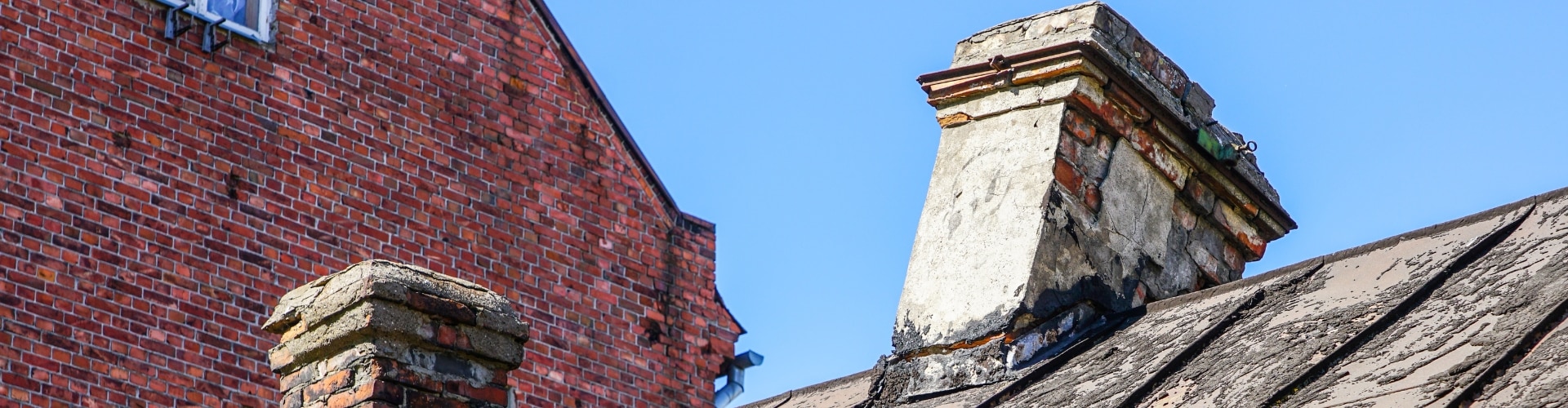
Mortar cracks in a brick wall or foundation are more than a cosmetic concern. When the mortar joints holding your brick home together begin to crack, separate, or crumble, it can be a warning sign that the structure beneath is under stress.
What Are Mortar Cracks?
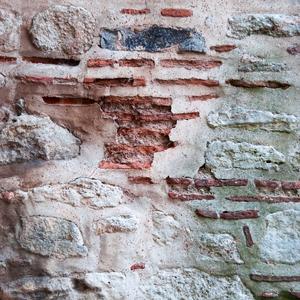
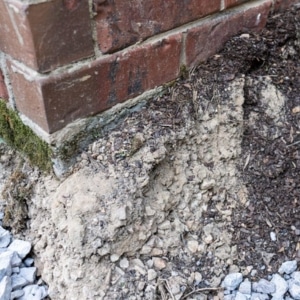
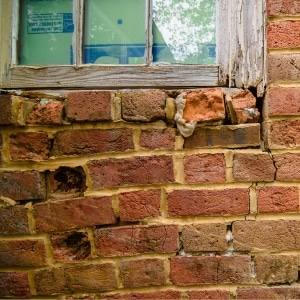
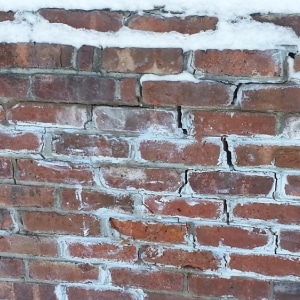
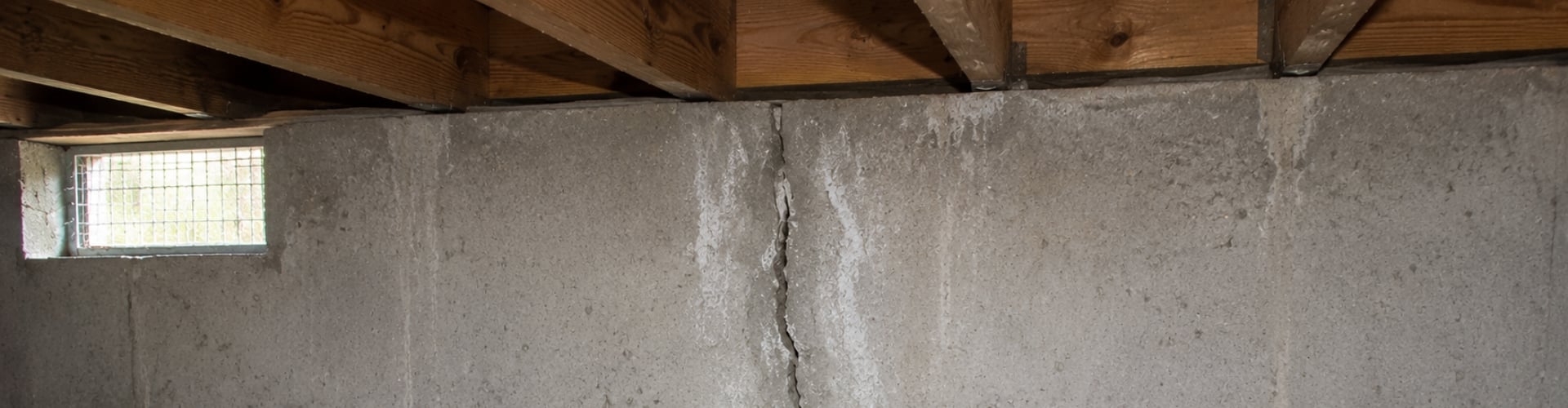
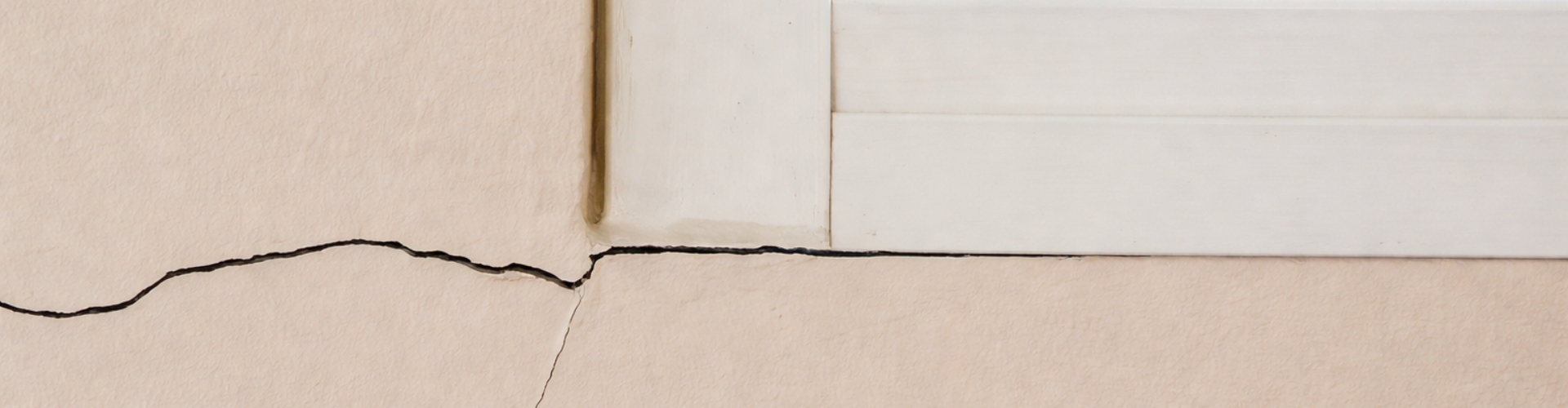
Mortar is the bonding material between bricks, stones, and concrete blocks that keeps a wall or foundation together. When that bond weakens, mortar joints crack, thin gaps form, horizontal cracks run along courses of bricks, or separation occurs at the corners, all of which are warning signs of underlying foundation issues.
These are not random surface flaws. Damaged mortar loses its ability to resist moisture absorption, allowing water to work deeper into the wall and widen the crack over time.
Mortar exposed to Virginia’s seasonal cycles, wet winters, dry summers, and clay-heavy soil, ages faster than in more stable climates. Some cracks are easily repaired before they progress. Knowing the difference starts with recognizing what you are seeing.
Signs of Cracked Mortar
These are the warning signs that the mortar joints in your foundation or exterior walls require professional evaluation:
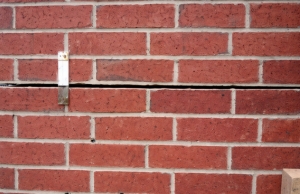
- Horizontal crack running along the mortar joint mid-wall, the most serious type, indicating lateral pressure or foundation movement.
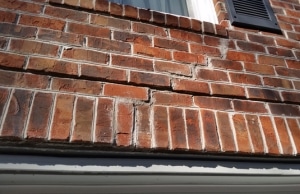
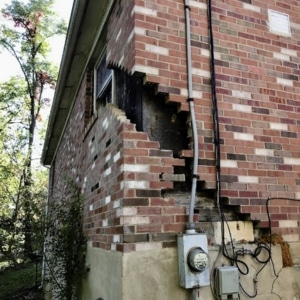
- Stair-step cracks through brick layers, diagonal cracking that follows the mortar joints from course to course.
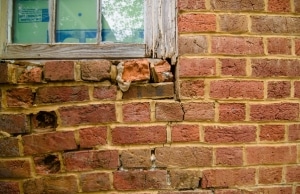
- Displaced or bulging mortar at wall corners or along the foundation line.
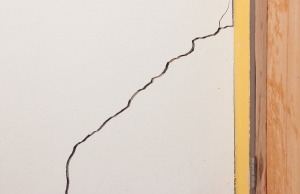
- Interior wall cracks appearing in drywall or plaster directly above or beside the affected masonry.
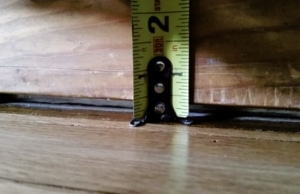
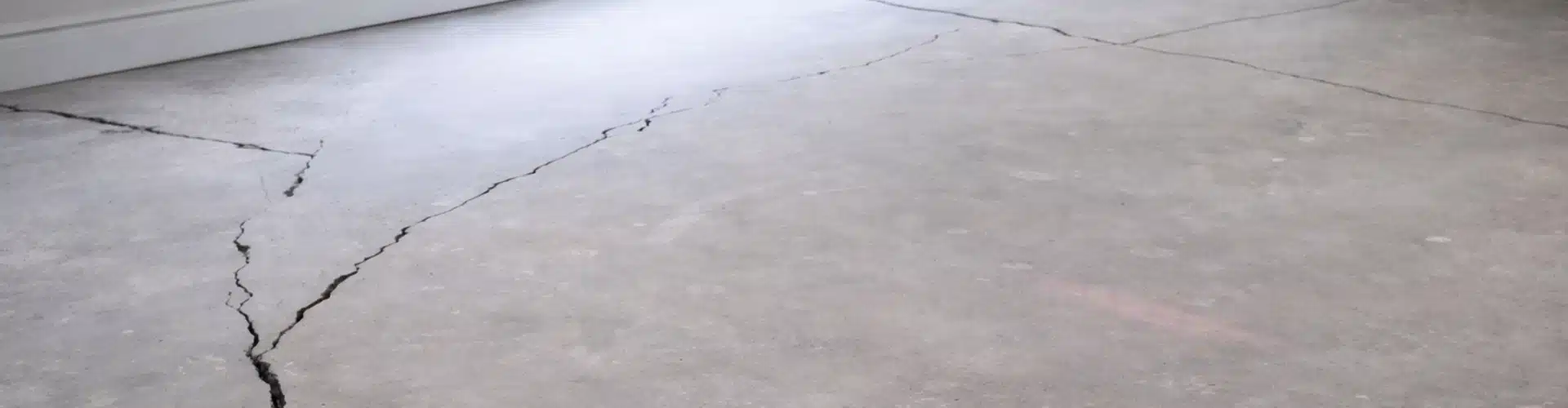
- Gaps forming between the floor and wall where the foundation has shifted.
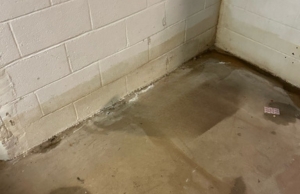
- Water intrusion through mortar joints, moisture staining, efflorescence, or active seepage.
If any of these signs are visible on your brick wall, foundation, or crawl space walls, contact the team at LUX for a free evaluation. Early identification significantly reduces the cost and complexity of repairs.

Horizontal mortar cracks

Stair-step crack

Bulging mortar

Interior Wall Crack

Gap between wall and floor

Water Intrusion
What Causes Mortar Cracks?
Mortar cracks in Virginia and West Virginia homes are driven by the region’s combination of clay-rich soil and seasonal moisture temperature swings. The most common causes are:
Freeze-thaw cycles
Water that enters masonry joints freezes, expands, and forces the surrounding mortar apart from within. As temperatures rise, the ice contracts, and the cycle repeats through every frost. In Northern Virginia and the Shenandoah Valley, where hard frosts persist through March, freeze-thaw cycles are among the leading causes of cracked mortar joints on exposed brick walls.
Foundation shifting and settling
When the soil beneath a foundation slab settles unevenly or shifts due to moisture changes, that movement is transmitted directly to the mortar joints above. Unlike wood framing, a brick wall is rigid. When stress builds, it finds the weakest point in the structure, and the mortar joints are always that point, which is why cracks follow them so consistently.
Erosion from precipitation
Unprotected or aging mortar on a Virginia home continuously absorbs moisture, and the region’s annual rainfall averages 40 inches. Repeated saturation damages the mortar from the surface inward, leaving the joint vulnerable to water entry and worsening deterioration. Without proper drainage and yard grading that direct water away from the foundation, this process accelerates during every rainy season causing soil erosion.
Aging mortar
Mortar has a natural lifespan of 20 to 30 years before it begins to deteriorate under normal conditions. As mortar ages, it weakens, loses its bond with the brick layers it holds, and begins to crack or crumble at the joint face, with loose debris falling. Repairing mortar before it reaches full failure keeps the underlying structure intact and prevents water from gaining entry.
Improper construction or substrate
Mortar mixed at the wrong ratio or applied to a poorly prepared substrate can fail within a few years. Applying new mortar over old without fully removing the damaged material first means it will not stay attached to the brick and will crack at the joint. Using a harder mortar type on older soft brick adds another risk, as the two materials expand at different rates.
Temperature changes
Brick and mortar expand in heat and contract in cold. On a Virginia brick home where summer temperatures regularly exceed 90 degrees, this cycle runs daily across every exposed wall surface. Corners, wall ends, and mortar joints around window openings take the most stress because they are exposed on multiple sides. Over time, repeated movement opens hairline cracks that widen each season.
Regardless of the cause, cracks in mortar can lead to serious foundation problems if left unaddressed. Let our experts at LUX Foundation Solutions diagnose the issue and provide you with the proper solution.
Our Proven Solutions for Repairing Mortar Cracks
The right repair depends on what is causing the crack. Mortar joint cracks from surface weathering are addressed differently from cracks caused by foundation movement. LUX Foundation Solutions evaluates the cause on-site before recommending a solution.
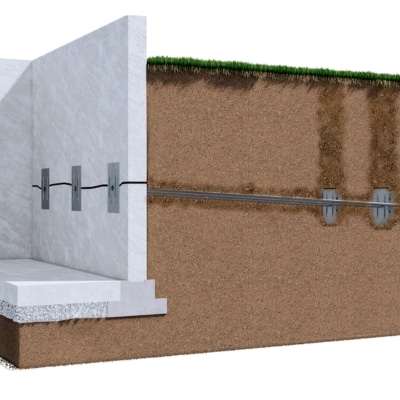
A brick wall with cracked mortar joints and visible inward lean is under active lateral pressure that it can no longer resist. Wall anchors are one of the most effective solutions for this situation. We install to secure the interior wall face to an outside buried anchor plate, preventing further movement. Once anchored, your home’s structure is protected for the long term.
You should be worried about cracks in mortar when they become severe enough to undermine the structural integrity of your home. Stair-step cracking through the mortar joints, cracks wider than 5mm, or mortar problems paired with sloping floors and doors that no longer close properly all point to foundation settlement that is actively progressing.
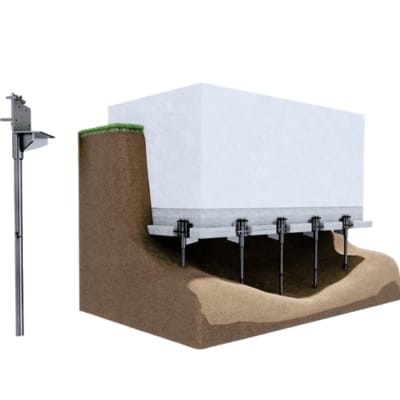
Our push pier system addresses this at the source. We drive steel piers deep into stable soil to lift, level, and permanently stabilize your foundation, closing the gaps and driving out the cracking.
If you have a brick home with minor mortar cracking that is not yet tied to severe foundation movement, this is the situation where carbon fiber is most effective. When mortar joints crack, it can be due to wall stress or early-stage lateral pressure, and damaged mortar and cracked brick layers can continue to deteriorate if nothing is done.
We apply carbon fiber strips directly to the affected wall to add tensile strength and hold the structure in place, stopping the cracks from widening before they become a larger foundation problem.
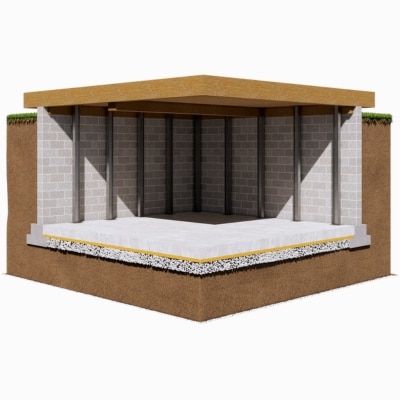
A horizontal crack in the mortar joint mid-wall indicates the wall is under significant lateral pressure. When exterior access is limited by fencing, utilities, or tight clearances, we can install wall stabilizer steel I-beams entirely from the interior, floor to ceiling against the wall face, with no outside digging required.
Schedule a Free Estimate with LUX Foundation Solutions Today!
What looks like a small mortar crack today gives water, freeze-thaw pressure, and structural movement a direct path into your wall. Left alone, a simple repointing job becomes a full wall repair or foundation stabilization project as each season widens the opening.
LUX Foundation Solutions identifies whether mortar problems stem from surface weathering, moisture damage, or foundation movement and recommends the appropriate repair.
Don’t let mortar problems put your home at risk. Contact us at 540-508-8982 or fill out our online form to schedule a free on-site assessment. We serve Northern Virginia, Shenandoah Valley, North Central Virginia, and West Virginia.
Request a free Estimate
FAQ's
Yes. Recurring mortar cracks that return shortly after repointing are frequently a sign of active foundation movement rather than a surface problem. When the soil beneath the foundation settles unevenly or shifts due to moisture changes, that movement is transmitted to the brick wall above through the mortar joints.
Repointing without addressing the underlying foundation movement is a temporary fix. A professional evaluation determines whether the crack is due to surface deterioration or to active structural movement.
Minor cracks in the mortar that only appear in certain areas of your home may still be evidence of a foundation problem and should not be ignored. The severity of the gaps, their location on the wall, and whether they are growing are all factors that determine if they indicate a foundation problem. Foundation problems often manifest in localized areas before spreading to other parts of the home.
It is crucial to have a professional inspection to assess the severity of the situation and determine the appropriate course of action. Prompt attention to minor gaps can help prevent further damage and costly repairs.
A crack in mortar between bricks is not always a foundation problem, but it should not be ignored. Narrow, uniform gaps along older sections of a brick wall are often from normal weathering and aging of the mortar. Cracks in mortar between bricks wider than 5mm that have grown over time or run horizontally across the wall are signs of active structural pressure or foundation movement and require professional evaluation.
Hairline cracks in mortar joints are common and generally not a structural emergency on their own. They typically result from aging mortar, thermal movement across the brick layers, or years of surface weathering. However, ignoring them unaddressed is still a risk. Even small cracks allow moisture to enter the masonry, leading to freeze-thaw damage and accelerated deterioration over time.
If hairline cracks are multiplying, widening, or appearing alongside other warning signs such as wall movement or uneven floors, have them inspected by a professional promptly.
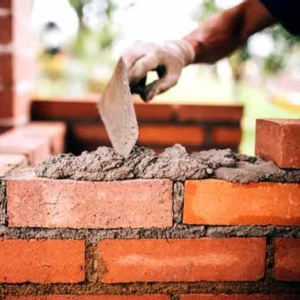
Minor surface mortar cracks in a stable wall can be repointed by a homeowner with basic masonry experience, provided the correct mortar type and proper preparation are used. Before applying new mortar, the old, damaged mortar must be chiseled out to a minimum depth of three-quarters of an inch, the joint must be brushed clean of all dust and debris, and the new mortar must be applied correctly to a damp surface to ensure proper bonding.
However, if the crack has returned after a previous repair, if the wall is bowing, or if other structural signs are present, the underlying cause must be addressed by a professional before any surface repair will hold.
A horizontal crack running along a single mortar joint across the face of the wall typically indicates lateral pressure from soil or water pushing against the wall from outside. It is the more serious of the two types. A stair-step crack follows the mortar joints diagonally through brick layers and usually indicates settlement or differential movement in the foundation below. Both require professional evaluation, but have different causes and different repair paths.