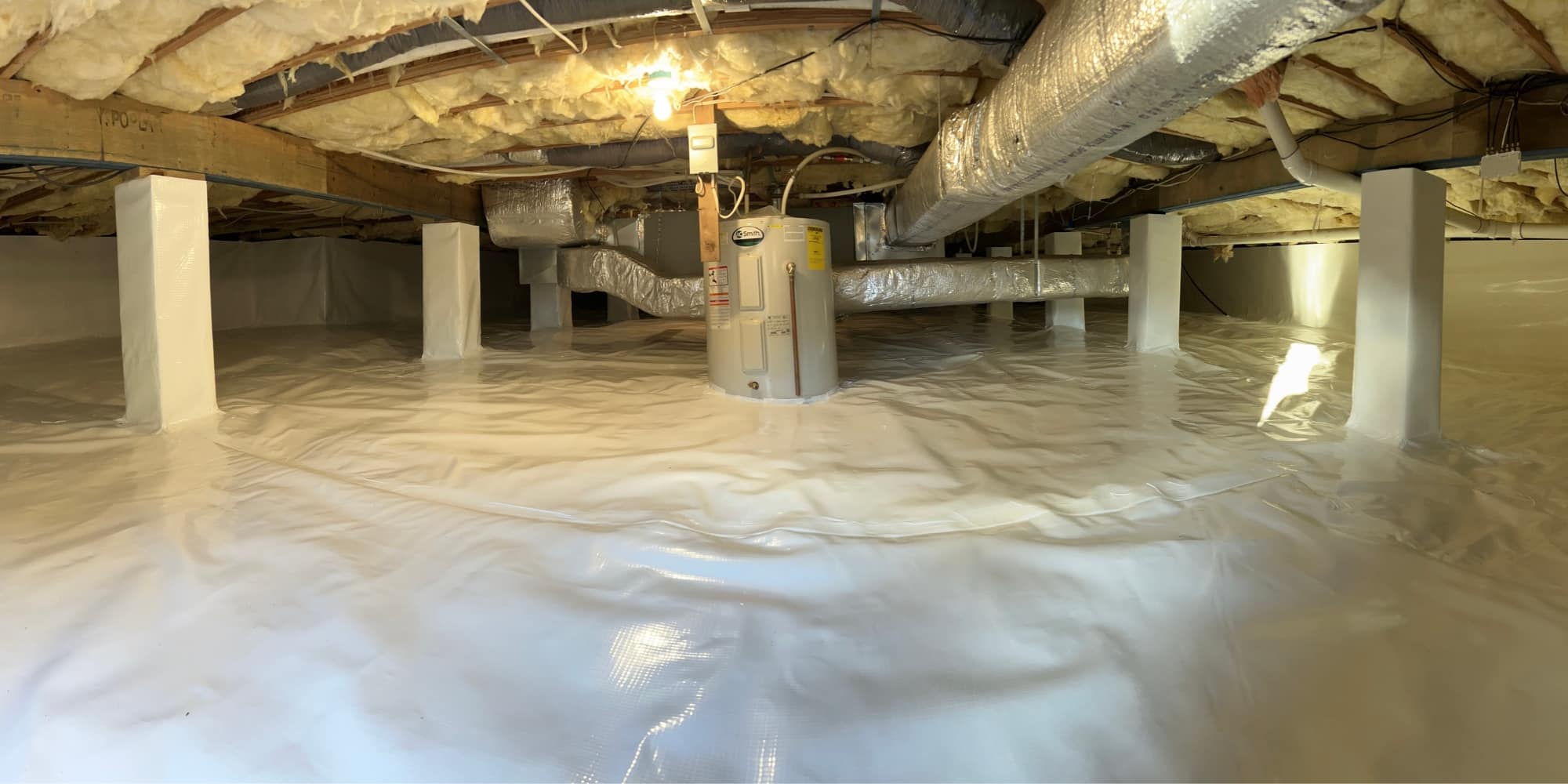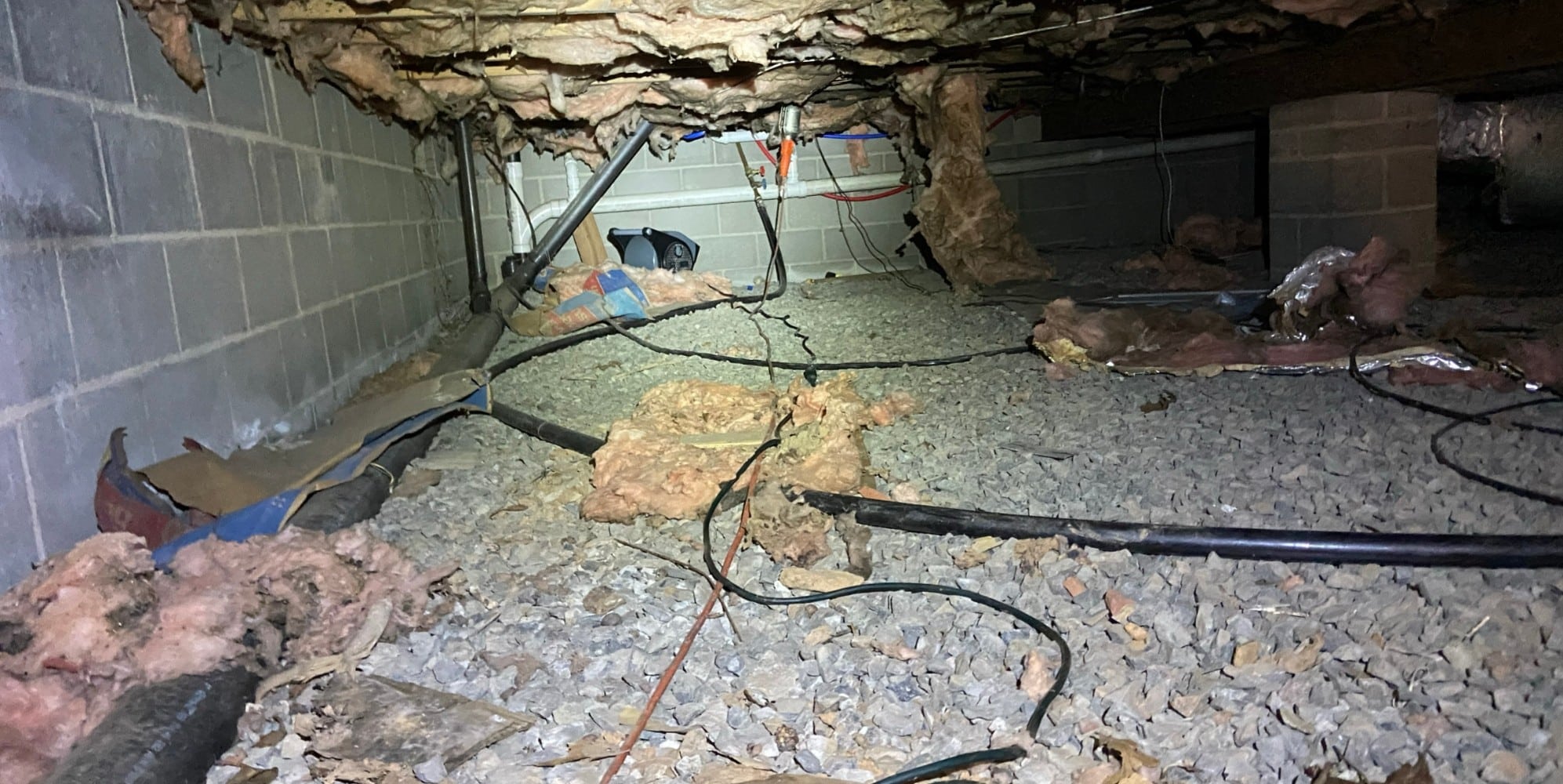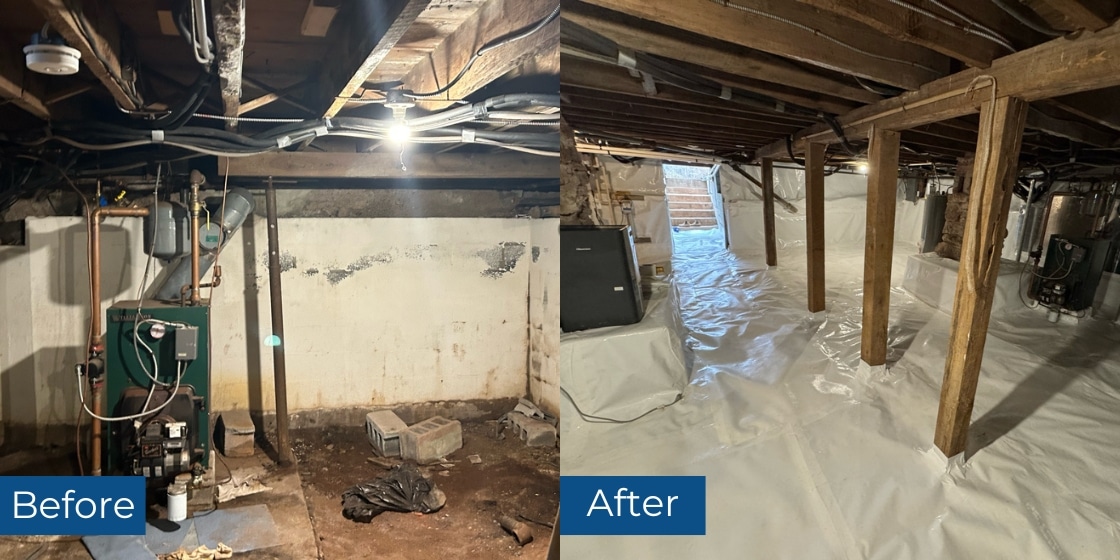
A musty smell drifting through your floors, a damp patch under the house, or an energy bill that keeps climbing each winter can usually be traced back to the same place: your crawl space.
In Virginia, clay soil can hold ground moisture and swell after heavy rain, while the humid months can keep the soil wet for longer. If the moisture is not addressed, it can affect more than just the soil beneath your home. Over time, it can affect your home health, the air you breathe, the wood holding your floors steady, and eventually, the cost of fixing it later.
This article breaks down the ten benefits of crawl space waterproofing for your family’s health, your home’s structure, and your budget, so you can make an informed decision before you act.
Key Takeaways
- Crawlspace waterproofing protects your home from moisture-related mold, wood rot, and structural damage before it spreads to the rest of the house.
- In Virginia, clay soil and humid climates make crawl space moisture more likely than in drier regions.
- A wet crawl space affects more than the space itself; it reaches your indoor air quality, your energy costs, and even pest problems.
- The benefits of crawl space waterproofing go beyond just keeping water out; they include long-term savings, a healthier home environment, and a stronger resale value.
- Catching the problem early is almost always less costly than waiting until it becomes a bigger repair.
Why is Crawl Space Waterproofing Important?

An untreated crawl space problem rarely stays contained to the crawl space itself. The moisture that collects down there rises into the air circulating through your home, into the wood framing that holds your floors steady, and eventually into your monthly utility bills. What starts as a damp smell or a patch of standing water can, left alone, turn into a mold problem, a structural repair, or both.
Addressing it early is where crawl space waterproofing stops the moisture damage before it reaches the rest of your home. It is not only about keeping the space dry for its own sake; it is about protecting everything connected to it, your family’s health, your home’s structure, and your long-term costs. Below are the ten benefits of crawlspace waterproofing you can expect.
1. Prevents Water Intrusion
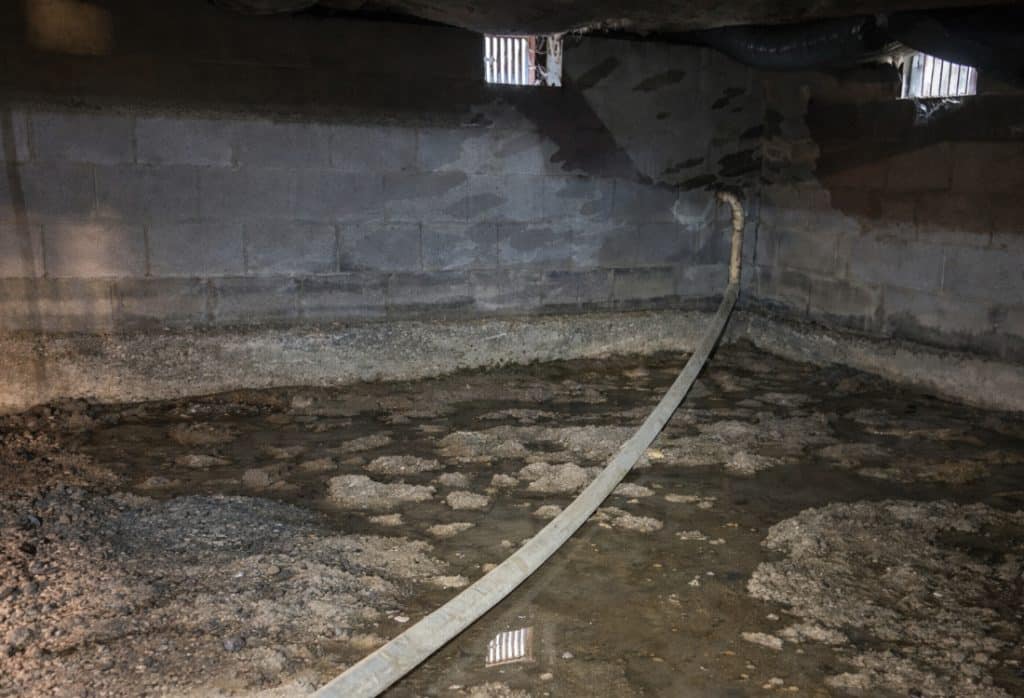
If you notice a damp smell after it rains or standing water under the house, this benefit matters most because it prevents everything else from starting. Waterproofing blocks moisture from getting in, through the surrounding soil, dirt floor, cracks in the concrete foundation walls, and gaps left from how the house was originally built. Once those entry points are closed, the moisture that used to collect against your foundation and floor joists has nowhere left to go.
Mold, wood rot, high humidity, and pest activity all trace back to moisture infiltration somewhere first. Closing off that entry point removes the root cause, so you are not left managing what it eventually turns into once it has had time to spread.
2. Improves Indoor Air Quality
The air inside your home is not separate from the air in your crawl space. Studies have shown a notable share of the air you breathe on the main floor actually comes up from underneath the house, which means whatever is happening down there does not stay down there. When that crawl space air carries excess moisture and musty odors, the indoor air quality drops with it, even in rooms nowhere near the crawl space itself.
Waterproofing the crawl space focuses on moisture control at the source, so the air drawn up into your living space stays drier, giving you cleaner air throughout your home. That matters most for the people in your household who are most sensitive to it. Children, older family members, and anyone with asthma or allergies tend to notice the difference first, often through fewer flare-ups and easier breathing once the work is done.
3. Stops Mold and Mildew Growth
Mold does not need much to get started, just moisture and a few days without airflow, both of which a damp crawl space provides year-round. Once it takes hold of a floor joist or a stored box, it keeps spreading as long as the moisture feeding it stays in place, and by the time you notice the smell, it has usually already spread further than you can see.
According to the National Center for Healthy Housing, mold exposure is linked to allergic reactions, respiratory irritation, and worsened symptoms for anyone with asthma or a weakened immune system. Waterproofing removes the moisture that mold depends on, so there is nothing left for it to grow on in the first place.
4. Protects Your Home’s Structural Integrity
Wood rots when it stays wet long enough, and the beams and floor joists supporting your home are no exception. A crawl space that stays damp for months at a time, which is common in Virginia’s humid seasons, slowly weakens the wood framing and allows rust to take hold on nearby metal fixtures. None of this shows up overnight; it builds quietly until a sagging floor or a visible crack finally makes the problem obvious.
Waterproofing helps keep moisture from causing further damage to the wood and other materials in the crawl space. By keeping the wood and metal supporting your home consistently dry, you are protecting the structure itself, not just patching symptoms after the damage has already set in.
5. Boosts Your Home’s Energy Efficiency
A damp, untreated crawl space lets cold or hot air from outside reach straight into your home, so your HVAC system works harder just to hold a steady indoor temperature through every season. That extra strain increases your heating and cooling bills, and it wears the system down faster than it should.
Waterproofing creates a more controlled environment beneath your floors by keeping out moisture and outside air that would otherwise work against your HVAC system. Pairing waterproofing with an insulated vapor barrier under the floor gives you the most consistent results, since keeping out moisture and blocking temperature transfer work best together.
6. Keeps Pests Out
Moisture does not just attract mold; it also creates the conditions for crawl space pest problems. Termites, rodents, and insects are all drawn to damp, dark spaces, and a wet crawl space provides exactly the environment they seek, along with easy access to the wood framing they feed on. Dust mites thrive in the same conditions, adding another layer of allergy triggers to a problem that started as simple dampness.
Waterproofing removes the moisture these pests depend on, making your crawl space a far less appealing place for them to settle in. Keeping pests out at this stage is a lot less costly than dealing with an infestation that has already reached your home’s wood framing.
7. Reduces Electrical Hazard Risks
Many crawl spaces carry electrical wiring for outlets, lighting, or appliances elsewhere in the house, and that wiring is not meant to be exposed to damp conditions. Moisture corrodes connections over time and increases the risk of shorts, which, in the worst cases, can lead to an electrical fire.
Waterproofing keeps that wiring in a dry environment, as it was meant to be installed, reducing the risk of corrosion-related failures before they ever become a safety issue. If you already suspect wiring problems in your crawl space, addressing moisture is usually the first step toward fixing them, rather than just replacing the wiring and letting the same conditions damage it again.
8. Protects Plumbing and Ductwork
Water pipes, sewer lines, and air ducts often pass through the crawl space. This makes them easier to reach for maintenance, but also exposes them to any moisture sitting down there. Over time, high humidity can cause rust and corrosion on metal fittings, which may lead to broken or leaking water lines. In severe cases, moisture can also weaken ductwork, causing it to collapse or pull apart at the seams.
Waterproofing your crawl space protects these systems from slow deterioration, so the plumbing and ductwork running through it will last as long as they are supposed to, rather than failing early due to conditions unrelated to the systems themselves.
9. Increases Your Home’s Value
A history of moisture problems in a crawl space is one of the first things that gives a potential buyer pause, since it signals possible mold, structural damage, or repairs they would have to deal with after closing. Insurance can also become harder to secure or more expensive when a home has documented water issues that were never properly addressed.
Waterproofing removes that red flag before it ever comes up. A dry, well-maintained crawl space reassures buyers and insurers alike that the home has been cared for, which protects both your resale value and your ability to insure the property without complications down the line.
10. Gives You Long-Term Peace of Mind
Beyond any single repair or bill, there is the simple fact of not having to wonder what is happening under your house. A crawl space you have never addressed is one more thing sitting in the back of your mind every time it rains hard or the humidity spikes in summer.
Waterproofing removes that uncertainty. Once the space is waterproofed and protected, you are not guessing whether this season’s storm created a new problem; you already know it did not. That kind of certainty is easy to overlook in a list of benefits, but it is often the first thing homeowners mention once the work is actually done.
Early Signs Your Crawl Space Needs Waterproofing
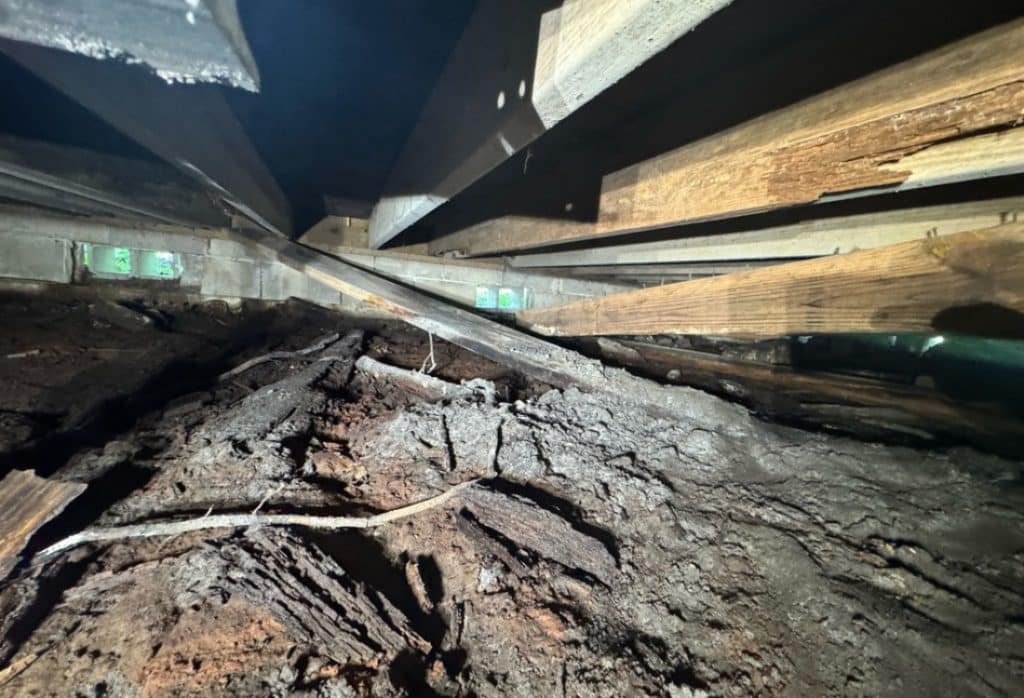
Most of the benefits above are easiest to protect while the problem is still small. Here are the signs that it might already be underway:
- A musty or damp smell when you open the crawl space access.
- Visible mold or mildew on wood framing or insulation.
- Higher humidity or noticeably cooler floors in the rooms above
- Rising energy bills with no other clear explanation.
- Sagging or uneven flooring.
- Visible cracks in the foundation walls.
If any of these sound familiar, the sooner it gets looked at, the simpler the fix usually is.
Act Before It Costs You More
A dry crawl space protects your family’s health, your home’s structure, and your long-term costs, all at once. A wet one slowly works against each of those, usually quietly enough that you do not notice until the damage already shows up somewhere else in the house.
Catching it early is almost always simpler and less costly than waiting. If you are in Northern Virginia, West Virginia, North Central Virginia, the Shenandoah Valley, or the surrounding areas and recognize any of the signs above, contact an expert for a crawl space waterproofing evaluation to know exactly what is happening under your home and what it takes to fix it.
Frequently Asked Questions
Is it worth investing in professional waterproofing for my crawl space?
Yes, for most homes. Waterproofing is a long term solution, and the upfront cost pays off through fewer repairs down the line, lower energy bills, better air quality, and a stronger resale value, benefits that are difficult to get from a patchwork fix. Professional waterproofing also diagnoses the actual source of the moisture rather than just treating what is visible, which is what makes the result last.
How do I know if my crawl space has moisture issues?
The most common signs are a musty smell, visible mold on wood or insulation, increased moisture and humidity in the rooms above, rising energy bills, and sagging or uneven flooring. If you notice any of these, it is worth taking a deeper look at the crawl space before the problem grows.
Can crawlspace waterproofing improve indoor air quality?
Yes. A portion of the air you breathe on the main floor comes up from the crawl space beneath it, so a damp, moldy crawl space can leave you with poor air quality throughout your home. Waterproofing removes the moisture that feeds existing mold, and other pollutants, which improves air quality throughout the rest of the house as well.
Will waterproofing increase my home’s value?
A dry, well-maintained crawl space signals a healthier living environment and reassures buyers and insurers that the home has been properly cared for. A history of unresolved moisture problems, on the other hand, is one of the first things that makes buyers hesitant.
Can I waterproof my crawl space myself, or do I need a professional?
Basic maintenance, like clearing out your storage space or keeping vents clear, is safe to handle yourself. But diagnosing the actual source of moisture and installing a lasting waterproofing system, which may include drainage systems to redirect water away from the house, is a structural job that needs an expert assessment; doing it yourself without resolving the root cause usually means the problem returns.
How often should I have my crawl space inspected?
At least once a year is a reasonable baseline, though homes in areas with heavy seasonal rain or high moisture levels often benefit from checking twice a year, especially after a particularly wet season.