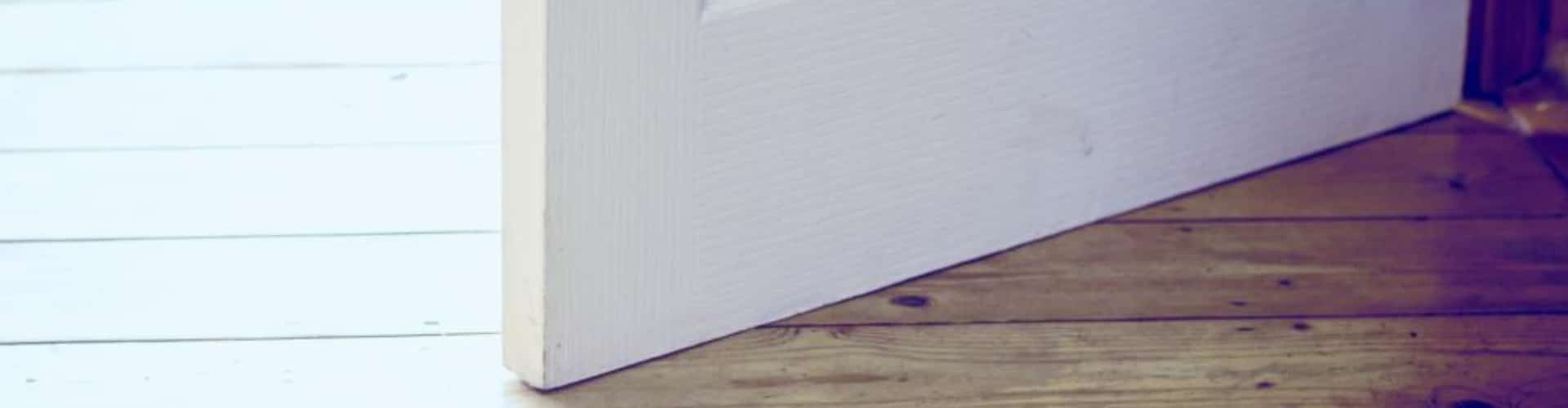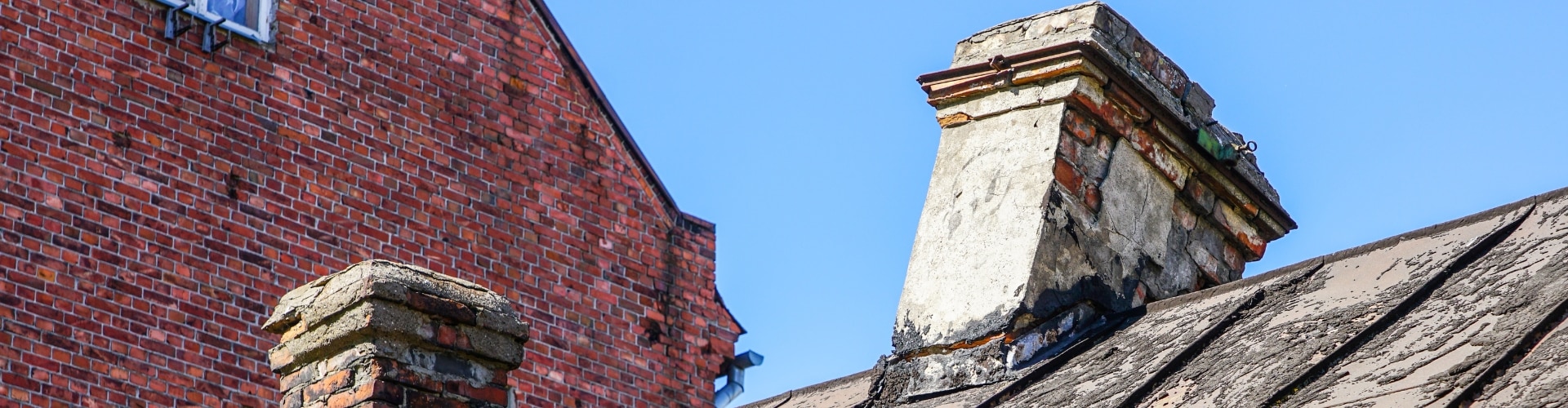

A crack in the drywall above your door or along a wall corner is easy to dismiss. But some drywall cracks are the first visible sign of foundation issues that can lead to structural damage if left unaddressed. Knowing what to look for can help you decide whether the crack needs closer attention.
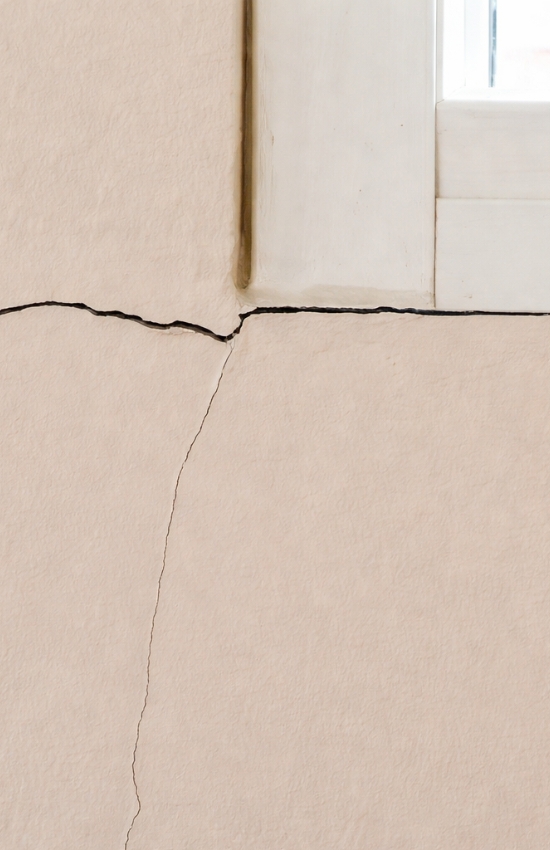
Drywall cracks, sometimes called sheetrock cracks, are breaks or separations in the surface of your interior walls or ceilings. They range from thin hairline cracks that barely catch the eye to wide, visible gaps that run diagonally across a wall or above a door frame.
Not all cracks in drywall mean a foundation problem. Some are cosmetic, caused by seasonal humidity and temperature changes or minor normal settling as houses settle over time, especially in older homes. Others are structural, meaning something beneath the surface, usually the foundation, has shifted enough to stress the wall above it.
The difference comes down to three things: the size of the crack, the pattern it follows, and whether it grows or keeps coming back after repair. At LUX Foundation Solutions, those three factors are exactly what our team looks for during a free on-site assessment across Northern Virginia and the surrounding region.
Drywall cracks rarely show up in isolation when the cause is a foundation problem. Your home will typically display several symptoms at once. Recognizing these accompanying signs helps you build a stronger case for what’s actually happening structurally.
Watch for these red flags alongside wall cracks:
Seeing more than one of these signs at the same time is worth taking seriously. LUX Foundation Solutions offers free on-site assessment to identify whether the cause is cosmetic or structural.
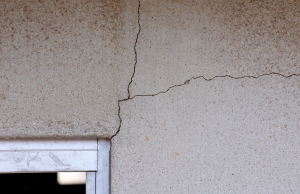
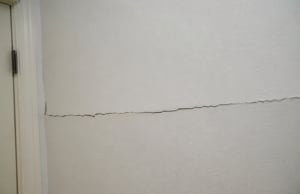
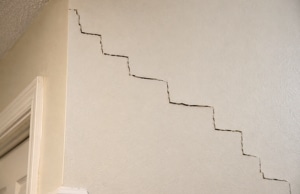
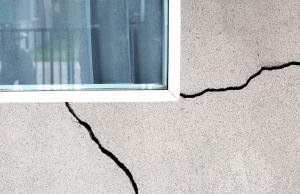
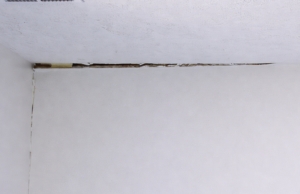
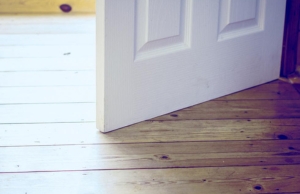
When foundation movement causes drywall cracks, the location and pattern of those cracks often reflect problems with the soil, moisture around the home, or how the house was built. What causes a foundation to crack in the first place, whether soil shifting, excess moisture, or construction weaknesses, is the same set of forces that eventually shows up as cracking in the drywall above.
Understanding the specific cause determines the right repair approach.
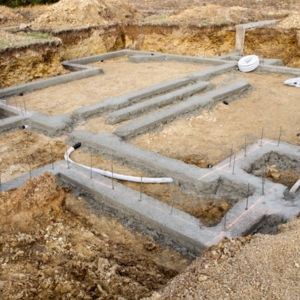
When low-quality materials or improper framing methods are used during construction or installation, the structure cannot distribute weight evenly across the foundation. Weak framing or improper support creates stress points that show up as drywall cracks, often within the first few years of a home’s construction.
In Northern Virginia, homes built on clay-heavy soil are especially vulnerable when framing does not account for soil movement beneath them.
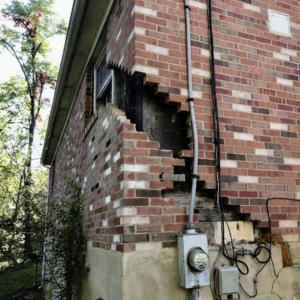
Soil naturally shifts and compresses over time, and in Northern Virginia, clay-heavy soil expands during wet seasons and shrinks during dry ones. This repeated movement creates stress beneath the foundation, causing sections to settle unevenly. When differential settlement occurs, the walls above absorb that stress, producing vertical cracks above door frames, window corners, and other weak points in the drywall.
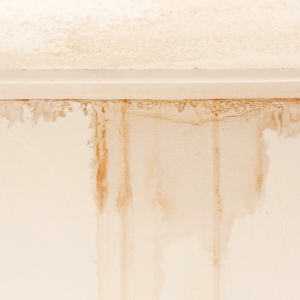
Excess moisture from poor drainage, plumbing leaks, or inadequate waterproofing causes the soil to expand and contract repeatedly. That movement increases pressure against the foundation and can cause sections of the home to shift unevenly. This problem is especially common in Northern Virginia, where clay-heavy soil drains slowly and often stays wet long after heavy rain.
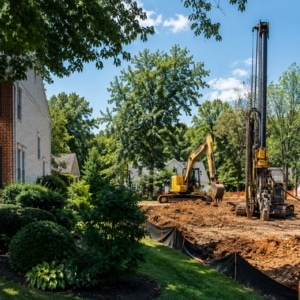
Horizontal drilling, blasting, or heavy excavation near your property can generate vibrations that travel through the soil and contribute to wall cracking. This is more of a contributing factor than a primary cause, but in homes already experiencing minor foundation movement, nearby construction activity can accelerate existing stress and cause drywall cracks to appear or widen more quickly than they otherwise would.
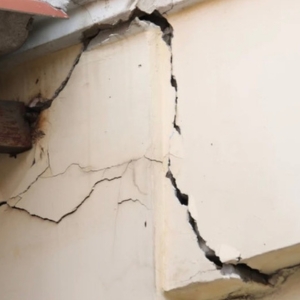
Virginia experiences occasional seismic activity, and even minor ground movement can place sudden stress on a home’s structural frame. When the ground beneath a foundation moves unexpectedly, cracks can develop around door frames, window corners, or drywall seams as the structure responds to the movement.
A structural evaluation helps determine whether the cracking reflects surface stress or deeper foundation movement that needs stabilization.
Once we identify what is driving the drywall cracks in your home, we match the repair to the specific cause rather than applying a general fix that may not address the real problem.
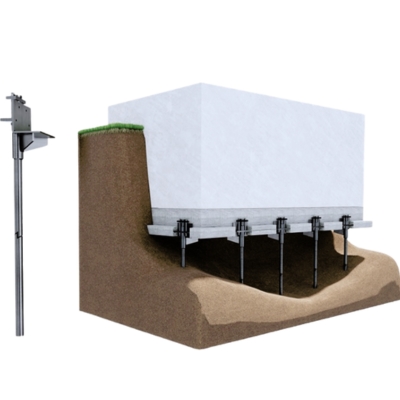
When drywall cracks are caused by active foundation settlement, we install push piers to stabilize the affected section of the foundation and prevent further movement. The steel piers are installed beneath the foundation until they reach stable soil or bedrock. This allows the home’s weight to rest on a stronger layer of ground instead of the unstable soil near the surface.
After the foundation is stabilized, the walls above are less likely to keep moving. This helps prevent cracks on drywall from getting worse, reduces the chance of new cracks developing, and limits further damage.
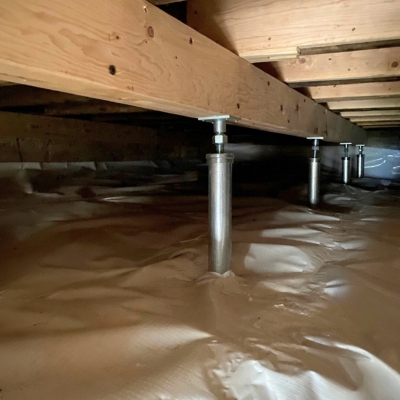
When drywall cracks develop because sagging or weakened crawl space supports are allowing the floor system above to flex and shift under load, we install stabilizer posts to restore proper structural support beneath the floor. These steel posts are anchored directly into a stable footing and secured to the floor framing above, reducing the movement that places ongoing stress on the walls and drywall over time.
Homes in Northern Virginia often need this repair because years of moisture can weaken crawl space supports. In some cases, movement in the region’s clay-heavy soil also contributes to the problem.
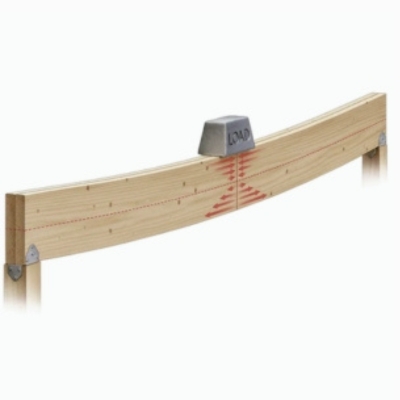
When the main beam in the basement deteriorates or loses its ability to carry the full structural load above it, the floor system begins to sag, and the walls crack under the redistributed stress. We remove the compromised beam entirely and install a new, properly sized replacement secured with steel brackets to ensure it can carry the home’s full load without shifting.
Main beam replacement addresses the actual root cause of floor-driven drywall cracking rather than patching the visible surface damage while the underlying structural problem continues unaddressed beneath it.
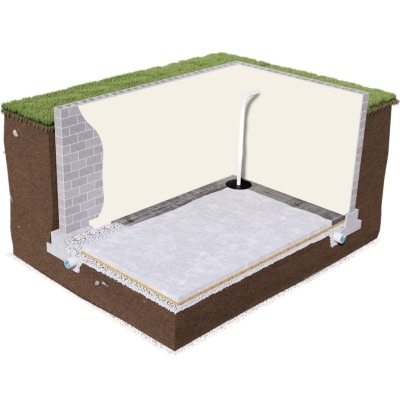
When moisture from poor drainage, soil saturation, or water infiltration is driving the foundation movement behind your drywall cracks, we address the source directly through basement waterproofing. Interior waterproofing collects and redirects water after it enters the basement using drainage channels and a sump system. Exterior waterproofing helps keep water away from the foundation by using waterproof membranes and improving drainage around the home.
In Northern Virginia, clay-heavy soil often stays wet long after it rains, keeping moisture against foundation walls. Waterproofing helps reduce that moisture and addresses the conditions that can lead to foundation movement and cracks on drywall.
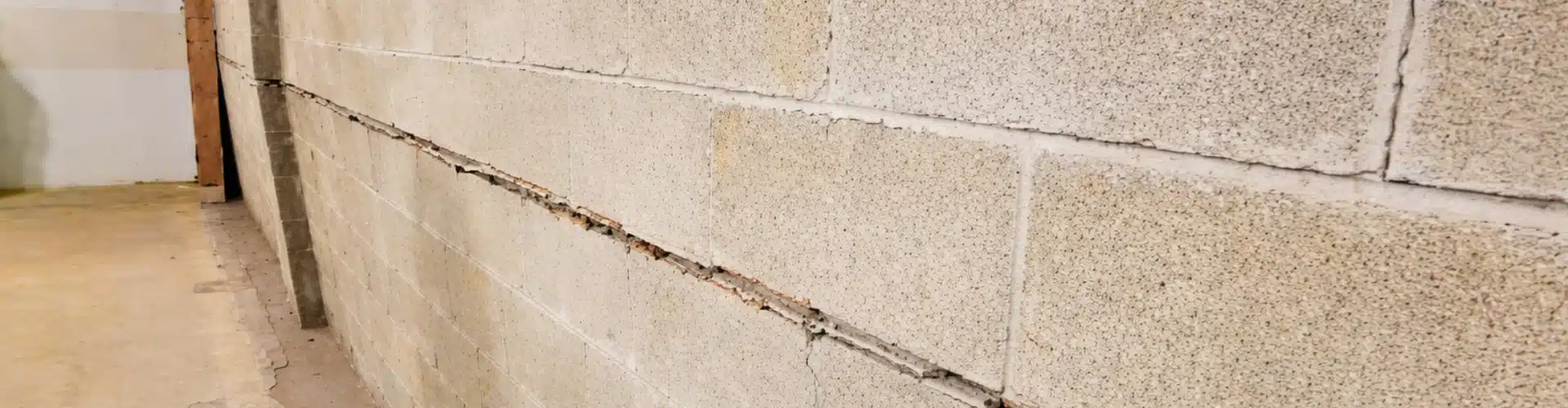
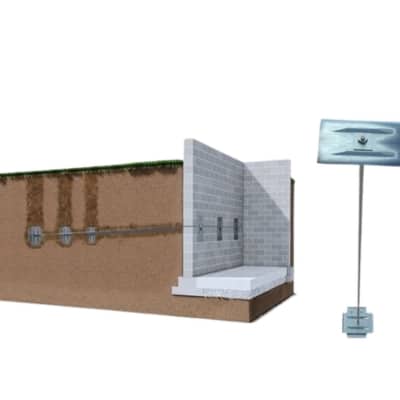
When horizontal drywall cracks appear alongside a bowing or leaning basement wall, the underlying cause is lateral soil pressure pushing against the foundation from outside. We install wall anchors to counteract that pressure directly, connecting the basement wall to a stable anchor plate buried in the soil several feet away.
Steel rods connect the wall to the anchor plates, allowing the system to apply steady pressure over time. This helps stabilize the wall and, in many cases, gradually improve its alignment. By stabilizing the wall itself, this repair helps prevent additional movement instead of only repairing the cracks that appear inside the home.
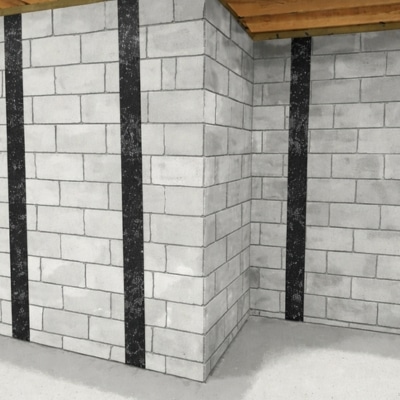
When a basement wall is beginning to bow inward but has not yet moved far enough to require anchoring back to exterior soil, we install carbon fiber straps to stop the movement before it progresses further. These straps are bonded directly to the wall surface and tied into the floor system above, holding the wall in place against ongoing lateral soil pressure.
Carbon fiber straps are a lower-profile solution than wall anchors and work best as an early intervention, preventing the bowing that eventually produces the horizontal cracks on drywall visible in the rooms above.
Drywall cracks that keep coming back or grow wider over time are telling you something is still moving beneath your home. LUX Foundation Solutions inspects foundations across Northern Virginia, the Shenandoah Valley, North Central Virginia, and West Virginia to identify the exact cause of cracking and recommend the right repair solutions.
Call us at 540-616-3900 or fill out our online form to schedule a free, on-site inspection. We will assess the crack patterns, check the foundation, and help you notice whether what you are seeing is cosmetic or structural before recommending the appropriate repair.
Some drywall cracks are normal. Hairline cracks along seams or corners caused by seasonal humidity changes or minor settling are common in most homes and rarely indicate a structural problem.
The cracks worth paying closer attention to are ones that get wider, come back after repairs, or appear alongside sticking doors or uneven floors. Those patterns suggest something is still moving beneath the surface, cosmetic or related to foundation settlement.
A crack needs closer attention if it gets wider over time, returns after you’ve patched it, or appears along with problems like doors that won’t latch properly or uneven floors. In Northern Virginia, where clay-heavy soil shifts significantly between wet and dry seasons, cracks that appear in spring or after heavy rainfall deserve a closer look.
Knowing when to worry about foundation cracks starts with monitoring whether the crack grows, repeats, or comes with other symptoms like sticking doors or uneven floors.
Some drywall cracking after foundation repair is normal and doesn’t always mean something is wrong. When a foundation is lifted or stabilized, the structure above adjusts to its new position. As the house adjusts, existing cracks may change slightly, and small hairline cracks can develop along drywall seams.
These post-repair cracks are usually cosmetic and stabilize within a few weeks. Cracks that continue to grow or reappear months after the repair is complete may indicate the underlying movement was not fully resolved and deserve a follow-up evaluation.
Cosmetic cracks caused by seasonal expansion tend to stay stable. Cracks caused by ongoing foundation movement often get wider over time, spread to nearby areas, or return after patching until the foundation problem is repaired.
The best way to tell the difference is to mark the ends of a crack with a pencil and date it, then check it again in 30 to 60 days. Any growth during that window warrants a professional structural evaluation.
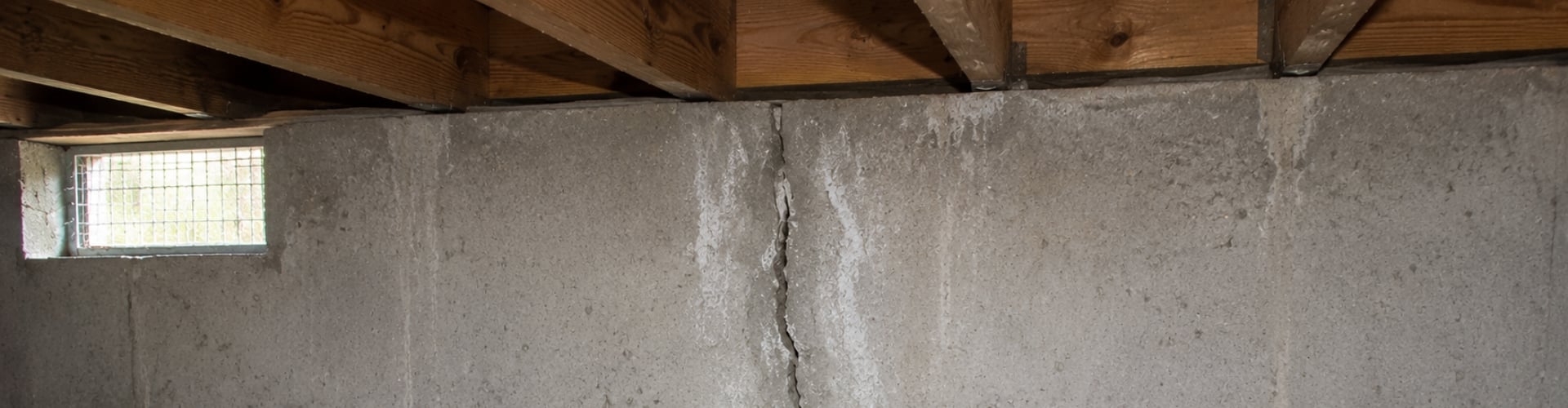
Horizontal cracks indicate lateral soil pressure acting on the foundation wall. Vertical cracks near doors and windows usually point to differential settlement beneath that section of the foundation.
Horizontal cracks are the more serious of the two because they indicate the wall itself is being pushed inward, which can lead to bowing over time. Vertical cracks are more common and often reflect normal stress concentration at wall openings. Both become a concern when they widen, return after patching, or appear alongside sticking doors or uneven floors.
Hairline cracks are usually cosmetic. Small, thin cracks that appear along seams or in corners and stay the same size over time are common in most homes, especially during temperature and humidity swings. They may also become more visible as paint ages or expands and contracts.
The situation changes when a hairline crack begins to widen, reappears after being repaired, or develops alongside uneven floors or doors that stick. When that happens, the crack may be a sign of foundation movement instead of normal settling.
The most common types of drywall cracks include hairline, vertical, horizontal, diagonal, and stair-step cracks.
The type, size, and pattern of the crack help determine whether the issue is cosmetic or related to foundation movement.
Thank you! Your form has been successfully submitted. You may receive service-related text messages from Lux Foundation Solutions, including appointment updates, reminders, and one-time verification codes if needed. Message frequency may vary. Msg & data rates may apply. Reply HELP for help. Reply STOP to opt out.
Examples of messages you may receive:
• Lux Foundation Solutions: Your appointment has been scheduled. You will receive service-related updates as needed.
• Lux Foundation Solutions: Reminder — your scheduled service is approaching. Reply STOP to opt out.
• Lux Foundation Solutions: Your verification code is 739214. This code expires in 10 minutes.