Written By Bridget Stieb, Director of Marketing at LUX Foundation Solutions • Reviewed by LUX’s foundation repair specialists serving Northern Virginia & Florida
If your yard stays soggy after every rain or water keeps creeping toward your foundation, you may not realize there is a simple fix most homeowners never hear about.
A French drain is an underground system that redirects water away from your home before it causes damage, and the benefits of a French drain go far beyond a drier lawn. Done right, this simple trench-and-pipe system protects your home’s foundation, prevents soil erosion, and manages water before it causes costly repairs.
Here is what a French drain actually does for your property, and how to know if it is the right fix for your water problem.
Key Takeaways
- The benefits of a French drain go beyond a dry yard. It intercepts groundwater below the surface, something regrading and gutters alone cannot do.
- The biggest benefits include foundation protection, relief from hydrostatic pressure, and mold prevention, all from keeping water away from your home.
- A properly installed French drain lasts 20 to 30 years with minimal maintenance, and costs vary depending on trench length, depth, and soil conditions.
- It is not a fix for every situation. Severe foundation issues or slope-bottom properties may need it paired with other solutions, which is one of the real pros and cons worth knowing before installing one.
Why French Drain?
Most yard drainage problems happen because water has nowhere to go. Rain hits the ground, soaks in until the soil is full, and then sits on the surface or pools against your foundation.
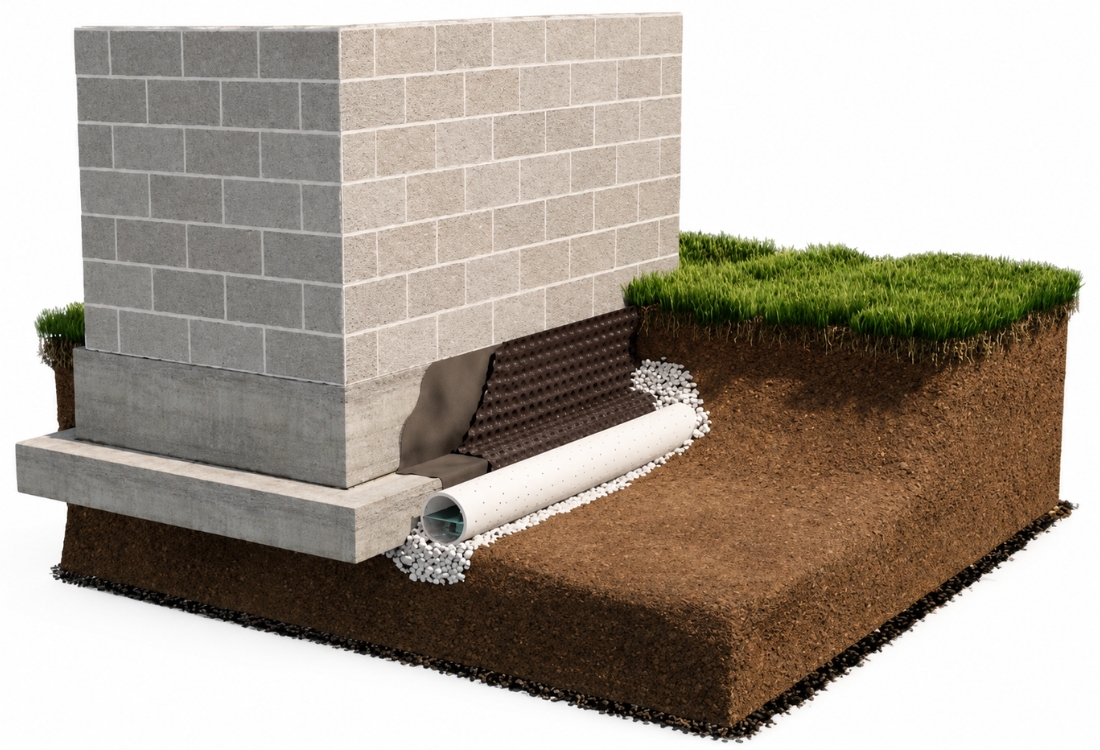
A French drain solves a problem that most other fixes cannot: a buried perforated pipe that intercepts moisture below ground and prevents water damage before it reaches your home. Gutters and grading help with surface runoff, but once soil becomes saturated, a French drain intercepts water below ground and carries it away before it reaches your home.
For a full breakdown of how French drains are installed, see our guide to landscape French drain installation.
9 Benefits of a French Drain System
A French drain does more than dry out a soggy yard. Once installed, it protects your home and property in ways that compound over time, often preventing problems you have not even noticed yet. Here are the nine French drain benefits homeowners get.
1. Eliminating Standing Water and Yard Drainage Problems
Standing water in your house yard is more than an eyesore. It creates ideal conditions for mosquitoes, can damage your lawn and landscaping, and may indicate that moisture is building up in the soil around your home. In many parts of the country, extended standing water kills lawn grass within 24 to 48 hours because it starves roots of oxygen.
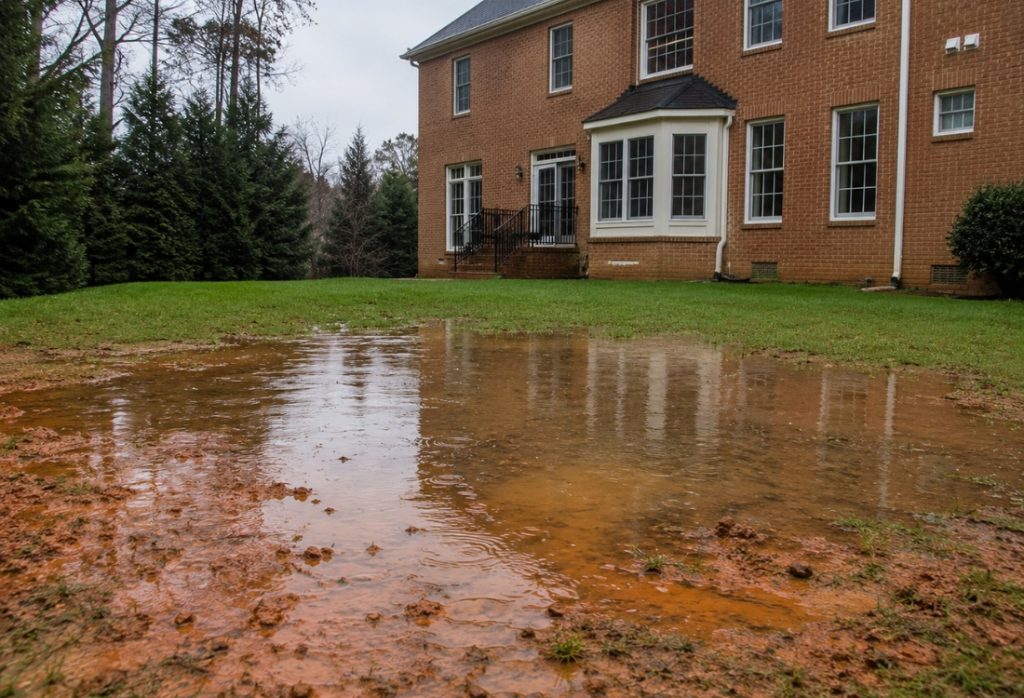
A French drain installed across a low-lying yard area or along a slope can redirect significant volumes of water during a single rain event. For many homeowners with flat yards, the improvement is noticeable after the first heavy rain. Instead of water pooling for days after rainfall, the yard drains within hours.
Beyond the lawn, standing water damages:
- Driveways and concrete pathways through freeze-thaw expansion.
- Landscaping beds by drowning root systems.
- Wooden deck and fence posts through prolonged ground contact.
- Outdoor sheds and storage structures.
Northern Virginia’s clay-heavy soil makes this problem worse than in regions with sandier ground, since clay drains slowly and holds water against the surface long after a storm passes. A French drain addresses that underlying issue directly instead of waiting for the water to evaporate on its own.
2. Reducing Soil Erosion
When heavy rain flows across your yard instead of soaking into the ground, it can wash away topsoil and slowly erode the soil around walkways, patios, and your foundation.
In Northern Virginia, clay-heavy soil can make the problem worse because water tends to run across the surface instead of soaking into the ground. As a result, heavy rain often follows the same paths across the yard, washing away soil and accelerating erosion on slopes and low-lying areas.
The signs are usually gradual and include bare patches where grass will not grow back, small channels forming after storms, or exposed roots at the base of trees. A French drain collects and redirects excess water before it can erode the soil, helping keep your yard stable and reducing further erosion.
3. Protecting Your Home’s Foundation
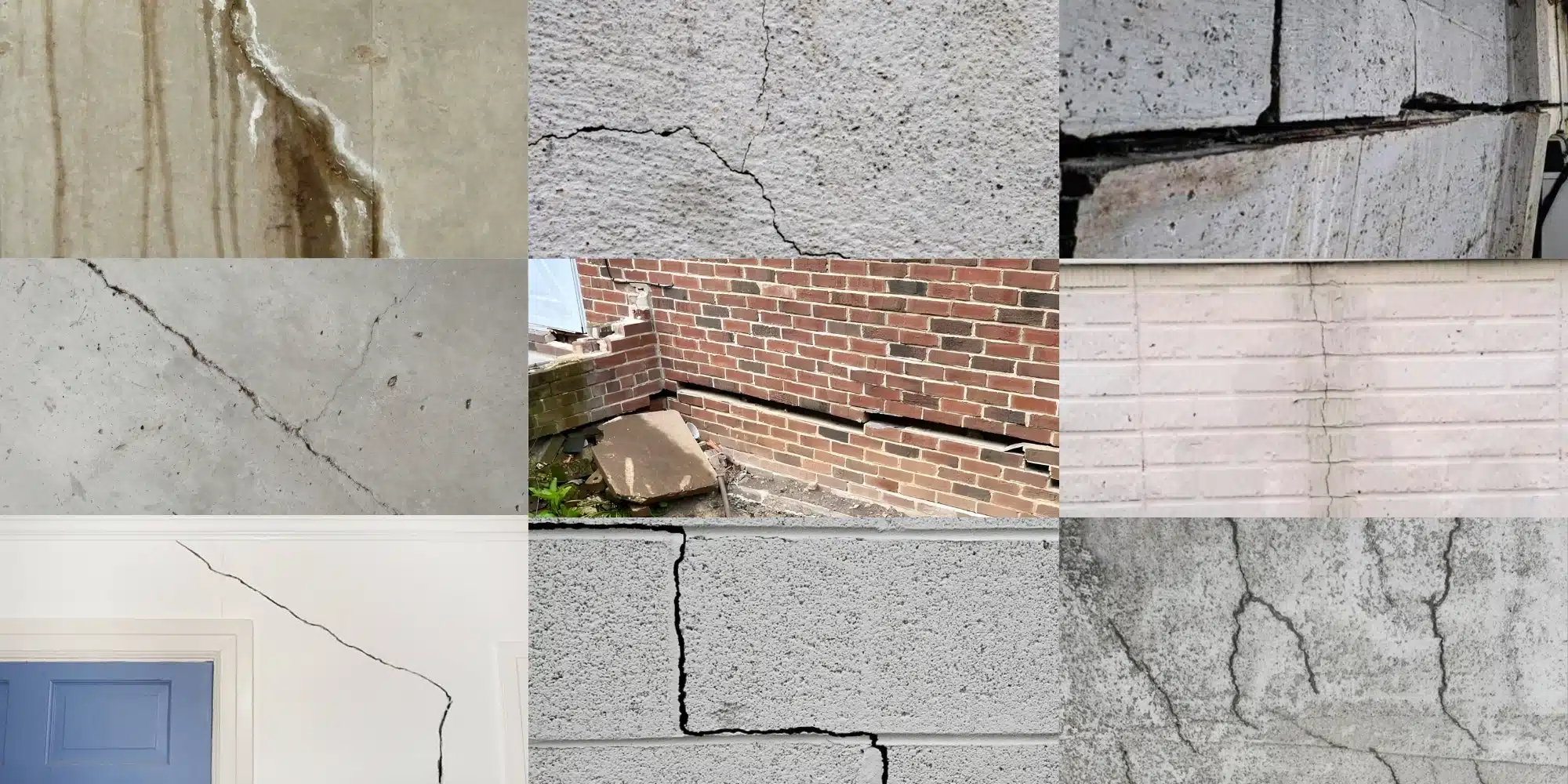
Excess water that collects around your foundation does not just sit there harmlessly. It weakens and shifts the soil supporting your home. In clay-heavy regions like Northern Virginia, that soil swells when saturated and contracts as it dries. That repeated swelling and contracting puts constant stress on foundation walls, eventually leading to cracks, settling, or worse.
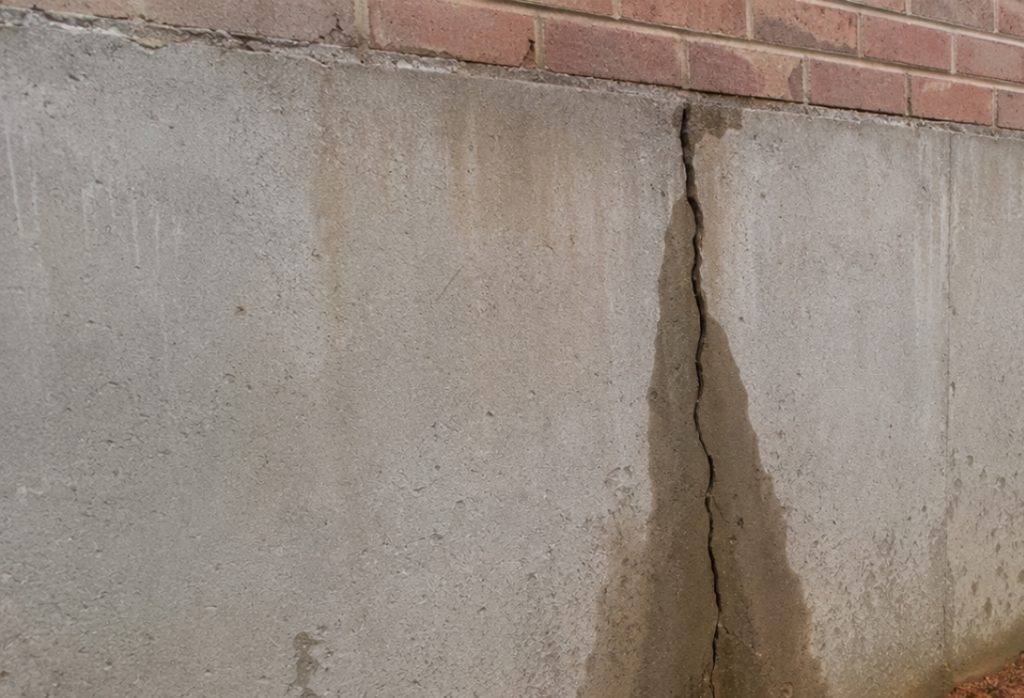
A French drain installed along the foundation perimeter intercepts that water before it has a chance to saturate the soil close to your home. Instead of clay soil swelling against your foundation walls every time it rains, the water is carried away before it builds up.
If the problem isn’t addressed, foundation damage usually develops gradually instead of all at once. It shows up as small cracks that get bigger over time, doors and windows that stick, or floors that start to slope. A French drain helps redirect water away from the foundation, reducing the soil movement that can lead to these problems.
4. Helping Prevent Mold and Mildew Indoors
Mold and mildew need three things to grow which are moisture, a food source, and time. Basements and crawl spaces provide all three by default, since they sit close to the ground and often lack ventilation.
When water keeps collecting around your foundation or beneath your home, moisture can seep into the basement walls and the framing in your crawl space. Mold does not need a flood to take hold; sustained dampness over a few weeks is often enough.
Left unchecked, mold growth can trigger allergy and respiratory symptoms and require costly remediation once it spreads. A French drain reduces this risk at the source by keeping groundwater away from your foundation, preventing basement flooding.
5. Relieving Hydrostatic Pressure
This is the benefit most homeowners have never heard of, even though it is often the real cause behind a bowing or leaking basement wall. When the soil surrounding your foundation absorbs excess water, it creates hydrostatic pressure, water physically pushing against basement walls from the outside, sometimes hard enough to bend concrete blocks over time.
Left unaddressed, hydrostatic pressure is a common cause of:
- Basement wall cracking
- Bowing or leaning basement walls
- Water seeping through foundation joints during heavy rain
- White, chalky efflorescence staining on concrete walls
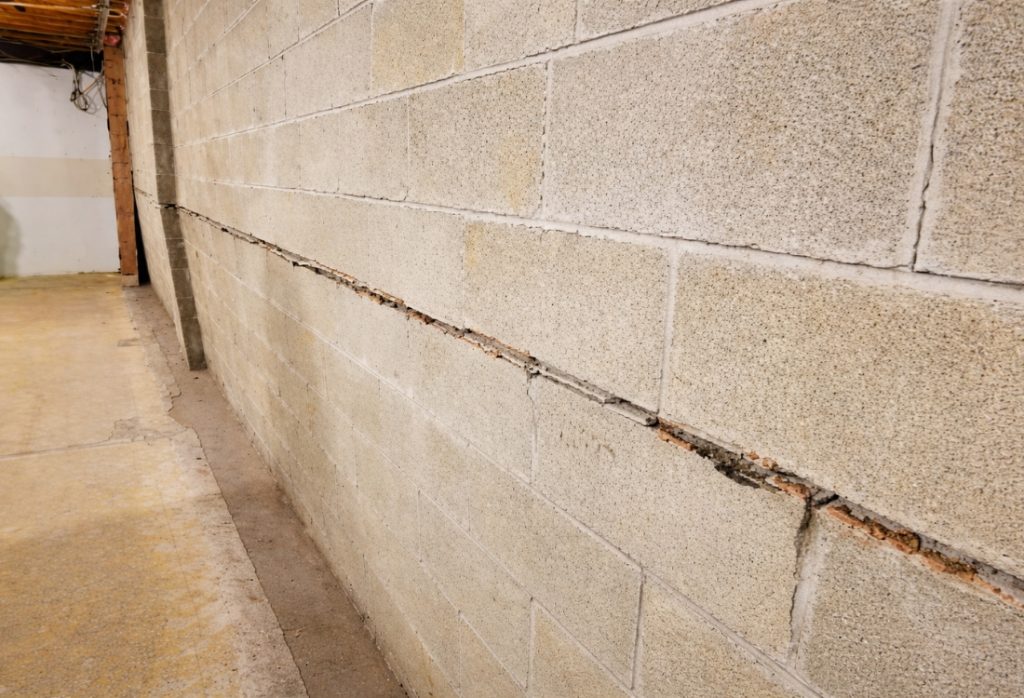
Regrading the yard alone will not fix this, because the problem is happening below the surface. A French drain installed at the correct depth pulls that groundwater away before pressure has a chance to build against the wall, which is why it is often paired with other foundation repair solutions rather than used as a stand-alone fix.
6. Long-Lasting With Minimal Maintenance
A properly installed French drain can last 20 to 30 years with very little attention. Most homeowners only need to:
- Check the outlet point once or twice a year
- Clear leaves and debris from catch basins
- Inspect for settling after major storms
- Check the pipe for clogged sediment or root intrusion.
Compared to the repeated cost of regrading a yard, replacing dead landscaping, or patching erosion damage, a French drain is one of the few drainage fixes that pays for itself by simply continuing to work in the background.
7. Blending Naturally Into the Landscape
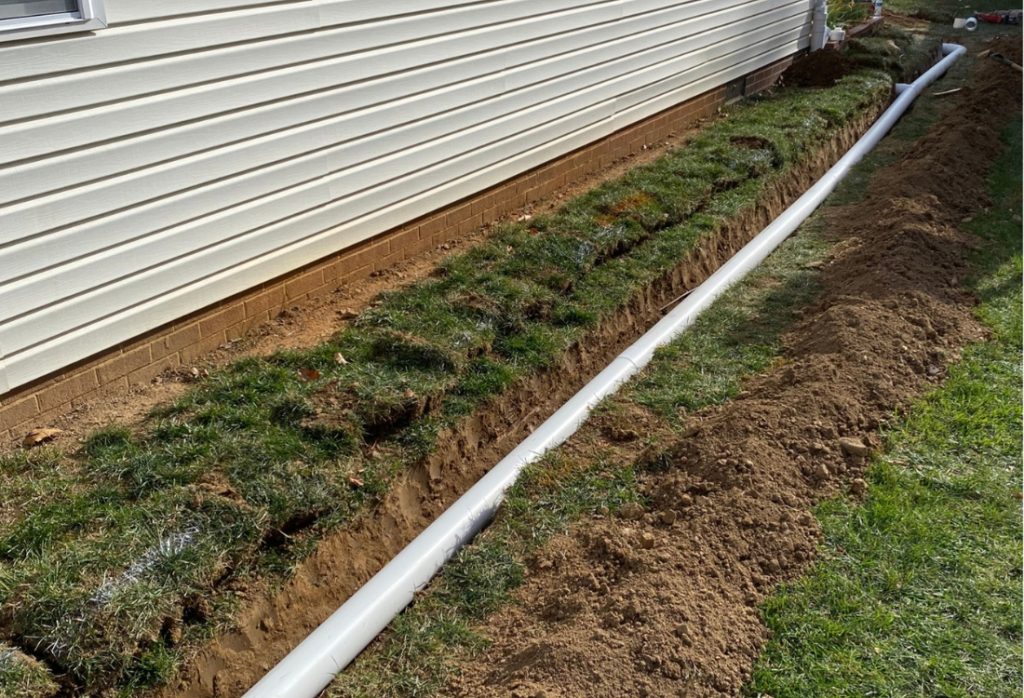
A common hesitation homeowners have before installing a French drain is the image of an ugly trench cutting through their yard. In reality, because the system works underground, the surface can be finished with gravel, decorative stone, sod, or even plantings, making the result just as aesthetically pleasing as it was before installation.
Once a French drain is installed, it works quietly in the background, directing water away from your yard during heavy rain without requiring much maintenance.
8. Increasing Property Value at Resale
A documented drainage system is something a homeowner can point to during a home inspection, not something they have to explain away. Buyers are wary of basements with water stains or yards that water accumulate after rain, and those issues frequently come up during negotiations, sometimes costing sellers in price reductions or repair credits.
Installing a French drain before selling your home, or keeping records showing it has been properly maintained, can help address drainage concerns before buyers raise questions.
9. Quick, Low-Disruption Installation
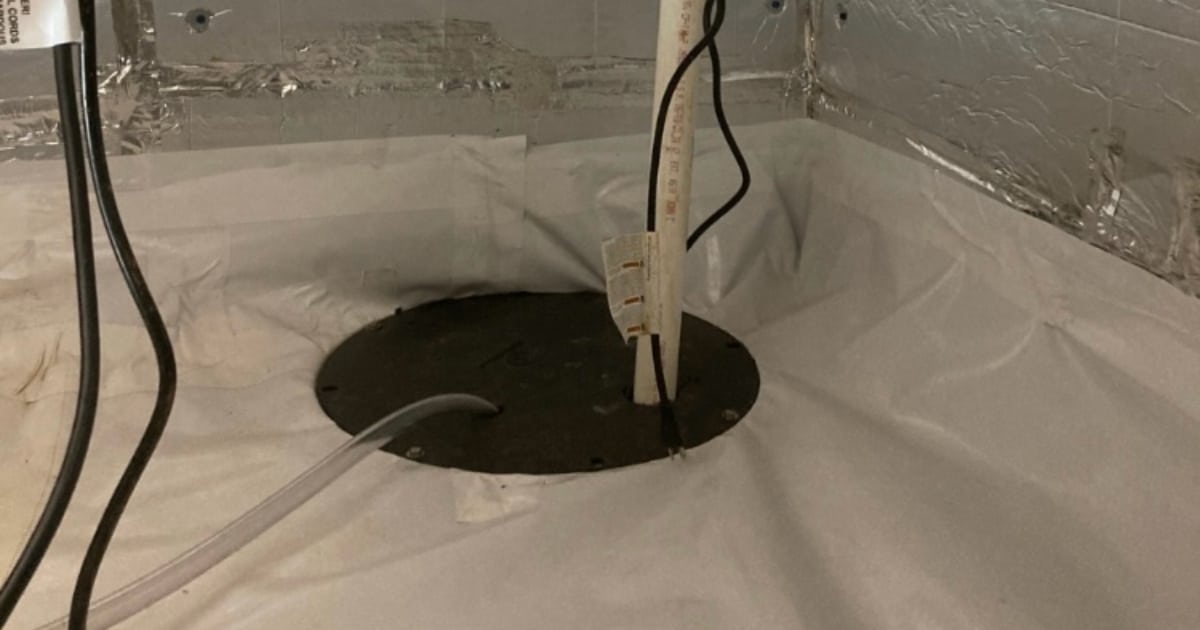
Compared to larger drainage projects like sump pump systems or full yard regrading, a French drain is one of the fastest fixes available. Professional installation typically takes one to a few days, depending on the length of the trench, the area covered, and the distance to the chosen drainage point.
For homeowners dealing with an active drainage problem, that speed matters. A French drain can go from initial assessment to a finished, working system in a fraction of the time many other water management solutions require.
Protect Your Property Before the Next Storm
A French drain provides a long-term solution for managing water problems that grading alone may not fully resolve. It protects your property’s foundation against soil and hydrostatic pressure while preventing mold and erosion, with benefits that compound over time.
If you have noticed standing water, a damp basement, or erosion that keeps returning, the cause is likely happening below the surface, exactly where a French drain works. Let a professional take care of it for you.
LUX Foundation Solutions has over 50 years of combined experience providing basement waterproofing services across Northern Virginia, Shenandoah Valley, North Central Virginia, and West Virginia. Contact our team at 540-508-8587 for a free assessment.
ABOUT THE AUTHOR

Frequently Asked Questions
Do I need a French drain, or will regrading my yard fix the problem?
Regrading can help with surface water that runs off the top of your yard, but it does nothing for water that is already in the saturated soil below. If you are seeing standing water that lingers for days, a basement wall that bows or leaks, or erosion that keeps coming back no matter how many times you regrade, the problem is happening below the surface, where only a French drain can intercept it.
How much does a French drain cost?
Cost depends on the length of the drain, the depth required, soil conditions, and whether the work is done by hand or machine. A short, shallow yard drain costs far less than a deep foundation perimeter drain tied into a sump pump system. To get an accurate estimate for your property, schedule a free evaluation for your drainage needs.
How long does a French drain last?
A properly installed French drain can last 20 to 30 years with minimal maintenance. How long a French drain lasts depends on how well it is installed. If it’s placed at the wrong depth or built without the proper gravel and filter fabric, it is more likely to clog or fail sooner.
What are the pros and cons of a French drain?
The biggest advantage is that a French drain solves drainage problems that other fixes cannot, since it intercepts water below ground rather than just managing surface runoff. The main limitation is that it addresses water, not every cause of a wet basement. If the underlying issue is a cracked foundation or severe hydrostatic pressure, a French drain works best paired with other repairs rather than used alone.
Will a French drain work in clay soil?
Yes, a French drain can work in clay soil, but the design requires adjustments, including larger aggregate, wider trench dimensions, and quality filter fabric.
An improperly sized system in clay soil can become saturated and fail to drain adequately. An improperly sized system in clay can become saturated and fail to drain adequately. Experienced contractors in clay-soil regions adjust specifications to compensate for this and may combine French drains with sump systems for comprehensive coverage.
How effective are French drains?
When installed correctly, a French drain can move both groundwater and surface water away from your property, even during heavy rainfall.
Effectiveness depends on the right slope, depth, and materials for your specific soil and drainage needs, which is why a system designed for your property tends to outperform a generic, one size fits all installation.