Written By Bridget Stieb, Director of Marketing at LUX Foundation Solutions • Reviewed by LUX’s foundation repair specialists serving Northern Virginia & Florida
Standing water around your house is not something to wait out. It is a warning sign that your home is under sustained water pressure, and the longer it sits, the more damage it does.
Most homeowners notice puddles after heavy rain and assume they will drain on their own. Sometimes they do. But when water pooling around your house becomes a pattern that appears after moderate rain, lingers for days, it signals a drainage problem that will only get worse over time.
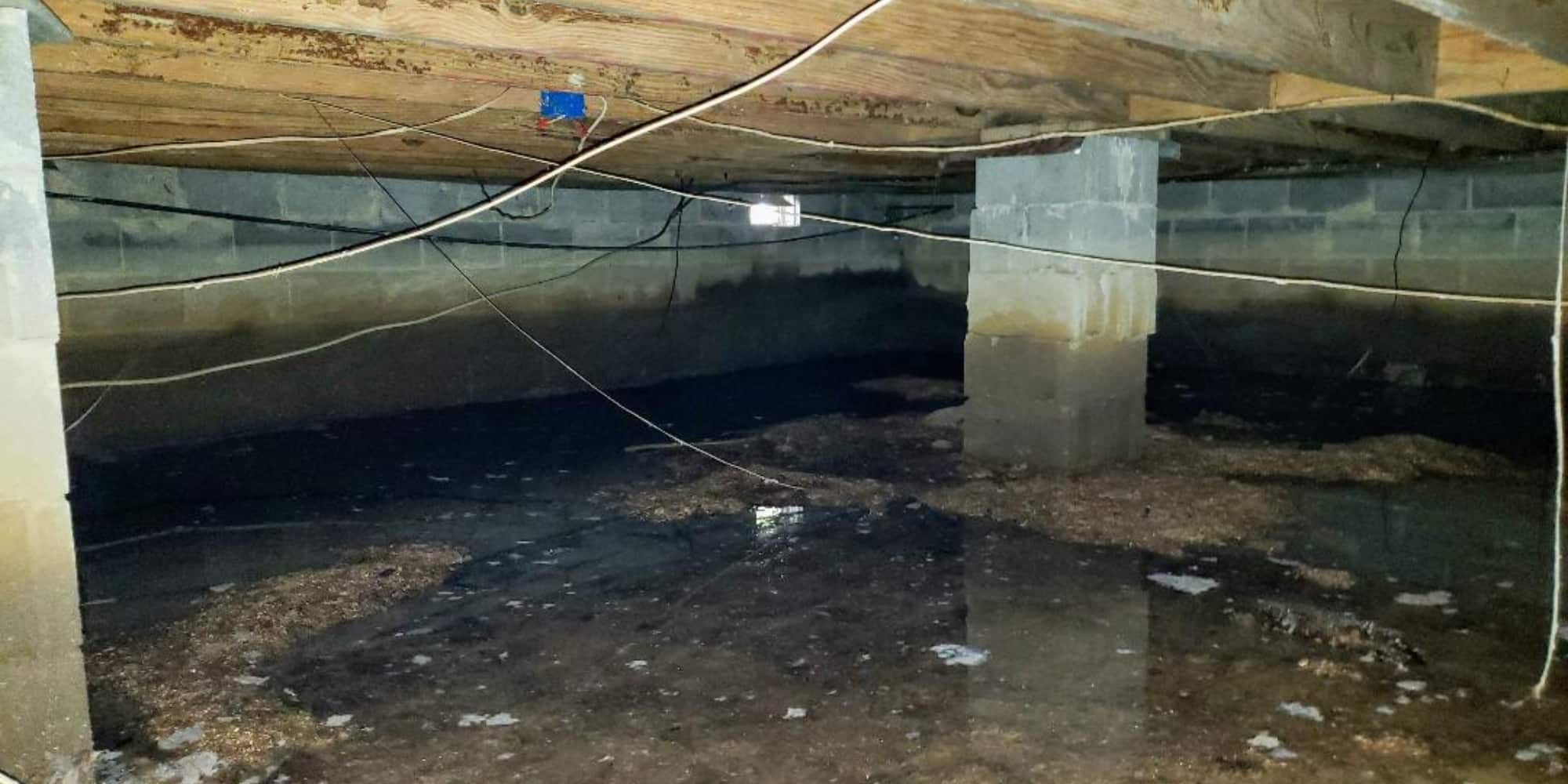
Left unaddressed, standing water around house foundations can damage structural supports, create damp conditions for mold growth, and lead to basement flooding and crawl space damage that can be costly to repair. This guide covers what causes standing water around your house, what it can damage if left unchecked, and how to fix it.
Why Is There Standing Water Around Your House Foundation?
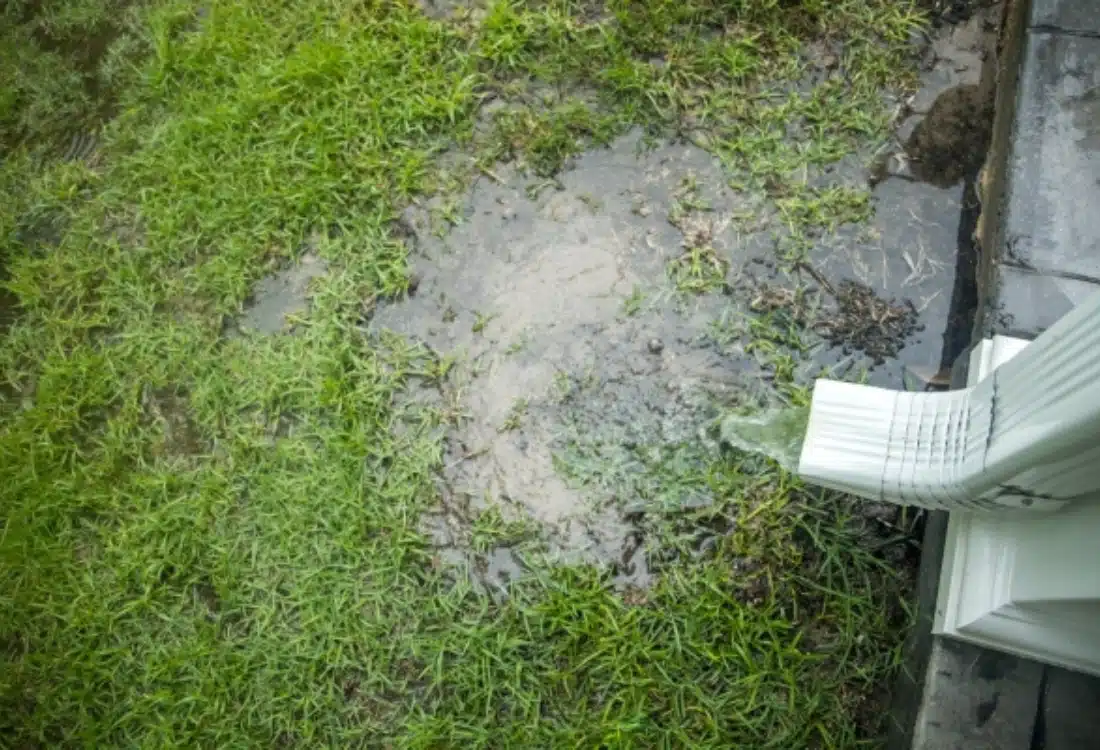
Stagnant water does not just appear randomly. There is always a cause, and identifying it correctly is the first step to fixing it. Here are the seven most common reasons Northern Virginia homes have standing water around the house.
1. Poor Yard Grading and Slope
The ground around your home should be graded to slope far from the foundation by at least 6 inches for every 10 feet. This gives rainwater a clear path away from your home. In Northern Virginia, clay soils shed water rather than absorbing it, so poor grading is one of the most consistent drivers of standing water.
If the yard slopes toward the house, or when the soil under your lawn, plants, and landscaping has settled, water ends up flowing back toward the foundation.
2. Clogged or Misdirected Gutters and Downspouts
Your gutter and downspout control where hundreds of gallons of roof runoff land after every storm. When they are clogged with debris or the downspouts are too short, all of that water pools directly next to your foundation base with nowhere to go. It saturates the soil and creates standing water that takes days to drain.
3. Clay-Heavy Soil
Not all soil drains equally. Clay-heavy soil, common across Northern Virginia, absorbs water slowly and holds it for extended periods. Once the soil around your foundation becomes saturated, it can no longer absorb water, so water starts to collect on the surface instead.
If puddles around your home take days to absorb after moderate rain, clay soil is likely a factor. A rain garden planted in a low-lying area can help absorb excess water before it reaches the foundation.
4. Foundation Cracks and Gaps
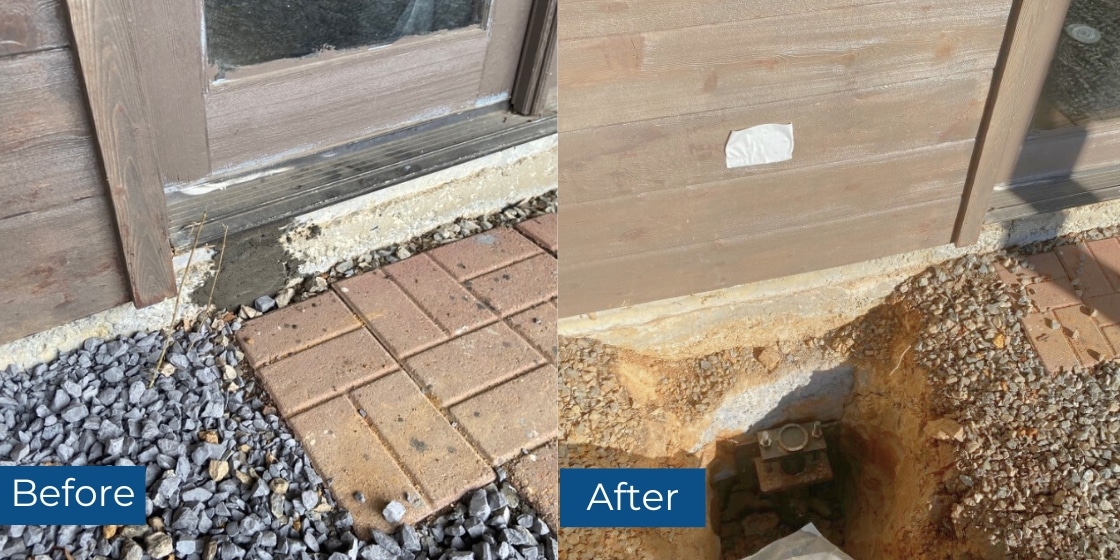
As a home settles, small cracks can form in the foundation, and water will seep through every opening. Even hairline cracks can let moisture seep into crawl spaces and basements.
Gaps around pipe penetrations, window wells, and the sill plate are also common entry points. These are often invisible from above but allow significant water intrusion that pools beneath your home over time.
5. High Water Table
Sometimes the problem is not coming from the sky, but from below. If your home is built in a low-lying area or near a body of water, the water table might be very high. When the ground becomes fully saturated from heavy rain, the water table rises. This can cause groundwater to seep up through your basement floor or pool in the lowest spots of your yard.
6. Leaking or Burst Pipes
Underground pipe leaks are another source of standing water. A slow leak can gradually saturate the soil, leading to moisture around the foundation. A burst pipe creates visible pooling almost immediately.
If water keeps collecting in one area without rainfall, or your water bill has gone up unexpectedly, it’s worth looking into a possible subsurface leak before it affects your foundation.
7. Failed or Absent Drainage Systems
Many homes rely on drainage systems to manage surface water and groundwater runoff. When these systems fail, get clogged with sediment, roots, or debris, or are never installed in the first place, excess water has nowhere to go. It collects in the lowest areas, which are often right next to the foundation.
The Dangers of Ignoring Standing Water Around the House
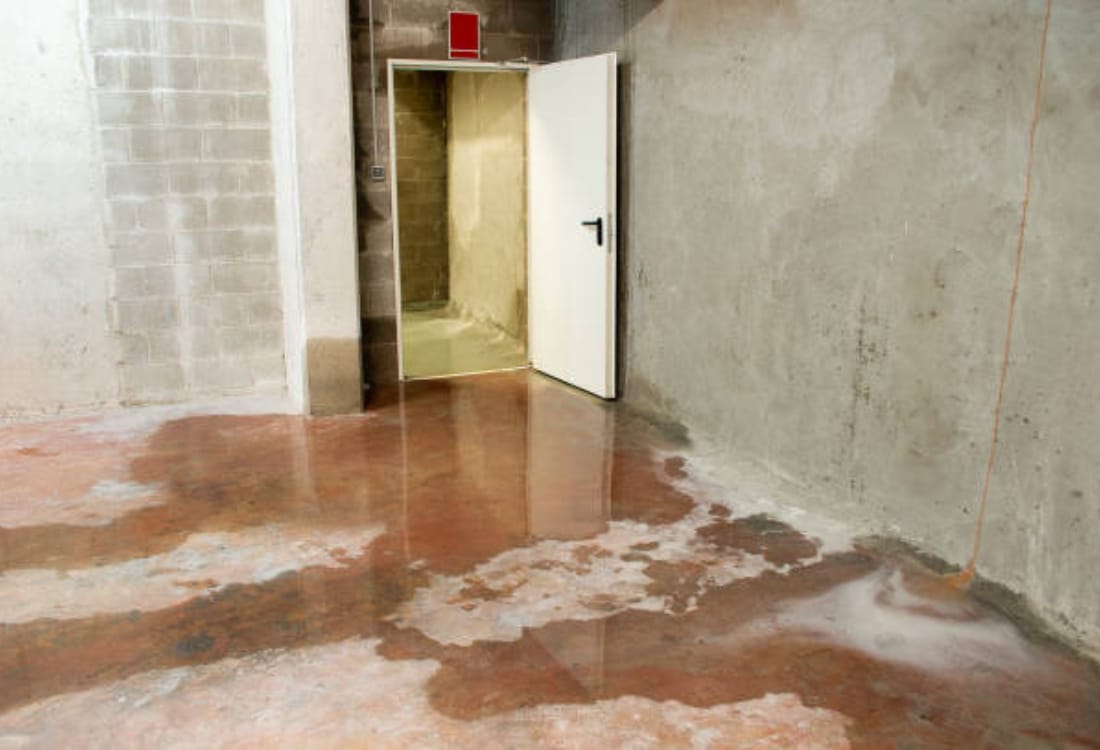
Many people ignore a small puddle because they do not see immediate damage inside the house. That is a mistake. The damage starts long before you see a wet spot on your basement floor or stagnant water against your foundation, which is often the silent cause.
Here are the real dangers of standing water that most homeowners do not see until it is too late.
Foundation Damage
Pooling water around the foundation exerts hydrostatic pressure against foundation walls. In Northern Virginia, where clay soils expand when wet and contract when dry, the foundation is already under significant seasonal stress.
Standing water adds even more stress, accelerating settlement, cracking, bowing, and structural movement around your home’s foundation. Without proper drainage to prevent erosion, that damage becomes increasingly expensive to repair the longer it goes unaddressed.
Health Risks
Standing water is a health hazard. It is the primary breeding ground for mosquitoes, which can carry diseases. More importantly, it leads to mold. You might think the mold stays outside, but that is rarely the case. 24 to 48 hours of dampness on the exterior wall creates a “vapor drive” that pushes moisture into your basement or crawl space.
According to CDC mold health guidelines, mold exposure causes respiratory issues, allergic reactions, and other health effects in children, the elderly, and those with existing respiratory conditions. What starts as a drainage problem outside can become a health problem inside.
Pest Infestations
Damp soil and stagnant water around the foundation attract termites, carpenter ants, rodents, and other pests that thrive in moist environments. Termites, in particular, are drawn to wet wood and soggy soil. A foundation perimeter with persistent standing water is an ideal entry point.
Northern Virginia has active termite populations year-round, and a wet foundation perimeter significantly increases the risk of infestation.
Wood Rot and Structural Damage
Standing water under the house saturates the wood floor joists, sill plates, and support beams that hold up the floor system above. Once wood begins absorbing moisture consistently, it softens, weakens, and eventually rots. By the time you notice soft or bouncy floors, sagging, or visible rot, the deterioration has typically been underway for more than one season.
How to Fix Standing Water Around Your House
The right solution depends on what is causing the water to pool. In most Northern Virginia homes, standing water problems require more than one fix because water is entering from multiple directions simultaneously.
Here are the five most effective solutions for standing water around a house.
| Solution | Best for | What it does |
| Yard regrading | Flat or inward-sloping ground around foundation | Creates proper slope so water flows away from the house |
| Gutter and downspout correction | Overflowing gutters or short downspouts | Directs roof runoff away from the foundation |
| French drain | Persistent pooling from subsurface water or heavy rainfall | Intercepts and redirects water before it reaches the foundation |
| Sump pump | Water already entering basement or crawl space | Actively removes water that enters and discharges it away from the home |
| Basement waterproofing | Recurring water intrusion through foundation walls or floor | Seals the foundation from the inside and manages water with interior drainage |
1. Yard Regrading
If water keeps pooling around your home after every rain, the ground may be sloping toward your foundation instead of away from it. Regrading reshapes the yard so water flows in the right direction.
A proper grade drops by at least 6 inches for every 10 feet from your foundation. For many homeowners, regrading alone is enough to prevent standing water entirely, or it is combined with other drainage solutions for more persistent problems.
2. Gutter and Downspout Extension
Your gutters and downspouts control where hundreds of gallons of roof runoff land after every storm. When they are clogged with debris or the downspouts are too short, all of that water lands directly next to your foundation. Keeping gutters clean and extending downspouts at least 5 to 6 feet from the house is one of the simplest and most affordable ways to prevent standing water around the home.
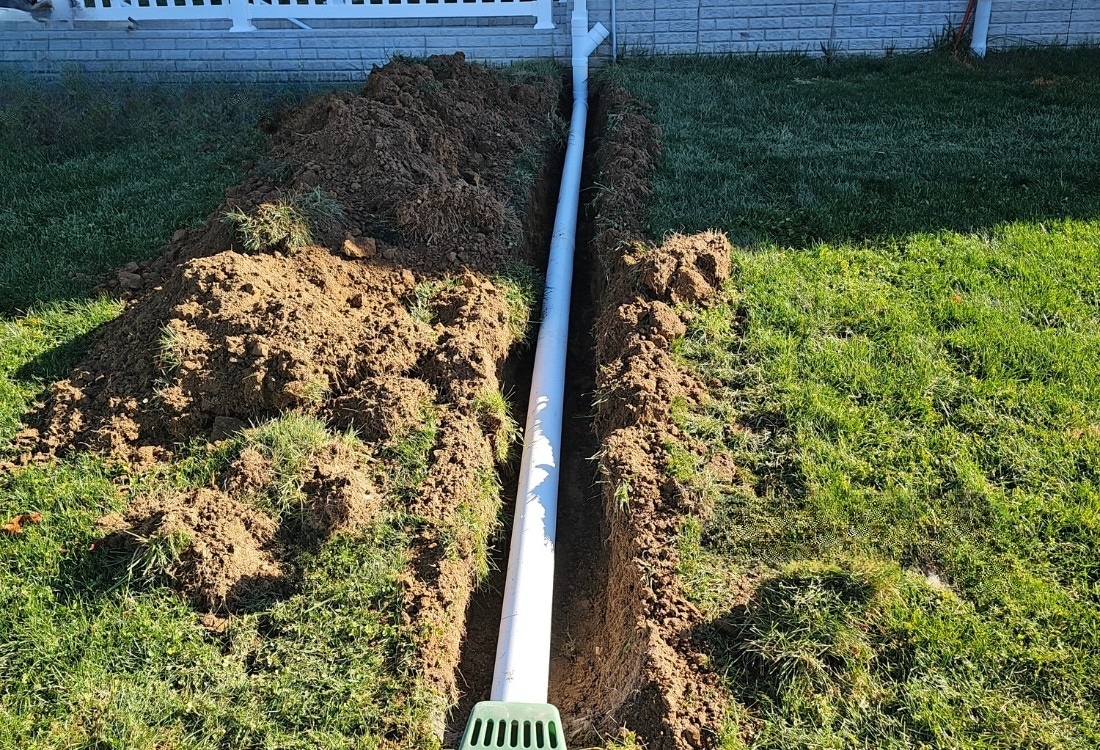
3. French Drain Installation
If water keeps pooling in the same spot after light rain, after heavy rain, or even on dry days, it may be coming from underground or migrating from a neighboring property.
A French drain intercepts that water before it reaches your foundation and channels it to a safe discharge point, such as a dry well or storm drain, before it reaches your foundation. For persistent standing water in Northern Virginia’s clay-heavy soil, it is often the most durable long-term fix.
4. Sump Pump Installation
If water is already entering your basement, a sump pump removes it before it causes damage. Installed at the lowest point of the space, it activates automatically when water reaches a set level and pushes it out through a discharge line away from the home.
Modern units include battery backup that keeps the pump running during power outages, exactly when heavy storms create the most water infiltration.
5. Basement Waterproofing
When water consistently penetrates through your foundation walls or floor, waterproofing stops it at the source. Interior waterproofing systems work by installing drainage channels along the basement perimeter that collect water as it enters and route it to a sump pump before it spreads across the floor. Exterior waterproofing systems apply a waterproof membrane directly to the outside of the foundation wall.
If your home has chronic standing water problems and evidence of foundation wall cracking or water staining, professional basement waterproofing provides the most comprehensive protection to keep the space permanently dry.
When Should You Call a Professional About Standing Water Around Your House?
As soon as you notice it. Standing water around the foundation is not a problem that resolves on its own. Call a professional if you are seeing any of the following:
- Standing water that remains pooled against the foundation for more than 24 hours after rain.
- Water entering the basement or crawl space after rain events.
- Cracks in foundation walls, especially horizontal or stair-step cracks.
- Bowing or leaning basement walls.
- Musty odors in the basement, crawl space, or ground floor living areas.
- Soft, bouncy, or uneven floors above the crawl space.
- Doors or windows that have recently begun sticking or no longer close properly.
In our experience inspecting Northern Virginia homes, most homeowners wait too long. By the time water accumulation has caused visible damage inside the home, the repair cost is significantly higher than it would have been at the first sign of pooling.
One Front Royal, VA homeowner discovered this firsthand, persistent water stains had already appeared on his basement walls, and a musty odor had settled in before he called experts, all because there was no drainage system in place to catch it early. See how LUX resolved it: How an Interior Basement Drainage System Solved Water Issues in Front Royal, VA.
Protect Your Home From Standing Water Damage — Get a Free Assessment
Standing water around your house will not fix itself. The longer it sits against your foundation, the more damage it causes and the more expensive the repair becomes.
Fixing the source of the water and restoring proper drainage is always more important than just filling in the hole. Check everything around your house after the next rain. Take even one small action today. If the problem feels too big to handle on your own, the team at LUX Foundation Solutions is here to help you find a permanent fix.
We have inspected and repaired basement drainage problems across Northern Virginia, the Shenandoah Valley, North Central Virginia, and West Virginia. Our team will evaluate your drainage conditions, identify the source of the standing water, and provide a repair plan tailored to your home.
Call 540-616-3900 fill out our online form to schedule your free assessment today.
ABOUT THE AUTHOR

FAQ’s
Is standing water around a house dangerous?
Yes, and it does not need to be a flood to cause real harm. Water that sits against your foundation walls builds hydrostatic pressure, a slow, sustained force that causes cracking, bowing, and over time, structural failure.
Over time, this pressure causes cracks, bowed walls, and in severe cases, structural failure. The damage is cumulative; each wet season adds more stress to a foundation that is already under pressure.
How long can standing water stay around my house before it’s a problem?
Water should drain away or soak into the ground within 24 to 48 hours. If it stays longer than that, you are looking at a breeding ground for mosquitoes and potential damage to your foundation.
How do I get rid of standing water around my house?
The fix depends on the cause.
– For grading problems, regrading the yard to slope away from the foundation is the primary solution.
– For gutter issues, cleaning gutters and extending downspouts is the first step.
– For persistent subsurface water, a French drain intercepts and redirects water before it reaches the foundation.
– For water already entering the home, a sump pump and basement waterproofing system provide the most comprehensive protection.
Can standing water damage my foundation?
Yes, water pooling around a foundation exerts hydrostatic pressure against foundation walls. Over time, this pressure causes cracks, bowed walls, and in severe cases, structural failure. The damage is cumulative; each wet season adds more stress to a foundation that is already under pressure.
Foundation damage caused by standing water is one of the most expensive home repairs, which is why addressing drainage problems early is significantly more cost-effective than waiting.
Will standing water around my house affect its resale value?
Yes, it definitely will. In Northern Virginia, you are often required to disclose known drainage or foundation issues to buyers. Most home inspectors will flag standing water as a major concern, which could lead to lower offers or a failed sale.