Found a crack in your foundation, or a quote that feels too high? Either way, the first question is usually the same: What is this going to cost?
Foundation repair costs in Virginia come down to three factors: the type of problem, how far it has progressed, and the required repair method. A narrow crack that needs sealing usually costs far less than a bowing wall or a sinking corner. Soil conditions, access to the work area, and local permits can further affect the price.
Below, you will see which problems cost more and why, what a clear estimate should list, and what to ask before you sign.
What Is the Average Cost of Foundation Repair in Virginia?
There is no single honest average foundation repair cost because the jobs behind it vary so much. Sealing one crack and supporting a sinking corner are not the same project, yet online averages and foundation repair cost calculators blend them together.
A better way to get your bearings is to start with what you see in your home. The table matches common signs to the repairs they often lead to and shows how that repair compares in cost with the others. Find the row that best matches your situation. An evaluation will confirm what is actually happening.
| What you notice | Repair it often leads to | Relative cost | What can raise it |
|---|---|---|---|
| A narrow crack that has not grown | Crack sealing or injection | Lower | Crack length and any leaking |
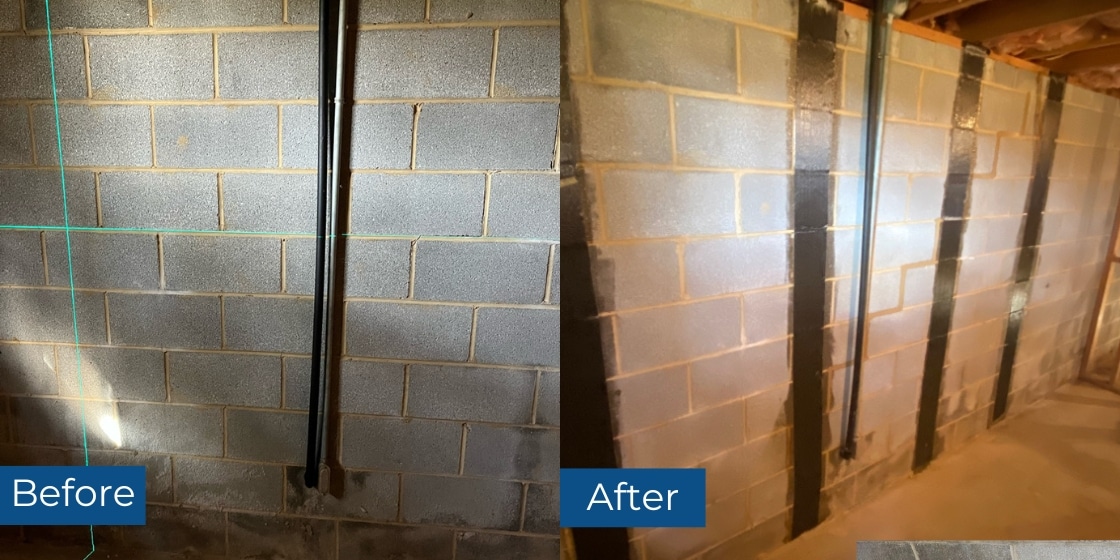
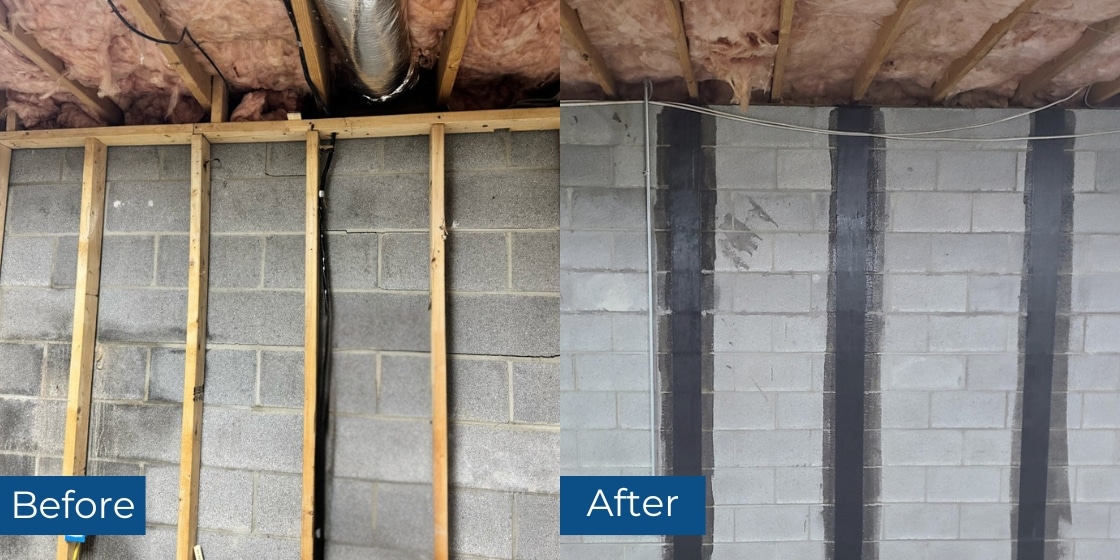
| A basement wall that bows or leans inward | Wall anchors or carbon fiber straps | Moderate | Number of wall sections and outside access |
| A sunken or uneven concrete slab | Slab lifting | Moderate | Size of the area and how much support is missing |
| Uneven floors, sticking doors, or widening cracks | Push piers or helical piers (steel supports driven down to stable soil) | Higher | Number of piers and depth to stable soil |
| A wall that has shifted or failed badly | Wall rebuild or partial replacement | Highest | Wall length, excavation, and temporary support |
Many homes need more than one repair, such as piers plus drainage work, and the costs add up. Treating only the symptom can mean paying for the same repair twice. In Virginia, seasonal soil movement and county permit rules can also change the price of any row. Each fix works differently, so it helps to learn how each foundation repair method works before you compare quotes.
What Affects Foundation Repair Cost in Virginia?
Foundation repair costs in Virginia rarely come down to a single factor. The repair method and the severity of the damage usually drive the price the most, while soil, access, permits, and related work add to it. Here are the seven factors involved in calculating foundation repair costs, so you can see why two quotes for the same house may not match.
How Serious the Foundation Problem Is
The more advanced the damage, the more work the repair usually involves, so the cost to fix foundation issues rises with it. A hairline crack caught early may only need sealing, while a wall that keeps shifting may need structural support. Problems left alone tend to spread to more areas, raising both labor and material costs.
Virginia Soil and Water Conditions
Soil that holds water or shifts with the seasons can keep stressing a foundation, so a contractor may install drainage systems or add deeper support to make the repair last. Parts of Virginia have expansive clay soils that can swell when wet and shrink when dry. Understanding the common causes of foundation problems helps you identify which one applies to your home.
The Foundation Repair Method Used
Each method solves a different problem and needs different materials, equipment, and crew time. Sealing a crack is a smaller job than driving piers or anchoring a wall. If two quotes differ significantly, compare the methods first, because one may fix the cause while the other treats the symptom.
Access to the Work Area
Easy access keeps labor down. Crawl spaces are often easier to access than slab foundations, where crews may need to cut through the flooring. Landscaping, decks, or concrete flatwork near the foundation may have to be moved or protected, which adds time. Access is hard to judge from photos, so it is often confirmed on site.
Size of the Affected Area
A problem in one corner is a smaller job than foundation movement across several walls. More affected area means more material, more labor, and sometimes more equipment. An inspection maps how far the damage runs across the entire foundation, which is why a quote based on one visible crack can change once the full area is checked.
Permit Requirements in Virginia
Structural foundation repair in Virginia often needs permits under the Uniform Statewide Building Code, and requirements can vary by county. Permit fees and review time can affect the schedule and the final price. A contractor with local experience should handle the process and show it in the estimate.
Related Waterproofing and Drainage Work
Water is often part of the problem, so a repair may come with crawl space repair, interior waterproofing, or drainage work. Fixing the structure without controlling the water can let the same problem return. Ask whether the estimate covers only the structural fix or the water control as well.
An on-site inspection is the only way to see which of these factors influences the repair. Ask every foundation repair company to list them in the estimate so you can compare quotes fairly.
How Much Does It Cost to Repair Foundation Cracks?
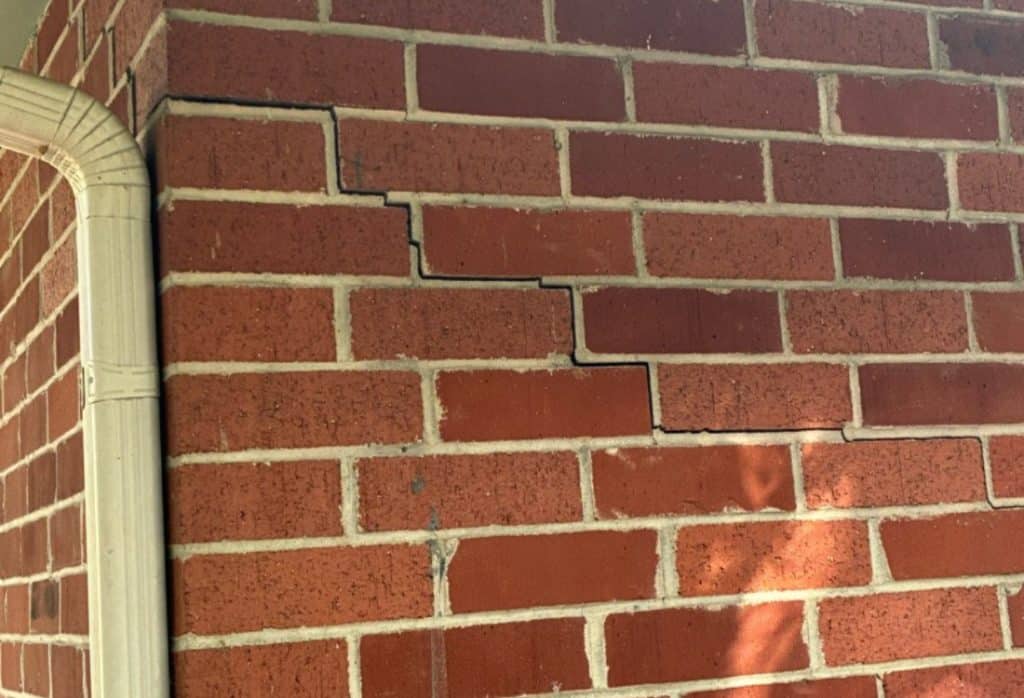
The cost of foundation crack repair depends less on the crack’s length than on its cause. A crack that has stopped moving usually costs far less to fix than one that keeps widening, because a growing crack points to a cause that must be addressed first.
Hairline Cracks
Thin vertical cracks are often linked to concrete curing and shrinkage. If they are dry and not growing, sealing or injection is usually the lower-cost end of foundation repair. If water is coming through, waterproofing work can be added.
Stair-Step Cracks
Cracks that step along the mortar joints in block or brick walls can signal settlement. These usually cost more than sealing alone, because the soil or support under the wall may need attention, which can mean piers.
Horizontal Cracks
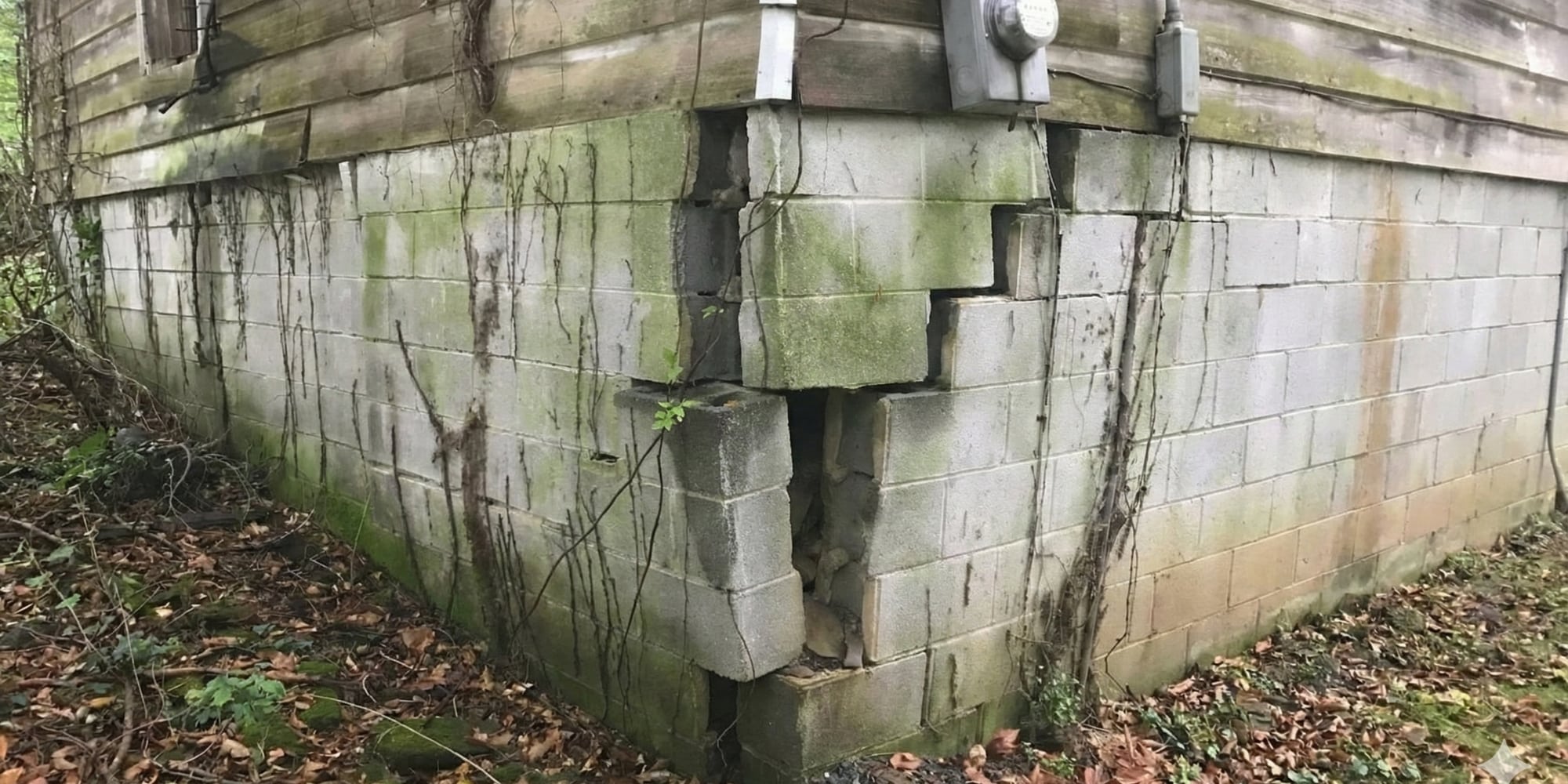
In basement foundations, a horizontal crack across a wall can indicate that soil and water pressure are pushing the wall inward. The repair often costs more than a simple seal because the wall may require anchors or reinforcement. It is worth having it inspected promptly.
Not sure which type you have? Take photos with a date and check the crack every few weeks. A crack that is widening warrants an inspection, and knowing the types of foundation cracks helps you judge how serious yours is.
What Does Settling or Sinking Foundation Repair Cost?
The cost of settling or sinking foundation repair depends on how many parts of the foundation have dropped and how deep the supports must go. Some settling of the foundation is minor and stops on its own. When a foundation keeps sinking, sloping floors, sticking doors, and widening cracks often follow, and the repair usually involves new support under the home.
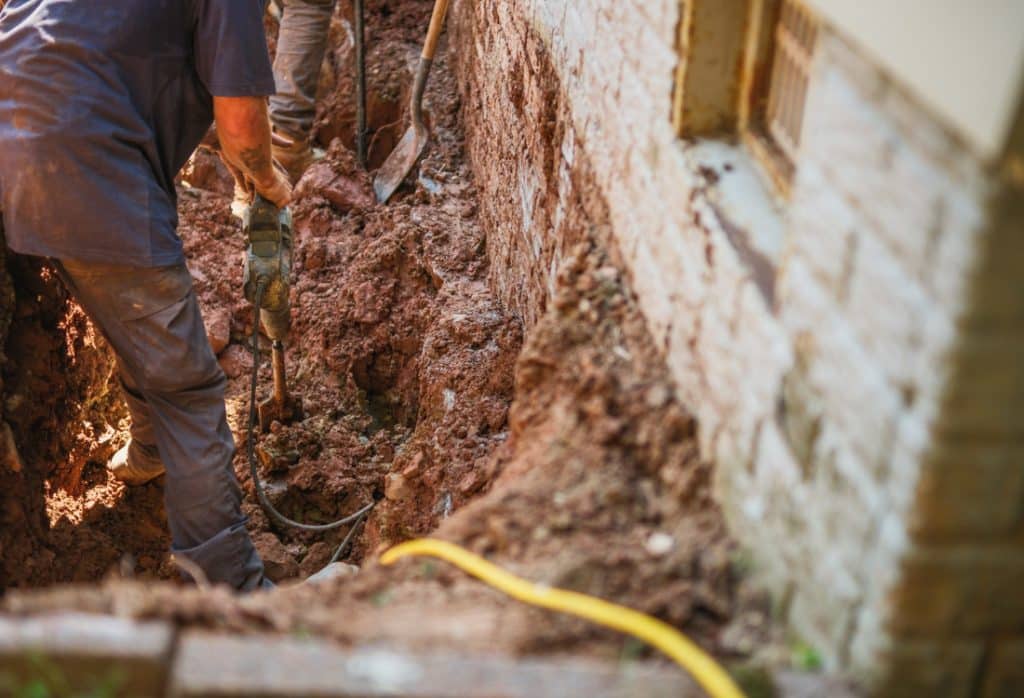
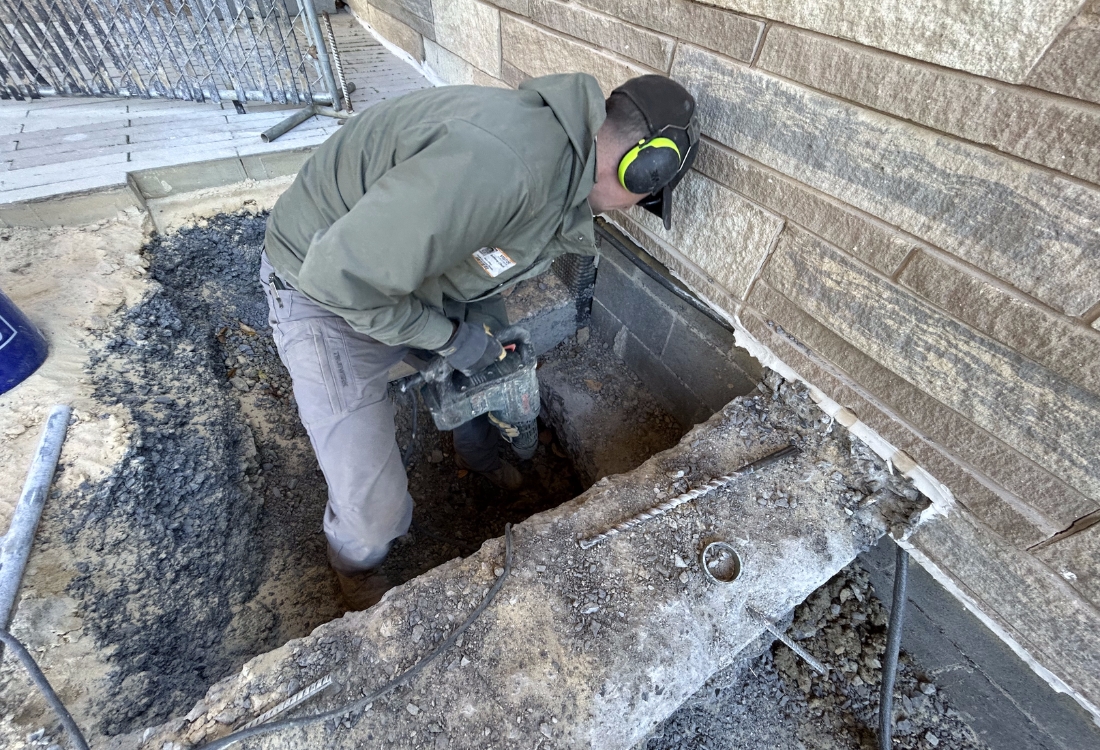
The most common fix is piers, which are steel supports driven or screwed down to stable soil to stabilize or lift the foundation. The price usually rises with the number of piers, the depth at which stable soil lies, and how hard the work area is to reach. The choice between push piers and helical piers can also change the scope of the job.
A sunken slab is a different case. Crews may lift the concrete by filling the void beneath it with a material such as polyurethane foam or grout. This is often a smaller job than piers when the problem is limited to the slab, but the cost still increases with the size of the area and the extent of the support loss. If poor drainage is washing out or softening the soil, drainage work may be added to prevent the problem from returning.
Does Your Foundation Type Change the Cost?
Foundation repair costs can vary by foundation type because each is built differently and fails in different ways. Knowing which type you have also helps you describe the problem when you call a foundation repair contractor.
- Block and brick: Built from many units joined by mortar. They tend to crack along the joints and can bow when soil or water pushes against them, so repairs often focus on reinforcing the wall with anchors or carbon fiber and fixing the mortar joints.
- Poured concrete: The walls are one solid piece, so cracks often run vertically or follow weak points. Sealing or injection is a common fix.
- Slab: There is no basement or crawl space underneath, so repairs often mean lifting or supporting the concrete slab, which can affect floors and finishes inside the home.
- Crawl space: Crawl space foundation repair costs can be lower for labor because the area is often easier to reach, but moisture is a common problem. Moisture control and support for sagging floor framing are frequent parts of crawl space repair, and both add to the scope.
Tell your contractor which type you have and what you see. The inspection will confirm the rest.
Is Foundation Repair Expensive and Is It Worth It?
Foundation repair can be expensive compared with most home repairs, but the cost varies widely. Sealing a crack and rebuilding a failing wall are very different projects, so whether it feels expensive depends on what your home needs.
Whether it is worth it usually comes down to what happens if you wait. Foundation problems tend to worsen over time, which can lead to expensive repairs later and damage to doors, windows, floors, and walls. Water can also enter through cracks and gaps, causing moisture problems.
Foundation repairs may come up during a home inspection or when a buyer asks about past damage. Keeping the repair records and a clear description of the work makes it easier to explain what was fixed. Whether the repair affects your home’s selling price depends on the damage and local market conditions. The documentation can help reassure buyers, but it does not guarantee a higher offer
If the cost to fix foundation problems is the concern, ask the contractor what happens if you repair now, repair later, or monitor the problem. Some minor problems may only need monitoring, and an honest inspection should tell you which situation you are in.
What Should a Foundation Repair Estimate Include?
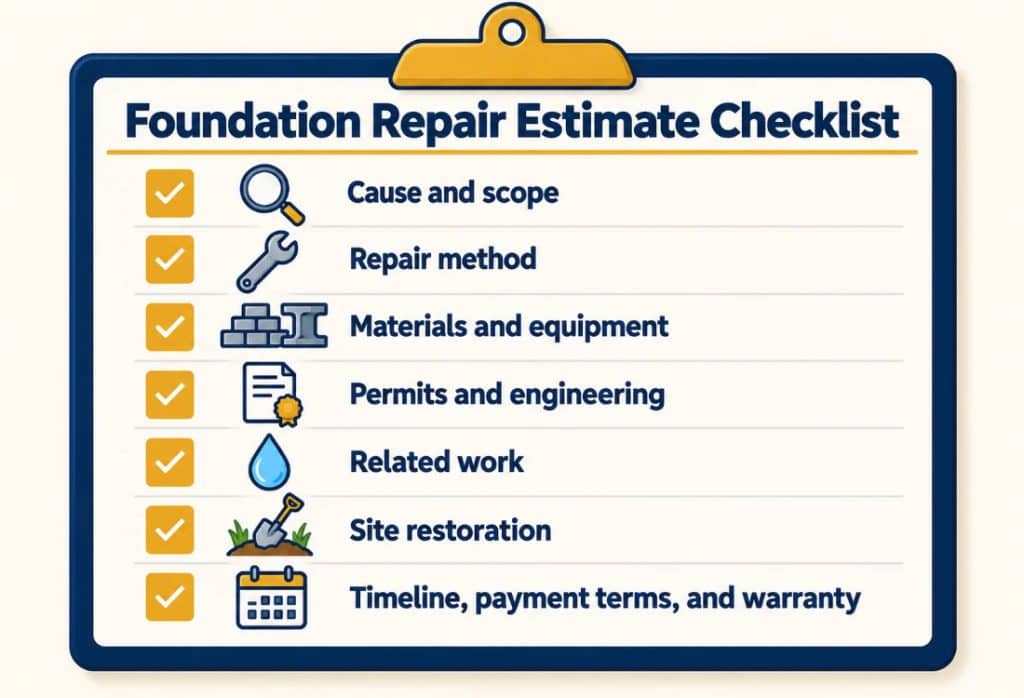
A good foundation repair estimate explains the problem and the repair process in writing, so you can compare quotes on the same terms. Look for these items:
- Cause and scope: what is wrong, why it likely happened, and which areas the repair covers.
- Repair method: the specific method and how many piers, anchors, or repair points are planned.
- Materials and equipment: what will be used, in plain terms.
- Permits and engineering: who handles the permits and whether an engineer’s report is needed.
- Related work: whether drainage, waterproofing, or crawl space work is included or priced separately.
- Site restoration: what happens to landscaping, flooring, or concrete flatwork that has to be moved.
- Timeline, payment terms, and warranty: the expected schedule, the payment steps, and what any warranty covers, all in writing.
If one quote leaves out items another includes, ask why before you compare foundation repair prices. A lower price can mean a smaller scope, not a better deal. If you want a written scope for your own home, you can schedule a foundation inspection.
Get a Foundation Repair Estimate for Your Virginia Home
The only reliable way to know your foundation repair cost is to have a professional look at your home’s foundation. An inspector can check the foundation damage, the soil and drainage around the house, and the appropriate repair methods, then explain what they find.
LUX Foundation Solutions provides foundation repair services to homeowners across Northern Virginia, the Shenandoah Valley, North Central Virginia, and West Virginia. Ask for a written scope you can use to compare quotes, and ask about financing options if you want to spread out the cost.
To get started, contact us to schedule your foundation inspection.
Frequently Asked Questions
Can I get a foundation repair estimate online or over the phone?
A call or photos can help you describe the problem and understand the next steps, but a reliable foundation repair estimate needs an on-site inspection. To estimate foundation repair costs accurately, a contractor has to weigh soil conditions, access, severity, and repair methods, and none of these is easy to judge from a distance. Foundation repair costs depend on all of them, and none is easy to judge from a distance.
What does it cost to fix a leaking foundation?
The cost of foundation leak repair depends on where the water is coming from and why. A single crack may require sealing or injection, while seepage through a wall or floor joint may require drainage systems or waterproofing work. A contractor should find the source before recommending a fix, since sealing alone may not stop the water and can lead to expensive repairs later.
What are the most affordable foundation repair options in Virginia?
The most affordable repair is usually the one that fixes the cause at the right scope, ideally before the damage spreads. Minor cracks may need only sealing, while a foundation that keeps moving can lead to more extensive repairs later. Be cautious of a quote far below the foundation repair ranges you have seen from other contractors, as it may omit labor and material costs that other quotes include. If you need to spread out the cost, ask about financing options when you schedule a foundation inspection.
Does homeowners’ insurance cover foundation repair in Virginia?
In most cases, standard homeowners’ insurance does not cover foundation repair caused by soil movement, foundation settlement, or long-term moisture. Coverage may apply in specific situations, such as sudden, accidental water damage from a plumbing failure. Review your policy and ask your insurance provider what applies to your home.
How long does foundation repair take?
It depends on the repair. Minor crack repairs are usually quicker than piers or wall reinforcement, and permits, access, and weather can affect the schedule. Ask the professional contractor to include an expected timeline in the estimate, based on the repair your home needs.
When do I need a structural engineer for foundation repair?
Consider having a structural engineer inspect the foundation when the cause is unclear, the structural damage looks severe, quotes disagree, or a permit requires an engineer’s report. An engineer’s evaluation can confirm the problem and the repair plan independently of any contractor’s quote.