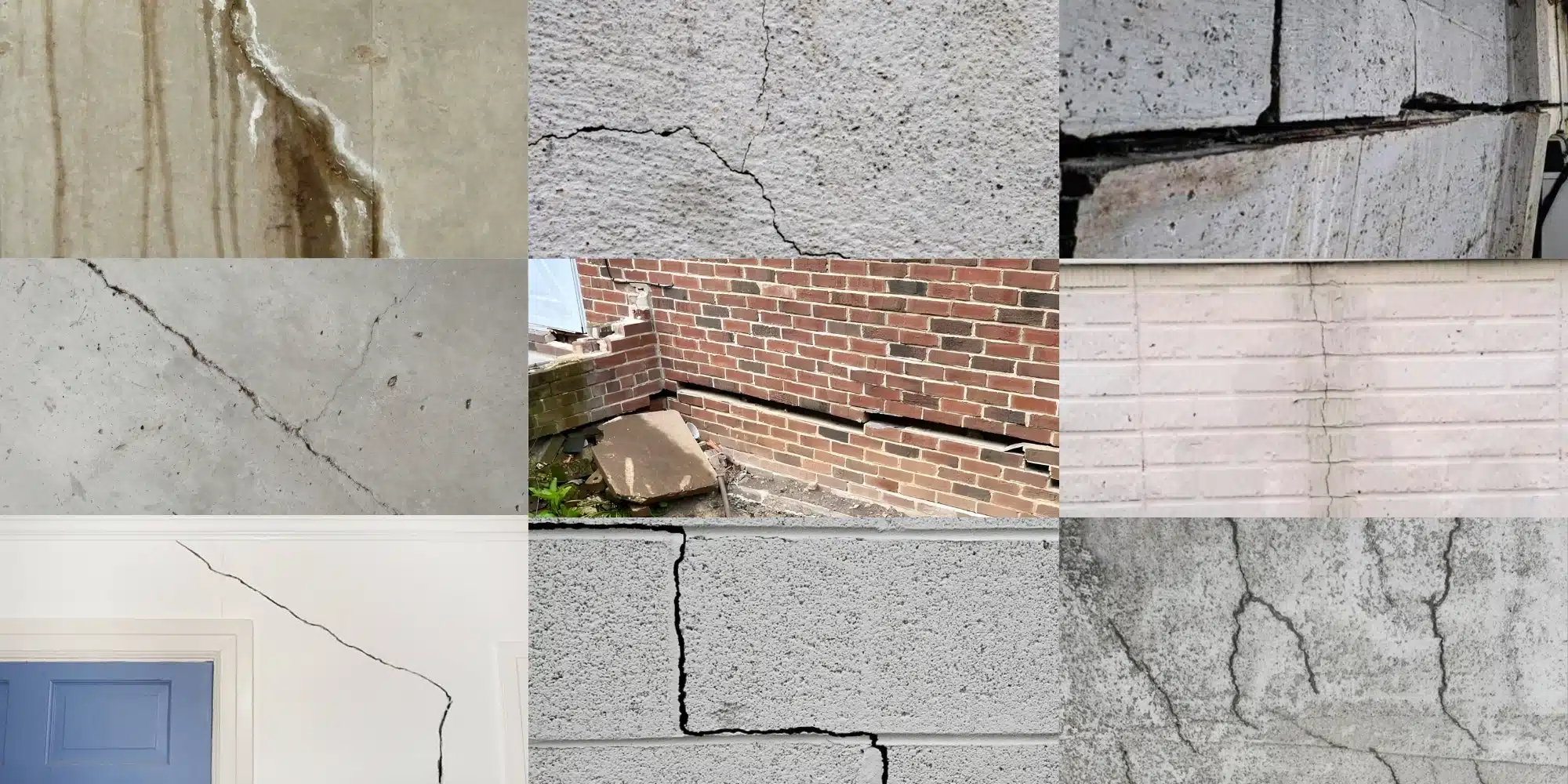
Choosing the right foundation contractor is about more than comparing prices. If your home has foundation cracks, uneven floors, bowing walls, or other signs of movement, different contractors may recommend different repair approaches.
For homeowners in Virginia, the right contractor should be able to evaluate the condition of your foundation, explain what may be causing the problem, and clearly explain why a particular repair is being recommended. Reviewing key factors like the contractor’s experience, qualifications, proposed scope of work, and estimate can help you compare your options before making a decision.
This guide explains how to choose a foundation repair contractor, what to look for, what to ask before hiring one, the red flags that you should watch for, and why local experience can matter as much as the foundation repair methods themselves.
Key Takeaways
- Choosing the right foundation repair contractor matters as much as the repair itself.
- Licensing, insurance, and real experience should be confirmed before any work begins.
- The right questions can reveal how a contractor actually works, not just what they claim.
- Red flags like pressure tactics or vague answers are worth taking seriously.
- The lowest estimate isn’t always the best value; comparing scope and approach matters more than price alone.
What Happens If You Choose the Wrong Foundation Contractor?
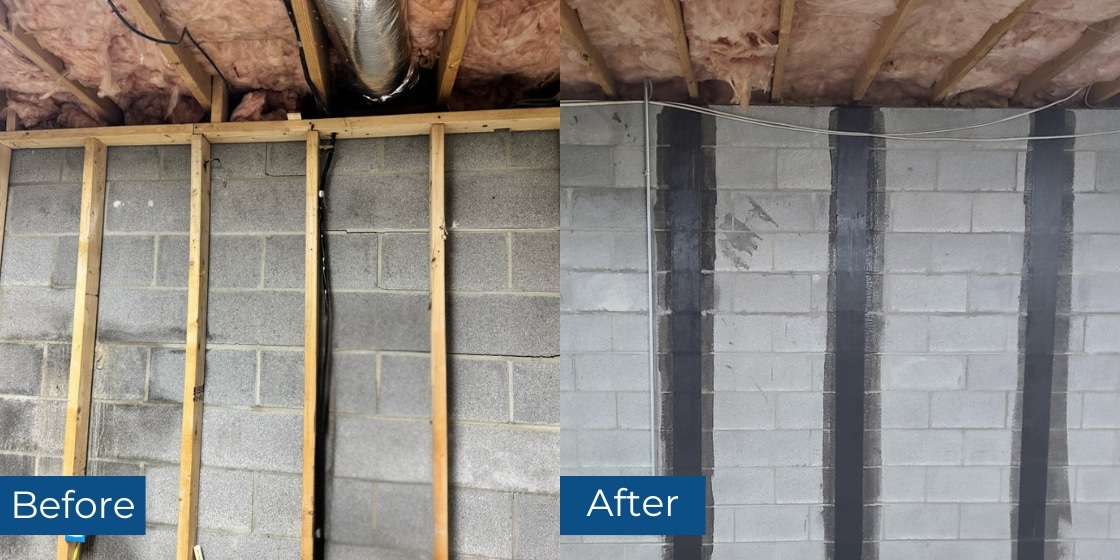
An incorrectly diagnosed problem can mean the wrong repair method entirely, one that stabilizes the wrong part of the entire structure instead of addressing what’s actually causing your foundation to move.
Small issues left unresolved can affect the structural integrity of your home over time, and money and time get spent twice, once on the wrong fix and again on the right one. A poorly handled repair can also raise questions when you sell your home, even if the work looks fine on the surface.
Taking a little extra time to choose the right contractor now can save you from dealing with any of this later.
What To Look for When Choosing a Foundation Repair Contractor?
Not every repair contractor approaches foundation problems in the same way. A company may offer foundation repair service, but that alone does not tell you whether it has the experience and process needed to properly evaluate your home.
When comparing foundation repair contractors, consider these qualities:
Relevant Foundation Repair Experience
Foundation repair requires experience with structural conditions that may differ from ordinary home improvement work.
Look for a contractor that:
- Specializes in foundation repair rather than treating it as one of many unrelated services.
- Has experience with foundation conditions similar to those affecting your home.
- Understands that the appropriate repair can vary depending on the cause and condition of the foundation.
- Can walk you through their proven track record and how past projects relate to what they’re recommending for yours.
Relevant experience and expertise matter because the contractor first needs to understand what is happening before determining how it should be addressed.
Proper Licensing and Insurance
Look for a contractor that:
- Holds the licenses or credentials required for the work and can be verified through Virginia’s contractor license lookup.
- Carries appropriate general liability insurance.
- Maintains workers’ compensation coverage and follows required safety standards where applicable.
- Is able to provide documentation when you ask for proof of its credentials and coverage.
Verifying these details gives you a better understanding of whether you’re dealing with a reputable contractor properly established to perform the work.
Thorough Inspection, Detailed Estimate, and Clear Recommendations
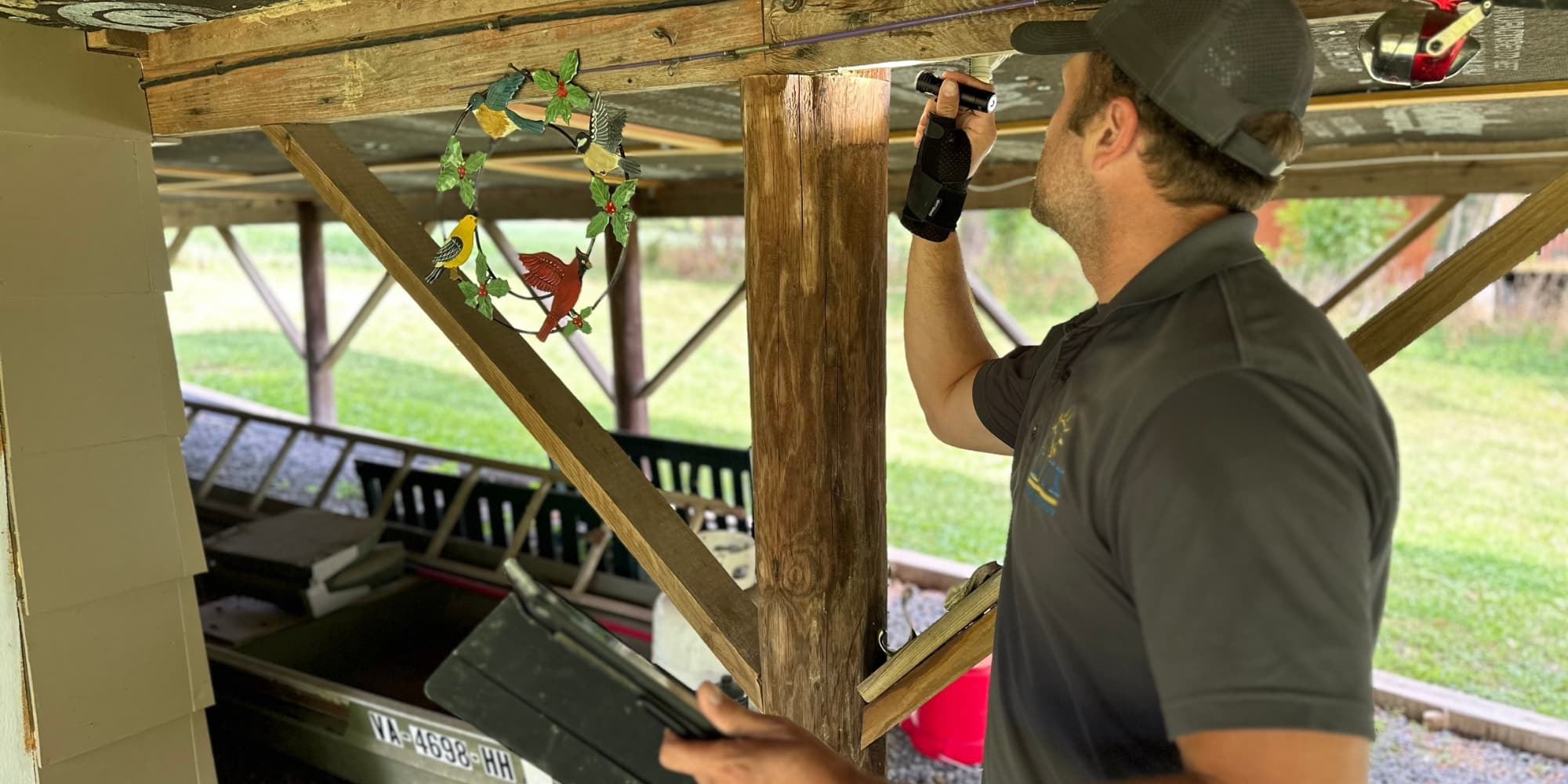
A contractor should take time to understand your foundation repair needs rather than glancing at the problem and handing you a price. The evaluation and the estimate that follows it should connect to each other.
Look for a contractor that:
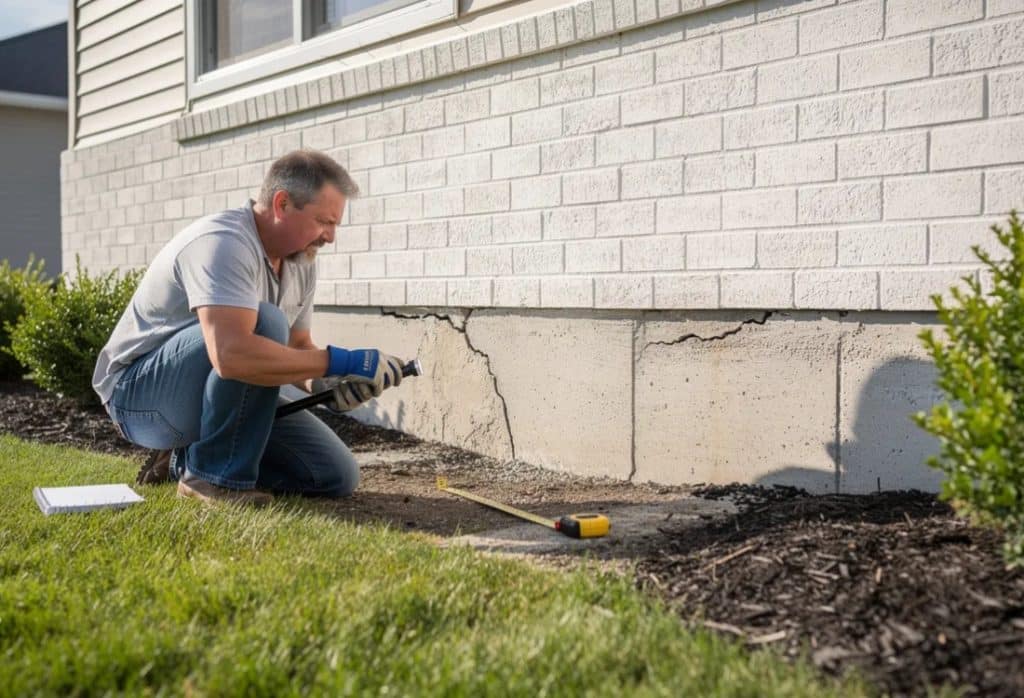
- Inspects the affected areas and considers the overall foundation condition, including foundation problem signs, rather than focusing only on the obvious symptom.
- Explains what was found and what may be contributing to the problem.
- Connects the recommended repair directly to those findings, rather than presenting a standard solution for every foundation issue.
- Provides a written estimate that clearly describes the proposed scope of work.
- Includes enough detail in the estimate to compare it against other contractors.
- Answers questions about both the inspection findings and the estimate itself.
A recommendation that’s tied to an actual inspection, backed by an estimate that spells out the scope, gives you something real to evaluate, rather than a price with no explanation behind it.
Clear Communication
You should be able to understand what the contractor found and what the proposed work involves.
Look for a contractor that:
- Explains the foundation condition in straightforward terms.
- Answers questions about the recommended repair.
- Clearly describes the proposed scope of work.
- Gives you enough information to compare the recommendation with other contractors.
Clear communication can make it easier to determine whether the contractor understands the problem and can explain its proposed solution.
References and Past Projects
Previous projects and customer experiences, including past performance, could provide another way to evaluate contractors for foundation repair.
Look for a contractor that:
- Has relevant customer reviews or references you can actually check.
- Can provide examples of comparable foundation repair projects when available.
- Has feedback covering communication, workmanship, and the overall project experience.
- Is willing to discuss previous work that is relevant to the type of foundation problem being evaluated.
The goal is not to find a contractor with the longest list of qualifications. It is to find enough evidence that you’re looking at a reliable foundation repair contractor, one with the experience, credentials, evaluation process, and communication skills needed to assess your foundation and recommend an appropriate repair.
Questions to Ask Before Hiring a Foundation Repair Contractor
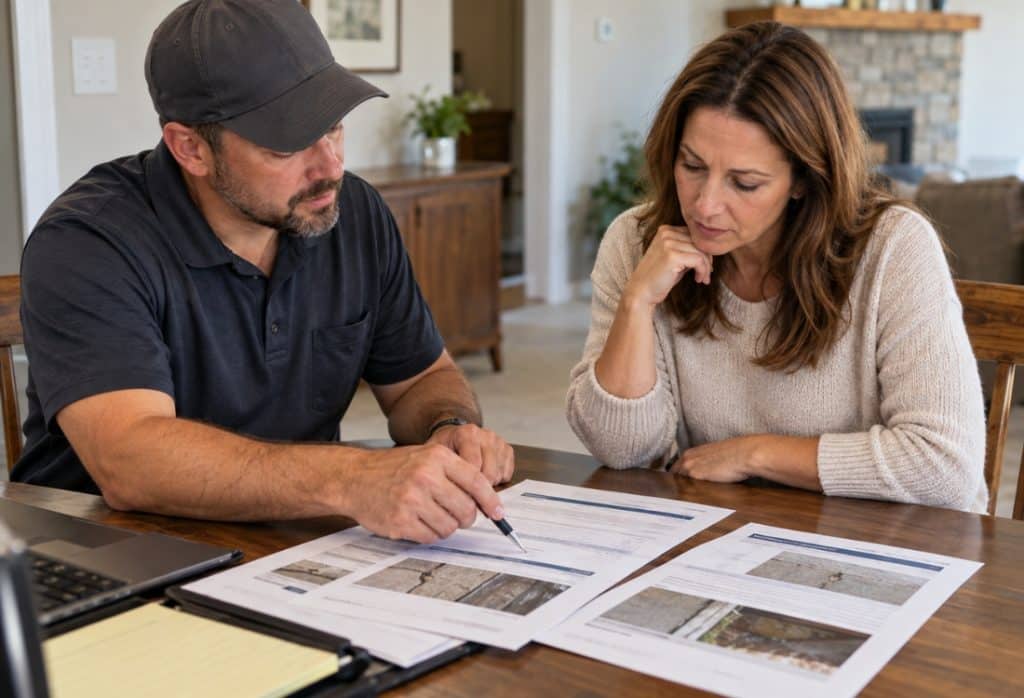
A contractor’s paperwork and reviews only tell part of the story. The way they answer direct questions, especially under a little scrutiny, reveals a lot more about how they actually operate.
Use these questions with potential contractors to find out whether they are working from a real evaluation of your home, or just moving you toward a sale.
- What is causing the foundation problem?
A contractor who can explain the likely cause, not just the visible symptom, is working from an actual evaluation rather than a standard script. - What repair do you recommend and why?
The answer should connect back to what they found on your property, not just describe the method in general terms. - What happens if this issue is left alone?
This tells you whether they’re giving you a straight answer about urgency as well as leaning on pressure to close the sale. - How long is this repair expected to last?
Vague answers here are worth noticing. A contractor confident in their work should be able to speak to this directly. - What’s included in the written estimate, and what isn’t?
This matters more than the total figure. Estimates that leave out scope details tend to turn into add-on charges later. - Does the repair come with a written warranty, and what does it cover?
A warranty that isn’t in writing isn’t a warranty. Ask what the warranty covers, how long it applies, whether there are specific conditions or limitations you should understand, and whether it transfers to a new owner if you sell the home. - Can you show examples of similar projects?
General reviews are useful, but reference examples of comparable foundation repair projects can help you determine whether the contractor has relevant experience with similar conditions. - Who’s actually doing the work, your crew or a subcontractor?
Some companies sell the job and hand it to a separate crew. It’s worth knowing who will be on site. - Are there any possible complications?
A contractor should be willing to discuss conditions that could affect the repair, project scope, or expected outcome rather than presenting the work as completely risk-free.
Red Flags To Avoid When Choosing a Foundation Repair Contractor
Knowing what to look for is only part of choosing a foundation repair contractor. It is also important to recognize signs that may indicate a contractor is not providing enough information, transparency, or time to make an informed decision.
Some signs are easy to miss when you’re eager to get the problem fixed quickly. Here are warning signs to watch for.
No Thorough Inspection Before Quoting
Be cautious if a contractor recommends a repair or provides a detailed price without properly evaluating the foundation condition.
Pressure to Decide Immediately
Be cautious of contractors who pressure you to approve the work before you have had a chance to review the recommendation and estimate. A legitimate contractor gives you time to think it over.
Vague Explanations
A contractor should be able to explain what was found, what may be causing the problem, and why a particular repair is being recommended. If the contractor cannot explain the issue in terms you can understand, it may be difficult to determine whether the recommendation is based on a proper evaluation.
No Written Estimate
Be cautious if the contractor is unwilling to provide the proposed scope and costs in writing, since verbal agreements can make it harder to spot hidden fees or compare the work being offered.
Unusually Low or Unclear Pricing
A significantly lower estimate should be reviewed carefully to see whether the contractor is offering the same scope of work, repair method, and coverage as the other estimates.
Requesting Full Payment Upfront
Be cautious if a contractor requires full payment before the foundation repair work begins. Paying the full amount upfront can make it harder to deal with delays, unfinished work, or changes to the agreed-upon scope.
Limited Information About Past Work
A lack of relevant project examples, references, or customer feedback does not automatically mean a contractor is unqualified, but it may leave you with less information to evaluate the company’s experience.
Unclear Warranty Terms
A contractor should be able to explain what its warranty covers, how long it applies, and any conditions or limitations that may affect coverage.
These warning signs do not automatically prove that a contractor is unsuitable, but they are reasons to slow down, ask additional questions, and review the proposed work carefully before making a decision.
How to Compare Estimates From Different Foundation Repair Contractors
When comparing quotes from several contractors, the lowest price may not represent the same foundation repair costs or scope of work as a higher estimate. Look at what each contractor is proposing, why the repair is recommended, and what is included before focusing on the final price.
1. Check what’s covered in the scope
Two estimates for the “same repair” can involve different amounts of work. One might include excavation, material costs, and site cleanup, while another leaves some of that out and adds it later.
2. Compare the materials and methods, not just the total
A lower price may mean the contractor is using a less durable material or a foundation repair solution that treats the symptom instead of the underlying cause. That difference matters more over time than it does on the day of signing.
3. Look at what the warranty actually covers
A longer or clearer warranty can offset a higher price. A cheaper estimate with a thin or vague warranty may end up costing more later if the repair doesn’t hold.
4. Ask what happens if something is found once the work starts
Foundations don’t always reveal the full picture until work is underway. A contractor who explains how added issues would be handled, and priced, is giving you a more complete estimate than one who doesn’t address it at all.
5. Weigh experience and communication alongside the number
A contractor who took the time to inspect your foundation and explain their recommendations may be a better fit than one who simply offers the lowest bid without much explanation.
Do not compare prices alone. A lower estimate does not always mean the contractor is offering the same repair or scope of work as another company. Before choosing the right solution, compare the scope, recommended approach, warranty, relevant experience, and how clearly the work is explained.
Why Local Virginia Experience Matters
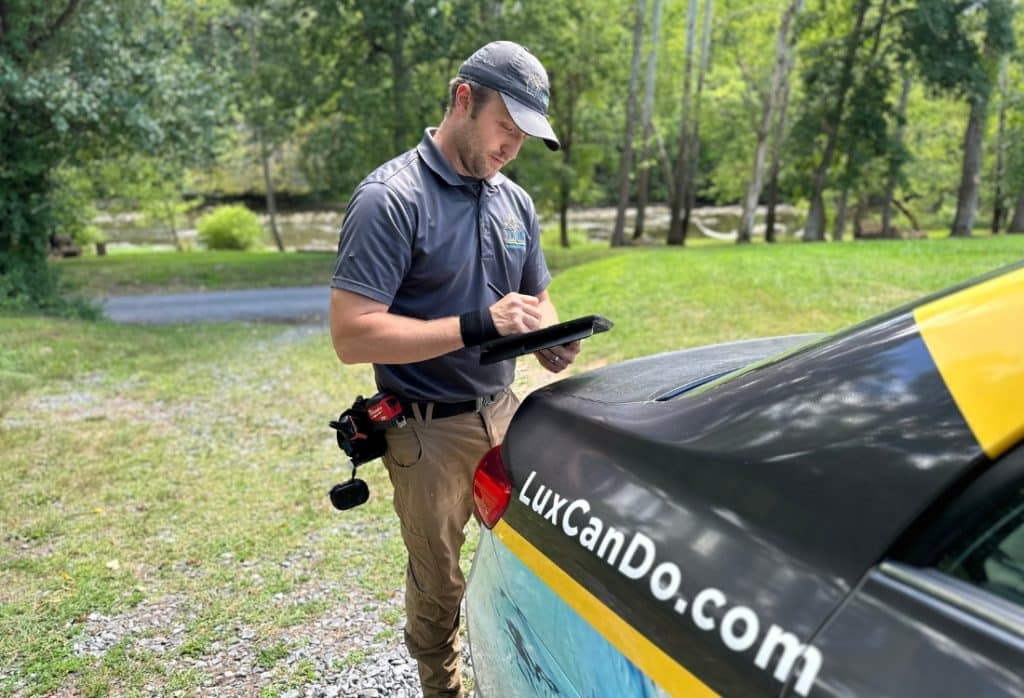
A contractor who works across the country isn’t automatically the wrong choice, but foundation conditions may differ by location, so a local foundation repair company can offer useful familiarity with the homes, soil, weather, and site conditions found in the area.
1. Familiarity With Local Soil And Ground Conditions
Soil conditions vary across Virginia and can influence how foundations respond to changes in moisture and ground movement. A contractor who regularly works in the region may be more familiar with these local conditions and how they can affect different types of foundations.
2. Understanding Local Weather and Drainage
Heavy rainfall, seasonal moisture changes, and freeze-thaw cycles in parts of Virginia can affect the conditions around a foundation. Local experience can help a contractor recognize how weather, drainage, and site conditions may relate to the foundation problem being evaluated.
3. Experience With Virginia Homes
Homes can differ in foundation types, construction methods, age, and site conditions.
A contractor with experience working on Virginia homes may be more familiar with the types of foundation conditions commonly encountered in the areas they serve.
4. Familiarity With Local Requirements
Foundation repair projects may involve local requirements related to permits, building regulations, or other project considerations.
A contractor familiar with the area should be able to explain which requirements apply to the proposed work and what part of the process the company will handle.
5. Faster Response and Follow-Up
A contractor based nearby can typically get to your home sooner, and it’s easier to have them come back out if a question comes up after the work is done.
Local experience should not be the only factor when choosing contractors for foundation repair. Consider it alongside the contractor’s foundation repair experience, qualifications, inspection process, recommendations, estimates, and communication.
Final Foundation Repair Checklist Before You Decide
Before choosing a foundation repair contractor, review the company, inspection findings, recommendation, and estimate together. This checklist can help you compare your options before agreeing to the work.
✅ Has relevant experience with foundation repair and similar projects.
✅ Meets applicable licensing and insurance requirements.
✅ Performs a thorough foundation inspection before recommending repairs.
✅ Explains what was found and what may be causing the problem.
✅ Clearly explains why the recommended repair is appropriate.
✅ Provides a detailed written estimate and scope of work.
✅ Explains how unforeseen conditions or additional costs would be handled.
✅ Provides clear warranty terms and explains what they cover.
✅ Has relevant references, reviews, or past project examples.
✅ Answers questions clearly without using pressure tactics.
✅ Gives you enough time to review the recommendation and estimate.
✅ Has experience working with homes and foundation conditions in Virginia.
The goal is not to find a contractor that simply checks every box. Use the checklist to identify which companies provide enough information for you to understand the problem, evaluate the proposed repair, and compare your options.
Get the Right Foundation Repair Guidance for Your Home
Choosing a foundation repair contractor starts with understanding what is happening with your home. A proper evaluation identifies the condition affecting the foundation, explains the recommended repair, and gives you the information needed to decide.
At LUX Foundation Solutions, our team evaluates your foundation, walks you through the findings, and outlines a recommended approach and estimate, giving you the chance to ask questions before moving forward. If you’re comparing foundation repair contractors in Northern Virginia, a professional evaluation gives you a clearer basis for reviewing your options.
Schedule your free assessment and get the information you need to make your next decision.
Frequently Asked Questions
How do I choose the right foundation repair contractor?
Look for a good contractor who has experience with foundation repairs, proper licensing and insurance, a thorough inspection process, and a written estimate based on your home’s condition. Checking relevant references and asking direct questions about the contractor’s process can also help you compare your options.
What questions should I ask before hiring a foundation repair contractor?
Ask what is causing the foundation problem, why a specific repair is recommended, what is included in the written estimate, how long the repair is expected to last, and what the warranty covers. The answers can help you understand whether the recommendation is based on an evaluation of your home.
What are the warning signs of unreliable contractors for foundation repair?
Warning signs include pressure to sign immediately, vague explanations, no written estimate, requests for full payment upfront, and limited information about previous work. These signs are a reason to take your time and review the contractor’s recommendations and terms carefully.
Should I get more than one foundation repair estimate?
Yes, getting more than one estimate can help you compare the scope of work, recommended repair, warranty, and foundation repair costs. A lower estimate may not include the same work or coverage as another proposal, so look at what each one includes instead of comparing only the price.
What should a foundation repair estimate include?
A foundation repair estimate should clearly describe the proposed scope of work, recommended repair, relevant costs, and other project details. It should also explain how additional work, safety considerations, or unexpected conditions may be handled when applicable.
Does foundation repair come with a warranty?
Foundation repair warranties can vary by contractor and repair type, so review the written warranty before you agree to the work. Check what it covers, how long it applies, what conditions or limitations apply, and whether the warranty transfers if the home is sold.