
Uneven Basement Floor
An uneven basement floor is more than a cosmetic issue. It often points to foundation settlement, soil movement, or structural stress beneath your home. Understanding why basement floors become uneven helps you address the underlying cause before it leads to more extensive foundation damage.
Uneven Basement Floor Repair in Northern Virginia, Shenandoah Valley, North Central Virginia, and West Virginia
When you notice an uneven basement floor, the problem usually isn’t with the floor itself—it’s with your home’s foundation. Foundation settlement, soil movement, and structural shifting can all cause your basement floor to become unlevel over time, creating both safety concerns and signs of more serious structural issues.
At LUX Foundation Solutions, we specialize in diagnosing and repairing foundation issues. Our expert team evaluates what’s happening below the slab, not just what’s visible on the surface.
Through a professional inspection, we determine whether the uneven floor is due to foundation settlement, soil instability, or other structural concerns, and then recommend solutions to restore stability and protect your home long-term.
Do These Unlevel Basement Floor Signs Seem Familiar?
The symptoms
An uneven basement floor often develops slowly, which makes it easy to overlook at first. Recognizing these signs early can help prevent more serious foundation or structural damage.
Common signs of foundation-related uneven basement floors include:
- Cracks in the floor slab, especially those running from walls toward the center.
- Doors and windows throughout your home that stick or are difficult to open and close.
- Noticeable sloping or tilting across your basement floor.
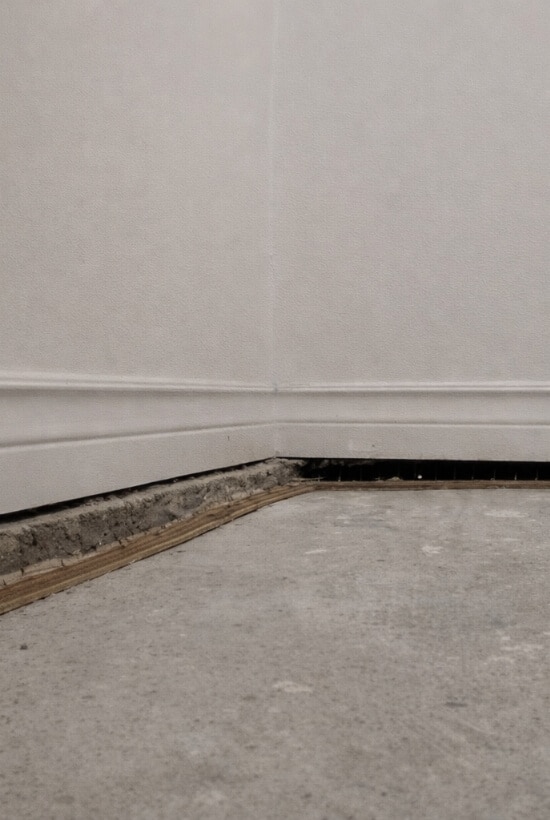
- Gaps between the floor and baseboards.
- Water seepage or pooling in low spots on the basement floor.
- Mold and mildew growth.
If any of these signs seem familiar, taking action promptly is crucial. These symptoms often indicate structural movement that will only worsen over time.
Our team of foundation experts is ready to provide a free estimate and help you determine whether your uneven floor is due to foundation issues that require professional repair.
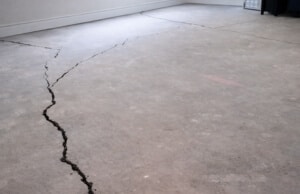
Floor Cracks
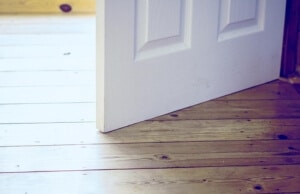
Doors/Windows Sticking
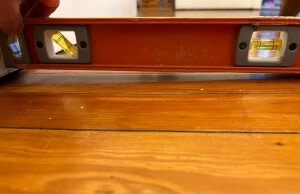
Sloping Floor
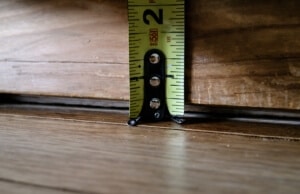
Gaps Between Floor and Walls
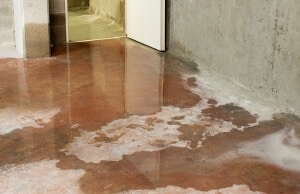
Water Pooling/Seepage
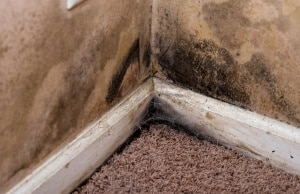
Mold growth
What Causes Uneven Basement Floors
An uneven basement floor is rarely caused by the concrete itself—it’s almost always the result of foundation and soil problems beneath your home. Understanding these causes is crucial for determining the right repair approach and preventing future issues.
Here are the most common foundation-related reasons for uneven basement floors:

Soil Shrinkage and Expansion
Changes in soil moisture beneath your foundation cause the soil to shrink or swell, leading to basement slab movement, causing a tilting basement floor. Dry soil contracts, creating voids that cause sections to sink.
Saturated soil expands and exerts pressure on your foundation, causing heaving or cracking. This is especially common with expansive clay soils in Northern Virginia.
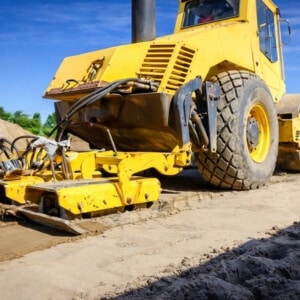
Poor Soil Compaction
The soil beneath your foundation requires proper compaction during construction to ensure stable support. When construction crews inadequately compact soil before pouring your foundation, the soil continues to compress under your home’s weight over time.
This delayed settling creates uneven foundation settlement, causing the basement floor to become unlevel over time.
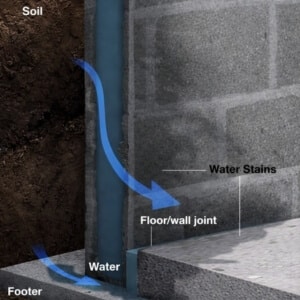
Water-related Issues
Excessive moisture around your foundation causes an uneven floor slab foundation. Poor drainage, inadequate waterproofing, plumbing leaks, or high water tables create soil instability.
Water erodes soil, creating voids, saturates soil, causing expansion, weakens load-bearing capacity, and creates hydrostatic pressure against foundation walls. These pressures cause the foundation to shift and the basement floor to become uneven.
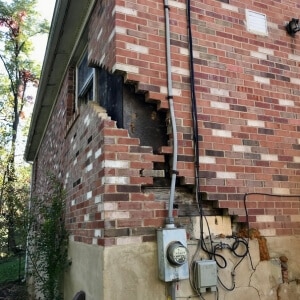
Foundation Settlement
Over time, foundations can settle unevenly when the soil beneath your home becomes unstable or loses its load-bearing capacity. As your foundation shifts or sinks, your basement floor moves with it, creating uneven surfaces.
Concrete floors crack and separate as the foundation moves, while wooden elements flex. Foundation settlement worsens progressively without professional intervention.
Our Solutions
Uneven basement floors require different repairs depending on what’s happening beneath the slab. At LUX Foundation Solutions, we never guess. We evaluate soil conditions, moisture, and structural movement first, then recommend a solution that restores stability and protects your home long-term.

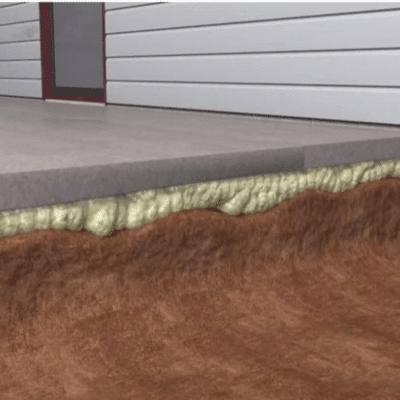
Why is my basement floor uneven, and how can slab piers fix it?
If you’re asking why your basement floor is uneven, the most common reason is movement in the soil beneath the concrete slab. Over time, soil can settle, erode,
or lose strength due to changes in moisture, causing sections of the slab to sink at different rates.
We often recommend slab piers when uneven basement floors are caused by this type of settlement. Slab piers are steel supports installed through the slab and driven down to stable soil or bedrock. Once secured, they lift and stabilize the slab, helping restore a level surface and prevent further movement.
This solution addresses the root cause of the problem, not just the surface symptoms, and provides long-term stability when soil conditions are no longer reliable.
I notice signs of an uneven basement floor slab. What solution is needed to prevent this symptom of foundation settlement?
If you notice signs of unevenness in your basement floor slab, it may result from foundation settlement.
One way to prevent this symptom is to perform a polyurethane foam injection repair. This process involves injecting a high-density foam beneath the slab to fill voids and stabilize weak soil. As the foam expands, it lifts and levels the concrete while improving load support.
This minimally invasive solution works well for moderate settlement and helps prevent further movement.
Protect Your Home with Permanent Foundation Repairs from LUX Foundation Solutions
Don’t wait to address an uneven floor foundation problem. These issues worsen over time, compromising your home’s safety and value.
LUX Foundation Solutions provides expert foundation diagnostics and permanent repairs that address root causes, not just symptoms. Our experienced technicians serve Northern Virginia, Shenandoah Valley, North Central Virginia, and West Virginia with warrantied solutions and proven foundation repair methods.
If you’re ready for clear answers and a plan built for long-term stability, schedule your free on-site estimate today.
Request a free Estimate
FAQ's
Is uneven basement floor a problem in Northern Virginia homes?
Yes. Uneven basement floors are common in Northern Virginia, Shenandoah Valley, and surrounding areas due to clay-rich soils, fluctuating moisture levels, and seasonal weather changes. While minor variations can occur, noticeable slopes, cracks, or slab movement often indicate foundation settlement that should be professionally evaluated.
What causes basement floors to become uneven in Northern Virginia?
In Northern Virginia, uneven basement floors are most often caused by soil movement beneath the slab. Expansive clay soils expand when wet and shrink when dry, creating voids that allow the slab to settle. Poor drainage, plumbing leaks, and long-term moisture exposure can accelerate this process.
Do uneven basement floors mean foundation problems?
Not always, but they often do. An uneven foundation can be caused by slab settlement alone, but it may also point to broader foundation movement. That’s why our team at LUX Foundation Solutions performs a full evaluation to determine whether the issue is isolated to the slab or connected to the foundation system.
Is it normal for basement floors to be uneven?
Minor variations in basement floor levelness can occur, but significant unevenness is not normal and indicates foundation problems. In Northern Virginia, small imperfections in original concrete pours are common, but noticeable sloping, major cracks, or progressive deterioration indicate foundation settlement.
If your basement floor has become increasingly uneven or shows cracks, gaps, or other structural symptoms, contact LUX Foundation Solutions for a professional foundation assessment.
What are the risks associated with leaving an unlevel basement slab floor untreated?
Leaving an uneven floor slab foundation untreated poses serious risks for Northern Virginia homeowners:
- Safety Hazards: Uneven floors create tripping hazards that worsen as foundation settlement progresses
- Progressive Foundation Damage: Foundation settlement accelerates over time, leading to severe structural damage and cracking
- Structural Stress: Foundation movement stresses walls, beams, and your entire structural system
- Decreased Property Value: Foundation problems significantly reduce resale value in our regional real estate market
- Increased Repair Costs: Delayed foundation repairs result in far more expensive fixes later
Contact us promptly to prevent these consequences and protect your home investment.
Can I fix an uneven basement floor myself?
No. DIY repairs for uneven basement floors are not recommended, especially with foundation settlement involved.
Why DIY Fails:
- Hidden Problems: Foundation settlement isn’t visible without a professional assessment; surface repairs don’t stop ongoing damage
- Ineffective Solutions: Leveling compounds mask problems while foundation damage worsens
- Safety Risks: Foundation repair requires specialized equipment and engineering knowledge
- Higher Costs: DIY attempts lead to more extensive damage and costlier future repairs
- No Warranty: Professional repairs from LUX Foundation Solutions include warranties; DIY offers no protection
A professional foundation assessment can confirm whether the problem is limited to the slab or connected to the foundation.