Published: February 22, 2021 • Updated: March 11, 2026
Noticing changes around your home — floors that feel uneven, doors that stick, or cracks where there weren’t any before — can raise questions about whether something more serious is happening beneath the surface to your home’s foundation.
In some cases, these changes are part of normal home settling. In others, they may point to an early foundation movement that deserves closer attention.
If you’re unsure how to tell if your foundation is sinking, if what you’re seeing is normal or a sign of a deeper issue, this guide will help you evaluate the difference, and when a professional evaluation is needed.
Why Foundation Movement Shouldn’t Be Ignored
A home’s foundation supports everything above it, so even small shifts can affect other parts of the structure. Some issues don’t always signal a serious foundation problem, but they shouldn’t be dismissed if they continue or worsen over time.
In Northern Virginia and surrounding areas, clay-rich soils and seasonal moisture changes can accelerate foundation movement, making early awareness especially important for local homeowners. Various factors can contribute to foundation movement over time, which is why paying attention to early changes helps homeowners determine whether what they’re seeing is normal settling or something that needs professional evaluation.
Addressing concerns early often prevents more extensive damage later.
What Homeowners Often Notice First
Many homeowners start by noticing changes that prompt them to look closer. These are the most common early observations — the things that typically lead a homeowner to start researching whether their foundation may be involved.
Cracks in Walls or Floors
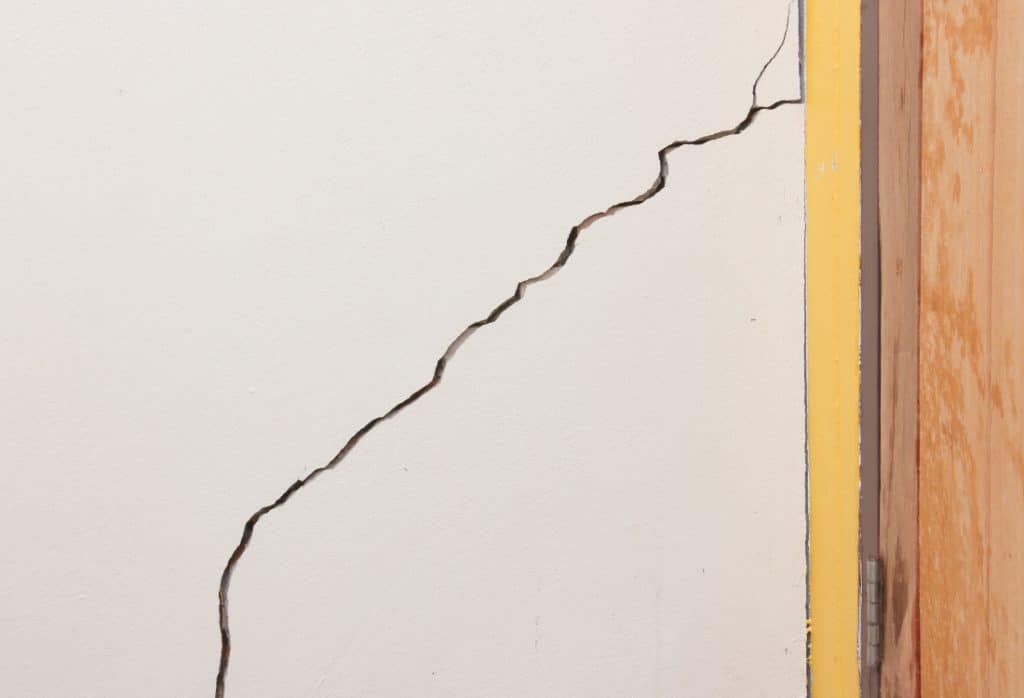
Cracks may appear in walls, ceilings, or floors, often near doors, windows, or corners. Hairline cracks in slabs are common in many homes, but cracks that widen, spread, or reappear after repair are worth monitoring.
Uneven or Sloping Floors
Floors that slope, dip, or feel uneven can be an early indication that parts of the home are settling differently. While some floor variation can remain stable, noticeable or worsening unevenness may be worth investigating, especially alongside other changes.Doors or Windows That Stick or Don’t Close Properly
When doors or windows begin sticking or no longer close properly, it can be a sign that parts of the home have shifted. Seasonal humidity can cause minor changes, but issues that persist or worsen over time may indicate structural movement.Gaps Between Walls, Ceilings, or Trim
Small gaps where walls meet ceilings, floors, or trim can form as a home settles unevenly. These separations may become more noticeable over time and are often easier to spot when paired with other changes such as cracks or uneven floors. On their own, any single issue may be minor. When several appear together or gradually worsen, they can suggest underlying foundation movement that deserves closer evaluation. If you’re seeing one or more of these signs and want to understand what they may indicate, our sinking foundation signs page covers each symptom in detail — including what causes them and what repair options are typically used.Differences Between Normal Settling and Foundation Sinking
Homes naturally settle over time, but not all movement is a cause for concern. Understanding how to tell if your foundation is sinking often comes down to recognizing patterns over time rather than a single isolated issue. The table below compares common signs of normal settling with indicators that may suggest a sinking foundation.Normal Settling vs. Signs of a Sinking Foundation
| Condition | Normal Settling | Potential Sinking Foundation |
| Doors and windows | Minor sticking that changes with the seasons | Doors and windows that become increasingly difficult to open or close |
| Floors | Slight, stable unevenness | Floors that continue to slope or feel increasingly unlevel |
| Changes over time | Little to no progression | Noticeable worsening over weeks or months |
| Number of symptoms | One isolated sign | Multiple signs appearing together |
| Cracks | Thin, hairline cracks that remain the same size | Cracks that widen, spread, or reappear after repair |
| Timeline | Changes develop gradually over years and stabilize | Changes develop over weeks or months and continue to worsen |
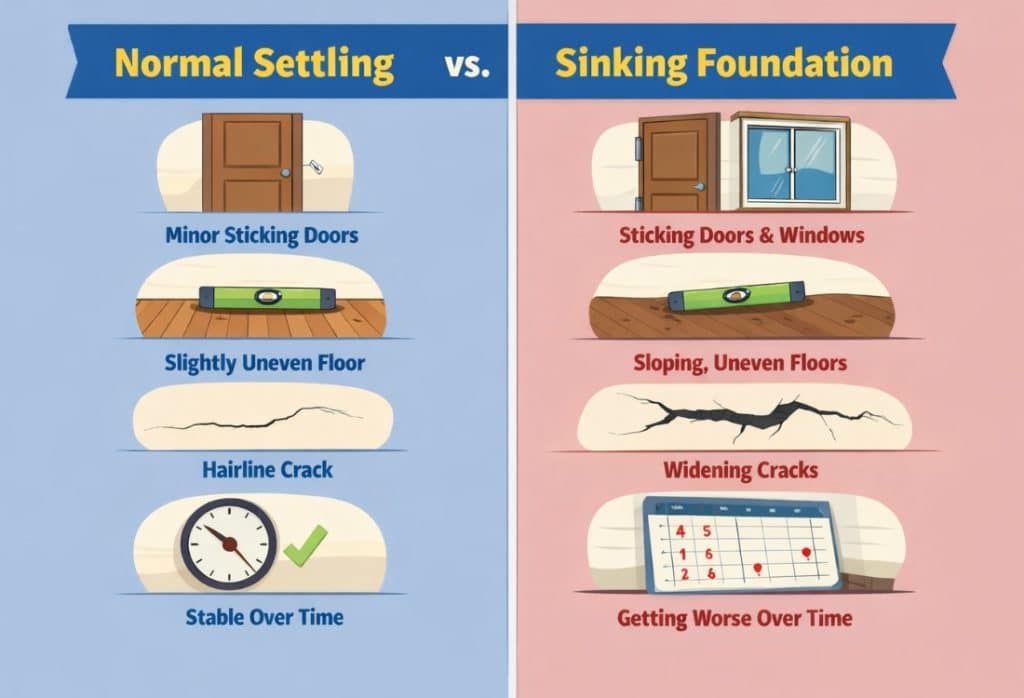
When symptoms change, progress, or appear together, the issue is more likely related to foundation movement rather than normal settling.
Why Homes Can Start to Sink Over Time
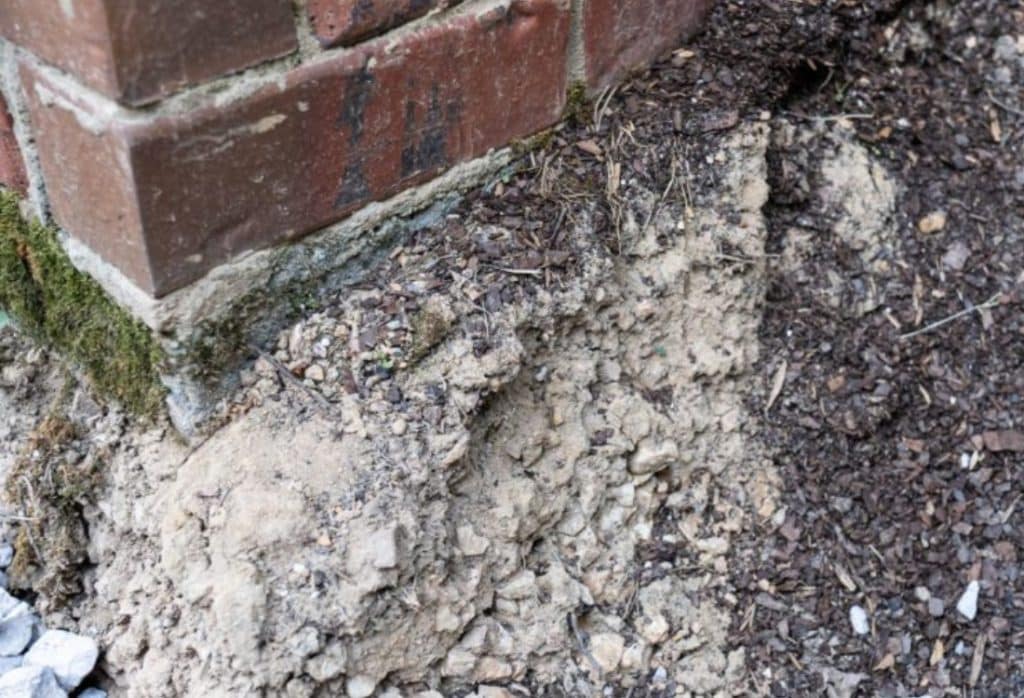
Foundation sinking is usually caused by changes in the soil beneath the foundation — including erosion, moisture shifts, or poor drainage. Understanding the cause is important because the right repair depends on what’s driving the movement.
For a full breakdown of causes and what each one means for your home, see our sinking foundation signs and causes page.
Early Homeowner Checks You Can Do
If you’re noticing changes around your home, there are a few simple checks you can do to better understand what’s happening before calling a professional. These checks won’t diagnose a foundation issue, but they can help you observe patterns and decide whether further evaluation is needed.
1. Floor Level Changes
Place a small ball or marble on the floor and see if it rolls consistently in one direction. A slight roll can be normal, but a strong or repeated slope toward one area of the room may be worth noting. For a more accurate check, use a small level on the floor surface in multiple spots across the room.
2. Doors and Windows
Use a level on your door frames to see if they’re still plumb. A door frame that has shifted out of square — even slightly — can explain why doors are sticking or failing to latch. Pay attention to whether the issue is getting worse over time, not just whether it exists.
3. Crack Patterns Monitoring
Look at cracks along walls, ceilings, and around door frames. To check if a crack is active, use a pencil to mark the edges of the crack and write the date beside it. Check back in 2–4 weeks. If the crack has grown past your mark, it’s an active crack — not just settling.
4. Document What You See
Take photos of any cracks, gaps, or uneven areas and note the date. When speaking with a professional, having a documented history of changes — when they appeared and how they’ve progressed — helps them assess the situation more accurately.
These checks are meant to help you observe changes, not confirm a specific problem. If the same issues appear in several rooms or seem to worsen over time, the documentation you’ve gathered can be very helpful when speaking with a professional.
What to Do If You Suspect Your Foundation Is Sinking
After observing several warning signs that suggest your foundation may be sinking, the goal is not to panic, but to stay observant and organized. Tracking how symptoms change over time helps clarify the severity of the issue and whether further evaluation is needed.
You can start by taking notes or photos of:
- Where cracks or gaps appear, the size of the cracks and whether they change.
- Doors or windows that begin sticking.
- Floors that feel uneven or increasingly sloped.
- Whether multiple issues appear together rather than in isolation.
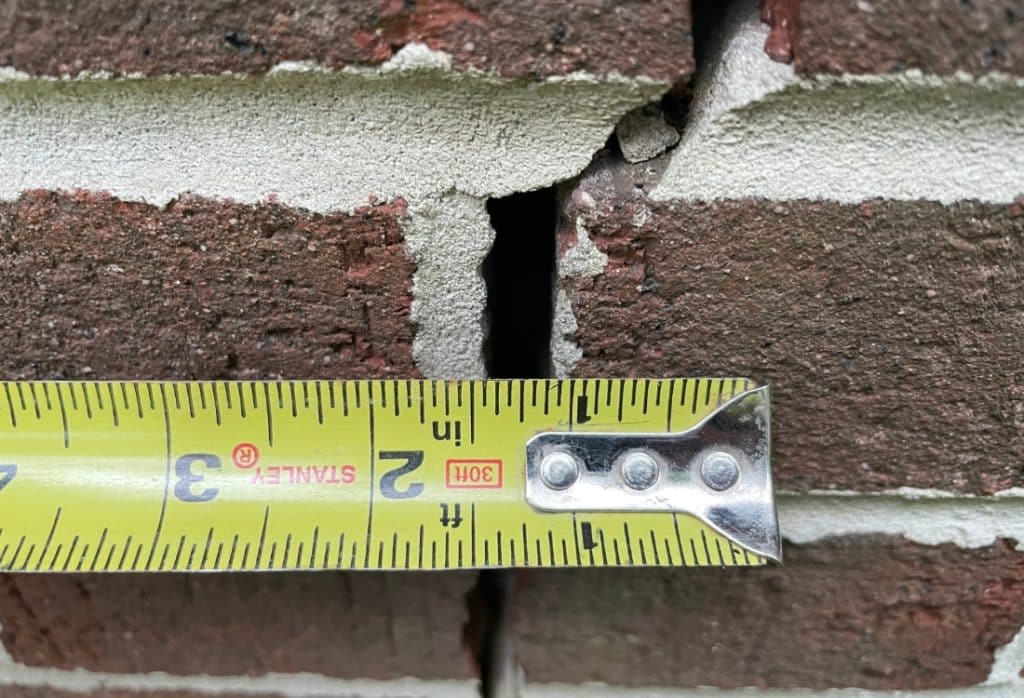
If these changes persist or worsen, a professional foundation inspection can help identify movement patterns and structural alignment and determine what steps may be needed.
Get Professional Insight for Your Home in Northern Virginia
If you’re a homeowner in Northern Virginia, the Shenandoah Valley, North Central Virginia, or surrounding areas and you’re noticing changes that suggest foundation movement, a professional evaluation from LUX Foundation Solutions can give you clear answers.
Our team evaluates soil conditions, movement patterns, and contributing factors specific to Virginia homes — and our assessments are always no-obligation. A foundation specialist can assess movement patterns, review conditions around your home, and explain what the signs you’re seeing may indicate.
If you’d like professional insight into what you’re seeing, schedule your free evaluation to discuss your concerns and take the uncertainty out of foundation questions
Frequently Asked Questions About Foundation Sinking
Normal settling usually happens gradually and then stabilizes. Foundation sinking often involves uneven movement — such as widening cracks, sloping floors, or doors that become harder to open over time. Patterns and progression matter more than a single isolated issue.
Early signs can include uneven floors, cracks around doors or windows, sticking doors, or gaps between walls and ceilings. These changes don’t always mean a serious problem, but they should be monitored, especially if they worsen or appear in multiple areas.
For a complete breakdown of what each symptom may indicate, see our sinking foundation symptoms guide.
All homes settle to some degree after construction. Foundation settling is typically gradual, even, and stabilizes within a few years. Foundation sinking is uneven, progressive, and doesn’t stabilize on its own — it tends to worsen as soil conditions change beneath the foundation.
Not always. Some foundation movement is minor and related to normal settling. A professional evaluation can help determine whether the movement is stable or if it indicates an active issue that needs attention.
If you notice multiple signs appearing together, worsening changes, or uneven floors that affect daily living, it’s a good idea to seek a professional evaluation to better understand what may be causing them.
Yes. In many cases, an evaluation confirms that changes are minor or due to normal settling, providing peace of mind and helping homeowners avoid unnecessary repairs.