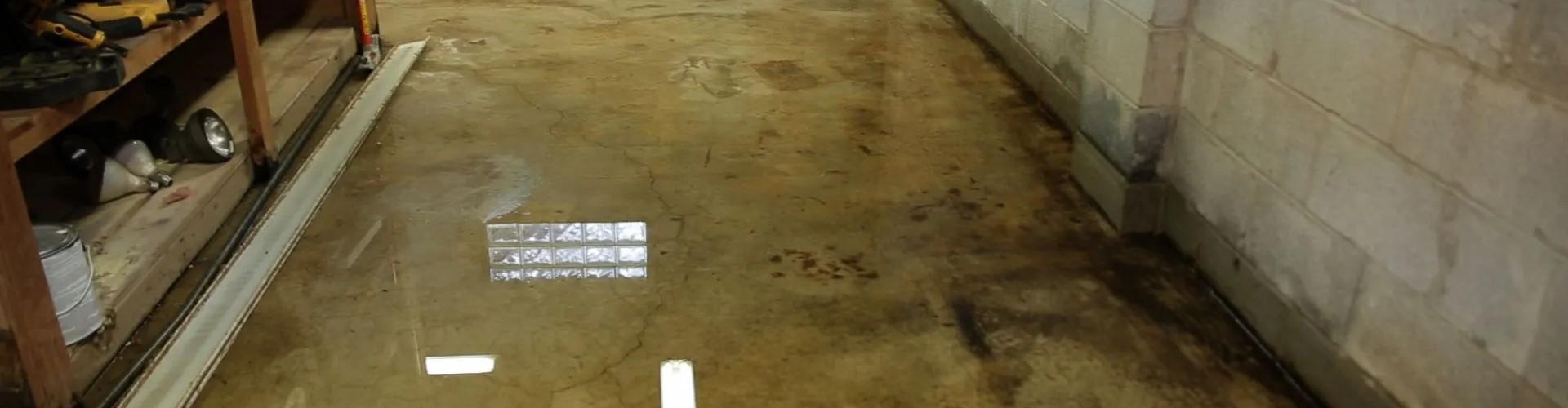
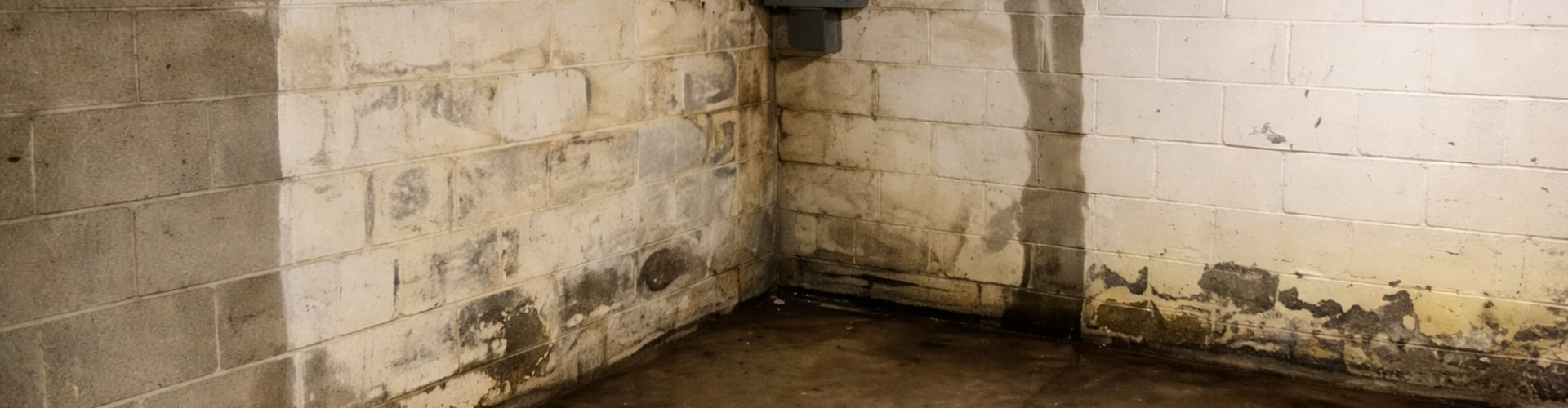
Cracks in Basement Wall

Basement wall cracks are one of the most common signs homeowners notice, and one of the most overlooked. The direction, width, and location of a crack tell you whether you are dealing with normal concrete behavior or a basement water and moisture problem that needs attention.

Written By Bridget Stieb, Director of Marketing at LUX Foundation Solutions
Reviewed by LUX’s foundation repair specialists serving Northern Virginia & Florida

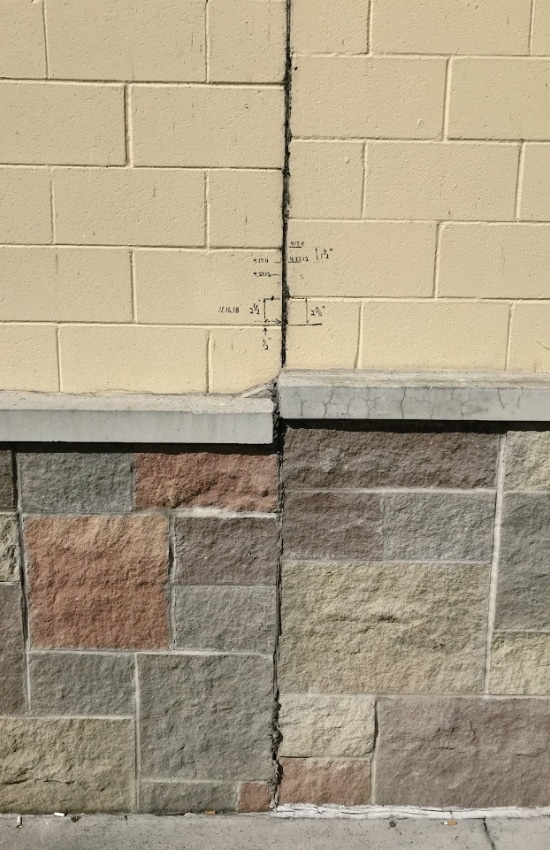
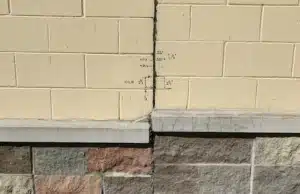
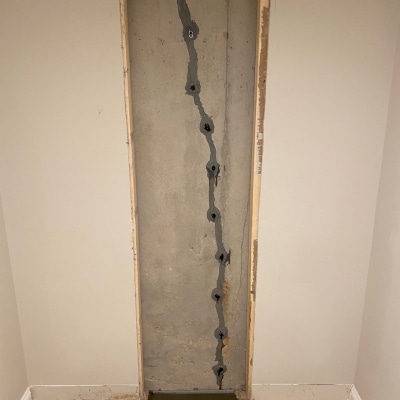
Basement wall crack with measurement markings showing crack width indicating structural stress that needs repair in Winchester, VA.

What Do Cracks in Your Basement Wall Mean?

Cracks in basement walls develop when the wall is under structural stress it was not built to handle. That stress almost always comes from outside, such as water saturating the soil, ground shifting, or pressure building up against the wall over time.

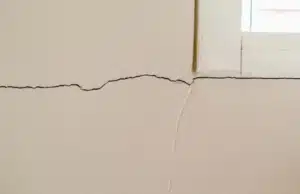
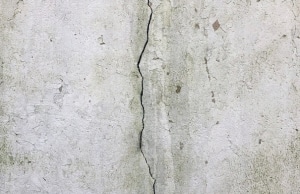
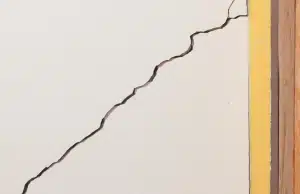
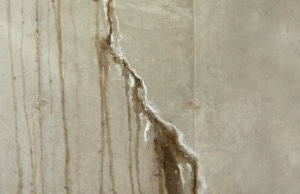
The direction of the crack tells you a lot about what’s going on.  A vertical crack runs straight up and down and is usually the result of normal concrete curing or minor settling. A horizontal crack runs across the wall and signals direct lateral pressure, the most serious type. Diagonal cracks appear when one section of the wall is moving differently from another.

In Northern Virginia, clay-heavy soil absorbs and holds seasonal rainfall longer than most soil types, putting consistent outward pressure on basement walls year-round.

Signs of Basement Wall Cracks

If you have noticed cracks in your basement wall, watch for these signs that the problem may be getting worse: 

  • Horizontal cracks running across the wall from one side to the other indicate lateral soil or water pressure pushing directly against the wall. 
  • Vertical cracks running straight up or down the wall that are widening or growing longer over time.
  • Diagonal lines spreading from the corners of basement windows or doors toward the ceiling or floor.
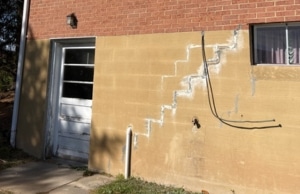
  • Stair-step cracks zigzagging along the mortar joints of a concrete block or brick wall.
  • Cracks accompanied by displacement where one side of the crack sits higher or further in than the other.
  • Water seeps into the cracks after heavy rainfall or during wet seasons. 

The longer these signs go unaddressed, the more pressure builds behind the wall. Each one points to a specific cause worth identifying before the damage spreads to your home’s foundation. If you are also seeing cracks in your basement floor, see our dedicated guide: Cracks in Basement Floor: Normal or a Warning Sign?

What Causes Cracks in Basement Walls?

Cracks in basement walls don’t appear without an underlying cause. Here are the most common causes found in homes across Northern Virginia and surrounding regions.

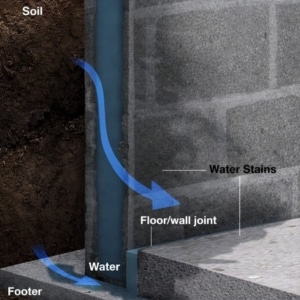
Diagram showing water and soil pressure building against concrete block wall causing cracks in basement wall in Berryville, VA.

Hydrostatic Pressure

When water saturates the soil around your basement wall, it exerts outward pressure on the surface. Over time, that pressure forces the wall to crack, bow, or shift inward. Northern Virginia’s expansive clay-heavy soil absorbs and holds seasonal rainfall far longer than sandy soil, making groundwater flow one of the most persistent drivers of wall cracks in this region. 


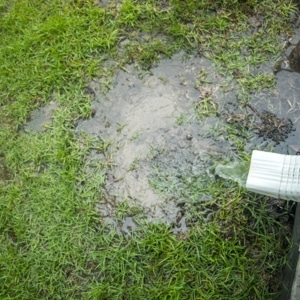
Standing water pooling in yard near foundation from poor downspout discharge causing cracks in basement wall in White Post, VA.

Poor Drainage

When water around your home has nowhere to go, it builds up against your foundation and puts more and more pressure on your basement walls. Clogged gutters, short downspouts, and flat or inward-sloping ground all contribute.

Homes with old, poorly maintained drainage systems and those exposed to excessive rainfall without proper grading are especially vulnerable to cracks forming along the wall.


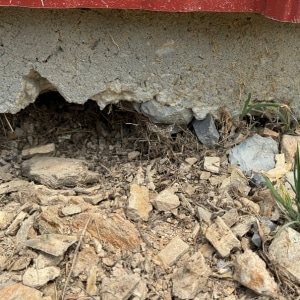
Foundation base with eroded soil void underneath showing uneven settlement that causes cracks in basement wall in Front Royal, VA.

Foundation Settlement

As the soil beneath and around your home shifts over time, different sections of the basement wall move at different rates. This uneven soil movement creates stress points that crack the wall along diagonal or stair-step lines. In Northern Virginia, properties built on ground with slope failure are particularly prone to this; water consistently flows toward the foundation rather than away from it.

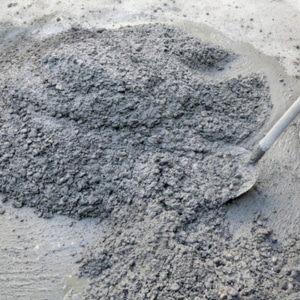
Improperly mixed wet concrete showing poor construction quality that leads to cracks in basement wall in Flint Hill, VA.

Construction Defects

Basement walls built without enough reinforcement, improperly cured concrete, or without adequate waterproofing compromise structural integrity. These are more vulnerable to crack even under normal, everyday weather conditions.

Even minor changes in soil moisture, temperature, or freeze-thaw cycles can cause cracks in walls built with subpar materials or methods. This is more common in older Northern Virginia properties where poor construction practices preceded current building standards.


Our Solutions for Cracks in Basement Wall

Cracks in the basement wall do not fix themselves. The longer they go unaddressed, the more water pressure seeps through. The right solution for repairing cracks depends on the cause and severity of the crack. Here are the most effective repair solutions LUX uses to stop basement wall cracks from worsening.

What should I do if I notice cracks in my basement wall that are starting to bow or show signs of inward movement?

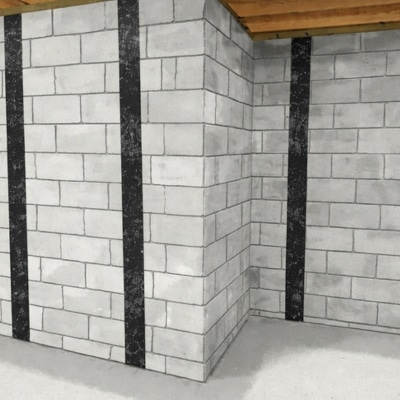
When a basement wall begins to bow inward, it means lateral soil and water pressure are winning against the wall. Acting early is critical because the more the wall moves, the harder and more expensive it becomes to stabilize. Our carbon fiber straps bond directly to the wall surface and prevent further inward movement without excavation. They work best on walls showing early to moderate bowing before displacement becomes severe.  

How do you stop a basement wall from cracking further?

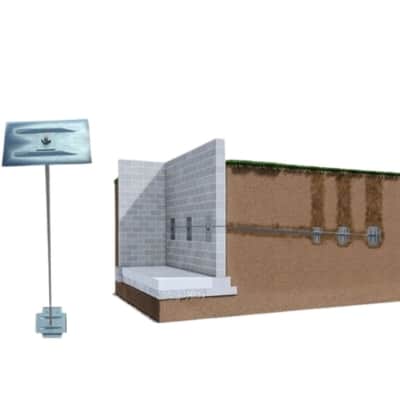
Stopping further cracking requires stabilizing the wall against the external pressure causing it to move. Our wall anchor system drives steel anchors through the wall into stable soil on the exterior and connects them to wall plates on the interior. This counteracts the lateral pressure pushing against the wall and prevents further movement. Over time, the anchors can also be slowly tightened to gradually bring the wall back to its original position.

I noticed water seeping through a crack in my basement wall after heavy rain. What should I do?

Water coming through cracks in your basement wall after rain means hydrostatic pressure is forcing moisture through an opening. The crack needs to be sealed from the inside before the next rainfall event causes further damage. Our basement wall crack repair uses polyurethane crack injection directly into the crack, expanding to fill the void and stopping water entry at the source. 

My basement wall keeps getting wet even after the cracks are sealed. Why is it still happening?

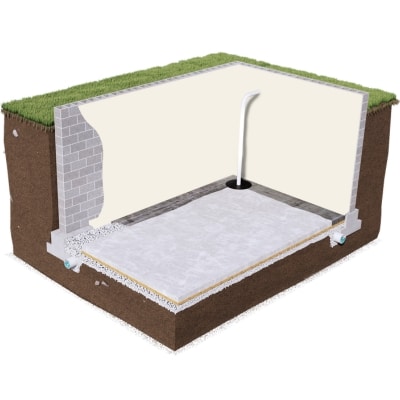
If your cracked basement wall keeps getting wet after sealing the visible cracks, water is likely entering through the wall material itself rather than through a single opening. Concrete and block walls are porous; moisture moves through them under sustained pressure, even without a visible crack. Our interior basement waterproofing system installs drainage channels along the perimeter of the walls that capture water before it reaches your floor, preventing further water intrusion and safely redirecting it.

Basement Wall Cracks Get Worse With Every Wet Season — Get a Free Assessment

Every wet season adds more pressure behind your basement wall. In our experience inspecting homes across Northern Virginia and the Shenandoah Valley, wall cracks that go unaddressed through even one heavy rainfall season consistently worsen and cause structural damage. The crack widens, water finds its way through, and the more costly repairs become.

LUX Foundation Solutions provides free on-site assessments to identify the type, cause, and severity of cracks in the basement wall and recommend the right solution before the damage spreads. 

We serve homeowners across Northern Virginia, Shenandoah Valley, North Central Virginia, and West Virginia. Call 540-508-8587 or fill out our online form to schedule your free assessment today.

Request a free Estimate

About the Author

Bridget Stieb

Bridget Stieb

Bridget is the Director of Marketing at Lux Foundation Solutions, bringing firsthand knowledge of the foundation repair, basement waterproofing, crawl space repair, concrete repair, and seawall needs of homeowners across Northern Virginia, the Shenandoah Valley, North Central Virginia, West Virginia, and Florida. She works closely with structural repair specialists to translate real-world inspection and repair data into homeowner guidance on foundation, basement, crawl space, and concrete issues. With a deep understanding of local homeowner concerns in both regions, she is committed to delivering clear, trustworthy content that helps families protect their homes. When she is not working on a marketing strategy, Bridget enjoys spending time with her family, friends and being outdoors.

FAQs

Should I be concerned about cracks in my basement walls?

Knowing when to worry about cracks in your basement wall depends on the type and behavior of the crack. A hairline crack in a stable, dry, non-growing basement wall is common in concrete walls and rarely requires immediate action.

What you should watch out for are structural cracks in your basement wall that are widening over time, accompanied by moisture, showing displacement, or running horizontally across the wall. These patterns are signs there is active pressure or movement that needs professional assessment and immediate repair.
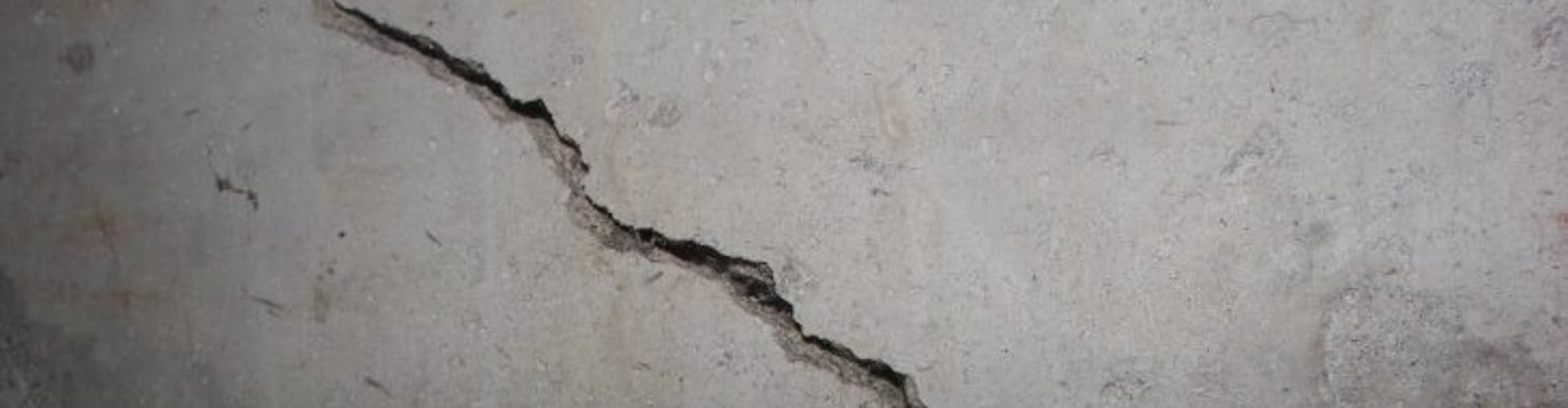

What is the most serious crack in a basement wall?

Horizontal cracks are the most serious type of basement wall crack. They run across the wall and indicate that lateral soil or water pressure is pushing directly against it from the outside. 

Unlike vertical or diagonal cracks, which follow the wall’s natural stress points, horizontal cracks signal that the wall is being forced inward. Left unaddressed, horizontal cracks can turn into a structural threat that can lead to bowing, structural failure, and significant water intrusion.

Are cracks in basement walls normal?

Some are. Hairline vertical cracks under 1/8 inch wide are common in poured foundations and concrete walls and typically result in normal concrete shrinkage during curing and minor settling. They are not always a sign of a serious problem. 

What is not normal are cracks wider than 1/4 inch, horizontal cracks, cracks with displacement, or any crack that continues to grow. If you are unsure, a professional assessment is the safest way to determine severity.

I have a vertical crack in my basement wall. Should I be worried?

A vertical crack in your basement wall is often a shrinkage crack from normal concrete curing or minor settling. A thin, stable vertical crack that shows no moisture, displacement, or growth is usually not an emergency. 

However, a vertical crack that is widening, longer than a few feet, or accompanied by water seeping through after rainfall needs professional attention before the damage spreads further into the wall.

Related Signs

Thank you! Your form has been successfully submitted. You may receive service-related text messages from Lux Foundation Solutions, including appointment updates, reminders, and one-time verification codes if needed. Message frequency may vary. Msg & data rates may apply. Reply HELP for help. Reply STOP to opt out.

Examples of messages you may receive:

Lux Foundation Solutions: Your appointment has been scheduled. You will receive service-related updates as needed.

Lux Foundation Solutions: Reminder — your scheduled service is approaching. Reply STOP to opt out.

Lux Foundation Solutions: Your verification code is 739214. This code expires in 10 minutes.