Written By Bridget Stieb, Director of Marketing at LUX Foundation Solutions • Reviewed by LUX’s foundation repair specialists serving Northern Virginia & Florida
A sump pump helps keep groundwater from entering your basement, but it depends on electricity to operate. During a severe storm or power failure, the primary pump can stop running when you need it most. A failed pump can also leave your basement vulnerable to rising water.
A battery backup for a sump pump provides an additional layer of protection when the primary pump cannot operate. It uses a separate power source to keep removing water from the sump pit during an outage or when the main pump fails.
Understanding how a battery backup sump pump works and what it can do can help you determine if your basement needs extra protection from unexpected water buildup.
Key Takeaways
- A primary sump pump depends on electricity, so a power outage or pump failure can leave a basement vulnerable to flooding.
- A battery backup for a sump pump uses a separate power source to keep pumping water even when the main pump can’t run.
- It engages automatically when power fails or the primary pump can’t keep up with the water volume.
- A backup provides hours of protection, not indefinite runtime; how long it lasts depends on the battery and how much water needs pumping.
- A battery backup and a generator solve the same problem differently, and each has tradeoffs worth understanding before choosing one.
- Regular testing and maintenance are what keep a backup system reliable when it’s actually needed.
What is a Battery Backup for a Sump Pump and How Does it Work?
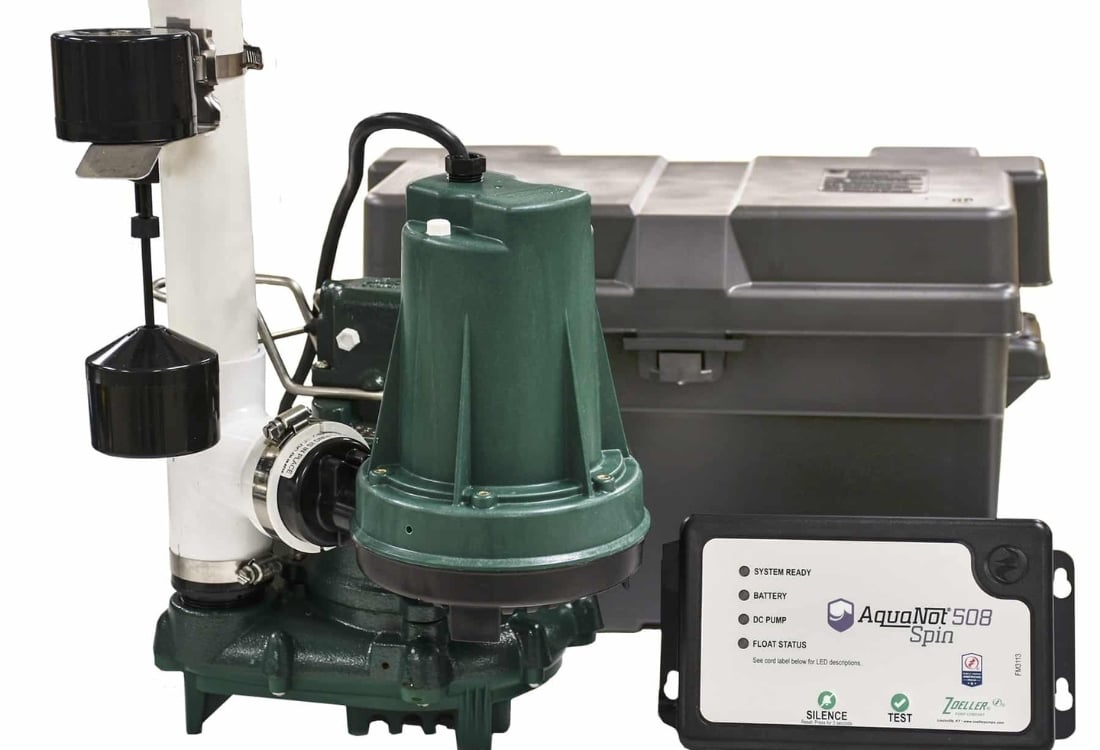
A battery backup for a sump pump is a secondary system that helps remove water when the primary sump pump cannot operate. It helps protect your basement from flooding during power outages or primary pump failure.
It uses a rechargeable battery to power a secondary pump when the primary system is unavailable. Depending on the system, the backup pump activates automatically when the power goes out or when water in the sump pit rises enough to trigger the float switch.
The battery powers the backup pump, allowing it to keep removing water from the sump pit even when the primary pump isn’t operating. Once regular power is restored, the system can return to standby while the battery recharges.
What Happens to Your Basement During a Power Outage?
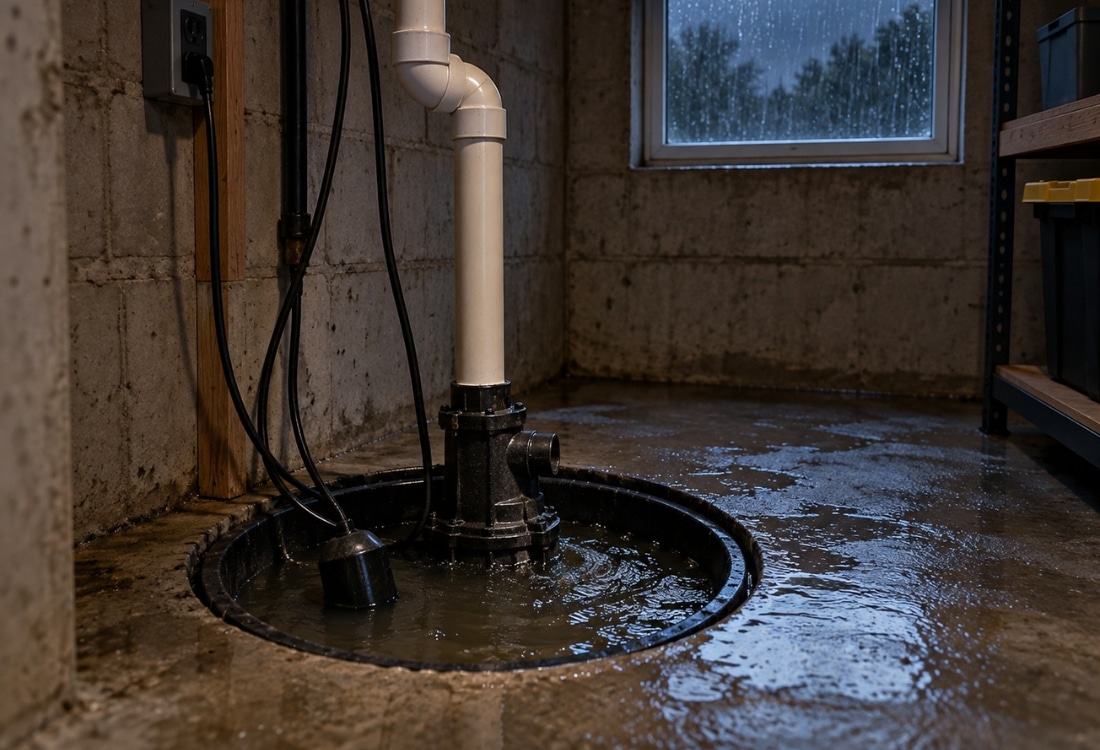
When the power goes out during heavy rain, a standard electric sump pump cannot operate without another power source. Water can continue entering the sump pit while the pump remains inactive.
Without backup protection, rising water may eventually overflow the sump pit and enter the basement. This can cause basement water damage, including wet flooring, walls, furniture, appliances, and other belongings.
A sump pump backup battery allows a secondary pump to keep removing water during an outage, helping prevent basement flooding and keep your basement dry when the primary pump is unavailable.
When Do You Need a Battery Backup for a Sump Pump?
A backup battery for a sump pump is worth considering when a failed primary pump could leave your basement exposed to water damage. It is especially useful when the sump pump is an important part of your home’s water management system.
Consider adding backup protection if:
- Your sump pump is the primary defense against groundwater entering your basement.
- Your area experiences power outages during severe storms or heavy rainfall.
- Your basement has flooded before because of a sump pump failure or power outage.
- Your home has high groundwater levels that cause water to collect in the sump pit frequently.
- You rely on your sump pump year-round to control water beneath your home.
- You spend extended periods away from home and cannot respond quickly to a pump failure.
A battery sump pump backup system is especially valuable when a primary pump failure could cause significant water damage before you discover it.
Battery Backup Sump Pump vs. Generator
A battery backup and a generator can power a sump pump during an outage, but they provide backup power differently.
| Comparison Factor | Battery Backup Sump Pump | Generator |
|---|---|---|
| Power source | Uses a dedicated rechargeable battery | Uses fuel or another external power source |
| Automatic operation | Can activate automatically when needed | Depends on the generator and setup |
| Purpose | Designed specifically to keep the sump pump operating | Can power multiple household systems |
| During an outage | Provides dedicated backup pumping power | Can keep the primary sump pump running if properly connected |
| Maintenance | Requires battery testing and replacement when needed | Requires fuel, testing, and regular maintenance |
A battery sump pump backup system can be a good option if your main goal is to keep the pump running during a power outage. A generator may be more appropriate when you also want backup power for other essential systems in the home.
What to Consider When Choosing a Battery Backup for a Sump Pump
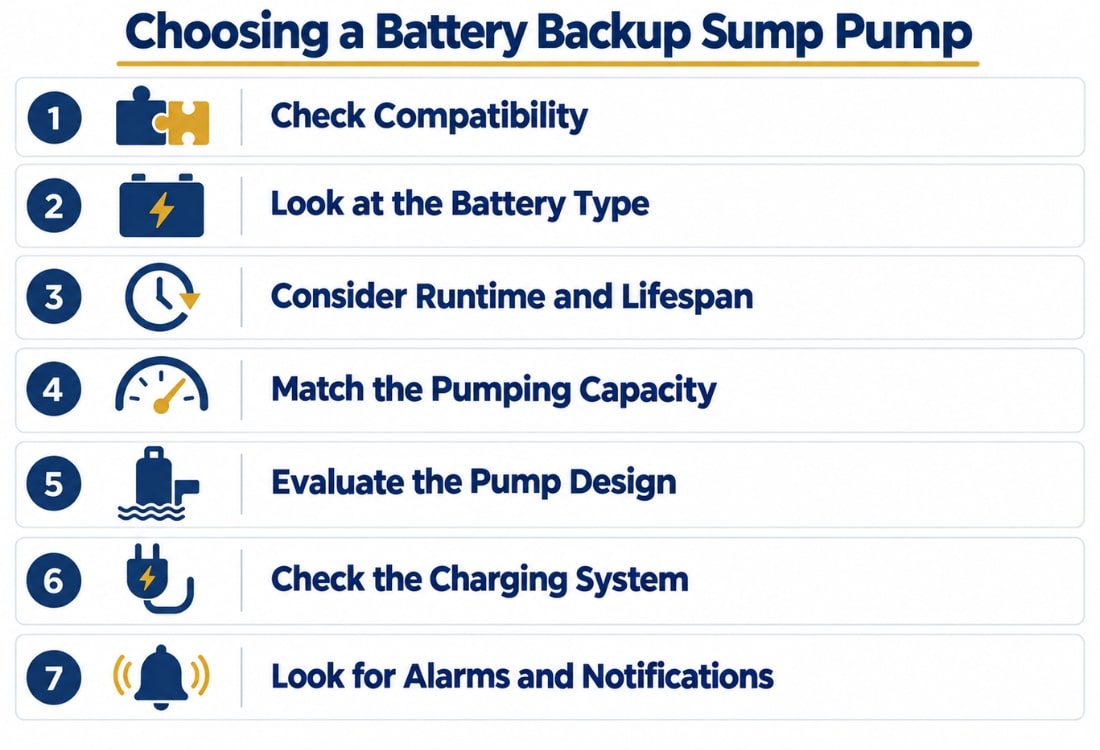
Not every sump pump battery backup power system provides the same level of protection, so consider the following before choosing one:
Compatibility with your existing sump system.
Not every backup pump is designed to work with every primary sump pump setup. Checking compatibility before installation avoids running into issues once the entire system is in place.
Battery type and configuration.
Most battery backup systems run on a DC (direct current) battery, using a power inverter to convert that stored energy for the pump, while the primary pump typically runs on standard household AC power. Keeping the two systems independent, a dedicated AC primary pump paired with a separate DC backup on its own battery, is generally the more reliable setup, since a failure in one system doesn’t affect the other.
Battery type and lifespan.
Different battery types (such as AGM or lithium) hold a charge differently and have different expected lifespans before they need replacing, separate from how long the battery lasts during any single outage. A quality battery built for repeated charge-and-discharge use will generally last longer than one that isn’t.
Battery capacity and runtime.
A battery’s capacity determines how long the backup can run on its own power and how many pump cycles it can handle before needing a recharge. Homes in areas with longer outages need a higher-capacity battery than homes with typically brief outages.
Pump capacity.
The backup pump must be rated to handle the flow rate your sump pit typically receives. A backup that can’t keep pace with incoming water during heavy rain won’t provide much real protection.
Charging and monitoring features.
Many systems are built for easy installation of the battery and charging components themselves, though connecting the backup to your existing sump setup is still best left to a professional. Look for a system with a battery tender or maintainer that keeps the battery charged and ready between uses, rather than one that requires manual charging. Some systems also include monitoring or alert devices that flag battery issues before they become a problem.
Water alarm integration.
A water alarm alerts you if water is rising in the sump pit, whether from a slow leak, a pump nearing its limit, or an issue with the backup system itself. Some send a simple audible alert, while others notify a phone or email directly.
How to Maintain and Test a Battery Backup Sump Pump
Regular testing and maintenance help ensure your sump pump backup system is ready when the primary pump loses power or stops working.
- Test the backup system periodically to confirm that the pump activates and removes water properly.
- Check the battery regularly for signs of damage, corrosion, or other problems.
- Keep the sump pit and pump intake clear of debris that could interfere with pumping.
- Check the discharge line to make sure water can flow away from the home without obstruction.
- Replace the sump pump backup battery according to the manufacturer’s recommended service life.
- Test the system before periods of severe weather when your basement is more likely to receive excess water.
Protect Your Basement From Water Damage
If your sump pump is your primary defense against basement water, a sump pump battery backup can provide added protection when the main system loses power or fails. Properly maintaining the backup system can help keep your basement dry during heavy rain or an unexpected power outage.
If your home hasn’t been evaluated for backup protection, or you’re not sure whether your current sump pump system would hold up during a severe storm, a professional evaluation can help identify potential weaknesses and determine whether a backup system is appropriate for your home.
About the Author

Frequently Asked Questions
How long do sump pump battery backup systems last?
Most battery backups run for several hours during an outage, though exact runtime depends on the battery’s capacity and how much water the pump is moving. The battery itself typically needs replacing every 3 to 5 years, separate from how long it lasts during any single outage.
How much is a battery backup sump pump?
Cost varies based on the battery type, pump capacity, and whether professional installation is included. A system built for a home with frequent outages or high water volume typically costs more than a basic setup for occasional backup use. A professional assessment is the most reliable way to get an accurate estimate for a specific home.
What is the best battery backup sump pump system?
The best system matches a home’s specific needs; no single model works best for every home. Look for a battery type suited to local outage frequency, a pump rated for the home’s typical water volume, and a charging system that keeps the battery ready without manual upkeep.
What size battery is needed for a sump pump backup?
Battery size should match the pump’s power draw and the expected outage length; a larger battery provides longer runtime but isn’t necessary for every home. Homes with frequent or extended outages typically need a higher-capacity battery than homes with rare, brief outages.
Is a battery backup sump pump enough to protect my basem
It depends on what’s causing the risk in the first place. If the main concern is losing power during a storm, a battery backup is usually enough; it directly solves that specific problem. But it isn’t a complete solution on its own; a clogged or frozen discharge line, a mechanically failed pump, or a drainage issue around the foundation all need separate attention, since a battery backup doesn’t fix any of those.
Does a battery backup sump pump need a professional to install it?
A homeowner familiar with basic plumbing and electrical work can install it, but improper setup can leave the system unreliable when it’s needed most. Professional installation ensures the backup is properly connected to the primary system, correctly sized for the sump pit, and tested before it’s relied on.