Written By Bridget Stieb, Director of Marketing at LUX Foundation Solutions • Reviewed by LUX’s foundation repair specialists serving Northern Virginia & Florida
If your crawl space has never been sealed, you probably rarely think about it. Out of sight, out of mind. But an unsealed crawl space is quietly exposed to outdoor air, moisture, and pests every single day, and the longer it stays that way, the more it can cost you.
The benefits of sealing a crawl space go well beyond the space itself. It’s a straightforward fix that protects parts of your home you’d never think to connect to what’s happening underneath your floors.
Here’s what sealing a crawl space actually protects, and what staying unsealed could already be costing you. These sealed crawl space benefits show up in places most homeowners never expect.
Key Takeaways
- Sealing closes off the vents and gaps that let outside air, moisture, and pests into your crawl space, supporting better moisture control and protecting everything routed through that space from ongoing damage.
- An unsealed crawl space gives radon gas, the second leading cause of lung cancer in the US according to the EPA, a direct path into your home.
- HVAC ductwork, electrical wiring, and plumbing pipes all commonly run through the crawl space, and moisture and condensation speeds up corrosion and failure in all three.
- Insulation loses effectiveness and grows mold once it absorbs moisture, and that mold can spread to the wood framing it surrounds.
- Common signs your crawl space needs sealing include a musty smell upstairs, rooms that are hard to heat or cool, visible pests, rising energy bills, and visible moisture underneath the home.
- The cost of sealing depends on the size of the space and how much damage has already occurred, a professional inspection is the only way to get an accurate number.
What is a Sealed Crawl Space?
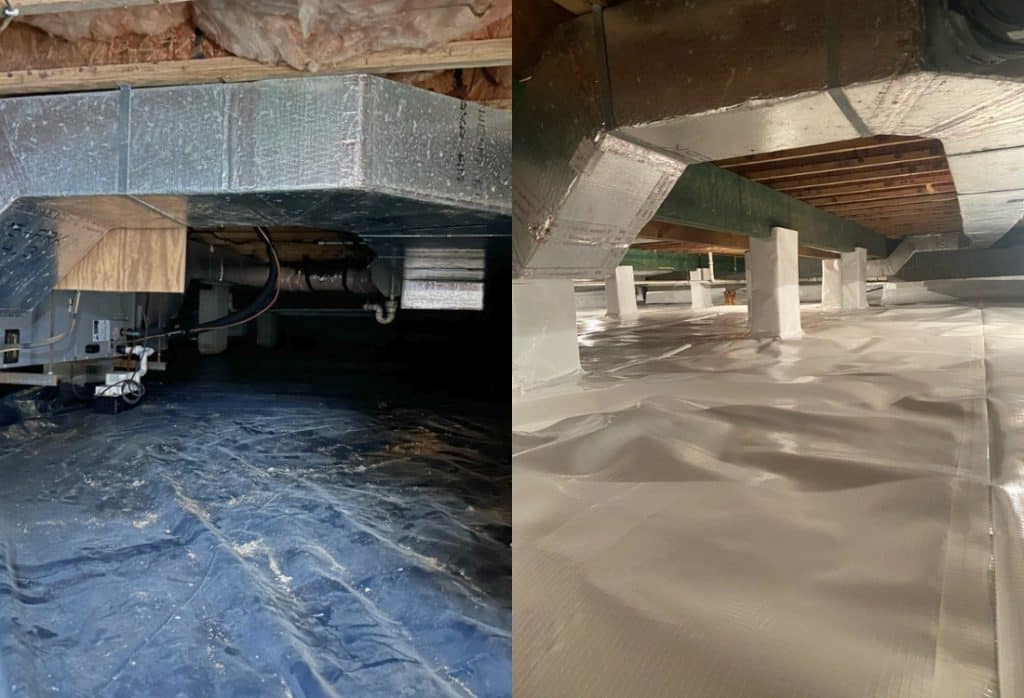
A sealed crawl space is one where the vents, gaps, and other openings around its perimeter have been closed off using a vapor barrier. Instead of outside air moving freely underneath your home, the space stays isolated from moisture, pests, and outdoor temperature swings.
This is different from an unsealed or vented crawl space, which most older homes were originally built with. Open crawl space vents were meant to let air circulate and prevent moisture from building up. In practice, especially in humid climates like Virginia, those same vents let damp outside air in freely, with no way for it to escape once it’s trapped underneath the floor.
Crawl space sealing doesn’t change the size or layout of the space. It closes off what’s already there, the vents and gaps around the crawl space walls and floor, so the crawl space becomes a controlled area instead of one exposed to whatever the weather brings in.
Why You Should Seal Your Crawl Space
When a crawl space is left unsealed, trapped ground moisture can slowly cause moisture infiltration throughout the space. It reaches everything routed through the crawl space: your ductwork, wiring, plumbing, and insulation. None of that was built to withstand constant dampness or warm air trapped underneath the home, and none of it shows damage right away.
That’s why sealing a crawl space matters. It isn’t about the crawl space itself; it’s about protecting everything that runs through it. Water damage in crawl space is slow and mostly invisible until it isn’t; by the time a problem shows up somewhere else in your home, it’s usually been building for years causing significant damage.
The Benefits of Sealing Crawl Space
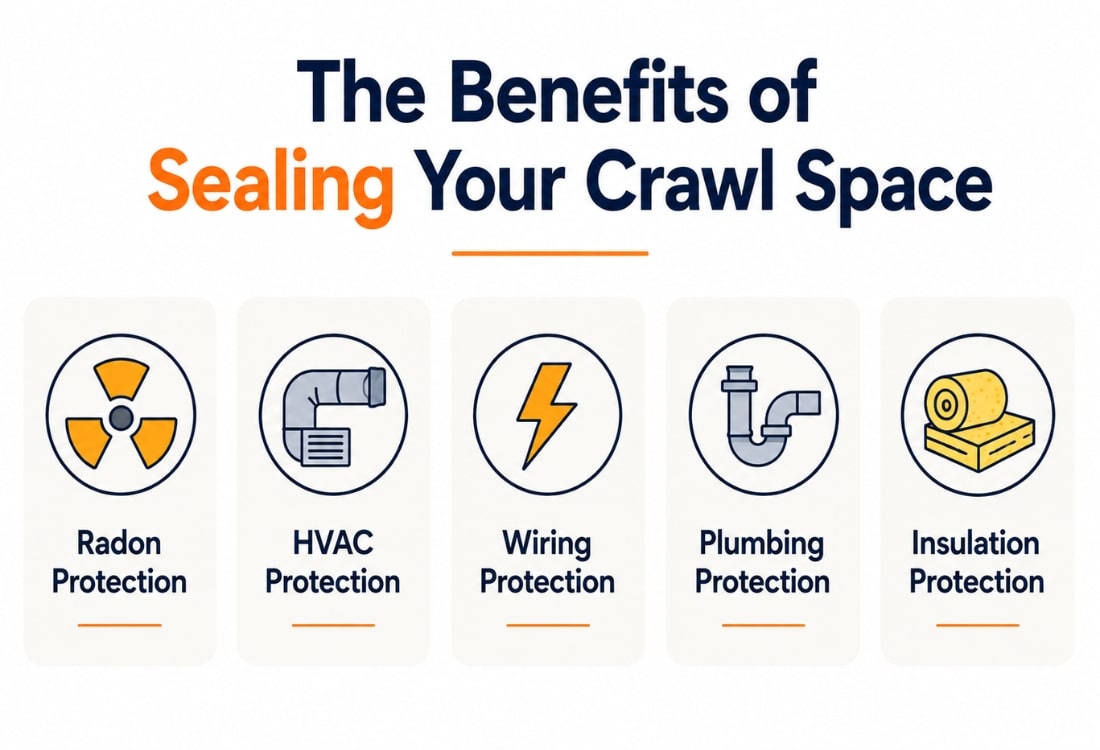
Sealing your crawl space does more than protect one part of your house. Here’s what it actually protects, among the many benefits of crawl space sealing, and what you’re already risking by leaving it unsealed.
1. Protects Against Radon Gas
Radon is a naturally occurring gas that seeps up from the soil, and an unsealed crawl space gives it a direct path into your home, affecting your indoor air quality in ways most homeowners never notice. It’s invisible and odorless, which is why it can go unnoticed for years.
According to the EPA, radon exposure is the second cause of lung cancer in the United States. Sealing closes off that entry point, one of the more serious risks an unsealed crawl space carries, and one most homeowners never connect to the space under their floors.
2. Protects Your HVAC Ductwork from Rust and Corrosion
If your ductwork runs through your crawl space, it’s sitting directly in the path of whatever comes through those open vents. Humidity speeds up rust and corrosion on metal ductwork, and once a duct starts to corrode, it doesn’t just weaken, it leaks conditioned air into a space that was never meant to be heated or cooled.
Sealing keeps that moisture out, so your ductwork lasts as long as it’s supposed to instead of failing years early.
3. Reduces Strain on Your HVAC System
A sealed crawl space keeps humid or cold air from constantly working against your HVAC system, supporting better energy efficiency and helping to control humidity throughout the space. When that air is left unchecked, your system has to run longer and harder just to keep up, and that extra strain adds up over time as wear on the equipment and your cooling costs.
In particularly humid crawl spaces, a dehumidifier alongside sealing can help keep humidity levels stable. Less strain also means steadier temperatures throughout your home, one more benefit that shows up long before anything actually breaks down.
4. Protects Your Home’s Electrical Wiring
Electrical wiring is often routed through the crawl space, and moisture is one of the most common causes of wiring damage. Corroded connections and damaged insulation don’t just fail quietly; they create a real fire and shock hazard. Sealing the crawl space helps control moisture around your wiring, reducing the risk of corrosion and other damage that could create a fire or shock hazard.
5. Protects Your Plumbing Pipes from Corrosion
Plumbing pipes that run through a crawl space are exposed to the same moisture problems as your ductwork and wiring. Constant dampness speeds up corrosion, especially on older metal piping, weakening pipes from the outside long before you’d ever notice a problem from inside your home. Sealing removes that constant moisture exposure, so your pipes age the way they should.
6. Reduces the Risk of Plumbing Leaks and Water Damage
Corroded pipes don’t stay corroded quietly, eventually, they leak. And a plumbing leak in a crawl space can go undetected for weeks or months before it shows up as water damage, mold, or a spike in your water bill. Sealing addresses the root cause before it gets to that point, protecting your home from a repair that’s far more disruptive and costly than the sealing job itself.
7. Preserves Your Crawl Space Insulation
Insulation depends on staying dry to do its job. Once it absorbs moisture from an unsealed crawl space, it compresses, loses its effectiveness, and becomes a breeding ground for mold, the same mold that can eventually spread to the wood framing above it and threaten your home’s structural integrity.
Sealing keeps that moisture out in the first place, so your insulation keeps performing the way it was installed to and the wood structure it surrounds stays protected, supporting improved air quality throughout the home.
Signs Your Unsealed Crawl Space is Already Causing Problems
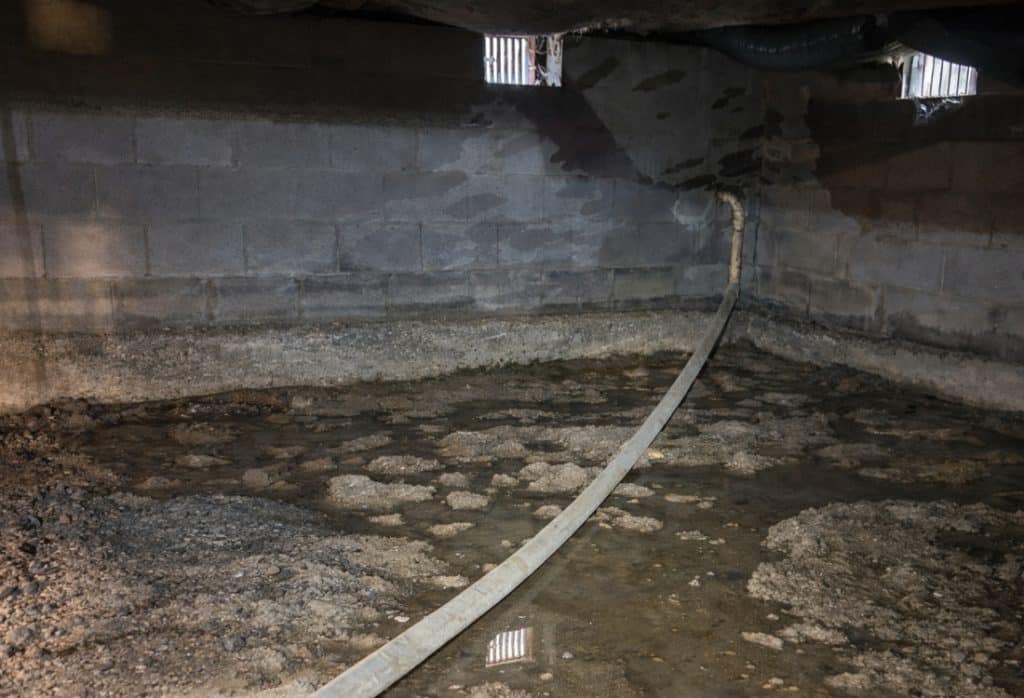
If your crawl space has never been sealed, here’s what to check for right now; these are signs the problems above may already be underway.
- A musty smell upstairs, even when the rest of the house seems clean, often a sign of mold spores already spreading beneath the floor
- Rooms near the crawl space feel harder to heat or cool than the rest of the house, sometimes noticeable as cold floors even when the heat is running.
- Visible pests in or around the crawl space, or signs of them elsewhere in the home.
- Rising energy bills with no other clear explanation.
- Condensation or visible moisture on pipes, ductwork, or framing when you look underneath.
If you’re noticing any of these signs, a professional assessment can confirm how far it’s spread and what needs attention before it gets worse.
Get Your Crawl Space Sealed
An unsealed crawl space doesn’t announce itself. There’s no sudden failure or obvious sign on the day it starts causing problems. It’s a slow process, moisture working beneath, year after year, until the damage finally shows up somewhere you’d never expect to trace back to the space under your floors.
Sealing your crawl space stops that process before it starts. It’s a straightforward job with a clear, lasting benefit and long term savings, and the cost of doing it now is almost always smaller than the cost of repairing what an unsealed crawl space eventually damages. These are the benefits of sealing a crawl space that most homeowners never see coming until the repair bill does.
LUX Foundation Solutions has sealed and repaired crawl spaces across Northern Virginia. If your crawl space has never been sealed, or you’re not sure, call us at 540-616-3900 to schedule your free crawl space assessment.
About the Author

Frequently Asked Questions
Does sealing protect the space above my crawl space too?
Yes. A sealed crawl space isn’t just about what’s underneath your home, it protects your storage space and living space above it too, since moisture, pests, and poor air quality can travel upward into rooms you actually use every day.
Is sealing a crawl space a good idea?
Yes, for most homes with a vented crawl space. Sealing protects the ductwork, wiring, plumbing, and insulation that run through that space from ongoing moisture damage, supports improved air quality throughout the home, and closes off a direct path for radon gas.
The main exception is a crawl space that’s already fully dry, inspected, and free of the moisture-related risks sealing is meant to address; in that case, the benefit is smaller since the problem it solves isn’t present to begin with.
Should I seal my crawl space?
Yes, if your crawl space has vents and has never been sealed. An open crawl space exposes your home’s systems, ductwork, wiring, plumbing, and insulation, to moisture damage that develops slowly and often goes unnoticed for years, along with pest prevention issues that tend to get worse the longer a space stays open.
By the time it becomes a visible problem, the repair is usually far more disruptive and expensive than sealing would have been. Sealing addresses the cause before it reaches that point.
How much does it cost to seal a crawl space?
Crawl space encapsulation cost depends on a few factors: the size of the crawl space, how much of the perimeter needs sealing, and whether moisture damage, rusted ductwork, or damaged insulation needs to be addressed first. A crawl space in good condition costs less to seal than one that also needs repair work before sealing can even start.
A professional inspection is the only way to get an accurate number for your specific home, since these factors vary too much for a general estimate to be useful.
Does sealing help with radon?
Yes. Crawl space sealing closes off the entry points that let radon gas move from the soil into your crawl space and, eventually, into your home. Radon is invisible and odorless, which is why it typically goes undetected without testing, and the EPA identifies it as the second leading cause of lung cancer in the United States. An unsealed crawl space is one of the more common paths radon takes into a home.
How do I know if my crawl space needs sealing?
Common signs include a musty smell upstairs, rooms that are harder to heat or cool, pests around the crawl space, unexplained increases in energy bills, or condensation on pipes, ductwork, and framing beneath the home.
If more than one of these applies, it’s worth having the space inspected for better air quality and long-term protection. Understanding these benefits of sealing crawl space issues early can prevent much larger repairs later.