Written By Bridget Stieb, Director of Marketing at LUX Foundation Solutions • Reviewed by LUX’s foundation repair specialists serving Northern Virginia & Florida
Foundation repair is a significant investment, and one of the first questions homeowners ask before committing to it is: Does foundation repair increase home value, or does it simply prevent further loss?
That concern is valid. Foundation repair is not cheap, and the last thing you want is to spend thousands of dollars on a fix that does not add anything back to your property’s value.
The answer depends on several factors: the severity of the damage, the type of repair, and how the work is documented.
This guide breaks down how foundation repair increases home value, what appraisers and buyers look for, the ROI, and what Virginia homeowners specifically need to know before making the decision.
Why Foundation Problems Hurt Home Value
Before talking about what repair does, it helps to understand what unrepaired foundation issues cost you. Across the real estate market, national appraisal data consistently show that visible foundation issues reduce a home’s market value by 10 to 15 percent. For Northern Virginia homeowners, that can mean a reduction of tens of thousands off your asking price before negotiations even start.
Beyond the direct value hit, foundation problems create two other costly consequences regardless of when you plan to sell. First, many potential buyers walk away the moment an inspector flags a foundation issue. Second, in competitive markets like Northern Virginia, buyers who stay will use the problem as leverage to push for price reductions far beyond the actual repair cost.
The math is straightforward: the cost of repair is almost always less than the value you lose by skipping it.
How Does Foundation Repair Increase Your Home’s Value
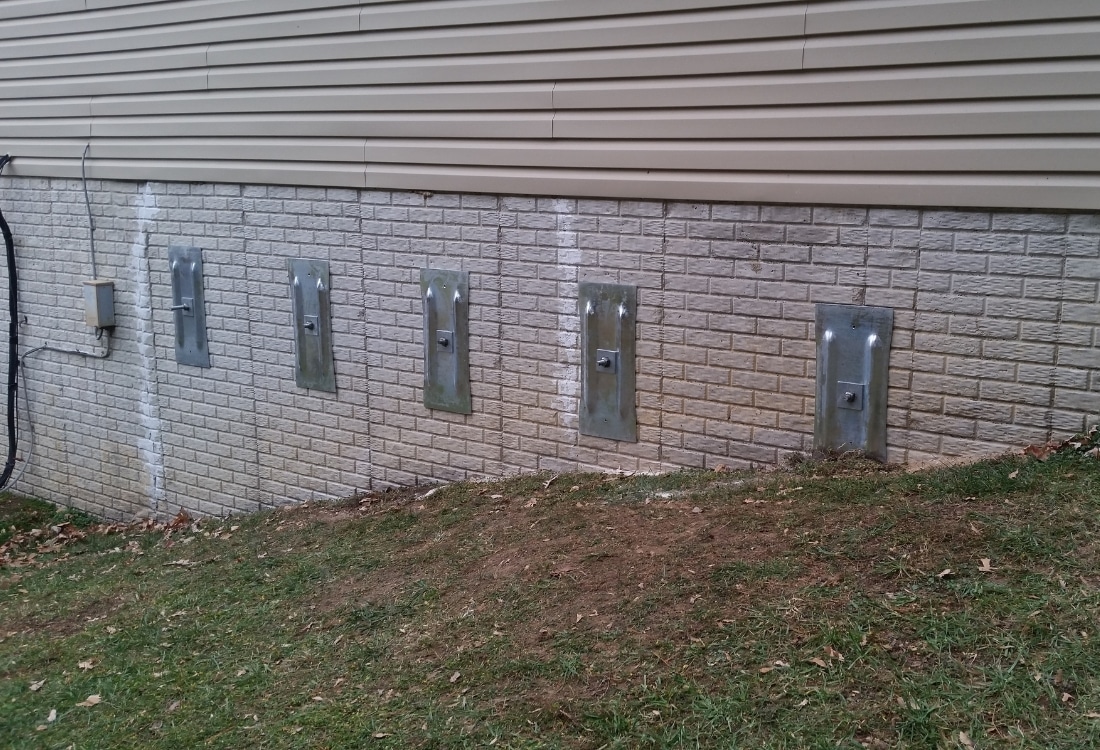
The house’s structural damage can be fixed, but it is important to set realistic expectations. Many homeowners expect foundation repair to work like an upgrade in the same way a new kitchen or finished basement does.
It does not add value above the baseline. What it does is restore the value your home had before the foundation problem developed. It removes the single biggest red flag affecting your home’s structural integrity, marketability, and appraised value in Virginia.
Here is what happens to your home’s value after foundation repair is completed professionally:
1. It Stops the Single Biggest Threat to Your Home’s Equity
Foundation problems are not static. Every season of soil movement, moisture pressure, and structural stress affects the settlement of your home’s foundation further.
A wall that is bowing slightly today will bow more next year. A minor crack now becomes a water entry point and then a structural concern.
Each stage of progression further reduces your home’s value and increases the cost to fix it. Completing repairs early stops that cycle and locks in the value you currently have.
2. It Protects Your Home’s Appraised Value
Whether you are refinancing, applying for a home equity line of credit, or simply want to know what your home is worth, appraisers evaluate structural condition as part of any home valuation. A foundation problem that shows up in an appraisal report reduces the assessed value of your home regardless of whether you plan to sell.
Getting the foundation professionally repaired and having the warranty documentation to back it up gives appraisers what they need to come in with a full and accurate value on your property.
3. It Keeps Your Home Financeable
Many lenders offering FHA and VA loans, will not approve financing for a home with known structural issues. This matters whether you are refinancing, selling, or simply protecting the equity you have built.
A repaired and documented foundation keeps your home eligible for the full range of financing options, protecting your ability to access the equity you have built.
4. It Preserves the Value of Every Other Improvement You Make
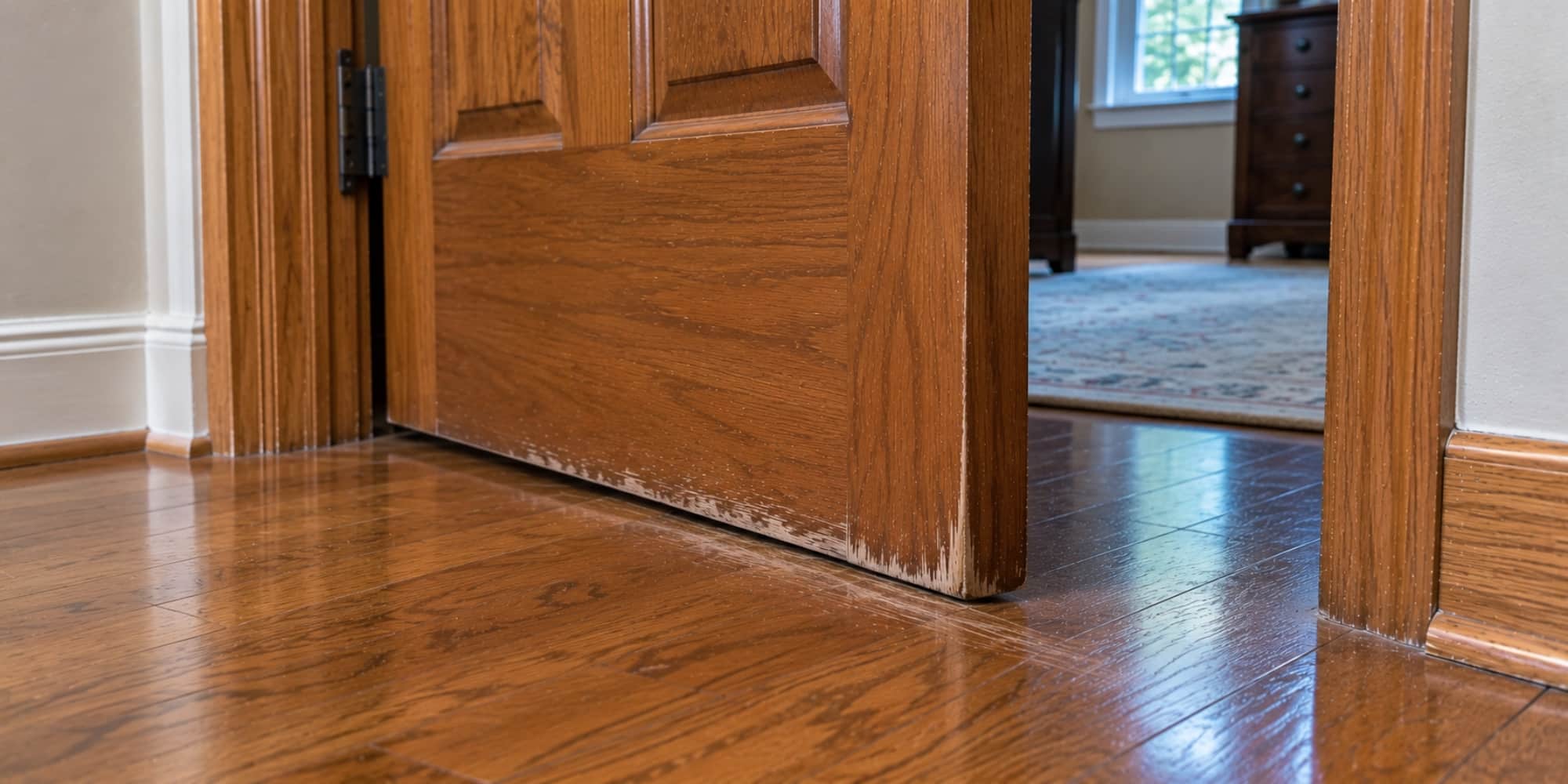
The foundation movement does not stay isolated. Structural stress is transferred throughout the home, affecting framing, drywall, doors, windows, and flooring. Any cosmetic or interior improvement made over an unresolved foundation issue is at risk of being undone as the movement continues.
Repairing the foundation first means a solid foundation protects every other investment you make in your home.
5. It Is Long-Term Wealth Protection
All four of the points above add up to one larger truth. Unlike a kitchen remodel or a fresh coat of paint, foundation repair does not age, go out of style, or stop working. It addresses the core integrity of the property itself. Fixing the foundation stops this secondary damage. It saves you from having to pay for a dozen other smaller repairs every few months.
For homeowners who plan to stay in their Northern Virginia home for years, a professionally repaired and documented foundation is one of the most direct ways to protect their equity and resale value for as long as they own it.
Foundation Repair vs. No Repair: A Virginia Cost Comparison
Here is how the two scenarios typically play out for homeowners in Virginia:
Without foundation repair:
- Home value reduced by 10 to 15 percent below market baseline — affecting appraisals, refinancing, and sale price.
- Lenders offering FHA and VA loans programs, may decline to finance a home with known structural issues.
- Appraisers note foundation damage in valuation reports, which can reduce your assessed value regardless of sale plans.
- The problem worsens over time, making future repair more invasive and costly.
With foundation repair by a licensed Virginia contractor:
- Home value restored to market baseline with documented professional repair and transferable warranty.
- Full range of financing options preserved, including FHA and VA loan eligibility.
- The appraisal report reflects a structurally sound property supporting an accurate full valuation.
- Every other home improvement depends on a stable structural foundation.
In most cases, Virginia homeowners who address foundation repair early restore buyer confidence, avoid the compounding value loss, and maintain full control over their property’s financing, appraisal, and future sale options.
Why Virginia Homes Are Particularly Vulnerable to Foundation Problems
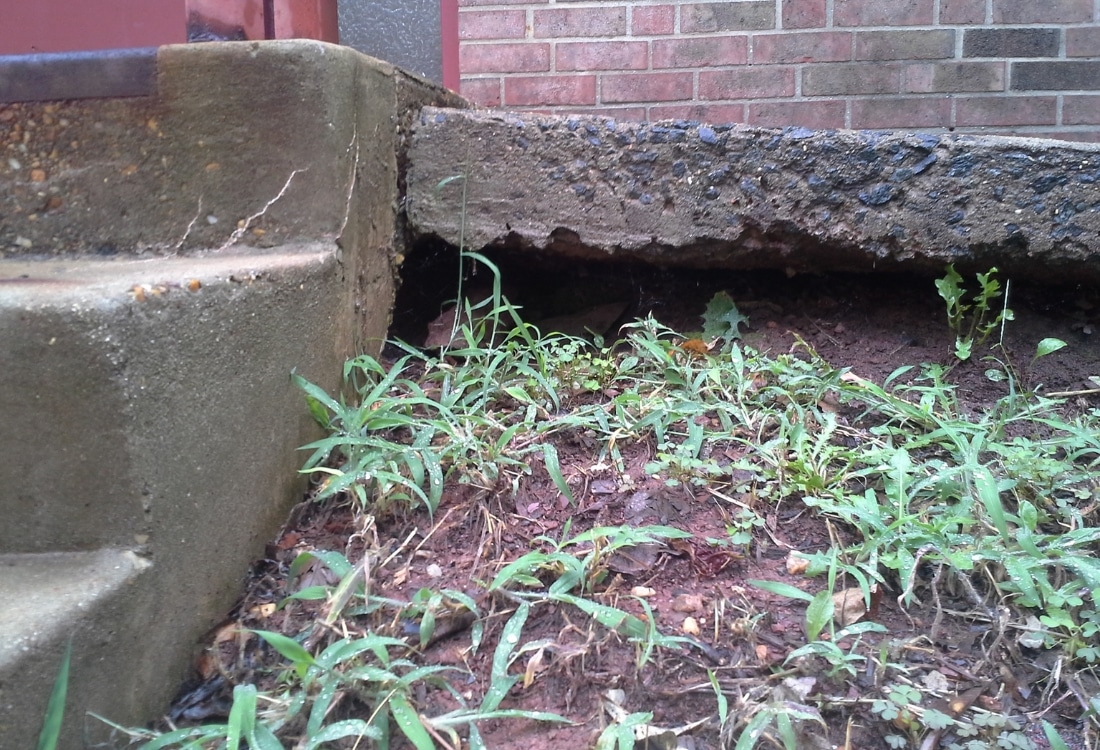
Homes in Northern Virginia, and surrounding areas deal with specific conditions that increase foundation movement risk:
- Clay-heavy soils that expand when wet and shrink during dry periods, creating constant pressure and settlement cycles.
- Seasonal freeze-thaw cycles accelerate foundation cracking and shifting year-round.
- Older block walls and poured concrete foundations in Winchester, Front Royal, Fairfax, and Alexandria that were not designed for decades of clay soil movement.
If you notice signs of foundation problems in your home, a professional evaluation will confirm whether the issue requires repair.
Does the Type of Foundation Repair Affect Home Value?
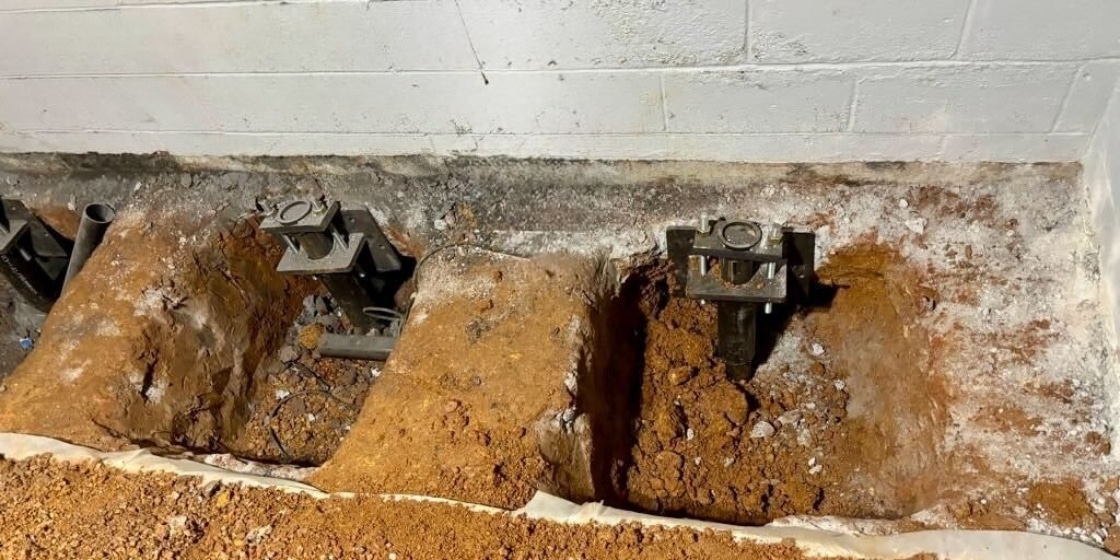
Yes, the method used matters to appraisers and lenders. Modern repair methods, such as steel push piers, helical piers, carbon fiber wall reinforcement, and other foundation solutions, provide long-term structural stability, are backed by manufacturer warranties, and are recognized as legitimate permanent repairs in Northern Virginia.
Repairs completed by a licensed, insured Virginia contractor with documented materials and a transferable warranty carry significantly more weight than older methods or repairs done without permits or documentation. When LUX Foundation Solutions completes a repair, we provide full documentation of the repair process, materials installed, and the warranty terms, all of which support your appraisal, financing, and future sale.
When Is the Right Time to Repair Your Foundation?
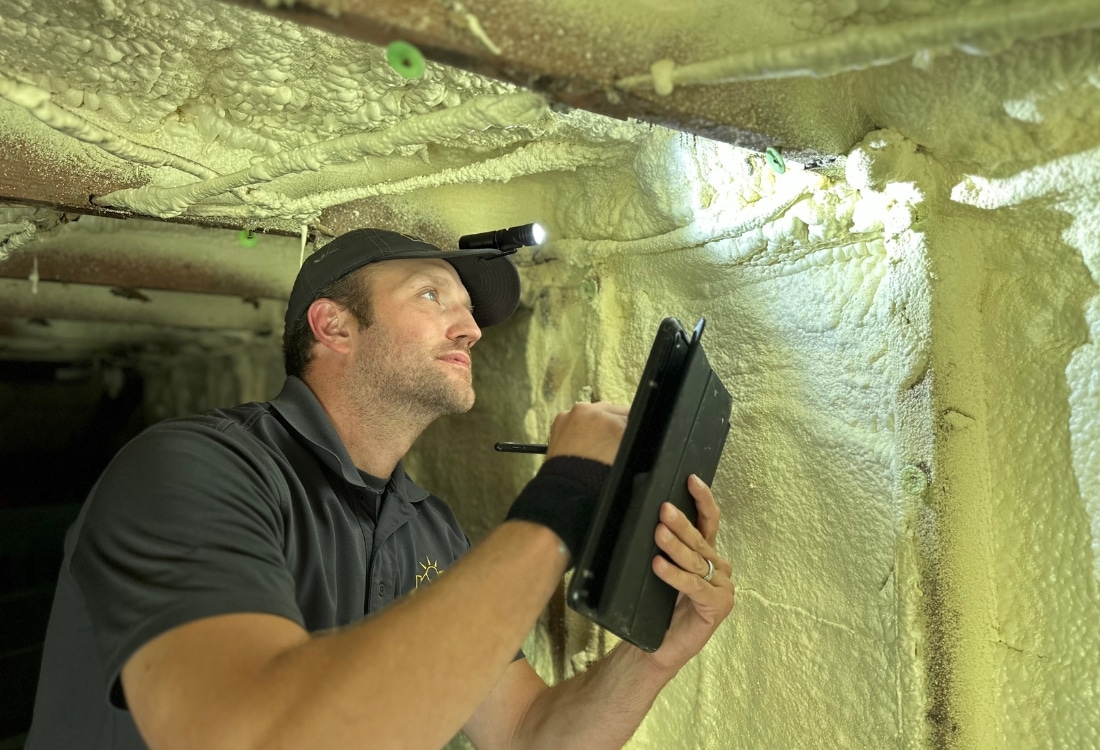
The earlier you address foundation issues, the better the outcome, regardless of your plans for the property. Foundation movement is progressive, meaning the longer it continues, the more of the structure it affects and the more complex the repair becomes.
The best timeline is to schedule a free foundation assessment as early as possible. Before the damage gets worse, before you refinance, and before you put your home on the market if selling is something you’re planning. This gives you time to complete repairs and obtain proper documentation and full warranty coverage.
Even if a home inspection has already flagged a foundation issue, completing repairs with a licensed contractor is better than offering a price reduction. Documented repairs give appraisers and lenders something concrete to work with, while leaving the problem unresolved keeps the structural concern and value impact open.
Schedule a Free Foundation Assessment
Ready to find out how your foundation is affecting your home’s value? LUX Foundation Solutions provides free, no-pressure foundation assessments for homeowners in Northern Virginia, the Shenandoah Valley, North Central Virginia, West Virginia, and surrounding areas.
If you are concerned about how your foundation may be affecting your home’s value, our team will inspect your foundation. We will identify any issues with clear explanations of what we find, and give you a clear picture of your repair options, what each would cost, and what warranty documentation you would receive so you can make an informed decision.
Call us at 540-616-3900 or use our contact form to schedule your free assessment today.
ABOUT THE AUTHOR

Frequently Asked Questions
Does foundation repair increase home value, or does it restore it?
Foundation repair does affect home value, and in most cases, it restores rather than adds to it. Visible foundation damage reduces a home’s market value by 10 to 15 percent.
Professional repair brings that value back to its baseline. Think of it as equity protection, similar to replacing a failing roof, rather than an upgrade that creates new value above what the home was worth before the damage occurred.
How do foundation problems affect a home appraisal?
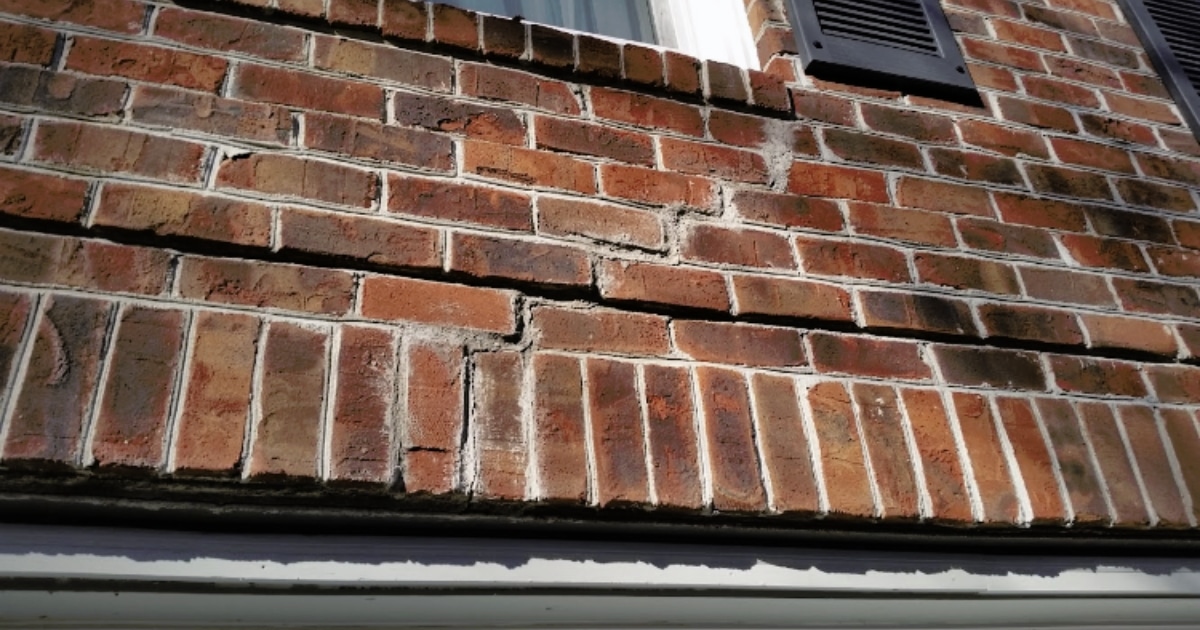
Foundation problems reduce a home’s appraised value. Appraisers note visible damage such as cracks, uneven floors, or bowing walls in their report and apply a value reduction based on estimated repair costs.
A professionally repaired foundation with a documented warranty removes the negative notation and supports a full, accurate appraisal. That puts you in a much better position whether you’re refinancing, taking out a home equity loan, or getting ready to sell.
Does home insurance cover foundation repair in Virginia?
Standard homeowners’ insurance in Virginia generally does not cover foundation repair caused by settling, soil movement, or moisture. Insurance companies treat these as maintenance issues rather than sudden, unexpected events, so they fall outside what your policy covers.
Damage from a covered peril, such as a burst pipe, may qualify. The best thing to do is review your policy and call your insurance provider directly to find out exactly what you’re covered for.
Is foundation repair worth the cost?
Foundation repair is worth the cost in most cases. Unrepaired foundation damage reduces home value by 10 to 15 percent and can disqualify the property from FHA and VA financing. Repair costs in Virginia typically range from a few thousand dollars for minor cracks to fifteen thousand or more for pier systems. The repair cost is almost always less than the combined value loss and compounding damage of leaving it unaddressed.
What types of foundation problems affect home value the most?
Horizontal cracks and bowing walls do the most damage to your home’s value because they tell buyers, lenders, and appraisers that the wall is under active pressure and could be heading toward a serious structural problem. These are the kinds of issues that can stop a home sale in its tracks.
Vertical cracks and minor settlement have less of an impact on value when been stable for a while and you have documentation showing they haven’t changed. Water intrusion through foundation cracks compounds the value impact by introducing mold risk and structural material damage.
Can you sell a house with foundation issues in Virginia?
Selling a house with foundation issues in Virginia is possible, but you are required to disclose them, and they will reduce your buyer pool and sale price. Many lenders will not finance a home with an active structural problem. Completing repairs before listing means your home passes home inspections cleanly, giving buyers and their lenders confidence and removing the issue as a barrier to closing.