Written By Bridget Stieb, Director of Marketing at LUX Foundation Solutions • Reviewed by LUX’s foundation repair specialists serving Northern Virginia & Florida
If you are a homeowner in Northern Virginia, the Shenandoah Valley, or North Central Virginia, your crawl space is constantly exposed to moisture. The region’s clay soil, high seasonal humidity, and 40-plus inches of annual rainfall create the perfect conditions for dampness to build up beneath your home.
That moisture doesn’t just stay there. It rises into your living space, contributing to musty odors, mold growth, higher energy bills, and even structural damage over time.
One of the most common solutions homeowners consider is installing a crawl space vapor barrier. But is it enough? And is it the right choice for your home?
Let’s break down the vapor barrier in crawl space pros and cons so you can make an informed decision.
What Is a Crawl Space Vapor Barrier?
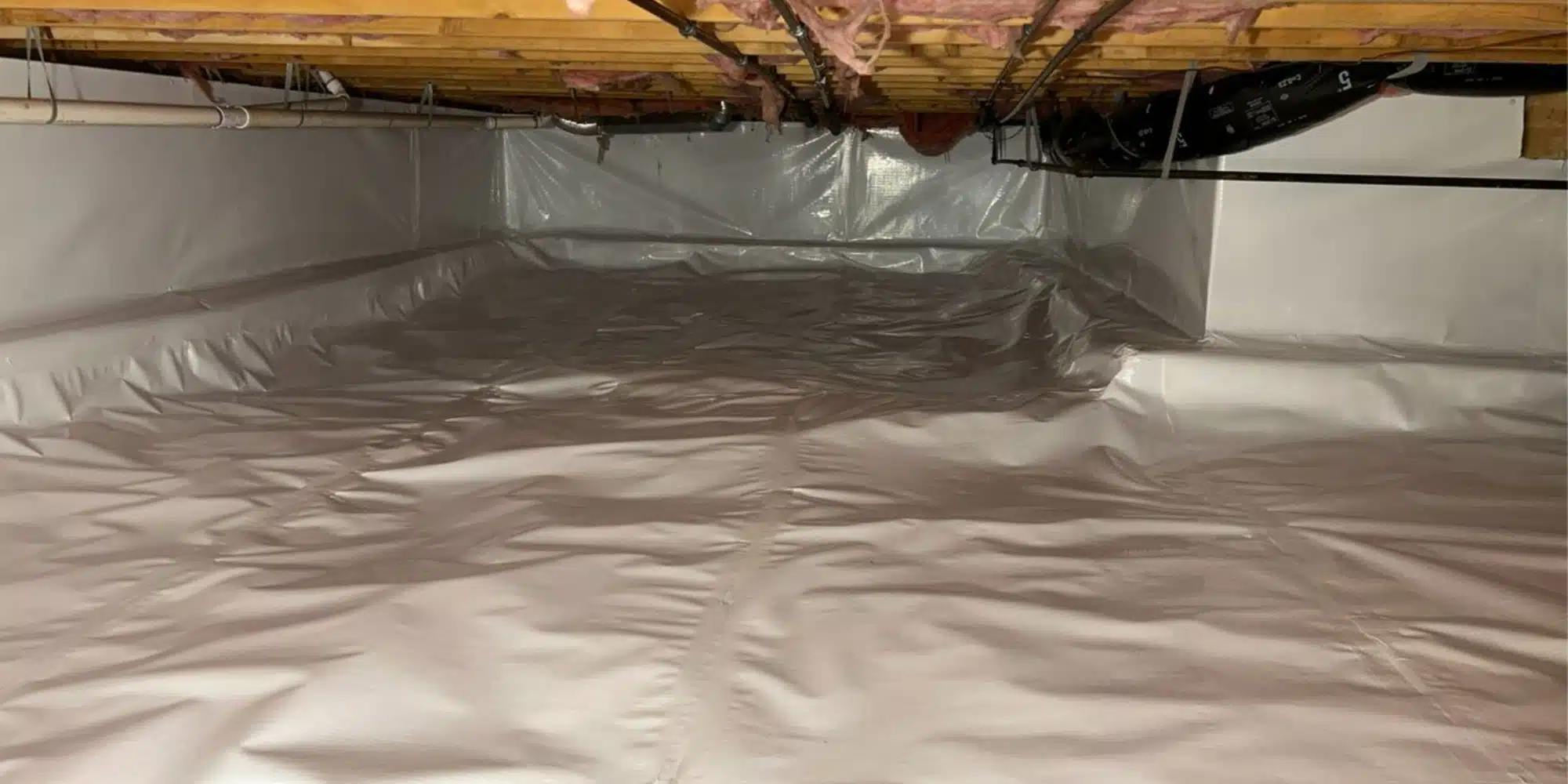
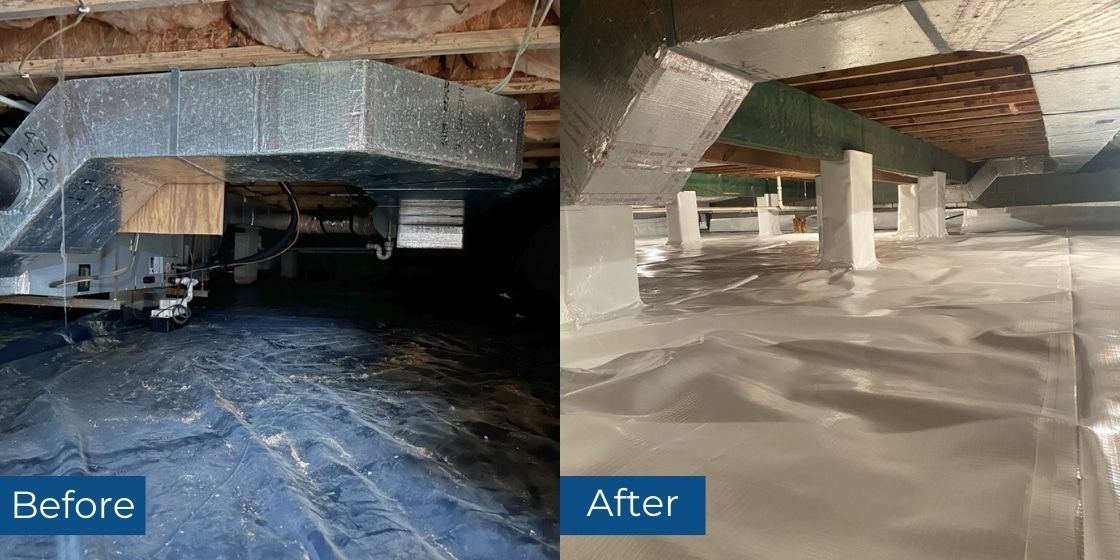
A crawl space vapor barrier is a thick polyethylene film installed over the dirt floor of your crawl space to block ground moisture from entering the air.
Depending on the setup, it may:
- Cover only the ground (basic vapor barrier), or
- Be part of a more advanced system (like encapsulation)
Standard vapor barriers are typically white plastic sheeting at 6 mil, the minimum thickness for most installations, while heavier-duty, tear-resistant versions run 10 to 20 mil and offer greater durability and moisture resistance in damp environments and high humidity conditions.
Moisture in an unprotected crawl space does not stay there. It migrates upward into the floor structure, creating conditions that lead to wood rot, mold growth on joists and subfloor materials, and pest infestations.
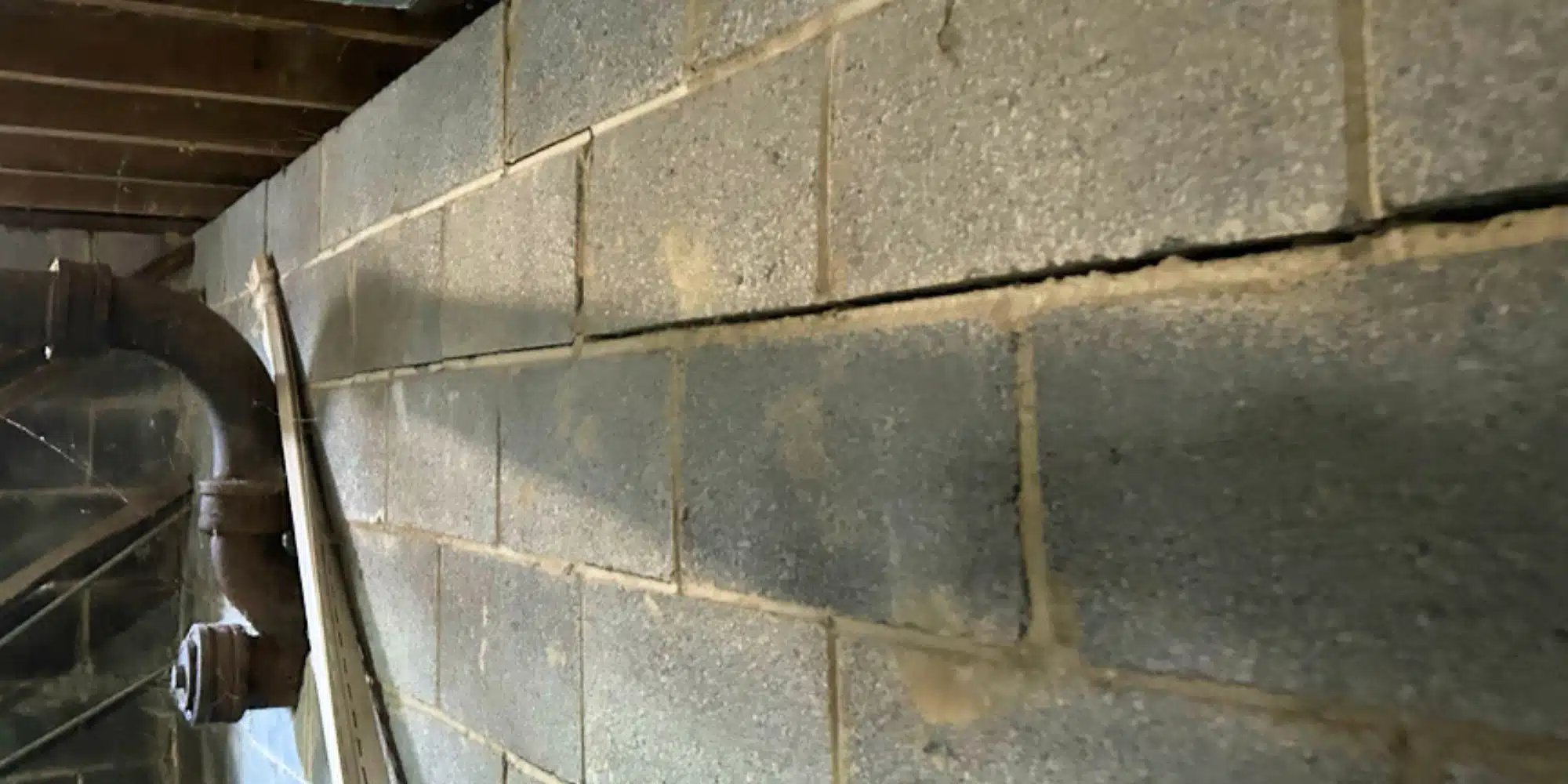
Important distinction: A vapor barrier controls moisture vapor rising from the ground. It does not prevent liquid water from entering through foundation walls, drainage problems, or a high water table. If active water intrusion is present, those issues must be resolved before any vapor barrier or encapsulation is installed.
Not sure if your crawl space needs a vapor barrier or something more comprehensive?
LUX Foundation Solutions for a free on-site assessment. We serve Northern Virginia, the Shenandoah Valley, North Central Virginia, and West Virginia.
Pros of Installing a Crawl Space Vapor Barrier
There are real benefits to installing a vapor barrier in your crawl space, particularly for homes with moderate ground moisture and no active water intrusion. Here are the key benefits of a properly installed vapor barrier for your home
Reduces ground moisture evaporation.
In Northern Virginia, clay-heavy soil retains moisture year-round. A vapor barrier on the crawl space floor creates a physical barrier between the saturated ground and the air space above. By controlling moisture at ground level, a vapor barrier also improves indoor air quality by reducing water vapor that rises through the floor system into the living space above.
Slows mold and mildew development
Crawl spaces in the Shenandoah Valley and Northern Virginia regularly experience humidity above 70 percent in summer, even without moisture control. A vapor barrier reduces the moisture from the ground that feeds mold growth on wood joists, beams, and subfloor materials. Protecting wood framing and sill plates from moisture-driven deterioration early helps prevent costly repairs that compound significantly over time.
Supports temperature stability in the floor above
By reducing moisture infiltration from the ground, a vapor barrier helps stabilize the crawl space environment, which affects the temperature of the floors above. In Virginia’s cold winters and humid summers, a drier crawl space helps maintain more consistent indoor temperatures and reduces the HVAC system’s thermal load.
Can lower energy costs in the right conditions
A drier crawl space improves energy efficiency by reducing the demand on your heating and cooling system. In homes where the crawl space is connected to the conditioned living space above, ground moisture control directly affects how hard the HVAC system has to work year-round. The energy savings are most significant in older homes where the crawl space has previously had little or no moisture control.
Cons of Installing a Crawl Space Vapor Barrier
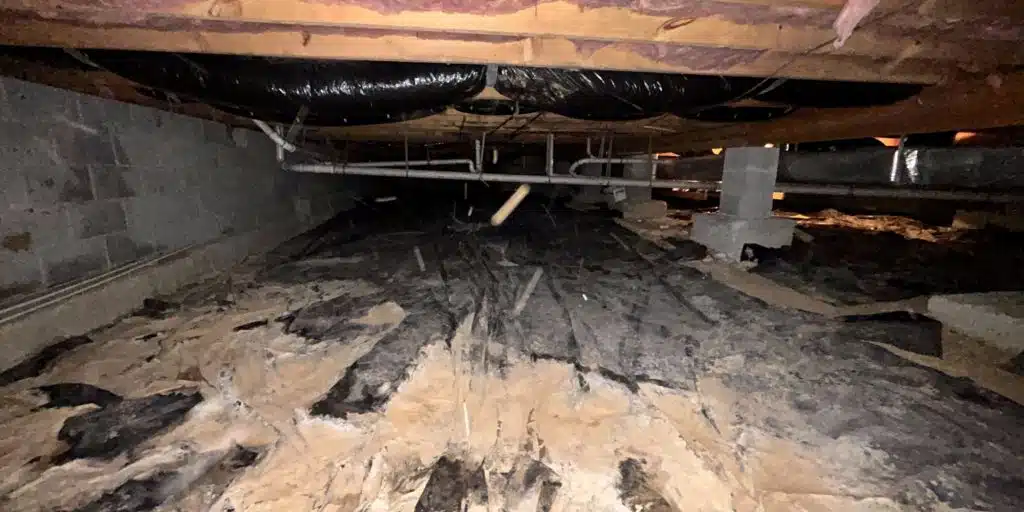
Understanding the limitations of a vapor barrier is just as important as knowing its benefits. For many Northern Virginia homeowners, these limitations are the deciding factor between a vapor barrier and a full encapsulation system:
It only covers the floor and walls, not where most moisture enters.
A standard vapor barrier covers the dirt floor and walls of your crawl space, often estimated at around 30 to 40 percent of the total moisture-entry surface. Block joints, vented openings, and pipe penetrations remain completely unaddressed.
In a Northern Virginia crawl space where summer humidity regularly exceeds 70 percent, moisture enters from multiple directions simultaneously. A floor barrier alone makes very little measurable difference when wall moisture and humidity are the dominant issues.
Standard poly sheeting tears easily and cannot be reliably repaired.
Basic 6-mil poly vapor barrier tears during routine crawl space access, plumbing repairs, HVAC maintenance, and pest inspections. Any tear creates an unprotected zone where ground moisture channels directly into the space without restriction.
Unlike the reinforced liner used in full-encapsulation systems, standard poly sheeting cannot be effectively repaired once damaged. Homeowners who install a vapor barrier often find it partially compromised within the first few years simply from normal service activity.
Degrades faster in Virginia’s seasonal climate.
Most standard vapor barriers lose meaningful effectiveness within 5 to 7 years under normal crawl space conditions. In Virginia’s wet-dry seasonal cycle, this degradation occurs more quickly.
Poly sheeting becomes brittle over time as it cycles through humidity fluctuations, and any UV exposure through vented crawl spaces accelerates the breakdown at seams and edges. A vapor barrier installed in 2018 is likely to show significant wear by 2026 and may require full replacement.
Does not control humidity. It only limits one moisture pathway.
A vapor barrier has no mechanism to actively manage humidity levels in the crawl space. It reduces ground evaporation but does nothing to address ambient humidity entering through vents, condensation forming on cold surfaces, or bulk water intrusion from wall seepage or plumbing issues.
In a crawl space with active moisture problems, installing a vapor barrier without addressing the root cause of the humidity is a temporary measure that only delays a more serious repair.
Repeated replacement costs more than encapsulation over time.
Replacing a vapor barrier in a typical Northern Virginia crawl space costs depend on size and accessibility. A barrier that needs replacement every 7 to 10 years can accumulate costs faster than most homeowners anticipate.
Over 20 years, a homeowner who replaces a vapor barrier twice will often spend more in materials and service visits than a single properly installed encapsulation system would have cost in the first place, while getting significantly less moisture protection throughout.
If your crawl space has any of these issues, a vapor barrier alone is likely not enough. See how LUX addresses the root cause with crawl space encapsulation.
Alternative Solutions to Vapor Barriers
When a standard vapor barrier is not enough, here are the options that provide stronger and more comprehensive moisture protection:
Upgraded Sealed Vapor Barrier
An upgraded sealed vapor barrier uses heavier 20 mil polyethylene material with sealed seams, taped penetrations, and edges secured to the foundation walls. Unlike a basic ground cover, a sealed barrier creates a true moisture barrier rather than a vapor retarder. It is more effective than a standard vapor barrier but still does not address moisture entering through foundation walls, vents, or gaps around the perimeter.
For crawl spaces with ground moisture only and no wall infiltration, this can be an appropriate intermediate solution before committing to full encapsulation.
Crawl Space Encapsulation
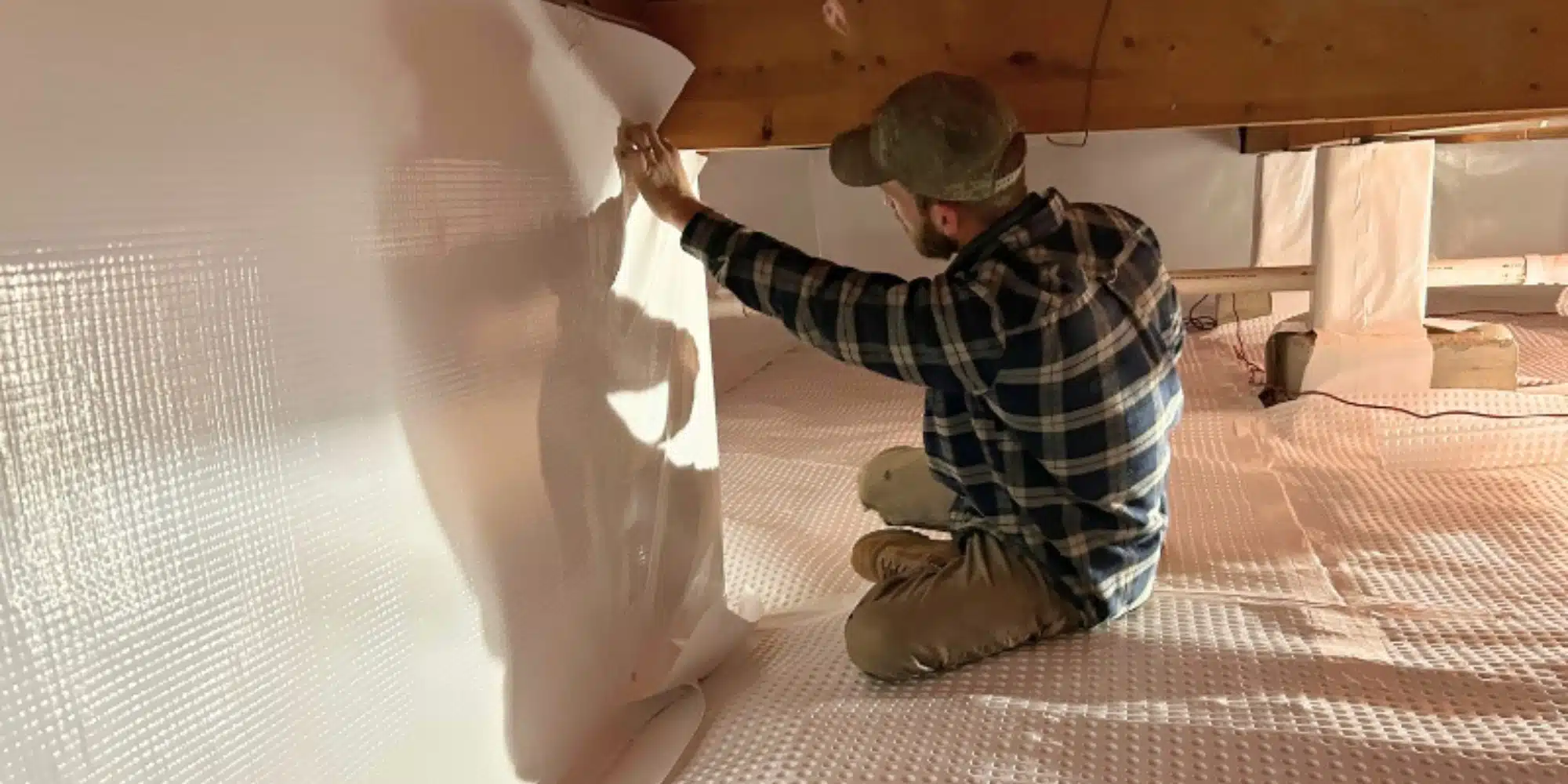
Crawl space encapsulation is the most comprehensive moisture control solution for crawl spaces. It seals the entire space from the outside. Foundation vents are closed, a heavy-duty vapor barrier covers the floor and walls, and all gaps and penetrations are sealed.
For Northern Virginia homes, encapsulation is the appropriate response to the region’s mixed-humid climate. A basic vapor barrier addresses one moisture source.
A properly encapsulated crawl space provides:
- improved indoor air quality,
- reduced energy consumption,
- lower and controlled humidity levels,
- prevention of mold and mildew on structural wood,
- resistance against pests,
- and a lifespan of 20 or more years.
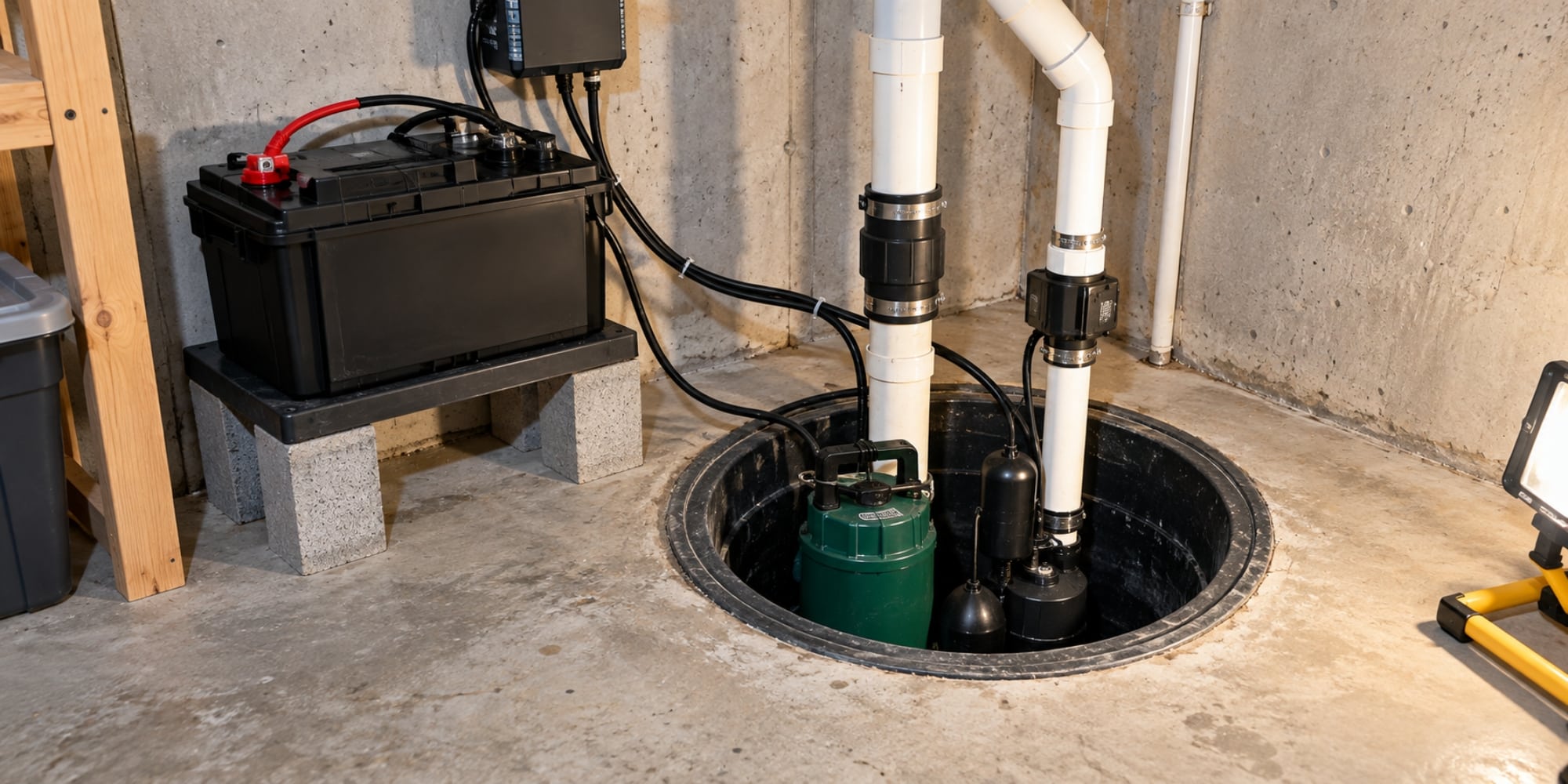
Because encapsulation creates a fully sealed environment, the humidity inside must be actively managed, which is why a dehumidifier is always included as part of the system. A sump pump is also added to handle any water that enters before it accumulates. Together, they turn the crawl space from a passive barrier into a fully controlled environment.
Are Vapor Barriers the Best Option for Your Crawl Space?
For most Northern Virginia homeowners, a vapor barrier alone is not the best long-term solution. It addresses ground moisture but leaves foundation walls, vents, and air infiltration points unprotected. In this region’s mixed-humid climate, unaddressed entry points are where most of the moisture problems originate.
Crawl space encapsulation is the more complete solution. It seals the entire crawl space, actively controls humidity year-round, and does not require periodic replacement like a basic vapor barrier. Whether a vapor barrier is sufficient or encapsulation is the better investment depends on your specific crawl space conditions.
If your existing vapor barrier is torn, more than 10 years old, or moisture symptoms persist despite having one in place, it may be time for a professional assessment to assess whether a replacement or an encapsulation upgrade is the right next step.
Protect Your Crawl Space With the Right Moisture Solution
A crawl space vapor barrier can be an effective first step against ground moisture, but it is not the right solution for every home. Knowing when it is sufficient and when encapsulation is the better investment protects your home long term.
LUX Foundation Solutions has inspected and repaired crawl spaces across Northern Virginia, the Shenandoah Valley, North Central Virginia, and West Virginia. Our team will evaluate your specific conditions and give you an honest recommendation based on what your crawl space actually needs.
Do not wait for moisture damage to become visible. Addressing crawl space moisture early is the most effective way to prevent costly repairs down the line.
Call 540-616-3900 or fill out our online form to schedule your free crawl space assessment today.
ABOUT THE AUTHOR

Commonly Asked Questions
Is a vapor barrier in a crawl space worth it?
A vapor barrier in a crawl space is worth it for homes with moderate ground moisture and no active water intrusion. It reduces moisture evaporation from the soil, lowers humidity levels, and protects floor joists and insulation from early deterioration.
However, in Northern Virginia’s mixed-humid climate, a basic vapor barrier is often not sufficient on its own. If outdoor air enters through foundation vents, the vapor barrier addresses only one of several moisture sources. A professional assessment will confirm whether a vapor barrier is enough or whether encapsulation is the better investment for your specific conditions.
What is the difference between a vapor barrier and crawl space encapsulation?
A vapor barrier covers only the crawl space floor and slows moisture rising from the soil. Crawl space encapsulation seals the entire crawl space, covering the floor, walls, vents, and penetrations. A vapor barrier is a partial solution. Encapsulation is a complete moisture control system. In humid climates like Northern Virginia, encapsulation is the more appropriate long-term solution for most homes.
How long does a crawl space vapor barrier last in Northern Virginia?
A properly installed 20 mil vapor barrier can last 15 to 20 years with minimal maintenance. A basic 6-mil barrier, commonly installed in older Northern Virginia homes, often fails within 5 years due to the region’s high summer humidity and seasonal moisture swings. Material thickness and installation quality are the two biggest factors that determine how long a vapor barrier remains effective in this climate.
When is a vapor barrier in a crawl space not enough?
A vapor barrier alone won’t solve the problem if moisture is getting in through foundation walls, open vents, or gaps around pipes and other penetrations, rather than just coming up from the soil.
It is also insufficient when the crawl space already shows signs of moisture damage, such as mold on joists, sagging insulation, pest activity, or musty odors reaching the living space above. In these situations, encapsulation is the appropriate next step.
What are the alternatives to crawl space encapsulation?
The most common alternative to full crawl space encapsulation is an upgraded sealed vapor barrier using 20 mil polyethylene with sealed seams and edges secured to the foundation walls. This provides stronger protection against ground moisture than a basic barrier, but it does not address wall infiltration or active humidity control. For homes with active water intrusion, interior drainage systems and sump pumps must be addressed before any vapor barrier or encapsulation is installed.