Drywall Cracks

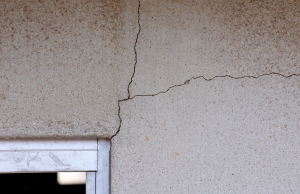
Drywall cracks can occur from normal settling, seasonal expansion, or foundation movement. While some cracks in drywall are cosmetic, others may indicate a foundation problem. Understanding the difference is critical. The size, location, and pattern of the crack help determine whether the issue is minor or structural.

Drywall Crack Repair in Northern Virginia, Shenandoah Valley, North Central Virginia, and West Virginia

Your foundation supports everything in your home. When it shifts or settles, drywall cracks are often one of the first visible warning signs of foundation issues, appearing before more severe structural damage develops. Homeowners throughout Northern Virginia, the Shenandoah Valley, North Central Virginia, and West Virginia commonly notice various signs.

Some cracks in drywall are minor and caused by seasonal expansion or normal settling. Others may widen, repeat, or form horizontal or stair-step patterns that indicate foundation movement and settlement. The location and pattern of the crack matter.

At LUX Foundation Solutions, we provide licensed and insured evaluations to identify the root cause and restore stability—helping you protect your home with long-term, honest solutions.

Do These Drywall Cracks Signs Seem Familiar?

The symptoms

Cracks on drywall can appear gradually, and not all of them signal serious structural problems. However, certain patterns and related symptoms may indicate foundation settlement rather than normal cosmetic movement.

Here are common drywall crack signs that you should look out for:

  • Cracks in drywall around doors.
  • Horizontal, diagonal, or stair-step cracks in drywall.
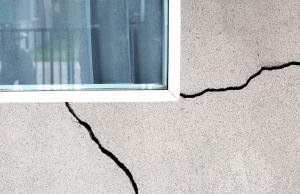
  • Crack in drywall under or above windows.
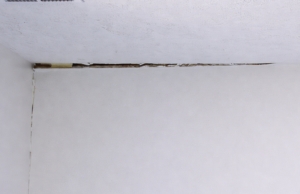
  • Gaps between walls and ceilings, or floors and baseboards.
  • Uneven or sloping floors.
  • Doors or windows that stick or won’t close properly.

These signs of cracks appearing in drywall often develop together. If you’re noticing multiple symptoms in your home, our professional evaluation can help determine whether the issue is cosmetic or structural, and provide clear, honest recommendations.

What Causes Drywall Cracks?

Drywall cracks can develop for several reasons. While some are cosmetic, others are caused by structural movement affecting the foundation. Understanding what causes drywall to crack and what’s happening beneath your home helps determine whether the crack is minor or a sign of foundation settlement.

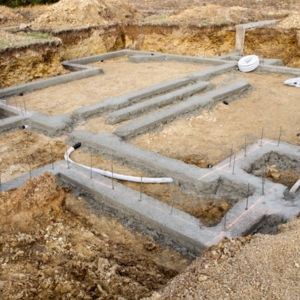
New foundation footings and slab poured on uneven soil base, a poor construction causing drywall cracks in Stephens City, VA.

Poor Construction Materials or Techniques 

If low-quality materials were used or framing components were not properly secured during construction, the structure may not distribute weight evenly. Weak framing or improper support can create stress points that eventually show up as cracks in drywall. In many cases, workmanship-related issues appear within the first few years after a home is built.

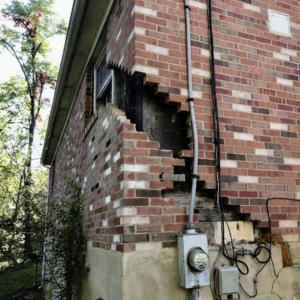
Severe stair-step brick cracking and wall separation from soil settlement, causing drywall cracks in Harpers Ferry, WV.

Soil Settlement 

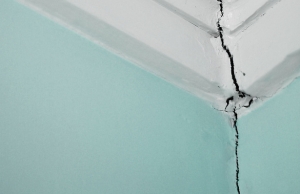
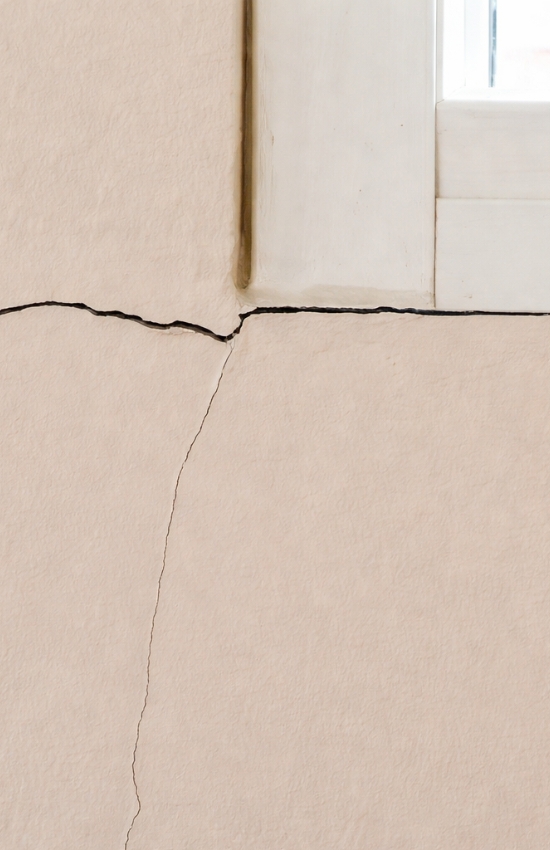
Soil naturally shifts and compresses over time. As it settles beneath your foundation, parts of the structure may move unevenly. This differential settlement places stress on walls, often leading to vertical cracks above door frames, windows, and corners in the drywall. When cracks widen or continue reappearing, it may indicate ongoing foundation movement.

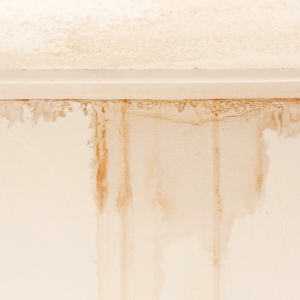
Brown water stains and streaking along wall trim from moisture intrusion, causing drywall cracks in Reston, VA.

Moisture Issues and Water Damage 

Excess moisture from poor drainage, plumbing leaks, or inadequate waterproofing can cause soil to expand and contract. This repeated movement increases pressure against the foundation and may cause sections of the home to shift. As a result, drywall cracks can form in stressed areas. Addressing drainage and water intrusion early helps reduce long-term structural risk.

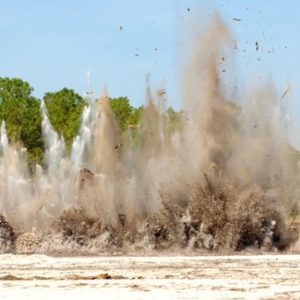
Ground blasting explosion sending vibrations into the homes foundation, causing drywall cracks in White Post, VA.

Nearby Construction Vibrations

Activities such as horizontal drilling, blasting, or heavy excavation near your property can create vibrations that travel through the soil. In some cases, these vibrations may contribute to wall cracking, particularly in homes already experiencing minor settlement.

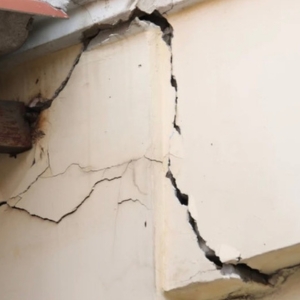
Deep stair-step cracks splitting exterior corner wall from natural ground movement causing drywall cracks in Ashburn, VA..

Earthquakes or Natural Ground Movement

In areas prone to seismic activity, natural ground movement can place sudden stress on a home’s structure. Even minor shifts can result in visible drywall cracking. A structural evaluation helps determine whether reinforcement or stabilization is necessary.

Our Solutions

Can drywall cracks indicate foundation problems?

Yes, drywall cracks can indicate foundation settlement—but not all cracks are structural. A professional evaluation is needed to determine the cause.

Hairline cracks from seasonal expansion are common and often cosmetic. However, cracks that widen, reappear after repair, or form above doors and windows may signal uneven foundation movement. Because drywall is rigid, it often shows stress before other structural components.

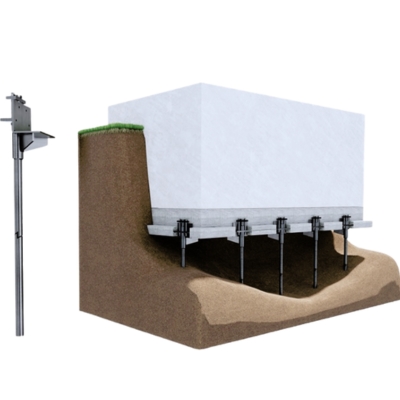
If our evaluation confirms foundation settlement, LUX experts will recommend push piers to stabilize the affected area. Push piers are engineered steel supports driven into stable soil to help restore support and limit further movement. We recommend this solution only when structural settlement has been verified.

Should I worry if multiple cracks appear in different areas of my drywall?

Multiple drywall cracks in different areas can suggest broader structural stress, especially when combined with uneven floors or sticking doors.

When cracks develop in several rooms, the issue may extend beyond cosmetic settling. Structural movement beneath the home can transfer stress throughout the framing system.

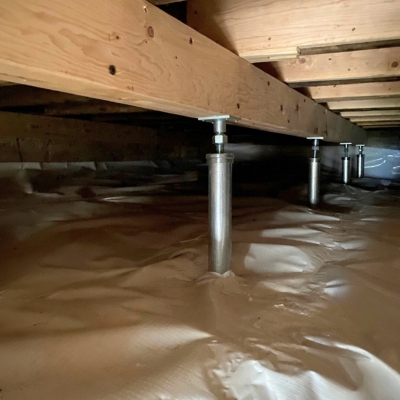
During the initial assessment, our team determines whether the cracks are cosmetic or related to foundation movement. If sagging floors are contributing to wall stress, stabilizer posts will be recommended to reinforce weakened supports and reduce strain on the structure above.

Can damaged basement framing cause cracks in drywall?

Yes, weakened basement framing can cause drywall cracks by allowing floors above to sag and shift.

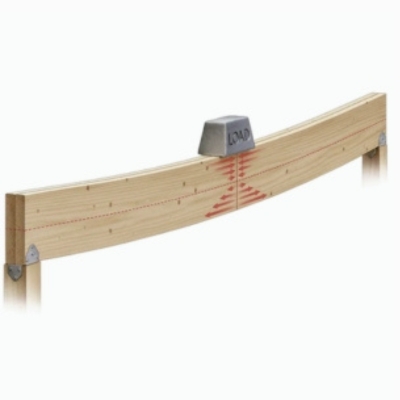
The main beam in the basement carries a significant structural load. If it deteriorates or loses support, the floor system above may settle unevenly, creating stress points that cause drywall cracking.

After a structural assessment, if framing damage is confirmed, the main beam will be replaced. Replacing a compromised beam restores proper load distribution and helps protect the home’s long-term stability.

Fix Drywall Cracks—Schedule Your Free Assessment Today

Drywall cracks can be cosmetic, but they can also signal foundation problems. The best way to know is through a professional evaluation. 

At LUX Foundation Solutions, our licensed and insured team provides honest assessments to determine the true cause of cracking and recommend tailored foundation repair solutions only when needed.

If you’re concerned about your home’s stability, fill out the form to schedule a free on-site estimate today. We proudly serve homeowners throughout Northern Virginia, the Shenandoah Valley, North Central Virginia, and West Virginia.

Call 540-508-8587 or request your free inspection online.

Request a free Estimate

FAQ’s About Drywall Cracks

Are cracks in drywall normal?

Yes, some cracked drywall is normal and caused by seasonal expansion, minor settling, or natural material shrinkage.

Small hairline cracks that do not widen or spread are often cosmetic. However, cracks that grow larger, reappear after repair, or appear alongside uneven floors may indicate structural movement. A professional evaluation helps determine whether the crack is cosmetic or related to foundation settlement.

When should I worry about cracks in drywall?

You should be concerned when cracks widen over time, form horizontal or stair-step patterns, or appear with other symptoms like sticking doors or uneven floors.

These patterns may signal foundation movement rather than normal settling. The location, size, and direction of the crack matter. A licensed evaluation can identify the underlying cause and determine whether structural repair is necessary.

What causes drywall cracks above doors?

Drywall cracks above doors are often caused by stress concentration at wall openings.

Door and window frames naturally create weak points in the wall. When a foundation shifts unevenly, pressure builds around these openings, leading to vertical or diagonal cracks. In some cases, this may be cosmetic. In others, it may reflect foundation settlement that requires stabilization.

Do drywall cracks get worse over time?

Drywall cracks can worsen over time if the underlying cause is ongoing foundation movement.

Cosmetic cracks typically remain stable. Structural cracks, however, may widen, spread, or reappear after patching. Monitoring changes in size and pattern is important. If movement continues, addressing the root cause helps protect the home’s long-term stability.

What do horizontal cracks in drywall mean?

Horizontal cracks in drywall can indicate structural pressure or uneven foundation movement, especially if they appear near the middle of walls or widen over time.

While some minor horizontal cracking may result from normal settling, wider or expanding horizontal cracks can suggest lateral pressure or shifting beneath the foundation. Because drywall reflects stress from structural components behind it, the direction of the crack matters.

If you notice horizontal cracks that continue to grow or appear alongside uneven floors or sticking doors, a professional evaluation can determine whether foundation stabilization is necessary.

Are hairline cracks in drywall serious?

Hairline cracks in drywall are usually cosmetic and caused by normal settling or seasonal expansion and contraction.

Small, thin cracks that do not widen or spread are common in many homes, especially during changes in temperature or humidity. These minor cracks often appear along seams or corners and typically do not indicate structural damage.

However, if hairline cracks begin to widen, reappear after repair, or develop alongside uneven floors or sticking doors, they may signal foundation movement. Monitoring changes over time is important. If you are unsure, a professional evaluation can determine whether the issue is cosmetic or structural.

What are the different types of drywall cracks?

The most common types of drywall cracks include hairline, vertical, horizontal, diagonal, and stair-step cracks.

  • Hairline cracks in drywall are often cosmetic. 
  • Vertical cracks in drywall may form near doors and windows due to stress concentration. 
  • Horizontal cracks in drywall can indicate structural pressure. 
  • Diagonal and stair-step cracks may suggest foundation settlement or uneven support beneath the home.

The type, size, and pattern of the crack help determine whether the issue is cosmetic or related to foundation movement.