Written By Bridget Stieb, Director of Marketing at LUX Foundation Solutions • Reviewed by LUX’s foundation repair specialists serving Northern Virginia & Florida
Did you notice something unusual in your home and start wondering whether the problem is coming from underneath? Maybe the area feels more humid than expected, you spot condensation or mold under the house, or you notice damp insulation.
The condition of your vapor barrier may be the cause. If there’s no barrier, or the existing one is damaged or deteriorating, moisture vapor from the soil can enter more freely. A quality vapor barrier limits that moisture at the source; whether you need one installed or your current one replaced depends on what’s happening underneath your home.
The seven signs below can help you determine whether your crawl space needs a vapor barrier or attention.
Key Takeaways
- A missing, torn, or failing vapor barrier lets moisture, mold, and structural integrity risks build up in the crawl space.
- Signs your crawl space needs a moisture barrier range from having none installed to visible damage to an existing one.
- Condensation, mold, or sagging on top of the barrier usually means it’s no longer doing its job, even if one is present.
- Uneven or sagging floors above the crawl space can be a downstream sign of long-term moisture issues below.
- A proper assessment can confirm whether a new vapor barrier or a crawl space encapsulation system is the right fit.
7 Signs You Need a Vapor Barrier in Your Crawl Space
A vapor barrier’s job is simple: keep ground moisture from reaching your entire crawl space and everything above it. Whether you’re not sure if one exists, or you have one but suspect it’s failing, these signs help confirm it.
1. No Vapor Barrier Currently Installed
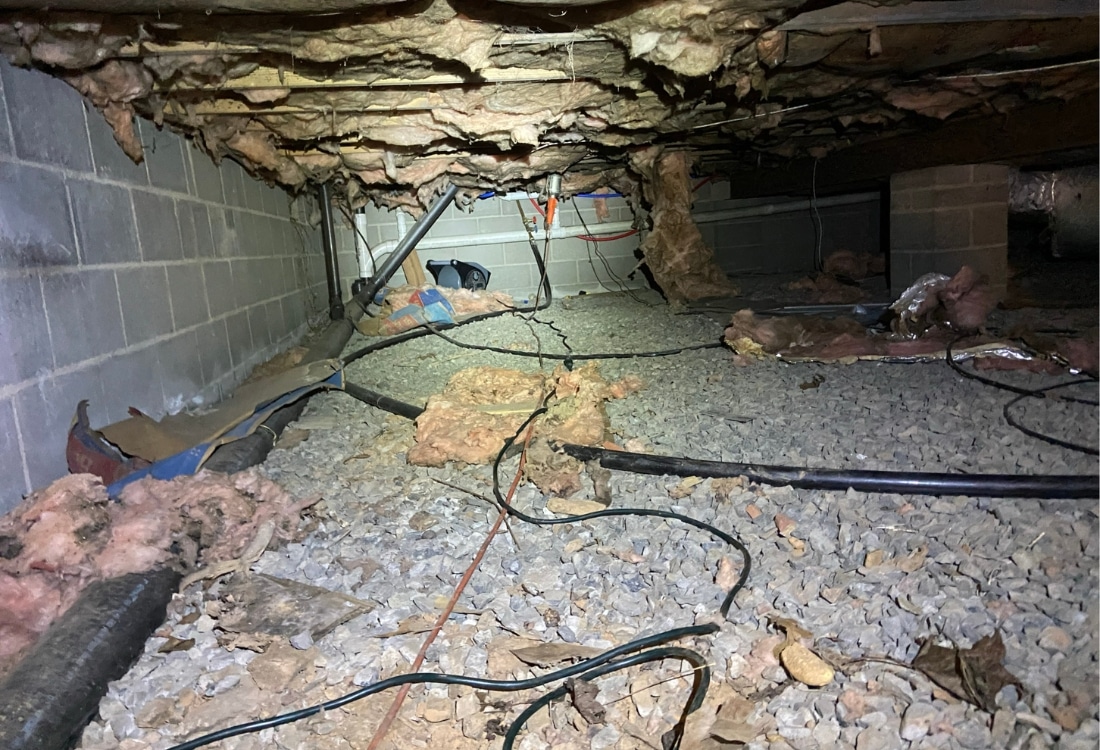
If you’ve never had a vapor barrier installed, or you’re not sure whether your home has one, crawl under with a flashlight and look at the floor. If you see bare dirt or gravel instead of a plastic or reinforced liner covering the ground, moisture vapor from the soil can enter your crawl space without a barrier to limit it.
This is one of the simplest conditions to identify and is especially common in older homes where the original construction may not have included a vapor barrier.
2. Damp or Frequently Wet Crawl Space Soil
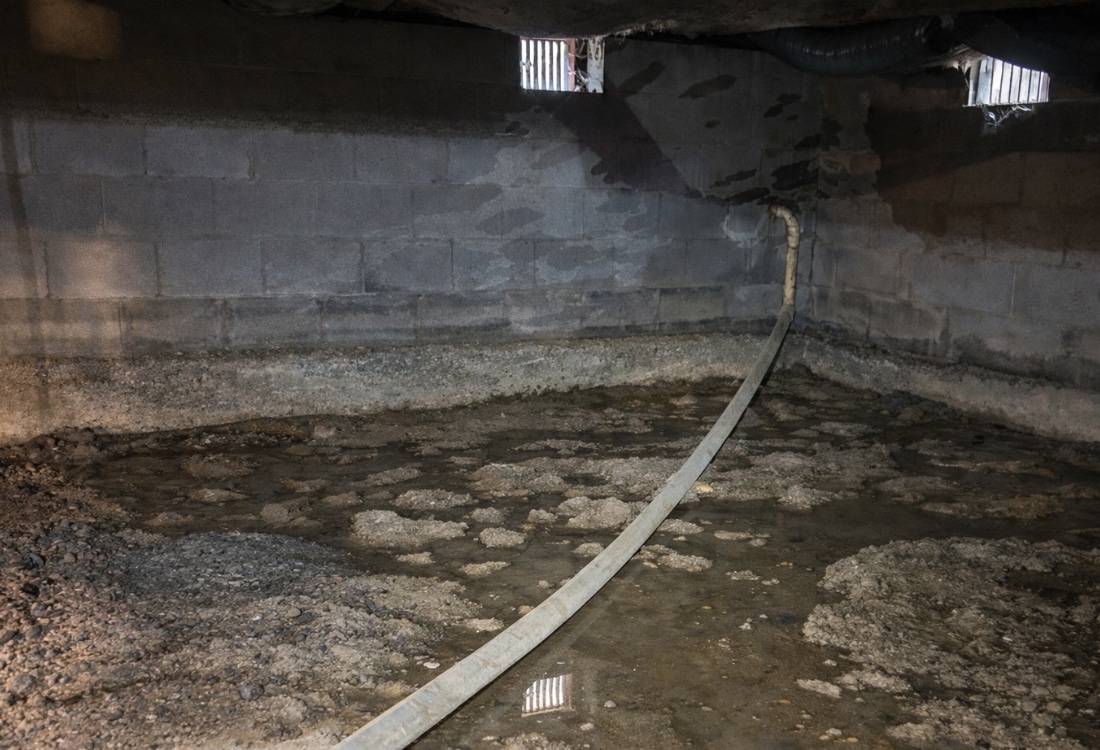
Check the soil across your crawl space, especially after periods of rain. If the ground feels damp, looks wet, or stays moist for extended periods, soil moisture can raise humidity in the space.
A vapor barrier separates exposed soil from the crawl space environment, helping prevent moisture from accumulating and spreading. If the soil regularly stays damp, it may signal that you need additional moisture control.
3. Sagging or Uneven Floors Above the Crawl Space
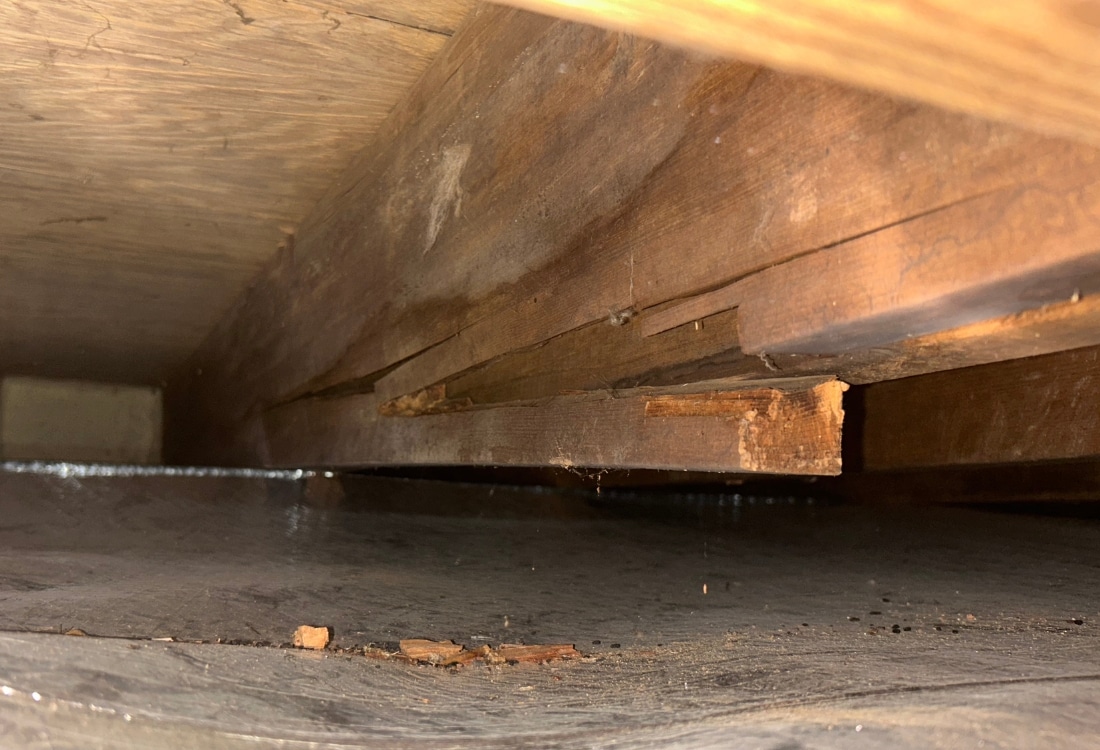
Check how the floors feel in rooms directly above your crawl space. If you notice soft spots, a slight bounce underfoot, or areas that seem to dip or slope more than the rest of the room, prolonged moisture exposure below could be affecting the floor joists over time.
This isn’t always easy to trace back to the crawl space on its own, since floors can sag or shift for other reasons too. If you’re noticing this alongside any of the other signs on this list, it’s a stronger indicator that moisture is the underlying cause worth investigating.
4. Condensation on Pipes, Ductwork, or Other Surfaces
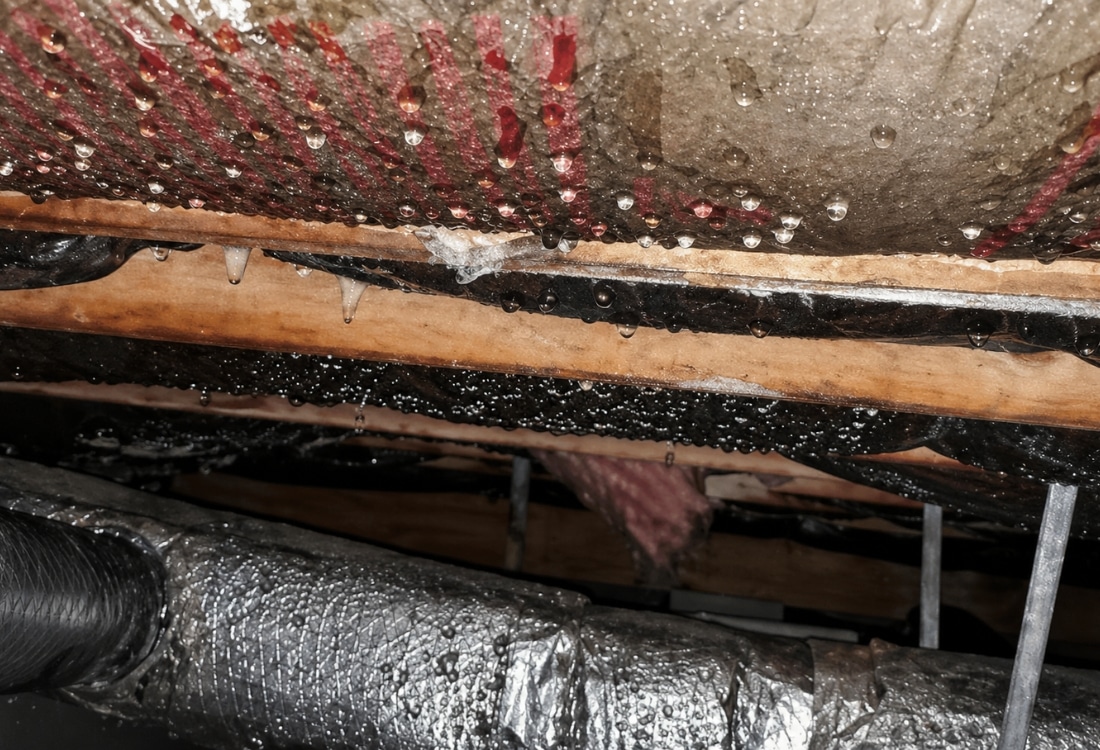
Check the pipes, ductwork, and other surfaces inside your crawl space for water droplets or condensation. If you regularly see moisture collecting on these surfaces, humidity levels in the space may be elevated.
A vapor barrier can help limit moisture vapor entering from exposed soil, which can help reduce one source of moisture in the crawl space.
5. Visible Gaps, Tears, or an Aging Barrier
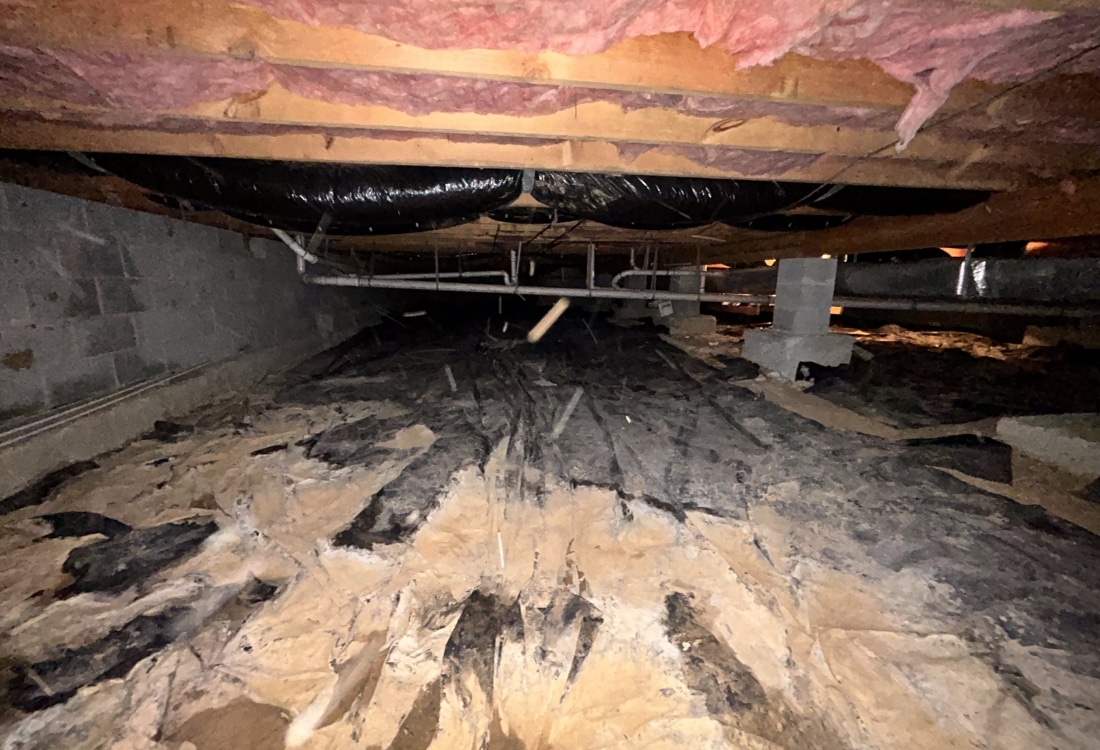
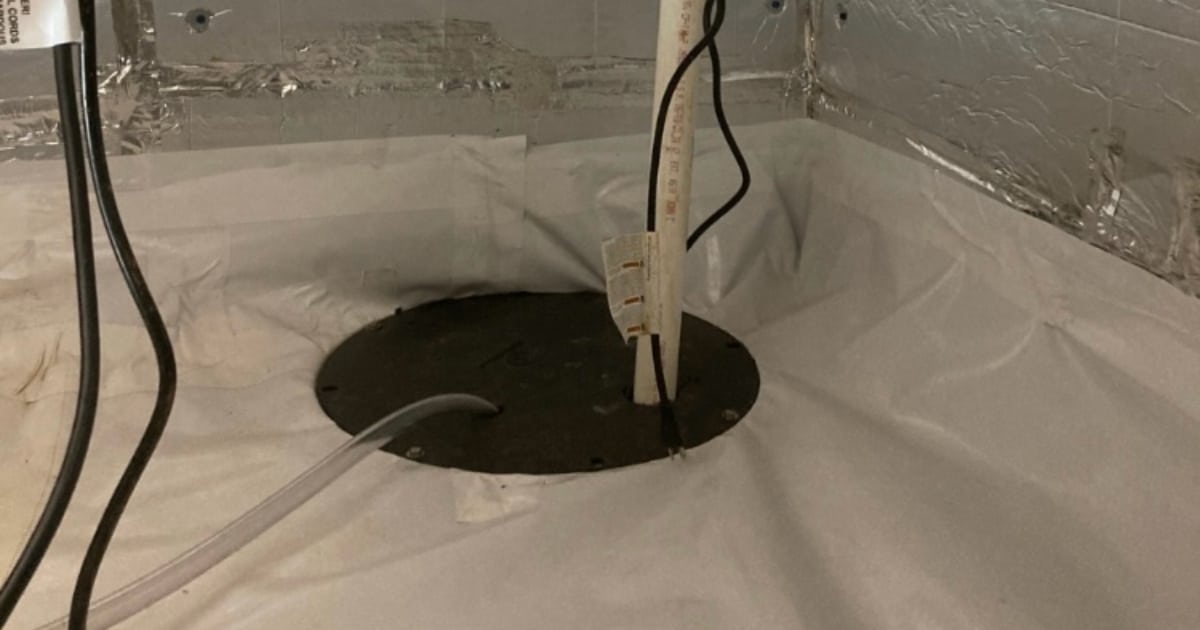
If your crawl space already has a vapor barrier, inspect it for visible gaps, tears, holes, or areas where the liner has pulled away from the floor or walls. An older barrier may also show signs of deterioration that reduce its effectiveness at separating the crawl space from the ground.
A damaged or aging barrier may no longer provide consistent coverage across the crawl space floor. If you notice significant damage or exposed soil, you may need to evaluate or replace the existing barrier.
6. Mold or Mildew on Crawl Space Materials
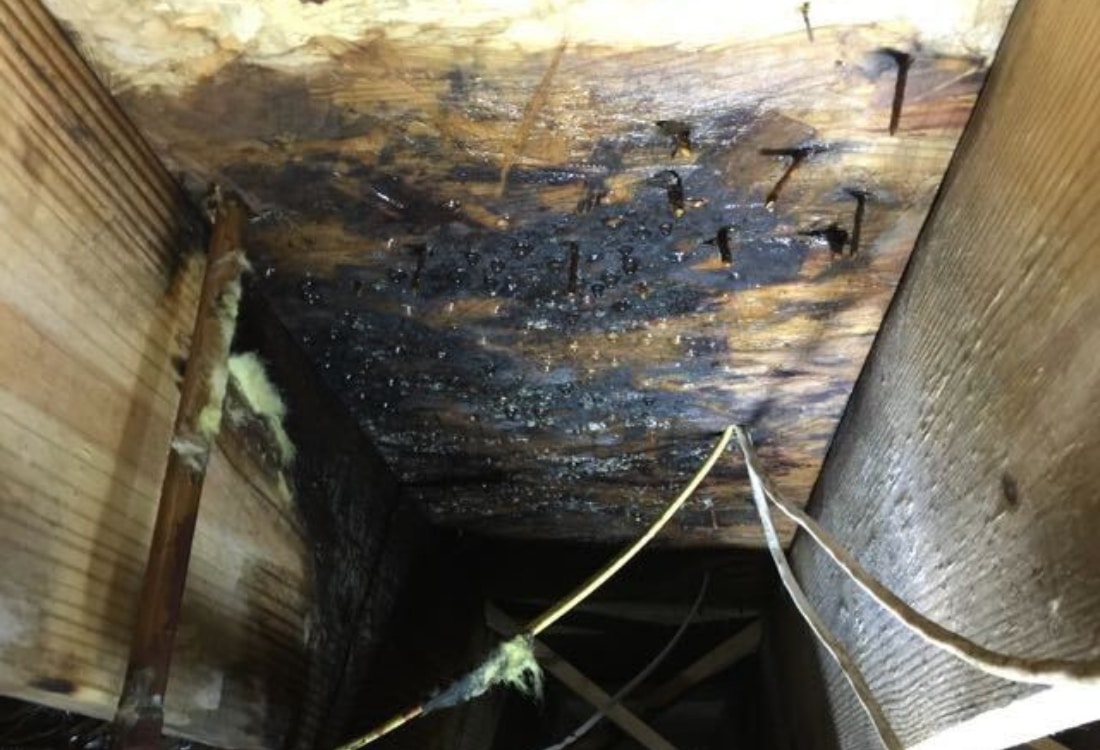
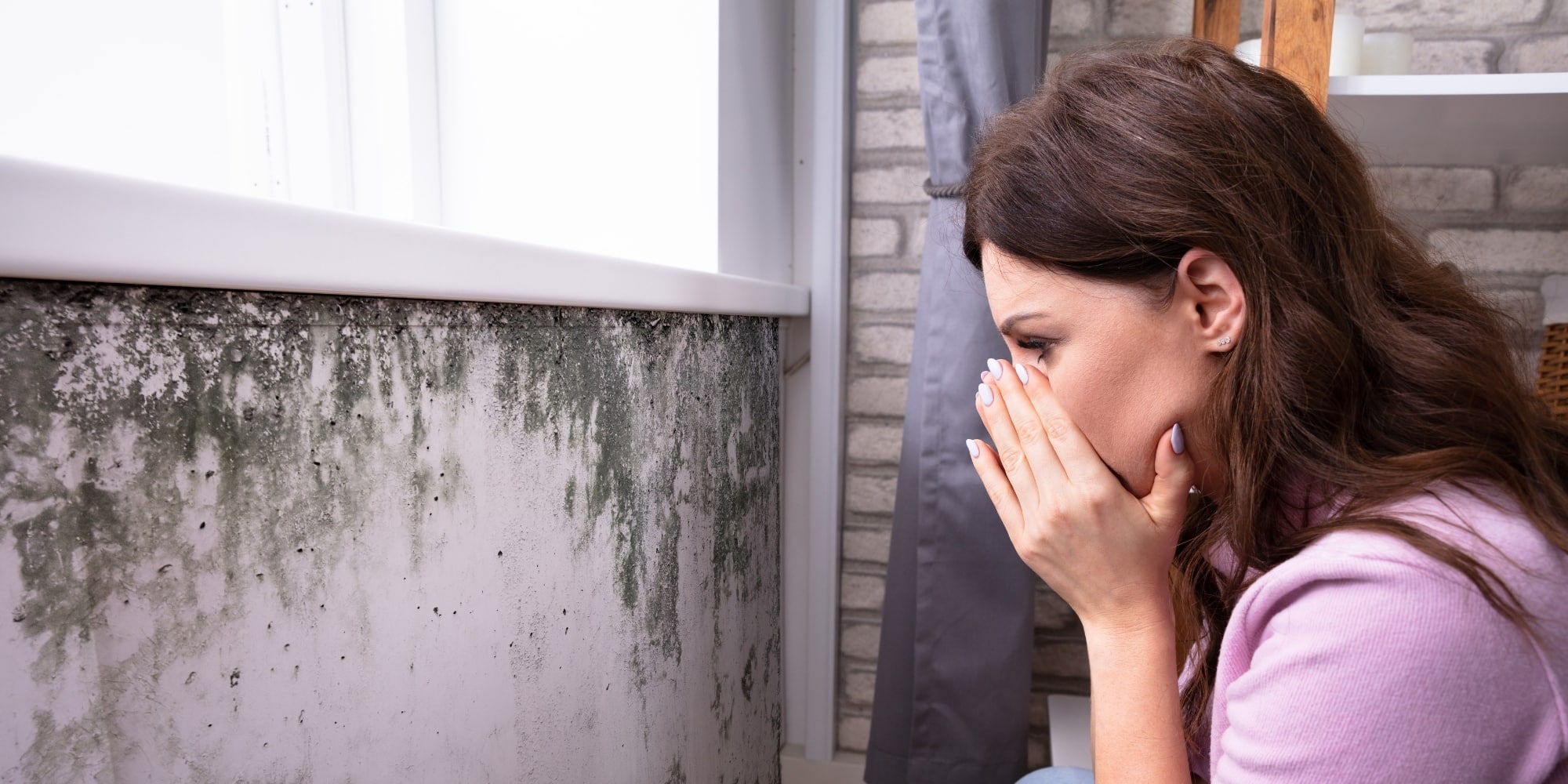
Check the wood framing, insulation, crawl space walls, and other materials inside your crawl space for visible mold growth. If you notice recurring growth, excess moisture may be present, and prolonged exposure can eventually contribute to wood rot in framing and joists.
A vapor barrier can help reduce moisture vapor entering from exposed soil. However, existing mold or mildew may require additional attention to address the moisture source and prevent the problem from returning.
7. Consistently High Crawl Space Humidity
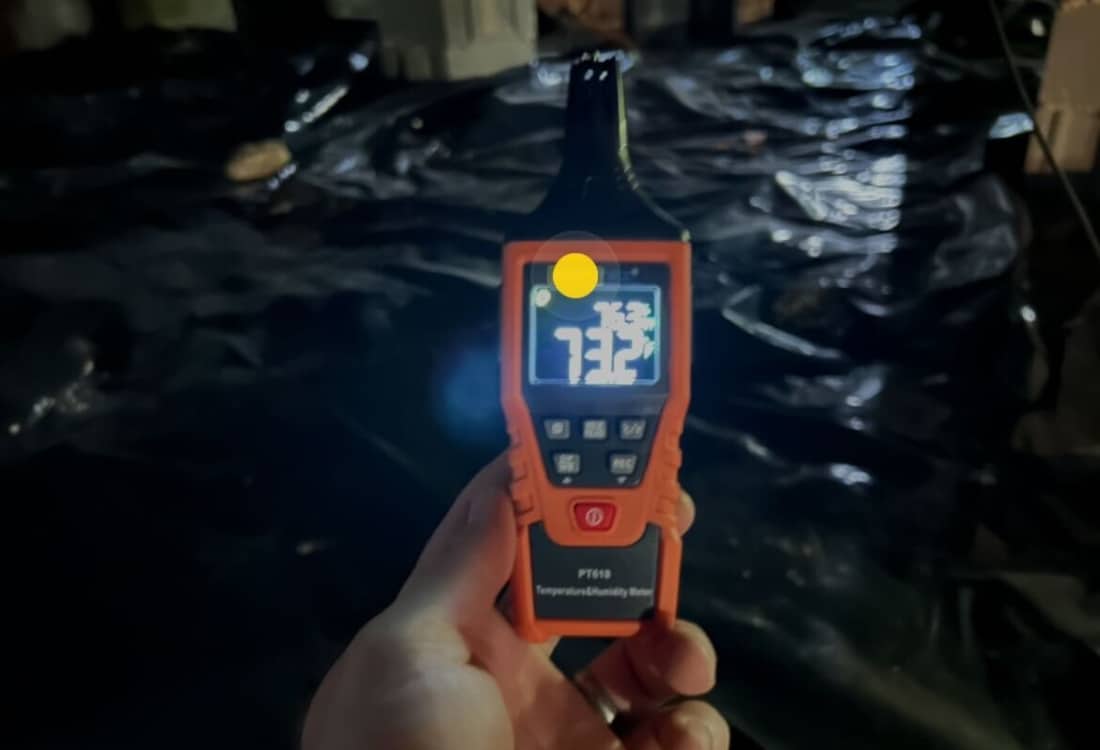
If you can measure humidity in your crawl space, watch whether the readings stay consistently high. Elevated humidity can indicate that moisture is entering the space and not drying out effectively, and it can also reduce your home’s energy efficiency because HVAC systems run harder to compensate.
When exposed soil is contributing to the moisture, a vapor barrier can help reduce the amount of water vapor entering the crawl space. Persistent high humidity can signal that the space needs better moisture control.
What a Vapor Barrier Can (and Can’t) Fix
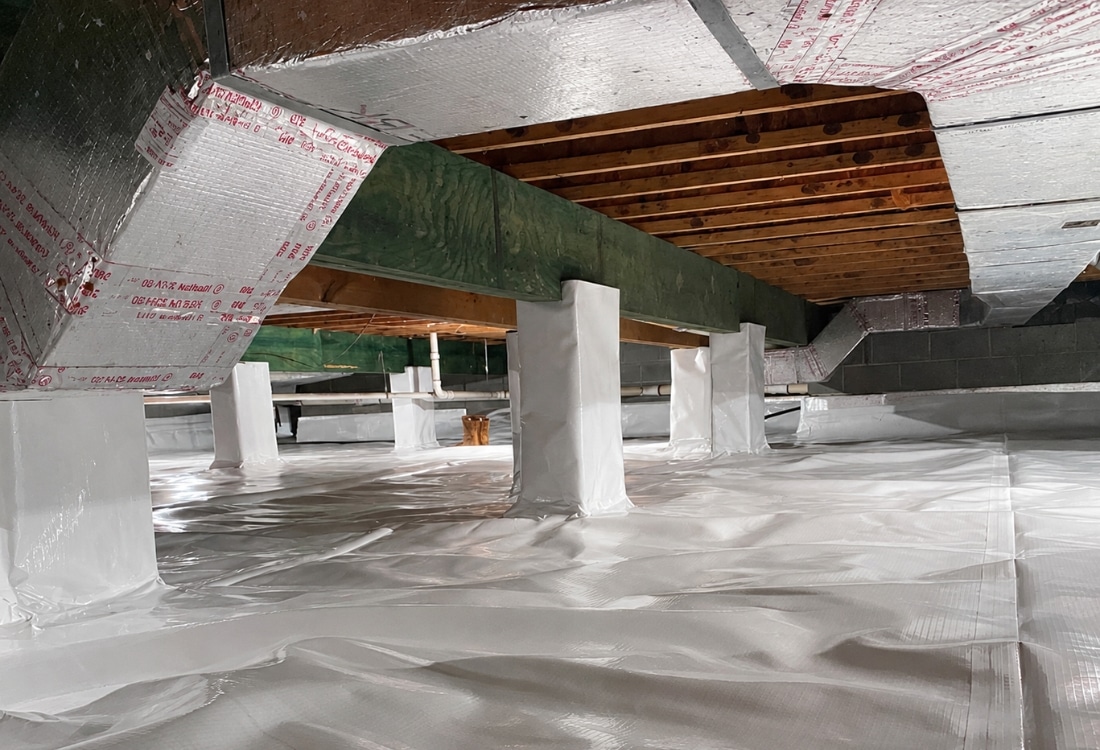
layer that cuts off the trap moisture that would otherwise evaporate directly into the crawl space. That makes it effective against the kind of gradual, ground-driven moisture behind most of the signs above, provided it’s installed correctly.
Crawl space vapor barriers are not designed to solve every moisture problem, though. Active water intrusion, plumbing leaks, and drainage issues around the foundation are separate sources that a vapor barrier alone won’t address.
If moisture keeps showing up after installation, or your crawl space has one of these other sources, that usually means the underlying cause needs its own fix; sometimes a standalone barrier isn’t enough, and full crawl space encapsulation is the more complete solution.
Get Your Crawl Space Assessed
A missing or damaged vapor barrier can allow moisture vapor to enter your crawl space, and the right fix depends on what’s actually happening underneath your home. If you’ve noticed any of the signs above, a professional inspection can identify the source and determine whether you need a new barrier, repairs to an existing one, or full encapsulation.
Call LUX Foundation Solutions today to schedule a free crawl space assessment.
About the Author

Frequently Asked Questions
Is a Vapor Barrier Necessary in a Crawl Space?
A vapor barrier matters when exposed soil lets moisture vapor enter the crawl space. Covering the ground helps limit that moisture, which may affect the indoor air quality in the rooms above.
Whether you need one depends on the crawl space’s construction and moisture conditions. If an intact, properly installed barrier already covers the ground, you may not need to replace it unless the existing material is damaged or deteriorating.
What Happens If I Don’t Have a Vapor Barrier in My Crawl Space?
Without a vapor barrier, moisture vapor from exposed soil can enter the crawl space more freely. Over time, this can contribute to higher humidity and prolonged moisture exposure to crawl space materials.
A vapor barrier helps limit moisture vapor from the ground, but it does not address active water leaks, flooding, or other sources of moisture.
Can a Vapor Barrier Stop Crawl Space Moisture?
A vapor barrier can help reduce moisture vapor entering through the soil, but it does not stop every source of crawl space moisture. Water from plumbing leaks, drainage problems, or groundwater may require additional measures.
If moisture continues to enter the crawl space after installing a vapor barrier, identify and address the source separately.
Can You Put a Vapor Barrier Over Damp Crawl Space Soil?
A vapor barrier can be installed over crawl space soil, but the condition of the area should be evaluated first. If there is active water, standing water, or another moisture source, you may need to address it before installing the barrier.
The goal is to use the vapor barrier to limit moisture vapor from the ground, not to cover up an unresolved water problem.
Can a Vapor Barrier Be Repaired Instead of Replaced?
In some cases, minor damage such as a small tear or isolated gap can be repaired. More extensive damage, widespread deterioration, or large areas of exposed soil may require replacement.
Evaluate the condition and extent of the damage to determine whether repairing the existing barrier is sufficient.
Can I install a vapor barrier myself?
It’s possible to install a vapor barrier yourself, especially in a small, simple crawl space. However, proper installation involves more than laying down plastic sheeting. Correct seam overlap, secure coverage, sealing around foundation walls, and addressing the specific moisture conditions all affect how well the barrier performs.
If the crawl space has difficult access, existing moisture problems, or a damaged barrier, professional installation can help ensure it’s installed correctly and suited to the space.