Crawl Space Condensation
Crawl space condensation is one of the earliest warning signs of a moisture problem underneath your home. Left unaddressed, it leads to mold growth, wood rot, and structural damage. Northern Virginia’s humid summers make this problem especially common.
What is Crawl Space Condensation?
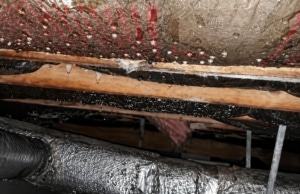
Crawl space condensation is moisture or water droplets that form on the surfaces underneath your home, including pipes, floor joists, ductwork, walls, and insulation. It happens when warm, humid air enters the cooler crawl space, and the moisture in that air settles on every cold surface it touches.
In Northern Virginia, the Shenandoah Valley, North Central Virginia, and West Virginia, crawl space moisture can be a problem in every season. Hot, humid summers push moisture-laden air into crawl spaces from May through September. Cooler months create temperature differentials that cause condensation to form even when it is not raining. The region’s clay-heavy soil also holds groundwater close to the foundation, adding a constant source of moisture from below.
Left unaddressed, condensation in crawl space can lead to poor indoor air quality, and structural damage to your home’s foundation.
Signs of Crawl Space Condensation Problems
If you are unsure whether you have condensation problems in crawl space, these are the six warning signs Northern Virginia homeowners most commonly report.
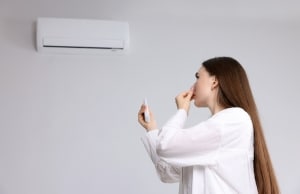
- Musty smells spreading in the living area coming from floors, vents, or lower levels of the home, often the first sign that moisture has been building in the crawl space for some time.
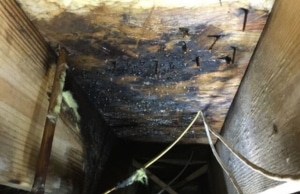
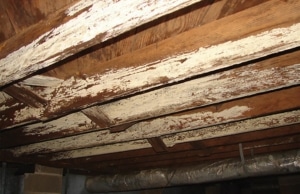
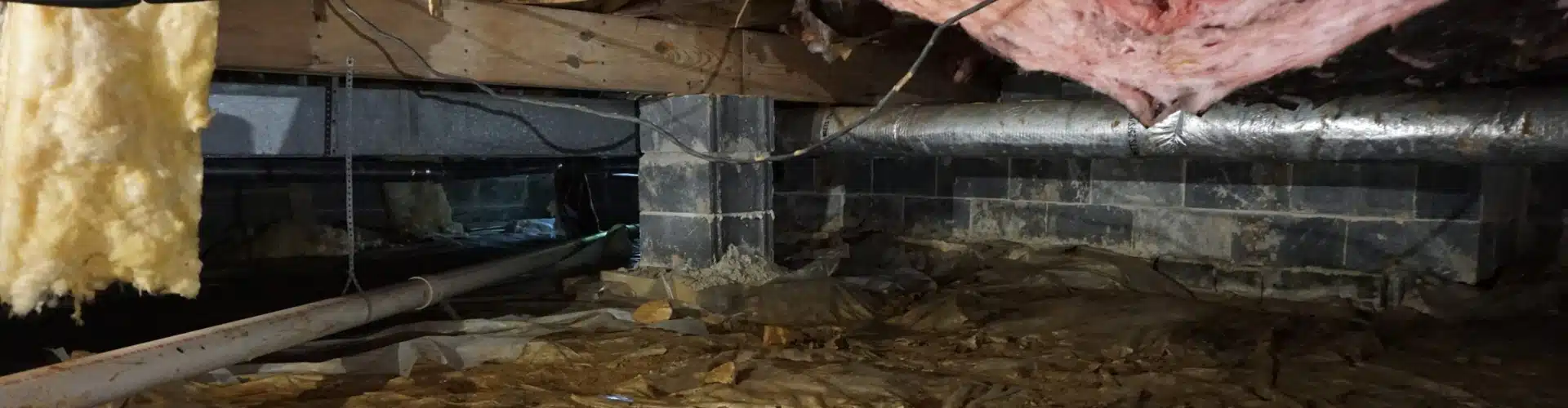
- Mold or dark staining spreads across floor joists, insulation, or the crawl space walls, typically starting in corners or along the perimeter where air movement is lowest.
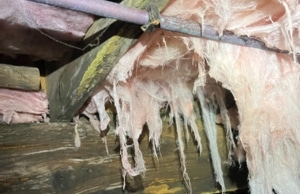
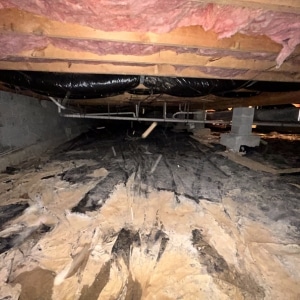
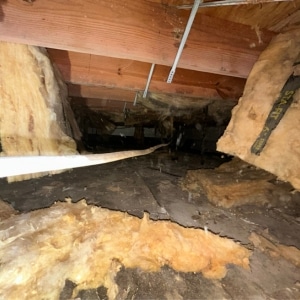
- Wet or sagging insulation that looks discolored or is hanging down means condensation has already compromised it and likely needs to be replaced.
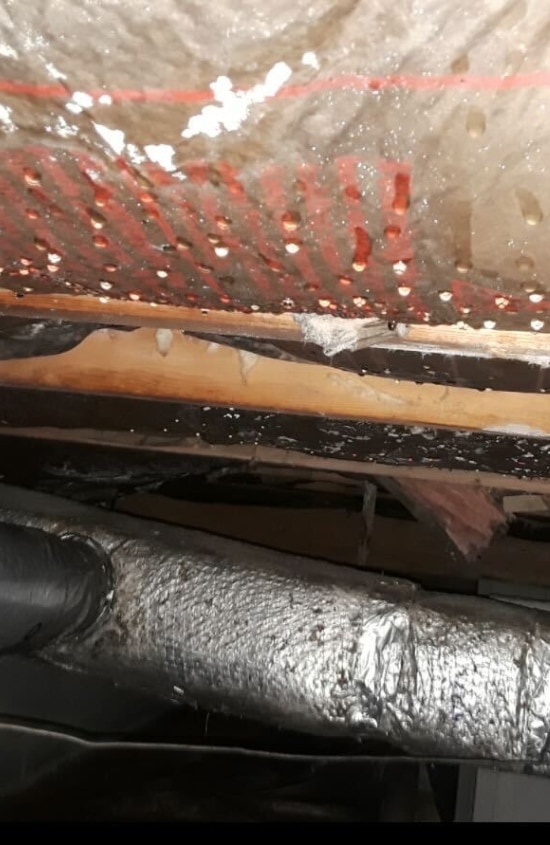
- Condensation on air ducts in crawl space, pipes, or floor joists visible when you look into the crawl space, appearing as water droplets or a wet sheen on metal and wood surfaces.
- Wood rot on floor joists mean moisture has been sitting long enough to cause structural decay. If the wood feels spongy or crumbles, the damage has progressed.
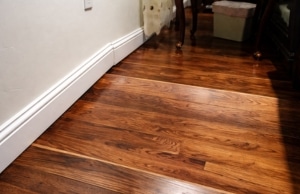
- Sagging, soft, or bouncy floors above the crawl space where the floor joists below have lost structural integrity from prolonged moisture exposure and wood rot.
If you are seeing one or more of these signs in your Northern Virginia home, condensation in crawl space has likely been building longer than you realize. The damage visible from inside the home is almost always a fraction of what is happening below it. Understanding what is causing it in the first place is the first step toward keeping your crawl space dry and fixing it for good.

Musty odor from crawl space

Mold growth in crawl space

Wet sagging crawl space insulation

Condensation on pipes

Wood rot in joists

Bouncy or sagging floor above crawl space
What Causes Condensation in Crawl Space?
Crawl space condensation in Northern Virginia homes comes down to a few root causes. Knowing which one applies to your situation is the difference between a temporary fix and a permanent solution.
High Humidity and Excess Moisture in the Air
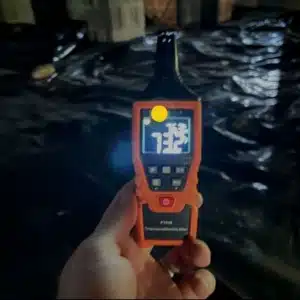
Northern Virginia summers push outdoor humidity levels well above 70% from May through September. When that warm, moisture-laden air enters your crawl space and meets cooler surfaces like pipes, joists, and ductwork, it releases that moisture as condensation. The warmer and more humid the air outside, the worse the problem gets underneath your home.
Open or Inadequate Crawl Space Vents
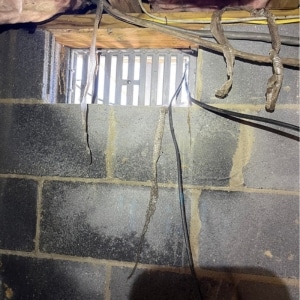
Many older Northern Virginia homes were built with vented crawl spaces under the assumption that fresh air would dry out the space. It does the opposite. Open vents and air leaks invite warm, humid outdoor air directly into a cool space, creating the exact conditions condensation needs. Sealing crawl space vents is one of the most effective first steps to prevent moisture from building up below your home.
Water Intrusion and Plumbing Leaks
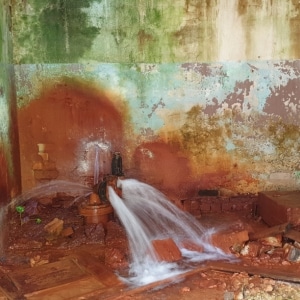
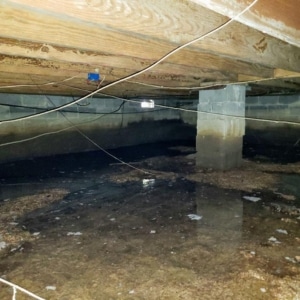
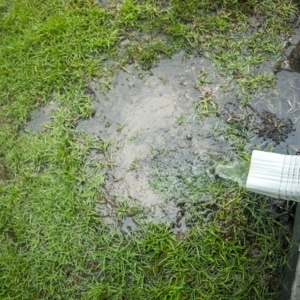
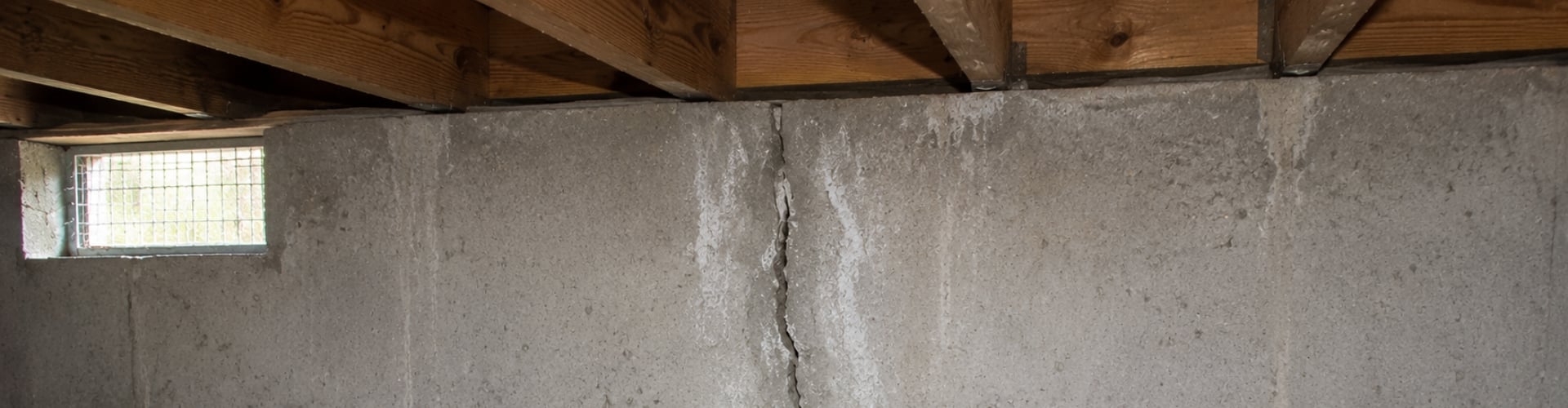
Rainwater that seeps through foundation walls and small plumbing leaks both add moisture directly into the crawl space. Even a slow drip from a pipe fitting raises humidity levels over time. During Northern Virginia’s wet spring months, homes without proper waterproofing are more likely to experience water intrusion and standing water in the crawl space.
Groundwater Seepage
Northern Virginia homes sit above clay-heavy soil that retains water long after rain stops. That stored groundwater migrates upward through the soil and into the crawl space, evaporating into the air and raising humidity levels consistently year-round. Unlike seasonal outdoor humidity, groundwater seepage keeps crawl space moisture buildup even during drier months, making condensation a persistent problem rather than a seasonal one.
Inadequate or Missing Vapor Barrier
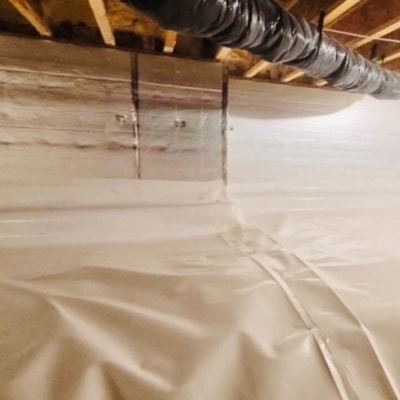
A vapor barrier is the first line of defense against ground moisture in a crawl space. Thin, torn, or improperly installed barriers allow moisture to evaporate freely from the soil into the crawl space air. A 12-mil liner installed on both the floor and walls provides much better moisture protection than thinner vapor barriers.
Insufficient Insulation
When floor joists, pipes, and other crawl space surfaces are not properly insulated, condensation can form when warm air enters the space and comes into contact with those cooler surfaces. In Northern Virginia, where summer air regularly reaches 85 to 95 degrees with high humidity levels, the temperature differences between crawl space surfaces and outdoor air can create condensation on uninsulated joists and pipes.
Improper Grading and Drainage
When the soil around your home directs water toward the foundation, rainwater can build up along the foundation walls and seep into the crawl space. Correcting the grading so water drains away from the home is a critical step that protects everything below the foundation and helps prevent moisture from entering in the first place.
If any of these causes sound familiar, a professional crawl space inspection is the most reliable way to confirm what is driving the moisture before it causes further structural damage.
Our Proven Solution for Crawl Space Condensation
Crawl space condensation in Northern Virginia homes comes down to a few root causes. Knowing which one applies to your situation is the difference between a temporary fix and a permanent solution.
Crawl Space Encapsulation
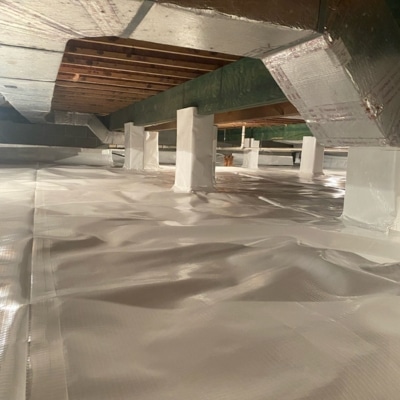
When moisture is entering your crawl space from multiple sources, including humid air, groundwater, and soil evaporation, encapsulation is the most comprehensive solution. LUX installs a 12 mil high-quality vapor barrier in the entire crawl space floor and walls, sealing the space from outside moisture entirely. This creates a clean, controlled environment that stops condensation at the source rather than managing it after the fact.
Encapsulation is recommended when multiple moisture sources are present, mold or wood rot has already developed, or a permanent, long-term solution is the goal.
Crawl Space Dehumidifier
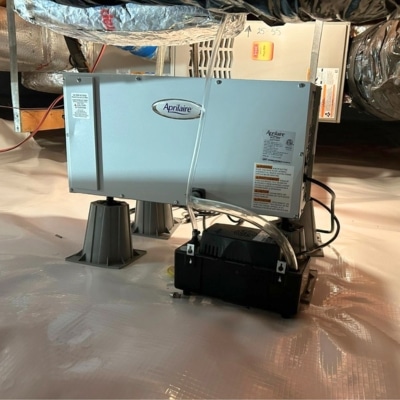
When our inspection confirms that high humidity levels are the primary driver of condensation in your crawl space, we install a crawl space dehumidifier sized specifically for the space beneath your Northern Virginia home.
Unlike portable dehumidifiers that require constant emptying, the dehumidifiers we install run continuously, drain automatically, and are calibrated to maintain safe humidity levels year-round. By lowering humidity levels, the system helps reduce condensation on floor joists, pipes, and ductwork during the summer months, giving the crawl space environment a chance to dry out and stay dry.
Crawl Space Insulation
When the temperature difference between cold crawl space surfaces and warm summer air causes condensation on floor joists, pipes, and ductwork, we install crawl space insulation to close that gap. By insulating crawl space walls and floor joists, we raise surface temperatures closer to the incoming air temperature, eliminating the conditions that cause moisture to fall out of the air on contact.
This solution is particularly effective in older Northern Virginia homes across Fairfax, Loudoun, and Prince William counties, where original insulation has deteriorated or was never installed to the standards needed to handle the region’s humid summers.
Crawl Space Vent and Door Sealing
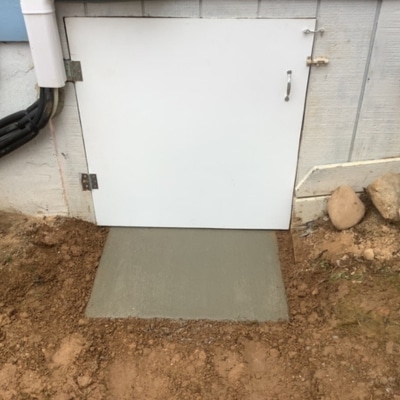
Every summer, open crawl space vents pull warm, humid Northern Virginia air directly into the cooler space below your home, creating the exact temperature differential that produces condensation on floor joists, pipes, and ductwork. We seal crawl space vents and doors to stop that warm air from entering during the peak condensation months of June through September, cutting off the moisture source before it ever reaches the surfaces below.
Vent and door closures are most effective when installed as part of a complete moisture control system alongside encapsulation or a dehumidifier. Our team will recommend the right combination based on what we find during your free inspection.
Not sure which solution applies to your crawl space? Our team will assess the moisture source, identify the cause, and walk you through the right repair option during your free on-site inspection.
Get a Dry, Damage-Free Crawl Space With a Free On-Site Estimate
Crawl space condensation causes wood rot, mold, and structural damage, and the cost to fix it only increases each season it goes unaddressed. The best time to act is before another Northern Virginia summer adds to the damage already building below your home.
At LUX Foundation Solutions, we inspect crawl spaces across Northern Virginia, Shenandoah Valley, North Central Virginia, and West Virginia, and recommend the right crawl space repair solution for your specific moisture problem. With the right fix in place, you protect your home’s structure, make your living space healthier, and prevent moisture from becoming a recurring problem season after season.
Call us at 540-508-8587 or fill out our online form to schedule your free on-site estimate today.
Request a free Estimate
Crawl Space Condensation FAQs
Crawl space condensation is common in Northern Virginia homes, especially during humid summers, but it should never be ignored. Moisture buildup under your home signals that conditions in the crawl space are out of balance. Without proper moisture control, even mild condensation leads to wood rot, mold growth, and moisture damage over time.
Condensation in crawl space becomes serious when it has caused visible damage below your home. Signs it has progressed include mold or dark staining on floor joists, soft or spongy wood on beams, drooping wet insulation, and sagging floors above the crawl space. If any of these are present, the condensation has been active long enough to warrant expert guidance and a professional inspection rather than continued monitoring.
Yes. Crawl space condensation creates exactly the conditions mold needs to grow faster than most homeowners expect: persistent moisture, organic materials like wood and insulation, and limited airflow. Mold can begin colonizing floor joists within 24 to 48 hours of surfaces staying wet, and wood rot follows once moisture penetrates deep enough into the wood grain. In Northern Virginia homes, both are almost always found together when condensation goes unaddressed through multiple humid summers.
Ductwork condensation forms when warm, humid crawl space air contacts the cooler metal surface of your HVAC ducts. The temperature difference causes moisture to collect and drip onto the crawl space floor below. This is a clear sign of a crawl space moisture problem that needs to be addressed at the source.
The most effective way in stopping crawl space condensation usually requires controlling moisture and reducing the conditions that cause condensation to develop. Sealing vents and doors blocks warm, humid outdoor air from entering. A vapor barrier prevents ground moisture from rising into the air. Insulation reduces the temperature differential between crawl space surfaces and incoming air.
The right combination depends on what is driving the condensation in your specific crawl space, and expert guidance from a professional inspection makes that determination straightforward.
Crawl space encapsulation is one of the most effective long-term solutions for recurring crawl space condensation. It seals the floor and walls with a heavy-duty vapor barrier, blocking ground moisture from rising and preventing humid outdoor air from reaching cooler surfaces that can cause condensation.
The stack effect means that unaddressed crawl space moisture does not stay below your home. It rises into your living space, affecting air quality throughout the house. Encapsulation addresses the root cause rather than managing the symptoms.