Mold in Basement

Mold in your basement is not just a surface problem. It is a sign that moisture has been building up long enough for fungal growth to take hold, and the underlying moisture problem that caused it is still active.

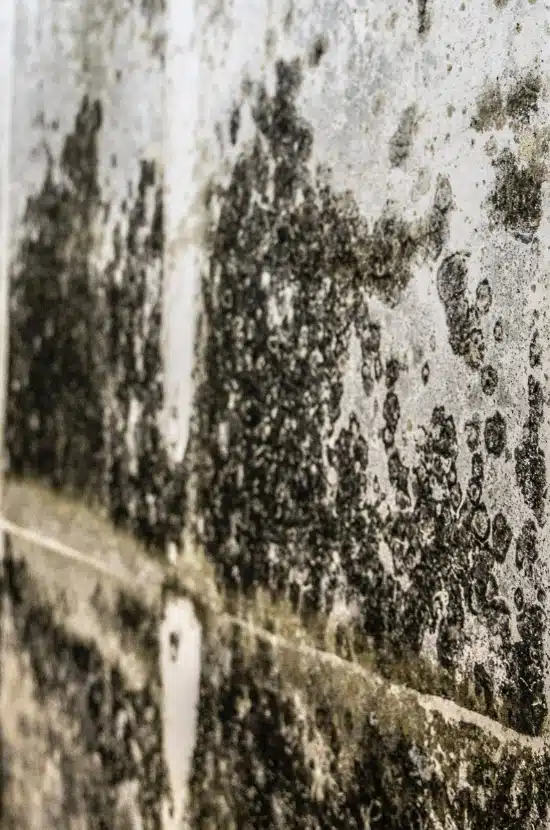
Close-up of black fuzzy mold patches on basement block wall showing condition of mold in a basement in Winchester, VA.

What Does Mold in Your Basement Mean?

Finding mold in your basement means moisture has been present long enough for fungal spores to settle and grow. That is almost never a short-term problem. Mold thrives on sustained dampness, poor airflow, and an organic surface, and basements provide all three.

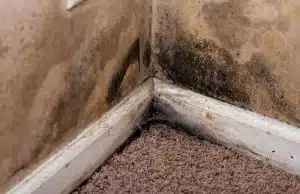
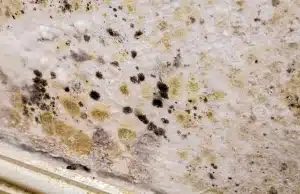
What does mold look like in a basement? Mold usually appears as black, green, or brown fuzzy patches on walls, floors, or ceilings. Mildew looks more as white or gray powdery growth and is usually an earlier stage of the same moisture problem.

Beyond how it looks, mold in the basement carries health risks.It can trigger breathing problems, allergic reactions, and make asthma worse, especially for kids and older adults. Northern Virginia’s humid summers and clay-heavy soil make basement mold more persistent here than in drier regions.

Signs of Mold in Basement You Should Not Ignore

If you have noticed something growing or smelling off in your basement, watch for these signs that a mold problem may be developing: 

  • Black, green, or brown fuzzy patches appearing on basement walls, floors, wood framing, or stored items.
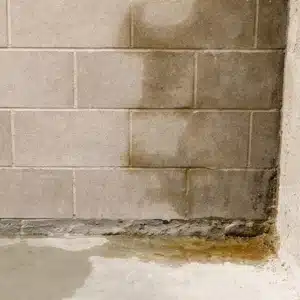
  • White or gray powdery growth on concrete surfaces, block walls, or exposed wood indicates mildew or early mold development. 
  • A persistent musty or earthy odor that does not clear after ventilating the space.
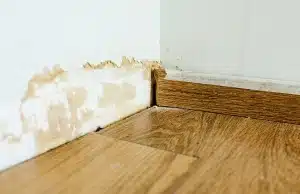
  • Water stains or yellowish discoloration on walls or floors where moisture has repeatedly entered. 
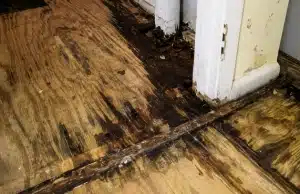
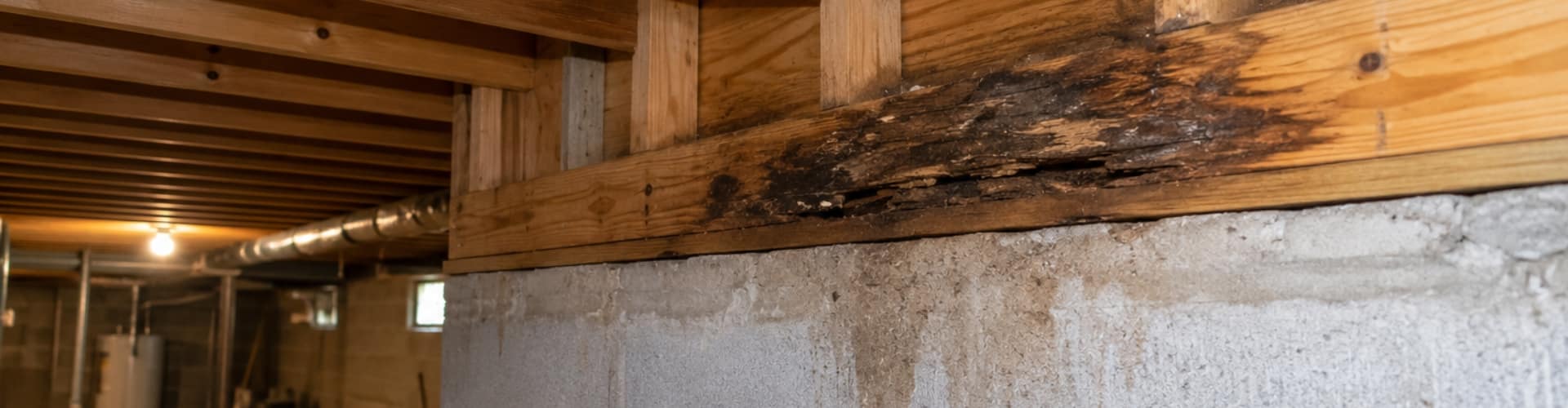
  • Warped, soft, or deteriorating wood framing or structural materials showing signs of moisture damage over time.
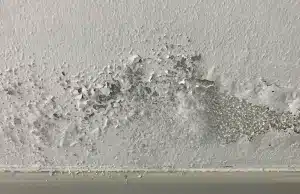
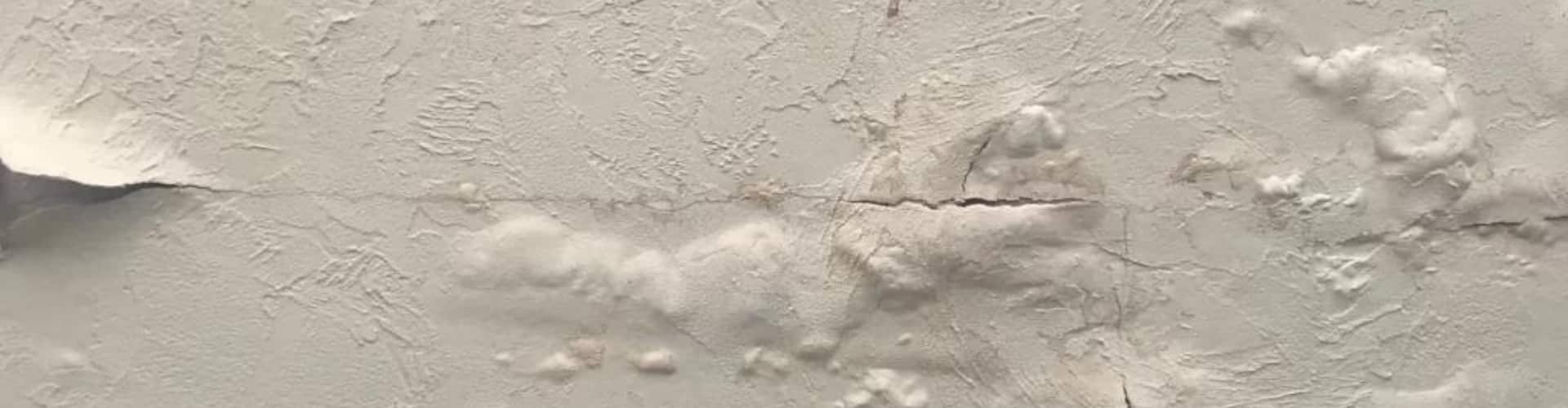
  • Peeling paint or bubbling drywall on basement walls indicates moisture is pushing through from behind the surface. 

Spotting these signs early is the difference between a straightforward mold removal and a full mold infestation remediation. Each one points to an active moisture source that needs to be identified and addressed.

What Causes Mold in Basements?

Mold in a basement almost always traces back to a moisture problem. Here are the most common causes found in homes across Northern Virginia and surrounding regions.

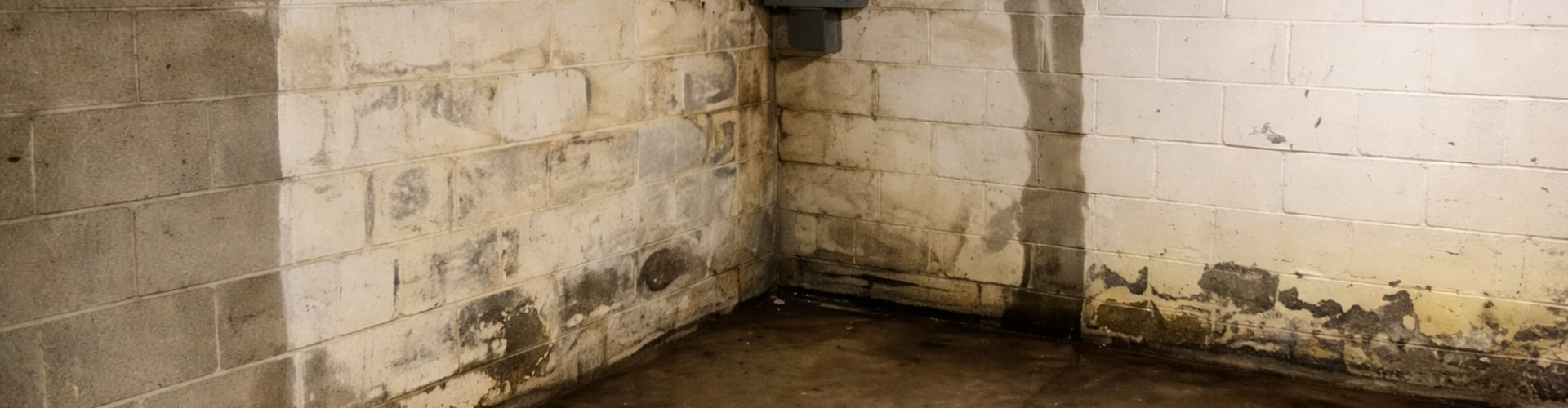
Moisture and condensation buildup on basement concrete block wall causing mold in basement in Stephens City, VA.

Moisture

Basements are prone to moisture from foundation cracks, condensation on uninsulated cold water pipes, and rising ground humidity. When moisture levels stay elevated, wood, drywall, and insulation become perfect spots for mold spores to settle and grow. Northern Virginia’s excessive rainfall keeps basement moisture levels high year round, making it the number one reason homeowners in the area end up dealing with mold.


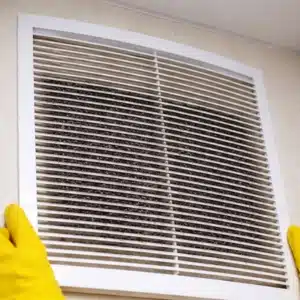
Clogged and dirty basement ventilation vent with mold buildup showing poor airflow causing mold in basement in White Post, VA.

Poor Ventilation

When there is not enough airflow in your basement, humidity gets trapped and damp surfaces never fully dry out between wet seasons. Without proper ventilation to improve air circulation, moisture from condensation and seasonal humidity feeds mold growth over time. Older Northern Virginia homes built with poor construction practices often have basement ventilation systems that fall below current standards, making them especially vulnerable to mold growth from trapped moisture.

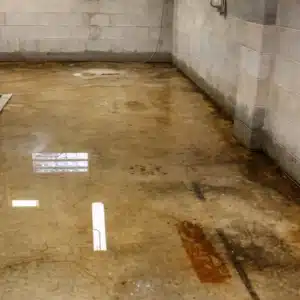
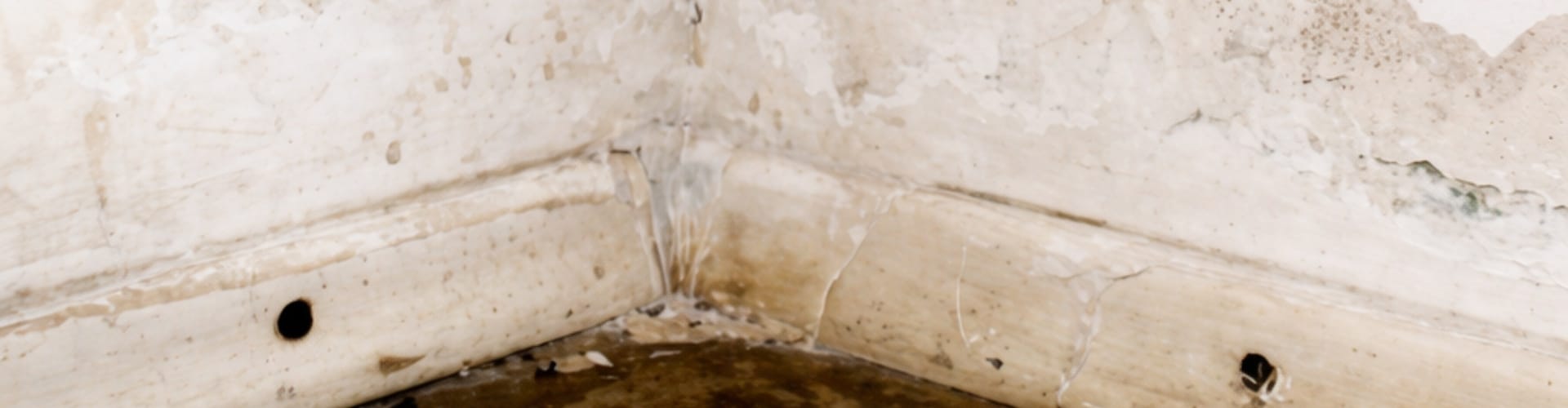
Flooding basement with standing brown water covering concrete floor causing water damage and mold in basement in Berryville, VA.

Flooding or Water Damage

When your basement floods or experiences water intrusion, moisture can saturate porous materials, such as wood, drywall, and concrete. Even after visible water is removed, these materials stay damp long enough for mold to establish and spread. Homes with old, poorly functioning drainage systems that let water pool against the foundation are the most likely to end up with this problem.

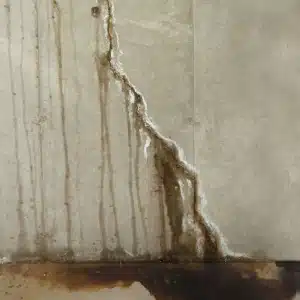
Foundation crack on basement wall with water seepage and rust stains causing structural damage and mold in basement in Bristow, VA.

Structural Issues

Cracks in foundation walls or poorly sealed joints allow water to seep steadily into the basement, creating the damp conditions mold needs to grow. Even small amounts of consistent moisture intrusion start a mold colony behind your walls or under your floors. In Northern Virginia, properties built on ground with slope failure are especially prone to this, as water consistently flows toward the foundation rather than away from it.


Our Solutions for Basement Mold

Basement mold does not go away on its own. Addressing it requires removing the existing growth, then eliminating the moisture source driving it, to permanently prevent mold from returning. Here are the solutions LUX uses to stop basement mold from returning.

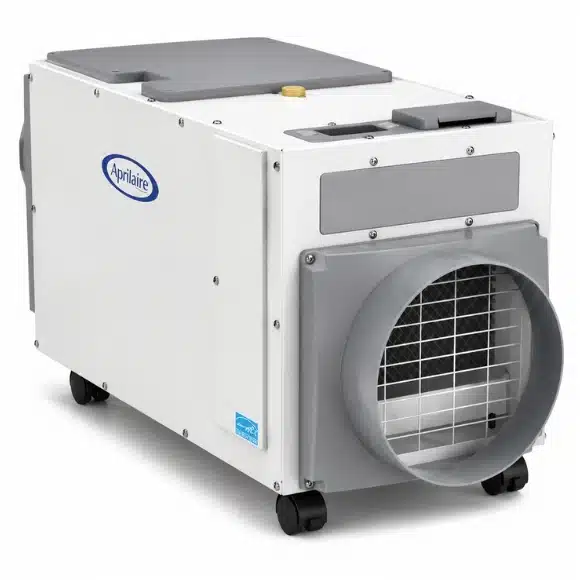
Basement Dehumidifier

High humidity is one of the most common drivers of recurring basement mold. Even after visible mold is removed, if humidity stays above 50 percent, mold spores will settle and grow back on walls, wood framing, and stored items.

Our basement dehumidifier pulls excess moisture directly from the air and maintains humidity at a safe level year-round. We size each unit to the square footage of your basement so it runs efficiently without overworking. For Northern Virginia homes where summers bring consistently high outdoor humidity, a properly installed dehumidifier is the most reliable way to keep mold from returning after treatment.

Interior Basement Waterproofing

Mold keeps returning when the moisture source entering your basement is never addressed. Cleaning the growth without sealing the entry points means mold will grow back after the next rainfall. Our interior basement waterproofing system eliminates the moisture conditions mold needs to survive, including:

  • Interior drainage channels that collect water as it enters through foundation cracks, wall joints, and floor seams and direct it away from your basement surfaces
  • A sump pump that automatically discharges collected water safely away from the foundation, even during heavy Northern Virginia rainfall events
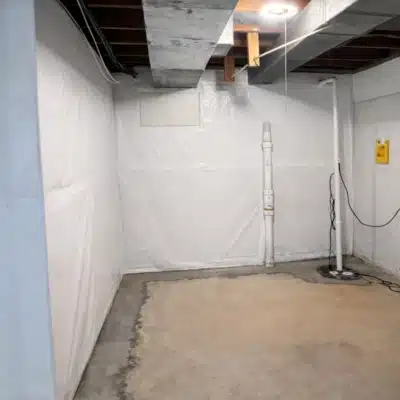
  • A vapor barrier installed along the walls that seals moisture from passing through and keeps the basement surface dry

Each component works together to remove the water that feeds mold growth and prevent it from returning permanently.

Basement Mold Removal 

Before any waterproofing or humidity-control solution can work permanently, the existing mold growth must be physically removed. Mold colonies can embed in porous materials such as wood framing, drywall, and concrete. Surface cleaning alone will not eliminate what has grown behind the surface.

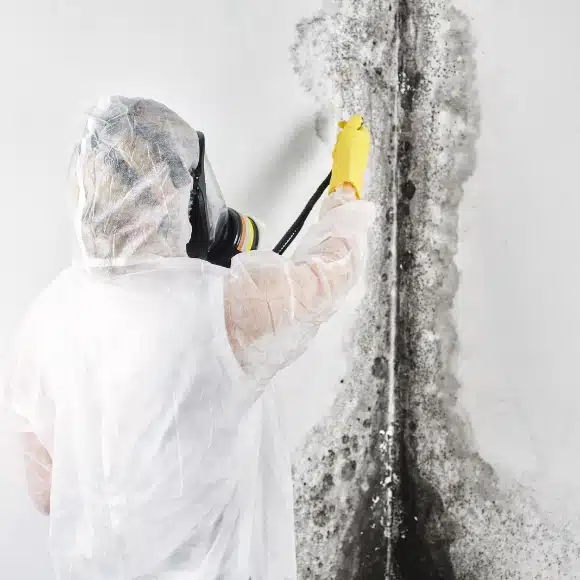
Our mold removal service eliminates active mold colonies from basement walls, wood framing, and structural materials at the source. Removing the growth first ensures that the solutions installed afterward work on a clean surface, not sealing moisture problems behind existing mold.

If you are unsure which solution is right for your basement, the source and severity of the moisture driving the mold growth determine the answer. LUX Foundation Solutions provides free on-site assessments to identify the moisture source and recommend the right fix to keep your basement dry before the mold spreads further.  

Stop Basement Mold at the Source — Schedule a Free Crawl Space Assessment Now

Basement mold is one of the most common problems LUX inspectors find during assessments across Northern Virginia and the Shenandoah Valley. In almost every case, the mold is a symptom — the real problem is a moisture source that has been active long enough for growth to establish.

LUX Foundation Solutions provides free on-site assessments to identify exactly where moisture is entering your basement, assess the extent of the mold growth, and recommend the right solution to stop it permanently.

We serve homeowners across Northern Virginia, Shenandoah Valley, North Central Virginia, and West Virginia. Call 540-508-8982 or fill out our online form to schedule your free assessment today.

Request a free Estimate

Mold in Basement FAQs

How do I know if I have mold in my basement?

The most reliable signs of mold in a basement are visible growth, persistent odor, and surface damage. Look for green, black, or brown fuzzy patches on walls, floors, or wood framing. White or gray powdery spots on concrete or block walls are usually mildew. 

A musty smell that sticks around even after you open windows or run a fan is a strong sign, even if you cannot spot any visible growth. If you also see warped wood, peeling paint, or water stains along with the odor, mold is likely active behind the moldy surfaces. 
Should I be worried about white mold in my basement?

White mold in a basement is worth taking seriously, even though it appears less alarming than black or green mold. White mold is often an early stage of growth that will spread and darken if the moisture source driving it is not addressed. It commonly appears on concrete block walls, wood framing, cardboard boxes, and stored items in damp areas. Some white growth on concrete surfaces is efflorescence, a mineral deposit from water moving through concrete, which is not mold but still signals active moisture intrusion that needs attention.

Is mold in the basement dangerous to my health?

Mold in a basement poses real health risks, particularly for prolonged exposure. Mold releases tiny spores and harmful particles into the air that travel through your home every time your hvac system runs.

Breathing in these spores can cause coughing, stuffy nose, sore throat, skin irritation, and allergy flare-ups. People who already deal with asthma, breathing problems, or a weak immune system tend to get hit harder by the symptoms. Kids and older adults are the most at risk.


A persistent unpleasant smell in your basement, even without visible growth, is enough to have a professional assessment.

What is the difference between mold and mildew in a basement?

Mold and mildew are both fungi that thrive in damp, humid environments like basements, but they look and behave differently. Mold appears as fuzzy or slimy patches in black, green, or brown colors and tends to grow deeper into porous materials like wood and drywall. 

Mildew shows as a flat, powdery growth in white or gray tones and typically stays on the surface. Both signal a moisture problem that needs to be addressed. Mildew is generally easier to treat, but if left unaddressed, it can develop into a more serious mold problem over time.

Related Signs

Thank you! Your form has been successfully submitted. You may receive service-related text messages from Lux Foundation Solutions, including appointment updates, reminders, and one-time verification codes if needed. Message frequency may vary. Msg & data rates may apply. Reply HELP for help. Reply STOP to opt out.

Examples of messages you may receive:

Lux Foundation Solutions: Your appointment has been scheduled. You will receive service-related updates as needed.

Lux Foundation Solutions: Reminder — your scheduled service is approaching. Reply STOP to opt out.

Lux Foundation Solutions: Your verification code is 739214. This code expires in 10 minutes.