
Published: April 10, 2024 • Updated: January 13, 2026
Tired of dealing with the mess and water damage caused by rainwater runoff around your home? Installing a buried downspout drainage system is a proven way to manage rainwater and move it safely away from your foundation.
Buried downspouts are a long-term rainwater management solution that helps homeowners reduce runoff-related damage before it reaches the foundation, landscaping, or lower levels of the home.
In this guide, we will explore the benefits of buried downspouts, how they work, what to expect during installation, and maintenance considerations to help you decide if investing in them is right for your home.
Let’s dive into it.
Problems of Rainwater Runoff Without Buried Downspout Extension
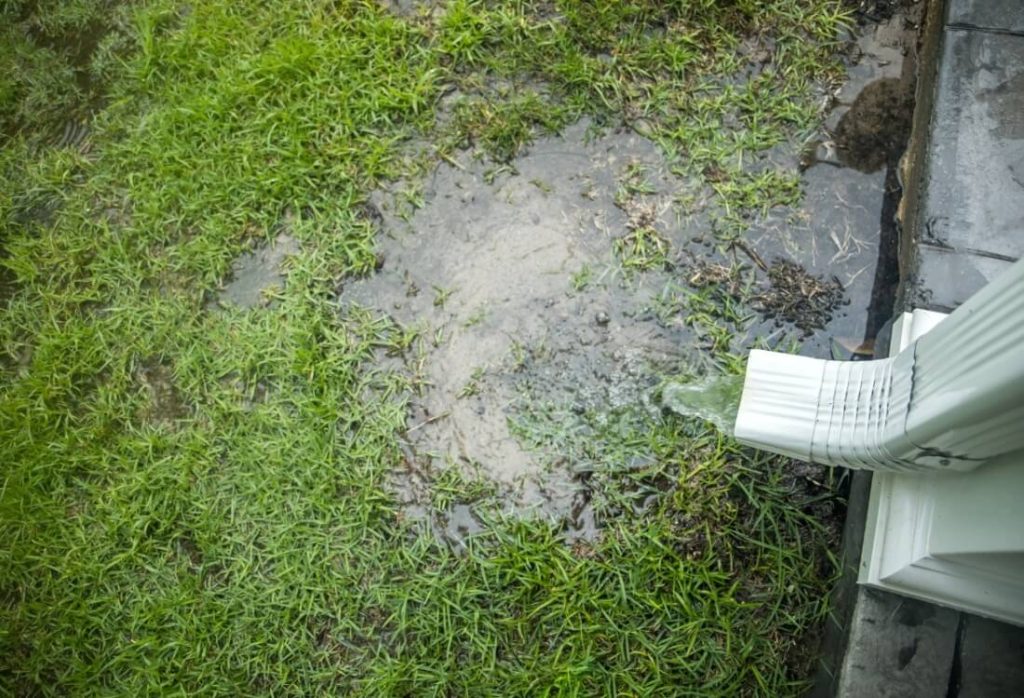
When rainwater is discharged too close to your home’s foundation, it can cause recurring drainage issues that worsen over time. Traditional downspouts often release water directly at the base of the foundation, allowing excess moisture to soak into the surrounding soil instead of being safely redirected away.
However, a significant problem arises when no downspout extensions are in place. In areas with expansive or moisture-sensitive soil, especially in regions like Virginia, this repeated saturation can lead to several serious issues, including:
- Soil erosion around the foundation.
- Water pooling near basement or crawl space walls.
- Increased risk of moisture intrusion.
- Foundation settlement caused by unstable soil.
- Cracks in concrete slabs or walkways.
- Sticking doors and windows due to shifting structures.
Over time, these problems can escalate into costly repairs. Without proper rainwater runoff control, water continues to saturate soil around the home, increasing the risk of structural movement and flooding.
Benefits of Buried Downspout Extension in Managing Rainwater Runoff
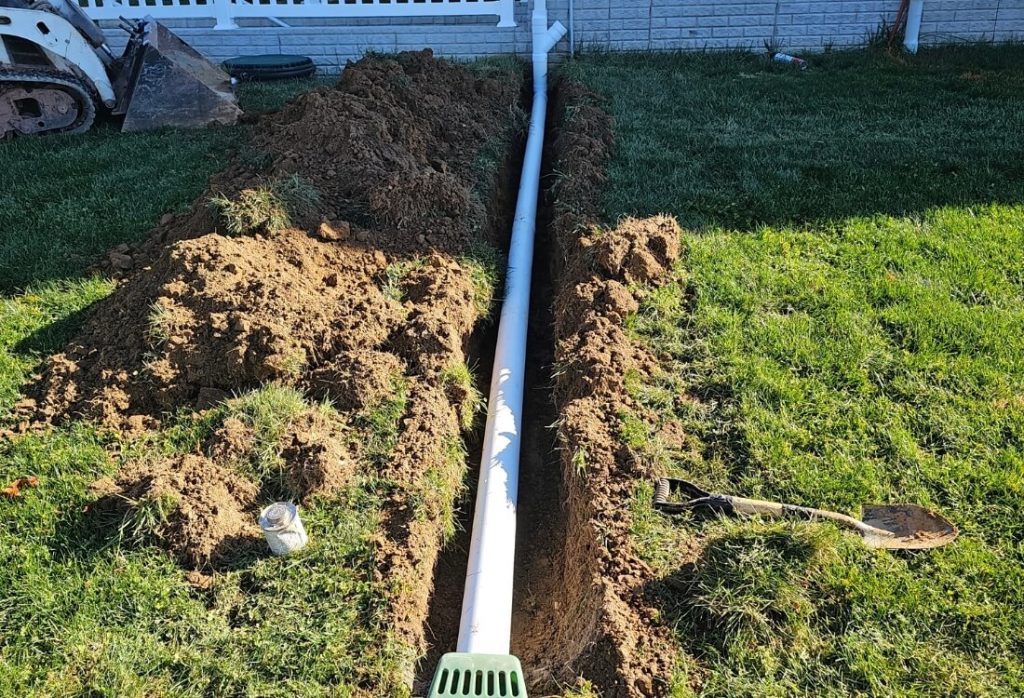
Buried gutter downspout extensions offer a practical, long-term solution for managing rainwater runoff and protecting your property. By directing water away from the home through underground piping, they help reduce moisture-related risks and improve overall drainage performance.
Key benefits of a buried downspout installation include:
1. Protects Your Home’s Foundation
One of the most important benefits of installing buried downspouts is protecting your home’s foundation from water damage. Improper drainage can result in pooling water that seeps into the ground near the foundation, causing cracks, shifting, and other structural issues over time. By directing rainwater away from the foundation through buried pipes, you can help preserve the integrity of your home for years to come.
2. Prevent Erosion and Preserve Landscaping
Traditional downspouts can be a relentless source of uncontrolled water flow, leading to soil erosion and loss of precious landscaping. Swirling waters from unmanaged downspouts can carve out unsightly gullies over time. By burying your downspouts, you’re channeling water where it needs to go, and preserving your property’s foundation and natural appeal.
3. Enhancing Safety Around the Home by Avoiding Slippery Areas
Standing water around the house and slippery surfaces can cause slip-and-fall accidents. Controlling water runoff with a buried downspout drainage system can create a safer environment for your family and visitors. Thereby reducing the risk of accidents, especially during rainy seasons.
4. Reduces Flooding Risk
During heavy rainstorms, excess water can overwhelm above-ground downspouts and lead to flooding around your home’s foundation. Buried downspouts help to alleviate this risk by providing a more efficient drainage system. The underground pipes can handle larger volumes of water without the risk of clogging or overflowing, reducing the likelihood of flooding in your basement or crawl space.
5. Winter Preparedness
In colder climates, downspouts often become a source of ice accumulation, further posing a risk to the property. A buried downspout drainage system keeps water away from walkways and driveways, minimizing the chances of ice formation and making winter maintenance easier.
6. Protects Neighboring Properties
By directing water away from your property, a buried downspout drainage system also helps protect neighboring homes or businesses from potential flooding and water-related damage.
7. Adds Long-Term Property Value
Homes with effective rainwater management systems are often more attractive to buyers. Buried downspouts improve drainage performance while keeping the exterior clean and unobstructed.
While the initial investment for a buried downspout drainage system may be higher than traditional above-ground methods, the long-term benefits justify the extra cost, helping to manage rainwater runoff more effectively. By installing these buried downspout extensions, you’re protecting your home from water damage and contributing to a healthier environment.
What to Expect When Installing a Buried Downspout System
Installing a buried downspout extension involves routing rainwater away from the home through underground drainage to reduce runoff-related damage. Because proper slope, placement, and drainage paths are critical, buried downspouts are typically planned as part of a broader rainwater management strategy.
Homeowners can expect the installation to focus on directing water safely away from the foundation, preserving landscaping, and supporting long-term drainage performance without disrupting the appearance of the property.
How to Maintain Buried Downspout Extensions
Buried downspout extensions are generally low maintenance, but occasional checks help ensure they continue to manage rainwater effectively.
- Keep leaves, dirt, and debris clear from gutter outlets and downspout openings to prevent sediment buildup.
- Check drainage areas after heavy rain to confirm water is flowing away from the foundation as intended.
- Watch for surface pooling or soggy soil, which may indicate a blockage or drainage issue.
- Inspect periodically for signs of shifting soil or reduced water flow.
- Address minor drainage issues early to prevent runoff from being redirected back toward the foundation.
Routine checks help maintain reliable rainwater drainage solutions and prevent long-term damage.
Install a Buried Downspout Now for Sustainable Rainwater Management
If rainwater runoff is collecting near your foundation or causing erosion around your home, buried downspouts can provide a long-term solution. Proper rainwater management helps reduce moisture-related damage, protect landscaping, and support the overall health of your foundation.
LUX Foundation Solutions offers professional evaluations and rainwater management solutions designed to fit your property’s layout and drainage needs. Our team helps homeowners across Northern Virginia and surrounding areas redirect water safely away from their homes.Contact us today to schedule a free estimate and learn whether buried downspouts are the right solution for your property.
Commonly Asked Questions About Buried Downspouts
How do buried downspouts work?
A buried downspout is one of the many options for basement drainage systems, which works by redirecting rainwater from gutters into underground pipes that carry water away from the home’s foundation. The pipes are sloped to allow gravity to move water toward a safe discharge point. This prevents water from pooling near the foundation and helps reduce erosion, basement leaks, and soil saturation.
Where is the best place to put downspout extensions?
Downspout extensions should discharge water at least 6 feet away from the foundation. The ideal location is a sloped or graded area that allows water to flow away naturally, such as a yard, drainage swale, or stormwater system. Proper placement helps prevent moisture problems in basements and crawl spaces.
Do buried downspouts get clogged?
Yes, buried downspouts can clog if debris such as leaves, sediment, or dirt enters the system. Regular inspections and cleanouts help prevent blockages. Proper installation with debris guards and access points significantly reduces the risk of clogging over time.
Do downspouts need to be buried?
Downspouts do not have to be buried, but burying them provides added protection against water damage. Buried downspouts move water farther from the home, reduce surface runoff, and improve yard appearance. They are especially beneficial in areas with poor drainage or expansive soils.
How deep are buried downspouts installed?
Buried downspouts are typically installed 12 to 24 inches deep, depending on soil conditions, frost depth, and local drainage requirements. The goal is to protect the pipe from damage and freezing while maintaining proper slope for water flow. Exact depth varies by region and installation design.
How long does it take to install buried downspouts?
The installation timeline for buried downspouts varies depending on factors such as the size of the property and existing infrastructure.
Our team at LUX Foundation Solutions will provide a detailed timeline during the consultation process, taking into account your project’s specific requirements and considerations. This ensures that the installation is completed efficiently and effectively, tailored to your property’s needs.
Can buried downspouts withstand extreme weather conditions?
Yes, buried downspouts are designed to manage heavy rainfall and seasonal temperature changes when installed correctly. Underground piping materials, such as PVC and HDPE, are resistant to soil pressure and moisture. Proper slope and discharge placement help prevent freezing and backups.