
Published: July 15, 2024 • Updated: December 10, 2025
Is your basement damp, musty, or leaking after heavy rain? That’s usually a sign your current basement waterproofing (if any) isn’t working properly.
There isn’t just one “best” way to waterproof a basement. Different basement waterproofing methods address different problems: some handle water seeping through walls, others address groundwater under the slab, and others are designed for long-term protection.
In this guide, you’ll compare eight proven types of basement waterproofing (interior and exterior), learn how they work, and see which methods offer the best long-term protection for your home.
What Is Basement Waterproofing?
Basement waterproofing is the process of keeping water out of your basement by controlling runoff, groundwater, and indoor moisture. It uses drainage systems, waterproof membranes, sealants, sump pumps, and interior waterproofing methods to stop leaks and reduce humidity.
Why is Basement Waterproofing Important?
When water enters your basement, it can cause serious damage over time. Moisture leads to:
- Structural Damage: Water weakens concrete, causes foundation cracks, and damages floors and walls.
- Health Risks: Damp basements encourage mold and mildew growth, which can trigger allergies and breathing issues.
- Higher Costs: Moisture increases energy bills, damages belongings, and lowers home value.
Basement waterproofing is a long-term investment that helps:
- Protect your home’s structure.
- Prevent costly water damage.
- Create a dry, healthier basement.
- Improve resale value.
- Provide peace of mind.
Common Causes of Basement Moisture
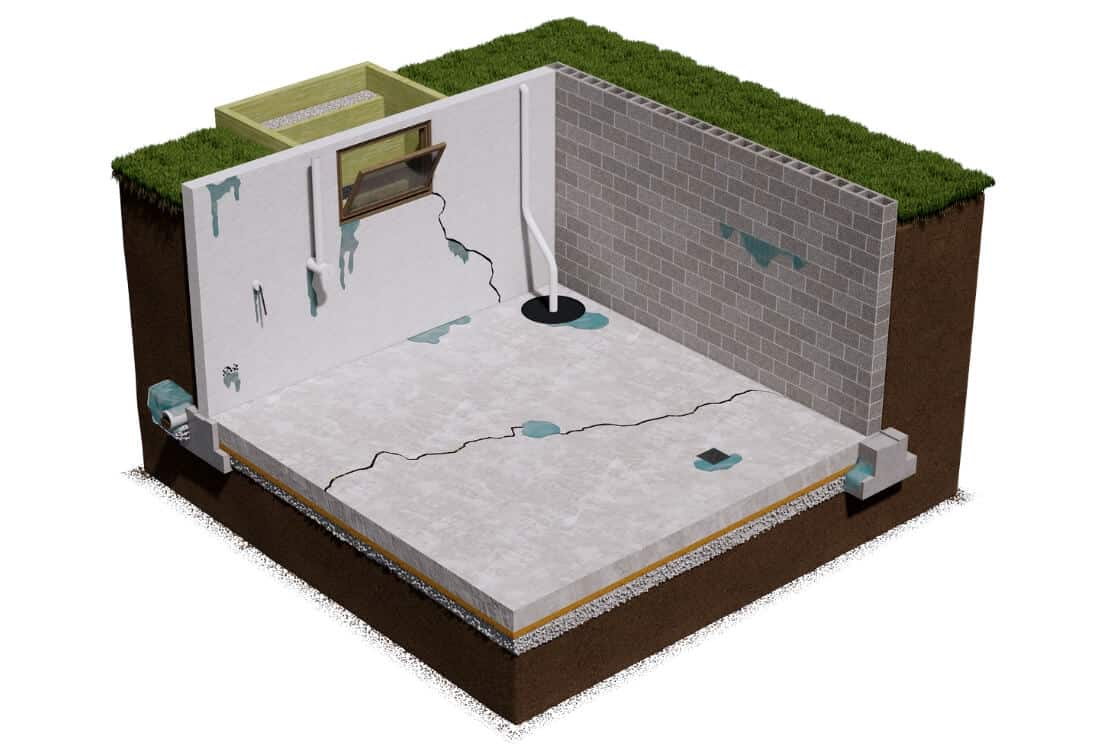
Basement moisture usually comes from water entering through walls, floors, or the foundation. Even small leaks or humidity can create long-term problems if left untreated. Here are the most common reasons basements get damp:
- Heavy rainfall or poor drainage – Water pools around the foundation and seeps through weak points in the foundation.
- Groundwater pressure – High water tables push moisture into cracks and joints.
- Foundation cracks – Even hairline cracks allow water intrusion.
- Improper grading – Soil sloping toward the home directs water straight to the basement walls.
- Humidity and condensation – Warm, moist air condenses on cool basement surfaces, creating dampness and musty odors.
For a full breakdown, see our complete guide to the causes of basement water seepage.
8 Proven Basement Waterproofing Methods (Interior & Exterior)
There are several ways to waterproof your basement. Choosing the right basement waterproofing method starts with understanding where the moisture is coming from. Some solutions work best for wall seepage, others for groundwater, and some for humidity or surface drainage issues.
Below are the eight most common basement waterproofing methods and when each one is typically used.
1. Interior Basement Waterproofing (Interior Drainage & Wall Sealing)
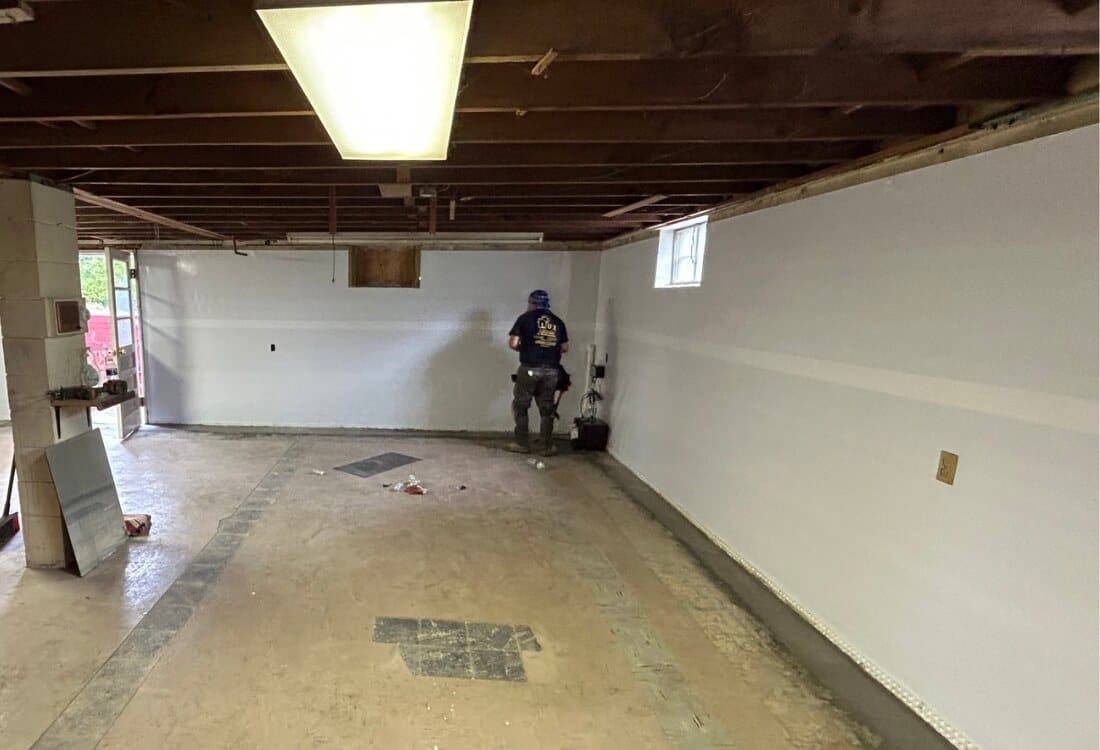
Interior basement waterproofing is one of the most reliable ways to handle water already entering the basement. This method redirects water inside the foundation and prevents moisture from reaching finished areas.
Here’s how interior basement waterproofing systems work:
- Interior drainage system: Channels water along the basement perimeter and directs it into a sump pump.
- Sump pump system: Collects and removes water from the basement to prevent flooding.
- Waterproof wall sealants: Help reduce moisture seepage and protect basement walls from the inside.
- Fast installation: Interior waterproofing methods are typically quicker and less invasive than exterior systems.
2. Exterior Basement Waterproofing (Foundation Wall Protection)
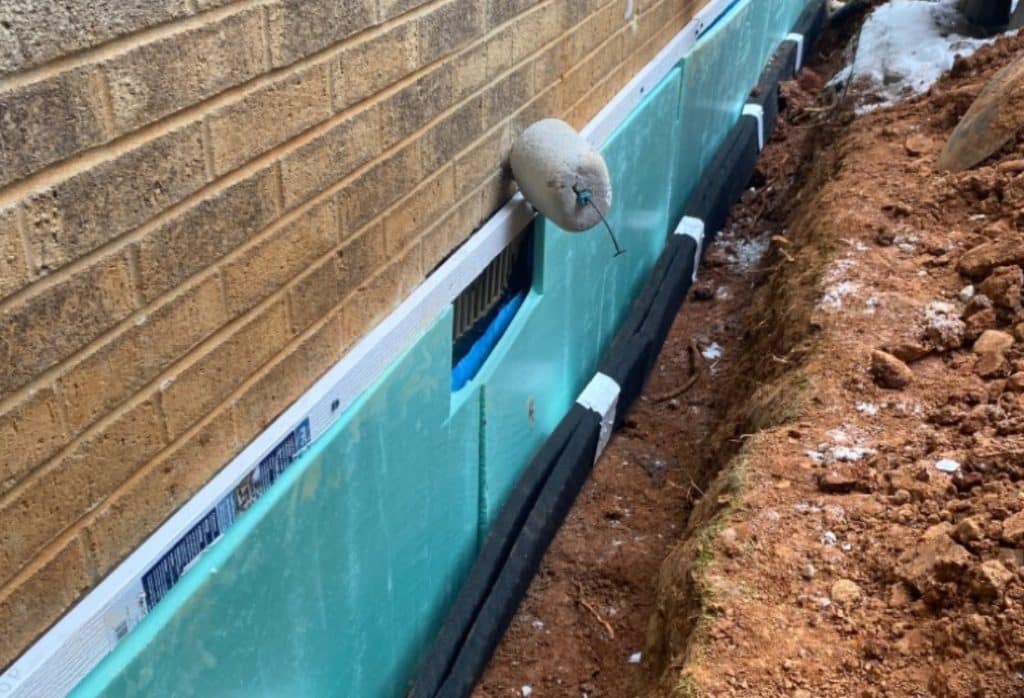
Exterior basement waterproofing focuses on stopping water before it ever reaches your basement walls. This method creates a protective barrier on the outside of the foundation and is one of the most effective long-term waterproofing solutions.
Here’s how exterior basement waterproofing systems work:
- Excavation: Soil is removed around the foundation to expose the exterior basement walls.
- Waterproof membrane or coating: A durable exterior waterproofing membrane is applied to seal the foundation and prevent water intrusion.
- Exterior drainage system (optional): A perforated pipe and gravel drainage system may be added to relieve hydrostatic pressure and direct groundwater away from the home.
- Long-term protection: While more labor-intensive, exterior waterproofing offers one of the best long-term leak-prevention rates.
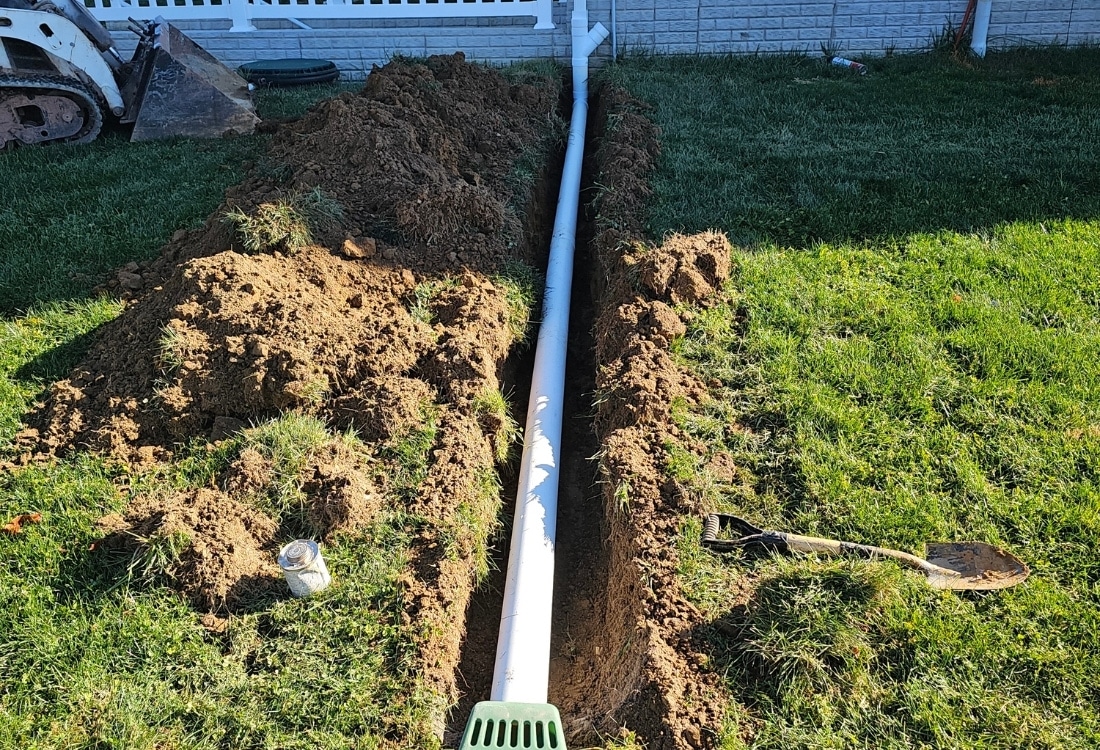
3. Landscape French Drains (Exterior Drainage Solutions)
Poor drainage around the home is one of the most common reasons water reaches the basement. French drains and regrading work together to redirect groundwater and surface water away from the foundation before it seeps inside.
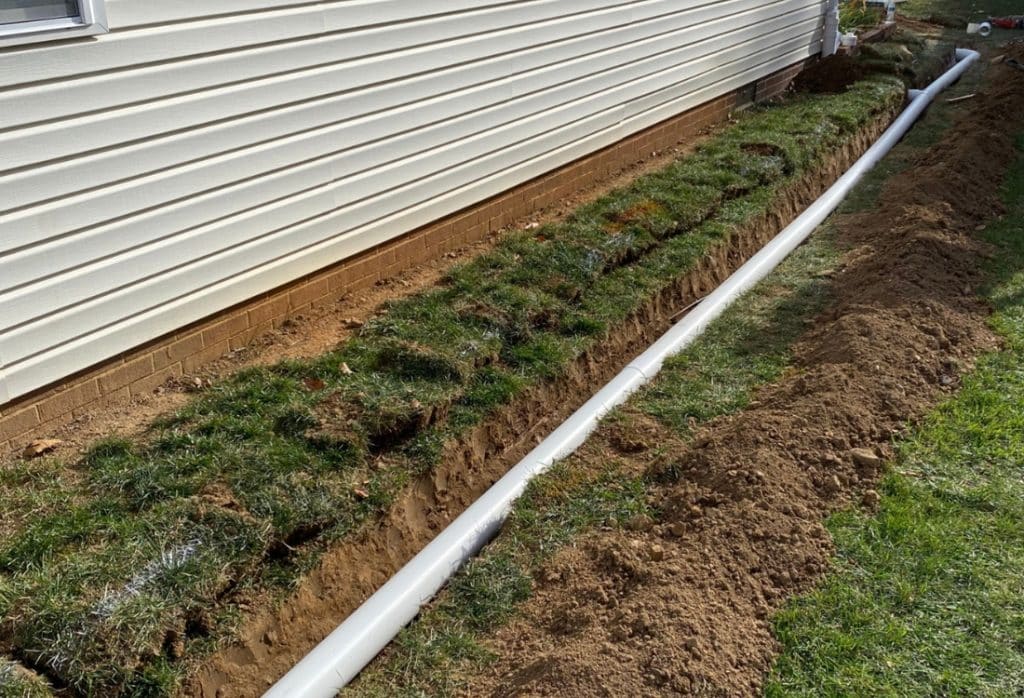
Landscape French drain installations are designed to intercept and redirect groundwater away from your home’s foundation. Here’s how they work:
- A trench is dug around the foundation and filled with gravel.
- A perforated drainage pipe collects groundwater and channels it away from the home.
- This lowers hydrostatic pressure and helps prevent basement seepage.
4. Downspout Extensions (Surface Water Control)
Proper rainwater management is essential for controlling basement moisture. When gutters release water too close to the foundation, it can saturate the soil, increase hydrostatic pressure, and eventually seep into the basement.
Downspout Extensions installation offers a simple yet highly effective solution for redirecting rainwater away from your home’s foundation. Here’s what you should know about how they work:
- Extensions attach to existing downspouts to carry rainwater several feet away from the home.
- This prevents water from pooling near the foundation and reduces the risk of basement leaks.
- They are quick to install, cost-effective, and support other basement waterproofing methods.
5. Basement Crack Repairs (Interior or Exterior Wall Sealing)
Cracks in foundation walls or basement floors are direct entry points for water, and sealing foundation cracks early helps prevent leaks before they spread.
Here are two common methods for sealing basement cracks:
Exterior Method (Dig & Seal):
- Soil is excavated to expose the wall.
- The crack is cleaned and sealed with waterproof coatings.
- A basement waterproofing membrane and protection board are added to block future moisture.
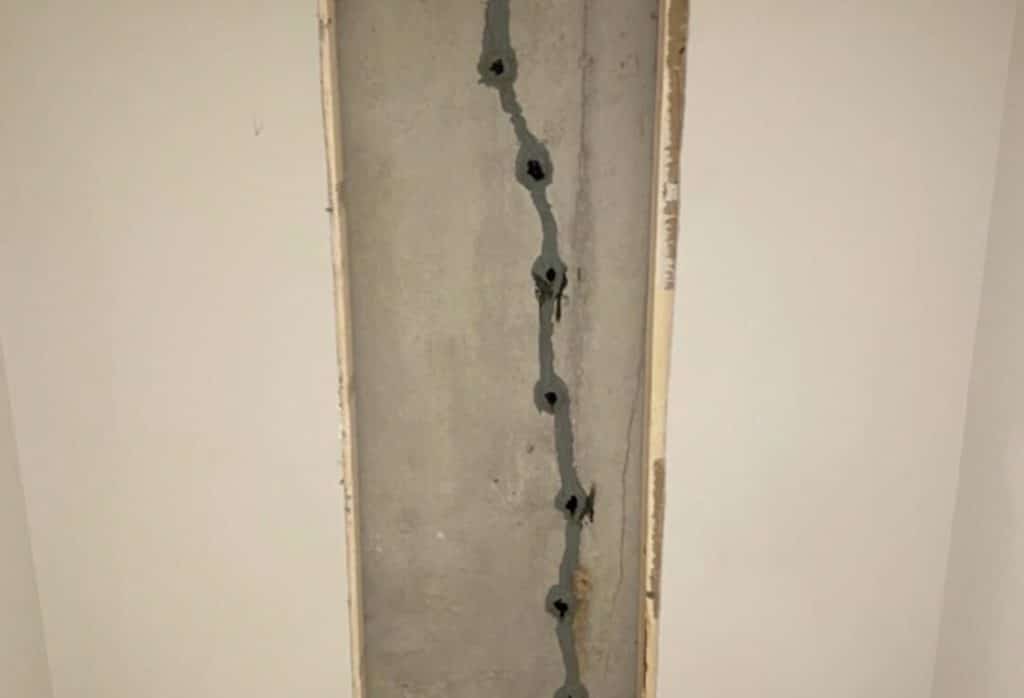
Interior Method (Sectional Waterproofing):
- Finishes are removed to access the crack.
- A polyurethane sealant is injected to create a flexible, watertight seal.
- A vapor barrier or drainage channel may be added for extra moisture control.
While some homeowners try DIY crack repairs, a professional assessment is always needed for long-term success. A trained basement waterproofing contractor can identify the true cause of the crack, choose the right repair method, and make sure the seal prevents future water intrusion or moisture seepage, as well as offer warranties.
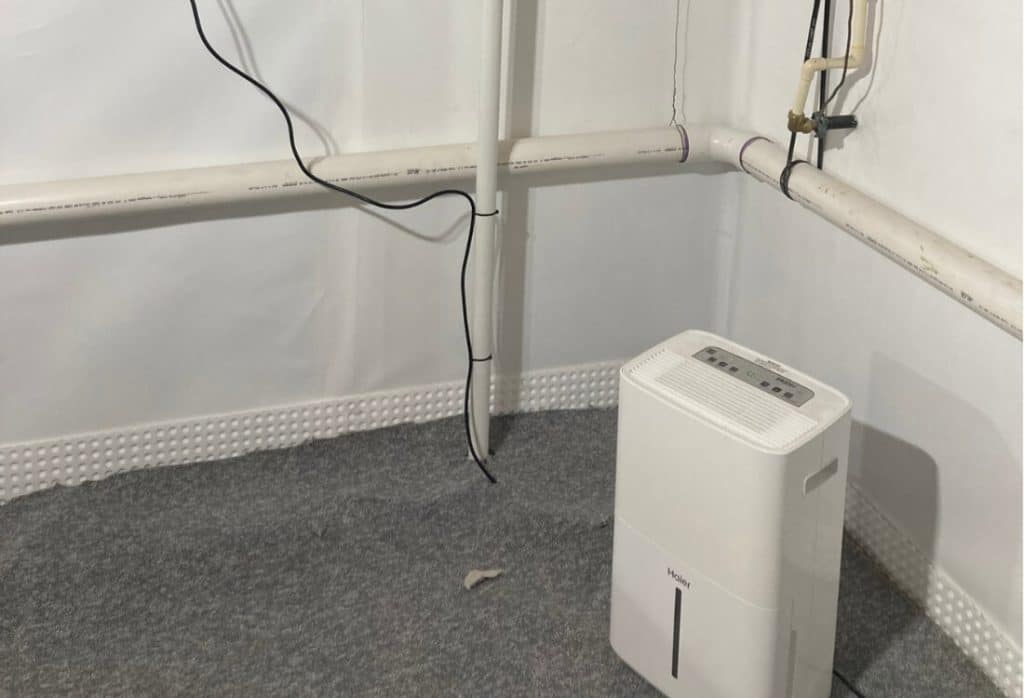
6. Basement Dehumidifier (Humidity & Moisture Control)
Humidity control is crucial in preventing moisture-related issues in your basement. Installing a basement dehumidifier effectively controls basement moisture and maintains ideal indoor humidity levels between 30% and 50%, significantly improving indoor air quality.
- Moisture removal: A dehumidifier pulls excess moisture from the basement air, helping prevent condensation, musty smells, and mold growth.
- Improves indoor air quality: Lower humidity creates a healthier environment and reduces allergens and irritants.
- Protects stored items: Keeping moisture levels low helps prevent damage to furniture, electronics, and belongings stored in the basement.
7. Basement Sump Pump (Groundwater Removal)
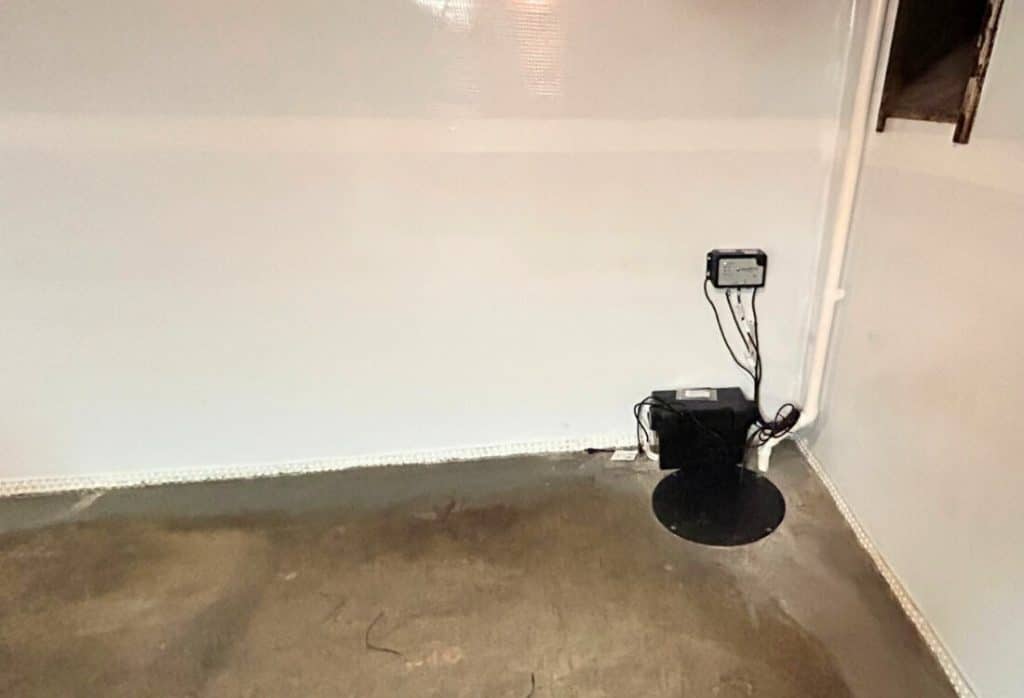
A basement sump pump is essential for managing groundwater and preventing basement flooding. It collects water that gathers in a sump pit and removes it before it can reach your basement floor.
Here’s how they work:
- Automatic operation: The float switch activates the pump when water reaches a certain level, ensuring continuous protection.
- Efficient water removal: Sump pumps quickly remove groundwater, helping prevent basement flooding and water damage.
- Best for high water tables: Homes prone to flooding or with high groundwater levels benefit the most from sump pump systems.
To ensure your sump pump remains reliable and that you are prepared for potential issues, check out our comprehensive guide to understanding sump pump failure.
8. Basement Wall Vapor Barrier (Interior Moisture Protection)
A basement wall vapor barrier helps block moisture from entering through interior foundation walls. It creates a layer of protection that reduces humidity and supports a dry basement environment.
Here’s how they work:
- Moisture control: The barrier limits how much moisture passes through the basement walls, reducing dampness.
- Helps prevent mold: By controlling humidity behind the walls, vapor barriers help prevent mold and mildew growth.
- Simple installation: They are often easy and affordable to install and are commonly used alongside other interior basement waterproofing systems.
Vapor barriers are an effective way to add extra protection against interior moisture and maintain healthier basement conditions.
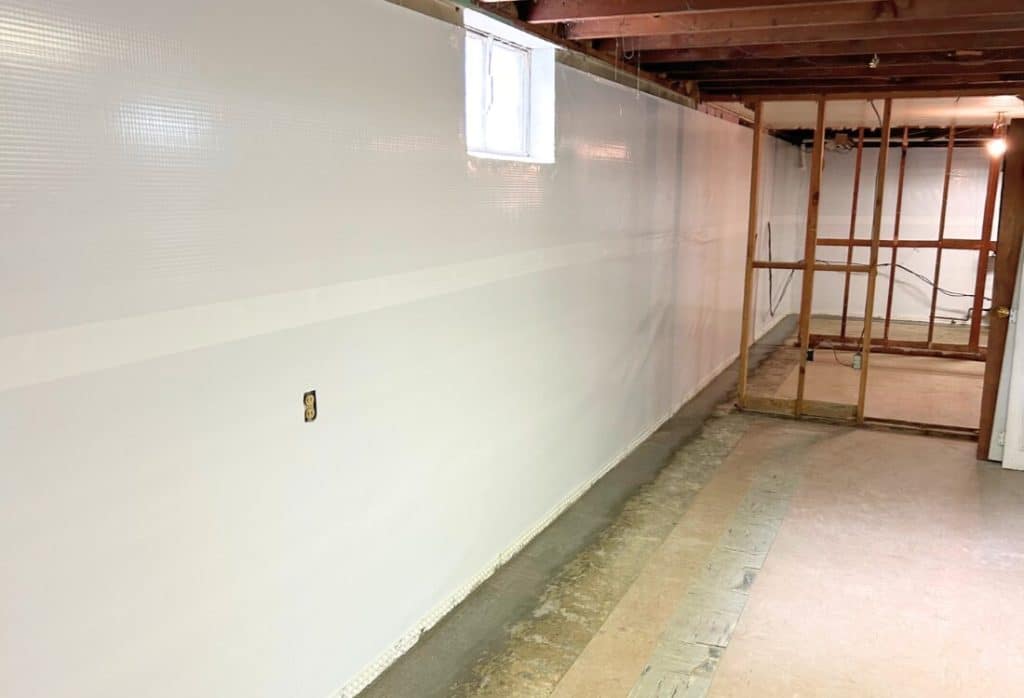
These basement waterproofing techniques work together to create a system tailored to your property, structures, and ground conditions, which means it has the best chance of being effective. Talk to the LUX team for expert recommendations on long-lasting basement waterproofing to ensure you choose the best system for your home.
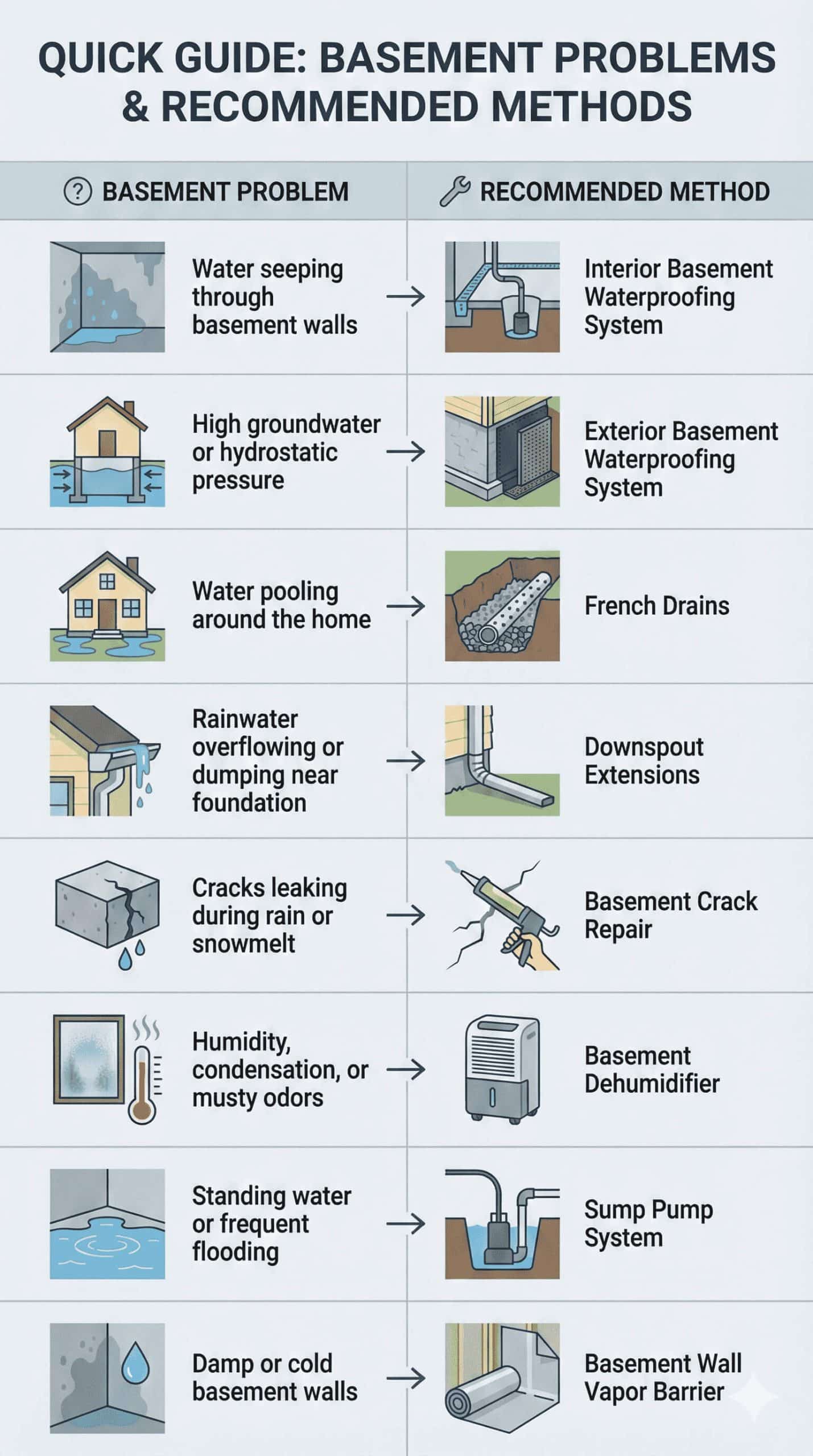
Basement Waterproofing Methods Comparison Guide
| Basement Problem | Recommended Method | Why This Method Works Best |
|---|---|---|
| Water seeping through basement walls | Interior Basement Waterproofing System | Redirects wall seepage into a hidden drainage channel that sends water to a sump pump for safe removal. |
| High groundwater or hydrostatic pressure | Exterior Basement Waterproofing System | Blocks moisture before it reaches foundation walls and offers long-term leak prevention. |
| Water pooling around the home | French Drains | Guides surface and groundwater away from the foundation to reduce pressure and prevent seepage. |
| Rainwater overflowing or dumping near foundation | Downspout Extensions | Moves roof runoff several feet away to stop soil saturation and moisture intrusion. |
| Cracks leaking during rain or snowmelt | Basement Crack Repair | Seals wall and floor cracks to stop water entry at its access point. |
| Humidity, condensation, or musty odors | Basement Dehumidifier | Controls indoor moisture levels and prevents condensation that leads to dampness and mold. |
| Standing water or frequent flooding | Sump Pump System | Actively pumps out collected groundwater to protect the basement during storms. |
| Damp or cold basement walls | Basement Wall Vapor Barrier | Blocks vapor movement through walls to improve moisture control and indoor air quality. |
Get Professional Basement Waterproofing Solutions in Northern Virginia
Don’t let basement moisture threaten your home’s safety, air quality, or structural stability. LUX Foundation Solutions offers professional basement waterproofing systems tailored to your home’s needs.
Whether you’re dealing with leaks, humidity, or groundwater, we help you choose the best basement waterproofing method for long-term protection.
Serving Northern Virginia, the Shenandoah Valley, North Central Virginia, or West Virginia, we’re here to help keep your basement dry and protected.Call 540-508-8587 or fill out our free basement estimate form to get started.
Commonly Asked Questions
How much does basement waterproofing cost?
The cost varies depending on the method, the size of your basement, and the severity of the problem. The LUX team can provide a free estimate to determine the cost of your specific situation.
What is the best way to waterproof a basement?
The best way to waterproof a basement depends on the source of the moisture. Interior basement waterproofing systems work best for seepage through walls or floor joints, while exterior foundation waterproofing is best for stopping water at the source. Many homes need a combination of drainage, membranes, and a sump pump for long-term success.
Which basement waterproofing methods have the best long-term success?
Drainage-based systems provide the longest-lasting results. Interior basement waterproofing systems paired with a sump pump, or exterior membrane waterproofing with a proper drainage system, offer the highest long-term success rate. Sealants alone rarely last because they don’t relieve water pressure around the foundation.
How long does basement waterproofing last?
The lifespan of waterproofing depends on the method and materials used. Some solutions can last for decades with proper maintenance. LUX uses high-quality basement waterproofing products and expert installation techniques to ensure long-lasting results and offers long-term warranties.
What’s the best waterproofing method for basement walls from the inside?
For waterproofing basement walls from the inside, the most effective approach is an interior drainage system combined with waterproof wall panels or sealants. This directs water to a sump pump and prevents moisture from entering finished areas. It’s a reliable option when exterior excavation isn’t possible.
Can I waterproof my finished basement?
DIY waterproofing may help with minor condensation, but it won’t stop active seepage, foundation leaks, or groundwater issues. Professional basement waterproofing contractors can identify the source of moisture and install systems designed for long-term performance, which DIY methods often cannot.
Talk to an expert at LUX to discuss the best options for your finished basement.
Is basement waterproofing worth it?
Yes. Basement waterproofing protects your home from structural damage, mold growth, and long-term moisture problems. It can also increase your home’s value, lower repair costs, and make the basement usable again. A professional inspection helps determine which method will give your home the best return.
Share This Guide & Help Others Waterproof Their Basements!
Know someone in Virginia struggling with a damp or leaky basement? Share this guide to help them discover the best waterproofing solutions for their home. Together, we can create drier, healthier basements across the state!