Are you getting ready to sell your home and wondering, ” Does basement waterproofing increase home value?
Mostly, it protects your home’s resale value. Moisture is one of the first things a buyer’s inspector looks for in a basement, and that report is often where offers get reduced, repairs get requested, or deals stall. Waterproofing before you list, or right after an inspection finds moisture, gives buyers a documented fix instead of an open question. It will not guarantee a higher price, and the result depends on your home, today’s real estate market, and how serious the moisture problem is.
This guide covers how a wet basement affects a Virginia home sale, what to fix first, and which paperwork helps at closing.
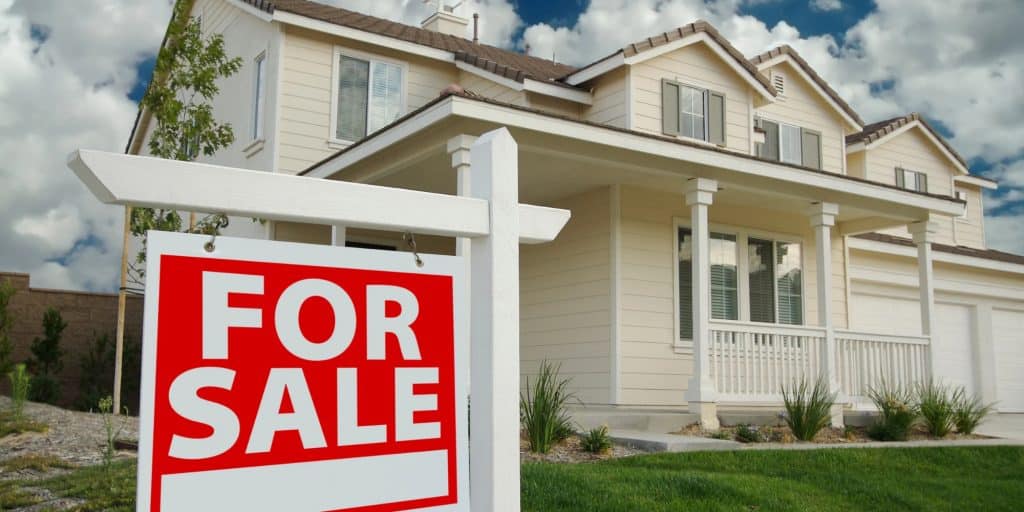
Key Takeaways
- Basement waterproofing can protect your home’s value by removing a common reason buyers ask for a lower price, but it does not guarantee a higher sale price.
- A wet basement usually comes to light during the buyer’s inspection, so the best time to fix it is before you list or right after it is flagged.
- Virginia’s disclosure statement says sellers make no representations about a home’s condition, and buyers should do their own due diligence. Ask your agent or an attorney what you must tell a buyer.
- The right fix depends on where the water comes from, so get the source diagnosed before choosing interior or exterior waterproofing.
- Keep your records, inspection report, and any warranty. They give the next buyer proof that the problem was handled.
Does Waterproofing a Basement Add Value to Your Home?
Waterproofing protects your home’s value. A dry basement with proof of the repair takes away one of the most common reasons buyers ask for a lower price. Here is where basement waterproofing can help your sale:
- It removes a negotiating point. A buyer who sees stains or smells moisture often assumes the worst and prices in a repair. A documented fix answers that question before it comes up.
- It limits repair requests. Moisture found at inspection can lead to credit or repair requests. A basement that has already been dealt with gives the buyer less to ask for.
- It can open up usable space. A waterproofed basement adds space that a buyer can picture as storage, a gym, or a home office. Finishing a basement before the moisture is fixed risks trapping structural damage behind the walls, so dry comes first.
What it will not do is add a fixed dollar amount. The effect depends on your home, your local market, and how serious the moisture problem was. Be careful with the ROI percentages you see online. Many contractor sites quote them without a source, so asking a local real estate agent how buyers in your area react to a wet basement is important. If you want help understanding basement waterproofing first, the basement waterproofing guide explains how the systems work and what they involve.
How a Wet Basement Affects a Home Sale
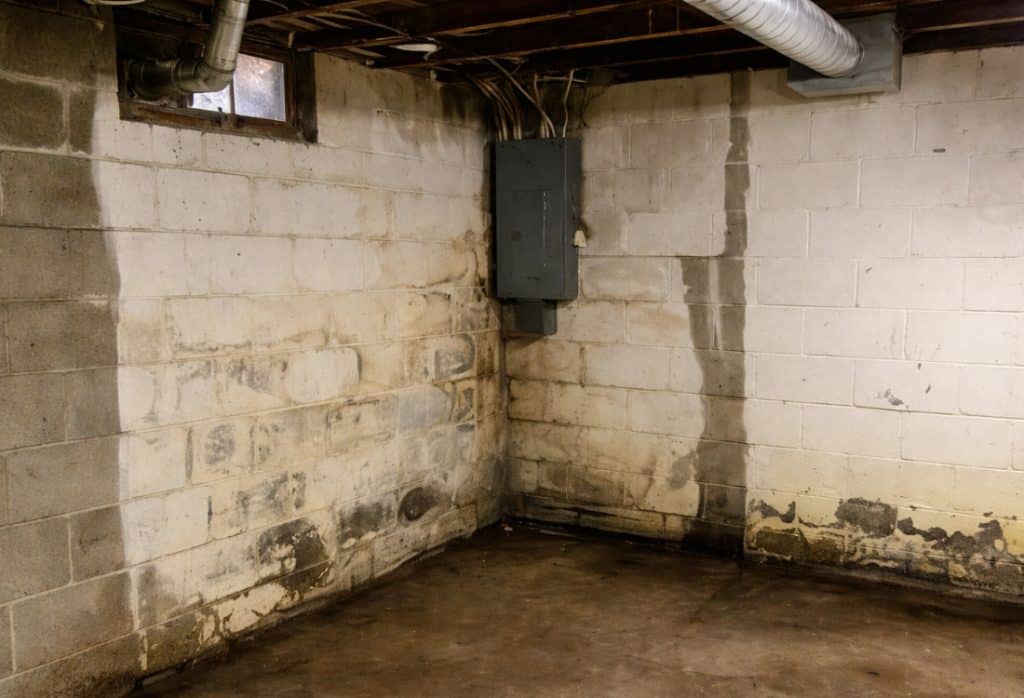
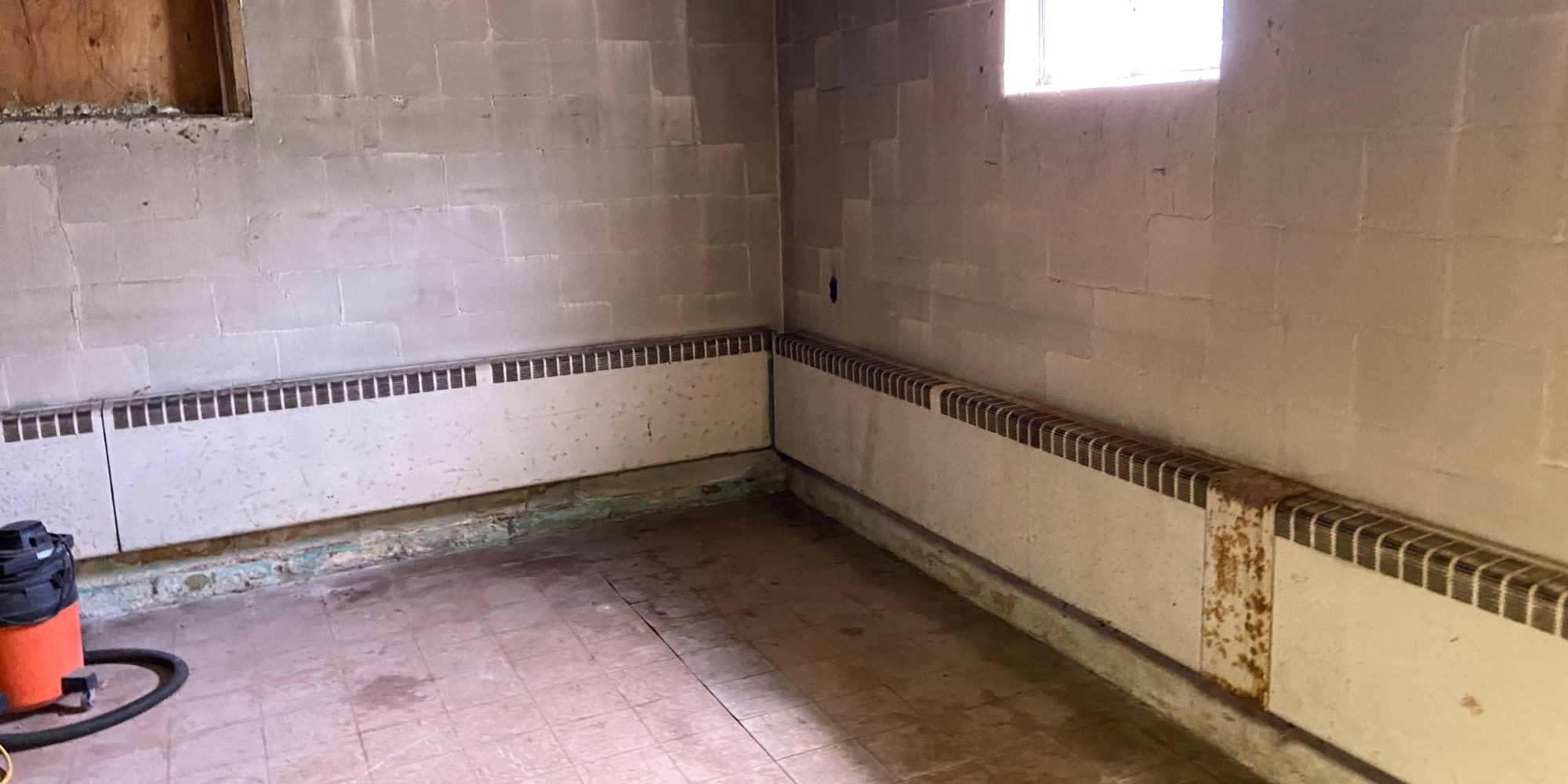
Potential buyers start judging your basement at the showing. Stains on the walls, a musty smell or white chalky deposits tell them there may be a moisture problem, and they will not know how big it is.
The buyer’s inspector then puts it on paper. In a basement, inspectors commonly look for:
- Damp basement
- Water stains and discoloration on the basement walls and floors.
- Efflorescence, the white chalky residue that water leaves on masonry.
- Musty basement odors, mold, or mildew.
- Foundation cracks in the walls or floor, and walls that bow
- Signs of past flooding
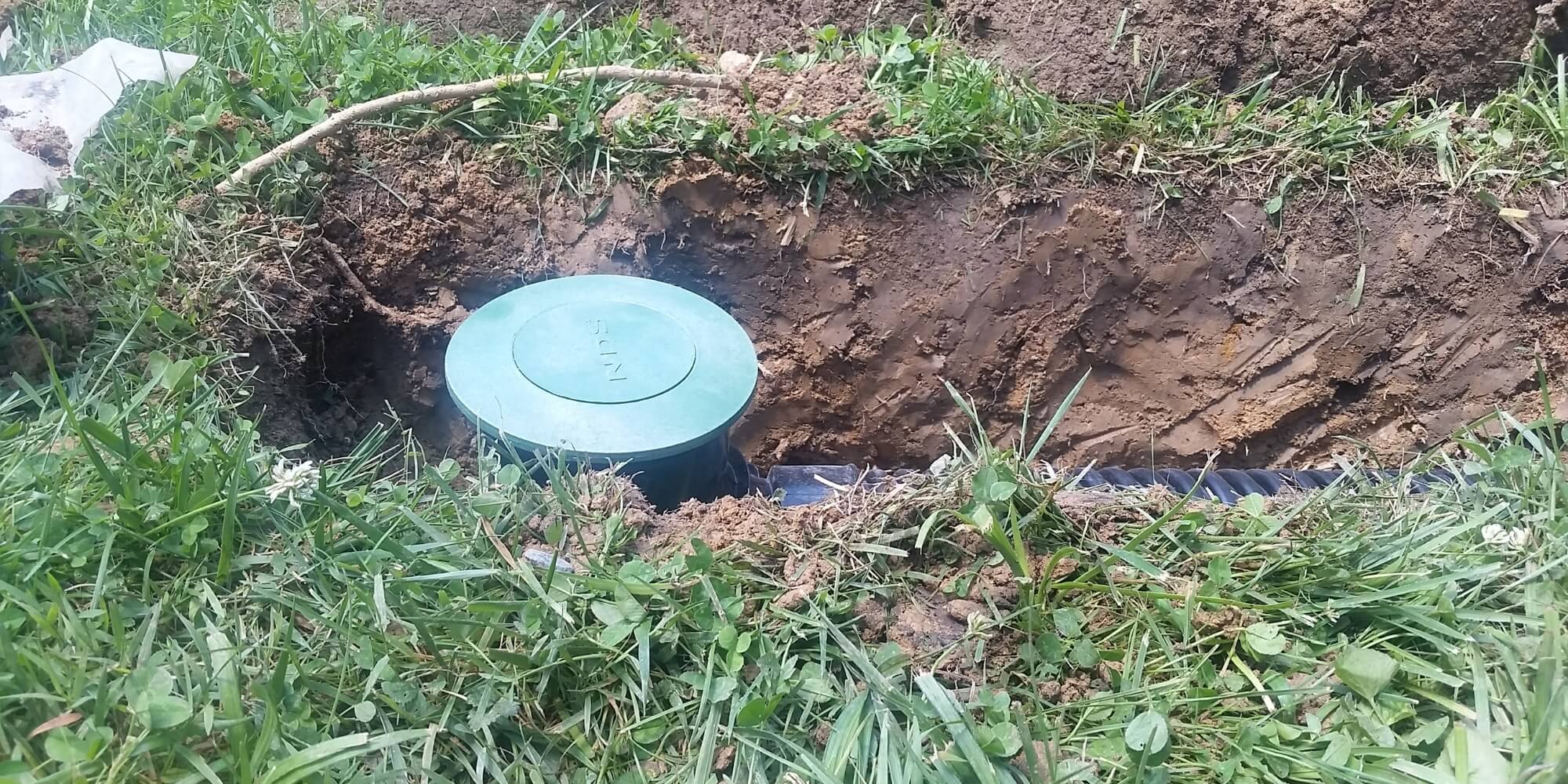
- The condition of any sump pump
If the report notes moisture, the buyer has grounds to ask for a price reduction, a repair credit or the repair itself before closing. Some buyers walk away instead of negotiating. Even when they stay, an unknown repair cost often gets priced high.
Check your own basement against these signs of a basement water problem before you list. Finding the cause early gives you time to fix it on your schedule instead of the buyer’s.
What to Do Before Selling a House With a Leaky Basement
Skipping the repair when selling a house with a leaky basement does not hide the problem. It moves the discovery to the buyer’s inspector when you have the least time and the least say in the outcome.
Fix It Before You List
Taking care of waterproofing before listing the house gives you time to identify the cause, choose a proper waterproofing system, and gather the necessary paperwork. You can then answer buyers’ questions with records instead of guesses. Ask for a written scope and a schedule, since the method and the size of the job decide how long the work takes.
Get a Written Estimate When a Buyer’s Inspection Flags Moisture
If the buyer’s report mentions moisture, call professional waterproofing services to assess the problem and get a written estimate as soon as possible. A defined scope and cost give the buyer something concrete to weigh and keep the talks about a plan instead of a worry. Avoid rushed or cosmetic fixes, such as painting over stains. They cover the evidence without fixing the source.
Know What Virginia’s Seller Disclosure Statement Says
Virginia’s residential property disclosure statement says the seller makes no representations or warranties about the home’s condition and advises buyers to do their own due diligence, including a home inspection. That usually makes the buyer’s inspection the moment a wet basement comes to light. This is general information, not legal advice. For what you must tell a buyer, or how a price adjustment might work, ask your agent or a real estate attorney.
Which Basement Waterproofing Fix Fits a Home Sale?
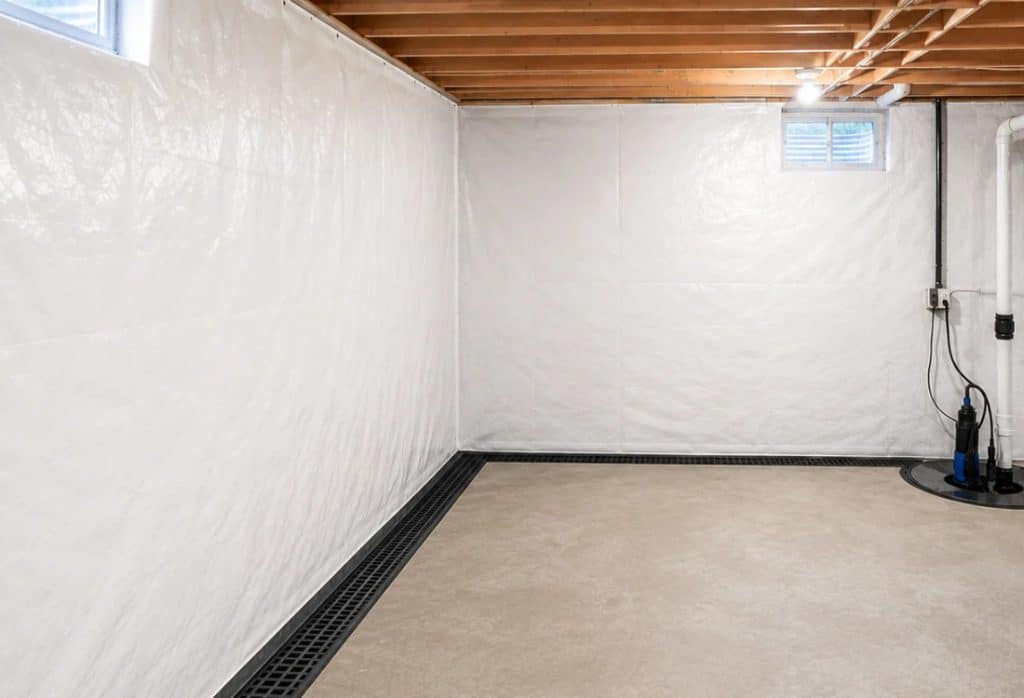
The right fix depends on where the water comes from, not on what looks best in a listing. Have a contractor find the source first, then compare your options.
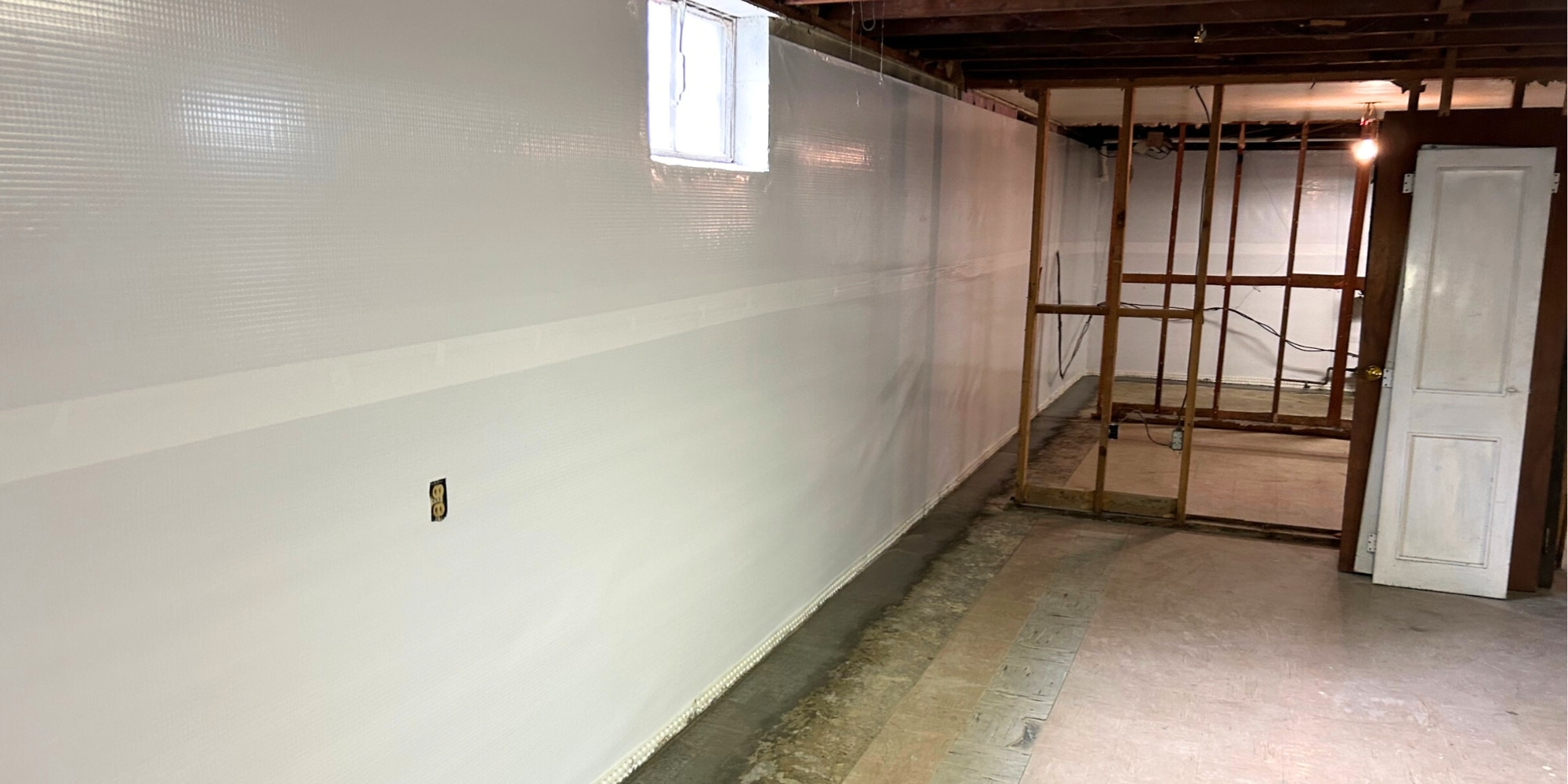
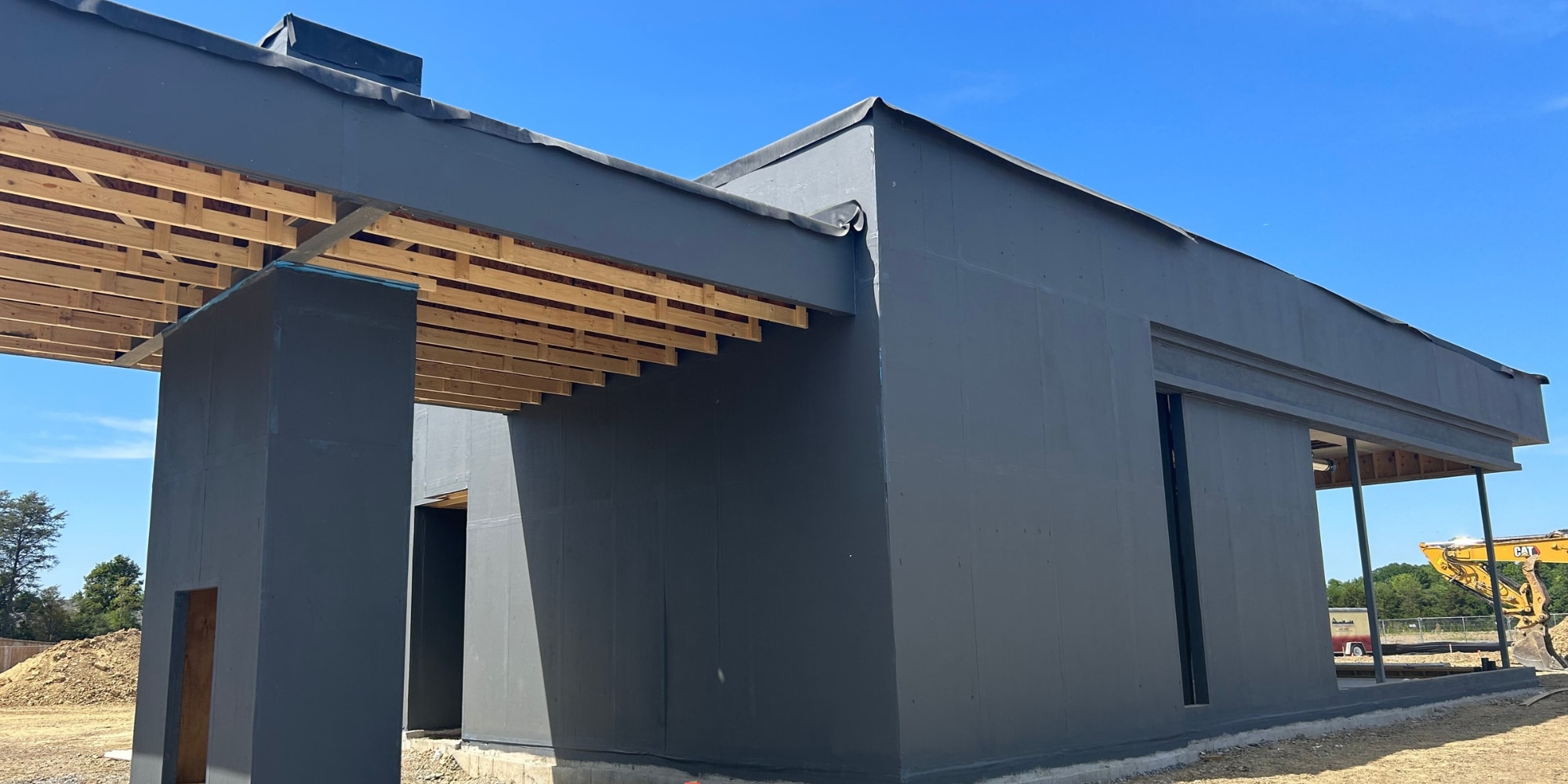
Interior waterproofing focuses on an interior drainage system that collects the water that gets in and sends it to a sump pump. It is usually quicker and less disruptive, which helps when you have a listing date to hit. Exterior basement waterproofing works from the outside. Crews dig down to the foundation wall, apply a waterproof membrane, and add drainage. It is more involved, requires professional expertise, and costs more, so exterior solutions are needed when the wall itself is leaking, or water pressure around the home’s foundation is the cause.
Here is how common situations usually line up with a fix:
| Your situation | Fix to ask about |
|---|---|
| Active seepage through walls or at the floor edge. | Interior basement waterproofing |
| Recurring leaks through the foundation wall, or high water pressure. | Exterior waterproofing with membrane and drainage |
| Water from gutters or poor grading. | Downspout extensions and grading fixes |
| Musty air but no active water. | Dehumidifier or vapor barrier |
| Basement already dry with a documented system. | Gather the paperwork instead of repeating the work |
For every option side by side, see the guide to basement waterproofing methods.
Document the Waterproofing to Protect Your Home’s Value
A repair that a buyer cannot verify is just a claim. Records turn it into proof, which is how the work protects your sale price. As the work is done, keep the contractor’s written scope of work and final invoice, the assessment or inspection report that found the problem, and photos of the problem and of the finished work. Add any permits the job required, details on the sump pump, such as the install date and maintenance records, and the warranty paperwork if your contractor offers a warranty.
A transferable warranty may give a buyer more peace of mind, but the details of the warranty matter. Before relying on the warranty, ask your contractor if it transfers to the next owner and whether a written notice or transfer fee is required. Ask who backs it, the manufacturer or only the contractor, since that can matter if the company closes. Also, ask what it covers: system failure, labor, or both.
Give copies to your agent so they are ready when a buyer asks. Buyers and their inspectors tend to trust a repair they can read about more than one they are told about.
Is Basement Waterproofing Worth It Before Selling?
Whether basement waterproofing is worth the cost depends largely on what buyers find during the inspection. An inspection may reveal active leaks, standing water, musty odors, or stained walls. Those issues may prompt the buyer to request repairs, negotiate the price, or ask for more time. Fixing the cause before listing also gives you an inspection report, invoice, and warranty to show buyers if they have questions about the work.
If your basement is dry and the only concern is an old stain or a rare damp spot, a full system may be more than you need. A professional assessment can tell you which case you are in, and your agent can tell you how buyers in your area react.
Cost matters too. Our breakdown of basement waterproofing cost in Virginia shows what drives the price, so you can weigh it against the risk of a delayed or reduced sale.
Get Your Basement Ready Before You Sell
Waterproofing a basement before a sale will not guarantee a higher price, but it does take one of buyers’ biggest worries off the table. A dry basement, a clean inspection report and paperwork you can hand over at closing all work in your favor. Where the water comes from decides which fix is needed, so a proper assessment is a good first step before you list.
LUX Foundation Solutions provides basement waterproofing services across Northern Virginia, including inspections and written estimates you can share with your agent or a buyer. Call us or request a quote, and we will tell you what your basement needs, even if it turns out to be a smaller repair than you expected.
Frequently Asked Questions
Does a sump pump increase home value?
Not by a set amount. A working sump pump shows buyers that water has a place to go, which can ease their worries about a wet basement. Keep the install date and service records, since a buyer’s inspector will likely ask how old it is.
Should I waterproof before listing or wait for a buyer’s inspection?
Fixing it before you list gives you control over the timeline and the paperwork. If you wait, the buyer’s inspector may find the problem first, leaving the repair discussions to happen on the buyer’s timeline. If you can already see signs of moisture, taking care of the problem before listing is usually the safer option.
How can basement waterproofing protect my home investment?
It protects your home investment by keeping moisture from turning into costly repairs or a deal breaker. Keeping the basement dry helps protect the home’s structural integrity, floors and stored belongings, and a documented fix gives buyers fewer reasons to ask for a lower price. It will not guarantee a higher sale price, but it helps protect the price you are aiming for.
Does the waterproofing warranty transfer to the buyer?
It depends on the contractor’s terms. Ask whether the warranty is transferable and what it covers before you sign. A transferable warranty is a useful document to hand a buyer at closing.
Can I paint over water stains before selling?
Paint hides stains but does not stop moisture, and a buyer’s inspector may still find the cause with a moisture meter. Sellers also have disclosure questions to think about, so ask your agent or a real estate attorney first. Reading our guide on DIY vs professional basement waterproofing can help you decide how to fix the cause.
Does a wet basement affect an appraisal?
It can, since an appraiser may note moisture or visible damage in the report. How much it matters varies by home and market, so ask your agent or the appraiser how they would treat it.