Published: January 18, 2021 • Updated: January 30, 2026
Noticing your floor feels uneven when walking or slightly sloped can be unsettling.
In many homes, especially older ones, sagging floors develop gradually, which makes them easy to overlook at first. What starts as a subtle dip or soft spot can slowly become more noticeable over time.
Uneven floors in the house are a common concern for homeowners. While they don’t always indicate a serious structural problem, they can signal underlying support or foundation-related issues that shouldn’t be ignored.
This guide explains why floors sag, what causes them to become uneven over time, how to recognize when the issue may be more than cosmetic, and why understanding the root cause is important before deciding what to do next.
What Causes Floors to Sag in Homes?
Sagging floors don’t have a single cause. Instead, they usually result from a combination of age, environmental factors, and changes to a home’s support system. Here are some reasons for sagging or uneven floors.
1. Changes in Structural Support
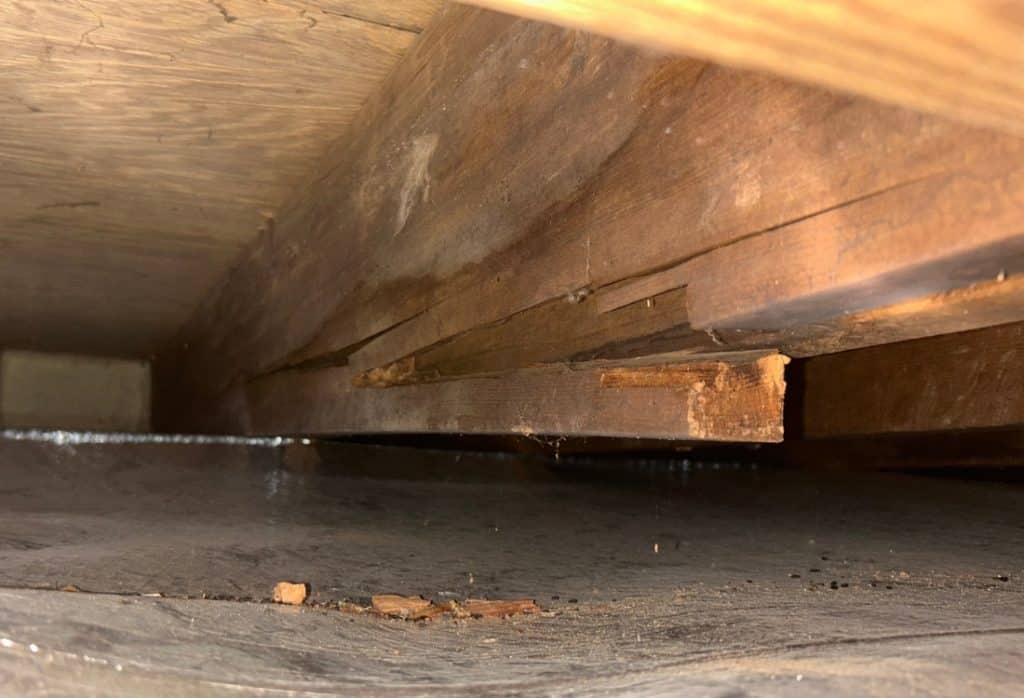
Floor joists, beams, and girders are designed to carry the weight of the floor above, but as your home ages, the floor joists and beams supporting your floors can weaken or shift. In some cases, the original framing may have been undersized or spaced too far apart for the load it carries.
When floor joists are damaged, and supports lose strength or move out of alignment, floors above can feel bouncy, uneven, or visibly sag. This is especially common in older homes or homes with long, unsupported floor spans.
2. Moisture and Drainage Issues Around the Home
Excess moisture is one of the most common contributors to sagging floors. When water collects around your foundation, it can weaken the soil that supports your home.
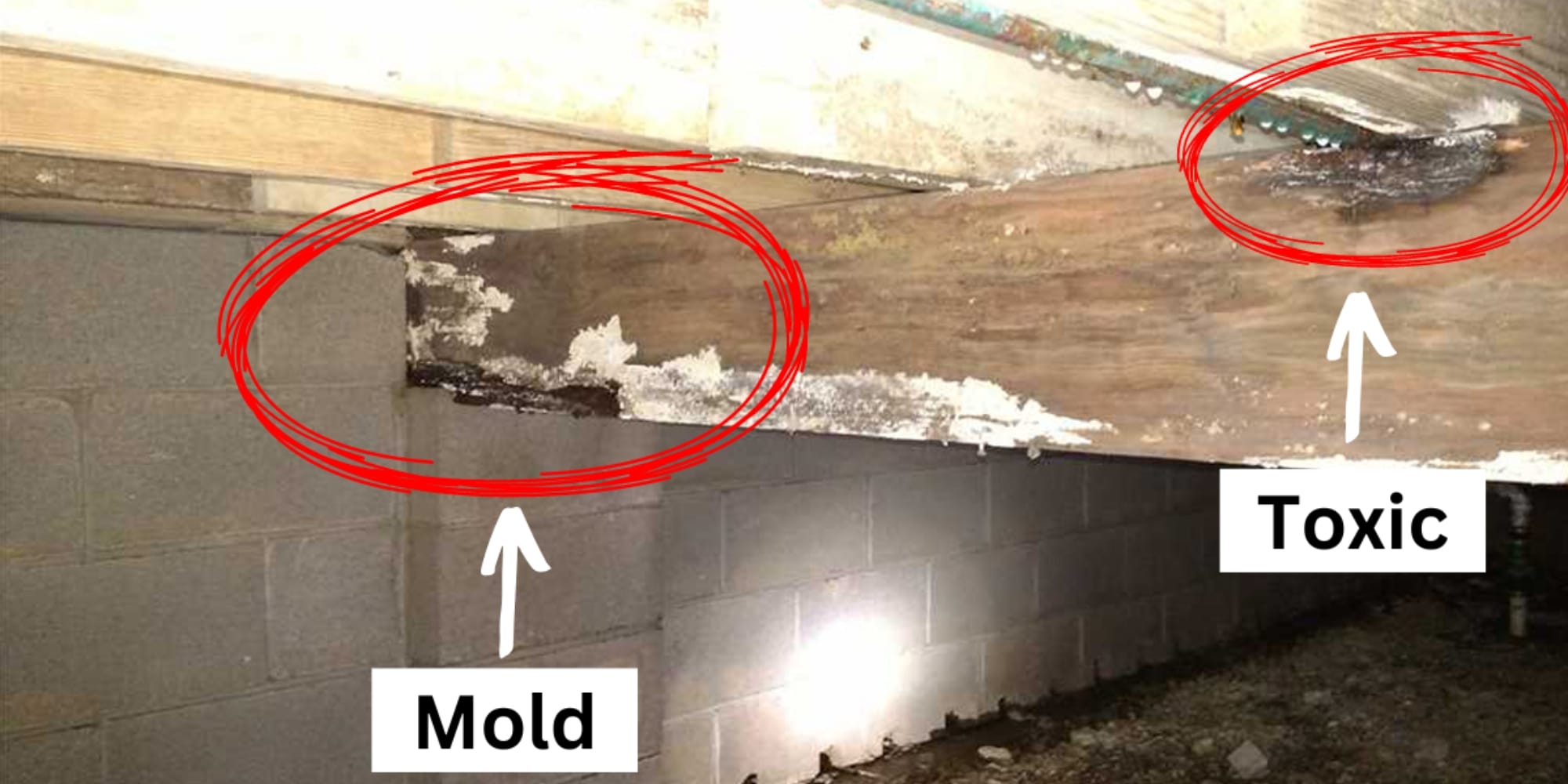
Damp crawl spaces, plumbing leaks, clogged gutters, or low grading around the home allow moisture to build up where it shouldn’t, exposing wooden supports to prolonged exposure. Over time, this can lead to warping, wood rot, or loss of structural integrity.
3. Foundation Settlement and Soil Movement
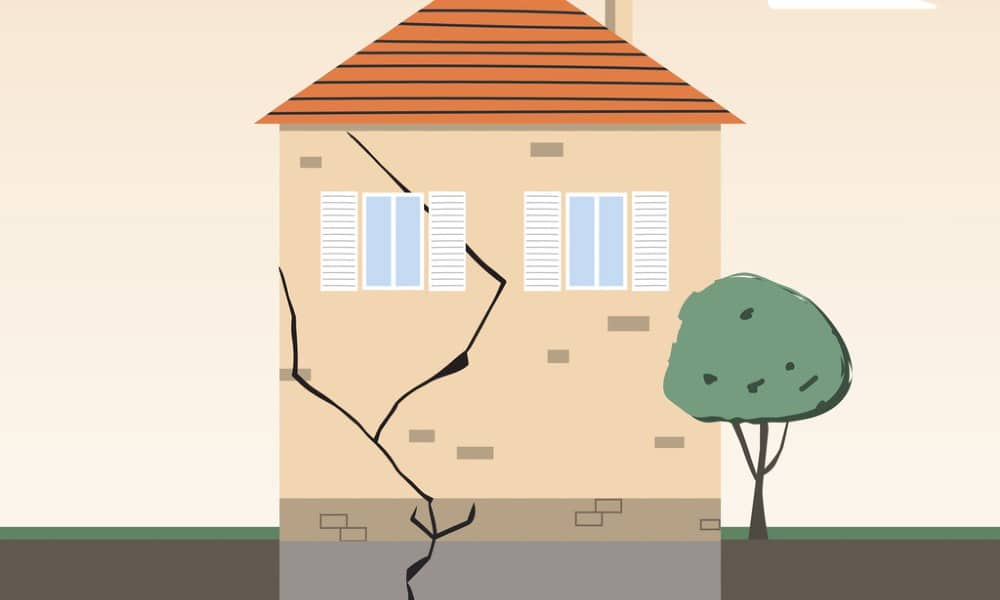
Over time, the soil beneath your home can shift, compress, or erode. When this happens unevenly, parts of the foundation may settle more than others, causing floors to slope or dip.
This is common in expansive soil areas where soil expands when wet and shrinks when dry, a condition many Virginia homeowners experience. As the ground expands, a lot of pressure is exerted on the foundation, and as it contracts, there is inadequate support. The constant heaving and shrinking eventually break the foundation and lead to uneven floors.
4. Construction or Design Factors
Some homes experience floor sagging due to how they were originally built. Improperly spaced supports, undersized joists, or fill soil that wasn’t compacted properly during construction can all contribute to uneven floors years later.
5. Tree Roots and Underground Erosion
Large trees near the home can draw moisture from the soil beneath the foundation, causing the soil to dry out and settle unevenly. In some cases, underground water movement can wash away soil, creating voids beneath the foundation.
Both conditions reduce support and can contribute to sagging or uneven floors over time. While less common, these issues can be more severe if left unaddressed.
Why Are Sagging Floors Dangerous?
A sagging or uneven floor is more than a cosmetic issue or an inconvenience underfoot. In many homes, it’s an early sign that something beneath the floor system is no longer supporting the weight it should.
Ignoring sagging floors doesn’t make the problem stabilize. In most cases, it allows the underlying issue to continue quietly, which can lead to broader structural and moisture-related concerns.
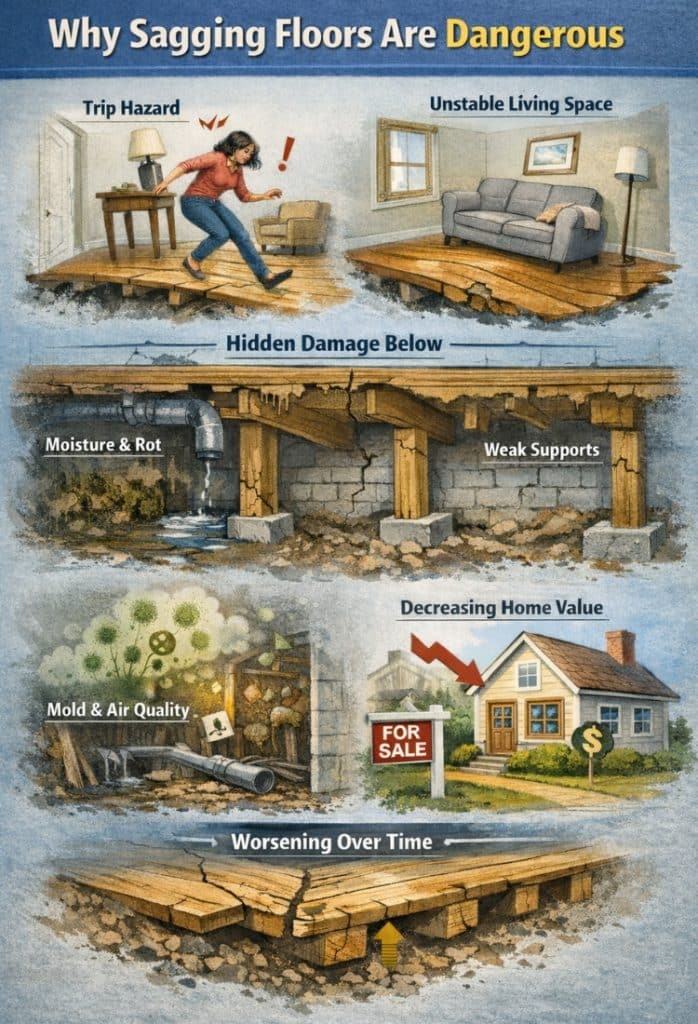
Potential issues associated with sagging house floors include:
- Trip or fall hazards for you and your family, especially where floors slope, dip, or feel unstable when walking.
- Reduced comfort and usability in living spaces as floors feel unstable or unlevel.
- Hidden moisture or structural issues below the home, particularly in crawl spaces or basements, where damage is harder to see.
- Increased risk of mold or bacterial growth when moisture is a factor, affecting indoor air quality and health.
- Progressive worsening over time if the underlying cause isn’t identified and addressed. As weakened supports continue to carry loads they weren’t designed to handle.
- Reduced property value since sagging floors are a common red flag during inspections and resale.
How to Tell If Your Floor is Sagging
Homeowners can perform a few simple checks to better understand what’s happening before calling a professional. These steps won’t diagnose the issue, but they can help identify patterns.
- Walk test: Pay attention to areas that feel uneven, sloped, or soft underfoot.
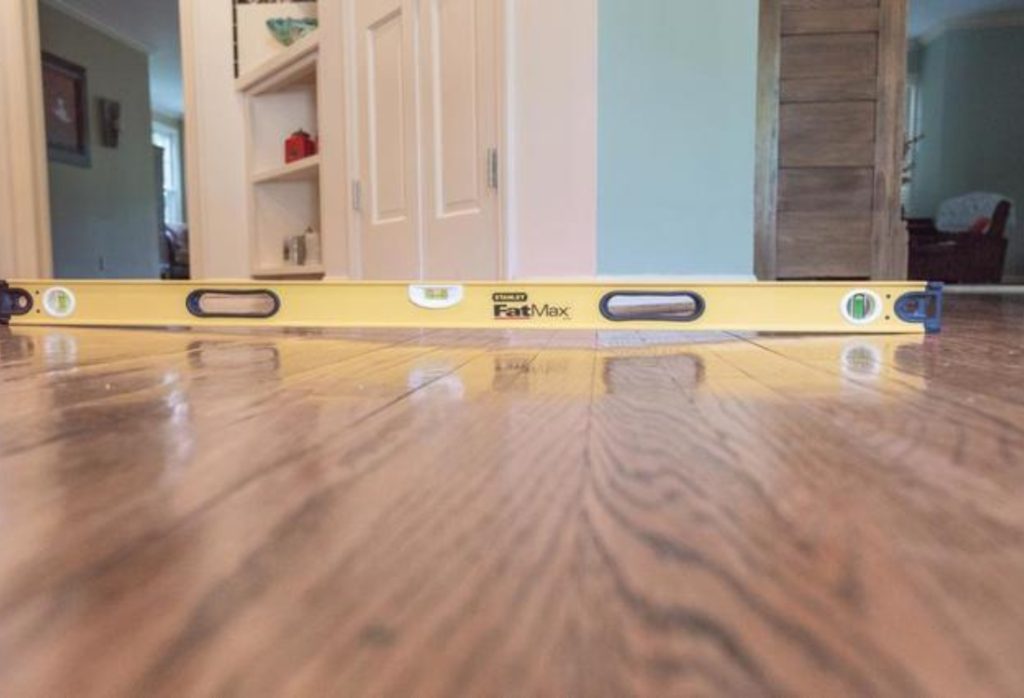
- Ball or level test: Place a small ball on the floor and see if it rolls consistently in one direction, or use a level to check whether the floor is sloped or uneven.
- Door alignment: Check whether doors or windows near the area have started sticking or shifting.
- Visual inspection: Look for dips, cracks, or gaps near floors and trim.
If these common warning signs that unlevel floors may indicate a structural issue appear in multiple rooms or worsen over time, documenting your observations can be helpful.
What to Do If You Notice Floor Sinking in the House
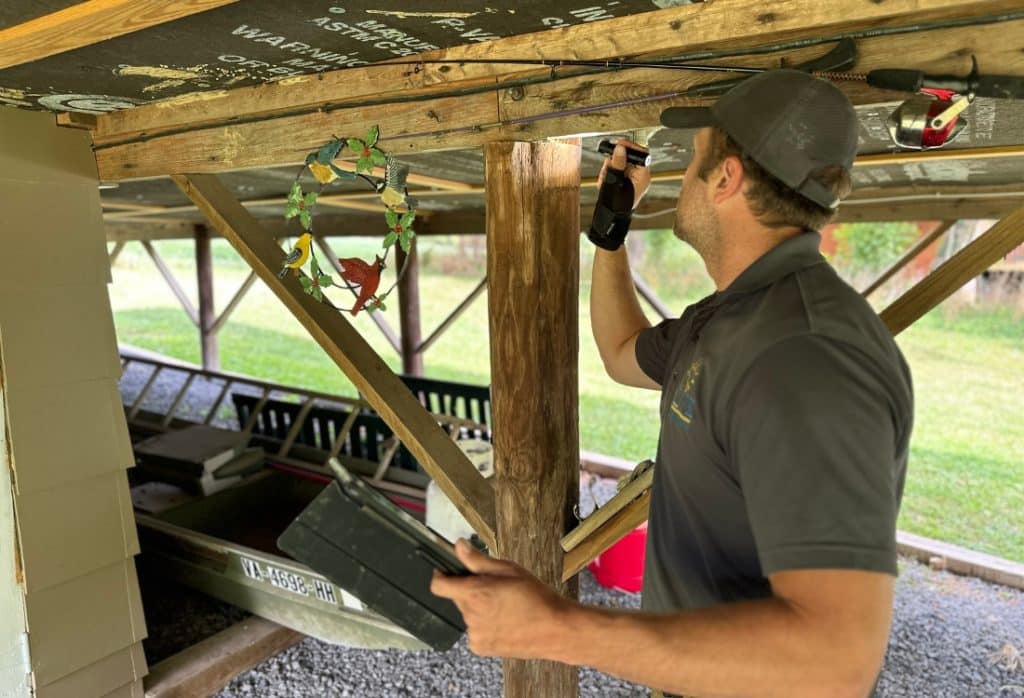
If your floors feel uneven or continue to sag, the safest next step is to have a professional evaluation. Identifying whether the issue stems from moisture, soil movement, framing deterioration, or foundation-related concerns is essential before any corrective action is taken.
A qualified structural or foundation specialist can determine:
- Whether the issue is cosmetic or structural.
- What factors are contributing to the floor movement.
- Whether the condition is stable or worsening.
Talk to the Experts About Uneven or Sagging Floors in Your Northern Virginia Home
Uneven or sagging floors are often early warning signs of deeper structural problems. Addressing them early can help prevent further damage and protect the long-term stability of your home.
At LUX Foundation Solutions, we help homeowners identify what’s really happening beneath their floors and explain whether the issue is minor settling or something that needs attention. We’ve been serving Northern Virginia, Shenandoah Valley, Central Virginia, and surrounding areas for years, delivering cost-effective, tailored solutions.
If you’re noticing changes in your floors and want help understanding them, contact our team to discuss your concerns or schedule an evaluation and get clear answers about your uneven or sagging floors.
Frequently Asked Questions About Uneven or Sagging Floors
Do uneven floors mean foundation problems?
Not always. In Northern Virginia homes, uneven floors can result from normal settling, aging floor joists, or crawl space conditions. When unevenness worsens over time or appears alongside cracks or sticking doors, a professional evaluation can help determine whether the foundation is involved.
Should I buy a house with sagging floors?
Sagging floors don’t automatically mean a home is unsafe, but they should be evaluated before purchasing. In many Virginia homes, sagging floors may relate to moisture, support issues, or foundation movement. A professional evaluation can clarify the cause and help you understand potential risks or future considerations.
Are sloping floors in older homes normal?
Some sloping floors are common in older homes, especially those built decades ago. However, floors that continue to slope or change over time may indicate ongoing structural or soil-related movement. Monitoring progression is key to deciding whether further evaluation is needed.
Who should I call for sagging floors?
If you’re in Northern Virginia and notice sagging or uneven floors, a foundation or structural specialist is typically the right place to start. These professionals can assess floor support, crawl space conditions, and foundation movement to identify the cause of the issue.
Will homeowners’ insurance cover sagging floors?
Homeowners’ insurance coverage varies and often depends on the cause of the sagging. Issues related to long-term settlement, soil movement, or structural wear are commonly excluded, while sudden events may be treated differently. Reviewing your policy and getting a professional assessment can help clarify next steps.
Do uneven floors mean foundation problems?
Uneven floors can be caused by foundation movement, but they may also result from floor framing issues or moisture-related conditions beneath the home. Given Virginia’s variable soil conditions, uneven floors should be evaluated in context rather than assumed to indicate foundation failure.