Crawl Space Wood Rot

Crawl space wood rot is a serious warning sign of hidden moisture problems. It can lead to sagging floors, structural weakening, and mold growth. Early signs of crawl space rot should be addressed promptly to prevent it from spreading.

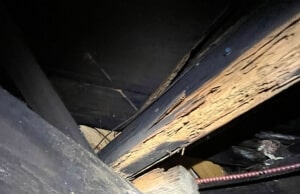
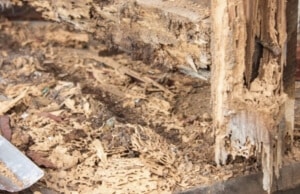
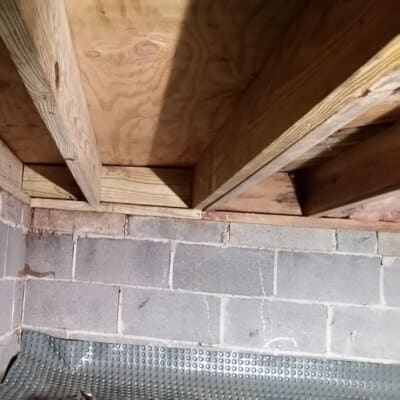
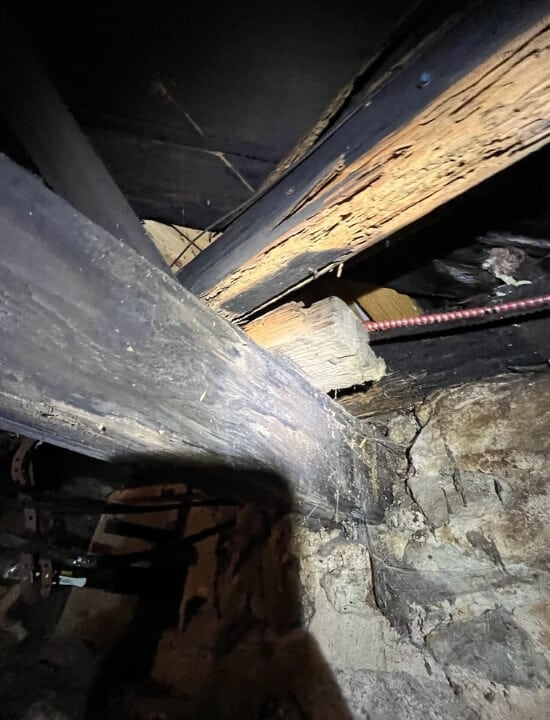
Severe decaying of the beam and joist, a sign of a crawl space problem that needs crawl space wood rot repair in Northern VA.

Crawl Space Wood Rot Repair in Northern Virginia, Shenandoah Valley, North Central Virginia, and West Virginia

Virginia’s heavy rainfall and humid summers create the perfect environment for crawl space wood rot. When moisture and damp air enter an uncovered dirt floor, the framing absorbs it, leading to rotting over time. As the beams and floor joists stay wet, they weaken and can compromise your home’s structure.

LUX Foundation Solutions offers repair and moisture-control solutions designed to prevent crawl space rot and protect your home long-term. Schedule a free estimate and let our team assess the issue. We proudly serve homeowners in Northern Virginia, the Shenandoah Valley, North Central Virginia, West Virginia, and nearby areas.

Do These Signs of Crawl Space Wood Rotting Seem Familiar?

The symptoms

Early signs of crawl space wood rot often appear before major damage. If you notice any of the issues below, they may indicate active rotting and trapped moisture under your home.

  • Soft or spongy floor joists or beams.
  • Dark or discolored wood from long-term moisture.
  • Musty odors rising from the crawlspace.
  • Visible mold growth, fungus, or early decay 
  • Crumbling or flaking wood fibers.
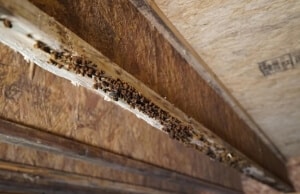
  • Increased termite or insect activity around damp wood.

These symptoms often point to a deeper moisture issue and active crawl space rot. If you notice any of these signs, it’s best to have your dirt floor inspected right away. LUX Foundation Solutions offers a free estimate and can help you determine the best way to stop crawlspace rotting and protect your home.

What Causes Crawl Space Wood Rot?

Wood rot in crawl spaces develops when excess moisture creates the right conditions for fungi and decay to grow. Understanding the leading causes of crawlspace rot can help you stop the problem before it spreads.

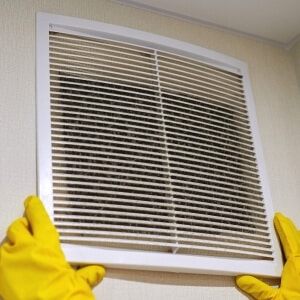
Dirty, clogged vent showing poor airflow, a common cause of trapped humidity, causes crawl space wood rotting in Warrenton, VA.

Poor Ventilation

Poor ventilation traps humid air in the crawlspace, allowing moisture to cling to floor joists and beams. When warm outdoor air enters a cooler area, condensation forms and keeps wood damp. Over time, this trapped moisture leads to joist decay and rot, weakened framing, and ongoing structural deterioration.

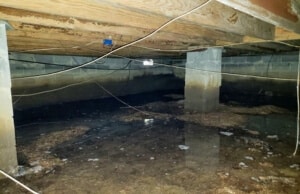
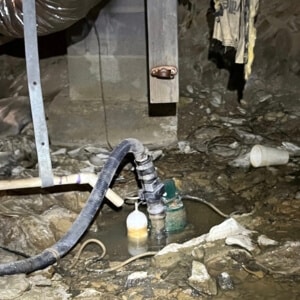
Leaking plumbing line in dirt floor, causing standing water that can lead to crawl space wood rotting in Clear Brook, VA.

Plumbing Issues

Crawlspaces often contain plumbing lines that can leak, burst, or clog. Even small, unnoticed leaks can saturate joists and beams, keeping the wood damp for long periods. Constant moisture exposure creates ideal conditions for fungi and decay, eventually leading to rotted floor joists in the crawl space and significant structural problems if not repaired promptly.

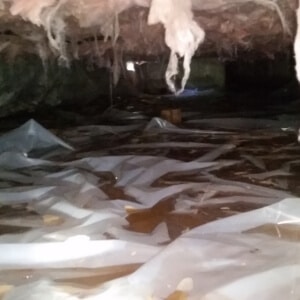
A crawl space with a damaged vapor barrier and moisture intrusion causes of crawl space wood rotting in Bristow, VA.

Excess Moisture or Humidity

Humidity from the soil, outdoor air, and seasonal weather can accumulate beneath your home. Hot, humid air entering a cooler crawlspace increases moisture absorption in joists and beams. Over time, this repeated exposure leads to wood rot in crawl spaces, weakened structural components, and a higher risk of mold growth and further damage.

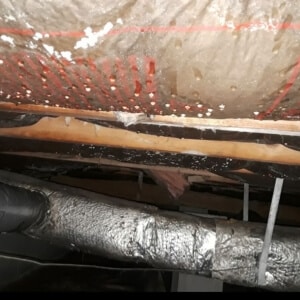
Condensation forming on crawl space insulation, creating moisture buildup that leads to crawl space wood rotting in Brambleton, VA.

Condensation

Condensation forms when humid air meets the cool surfaces inside a crawspace. This moisture settles on wooden beams and floor joists, keeping them damp and vulnerable to fungal growth. Persistent condensation leads to crawl space wet rot, dry rot, and long-term structural weakening if the underlying moisture sources are not addressed.

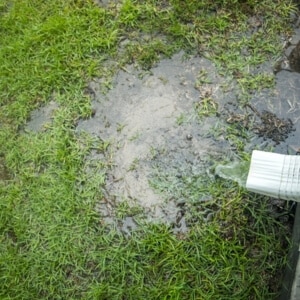
Downspout draining water beside the foundation, causing saturated soil that can lead to crawl space wood rotting in Berkeley, WV.

Poor Drainage

Poor drainage around your foundation causes rainwater and groundwater to collect near the crawlspace. Saturated soil increases humidity levels and pushes moisture into the wood framing. Continuous exposure to damp conditions accelerates wood rot in crawl spaces, posing serious structural risks and potentially costly repairs if drainage issues remain unresolved.

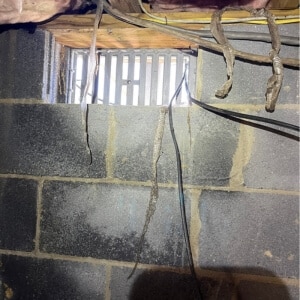
Open crawl space vent allowing outdoor humidity to enter, causes of crawl space wood rotting in Berryville, VA.

Open Vents

Open crawspace vents allow humid outdoor air to flow inside, especially during warm months. Instead of drying the area, this raises moisture levels, encouraging condensation on joists and beams. Over time, this constant moisture exposure leads to crawl space rot, weakening the wood and creating ideal conditions for fungi.

To prevent rotted wood, it’s essential to address these underlying causes. Schedule a free estimate with LUX Foundation Solutions to identify the root cause of the issues and explore effective solutions.

Our Crawl Space Wood Rot Treatment Options

Treating crawl space wood rot requires addressing both the damaged wood and the moisture that caused it. These repair solutions help stop decay, stabilize the floor system, and treat crawl space rotting before it spreads further.

Can I prevent crawl space wood rot by improving ventilation?

Improving ventilation alone usually isn’t enough to stop crawl space wood rot. Crawl spaces naturally trap moisture from many sources, including groundwater, condensation, and humidity. These conditions can still lead to wood rotting even with airflow.


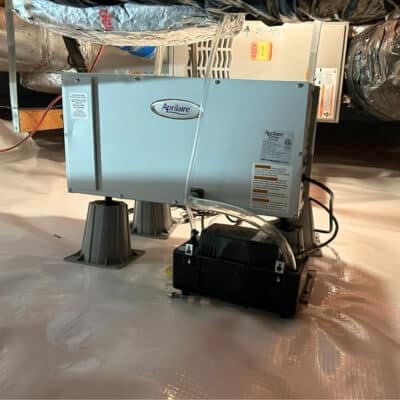
The best way to prevent crawl space rot is to control moisture at every entry point. LUX Foundation Solutions recommends professional-grade dehumidification, crawl space encapsulation, and proper vent and door sealing to keep humidity out and protect the structure.


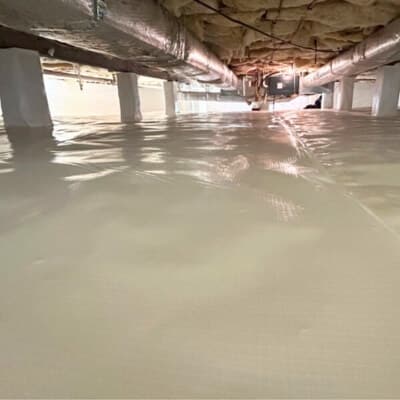
Encapsulation installs a vapor barrier that blocks outside moisture and stabilizes temperature. A dehumidifier removes excess humidity that causes decay and mold. Sealed vents and doors prevent humid outside air from entering — a key step in long-term crawlspace rot prevention.


Our team designs moisture-control solutions that match your home’s needs and budget, helping you stop rot from spreading and safeguard your crawlspace for years to come.

How do you repair minor termite damage to a floor joist to avoid rotted wood?

Minor termite damage should be repaired quickly because weakened joists can accelerate crawl space wood rot and structural decline. Professional repair ensures the damage doesn’t spread or compromise the floor system.


LUX Foundation Solutions often uses floor joist sistering to reinforce affected areas. This involves securing a new joist beside the damaged one, restoring strength and stability. Sistering helps prevent further decay, improves support, and slows the progression of rot in crawl space joists.


This repair is fast, effective, and prevents structural weaknesses that termites and moisture can worsen over time.

How do you fix a rotted wood main beam?

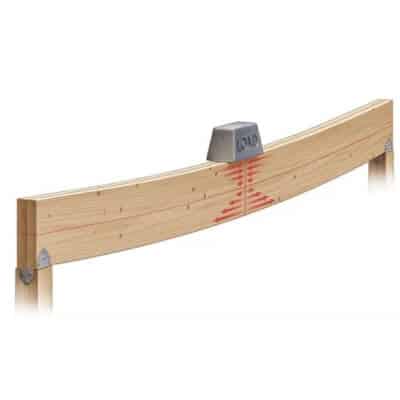
A rotted main beam is a serious structural issue, and the most effective way to fix it is to have it professionally replaced. Severe crawlspace wood rot can weaken the beam to the point where it no longer supports your home safely.


Main beam replacement removes the deteriorated beam and installs a new treated beam designed to resist moisture and decay. This restores proper load-bearing capacity and prevents further crawl space rot in the surrounding framing.


LUX Foundation Solutions performs precise beam replacement to stabilize and protect the structure in the long term. Proper installation prevents additional damage and keeps your home safe.

Schedule Your Free Crawl Space Repair Estimate Today

Crawl space wood rot can lead to serious structural issues if left untreated. Our team understands how to stop moisture problems before they spread and cause further crawlspace rotting. 

Homeowners across Northern Virginia, the Shenandoah Valley, North Central Virginia, West Virginia, and nearby areas rely on us for reliable crawlspace repair. With high-quality equipment and decades of combined experience, LUX Foundation Solutions provides long-lasting protection for your home. 

If you’ve noticed signs of decay, schedule a free estimate today and find out how we can prevent crawlspace rot and restore stability to your home.

Request a free Estimate

Crawl Space Wood Rot FAQs

What causes crawl space wood rot?

Crawl space wood rot is caused by excess moisture trapped under the home. When joists and beams stay damp, fungi begin breaking down the wood. Common sources include plumbing leaks, condensation, groundwater, poor ventilation, and high humidity. Fixing moisture early helps prevent structural weakening and long-term damage.

How to prevent crawl space wood rot?

You can prevent crawl space wood rot by reducing moisture and controlling humidity. Seal plumbing leaks, improve drainage, and keep groundwater away from the foundation. Encapsulation and vapor barriers help block humidity, while a dehumidifier keeps moisture levels stable. Regular crawl space inspections catch early signs before damage spreads.

How do you treat crawl space wood rot?

Treating crawl space wood rot involves fixing moisture sources and repairing damaged joists or beams. Encapsulation and dehumidification stop new moisture from entering. Structural repairs like joist sistering or main beam replacement help restore strength and prevent further crawlspace rotting.

An expert at LUX  can assess the damage and outline the safest repair approach.

Is crawl space wood rot dangerous?

Yes. Crawl space wood rot weakens the structural support under your home. Left untreated, it can lead to sagging floors, failing beams, pest activity, and mold growth that affects air quality. Addressing rotted wood early helps keep your home safe and prevents much more expensive repairs.

If you’re noticing these warning signs, experts at LUX can perform a professional evaluation.

How do you fix rotted crawl space joists?

At LUX Foundation Solutions, rotted crawl space joists are repaired by reinforcing or replacing the weakened wood. Most joists are fixed through sistering, where new treated lumber is attached next to the damaged section. Severely deteriorated joists may require full replacement. 

Moisture control is also needed to keep the repair from breaking down again. Our team can inspect the damage and determine the safest long-term solution.