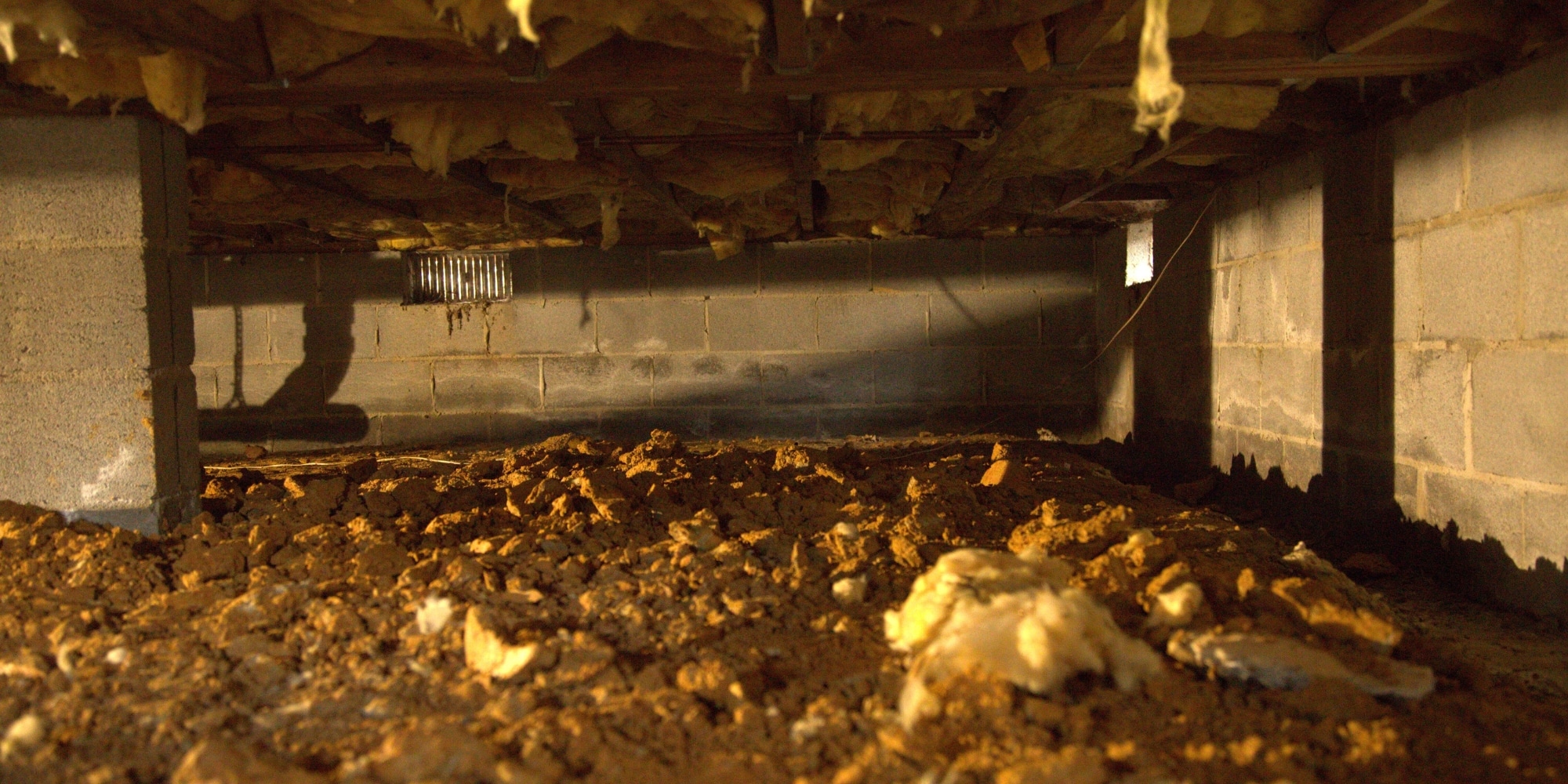
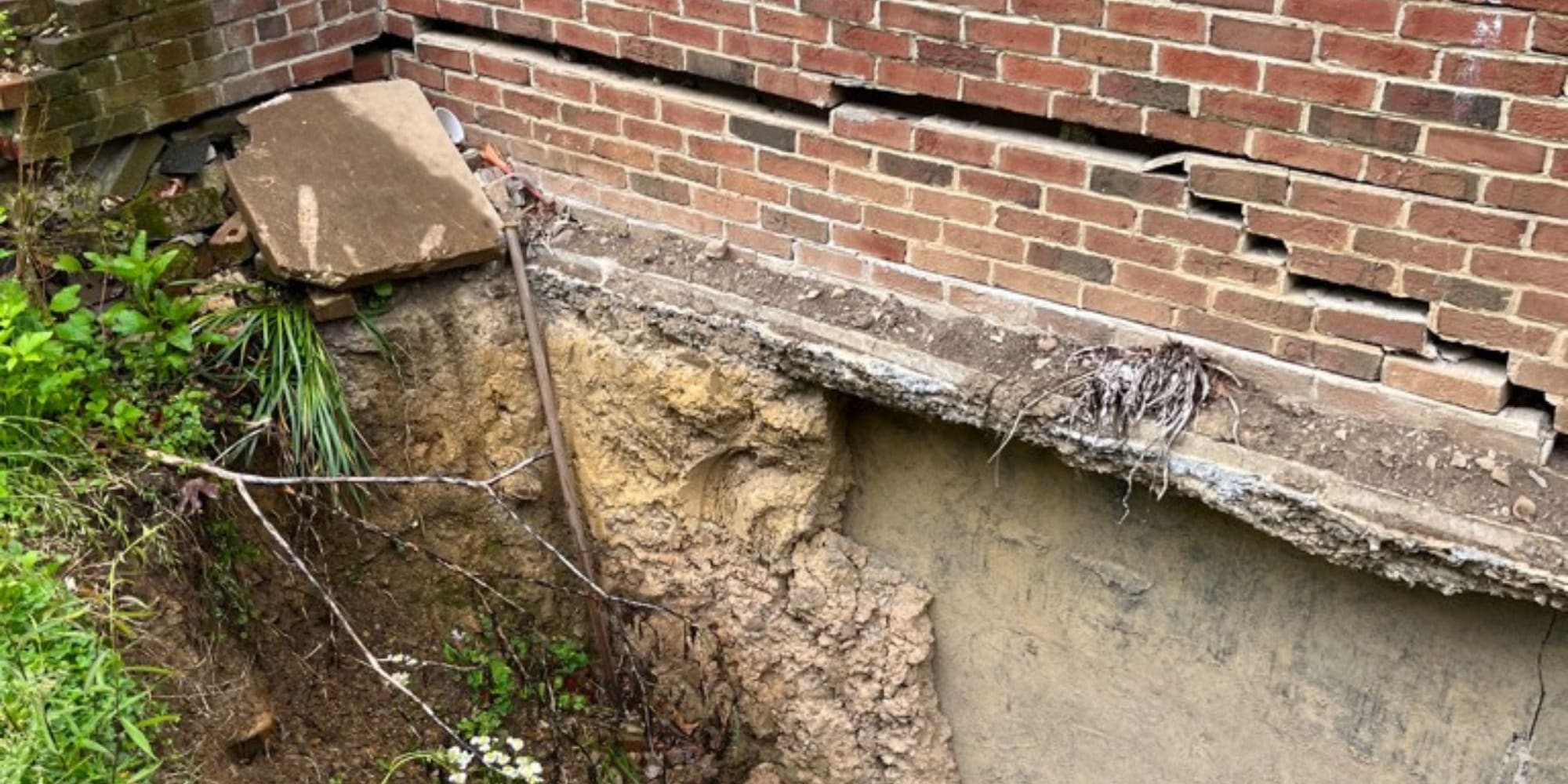
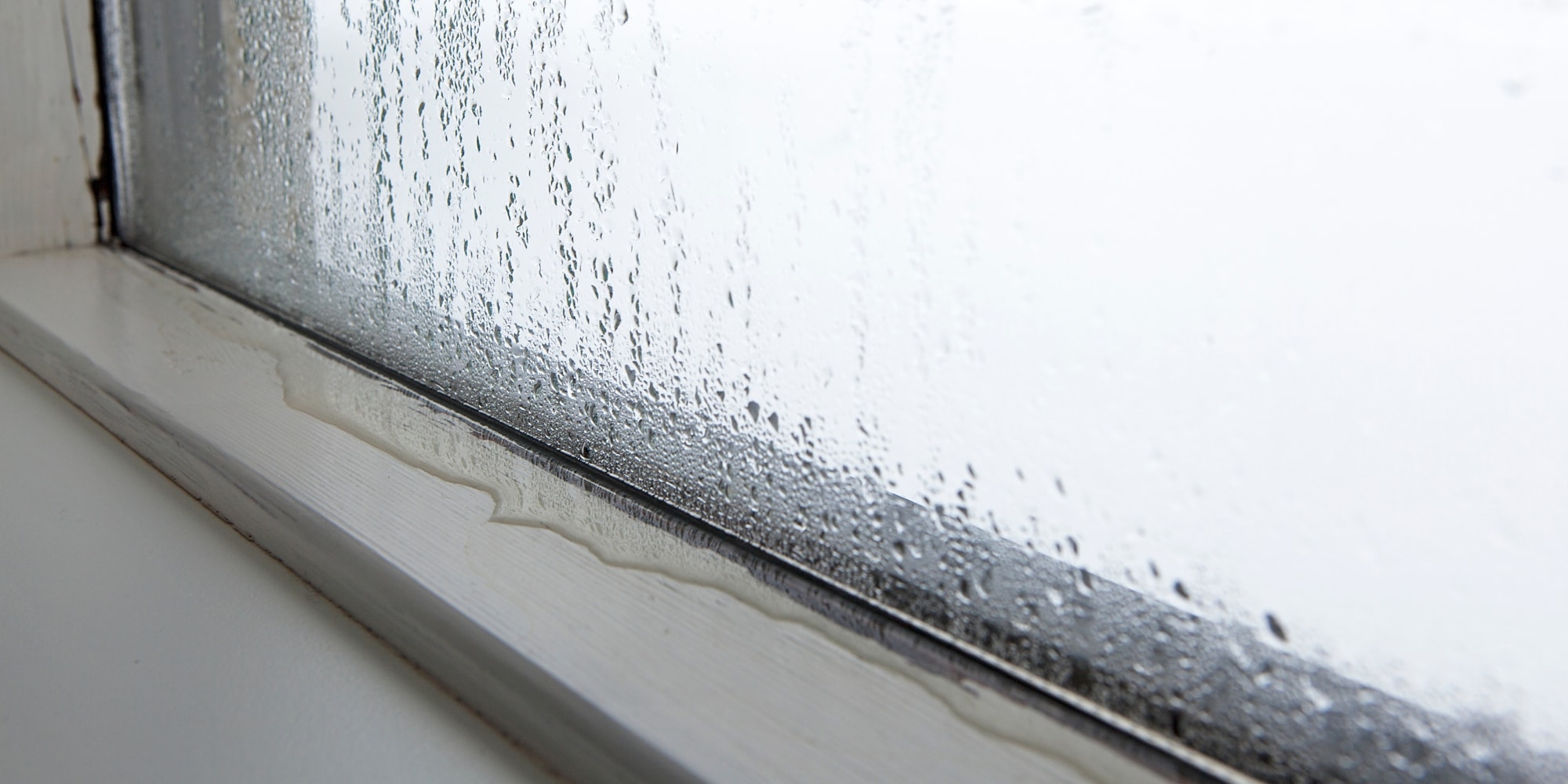
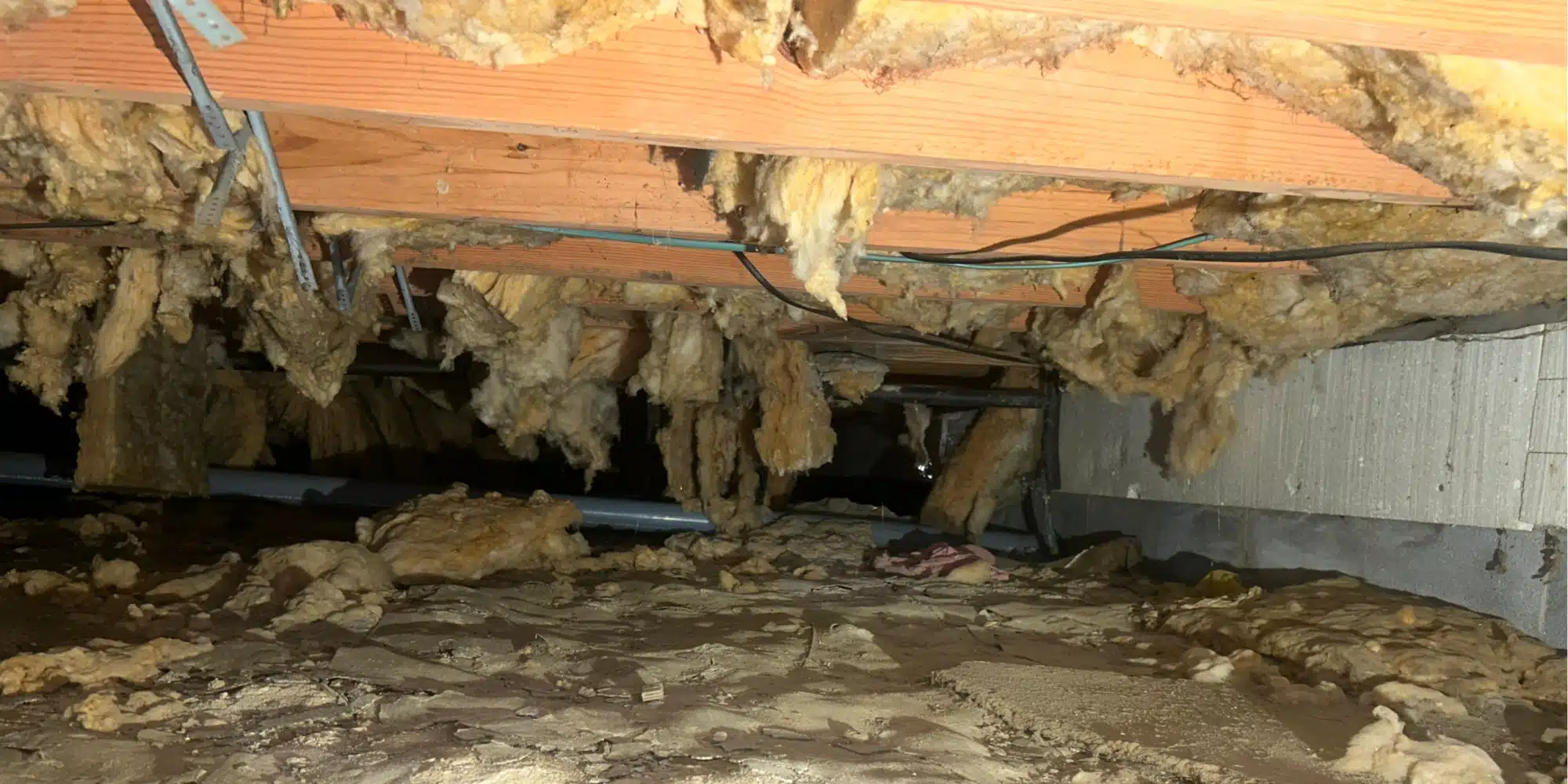
Water in Crawl Space After Heavy Rain

Heavy rain can overwhelm drainage systems and saturate the soil around your home. When this happens, water may enter your crawl space through vents or small gaps. Understanding this cause helps reduce flooding risks and protect your home.

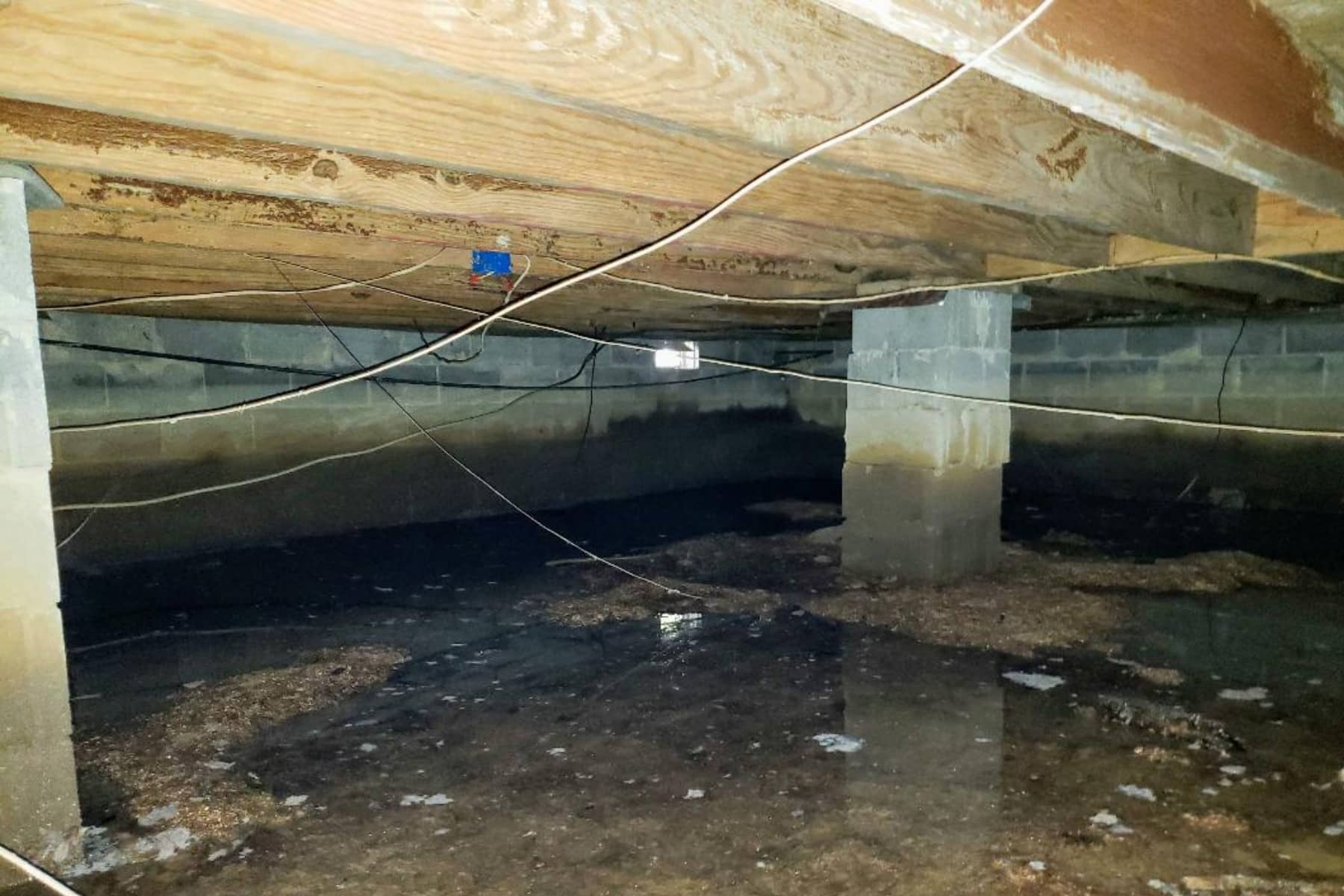
Flooding near a home’s foundation allows water in the crawl space after heavy rain, which requires crawl space repair in Winchester, VA.

Why You See Water in a Crawl Space After Heavy Rain

During intense storms, the soil surrounding your foundation becomes saturated and temporarily loses its ability to absorb additional water. As rainwater accumulates, pressure increases along the crawl space walls and footings. This surge of runoff may enter through vents, minor gaps, or areas where exterior drainage cannot keep up with rainfall volume.

In many cases, water appears quickly after a storm and may recede once surface water drains. However, repeated exposure to heavy rainfall can gradually overwhelm weak drainage systems, increasing the likelihood of crawl space moisture intrusion.

Why Crawl Spaces Flood During Heavy Rain

Heavy rainfall often exposes weaknesses that may go unnoticed during normal weather. The conditions below typically become problematic when large volumes of rainwater accumulate faster than drainage systems can redirect water away from the foundation.

Standing water inside a crawl space caused by poor exterior drainage after heavy rain in Fairfax, VA.

Poor Drainage Systems

Even with a functioning drainage system, heavy rains can overwhelm it.  When runoff exceeds the system’s capacity, water can collect near the crawl space foundation instead of being directed safely away. This temporary overload increases the risk of water in the crawl space after heavy rain, especially during prolonged or intense storms.

Improper landscape grading directs rainwater toward a home’s foundation after heavy rain in Reston, VA.

Poor Landscaping Practices

Heavy rain exacerbates landscaping problems, such as improper grading or compacted soil, that direct water toward the home. When rainfall volumes increase, these conditions prevent water from flowing away efficiently, allowing runoff to pool near the foundation and contribute to crawl space flooding.

Clogged, overflowing gutter during heavy rainfall, causing water buildup near a home’s foundation and crawl space in Ashburn, VA.

Clogged Gutters and Downspouts

During intense storms, clogged or undersized gutters may overflow, discharging water directly beside the foundation. Concentrated roof runoff increases ground saturation near crawl space walls. This sudden accumulation of water raises pressure against the foundation wall and increases the likelihood of moisture entry.


Foundation wall cracks allowing rainwater to enter a crawl space after heavy rainfall in Berryville, VA.

Cracks in Foundation Walls

Small foundation gaps that remain dry in normal weather may allow water entry during heavy rainfall. As the soil becomes saturated, hydrostatic pressure against foundation walls increases, forcing water toward existing cracks or weak points. Storm conditions can expose these weak points, leading to sudden moisture accumulation after rainfall.

While heavy rainfall is a common trigger, it is only one of several conditions that can lead to moisture problems beneath a home. For a complete breakdown of all contributing factors, read our guide on what causes water in a crawl space.      

Solutions That Help Prevent Water in Crawl Spaces After Heavy Rain

When water in a crawl space appears after heavy rain, solutions usually focus on improving how stormwater is managed around the home rather than addressing permanent groundwater conditions. At LUX Foundation Solutions, we evaluate how rainfall interacts with each property before recommending moisture-control strategies designed to reduce recurring storm-related flooding.

Encapsulated crawl space with sealed vapor barrier helping control water in the crawl space after heavy rain in Clear Brook, VA.

Crawl Space Encapsulation

If heavy rainfall repeatedly introduces moisture beneath your home,  crawl space encapsulation creates a sealed, controlled environment that blocks external humidity and ground vapor. Our encapsulation systems include high-quality vapor barriers and moisture-control components designed to protect insulation, wood framing, and indoor air quality from long-term damage caused by seasonal storms.

French drain installed beside a home to redirect and reduce water in the crawl space after heavy rain in White Post, VA.

Drainage System Installation

When heavy rainfall overwhelms exterior grading, installing a crawl space drainage system helps capture and redirect stormwater before it accumulates beneath the home. Our team installs drainage systems tailored to local soil conditions and runoff patterns to reduce recurring water intrusion from intense storms and prolonged seasonal rainfall.


Sealed foundation wall crack helping limit rainwater entry into a crawl space after heavy rainfall in Harpers Ferry, WV.

Foundation Crack Repair

If water enters through visible foundation cracks, crack repair may be necessary to prevent stormwater intrusion. We seal structural openings with waterproof sealants to reduce moisture pathways and protect the crawlspace from continued water penetration from rainfall.

Concerned About Water in Your Crawl Space After Heavy Rain? – Schedule a Free Estimate

If you experience water in your crawl space after heavy rain, identifying whether the issue is surface runoff, drainage failure, or rising groundwater quickly can prevent structural damage. 

Our team evaluates storm-related drainage issues, foundation opening, and moisture pathways to recommend the right long-term solution. 

Schedule a free professional crawl space evaluation today to better understand what’s causing storm-related moisture and how to reduce future risks.

Request a free Estimate

FAQs About Water in Crawl Space after Heavy Rainfall

Why do I only see water in my crawl space after heavy rain?

Water in a crawl space after heavy rain is typically caused by overwhelmed exterior drainage, saturated soil, or roof runoff collecting near the foundation. Intense storms increase surface water pressure, which can push moisture through vents, minor gaps, or weak areas along crawl space walls.

How long should water remain in a crawl space after a storm?

Standing water should not remain in a crawl space for more than 24 to 48 hours after heavy rain. If moisture lingers beyond that timeframe, it may indicate drainage failure, poor grading, or rising groundwater pressure that requires correction to prevent structural damage.

How do I stop water in my crawl space after heavy rain?

Stopping water intrusion after heavy rain usually involves correcting exterior drainage, redirecting downspouts, managing runoff, or installing moisture control systems. The proper solution depends on whether rainfall is entering through surface pooling, soil saturation, or structural openings.

When should I worry about water in my crawl space after storms?

If water appears repeatedly after heavy rainfall, or if you notice musty odors, mold, sagging floors, or insulation damage, further evaluation is recommended. Persistent storm-related moisture can increase structural stress and indoor humidity levels over time.

Thank you! Your form has been successfully submitted. You may receive service-related text messages from Lux Foundation Solutions, including appointment updates, reminders, and one-time verification codes if needed. Message frequency may vary. Msg & data rates may apply. Reply HELP for help. Reply STOP to opt out.

Examples of messages you may receive:

Lux Foundation Solutions: Your appointment has been scheduled. You will receive service-related updates as needed.

Lux Foundation Solutions: Reminder — your scheduled service is approaching. Reply STOP to opt out.

Lux Foundation Solutions: Your verification code is 739214. This code expires in 10 minutes.