Finishing an unfinished basement can add valuable living space, but the space should be checked for water and moisture problems before renovation begins. Installing drywall, flooring, insulation, and other finished materials over an unresolved moisture problem can make future repairs more disruptive and costly.
So, should you waterproof your basement before finishing it? It depends on the condition of the basement and whether there are existing or potential basement water problems.
If you’re planning to finish your basement, this guide explains what to check first, what can happen when moisture problems are covered up, and when waterproofing or another moisture-control measure may need to be considered.
Key Takeaways
- Check for water and moisture problems before finishing an unfinished basement.
- Not every basement needs waterproofing, but a wet basement with active leaks, recurring dampness, or drainage problems should be addressed before renovation.
- Covering moisture problems with finished materials can make future repairs more disruptive and costly.
- The right approach depends on the source of the water or moisture, such as foundation leaks, groundwater, drainage issues, or humidity.
- A professional evaluation can help determine whether the basement is ready to be finished and which issues should be addressed first.
Why Check for Water and Moisture Before Finishing a Basement?
Before investing in a basement renovation, determine whether the space has any existing water or moisture issues. Once drywall, insulation, flooring, and other finished materials are installed, an underlying problem can become harder to access and repair.
The U.S. EPA recommends checking a basement for leaks and other moisture problems before converting it into living space. Checking the space first can help you:
- Protect the renovation investment from water damage that could affect finished walls, floors, insulation, or furnishings in the new space.
- Prevent hidden problems from being covered by finished materials, where they may be harder to notice.
- Reduce future disruption if repairs require access to foundation walls, floors, drainage systems, or other areas.
- Identify the source of moisture before deciding whether waterproofing, drainage improvements, or another solution is appropriate.
- Plan the renovation with greater confidence by knowing whether the basement is in suitable condition for finishing.
This does not mean every unfinished basement needs waterproofing. Living in an unfinished basement or using it for storage carries a different level of risk than finishing it into a living space, since finished materials are far more sensitive to moisture than bare concrete. The purpose of checking first is to understand the condition of the space and address problems that could interfere with the renovation.
What Should Homeowners Check Before Finishing an Unfinished Basement?
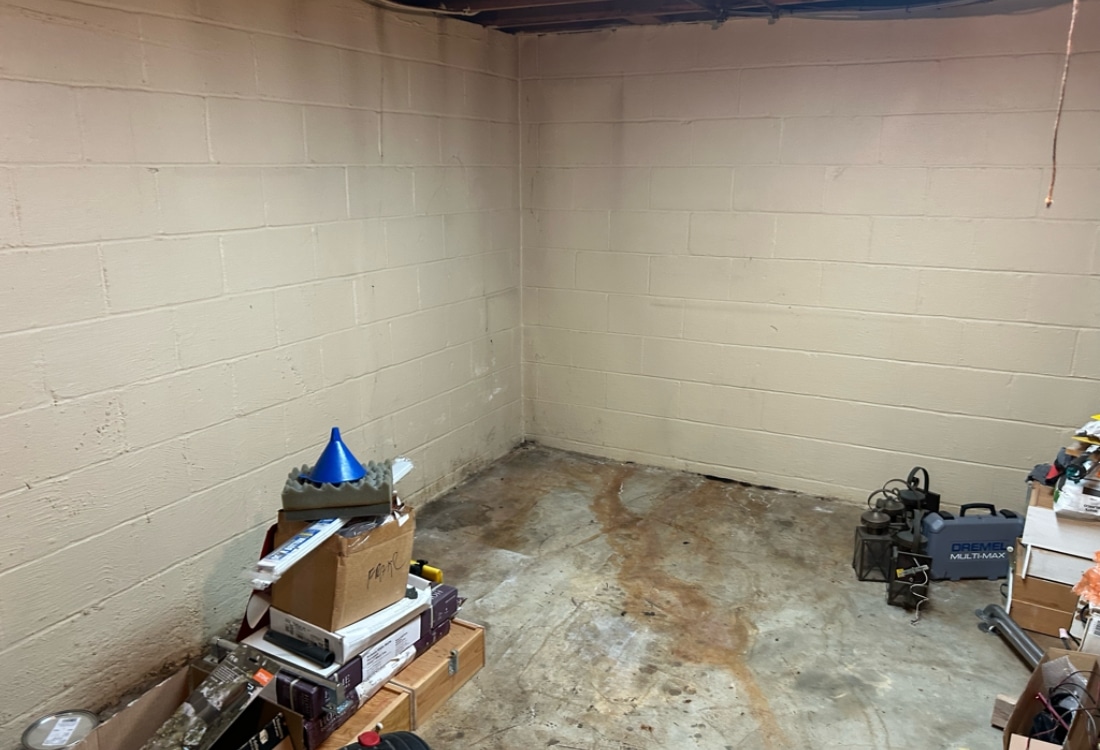
Before moving ahead with a basement renovation, take a closer look at how the space behaves during normal weather and after rainfall. A basement that appears dry on one day may still have recurring moisture or drainage issues that are not immediately visible.
Pay attention to:
- Active water seepage entering through basement walls, floors, windows, or other openings.
- Persistent dampness on foundation walls or floors, particularly after rainfall.
- Water stains or mineral deposits that may indicate previous water movement through the foundation.
- Visible cracks with signs of moisture around or inside the opening.
- Standing or recurring water in an unfinished basement that appears in the same problem areas.
- Condensation on walls, pipes, windows, or other cool surfaces.
- Musty odors that remain even when there is no visible standing water.
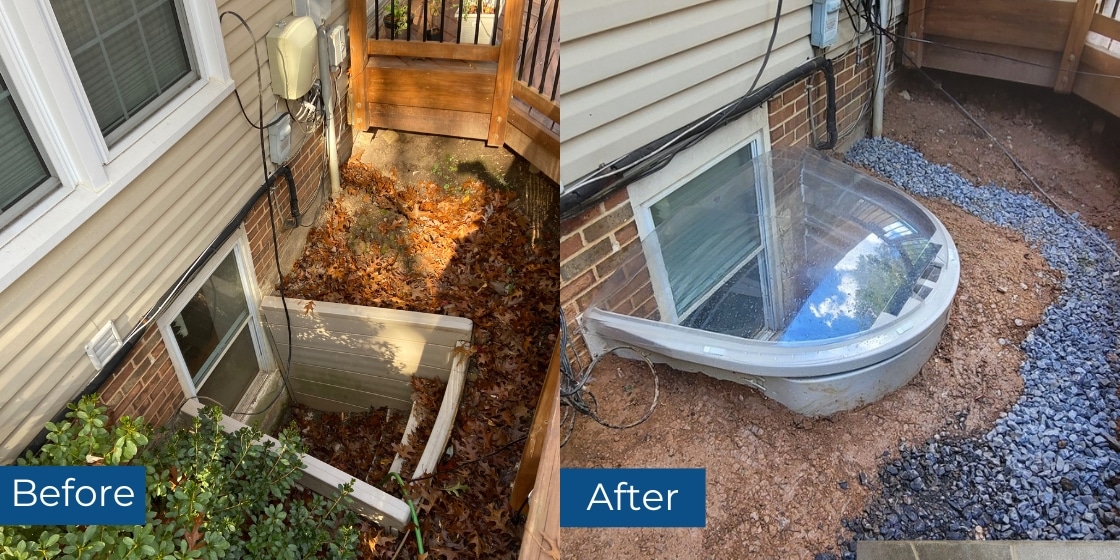
- Exterior drainage problems, such as water pooling near the foundation or downspouts releasing water beside the home.
- Sump pump or drainage concerns, if the basement depends on these systems to manage water.
- Previous flooding or leaks may indicate a condition that could return after the basement is finished.
These checks can help you determine whether the basement appears ready for renovation or whether a moisture concern needs further attention first. If the source of water is unclear or the problem keeps returning, a professional evaluation can help identify what is happening before finished materials cover the area.
What Happens If You Don’t Waterproof Basements With Moisture Problems?
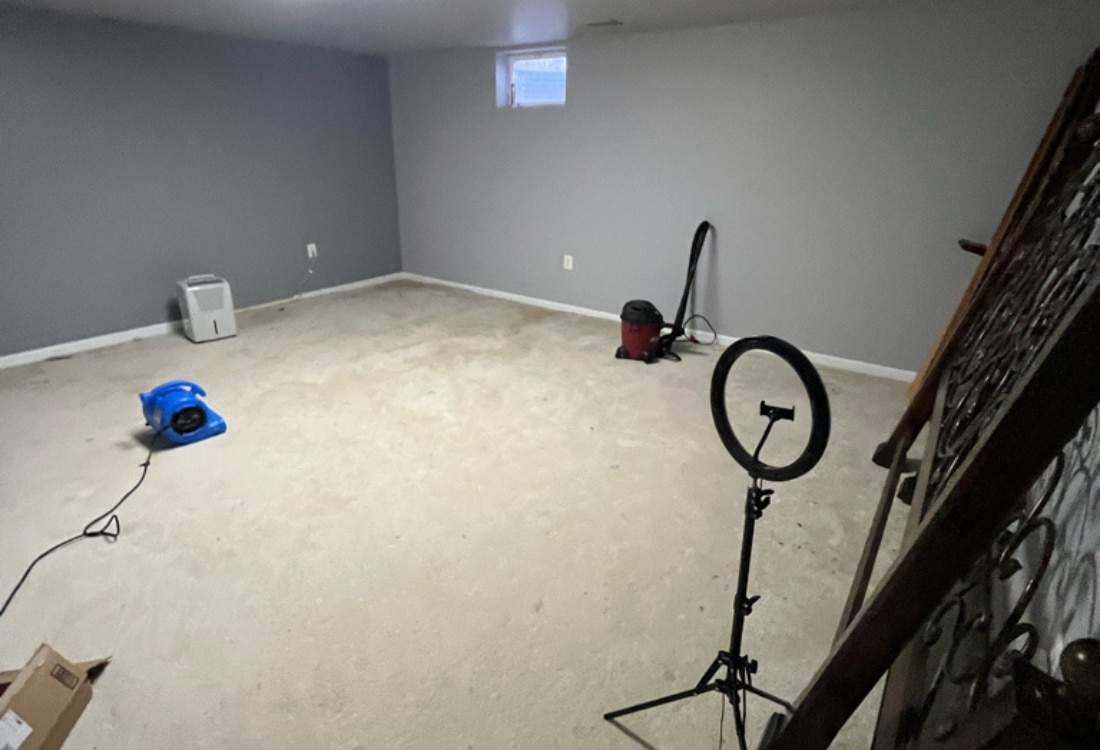
Moisture that isn’t addressed before finishing doesn’t go away once the space is covered up. It continues to affect the surrounding materials, often remaining invisible until the damage has already spread.
Covering an unresolved moisture problem can lead to:
- Damage to finished materials such as drywall, flooring, fiberglass insulation, and wood framing when water continues to enter the space.
- Trapped moisture behind walls or beneath flooring can be harder to notice until staining, odors, or visible damage appear.
- Recurring mold or mildew concerns when materials remain damp, or the basement has persistently high moisture levels.
- More disruptive repairs if a drainage or water intrusion problem requires access to areas that have already been finished.
- Additional renovation costs when finished materials have to be removed, repaired, or replaced before the underlying moisture issue can be addressed.
This does not mean skipping waterproofing will always lead to these problems. The risk depends on the source and extent of the moisture, as well as whether the condition is likely to continue.
If water or persistent moisture is already present, it is better to understand the cause before covering the affected areas with finished materials. That gives you a clearer idea of what needs to be addressed and helps prevent the renovation from hiding a problem that may need attention later.
Does Every Unfinished Basement Need Waterproofing?
Not every unfinished basement needs a full waterproofing system before it can be finished, and whether it’s needed depends on a few factors:
- The basement’s history of flooding, leaks, or dampness, even if it looks dry right now.
- The source of any moisture, such as a foundation crack, rising groundwater, poor drainage, or high humidity, calls for a different response.
- Local soil and drainage conditions, since clay-heavy soil or high groundwater areas place more ongoing hydrostatic pressure on a concrete foundation.
- The age and condition of the foundation, since older foundations without an existing drainage or waterproofing system are more likely to need evaluation.
Keeping a basement dry and free of the signs covered earlier may mean only routine precautions are needed before finishing, while one with an active leak, recurring dampness, or a known drainage issue should be addressed first.
What Waterproofing Should You Consider Before a Basement Renovation?
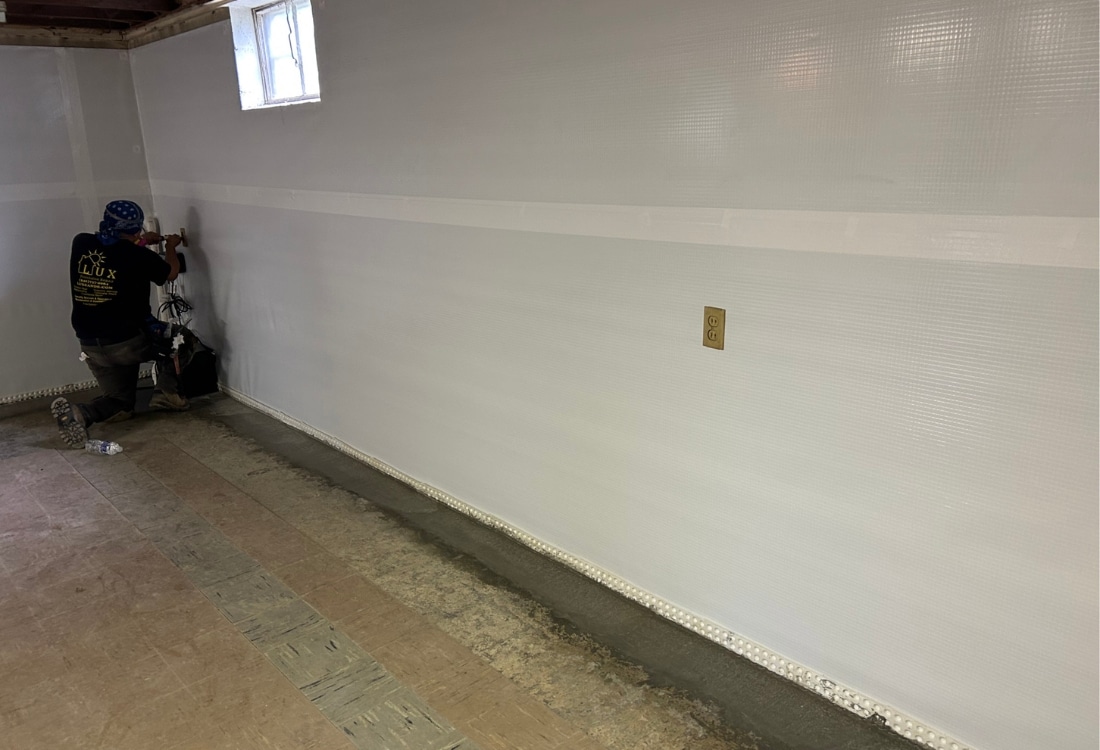
If a moisture concern is found, the next step is to understand where the water or moisture is coming from. Different conditions call for different basement waterproofing solutions, so the appropriate approach should be based on the source rather than on the basement being unfinished.
Some solutions and moisture-control measures may include:
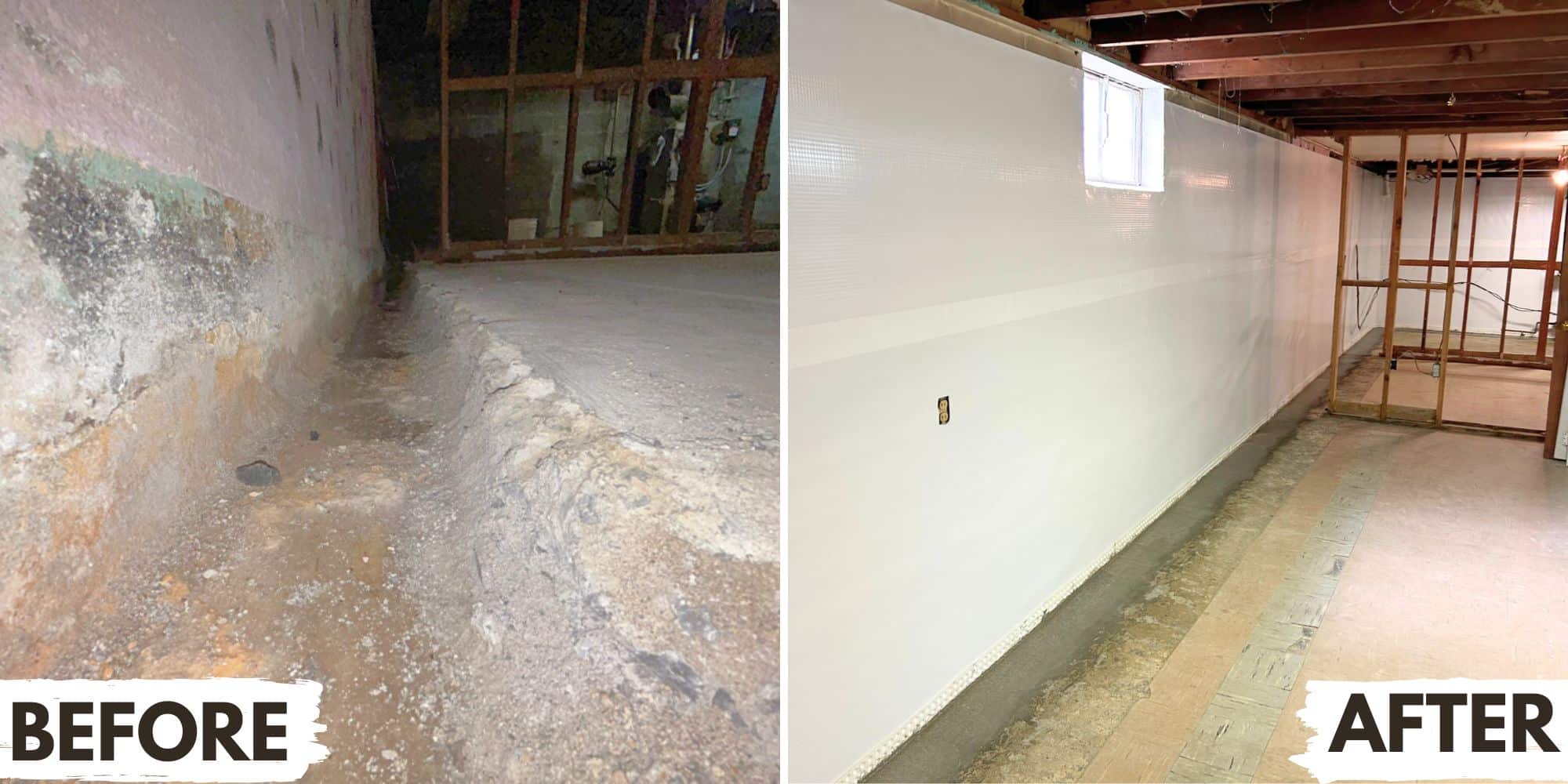
- Interior basement waterproofing manages water entering through interior basement walls or concrete floors by collecting it through perimeter drains and directing it away from the living space.
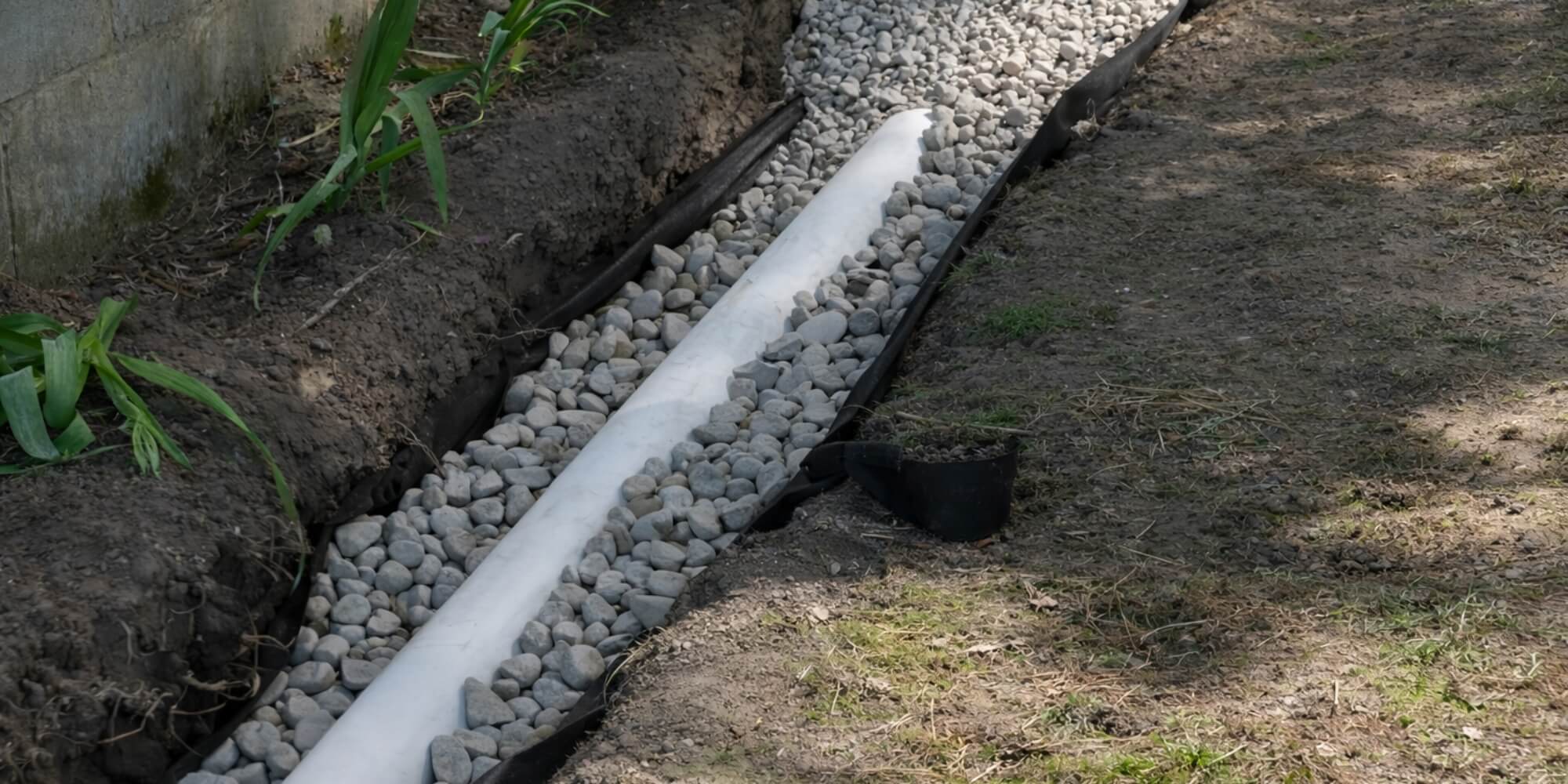
- Landscape French drains redirect surface water around the property away from areas where it could collect near the foundation.
- Basement crack repairs, including sealing unfinished basement foundation cracks and mortar joints, address the entry points where water is getting through. The crack and surrounding conditions determine the appropriate repair.
- Downspout extensions carry roof runoff farther away from the foundation, reducing the amount of water discharged directly beside the home.
- A basement sump pump serves as the primary pump, collecting and discharging all the water that reaches the drainage system.
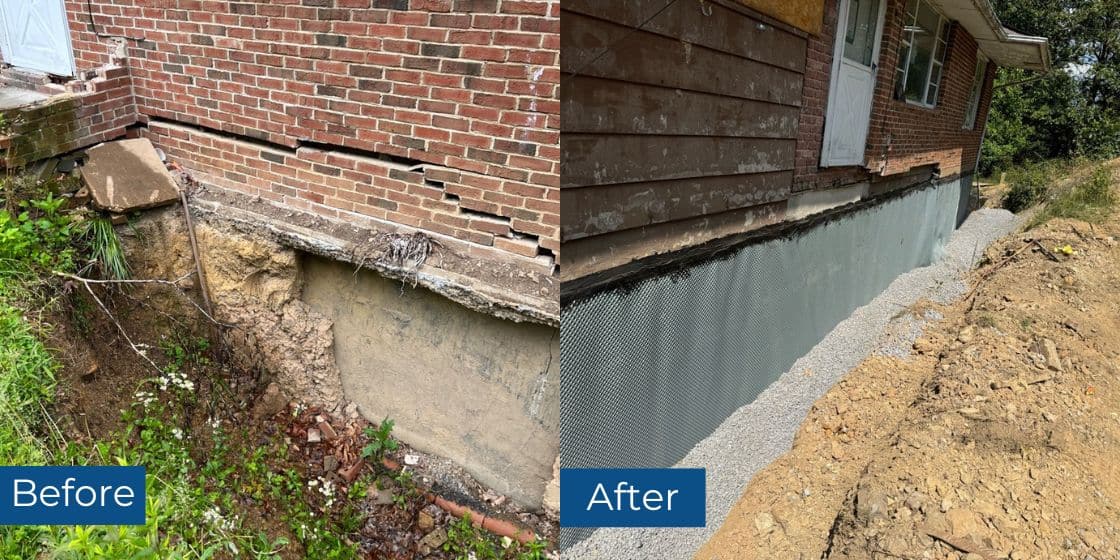
- Exterior basement waterproofing addresses water entering from outside the foundation and is used when exterior conditions contribute to recurring water intrusion.
- A basement wall vapor barrier adds an extra layer of protection against water vapor affecting the basement walls and is part of preparing the space for finished wall materials.
- A basement dehumidifier controls excess indoor humidity and condensation by improving air movement, which is separate from water entering through the foundation.
None of these measures applies the same way to every basement, and using the wrong one for the actual water source can mean the real issue never gets resolved. That’s why identifying where the water or moisture is coming from should come before deciding what, if anything, needs to be done ahead of finishing.
A professional evaluation can help pinpoint the actual source and determine which of these measures, if any, apply to your basement.
Get Your Basement Ready for Finishing
Before turning your unfinished basement into a comfortable living space and investing in drywall, flooring, insulation, and other finished materials, make sure the space is ready for the renovation. If you’re unsure about the source of moisture, the condition of the foundation, or whether waterproofing is needed, a professional evaluation can help clarify what to address first.
Schedule a free evaluation with our experts to better understand your basement’s condition and determine the appropriate next step before finishing the space.
.
Frequently Asked Questions
Should I waterproof my basement before finishing it?
It depends on the condition of the basement. Many homeowners choose to waterproof a basement before finishing it once a moisture concern is confirmed, since addressing it first can help protect the finished materials and avoid more disruptive repairs later. A basement with no history of water problems may only need routine precautions.
What happens if I finish my basement without addressing a moisture problem first?
Moisture that isn’t addressed before finishing can damage drywall, flooring, insulation, and framing, and may lead to mold or mildew growth. Repairing the problem afterward in a finished basement often means removing the materials that were covering it.
What should I do if my unfinished basement gets water after heavy rain?
Recurring water after heavy rain should not simply be covered up during a renovation. Check where the water is entering, such as through concrete walls, exterior drainage, foundation openings, groundwater, a gap in the existing exterior waterproofing, or other contributing conditions. If the source is unclear or the problem continues, a professional evaluation can help determine the appropriate next step.
Can basement waterproofing be done after the basement is finished?
Yes, depending on the waterproofing or water-management work required, such as installing a vapor barrier or applying a waterproof membrane. However, some repairs may require access to walls, floors, or other areas that are covered by finished materials. Addressing known water problems before finishing can help reduce disruption if repairs are needed.
How do I know if my basement is ready to finish?
A basement is generally better prepared for finishing when there are no unresolved water or moisture concerns that could affect the new materials. Consider its history, current condition, drainage, foundation, and moisture levels before beginning the renovation. If you’re unsure whether a problem needs attention, an evaluation can help clarify the condition.
When should an unfinished basement be professionally evaluated?
Consider a professional evaluation when water intrusion keeps recurring, the source of moisture is unclear, the basement has a history of flooding, there are sump pump issues during power outages, or there are foundation or drainage concerns that could affect the planned renovation. An evaluation can help determine what condition is present and whether anything should be addressed before the basement is finished.