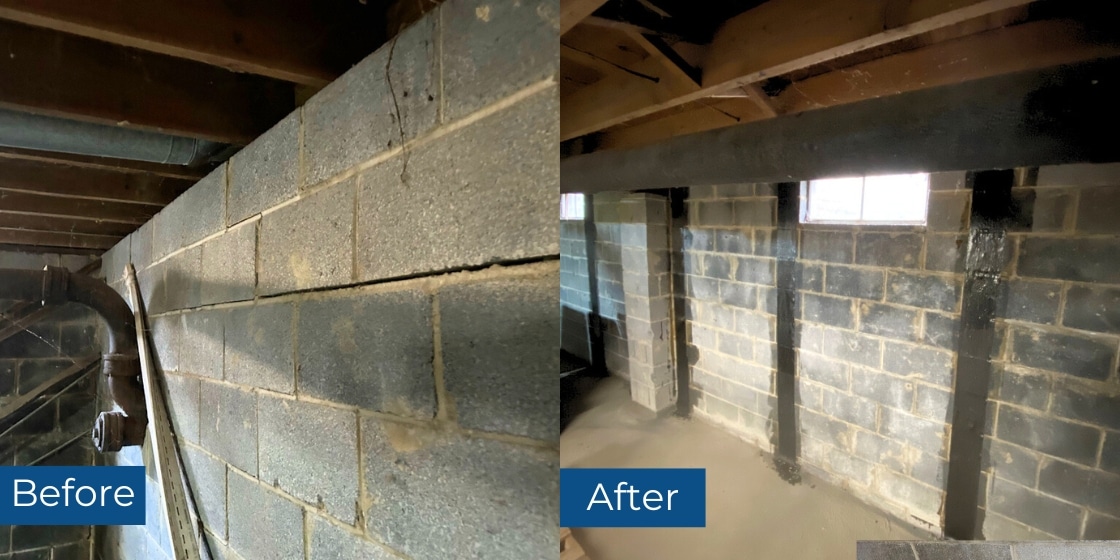
A bowing or leaning foundation wall is a noticeable sign that the structure may be experiencing movement, especially when cracks become more noticeable or the wall appears to be moving inward. Wall anchors are one system used to stabilize certain foundation walls affected by lateral pressure, but whether they are appropriate depends on the wall’s condition and what is causing the movement.
What is less clear is how a wall anchor system actually helps stabilize a wall that is already pushing inward. This guide explains what can cause a foundation wall to bow, how wall anchors for bowing walls work to resist that movement, and what factors should be considered before choosing this type of foundation repair.
Key Takeaways
- A bowing or leaning foundation wall can develop when pressure from surrounding soil becomes greater than the wall can withstand.
- Wall anchors can provide additional support to help resist the pressure pushing a foundation wall inward.
- Wall anchors are primarily intended to stabilize a moving wall; how much existing movement can be corrected depends on the condition of the wall.
- Wall anchors are not the only approach for a bowing foundation wall. The appropriate repair depends on the wall, the surrounding conditions, and the cause of the movement.
- A professional assessment can help determine whether wall anchors are appropriate for the specific foundation wall.
Why Do Foundation Walls Bow or Lean?
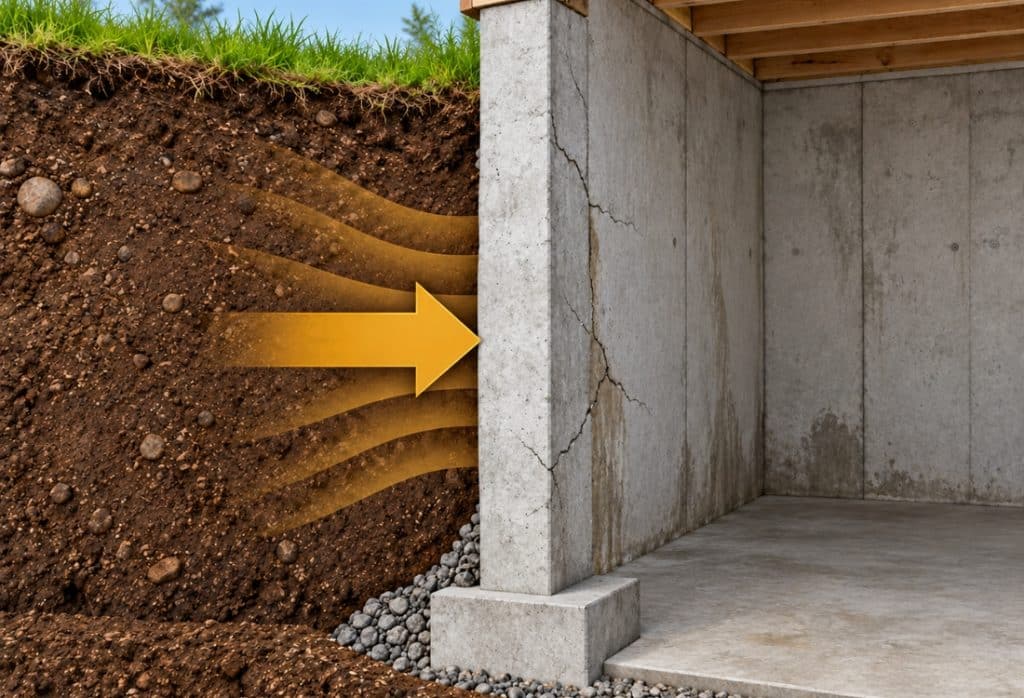
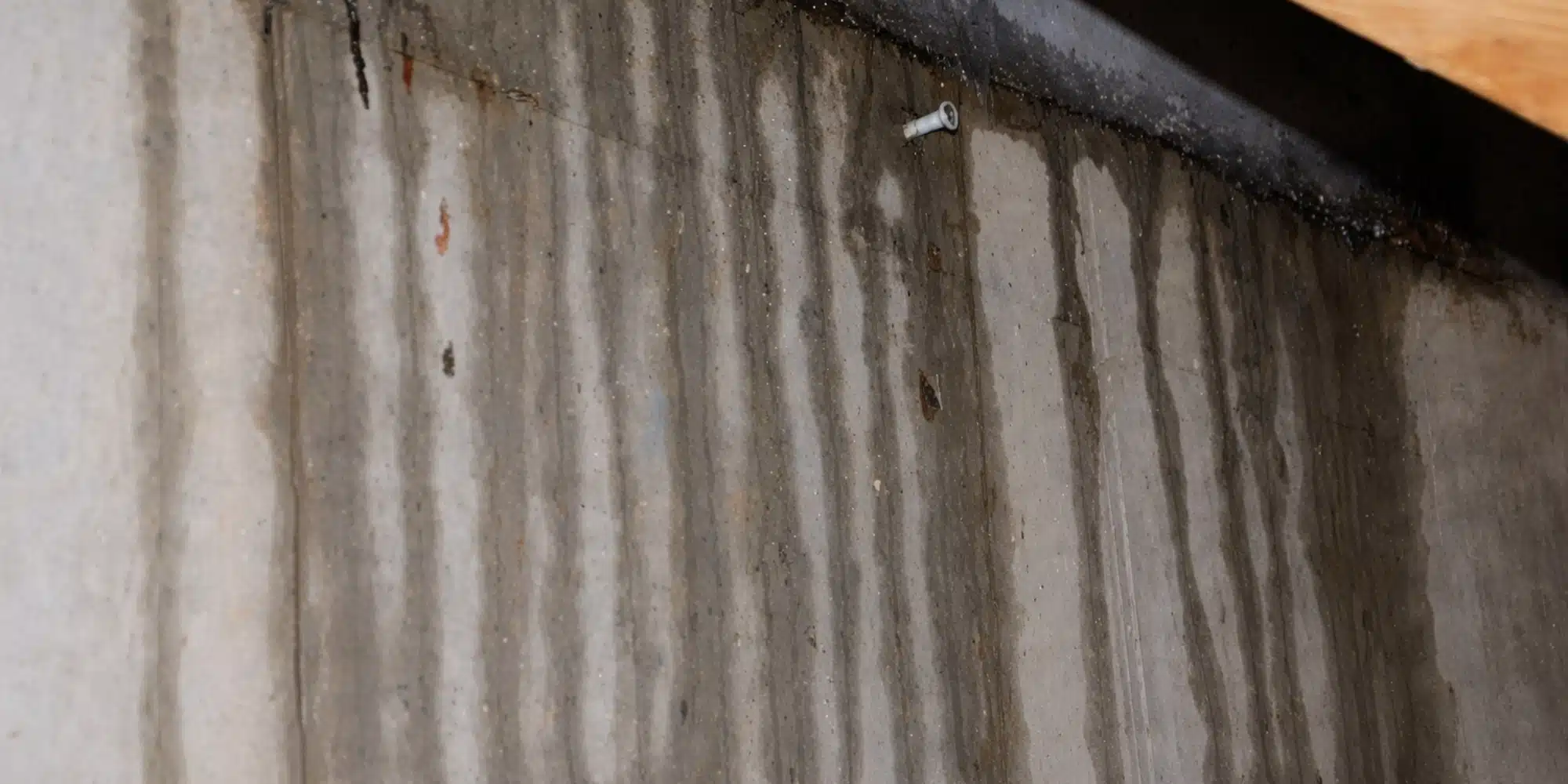
A foundation wall is designed to hold back the soil around your home, but the pressure against it can change over time. After heavy rain, water-soaked soil becomes heavier and can push harder against the wall, a force known as hydrostatic pressure. If that pressure continues, the wall may gradually move inward or bow.
Other conditions may also contribute to the problem:
- As tree roots expand near a foundation, they can push against the surrounding soil and place pressure on the wall.
- Clay-heavy soil can expand and shrink as moisture levels change, putting repeated pressure against the foundation.
- Older foundation walls may become more vulnerable over time if they have already shifted, settled, or developed damage.
A bowing wall often develops gradually rather than because of one sudden event. Changes in soil and moisture can continue putting pressure on the foundation for years before the movement becomes noticeable. Understanding what is causing that pressure can help determine whether wall anchors for bowing walls or another repair approach may be appropriate.
How Do Wall Anchors Stabilize a Bowing Wall?
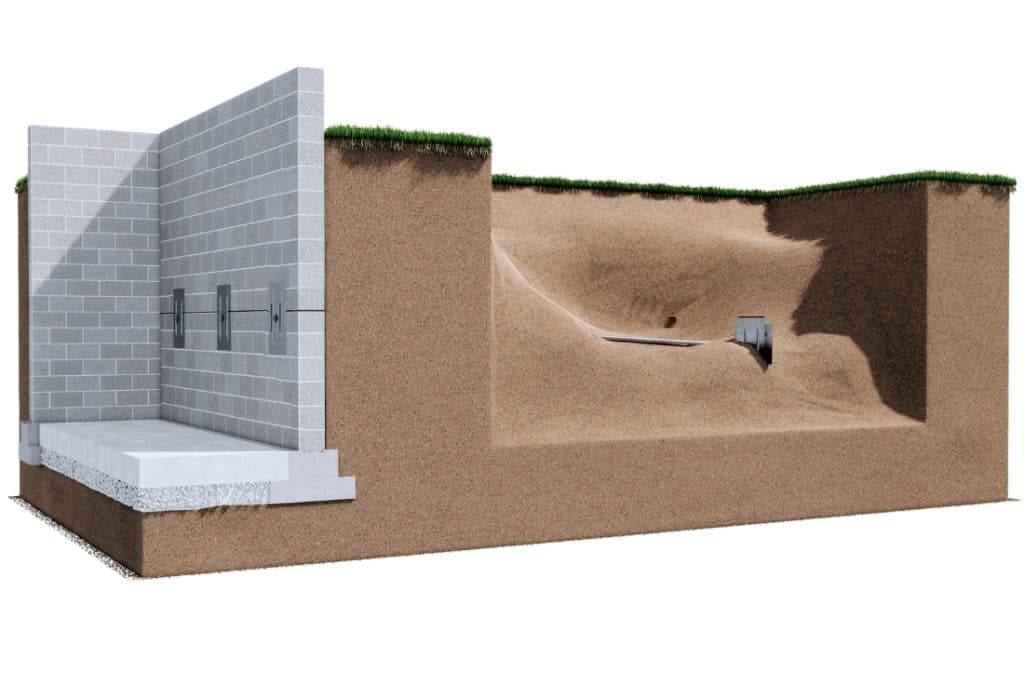
Wall anchors help stabilize a bowing foundation wall by providing resistance against the soil pressure that is pushing the wall inward. The system connects the affected wall to stable soil outside the home, giving the wall additional support against continued foundation movement.
As the anchor system is adjusted, it can place controlled pressure against the foundation wall and help counter the forces acting on it. The purpose is to stabilize the wall and prevent additional inward movement instead of simply covering the cracks or hiding the visible damage.
How well the system can stabilize the wall depends on its condition, the amount of movement, the surrounding soil, and other conditions around the home. Stabilization and straightening are not necessarily the same outcome.
When Might Wall Anchors Be Considered for a Bowing Wall?
A bowing wall does not automatically mean that wall anchors are the right repair. Whether this system is a good fit depends on different factors specific to the wall and the property:
- How far the wall has already moved out of position. A wall that has moved only a little may only need lighter reinforcement, while one that has moved a lot or shows damaged wall material may need a different repair.
- Whether the movement appears to be ongoing rather than something that happened once and stopped.
- The overall condition and construction of the foundation wall.
- Soil conditions and drainage around the home.
- Whether there’s enough exterior access for the anchor system’s excavation and installation, with minimal disruption to the property.
- The general condition of the foundation as a whole.
If your wall has been showing some of these signs, a licensed foundation contractor can walk through them with you and determine whether anchors are right for your specific situation, or whether a different repair method would serve the wall better.
Can Wall Anchors Stop a Foundation Wall From Moving Further?
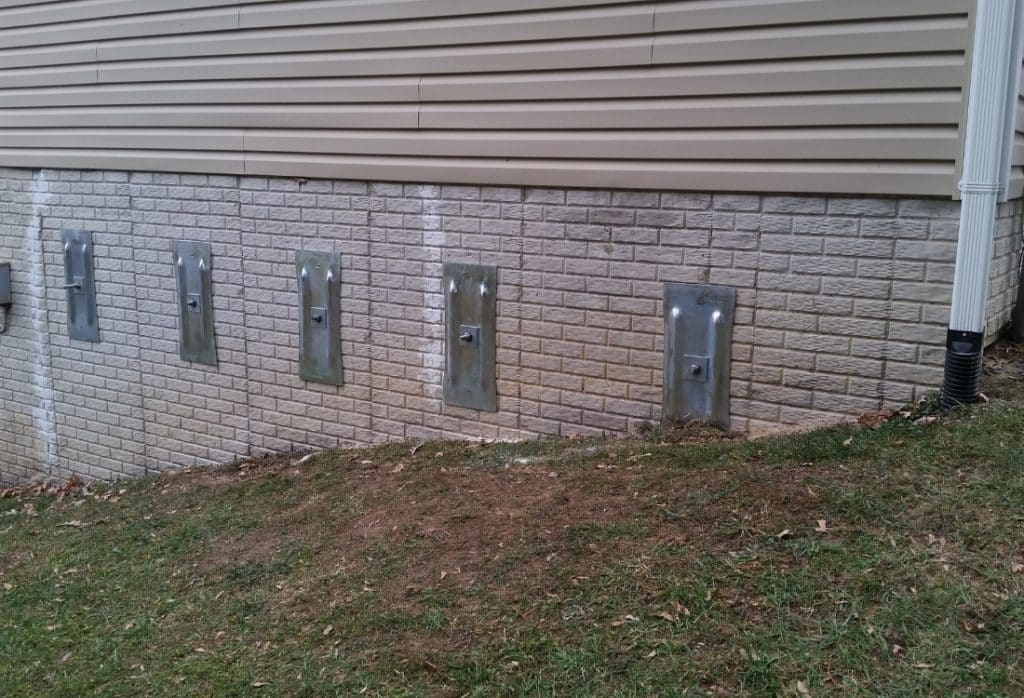
Wall anchors are intended to stabilize a wall against the lateral pressure pushing it inward, not to instantly reverse whatever deformation has already happened. Stabilizing the wall and moving it back toward its original position are two different outcomes, and they don’t always happen on the same timeline.
How much improvement is realistic depends on the extent of the existing damage and how long the wall has been under pressure. That’s why the condition of the wall needs to be evaluated first, before deciding what outcome to expect.
Wall Anchors vs. Other Bowing Wall Repair Methods
Wall anchors are one option for stabilizing a foundation wall that has moved inward, but they are not appropriate for every situation. Other repair methods may be considered depending on the wall’s condition, the amount of movement, and what is causing the problem.
Some repair approaches may be used to stabilize, support, or address different types of foundation wall movement, while others are better suited to different conditions. If you’re comparing possible approaches for a bowed foundation wall, this guide to bowed wall repair methods covers the wider range of options and when they may be considered.
When Should a Bowing Foundation Wall Be Professionally Evaluated?
A few signs point toward getting a bowed foundation wall looked at sooner rather than later:
- Movement that appears to be increasing rather than staying the same
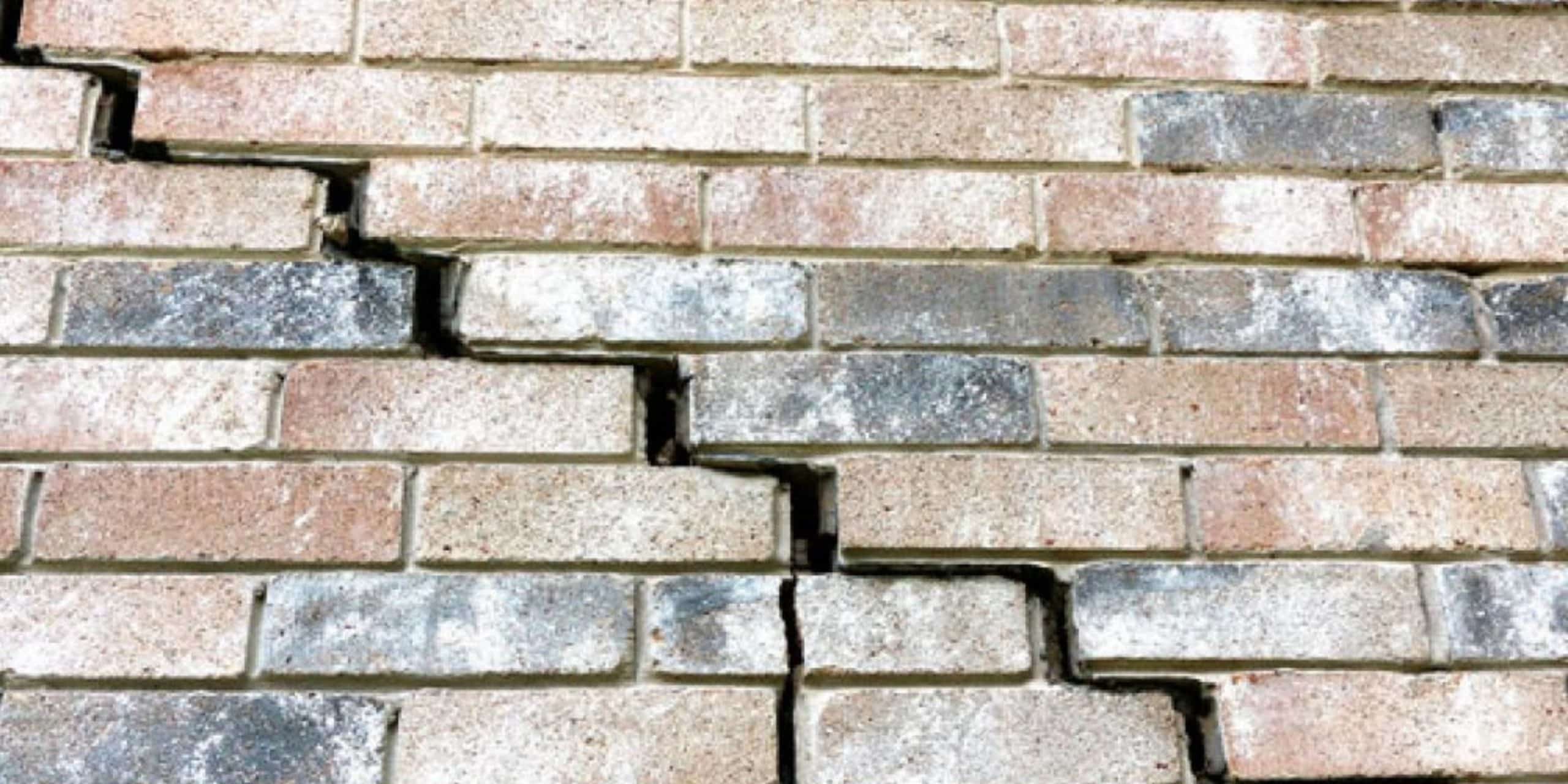
- New cracks forming, or existing cracks getting wider
- Bowing or leaning that’s noticeably more visible than before
- Any change in the wall’s condition over time
- General concern about the structural integrity of the wall.
If any of these sound familiar, a professional assessment can tell you how far the wall has moved and what that means for your home. You can learn more about what to watch for on our Bowing Foundation Wall Signs page.
Talk to a Foundation Specialist Before the Movement Gets Worse
A bowing foundation wall can have different causes, and wall anchors are not automatically the right solution for every situation. Understanding the condition of the wall and what is causing its movement is an important step before deciding how to protect your home’s structural integrity.
Schedule a free evaluation with our foundation experts to better understand what is happening with your foundation wall and determine whether wall anchors or another repair approach may be appropriate.
Frequently Asked Questions
How do I know if my wall needs anchors instead of another repair method?
The right method depends on how far the wall has moved, the pattern of cracking, and how much exterior space is available for the anchor plates. A professional evaluation is the most reliable way to find out which repair fits your wall.
Will wall anchors make my wall perfectly straight again?
Not always. Anchors are designed to stop further movement first. Some walls can straighten gradually as the system is adjusted, but full restoration isn’t guaranteed and depends on the extent of the existing bowing.
How long does it take to notice results after wall anchors are installed?
Stabilization typically happens as soon as the system is installed and tightened. Any gradual straightening, if it happens, tends to occur more slowly and varies from wall to wall.
Can I wait to fix a bowing wall if it’s not getting worse?
Even a wall that seems stable can be under ongoing pressure that isn’t visible yet. Getting it evaluated sooner rather than later helps catch changes early, before repair options become more limited.
Do wall anchors work on all types of foundation walls?
Not every wall is a good candidate. Wall condition, construction type, and the amount of existing damage all factor into whether anchor installation are suitable, which is something a contractor would assess on site.
How long do wall anchors last?
Wall anchors are designed to provide a long term solution for a foundation wall when properly selected and installed. Their performance can depend on the condition of the foundation, the surrounding soil, and other conditions affecting the wall. Regularly watching for changes in the wall can also help identify new movements or other concerns.