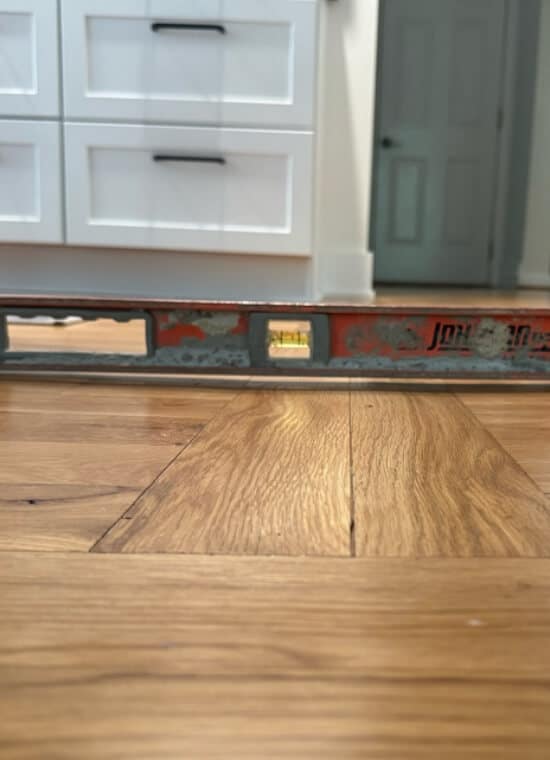
Sagging Floor Above Crawl Space
A sagging floor above a crawl space often develops when moisture, humidity, or weakened supports affect the structure below. Over time, floor joists and beams can lose strength, causing floors to dip, slope, or feel uneven throughout the home.
Sagging Floor Above Crawl Space Repair in Northern VA, Shenandoah Valley, North Central VA, and West VA
If you’re dealing with a sagging floor above a crawl space, the issue usually starts below the floor system, not on the surface. Floors depend on crawlspace supports, such as joists, beams, and piers, to remain level.
When moisture, humidity, or structural weakening occurs, the floor above can begin to dip, slope, or feel unstable. A sagging floor above a crawlspace is a sign that the support system underneath is no longer performing as it should.
Identifying crawlspace conditions early helps prevent added strain on the framing, subfloors, and the foundation. At LUX Foundation Solutions, we assess crawl space-related floor sagging to determine the cause and stabilize the floor properly.
Do These Floor Sagging Signs Seem Familiar?
The symptoms
A sagging floor above a crawl space often shows warning signs inside the home before the crawlspace itself is ever inspected. These changes usually develop gradually, which is why many homeowners don’t connect them to crawlspace conditions right away.
You may be dealing with crawlspace–related floor sagging if you notice:
- Floors that feel uneven, sloped, or dip in certain areas
- Cracks forming in walls or ceilings near doors, windows, or corners
- Doors or windows that begin sticking or no longer close properly
- Increased squeaking, creaking, or movement when walking
- Gaps appearing between the floor and baseboards or trim
- Higher indoor humidity levels or musty odors in the home
When these signs appear together, they often point to weakened support beneath the floor system. A sagging floor above a crawl space is rarely a surface-level issue and typically reflects moisture, support, or soil-related problems below the home.
If these conditions continue to worsen, having the crawl space evaluated can help identify what’s causing the floor movement and whether the issue is stable or progressing.

Uneven floors

Cracks in ceiling

Sticking doors

Squeaking floors

Gap in wall and floor

High humidity levels
What Causes Sagging Floors Above Crawl Space?
A sagging floor above a crawl space usually isn’t caused by one single issue. In most homes, it’s the result of moisture, support problems, or soil conditions that slowly weaken the structure beneath the floor system.
Soil Settlement Beneath Crawl Space Supports
When the soil beneath crawlspace piers or footings shifts, compresses, or erodes, the supports above can settle unevenly. As those supports move, the floor system loses level support, causing the floors above the crawlspace to sag.
Soil movement can be influenced by drainage issues, erosion, or changes in moisture levels around the foundation.
Moisture Damage in the Crawl Space
Excess moisture is one of the most common causes of sagging floors above crawl spaces. When humidity stays high or water enters the space, wooden floor joists and beams can absorb moisture over time. This leads to warping, softening, or gradual deterioration that reduces their ability to support the floor above.
Common moisture sources include poor drainage, plumbing leaks, high humidity, or inadequate vapor barriers.
Inadequate or Failing Floor Support
Crawlspace floors rely on properly sized and supported joists, beams, and piers. If supports are undersized, spaced too far apart, or have weakened with age, the floor system may begin to deflect. This often shows up as bounce, dips, or sagging in specific areas of the home.
Older homes and homes with long, unsupported spans are especially vulnerable.
Poor Ventilation and Stack Effect Moisture
Inadequate crawlspace ventilation can trap moist air beneath the home. Through the stack effect, warm, humid air rises and condenses on cooler structural components. Over time, this moisture exposure weakens wood framing and contributes to sagging floors above the crawl space.
Excessive Weight from Heavy Furniture or Appliances
Placing heavy furniture or appliances in concentrated areas of the home without proper weight distribution can strain the floor structure. The weight may exceed the load-bearing capacity of the subfloor and support structure, leading to structural damage and floor deformation.
Plumbing Leaks or Saturated Subfloor Areas
Leaking pipes in the crawlspace can slowly saturate subflooring, joists, and beams. Even small leaks can weaken wood over time, especially when combined with high humidity. Floors above leak-prone areas may sag or feel soft long before visible damage is noticed.
At LUX Foundation Solutions, we use state-of-the-art techniques and technology to repair and stabilize floor sagging in your home. We provide a free estimate and consultation to help you make an informed decision about which solution is right for your home.
Our Proven Unlevel Floor Repair Solutions
When a sagging floor above a crawl space develops, the solution depends on what’s happening beneath the floor system. A proper repair focuses on correcting the underlying crawlspace condition rather than masking the surface issue.
Below are the most effective solutions our LUX experts use to restore stability and long-term support.
When a sagging floor joist results from crawl space deterioration, professional reinforcement is often required to restore proper support. Experts at LUX addressed this by installing a new joist alongside the existing one to strengthen the floor system.
This method improves stability without removing the original joist and is commonly used when moisture, age, or load issues have weakened the framing. Because proper alignment and load distribution are critical, floor joist sistering should be handled by experienced crawlspace repair professionals.
If a sagging floor above a crawl space is caused by a damaged or undersized beam, our experts recommend replacing the main beam. This repair involves temporarily supporting the structure, removing the compromised beam, and installing a properly sized replacement to restore support.
Homes in Northern Virginia and surrounding areas often require this approach when long-term moisture exposure or settlement has affected crawlspace beams. Our professional evaluation helps determine whether beam replacement is needed and ensures the repair is done safely and correctly.
High humidity is a common contributor to sagging floors above crawl spaces, especially in Virginia’s climate. One effective way to control moisture is to install a crawl space dehumidifier, which helps maintain consistent humidityand protects wood framing from deterioration.
Dehumidification is most effective when combined with proper crawlspace sealing, drainage improvements, and ventilation adjustments. A crawlspace specialist can evaluate conditions under your home and recommend a moisture control plan tailored to your specific property.
LUX Foundation Solutions Can Help Resolve Your Crawl Space Problems Now
Don’t let a sagging floor above a crawl space wreak havoc on your home’s structural integrity. Take action to resolve these problems.
LUX Foundation Solutions offers professional crawl space repair to protect your home in Northern VA, North Central Virginia, the Shenandoah Valley, or West Virginia. Our team will evaluate your situation and provide effective strategies to resolve these issues.
Contact us now at 540-508-8587 or complete our online estimate request form to book your free on-site estimate and receive professional guidance for an effective solution.
Request a free Estimate
FAQ's
Yes, they can be a serious problem. This issue may indicate an underlying problem with your home’s foundation, such as rotting or damaged floor joists. It’s important to address this issue promptly to prevent further damage to your home.
A professional crawl space evaluation helps determine whether the condition is stable or continuing to worsen.
If your floor feels uneven, bouncy, or sloped and the affected area sits above a crawl space, the cause is often below the floor system. In Northern Virginia, common signs include sticking doors, cracks near floor lines, or visible sagging in the crawlspace joists.
A professional crawl space evaluation can confirm whether moisture or support issues are contributing to the problem.

Preventing a sagging floor above a crawl space usually starts with controlling moisture and maintaining proper structural support. This may include managing crawlspace humidity, improving drainage, addressing leaks, and reinforcing floor joists or beams when needed.
In Northern Virginia homes, regular crawl space checks are especially important due to seasonal moisture changes.
Fixing a sagging floor above a crawl space starts with identifying what’s failing below the floor system, such as weakened joists, moisture damage, or inadequate support. A professional crawl space evaluation helps determine whether reinforcement, moisture control, or structural stabilization is needed before any corrective work is considered.