Published: March 29, 2021 • Updated: January 6, 2026
How much harm can a few mice in a crawl space do?
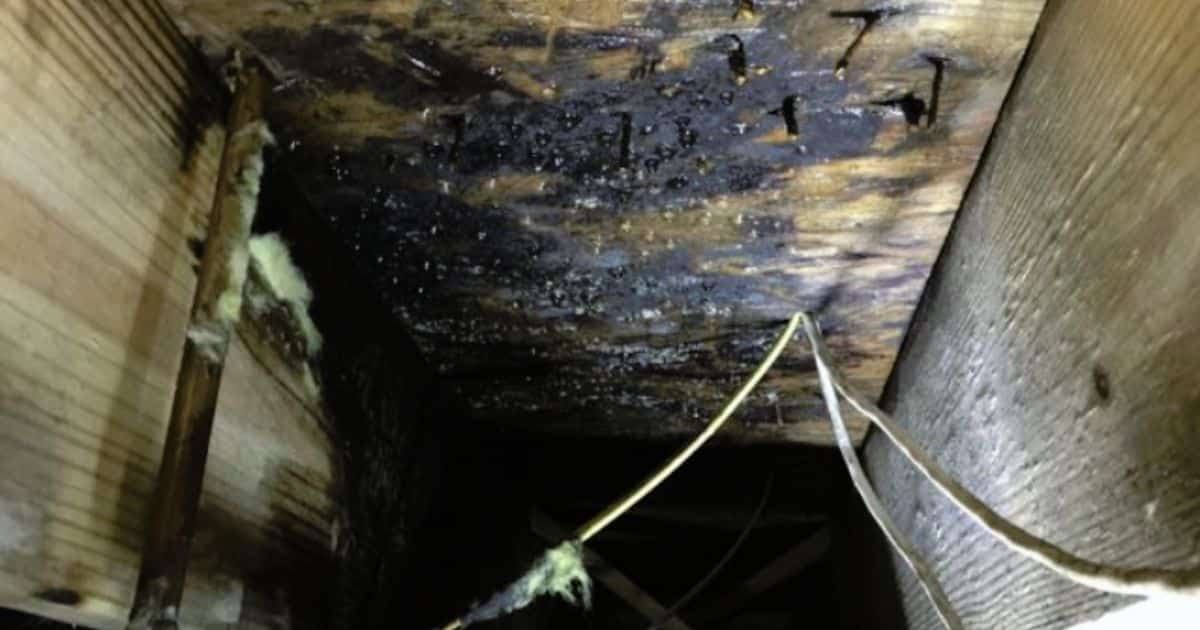
A mouse in your home may seem harmless, but small rodents can quickly turn into a serious problem. Mice multiply fast, and crawl spaces offer the warmth, shelter, and moisture they need to nest and spread. Once inside, they can damage insulation, contaminate surfaces with droppings, and pose health risks to your home.
This guide explains why mice in a crawl space are a serious issue, how to keep mice out of a crawl space, and what you can do to prevent an infestation before it gets worse.
The Signs of Mice in a Crawl Space
Seeing a mouse inside your home is often the most obvious warning sign, but they usually leave behind other clues first. Catching these signs early can help prevent a small issue from turning into a full infestation.
Common signs of mice in a crawl space include:
- Scratching or squeaking noises coming from floors or walls.
- Mouse droppings or strong urine odors.
- Chewed food packaging, insulation, or wiring.
- Holes or gaps near floors, walls, or crawl space openings.
- Nesting materials such as shredded insulation, paper, or fabric.
- Persistent crawl space odors that were not previously present.

Observing one or more of these signs typically indicates that mice in the crawl space under the house are already active. Acting quickly is essential, as mice reproduce fast and can cause damage and health risks if the problem is left unaddressed.
Why Mice in Crawl Space Are a Serious Problem
Mice bring their own built-in issues to a crawl space, but they can also open your property up to wider damage. They are difficult to keep out when they want in. When they do get in, they cause problems such as:
Mouse Infestations
One sighting is usually a sign of many others. Mice create nests that can contain anywhere from 12 to 24 occupants, allowing infestations to grow quickly if left unaddressed.
Transmitting Deadly Diseases
Mice in the crawl space under the house can carry several diseases transmitted by air or contact, including, but not limited to, leptospirosis, hantavirus, salmonellosis, and bubonic plague. These infections can do everything from exacerbating existing conditions like eczema and asthma to attacking major organs like the heart and kidneys. Mice also contaminate human food sources with diseases while searching for their own share.
Damage From Chewing
The constant gnawing of mice inside a crawl space can compromise electrical wiring, damage insulation, and compromise moisture barriers. Even durable materials such as plastics, aluminum, wood, and soft concrete can suffer damage over time, increasing fire risk and repair costs.
Bringing Other Pests
Mice in crawl space under house often introduce additional pests, such as fleas and ticks, which can further impact indoor air quality and occupant health.
Understanding these risks helps homeowners recognize why mice in a crawl space should never be ignored and why early prevention is critical.
How Mice Get Into Crawl Spaces
Mice don’t need much space to get inside a crawl space. In fact, they can squeeze through openings as small as a quarter of an inch. Understanding how mice enter your crawl space is key to stopping infestations before they start.
Common entry points include:
- Gaps around pipes, vents, and utility lines
Small openings where plumbing, HVAC, or electrical lines pass through the foundation are one of the most common access points. - Foundation cracks and crawl space doors
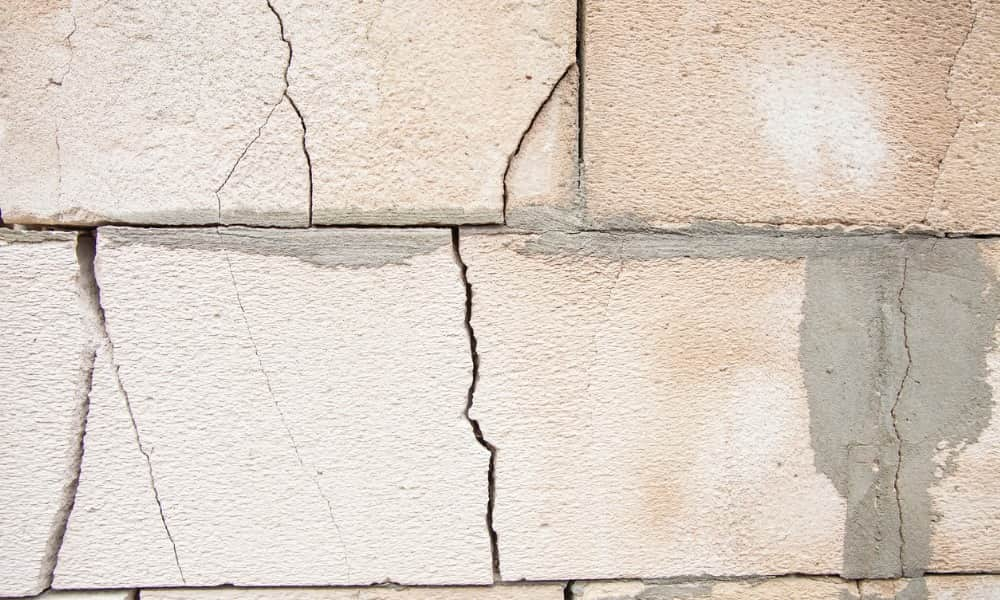
Even minor cracks in foundation walls or poorly sealed crawl space doors can give mice an easy way in. - Damaged vent screens and openings
Torn or missing vent screens allow rodents to enter freely while searching for shelter. - Exterior landscaping and access points
Overgrown bushes, wood piles, or debris near the home can hide entry points and act as bridges into the crawl space.
Because crawl space mice are persistent and resourceful, sealing just one opening is not enough. A thorough inspection and proper sealing strategy are essential for long-term prevention.
How to Keep Mice Out of Your Crawl Space and Prevent them From Returning
Keeping mice out of a crawl space comes down to removing what attracts them and blocking every possible entry point. While short-term fixes may reduce activity, long-term prevention requires addressing the conditions that allow rodents to return.
The following best practices explain how to get rid of mice in a crawl space and prevent future infestations.
1. Seal Entry Points with Mesh and Foam
Even small gaps can let mice in. Any openings around pipes, vents, or foundation walls should be sealed using steel wool, copper mesh, or silicone caulk. Because mice can squeeze through extremely small spaces, thorough sealing is critical.
2. Remove Debris and Nesting Materials
Loose insulation, paper, fabric, wood chips, and stored boxes provide ideal nesting material. Clearing debris not only removes shelter for mice but also improves crawl space hygiene and visibility during inspections.
3. Install Lighting or Deterrents
Mice prefer dark, undisturbed spaces. Adding lighting, including motion-activated or strobe-style lights, can discourage activity and make the crawl space less appealing.
4. Set Traps Along Known Mouse Pathways
Placing traps along areas where droppings or rub marks are visible can help control an active problem. Traps should be checked regularly and handled carefully to avoid health risks.
5. Inspect the Home Exterior Regularly
Overgrown vegetation, wood piles, and exterior clutter near the foundation can give mice easy access. Keeping the exterior clear and checking for new gaps or damage helps prevent reinfestation.
6. Eliminate and Control Moisture to Stop Repeat Infestations
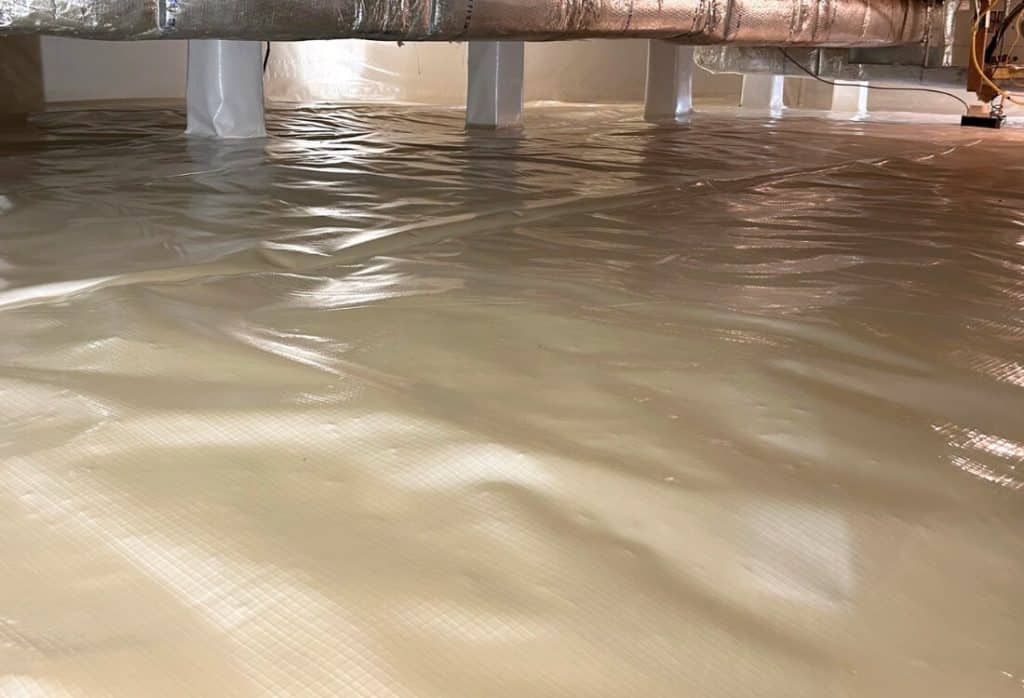
Mice in crawl space are drawn to moisture because it provides water, warmth, and nesting conditions. Even well-sealed entry points may not stop infestations if damp conditions remain.Solutions such as crawl space encapsulation and dehumidifiers for humidity control remove the moisture rodents depend on. Keeping the crawl space dry helps prevent mice from returning while also protecting insulation, indoor air quality, and long-term structural health.
When DIY Mouse Removal Can Become Risky
DIY mouse-proofing can be effective in some instances, but it can expose you to other dangers. Consider the following carefully before tackling the job yourself:
- Bite and injury risks from entering a crawl space with active mice.
- Disease exposure from droppings and urine, including airborne contaminants.
- Unsafe cleanup methods, such as sweeping or vacuuming contaminated areas, can spread particles into the air.
- Mold, electrical, and confined-space hazards commonly found in crawl spaces.
Rodent droppings and urine can carry harmful pathogens, and the Centers for Disease Control and Prevention outlines specific safety and cleanup steps to reduce exposure. In a confined crawl space, following these steps correctly can be challenging, which is why recurring infestations or health-related concerns are often handled more effectively through professional crawl space repair services.
Let LUX Protect Your Crawl Space From Mice
If you’re dealing with mice in your crawl space or want to prevent future infestations, a professional inspection can help identify entry points, moisture issues, and hidden damage before the problem escalates.
LUX Foundation Solutions provides crawl space evaluations, sealing solutions, and moisture control services designed for long-term protection, not temporary fixes. Our team helps homeowners across Northern Virginia and surrounding areas create cleaner, drier, and healthier crawl spaces.Contact us today to schedule your free crawl space evaluation and get peace of mind.
Commonly Asked Questions
How do I get rid of mice in my crawl space?
Getting rid of mice in a crawl space starts with sealing entry points, removing food and nesting materials, and addressing moisture issues. Traps can help control active mice, but long-term solutions focus on blocking access and making the crawl space less hospitable. For persistent problems, professional crawl space services and pest control services may be needed.
How to prevent mice in a crawl space
A permanent mice prevention in the crawl space requires sealing entry points around pipes, vents, and foundations, removing food and nesting materials, and controlling moisture. Long-term solutions such as crawl space sealing, encapsulation, and humidity control help eliminate conditions that attract rodents and reduce the risk of recurring infestations.
Can mice damage a crawl space?
Yes. Mice can chew electrical wiring, damage insulation and vapor barriers, contaminate surfaces with droppings and urine, and introduce other pests. Over time, this damage can contribute to moisture problems and reduced indoor air quality.
Should I hire a professional for mice in my crawl space?
Professional help is recommended when infestations continue despite DIY efforts, when health risks are present, or when crawl space damage is suspected. Specialists can identify hidden entry points, address moisture issues, and provide long-term prevention solutions.