Peeling Paint or Bubbling Drywall on Basement Walls
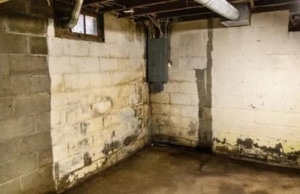
Peeling paint or bubbling drywall on basement walls is usually a sign of moisture problems behind the surface. Even if your basement feels dry, hidden water intrusion or high humidity can cause paint bubbling and peeling off walls over time.
Peeling Paint or Bubbling Drywall Solution in Northern Virginia, Shenandoah Valley, North Central Virginia, and West Virginia
Is the paint or drywall in your basement peeling?
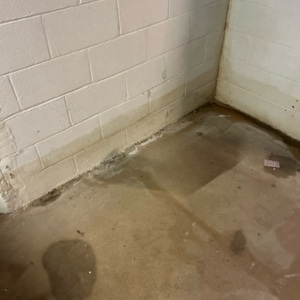
Peeling paint and bubbling drywall are clear indicators of water intrusion in your basement. These issues are more than just cosmetic; they point to underlying water problems that require immediate attention. When moisture seeps into the foundation, it can lead to paint damage and drywall bubbling, jeopardizing your home’s structural integrity.
At LUX Foundation Solutions, we understand the urgency to resolve these issues. Our experts offer free assessments and tailored solutions to address the root causes of peeling paint or bubbling drywall and effectively combat water problems.
Common Signs That Moisture Is Causing Peeling Paint
The symptoms
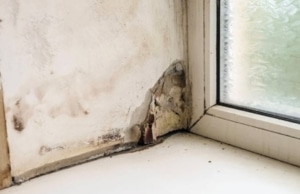
Are you noticing unusual changes in your basement walls? Peeling or bubbling paint is an indicator of water infiltrating your finished living space. These issues are often overlooked but are crucial warnings that shouldn’t be ignored.
Take note of these common signs of paint peeling off basement walls:
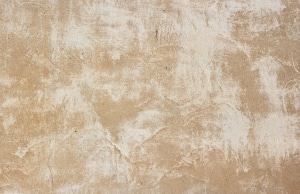
- Flaking or bubbling paint on the basement wall.
- Visible cracks or gaps between the wallpaper and the surface.
- Paint is peeling off the walls in patches or sheets.
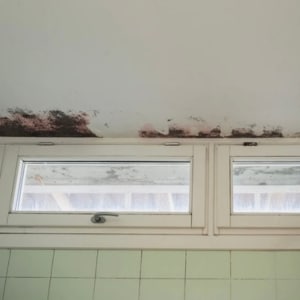
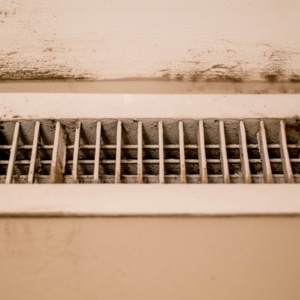
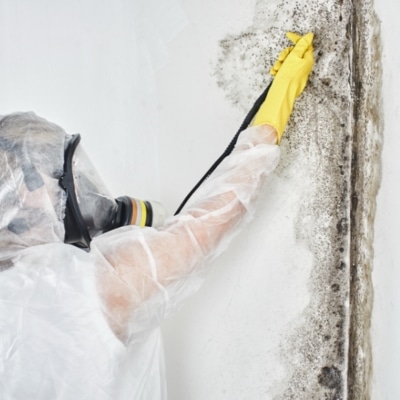
- Mold or mildew growth behind the peeling paint or wallpaper.
- Musty basement odors even when the walls feel dry.
- Discoloration or damp spots on walls.

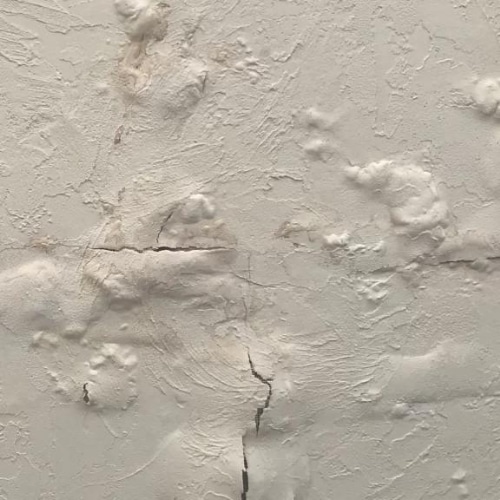
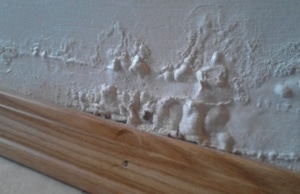
Flaking / Bubbling Paint

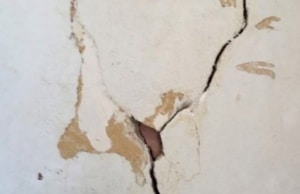
Visible cracks or gaps between wallpaper and surface

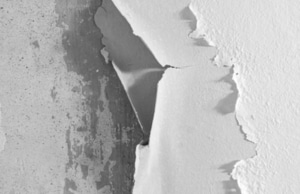
Paint peeling off walls in patches or sheets

Mold or mildew behind peeling paint or wallpaper

Musty Smell

Wall Discoloration
What Causes Paint to Bubble or Peel on a Basement Wall?
Several factors can cause paint bubbling on the basement wall. Understanding the causes can help you address the underlying issues effectively. Here are some common reasons:
Moisture and Humidity
High moisture and humidity levels can cause paint peeling from the wall surface and drywall to bubble. Excess moisture in the air can seep into walls and ceilings, causing paint to lose adhesion to the surface and bubble or peel. This is because water weakens the bond between the paint and drywall, causing them to separate from the wall.
Water Behind Paint on Basement Walls
Undetected or unresolved water leaks can cause moisture to accumulate within the walls. These leaks can be slow, causing gradual damage over time. Or they can be sudden, such as a burst pipe, which can cause extensive damage to your walls and ceilings.
This moisture can weaken the bond between the paint and the surface, causing the paint to peel off the wall over time. Water leaks can also affect the integrity of drywall, causing it to swell and bubble.
Poor Surface Preparation
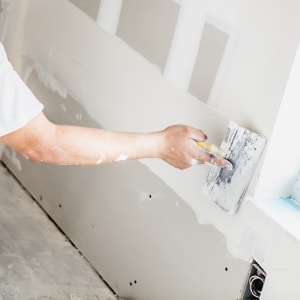
Inadequate preparation of the surface before painting can lead to poor adhesion. If the surface is not properly cleaned, sanded, and primed, the paint or wallpaper will not adhere correctly, resulting in peeling or bubbling. The same goes for poor application techniques.
It’s important to ensure the surface is clean, dry, and primed adequately before applying paint.
Inadequate Ventilation
Inadequate room ventilation can contribute to moisture buildup, especially in areas with high humidity, such as basements. Without proper ventilation, the air becomes stagnant and humid, making it difficult for any moisture to evaporate. It can get trapped behind the paint and drywall, causing them to deteriorate and peel.
Our Solutions
Peeling paint on walls is not the problem itself. It’s a visible sign that moisture is affecting your basement walls. To permanently prevent paint from peeling off the wall, the source of moisture must be corrected.
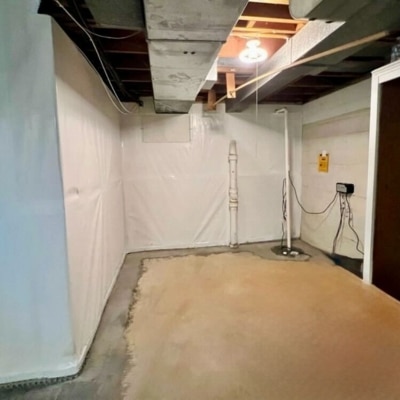
Interior basement waterproofing can prevent paint from peeling on your walls due to moisture seepage. When water seeps through your basement walls or floor, it can cause damage to the paint on your walls.
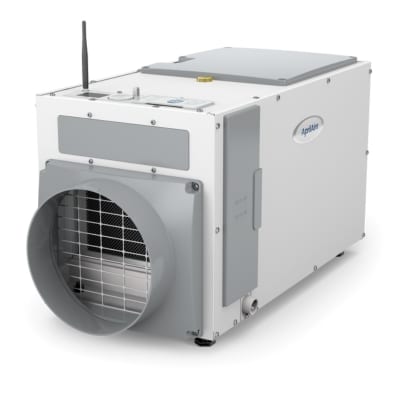
With an interior waterproofing system, a sub-floor drain collects seepage and directs it to a sump pump, which expels it outside your home via a discharge line and outlet. This means your walls will be protected from moisture, and your paint won’t peel. It’s an effective way to protect your basement from water damage and ensure it stays dry. Additionally, adding a dehumidifier helps control indoor humidity.
Yes, there are health risks associated with water-damaged drywall, including the potential growth of mold. Mold can cause a range of health issues, including respiratory problems and allergies.
To remove mold from water-damaged drywall, professional mold remediation is recommended. This process involves identifying and addressing the source of the moisture, containing the affected areas, removing damaged materials, and thoroughly cleaning and sanitizing the space to prevent further mold growth.
Improving ventilation and installing a dehumidifier can help prevent future mold growth by reducing humidity. It’s essential to address water damage and mold issues promptly to protect your health and prevent further damage to your property.

Contact Us For Expert Basement Waterproofing in Northern Virginia, Shenandoah Valley, North Central Virginia, and West Virginia
If you notice peeling paint or bubbling drywall on your basement wall, a professional assessment can determine whether moisture, mold, or water intrusion is the cause.
Protect and restore the aesthetics and functionality of your basement. Contact LUX Foundation Solutions today at 540-508-8982 or fill out our online estimate request form to schedule a free, on-site basement estimate and get expert advice on addressing the issues effectively.
We offer interior basement waterproofing services in Northern Virginia, Shenandoah Valley, North Central Virginia, West Virginia, and nearby areas.
Request a free Estimate
Peeling Paint or Bubbling Drywall FAQs
Yes. Peeling paint or bubbling drywall usually means moisture is trapped behind the wall. If not addressed, this can lead to mold growth, structural damage, and ongoing water intrusion.
Therefore, it’s essential to investigate the root cause of the problem and address it promptly to avoid further damage. A professional assessment from LUX experts can help diagnose the issue and provide permanent solutions to prevent it from happening again.
You can repair the surface temporarily, but DIY fixes rarely solve the underlying issue. Peeling paint and bubbling drywall are commonly caused by moisture seepage, humidity, or hidden leaks. A professional assessment is recommended to identify the moisture source and prevent repeat damage.
Permanent prevention requires moisture control. Interior basement waterproofing, improved drainage, ventilation, and dehumidification stop water from reaching walls and damaging paint.
Not always, but it can. Moisture behind paint that is crumbling off the wall creates conditions that allow mold to grow. A professional assessment can confirm whether mold behind paint on the wall is present and whether remediation is needed.
Moisture-damaged walls can support mold growth, which may affect indoor air quality. Mold exposure can trigger respiratory issues, allergies, and asthma symptoms, especially for people with existing sensitivities.
It is essential to address these issues as soon as possible to prevent potential health risks and ensure a safe living environment for your family and home. Experts at LUX can help you identify the root cause and provide necessary solutions.