Damp Crawl Space
A damp crawl space is more than a minor moisture issue. Persistent moisture beneath your home can affect air quality, structural components, and overall comfort. Identifying the warning signs early helps prevent long-term damage and ensures that the underlying moisture is properly evaluated before conditions worsen.
What is a Damp Crawl Space and Why Should It Not Be Ignored?
A damp crawl space is a condition beneath your home where persistent moisture or elevated humidity persists. This condition may not always involve standing water, but excess moisture can still impact insulation, wooden beams, subflooring, and air quality. Over time, prolonged dampness can encourage mold growth, wood rot, and structural weakening.
In regions like Northern Virginia, seasonal humidity and ground moisture make crawl spaces particularly vulnerable to moisture. Identifying moisture early allows homeowners to address it before it becomes a more serious structural concern. A professional evaluation can help determine the next appropriate steps.
Common Signs of a Damp Crawl Space
Moisture beneath your home doesn’t always appear as standing water. A damp crawl space may show subtle warning signs before more serious damage develops. Recognizing these early indicators can help prevent long-term structural deterioration.
If you’ve noticed any of the following conditions, your crawl space may be experiencing excess moisture:
- Visible moisture or damp soil in the crawl space.
- Persistent musty or earthy odors inside the home.
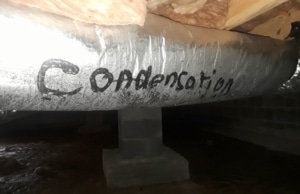
- High humidity levels and condensation on surfaces.
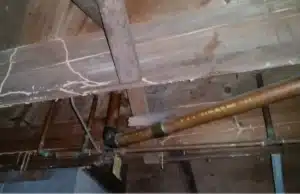
- Corrosion on metal fixtures or pipes.
- Warping, buckling, or soft spots in the flooring above.
- Pest infestations attracted by moisture.
These signs indicate an unhealthy crawl space environment that should not be ignored, as they can lead to severe structural damage and health issues if left unattended.

Standing Water

Musty Smells

Condensation

Corrosion on Pipes

Warping Wood

Pest Infestation
What Causes a Damp Crawl Space?
A damp crawl space usually develops due to ongoing moisture exposure beneath the home. While a full inspection is needed to confirm the source, these are some common contributing factors in Northern Virginia homes.
Soil Moisture and Rising Groundwater
Naturally high soil moisture can increase humidity in the dirt-floor spaces. When the surrounding soil becomes saturated, water vapor rises into the crawl space, creating persistent damp conditions. Without proper moisture control, this elevated humidity can gradually affect insulation, wood framing, and overall indoor air quality.
Open Crawl Space Vents
In humid climates, open crawl space vents can allow moist outside air to enter and condense on cooler surfaces. This trapped humidity may gradually increase moisture levels beneath the home, contributing to ongoing dampness and poor indoor air quality.
Heavy Rainfall
Extended or intense storms can increase ground saturation around your home, allowing moisture to enter the crawlspace through vulnerable areas. If dampness appears primarily after heavy rainfall, surface drainage may be contributing.
Exterior Drainage Problems
Improper grading, short downspouts, or clogged drainage may allow rainwater to collect around the foundation. When runoff is not safely directed away from the structure, it can seep into the soil surrounding the crawl space. This repeated exposure gradually increases moisture levels beneath the home and contributes to damp conditions
Plumbing Leaks
Small plumbing leaks or condensation from HVAC components within the crawl space can introduce continuous moisture into the area. Even minor leaks can cause elevated humidity if left undetected, contributing to damp conditions beneath the home.
Poor Vapor Barrier Installation
A vapor barrier that is torn, improperly sealed, or deteriorated may allow ground moisture to rise into the crawl space. Over time, compromised protection can contribute to ongoing dampness and increased humidity beneath the home.
Want a deeper breakdown of these causes and how the issue is addressed? Read our full blog on what causes water in a crawl space.
Our Proven Damp Crawl Space Solutions
A damp crawl space should be evaluated based on the source of moisture, as each requires different corrective approaches. Addressing the root cause is more effective than treating the surface symptoms alone.
At LUX Foundation Solutions, we provide professional crawl space moisture control solutions throughout Northern Virginia. After a full evaluation, we recommend the appropriate system based on your home’s conditions.
If dampness increases after storms, the issue may be related to exterior drainage. Redirecting water away from the crawlspace foundation can help reduce moisture exposure beneath the home.
Solutions may include downspout extensions or landscape drainage systems designed to limit water accumulation ear crawl space
Long-term moisture control may involve sealing the crawlspace environment and managing humidity levels. Depending on the situation, solutions such as encapsulation, interior drainage, or controlled dehumidification may be recommended to maintain a dry and stable space
Schedule Your Free Damp Crawl Space Repair Estimate Today!
If you’re noticing persistent moisture or other signs of damp crawl space beneath your home, it’s important to identify the source before the problem worsens.
LUX Foundation Solutions provides crawlspace repair services throughout Northern Virginia, Shenandoah Valley, North Central Virginia, West Virginia, and the surrounding area. Our team assesses the crawl space condition, determines the moisture source, and recommends the most appropriate long-term solution based on your home’s condition.
Get peace of mind and a dry, healthy, energy-efficient home.
Call us at 540-508-8587 or complete our online form to schedule your free crawlspace estimate today.
Request a free Estimate
FAQ’s About Damp Crawl Space
No, while minor seasonal humidity can occur, persistent dampness is not normal. Ongoing moisture usually indicates drainage issues, groundwater pressure, ventilation problems, or plumbing leaks. If moisture levels are high, they should be evaluated to prevent structural deterioration and indoor air quality concerns.

A crawl space may remain damp due to poor exterior drainage, high groundwater levels, open vents, plumbing leaks, or insufficient vapor barriers. Identifying the specific moisture source is essential before selecting a long-term solution.
Yes. Moisture beneath the home can increase indoor humidity, contribute to mold growth, and weaken structural wood components. Over time, this may impact flooring stability and overall air quality inside the living space.
Not always. The appropriate solution depends on the cause of moisture. Some cases require drainage corrections, while others may benefit from sealing and humidity control measures. A proper evaluation determines which approach is necessary.
If you notice persistent moisture, musty odors, visible mold, standing water, or soft flooring above the crawl space, a professional inspection is recommended. Early evaluation helps prevent more extensive structural or moisture-related damage.