Written By Bridget Stieb, Director of Marketing at LUX Foundation Solutions • Reviewed by LUX’s foundation repair specialists serving Northern Virginia & Florida
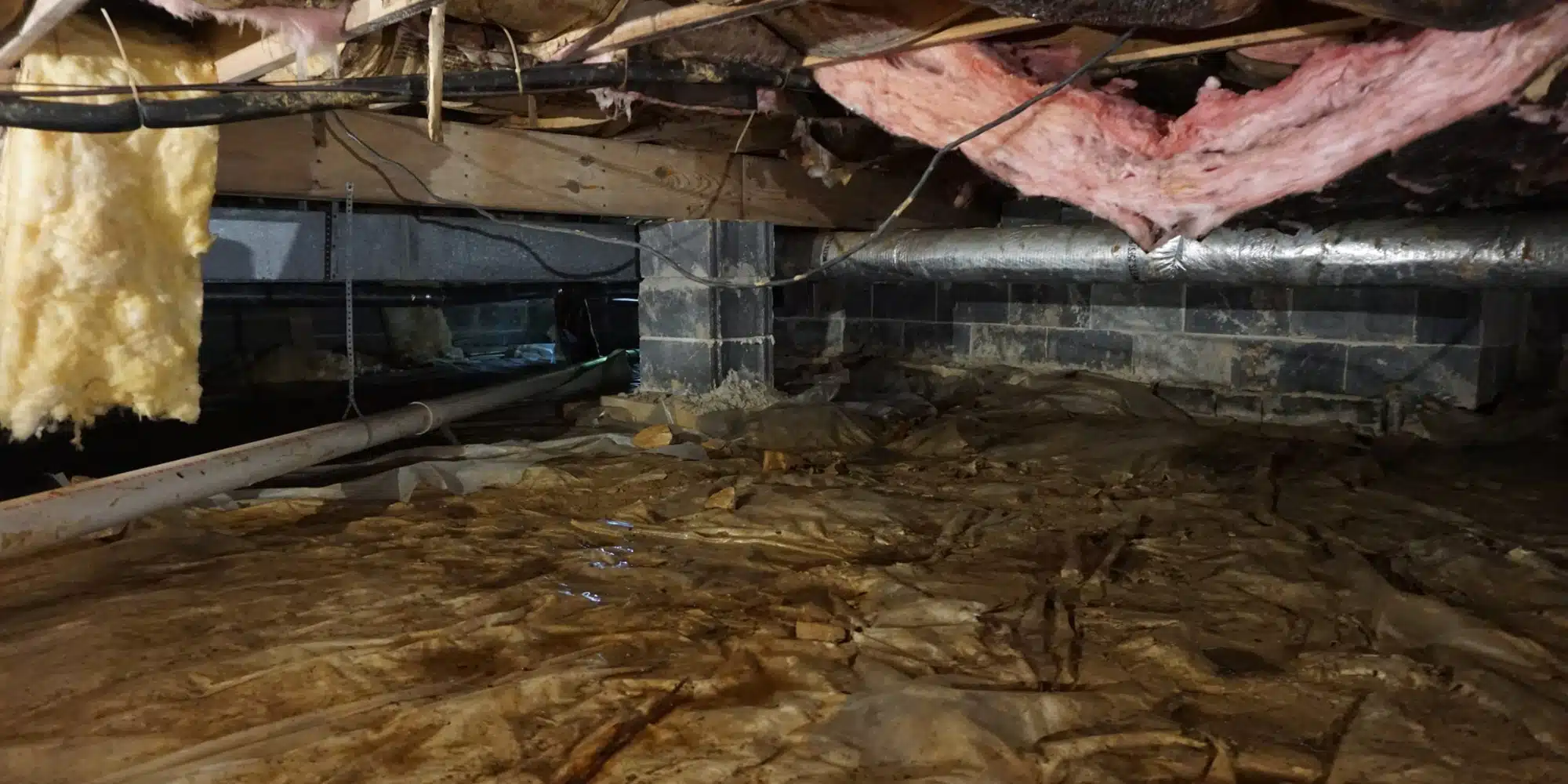
You’ve found rot in a beam, floor joist, or other structural wood, often in an area such as the crawl space, and now you’re facing the real question: can the damaged wood be repaired, or does it need to be replaced?
The answer depends on more than how damaged the wood appears. The extent of the deterioration, how much structural strength remains, and whether the moisture problem is still active can all affect the appropriate repair.
Store-bought fillers and hardeners may improve surface-level damage, but they do not restore lost structural strength or address the conditions that caused the wood to deteriorate. This guide explains when you can repair structural wood rot, when replacement may be necessary, and which repair options may be appropriate.
Key Takeaways
- Whether rotted wood repair is possible depends on how much is affected, whether it’s still load-bearing sound, and how long the moisture source has been active.
- Wood rot that has spread through a beam or joist’s full thickness, across multiple structural elements, or into advanced fungal decay usually needs replacement, not repair.
- Sistering, main beam replacement, and support post installation are the most common repair methods, which one applies depends on the specific damage.
- Repairing or replacing rotted wood without addressing the moisture source causing it is a temporary fix at best.
- Wood hardeners, fillers, and preservatives slow future decay but don’t reverse the strength you’ve already lost, and do nothing about the moisture still causing it.
- A professional evaluation is the only reliable way to confirm the extent of the damage to affected wood components and whether repair or replacement is the right call for restoring structural stability.
When Wood Rot Can Be Repaired

Not all wood rot in crawl space means starting over. Whether a piece of structural wood can be repaired usually comes down to three things:
How much of the wood is affected.
Surface-level or shallow rot, damage that hasn’t compromised the wood’s core strength, can often be treated in place. Once decay has spread through the full thickness of a beam or joist, repair options narrow quickly.
Whether the wood is still load-bearing and structurally sound.
A piece of structural wood can look rotted on the outside while still carrying weight safely, or look fine on the surface while its actual load-bearing capacity is already compromised. A visual check alone isn’t enough to make that call.
How long the moisture source has been active.
Wood rot caught early, before it’s had months or years to spread, has a much better chance of being addressed with reinforcement rather than replacement. When these factors line up, a professional can often succeed at repairing rotted wood instead of removing it entirely.
When Should Rotted Wood Be Replaced

Some wood rot passes the point where repair is realistic, and the only option left is to replace damaged wood rather than reinforce it. Replacement usually becomes necessary when:
The rot has spread through the wood’s full cross-section.
Once decay has eaten through the depth of a beam or joist, there’s no longer enough sound wood left to reinforce or treat.
Multiple connected pieces are affected.
Rot rarely stays isolated to one board. When it spreads across several connected structural members, a targeted repair can leave weak points the rest of the repair doesn’t address.
The wood shows signs of advanced fungal decay.
Whether it’s described as wet rot or dry rot, brown rot in particular causes cracking and breaks wood down to a dry, crumbling state that can’t hold fasteners or bear load. At that stage, treatment doesn’t restore structural strength; it only slows further decay.
Replacement isn’t automatically a bigger job. Depending on where the affected wood is located, it can be a contained repair, removing and rebuilding the damaged section, rather than a full structural overhaul.
Repair Options for Damaged Structural Wood

When repair is the right call, wood rot repair typically follows one of a few methods for treating affected wood pieces, depending on where the damage is and how the wood is load-bearing.
Sistering Floor Joists
Attaching new lumber alongside a damaged joist to restore structural strength without removing the original piece. This is one of the more common fixes for crawl space floor joists with moderate rot, and it’s typically less invasive than a full replacement. Our sistering floor joists service covers how this works in more detail.
Main Beam Replacement
When rot has spread through a main support beam rather than an individual joist, the affected section, or the full beam, needs to be replaced rather than reinforced. Beams carry more load than joists, so this repair typically requires temporary support while the damaged section is removed and replaced.
Crawl Space Support Post Installation
When rot has weakened a beam or joist but hasn’t progressed far enough to require full replacement, installing a crawl space support post nearby can relieve the load the affected wood is carrying, giving it the structural support it needs without removing the original piece. This is often used alongside sistering as a way to reinforce wood that’s still repairable rather than replace it outright.
The appropriate repair depends on the location, extent, and structural role of the affected wood. A professional assessment can help determine which approach is appropriate for the specific damage.
Why the Moisture Source Must Be Addressed First
Repairing or replacing rotted wood without fixing the cause is, at best, a temporary fix. New or reinforced wood sitting in the same damp crawl space conditions will start the same decay process over again, sometimes within a few years.
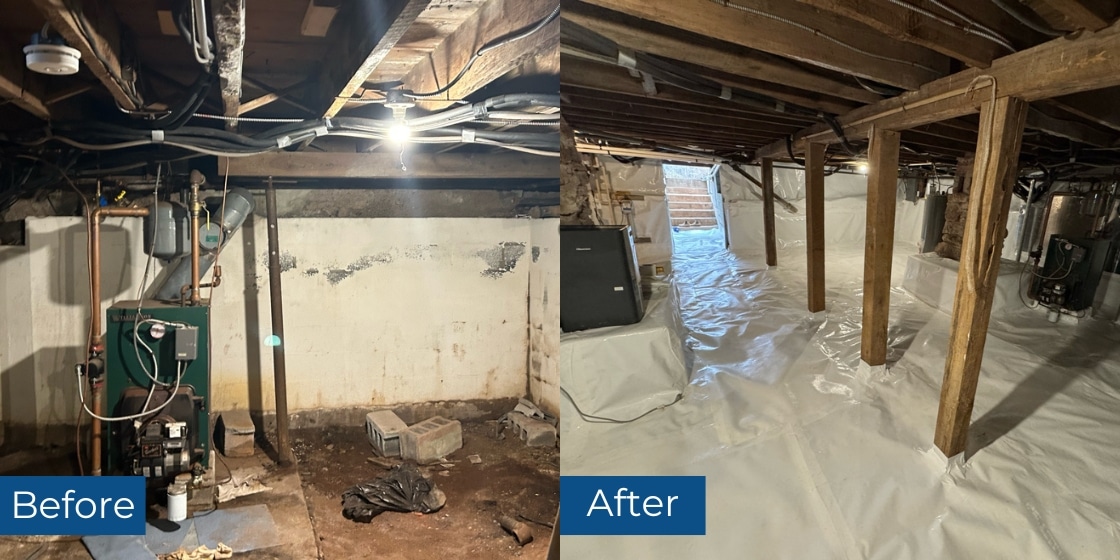
Moisture reaching structural wood in a crawl space usually traces back to a specific source: standing water, an unsealed or vented crawl space letting in humid outside air, poor ventilation, or a plumbing leak running through the space. Left unresolved, that same moisture also creates ideal conditions for fungus spores and mold to spread nearby. Finding and fixing the moisture source is central to stopping wood rot from returning, and it’s what makes a repair last.
What Affects the Extent of the Repair
The size and cost of a wood rot repair in a crawl space depends on a few specific factors, not just how much wood looks damaged.
- How long the moisture source went unaddressed. The longer structural wood remains exposed to conditions that support decay, the more extensive the deterioration may become.
- Which structural element is affected. Repairing a single joist is usually more contained than repairing a main support beam, while a damaged support post may also require addressing the weight and structure it supports.
- Crawl space accessibility. Tight crawl space clearance can make an otherwise straightforward repair more labor-intensive, since materials and equipment have to be maneuvered through a confined space.
- Whether nearby wood has also been exposed. Moisture rarely stays contained to one board. Adjacent joists, beams, or posts often need to be checked even if they don’t show visible damage yet.
A professional assessment is the only way to determine which of these factors apply to a specific crawl space.
Why Cosmetic Fixes Don’t Solve Structural Damage

Wood hardeners, fillers, and preservatives are widely available, and they’re often marketed as a wood rot treatment homeowners can apply themselves. If you’re dealing with minor, non-structural rot, a rotted deck rail or a small patch of trim, these products can be a reasonable treatment for rotted wood.
But if the rot is in a support post, main beam, or floor joist, you’re dealing with wood that’s carrying real load, and a surface treatment won’t restore what decay has already broken down:
- Hardener can make the wood look and feel more solid without telling you whether it can still bear weight safely.
- Fillers patch what you can see on the surface without addressing what’s happening to the wood underneath.
- Preservatives may help protect wood from future deterioration in appropriate applications, but they do not restore structural strength that has already been lost or correct the moisture problem affecting the crawl space.
This is why a repair that only treats the surface may seem to solve the problem for a while, only for the damage to return or, worse, go unnoticed until the wood fails under load. If it’s structural, an assessment of how much strength is actually left is what’s needed, not just a fix for how the wood looks.
When a Professional Evaluation Is Necessary
A few situations call for a professional assessment before deciding on repair or replacement, rather than making that call alone:
- The rot is in a main beam or support post. These carry the most load in a crawl space, and misjudging how much strength remains can put the whole structure above at risk.
- You can’t tell how far the damage extends. Rot often spreads further than what’s visible from the surface, especially where wood meets soil or sits behind insulation.
- The moisture source isn’t obvious. If standing water, humidity, or a leak keeps coming back after a repair, something upstream still hasn’t been addressed.
- More than one structural element shows damage.Rot rarely stays isolated; if it’s spread to multiple joists, beams, or posts, the full extent needs to be mapped before any repair begins.
- The floor above the affected wood feels soft or sags. This is often the first sign homeowners notice, well before the rot itself is visible, and it usually means the joist or beam underneath has already lost real strength.
A professional inspection identifies exactly what’s affected, how much strength remains, and whether the moisture source has been dealt with, before any wood rot repair work starts.
Conclusion
Wood rot repair is not always as simple as patching or replacing the visibly damaged area. When deterioration affects structural components such as floor joists, beams, or support posts, the right approach depends on how far the damage has spread, how much structural strength remains, and whether the underlying moisture problem has been addressed.
For crawl space structural wood, a professional assessment can help determine whether reinforcement, repair, or replacement is the most appropriate solution.
Concerned about wood rot in your home? Contact LUX Foundation Solutions to schedule a free assessment and discuss the appropriate repair options.
About the Author

Frequently Asked Questions
Can wood rot be repaired?
Yes, rotted wood can sometimes be repaired when the damage is limited, and enough sound wood remains. If the deterioration has significantly weakened the affected area or compromised its structural integrity, replacement may be necessary.
How do I know if damaged wood needs to be replaced instead of repaired?
Wood may need to be replaced when the deterioration is extensive, has caused significant loss of strength, or affects structural components such as framing, joists, or beams. Store-bought hardeners and fillers can treat the surface, but they don’t restore lost strength in structural wood, so they aren’t a substitute for this evaluation. A professional can determine whether repair is needed or replacement is more appropriate.
Can you repair wood rot without replacing the entire piece?
In some cases, yes. If the damage is confined to a limited area and the surrounding wood remains sound, it may be possible to repair or replace only the affected section. Sistering, attaching new lumber alongside a damaged joist, is one common way this is done without removing the original piece.
Will wood rot continue after it has been repaired?
Wood rot can return or continue if the conditions that contributed to the deterioration remain. Addressing ongoing moisture exposure is an important part of helping prevent further damage after repairs are completed.
Is wood rot a structural problem?
Wood rot can become a structural concern when it affects components that help support your home, such as beams, joists, framing, or other load-bearing materials. The impact depends on how severe the deterioration is and the role the affected wood plays.
When should I call a professional for wood rot repair?
Consider contacting a professional if the damage appears extensive, affects structural wood, extends beyond one localized area, or if the source of moisture is still unclear. Treating wood rot without knowing the full extent of the damage often means repairing the same problem twice, so a professional evaluation upfront is usually the faster path.