Cold floors in winter. A musty smell that comes back after every cleaning. One spot on the floor that bounces when you walk on it. For many Virginia homeowners, these are the first signs of a moisture problem or structural damage under the house.
So what is crawl space repair, and what does your home need? In short, it is fixing what is damaged under the house and the cause behind it. This guide shows how to tell which signs are urgent, which fixes match which problems, and what to do next.
What is Crawl Space Repair?
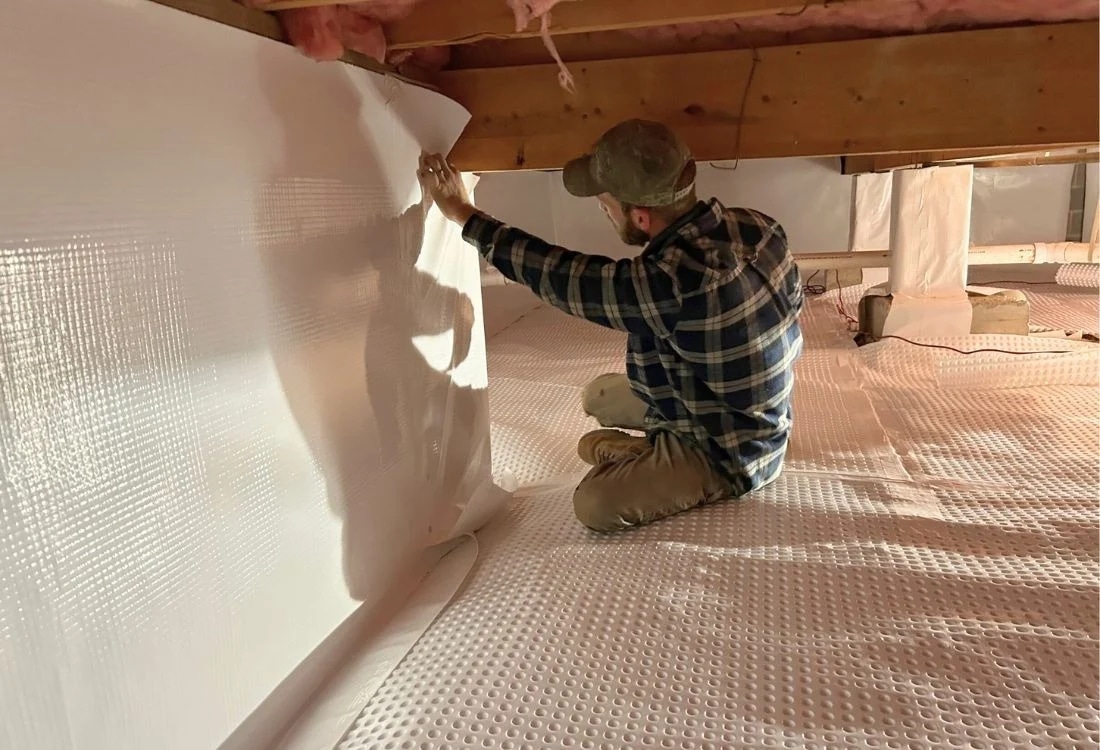
Crawl space repair is the process of fixing damage beneath your home’s first floor and the problem that caused it. It is not one job. It is a group of repairs, and an inspection shows which ones your house needs.
The most common repairs are:
- Stopping water or humidity from getting in.
- Removing mold growth and damaged insulation, which also improves air quality.
- Replacing rotted or weakened wood.
- Adding support under floors that sag.
Many homes need only some of these, not all.
The cause matters as much as the damage. New joists in a crawl space that still takes on water will rot again. In Northern Virginia, heavy rain, humid summers, and clay soil can all keep your home’s crawl space wet.
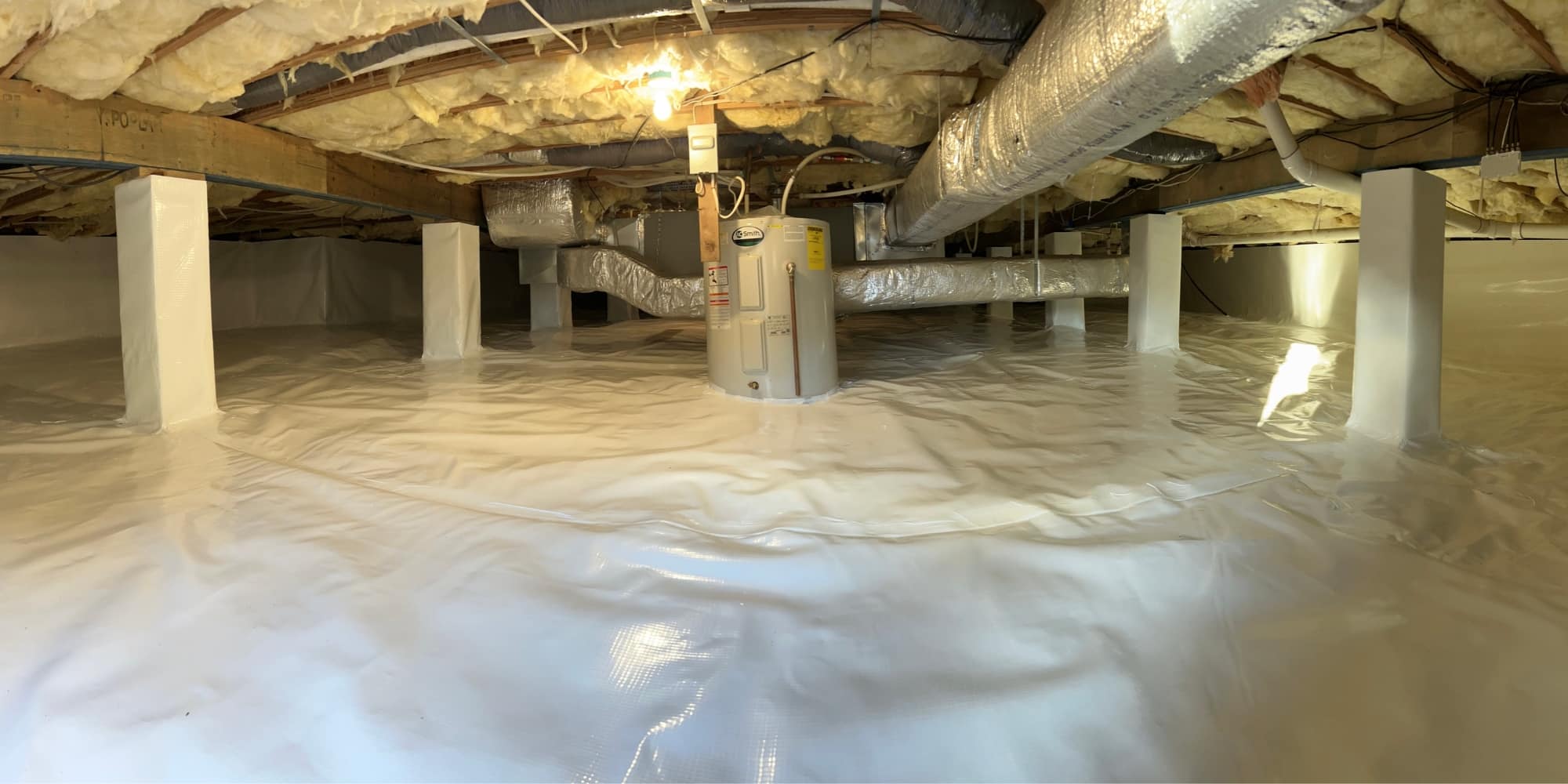
Some crawl spaces need no repair. If yours is a healthy crawl space, dry with solid-looking wood, it may only need a regular check. If you notice humid air, a musty smell, or a soft floor, it is worth having someone look into it.
Signs You Need Crawl Space Repair and How Urgent Each One Is
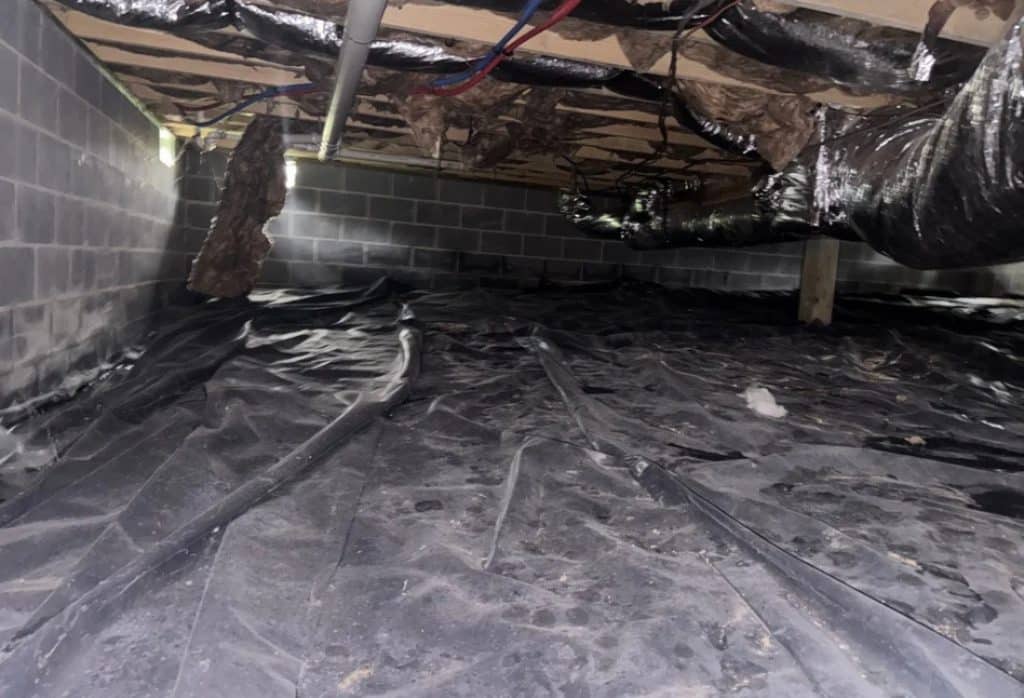
Not every sign means an emergency. Here is how to tell which of yours can wait and which cannot.
Minor Crawl Space Signs to Keep an Eye On
- Your floors feel cold in winter.
- You notice musty odors only in humid weather or after heavy rain.
These are not urgent on their own. Write down when they happen. If the smell stays or gets stronger, or anything else shows up, move to the next level.
Get a Crawl Space Inspection Soon
- The musty smell stays, or your insulation feels damp or wet.
- You can see mold on wood, insulation, or the ground cover.
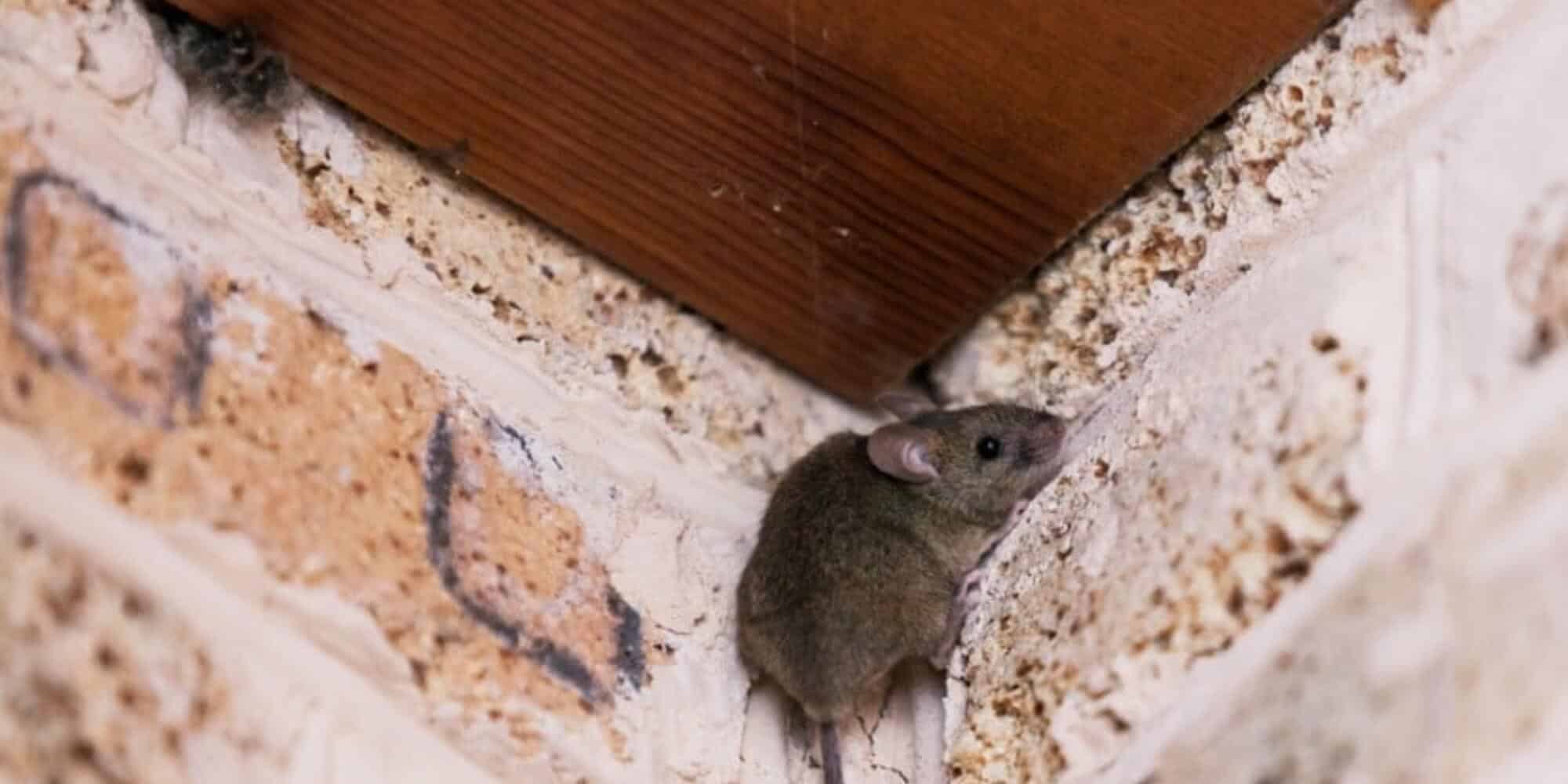
- You notice rodents or insects under the house.
Call a Crawl Space Expert Now
- You see standing water, especially near wiring, or you smell sewage.
- Your floor sags, bounces, or feels soft, or you have sticking doors.
- You can see cracked or sagging floor joists or support beams.
If there is standing water near wiring or anything that looks unsafe, stay out of the crawl space and get it looked at right away.
It’s harder to identify crawl space issues from just one warning sign. A musty smell plus a soft floor is more serious than either one by itself. Write down when it happens: after rain, in humid weather, or all the time. It gives the inspector a head start.
Need the full list? See our crawl space problem signs.
Which Crawl Space Repair Fits Your Problem?
The right repair depends on what is causing the problem, not just what you see. Here are the usual matches.
| What you see | Needed repair | |
|---|---|---|
| How urgent | ||
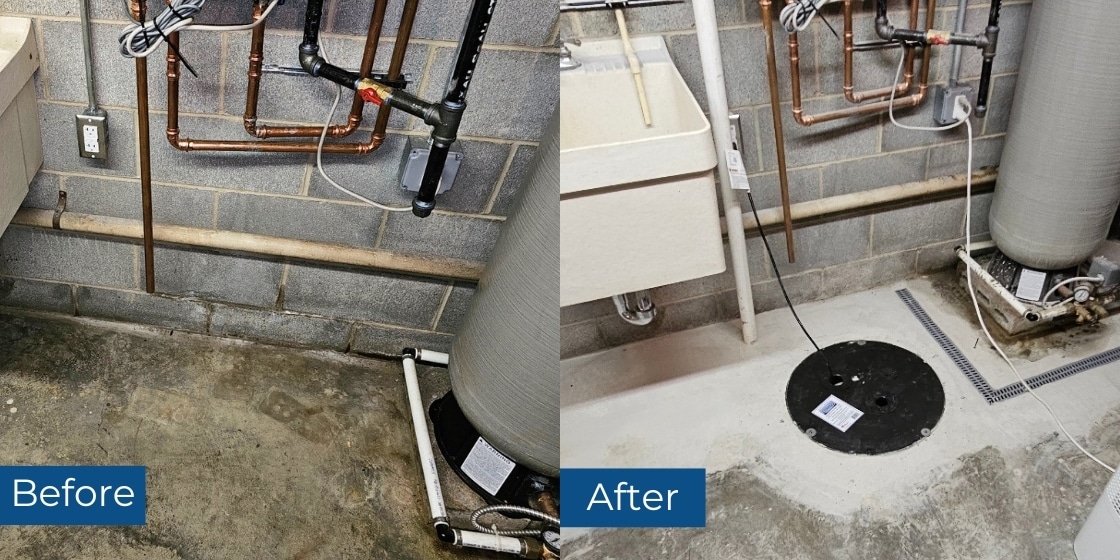
| A wet crawl space: standing water, or water after heavy rain | Drainage work, waterproofing, or a sump pump | Call now if there is standing water. Inspect soon if it only shows up after rain. |
| A damp crawl space: humid air or wet insulation | Dehumidifier, new insulation, sealing the space | Inspect soon |
| Mold on wood or insulation | Mold remediation, then fixing the moisture behind it | Inspect soon |
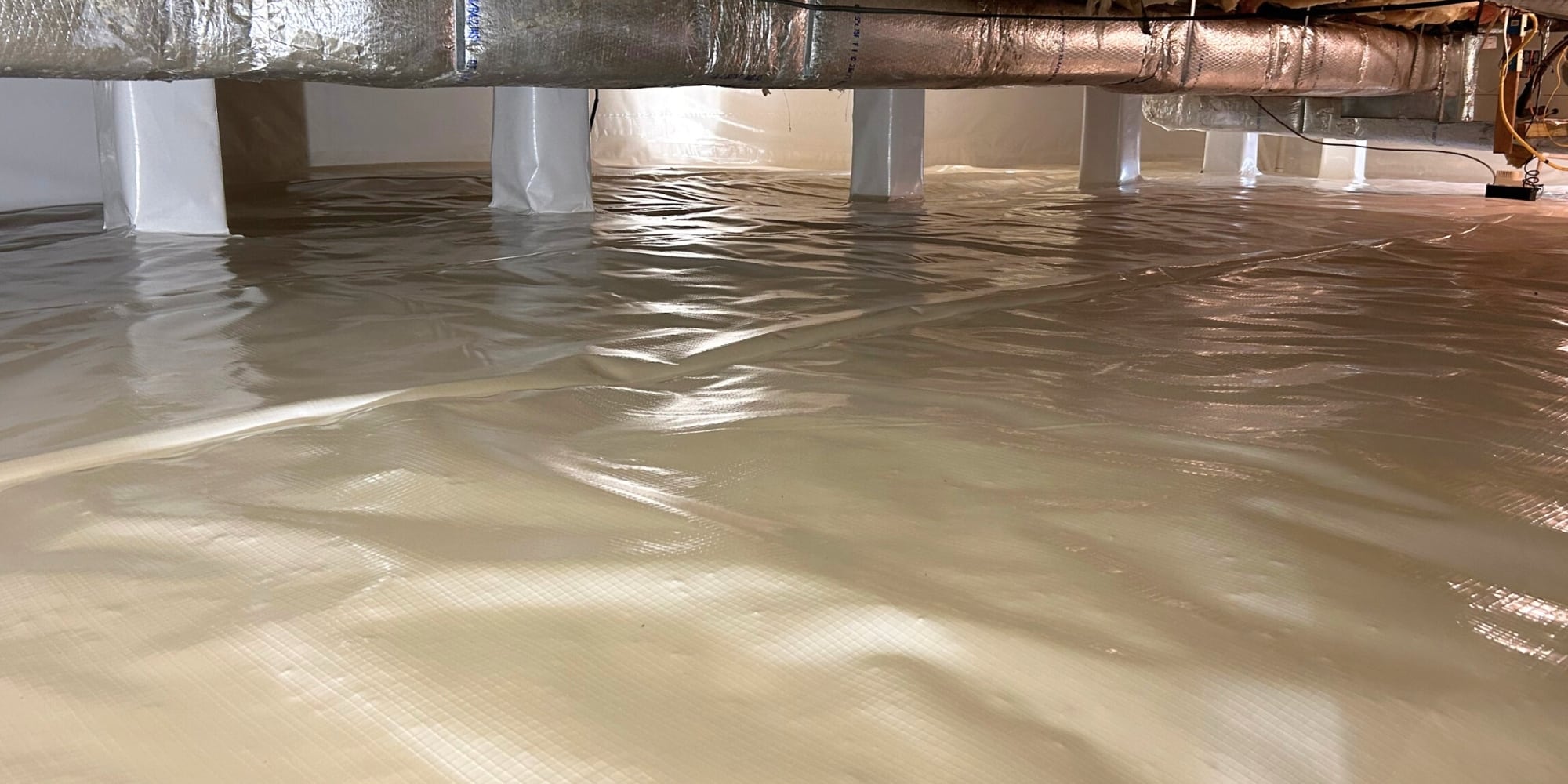
| Bare dirt crawl space floors or open vents letting in humid air | Vapor barrier, sealed vents, crawl space encapsulation | Inspect soon if it is damp |
| Rotted or cracked joists | Sistering (new lumber added beside the old) or replacement | Call an expert |
| Sagging, bouncy, or uneven floors | Support posts, or main beam replacement | Call an expert |
When a crawl space has more than one problem, the order matters. Water and mold come first, then damaged wood, then sealing. Sealing over an active problem just covers it up.
See all of our crawl space repair solutions.
What Affects the Cost of Crawl Space Repair?
There is no honest flat crawlspace repair cost, because no two crawl spaces have the same problem. A small plumbing leak and a rotted beam are very different jobs, even though both show up as a damp or soft spot upstairs.
Here is what moves the price:
- What is wrong, and how much of it. A few damaged joists cost less to fix than a whole run of them.
- Where the water comes from. The cost of wet crawl space repair depends mostly on the source of the water intrusion. Gutters and grading are one job. Groundwater and a sump pump are another.
- Damage you cannot see yet. Some wood rot or mold only shows once old insulation and debris come out.
- Size and access. A low, tight crawl space with a small entry takes longer to work in.
- Structural repairs. Support posts, support columns, sistering, or a new main beam add labor and materials.
- Additional. A dehumidifier, moisture barrier, or new insulation each adds to the total.
- Permits and inspections. Some counties require them for crawl space work.
Encapsulation has its own breakdown. See what affects crawl space encapsulation cost.
The only way to get a real number is an inspection.
Can You Repair a Crawl Space Yourself?
For small things around the house, yes. For the repair itself, usually no.
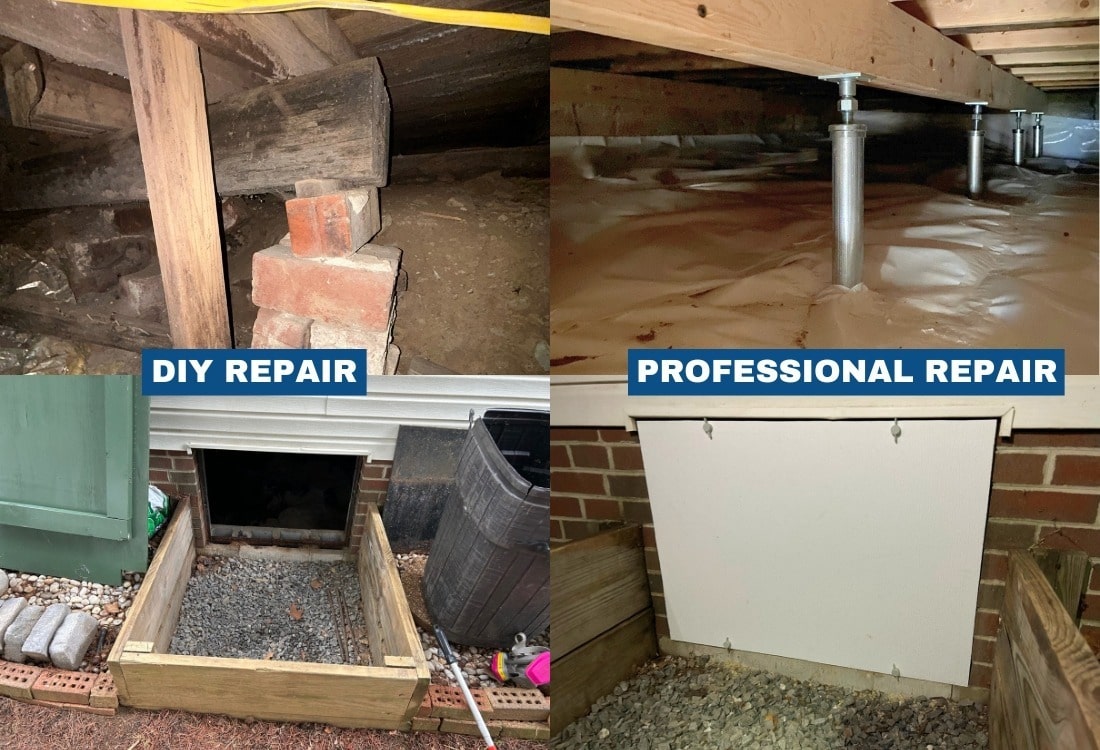
What you can do
- Keep gutters clear and make sure downspouts drain away from the house.
- Keep stored items out of the crawl space.
- Look in from the access opening with a flashlight, and take photos.
- Write down when you notice damp air, smells, or floor changes.
What to leave to a professional
- Standing water, wiring, or a sewage smell.
- Mold on wood or insulation.
- Sagging floors, rotted joists, or damaged beams.
- Anything that needs a lift or new structural support under the house.
The reason is simple. A crawl space is low, wet, and tight, and a wrong fix can hide the problem or make it worse. Proper crawl space repair starts with identifying the cause, and improperly lifting or supporting a floor can damage the house itself.
If you are not sure which side your problem falls on, an inspection will tell you.
What to Look For in a Crawl Space Repair Contractor
A good contractor tells you what is wrong, why it happened, and what each repair does. If you only hear a product name and a price, keep asking.
Here is what to look for:
- They check the whole space, and the outside of the house too, like gutters and grading.
- They show you photos of the problem.
- They explain the cause, not just the fix.
- They put the work in writing, including what is and is not covered.
- They explain the warranty in plain words.
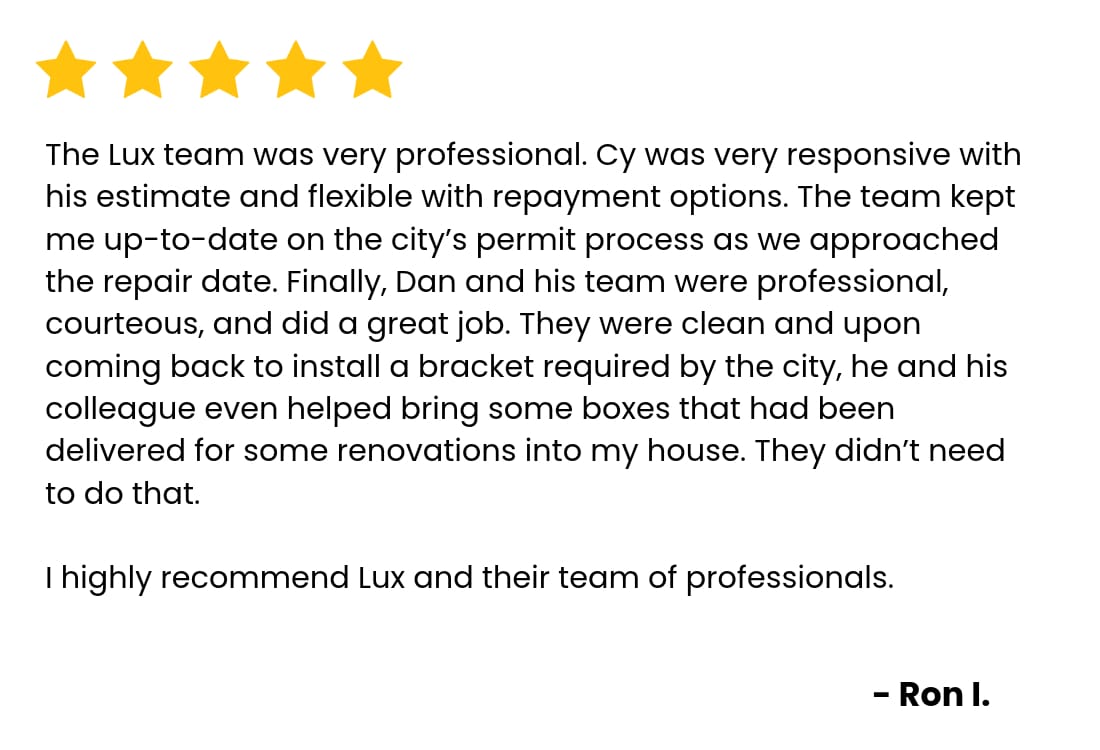
Reviews from past customers help too. The best ones describe the problem, how clearly it was explained, and how the crew left the house. Here is one from a homeowner, and you can read more in our customer reviews.
How to Maintain Your Crawl Space
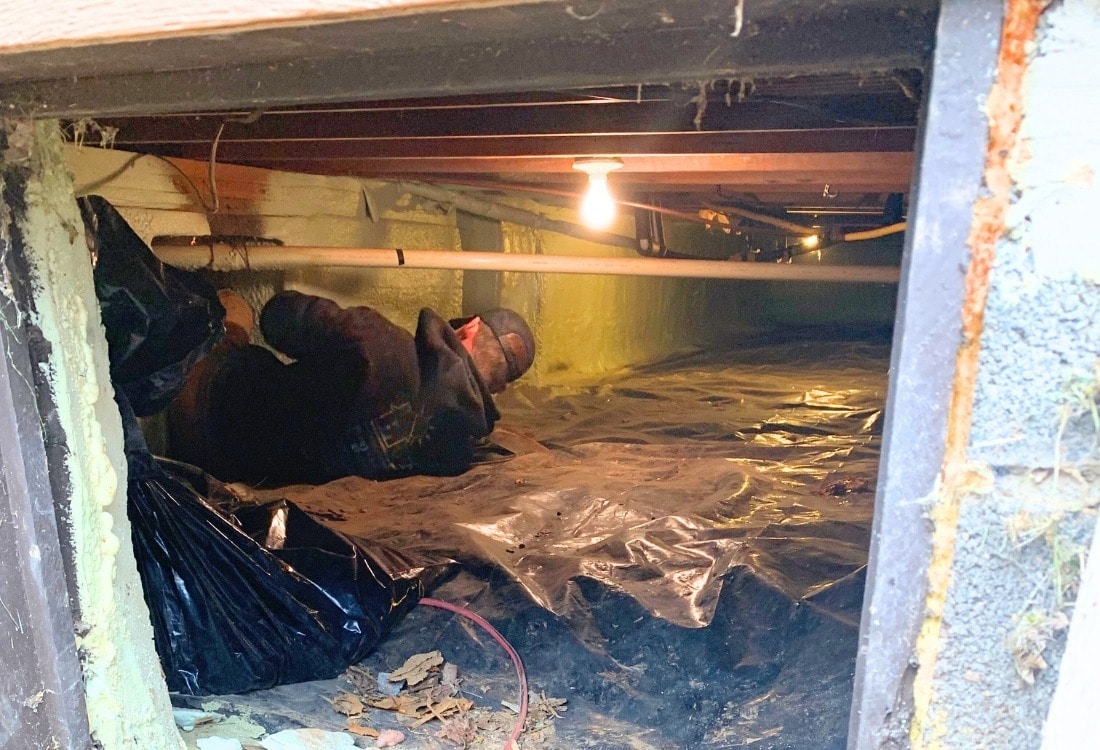
A few simple habits of ongoing maintenance can keep a small problem in your crawl space from turning into a repair. Here are the five that matter most for your home:
- Clean the gutters, make sure downspouts drain away from the foundation, and check that the ground slopes away from the crawl space walls.
- From the access opening, check for pooled water, drips, damp insulation, or signs of pests.
- Keep the crawl space clear.
- Look after your dehumidifier, if you have one. It keeps crawl space humidity down and helps improve indoor air quality.
- Get the space checked once a year by a professional.
If something looks worse each time you check, go back to the urgency list above.
Schedule a Crawl Space Inspection
A damp, musty crawl space rarely fixes itself, and the longer excess moisture stays under your home, the more it can cost to repair and the more it can affect your home’s overall air quality. An inspection shows what is going on and what, if anything, needs to be done.
We inspect crawl spaces across Northern Virginia, West Virginia, North Central Virginia, and the Shenandoah Valley. We will explain what we find and recommend a plan that fits your home.
Schedule a free home inspection or call us at 540-616-3900.
Frequently Asked Questions
How is wet crawl space repair priced?
Wet crawl space repair is priced by the source of the water and the damage it caused. Gutter and grading fixes are a smaller job than a drainage system with a sump pump, and rotted wood or mold adds to the cost. A real price starts with an inspection.
What is the difference between damp, wet, and flooded crawl space repair?
A damp crawl space has humid air, but no pooled water, a wet one takes on water at times, and a flooded one has standing water that stays. The repair goes from moisture control to drainage or waterproofing to removing water and drying the space before any work starts.
What does a structural crawl space repair involve?
A structural crawl space repair fixes the joists, beams, and posts that hold up your floor. Common repair methods include sistering a weak joist, adding support posts, or replacing a damaged main beam, after the cause of the damage is fixed.
How long does crawl space repair take?
It depends on the job to solve the crawl space issues. A small repair goes faster than one that needs drainage work, drying time, and replacement wood. Damage found once the old insulation is removed can add time. Ask for the schedule in writing after the inspection.
How often should a crawl space be inspected?
A crawlspace inspection should happen at least once a year, and again after any heavy storm, plumbing leak, or sign of moisture or pests.
Inspect sooner if you notice a musty smell, damp air, a floor that feels different, or signs of rodents or insects. If you have had water or mold in the crawl space before, check more often. A quick look from the access opening after big rains is enough between professional visits.
Is financing available for crawl space repair?
Yes, we offer financing options for crawl space repair. Terms and approval depend on the lender, so ask about them when you schedule your inspection. You can read about our financing options before you call.