Written By Bridget Stieb, Director of Marketing at LUX Foundation Solutions • Reviewed by LUX’s foundation repair specialists serving Northern Virginia & Florida
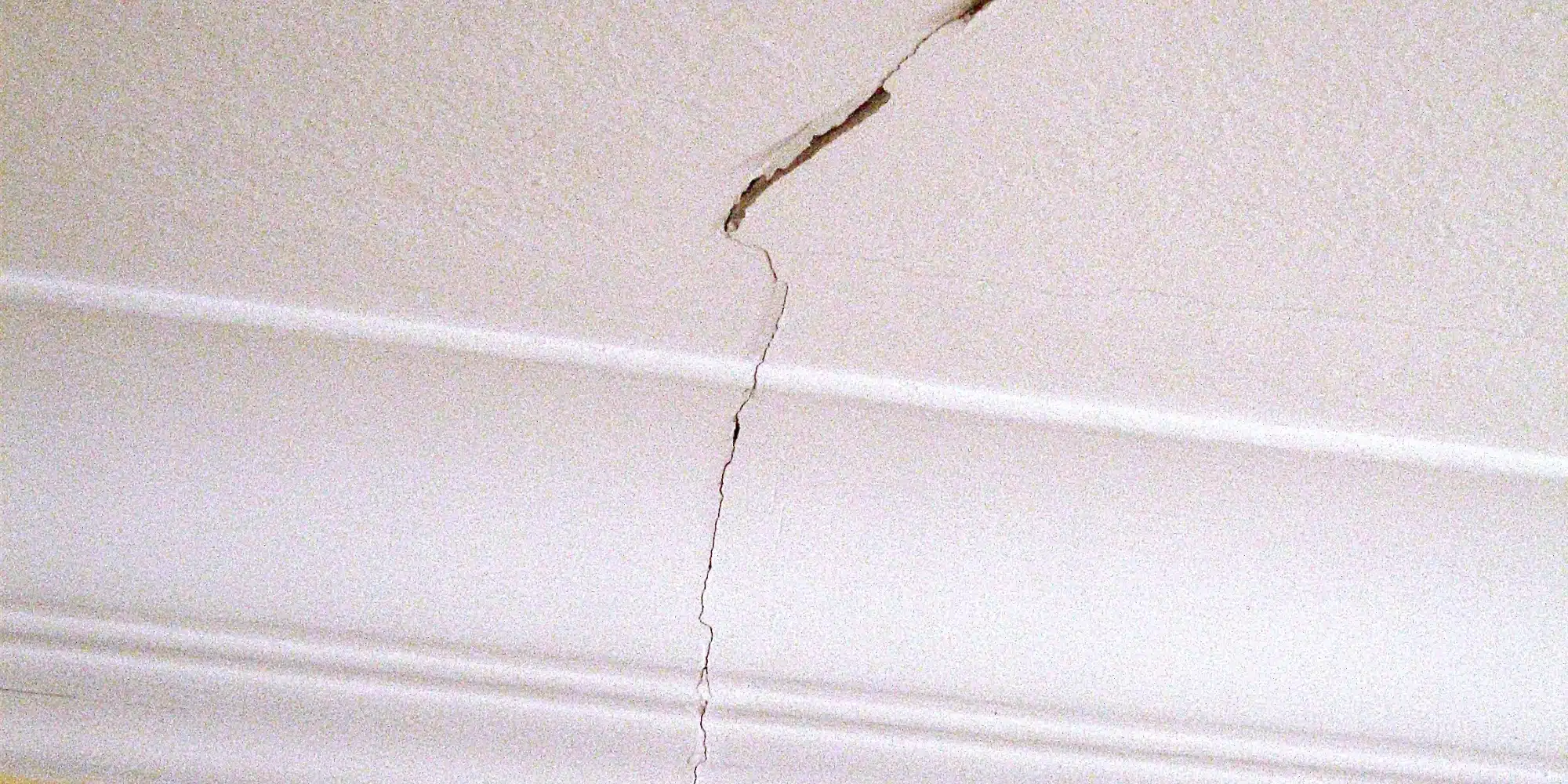
If drywall cracks keep coming back after repair, fixing the same area again may not provide a lasting solution. In some cases, the previous repair may not have held. In other cases, continued movement in the home may be causing the drywall to crack again.
Before deciding how to fix cracks again, it helps to understand why they returned in the first place. The cause may relate to the previous repair, normal changes in the home, or ongoing movement that still affects the area.
Key Takeaways
- A recurring drywall crack may result from a failed repair, normal movement, or continued structural movement.
- Not every crack that comes back indicates a serious structural problem, many are minor cracks tied to normal changes in the home.
- If movement still affects the home, repeatedly patching the drywall may only provide a temporary fix.
- Identifying the cause can help determine whether another drywall fix or a structural solution is the appropriate next step.
Why Does a Drywall Crack Keep Coming Back After Repair?
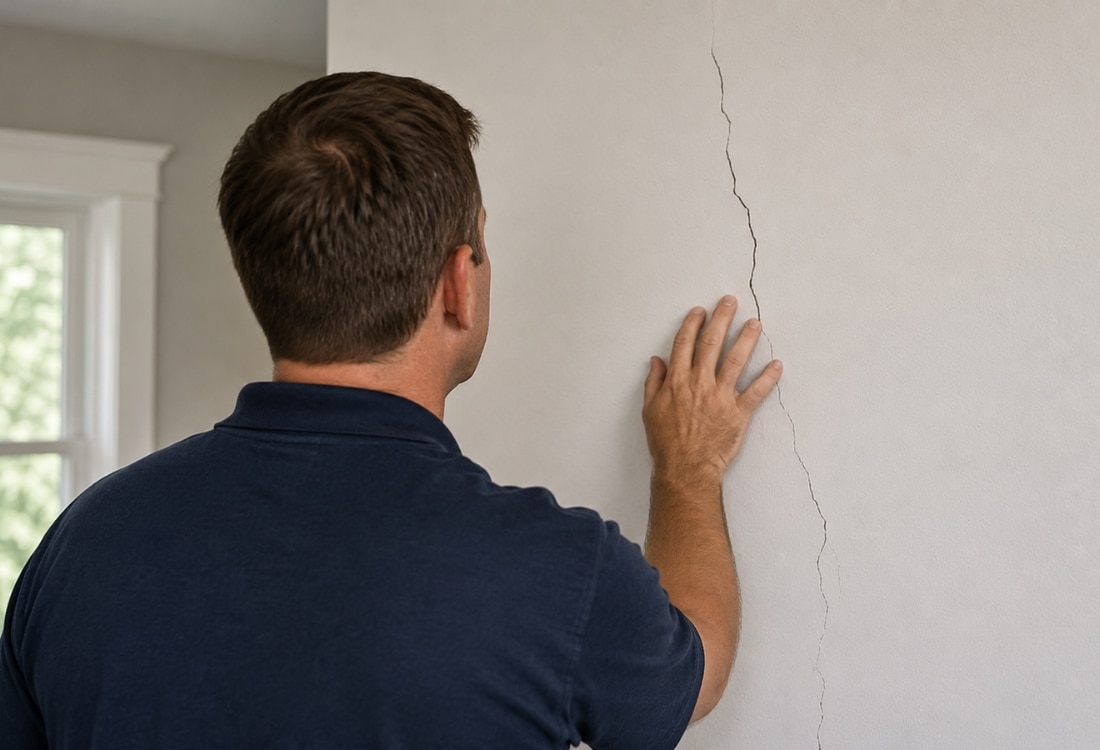
A drywall crack that returns after being patched usually comes down to one of four things:
- The previous repair did not hold. The crack may return if the damaged area wasn’t properly prepared or reinforced before repair.
- Normal expansion and contraction. Changes in temperature and humidity can cause building materials to move slightly, which may affect repaired areas.
- Normal settling or minor building movement. Homes can experience small amounts of movement over time, which may cause a stress crack along drywall joints or previously damaged areas.
- Ongoing structural movement. If foundation movement affecting the home continues, repairing the drywall alone may not prevent the crack from returning.
The first two are often related to the repair itself or normal changes in the home. The latter two may indicate that structural movement is contributing to the recurring crack. If other changes are appearing in your home, the problem may extend beyond the drywall.
.
When the Previous Drywall Repair May Be the Problem
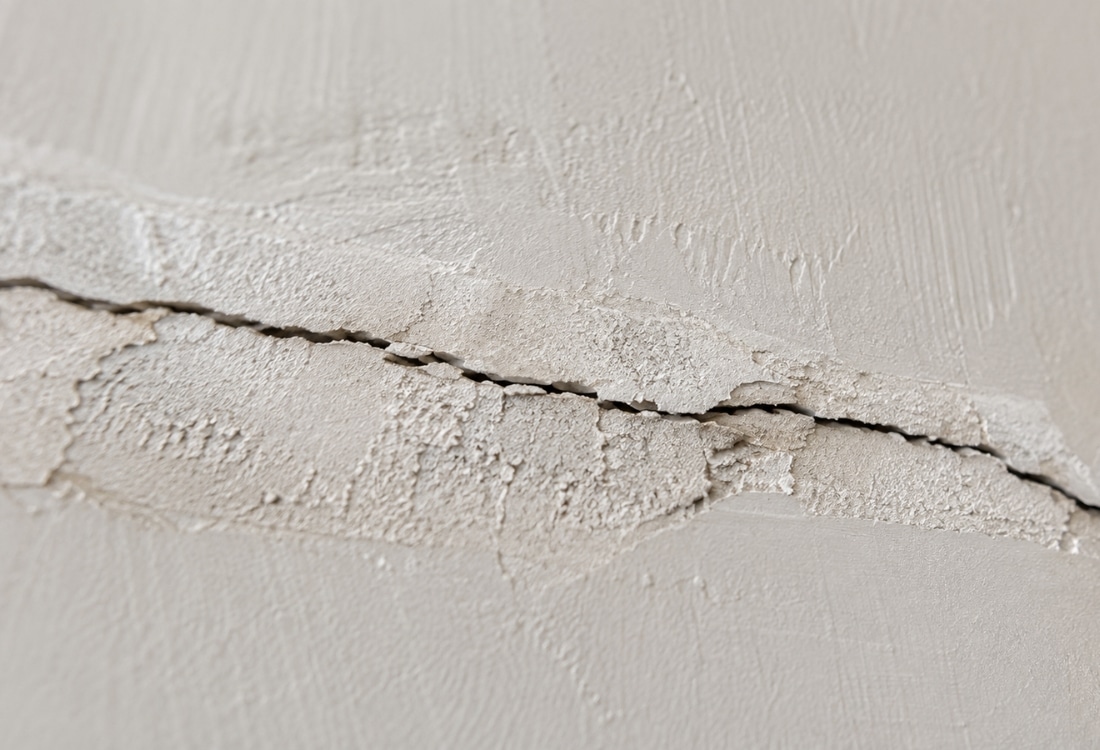
Sometimes a crack comes back because the previous repair did not hold. A recurring crack may be related to the repair when:
- Loose material wasn’t fully removed before the new setting compound was applied, so the repair was never bonded to solid material underneath.
- The damaged area wasn’t properly prepared. Skipping steps like cleaning, widening a hairline crack slightly, or sanding the surrounding area can weaken how well the new material holds.
- The repair wasn’t reinforced where it needed to be. Larger cracks or ones along a seam typically need mesh tape or a corner bead, not just compound alone.
- The joint or seam kept moving slightly even after the repair, which is normal in some cases, but enough repeated flexing can crack even a well-done patch over time.
If the crack appears to be related to one of these issues, it may not indicate a larger problem. The repair may simply need to be redone properly.
When Normal Movement Can Cause a Crack to Return
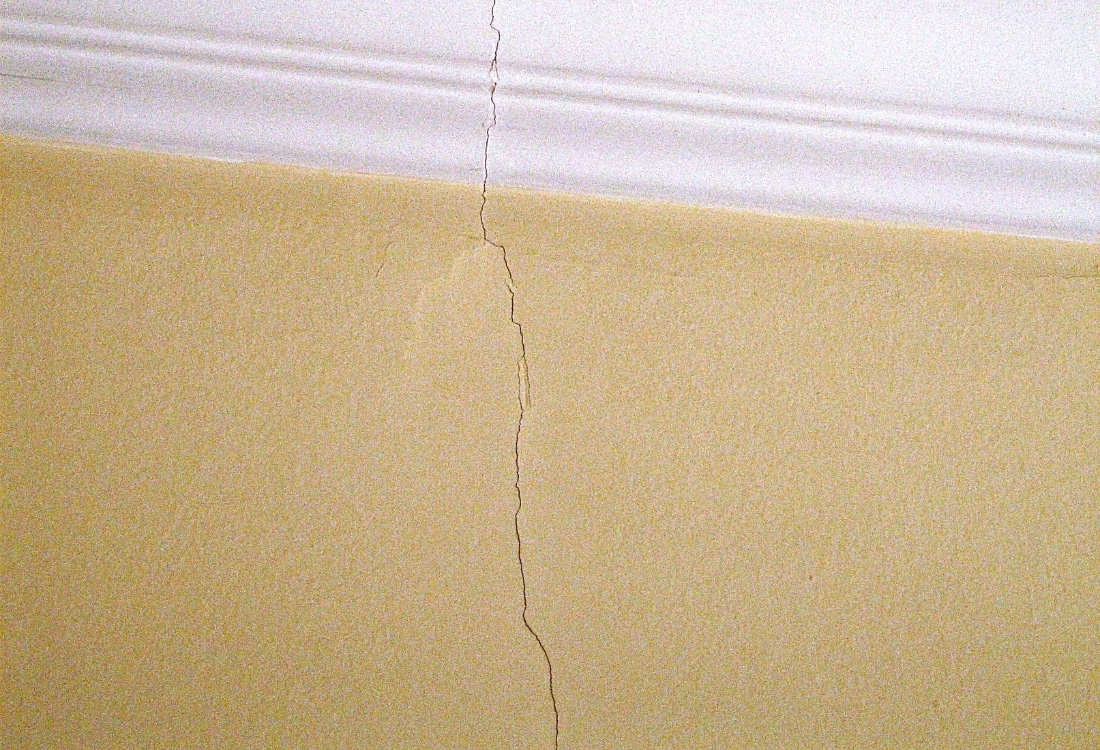
Homes move a little all the time, and in most cases, that movement is completely normal. A few common causes tied to environmental conditions:
- Temperature changes. As your home heats and cools with the seasons, materials expand and contract slightly, which can reopen a crack along the same stress point.
- Humidity changes. Drywall and the framing behind it absorb and release moisture with the seasons, and that natural swelling and shrinking can stress a repaired seam.
- Minor settling. Every home continues to settle slightly for years after it’s built, and a small amount of ongoing movement is normal, not a sign of a foundation problem.
If a crack tends to reappear during seasonal movement or remains limited to a thin hairline, normal movement may be contributing to the problem. Not every recurring crack means your home needs foundation work, and in many cases, small repairs are all that’s needed.
When Recurring Drywall Cracks May Be Caused by Ongoing Movement
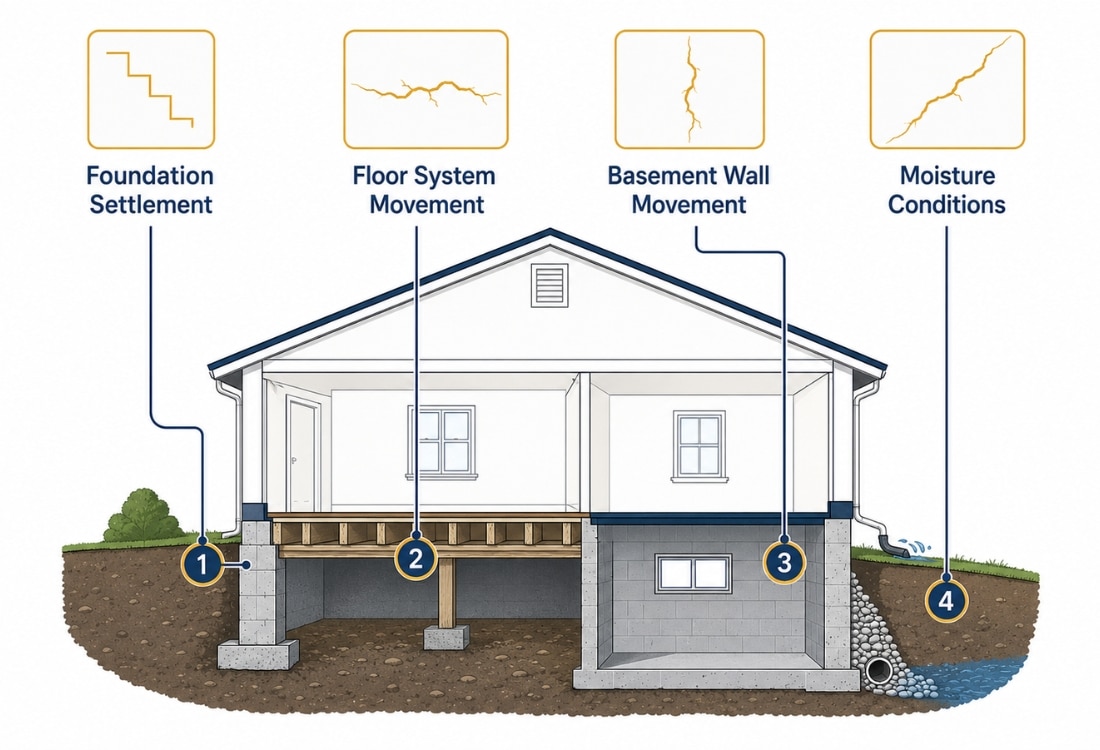
Sometimes, recurring drywall cracks result from continued movement affecting the structure behind them. When the crack does not appear to be related to the previous repair or normal seasonal changes, the next step is determining where that movement may be coming from.
- Foundation Settlement May Require Stabilization
If movement comes from foundation settlement, the affected area may need stabilization before repairing the drywall again. Continued settlement can place stress on walls and contribute to drywall cracks that keep returning. - Sagging Floor Systems May Need Additional Support
If the floor system is moving because of weakened or inadequate support underneath your home, the drywall above may continue to experience stress as the floor flexes. Depending on what is causing the movement, the appropriate solution may include crawl space stabilizer posts or main beam replacement. - Basement Wall Movement May Need to Be Stabilized
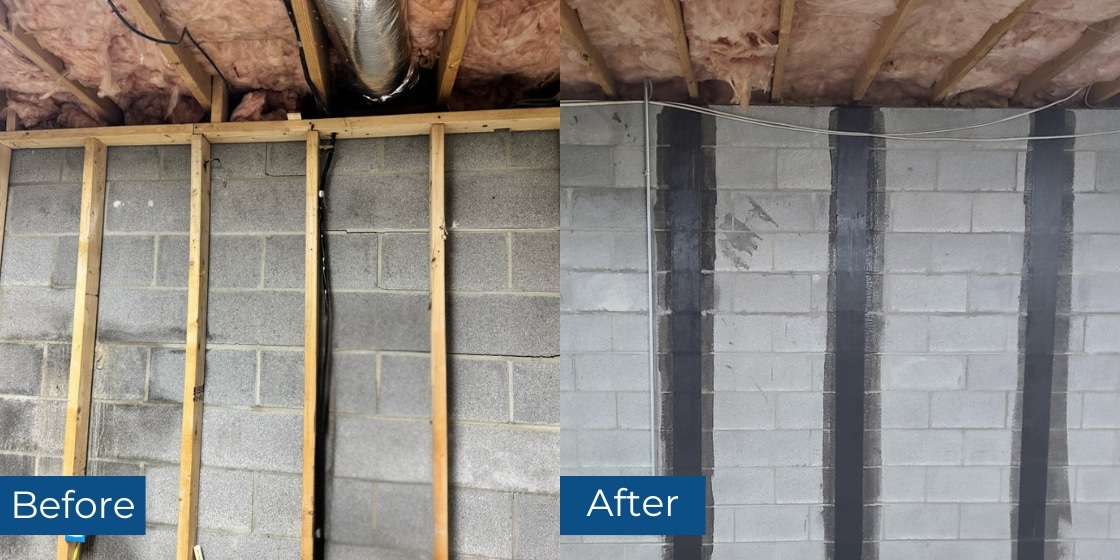
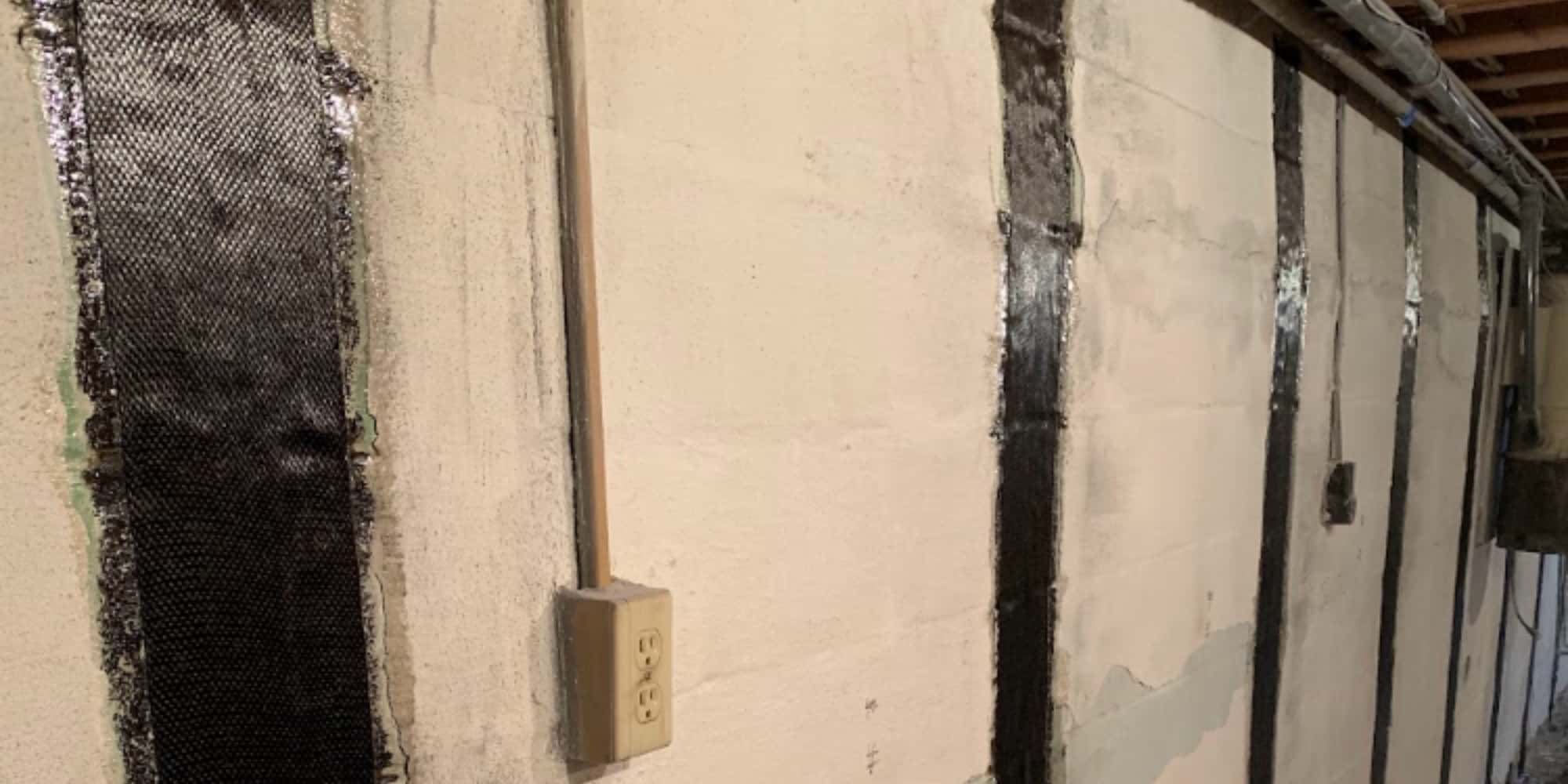
If pressure against a foundation wall is causing ongoing movement, it often shows up as a horizontal crack rather than a vertical one, and repairing the cracks inside your home won’t stop the cause outside it. This is often addressed with wall anchors or carbon fiber straps, depending on how far the wall has already moved. - Moisture Problems May Need to Be Controlled
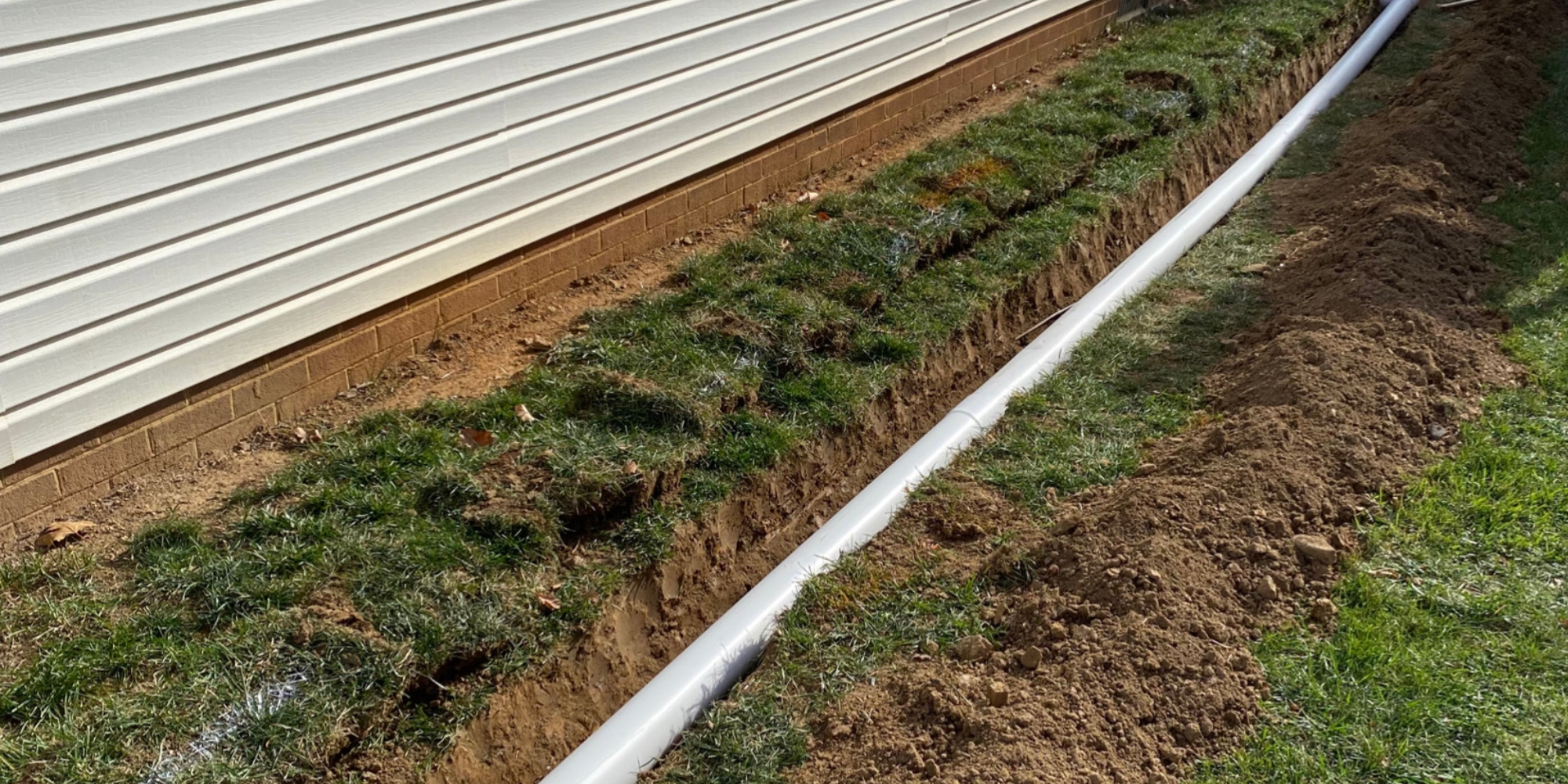
Excess moisture can contribute to water intrusion, soil movement, or structural deterioration, depending on where the problem occurs. Addressing the moisture source may be key to preventing further damage. In these cases, waterproofing the basement may be an appropriate solution.
Why Repeatedly Patching the Crack May Not Solve the Problem
A new patch can restore the appearance of the wall, but quick fixes can’t correct the condition that caused the crack. If foundation settlement, weakened structural support, basement wall movement, or moisture-related problems are still affecting the home, the repaired area may continue to show persistent cracks.
Each new repair can temporarily cover the symptom while the underlying condition remains active. If you’re still unsure whether the crack may point to a larger issue, our guide to drywall crack signs and causes covers other conditions worth watching for.
What Should You Do Before Repairing the Crack Again?

Before repairing drywall cracks that keep coming back, first determine whether the problem is limited to the previous repair or whether continued movement is affecting the area.
Consider:
- Whether the crack has changed. Cracks that keep reopening, widening, or extending may indicate ongoing movement.
- Whether the previous repair failed. If the issue remains limited to the repaired area and nothing else has changed in the home, another drywall repair may be appropriate.
- Whether other changes are appearing. Additional cracks or structural changes may suggest that the issue extends beyond one section of drywall.
- Whether the source of movement can be identified. Understanding what is affecting the area can help determine the appropriate next step and may help prevent drywall cracks from continuing to return.
Address the Cause Before Repairing the Drywall Again
A drywall crack that keeps coming back may be caused by a failed repair, normal movement, or an ongoing condition affecting the home. Knowing why the crack returned can help you choose the right next step.
If ongoing structural movement may be contributing to recurring cracks, LUX Foundation Solutions can evaluate the conditions to identify the root cause affecting your home and recommend the appropriate solution.
Contact our team at 540-508-8982 or fill out our online form to schedule a free evaluation.
About the Author

Frequently Asked Questions
What if the crack keeps coming back in the exact same spot?
If the same drywall crack repeatedly reopens in the same location, the cause may be related to the previous repair or continued stress affecting that specific area. If the crack remains isolated and no other changes are appearing in the home, the issue may be limited to the drywall repair, sometimes just a matter of using the right repair method the next time.
However, if it continues to reopen or change over time, further evaluation may help determine what is affecting that area.
Does a repaired drywall crack look different from a new one?
Often, yes. A recurring crack along an old repair line tends to follow the same path as before, sometimes with a slightly raised or uneven texture where the old patch meets the original surface. A brand new crack usually looks cleaner and may appear in a different spot or at a different angle than the original damage.
How long should I wait before deciding a repair has failed?
There’s no fixed timeline for determining whether a repair has failed. A crack that reopens soon after repair may indicate that the repair did not hold, while a crack that returns later may be affected by seasonal movement or continued changes in the home. The pattern of the crack and any other changes in the home can provide additional context.
Can I tell the difference between cosmetic and structural cracking myself, or do I need a professional?
Changes in the crack, its location, and other conditions in the home, such as doors and windows that no longer close properly, can provide useful clues, but they cannot confirm the underlying issue on their own. If the crack continues to return, becomes larger, or appears alongside other changes, a professional evaluation can help determine whether structural movement is involved.
When should recurring drywall cracks be professionally evaluated?
Recurring drywall cracks may warrant a professional evaluation when they keep reopening, widen or lengthen, or appear alongside other changes in the home. An evaluation can help determine whether the issue is limited to the drywall or whether structural movement may be contributing to the damage.