Foundation Settlement
Every home settles a little over time, but not all settling foundation issues are harmless. If you have noticed cracks, sloping floors, or sticking doors that no longer close properly, your Northern Virginia home’s foundation may be telling you something more serious is happening beneath the surface.
What is Foundation Settlement
Foundation settlement occurs when the soil beneath your home’s foundation shifts, compresses, or sinks, causing the structure above to move out of its original position. Some settling of foundations is normal. Nearly every home settles slightly in its first few years as the soil adjusts to the weight above it, usually appearing as thin hairline cracks under 1/8 inch wide that never grow.
The problem starts when the settlement becomes uneven. Northern Virginia’s clay-rich soil expands during wet periods and contracts during dry weather, which can cause different parts of a foundation to move at different rates. Cracks wider than 1/8 inch or those that keep growing are no longer cosmetic.
At LUX Foundation Solutions, we have inspected thousands of homes across this region and built tailored solutions once normal settling crosses into a structural problem.
Signs of Foundation Settling
Recognizing the noticeable signs of foundation settlement issues early is one of the most valuable things you can do as a homeowner. These warning signs appear gradually, and many Virginia homeowners dismiss them as normal aging. They are not.
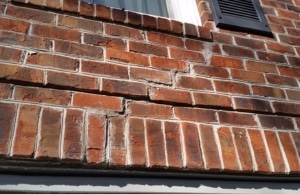
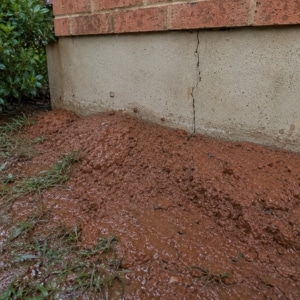
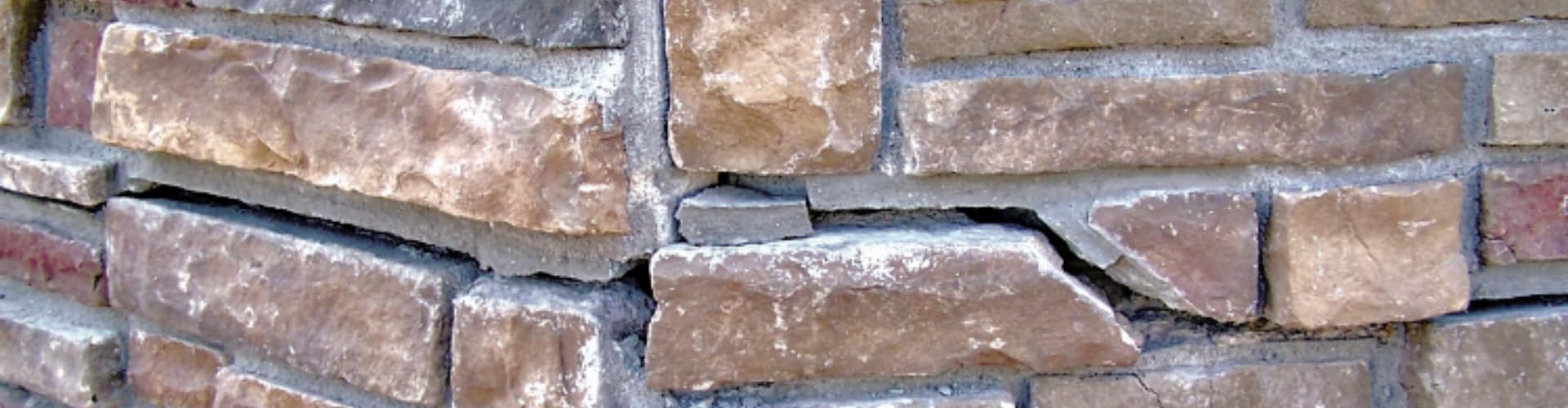
- Stair-step cracks in brick or block walls, particularly near corners, are often associated with uneven foundation settlement.
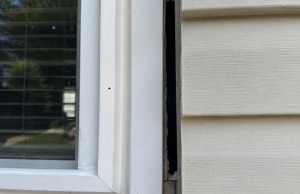
- Gaps forming between your siding and window or door frames occur as the foundation shifts, pulling the framing around openings away from its original position.
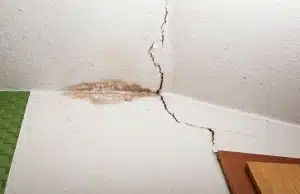
- Cracks in drywall that widen over time, especially near the ceiling, point to ongoing foundation movement.
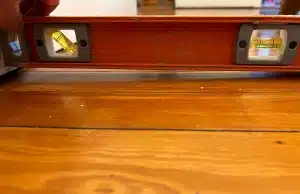
- Floors that slope noticeably or feel bouncy in specific areas result from uneven settlement, where one section of the foundation drops lower than the rest of the home.
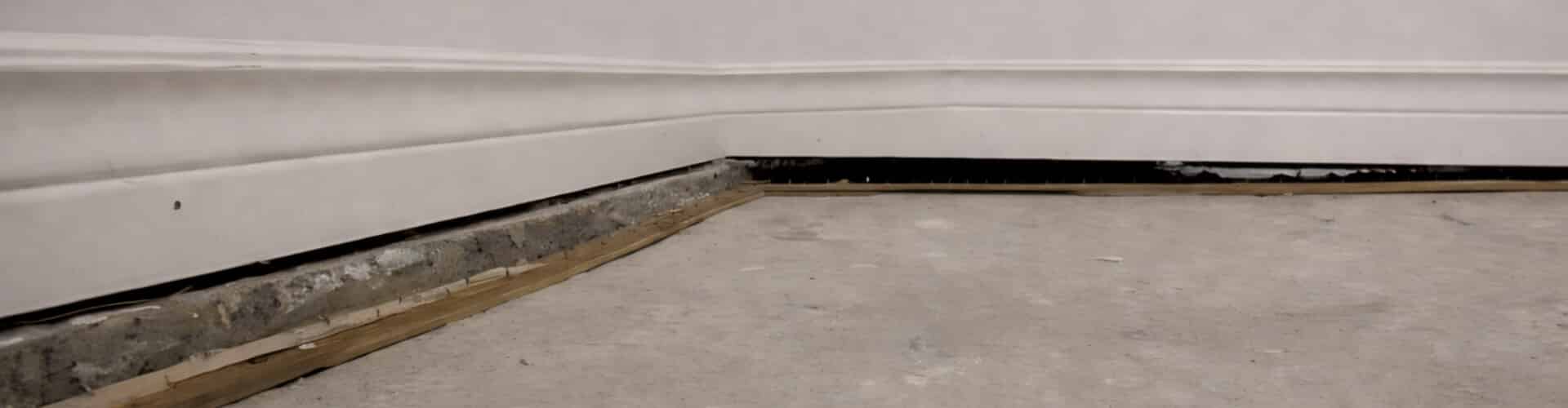
- Gaps between walls and ceiling or floor often appear when one area of the foundation settles more than another. A pattern known as differential settlement rather than uniform settlement across the whole structure.
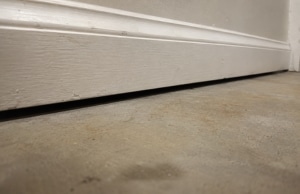
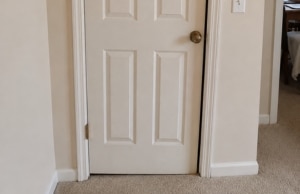
- Doors and windows that stick, will not latch properly, or have developed visible gaps in their frames.
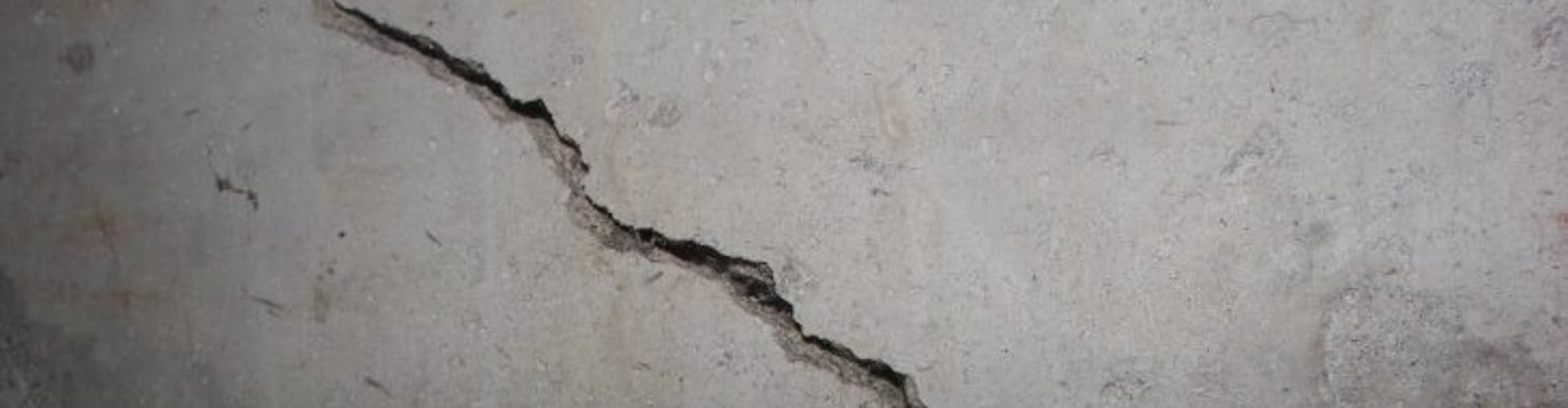
New homes settle as the structure adjusts to its load, often resulting in hairline cracks measuring less than 1/8 inch. The most noticeable signs are cracks wider than 1/4 inch, growing cracks, or horizontal cracking in basement walls or exterior walls. These indicate structural settling, a clear sign that your house is settling unevenly.

Stair-step cracks in brick or block walls

Gaps between siding and window or door frames

Cracks in drywall that widen near the ceiling

Sloping or bouncy floors

Gaps between walls and ceiling or floor

Doors and windows that stick or will not latch
Causes of Foundation Settlement
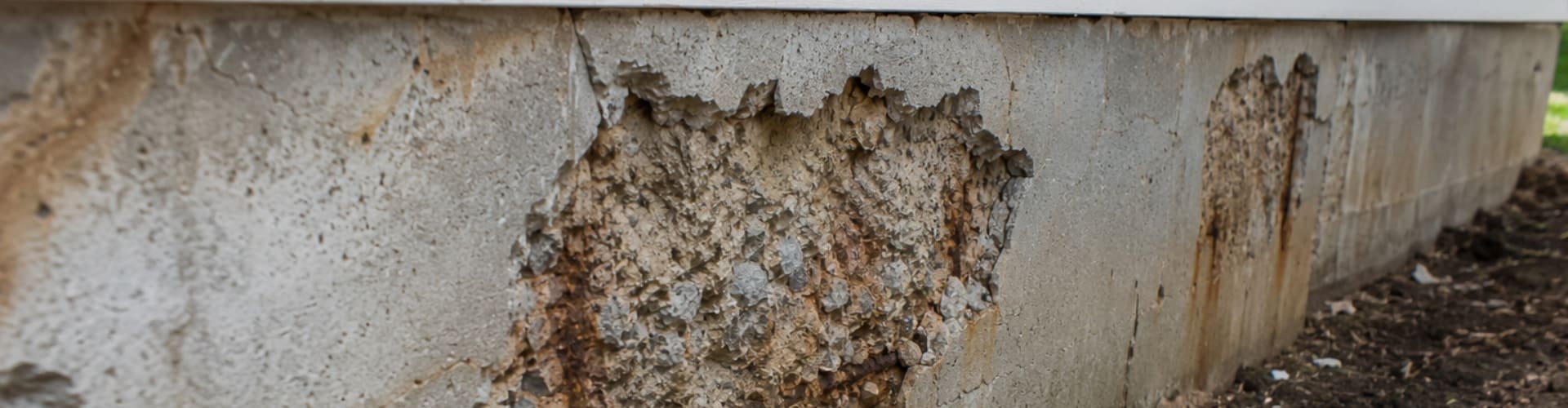
Foundation settlement usually occurs for specific reasons. Soil conditions, moisture levels, and how the home was built can all play a role in foundation settlement. Identifying the factors contribute helps determine the most appropriate repair approach.
Expansive Clay Soil
Much of Northern Virginia and the Shenandoah Valley sits on clay-heavy soil that expands when saturated with rain and shrinks as it dries out. This constant swelling and shrinking puts repeated pressure on a foundation, pushing it up during wet seasons and pulling support away during dry ones, which over time causes the foundation to settle unevenly into the soil below.
Soil Erosion
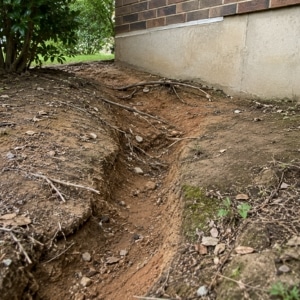
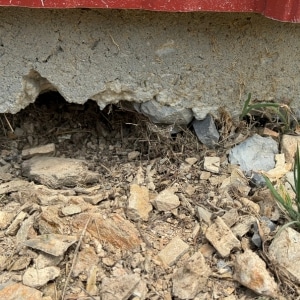
Virginia’s heavy rainfall and winter snow wear away soil around a home, especially when gutters and downspouts are clogged or damaged. When rainwater and melted snow are not directed away from the foundation, they pour excess moisture into the yard and erode the soil around the home. As that soil washes out and becomes saturated, the foundation above it loses support and sinks unevenly.
Poor Soil Compaction
When a home is built, builders typically clear and fill the land with soil, then compact it to support the structure above it. If that soil is not packed properly during construction, small air pockets remain hidden underneath the foundation. Over time, those pockets slowly collapse under the ongoing weight of the home, causing the foundation to settle unevenly into the ground beneath it.
Dry Soil
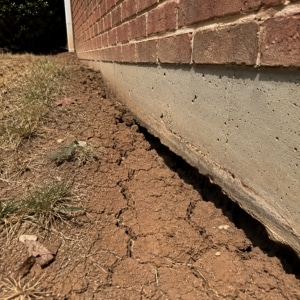
During hot Northern Virginia summers, prolonged sun exposure dries out the soil beneath a home, causing it to shrink, become brittle, and become unstable. As moisture evaporates from the ground, gaps form between the soil and the foundation resting above it. The weight of the home then compresses the weakened, fragile soil further, causing the foundation to settle unevenly and stress the structure above, leading to further damage if left unaddressed.
Poor Drainage and Water Intrusion
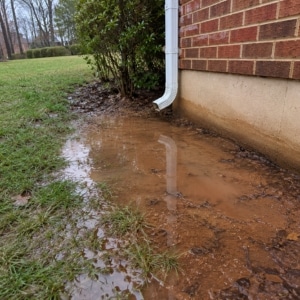
When gutters, downspouts, or grading fail to direct water away from your home, rainwater collects and saturates the soil directly around the foundation. That saturated soil loses its load-bearing capacity, allowing the foundation to sink unevenly under the weight of the home. In Northern Virginia, heavy spring rainfall makes poor drainage and other water-related issues especially damaging in homes where runoff drains too close to the foundation perimeter.
Determining the exact cause behind your foundation settling requires a professional inspection. LUX Foundation Solutions provides free inspections to evaluate foundation concerns and discuss repair options based on the findings
Our Proven Foundation Settlement Solutions
Foundation settlement caused by soil movement will not stop on its own. At LUX Foundation Solutions, we start every job with a free on-site inspection to identify exactly what is driving the movement beneath your home before recommending any repair.
Push Piers
When soil erosion or poor compaction has caused a section of your foundation to sink, push piers provide the most direct fix. We drive steel piers deep into the ground beneath your home until they reach stable soil or bedrock, well below where erosion or compaction issues occur.
Once in place, the piers help support the home’s weight from a more stable bearing layer, lifting the foundation back toward its original position. Push piers can often be installed with minimal disruption to the existing foundation and are designed as a long-term stabilization method. Installation typically are completed within a few days, depending on the size of your home.
Helical Piers
When expansive clay soil or dry, shrinking ground has weakened the support beneath your foundation, helical piers offer a reliable alternative to push piers, especially for lighter structures. These steel piers are fitted with helical blades and screwed into the ground until they reach a stable layer of soil, creating a strong, permanent anchor point.
Helical piers require minimal disturbance to your yard during installation, making them an ideal solution for homes where excavation needs to stay limited. They are a cost-effective, long-term fix for foundation issues caused by shifting or loose soil, and installation can typically begin and finish within a few days.
Slab Piers
When expansive clay soil or dry, shrinking ground has weakened the support beneath your foundation, helical piers offer a reliable alternative to push piers, especially for lighter structures. These steel piers use helical blades to screw them into the ground until they reach stable soil where they provide long-term support for the foundation.
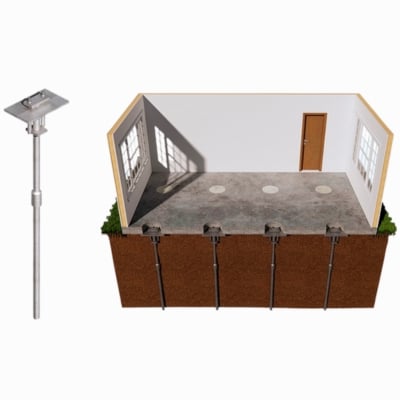
Once the piers are in place, they can be hydraulically lifted to restore the level of your slab and correct the unevenness caused by settling of foundation. This process directly addresses sinking or sloping slab floors without requiring full slab replacement, making it a practical and lasting solution for settlement-related slab damage.
French Drains
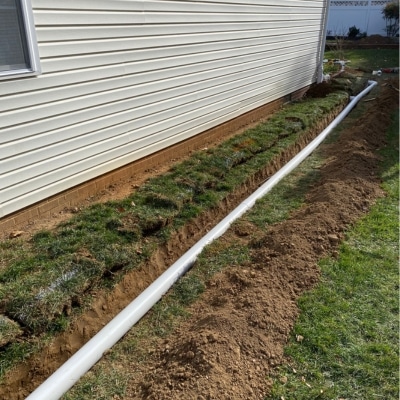
Water pooling around your foundation does more damage the longer it sits there, softening the soil and setting the stage for further settlement even after repairs are made. French drains solve this by directing the water elsewhere.
We install a perforated pipe inside a gravel-lined trench along the affected side of your foundation, intercepting runoff and groundwater before it can saturate the soil beneath your home. This drainage system is often paired with piers when drainage has contributed to settlement, keeping your foundation stabilized and protected from the issue recurring.
Not sure which solution applies to your home, or what foundation settlement repair actually involves for a house like yours? Our team will evaluate your foundation, identify the cause, and walk you through the right repair option during your free on-site assessment.
Schedule a Free Estimate for Foundation Settlement in Northern Virginia
Foundation settlement that keeps spreading is telling you the soil beneath your home needs attention now, before the cracks widen and the repair becomes more extensive.
At LUX Foundation Solutions, we inspect and repair foundation settlements across Northern Virginia, Shenandoah Valley, North Central Virginia, and West Virginia. We understand what clay soil expansion, erosion, and poor compaction do to home foundations throughout this region, and we know how to stop the movement for good with a solution built specifically for your home.
Call us today at 540-508-8587 or fill out our online form to schedule your free on-site foundation estimate. One of our experts will assess your foundation and walk you through your options with no pressure and no obligation.
Request a free Estimate
Foundation Settlement FAQs
Some foundation settlement is completely normal, especially in the first few years after a home is built, as the soil beneath it adjusts to the structure’s weight. This typically appears as thin, hairline cracks that do not grow over time. Settlement is considered a problem when it becomes uneven, cracks continue to widen, or doors, windows, and floors start showing noticeable changes.
Yes, foundation settlement can lead to a range of structural problems beyond the foundation itself. As the foundation shifts, homeowners may notice cracks in walls and ceilings, sticking doors and windows, uneven floors, and bowing basement walls, compromising the home’s structural integrity. Left unaddressed, this movement can also strain plumbing and electrical lines running through the affected areas of the home.
The clearest signs of foundation settlement include stair-step cracks in brick or block walls, gaps forming between siding and window or door frames, sloping floors, and sticking doors or windows or no longer latch properly. If you notice more than one of these signs at the same time, it is a strong indication that your foundation has settled unevenly and should be inspected.
Foundation settling refers to the gradual, often harmless shifting of soil beneath a home, which most houses experience to some degree in their first few years. Foundation problems occur when that settling becomes uneven, causing cracks wider than 1/8 inch, sloping floors, or structural movement that worsens over time. The difference comes down to whether the movement has stopped or is still causing damage to the home.
A general benchmark used by foundation professionals is that cracks wider than 1/8 inch, or cracks that continue to grow over time, indicate settling that has moved beyond acceptable and into a structural concern. Floors sloping more than 1 inch over 6 feet, or doors and windows that visibly stick or gap, are additional signs that the settling has reached a point requiring professional repair rather than continued monitoring.
Preventing foundation settlement starts with managing the moisture around your home’s foundation. Keeping gutters and downspouts clear, watering the soil during extended dry periods, and planting trees and shrubs away from the foundation can help minimize soil movement and reduce the risk of settlement.
Regular inspections can help identify settlement issues early, before they become more serious and costly to repair.